Friday, October 2, 2026

Asteroid Bennu Has an Identity Crisis, and Jupiter Might Be to Blame

The half a gram of Bennu material that was sent to ETH Zurich. Credit - Erika Blumenfeld & Joseph Aebersold / NASA

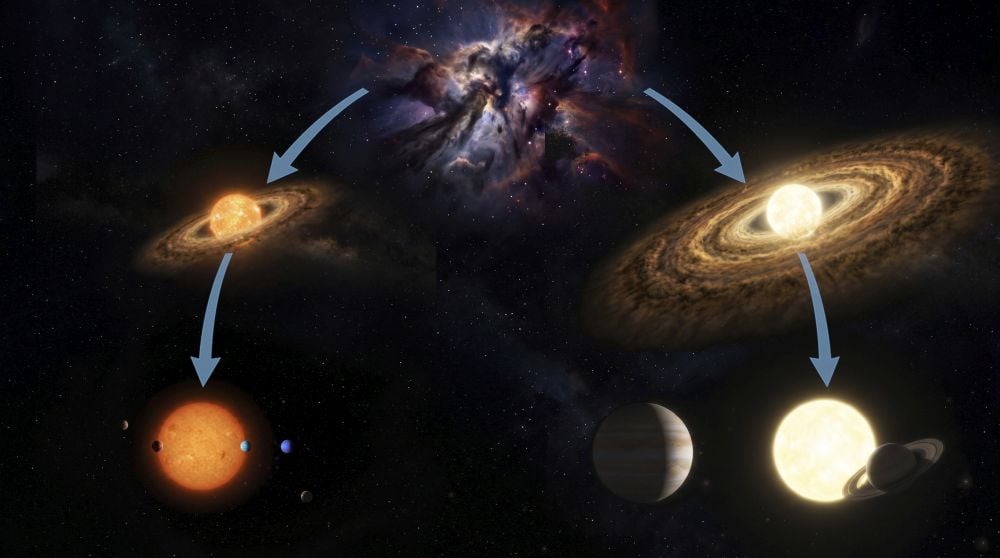
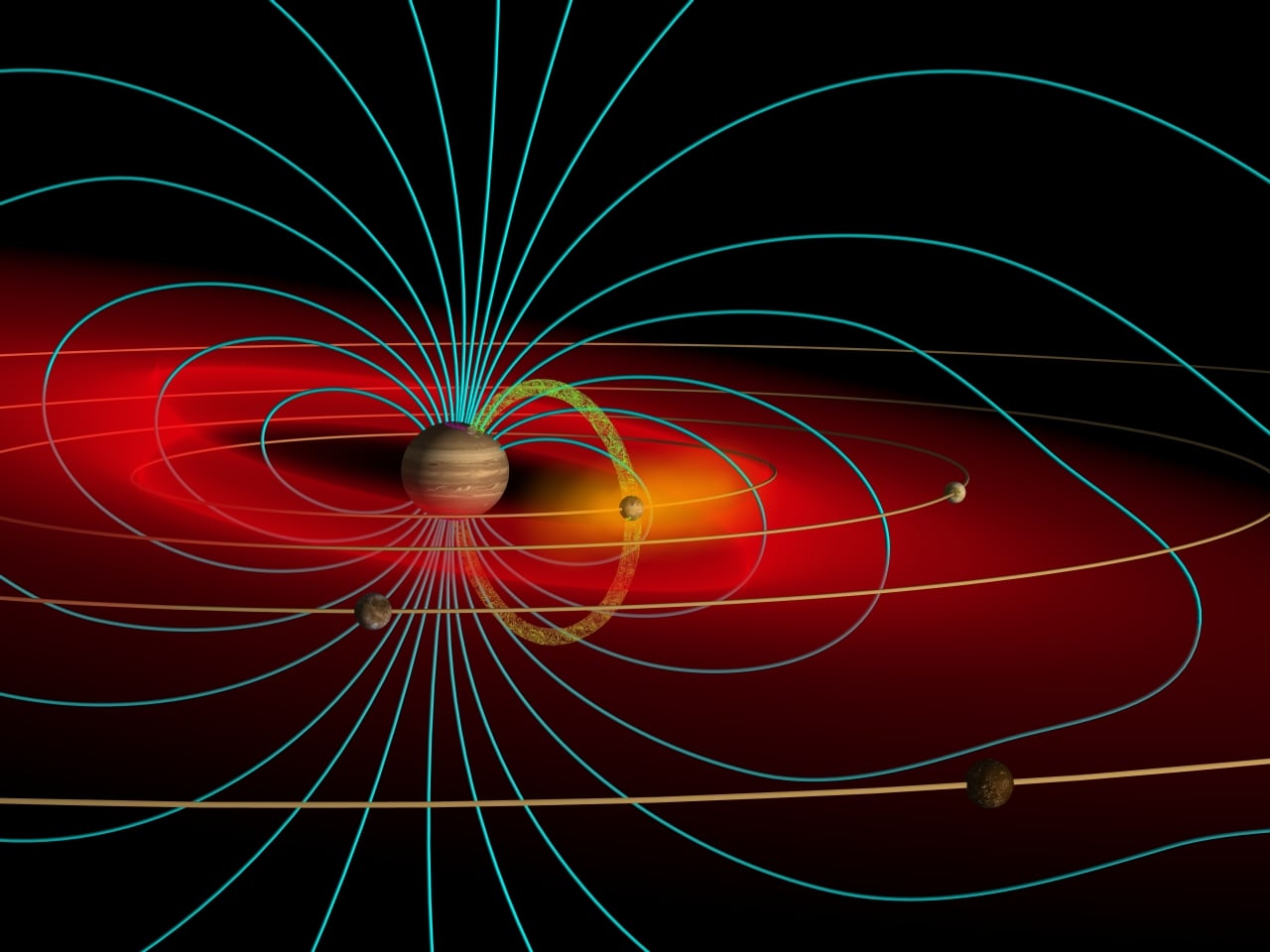
Asteroid sample return missions have brought well preserved samples of the early solar system (that hadn’t been roasted in a fireball) back to Earth for the first time. But those samples, like the OSIRIS-REx sample from asteroid (101955) Bennu, sometimes provide more questions than answers. A new paper, published in Science Advances from researchers at ETH Zurich and Lawrence Livermore National Laboratory, highlights one of those questions - why Bennu appears to have been born in both the inner and outer solar system - and a possible answer to it.


Thursday, October 1, 2026

NASA's First Selection for a New Class of Mission: The PRIMA Far-Infrared Telescope

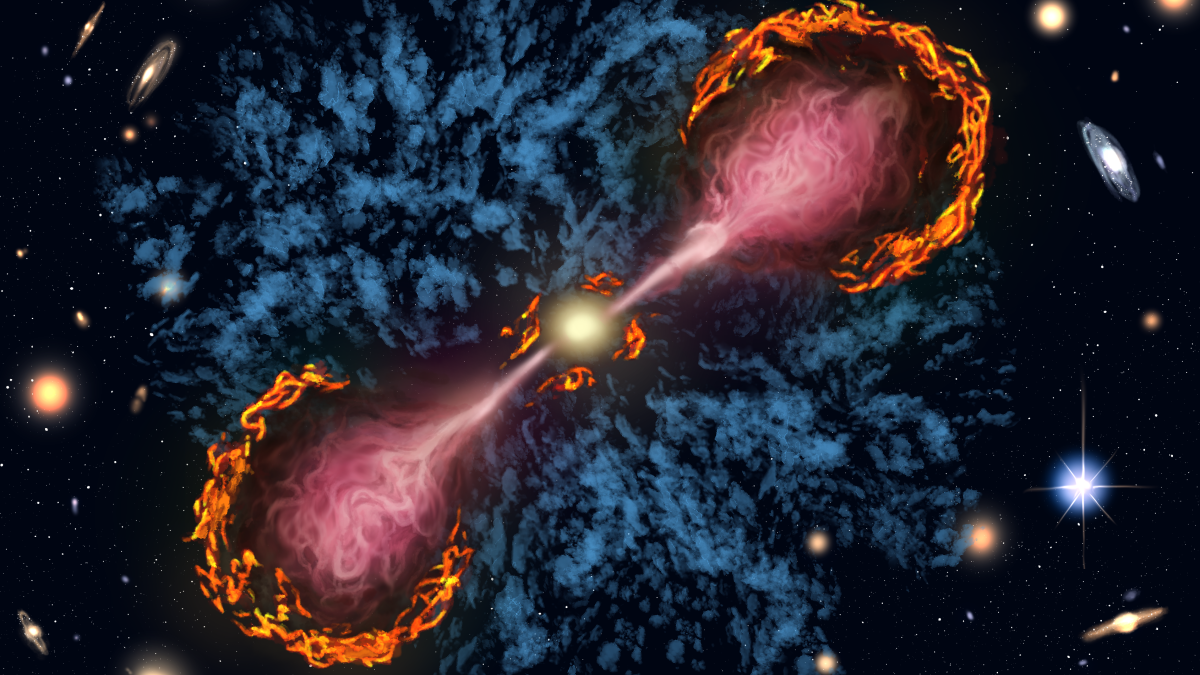
Artist's impression of PRobe far-Infrared Mission for Astrophysics (PRIMA). Credit: NASA

NASA announced Wednesday a mission to explore the history and evolution of the universe, PRIMA (PRobe far-Infrared Mission for Astrophysics), is advancing to the next phase of development. This space telescope is the first in a new class of NASA astrophysics missions, called Probe Explorers, within the agency’s longstanding Explorers Program.


NASA's Hubble Marks its 200,000th Orbit by Watching Lensed Supernova

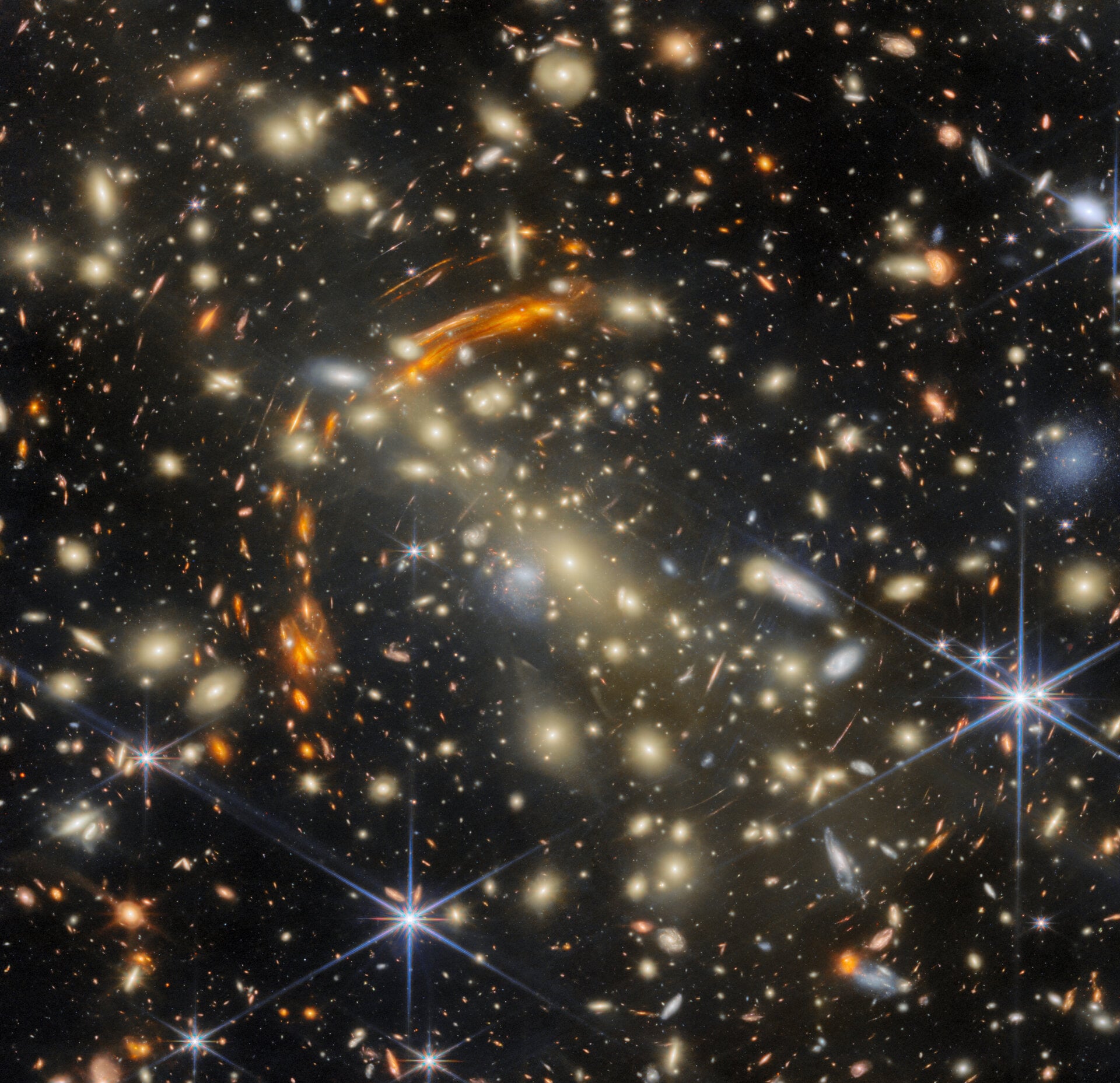
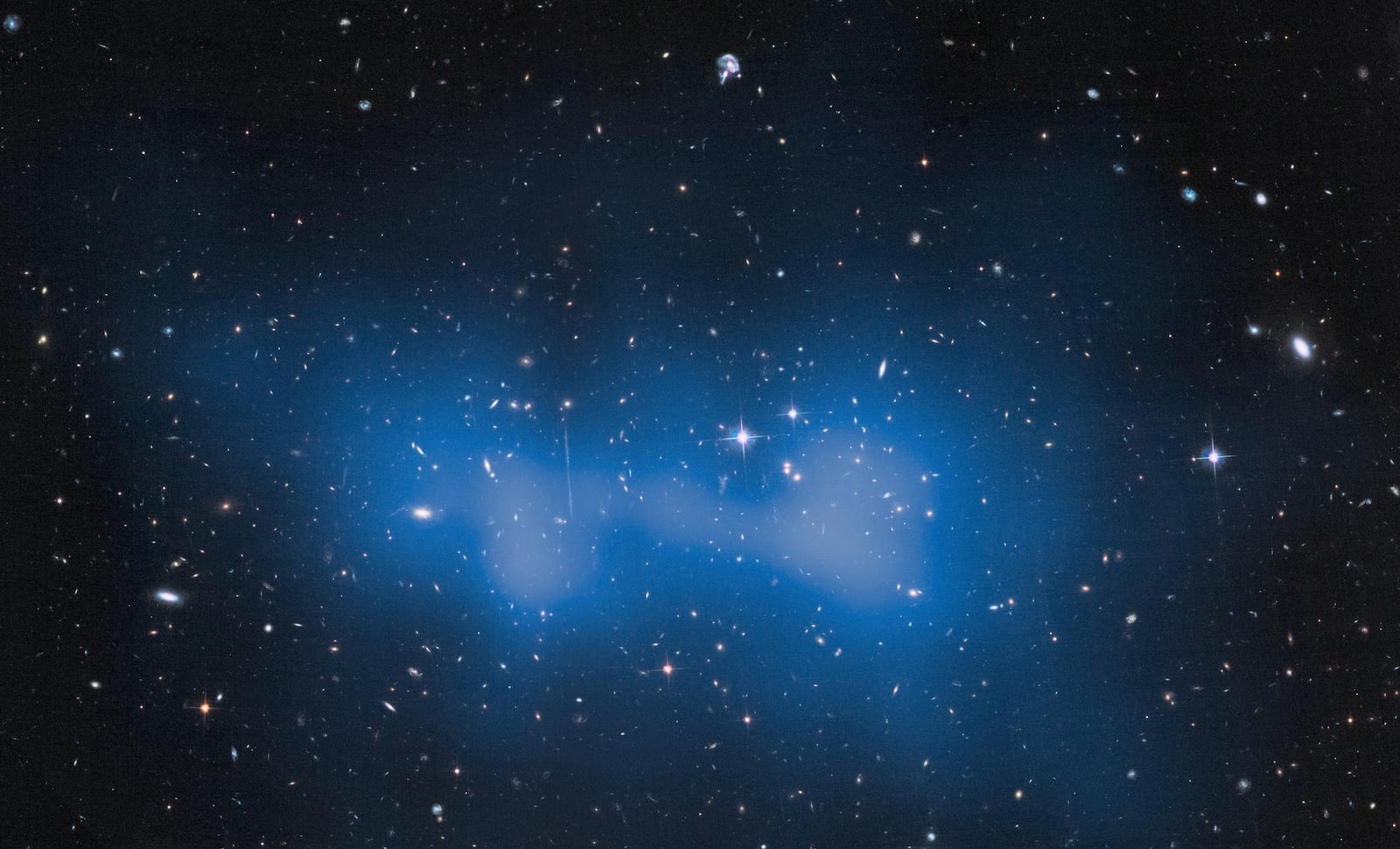
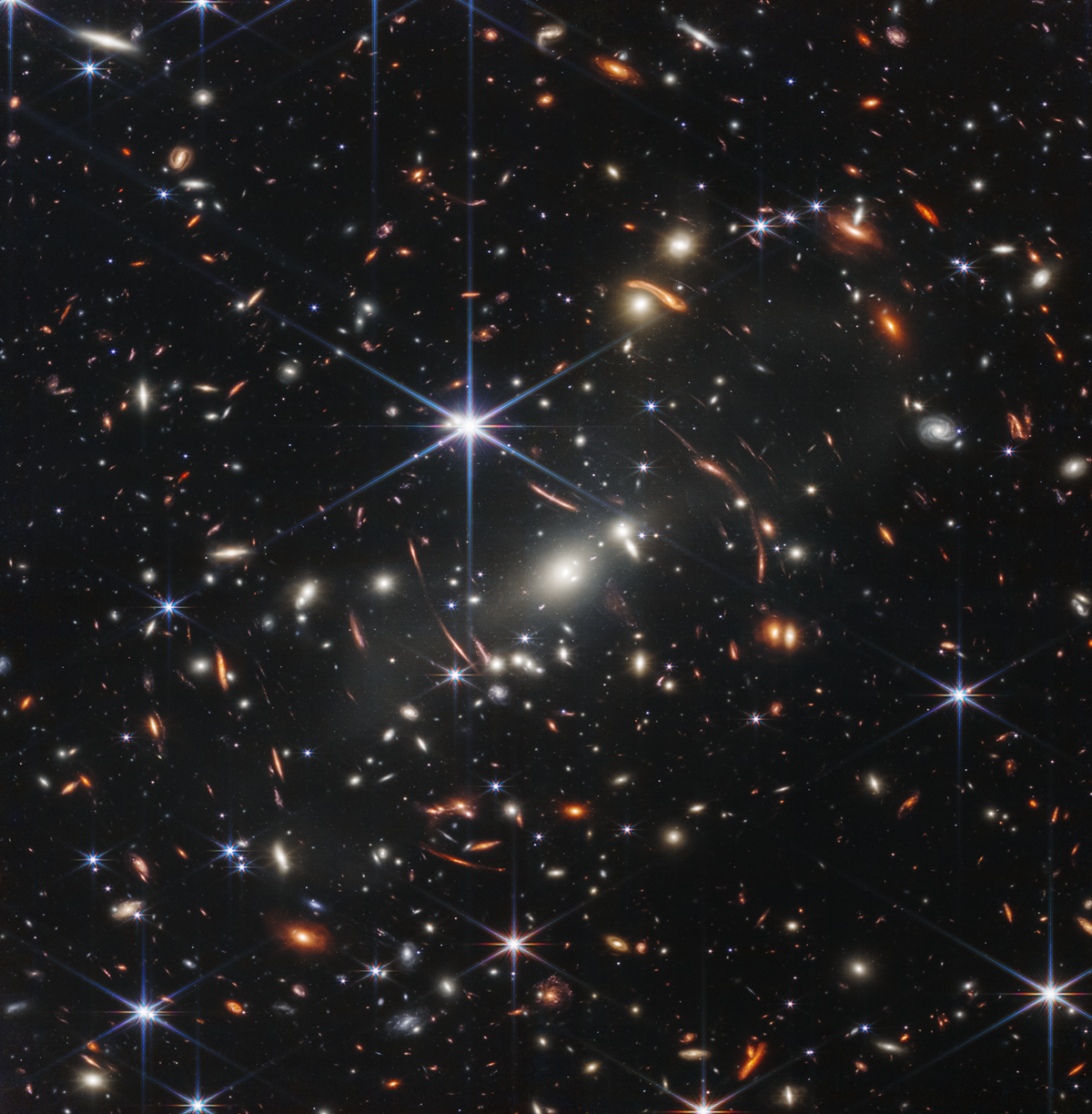
An image from NASA's Hubble Space Telescope of the galaxy cluster MACS J0417, part of repeated observations to monitor for the reappearance of supernova Athena. Credit: NASA/ESA/STScI/UCLA

NASA’s Hubble Space Telescope completed its 200,000th orbit around Earth on Sept. 19th and marked this milestone with observations that could help refine astronomers' measurements of cosmic expansion (aka. the Hubble Constant).


Exercise Keeps Astronaut Hearts in Fighting Shape for the Journey to Mars

Astronaut Don Pettit participates in endurance exercise during his mission in 2012. Credit - NASA

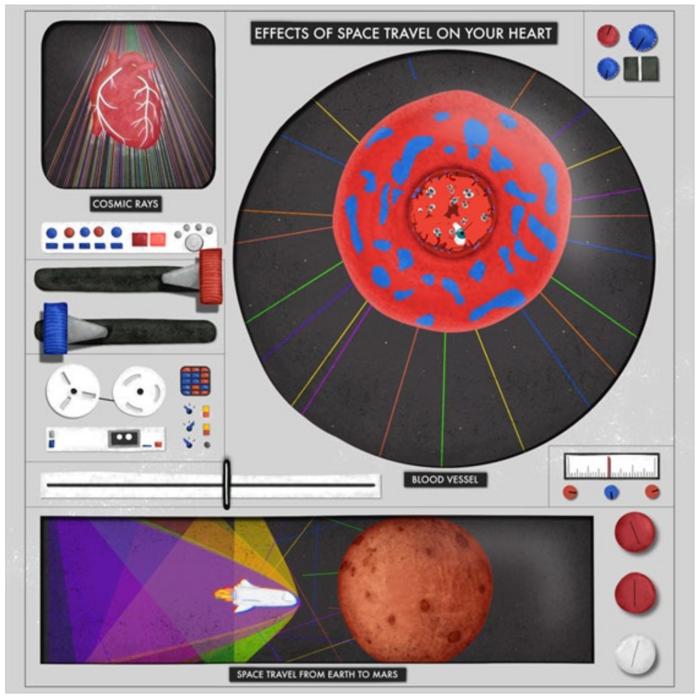
Getting a human body to Mars will take a toll on it. NASA and other space agencies have been concerned for years that the 6-9 month travel time to get to the Red Planet could have such a deleterious impact on human anatomy that any crewed mission would fail before it even began. But a new study, co-led by Dr. Benjamin Levine of the University of Texas Southwestern Medical Center and published in the journal Circulation, eases some of that concern by claiming that, given a sufficient exercise regimen in low gravity, astronauts should be able to operate on Mars upon arrival without any major cardiac issues.