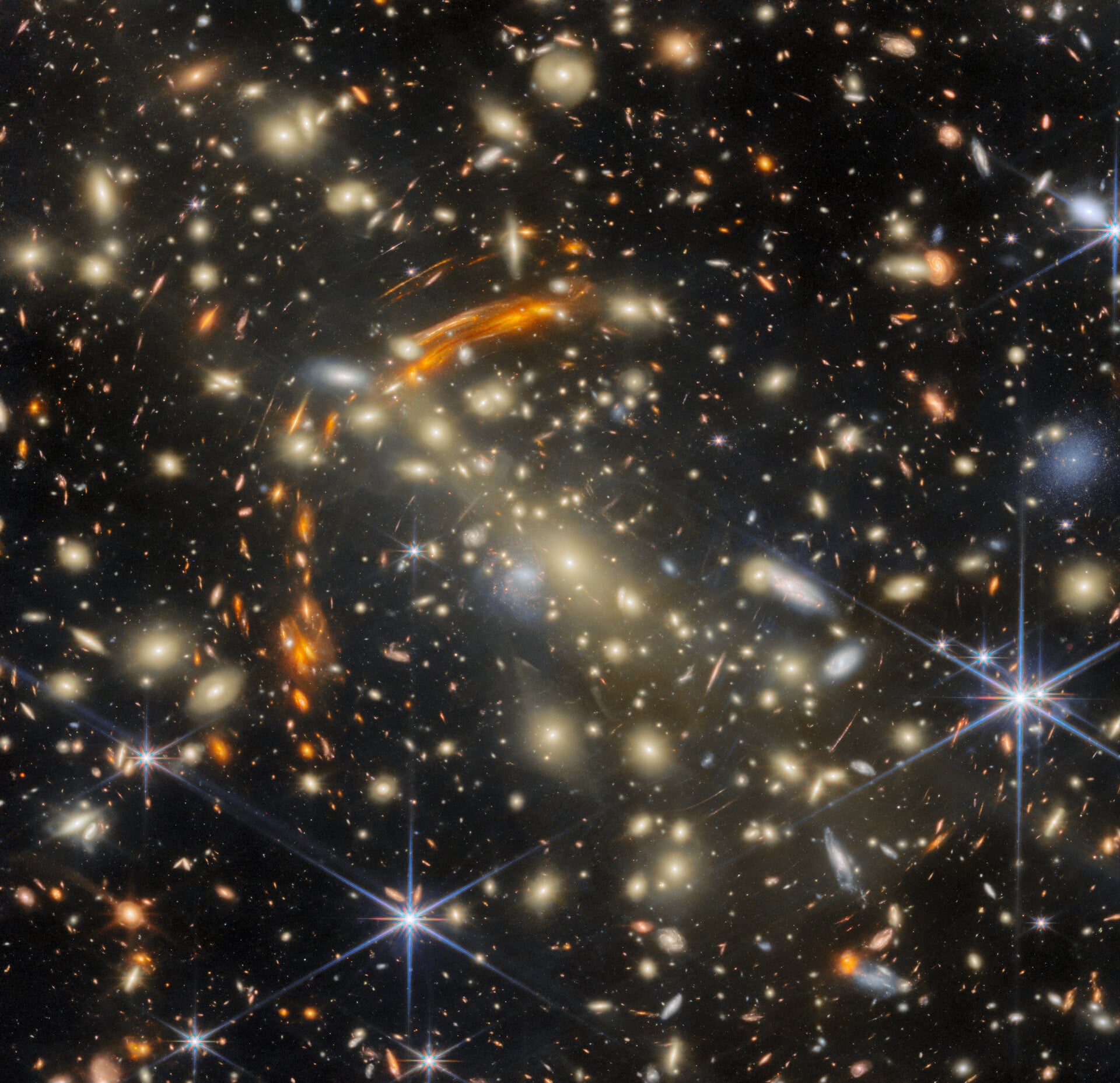
The NASA/ESA/CSA James Webb Space Telescope Picture of the Month features the brilliant golden galaxies belonging to the MACS J0454.1-0300 galaxy cluster.
The NASA/ESA/CSA James Webb Space Telescope Picture of the Month features the brilliant golden galaxies belonging to the MACS J0454.1-0300 galaxy cluster.
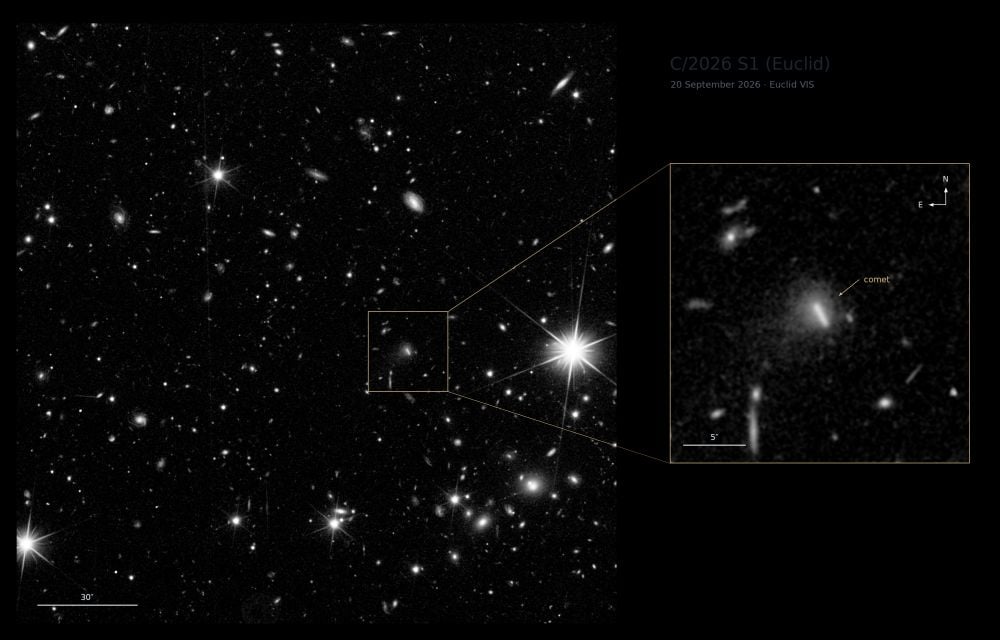
The ESA's Euclid space telescope was launched in July, 2026, and its mission is to observe billions of galaxies. The goal is to measure their redshifts over 10 billion years of Universal expansion, to better understand dark matter and dark energy. Surprisingly, the telescope has discovered a brand new comet, now named C/2026 S1 (Euclid).
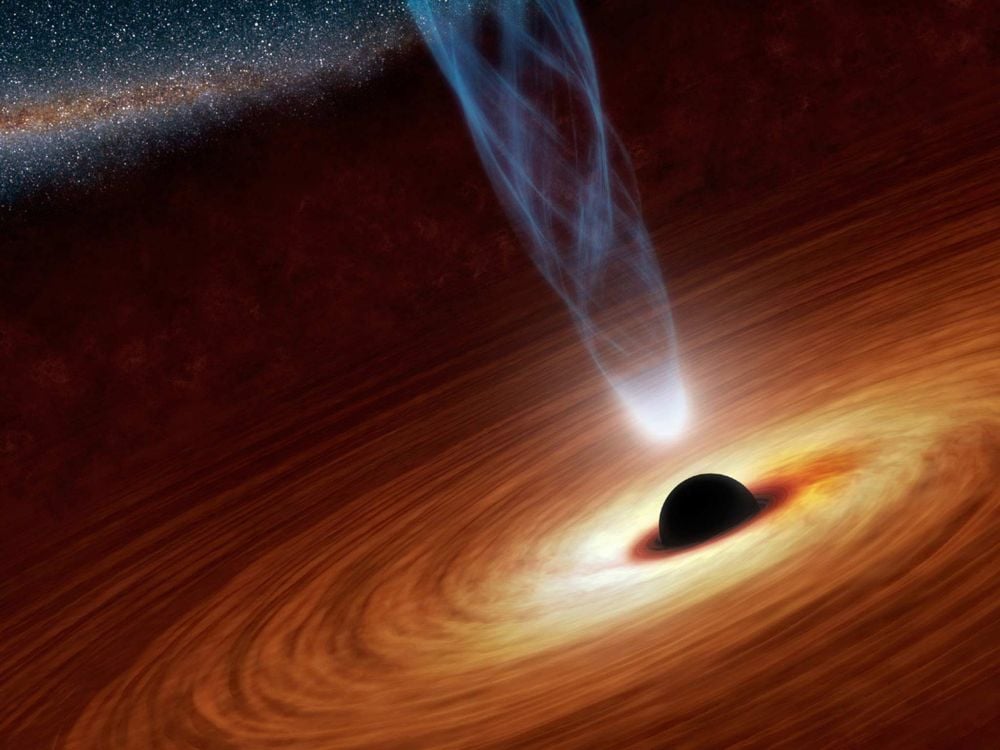
Researchers have confirmed the existence of the first microblazar. Unlike blazars, which are extragalctic and powered by supermassive black holes, microblazars are inside the Milky Way, and are powered by stellar mass black holes. The microblazar may be the source for the most energetic particles in the galaxy.
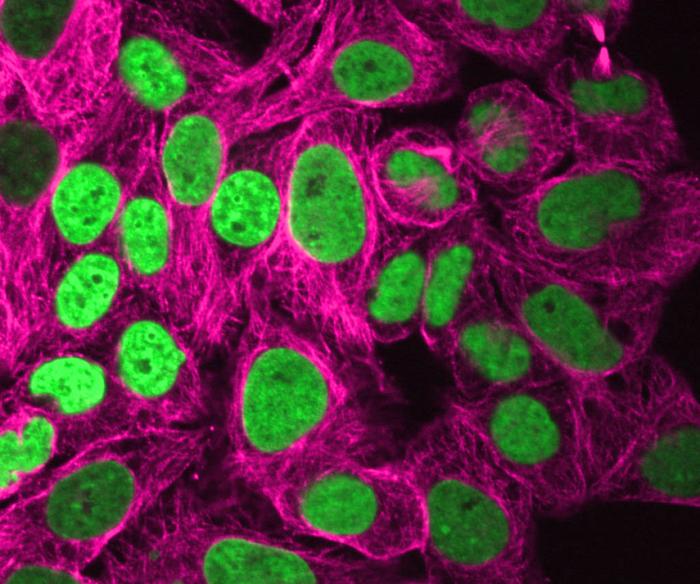
A new study in Science Advances addresses the pressing questions about how long-duration exposure to microgravity affects the human genome.

Despite the upcoming Bepi Colombo visit to Mercury, we need a lander mission to fully understand our solar system’s innermost planet.
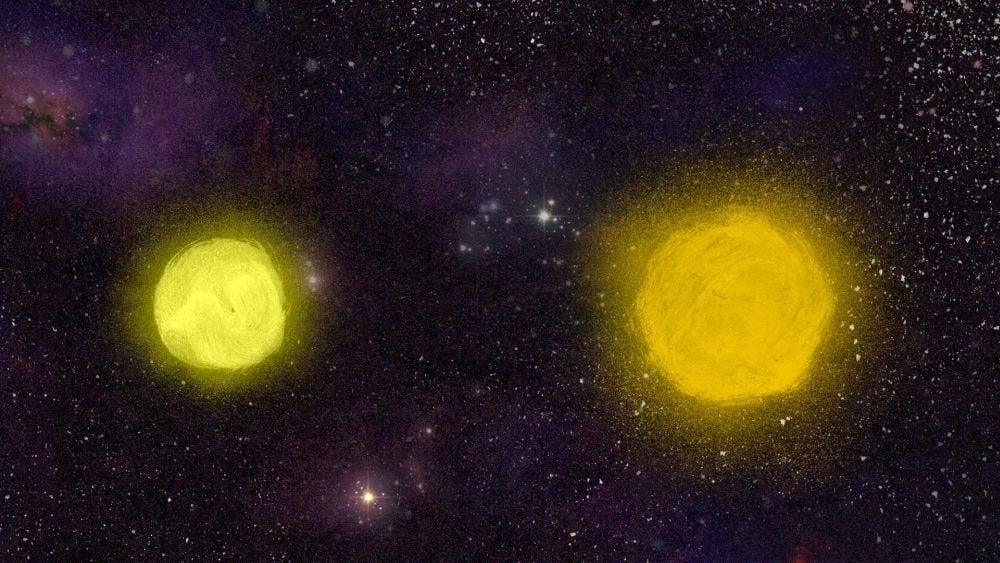
Astronomers used decades of archival data and new radial velocity measurements to search for exoplanets around a neaby binary star, 70 Oph AB. They didn't find any, which can seem like a failure. But in this case, their work only ruled out large, Jupiter-mass planets at certain distances. There could still be Earth-sized planets there, and their precise findings will only fuel a deeper search with more powerful telescopes.
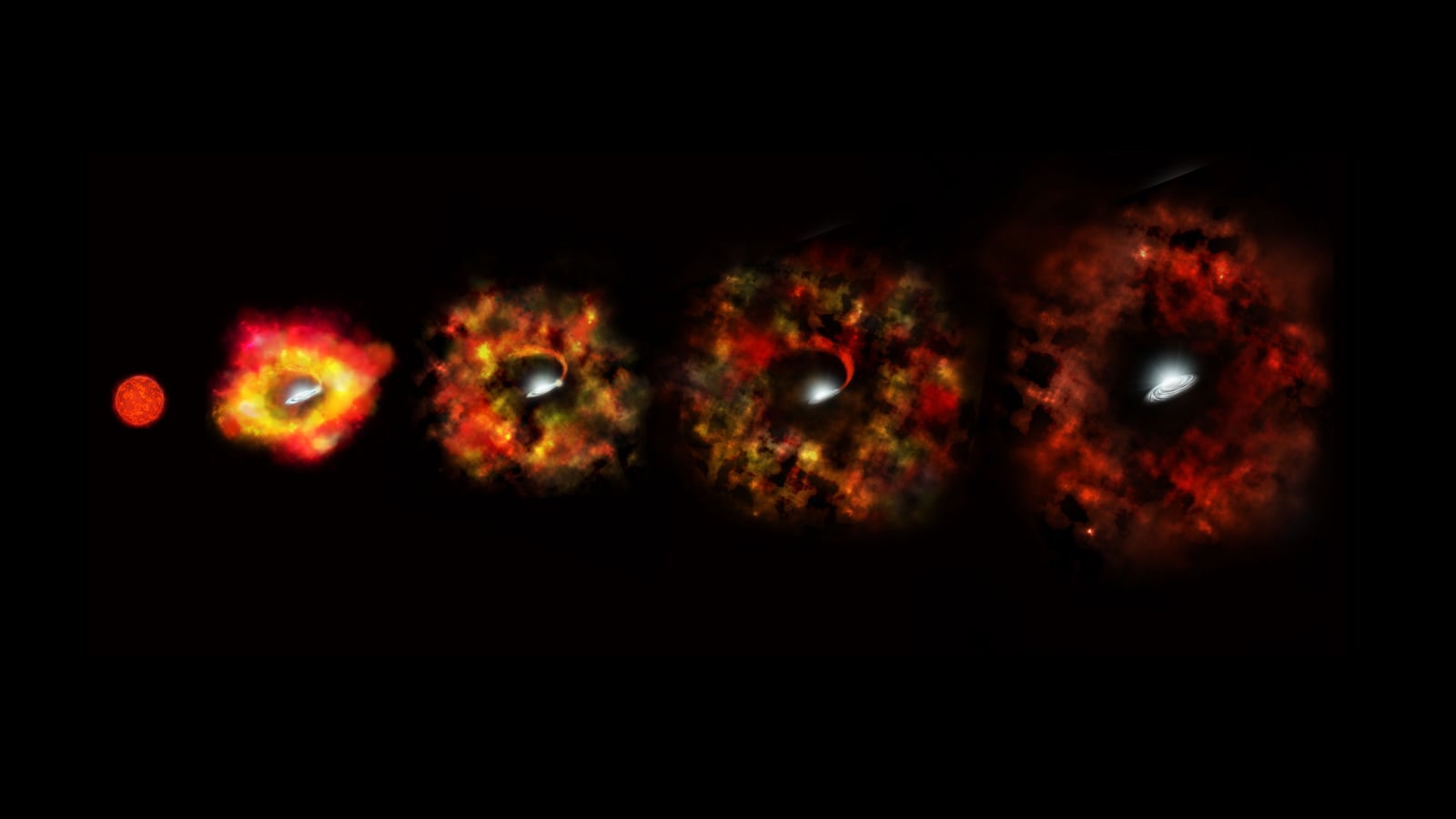
Neutrinos come in three different flavors. A new study finds that neutrino flavor could play a significant role in whether a dying star becomes a supernova or collapses directly into a black hole.
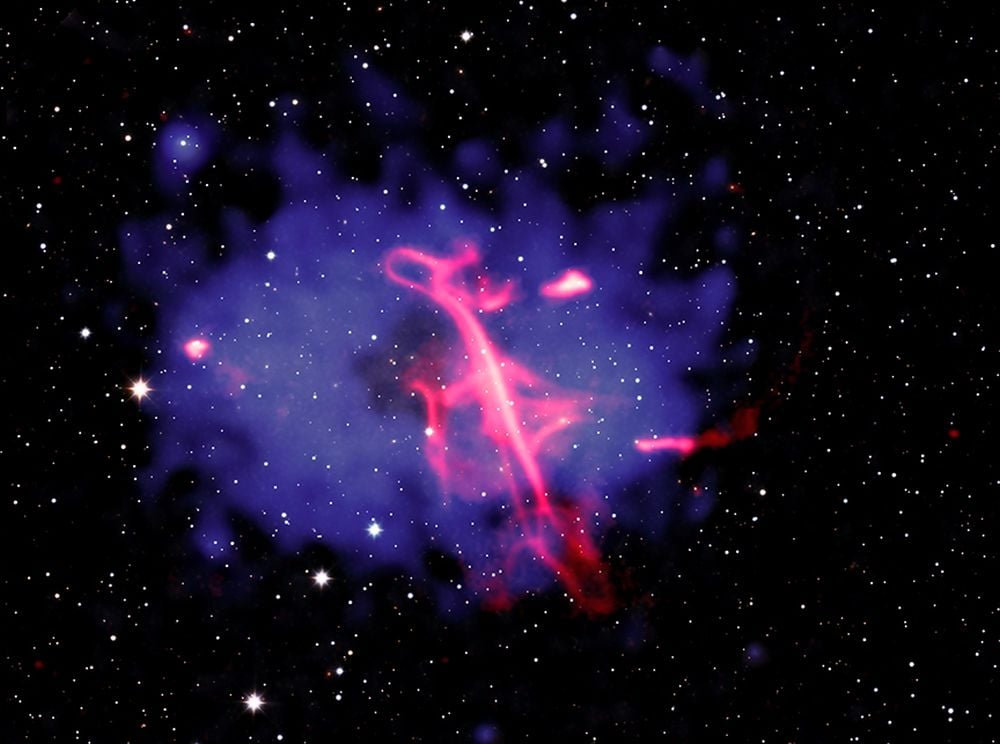
Years ago, astronomers spotted a strange radio formation beyond the Zone of Avoidance. The formation resembles a treble clef, a symbol in musical notation, and the nickname has stuck. Determining what created it has been difficult, but new research has revealed that the Treble Clef is a radio phoenix.
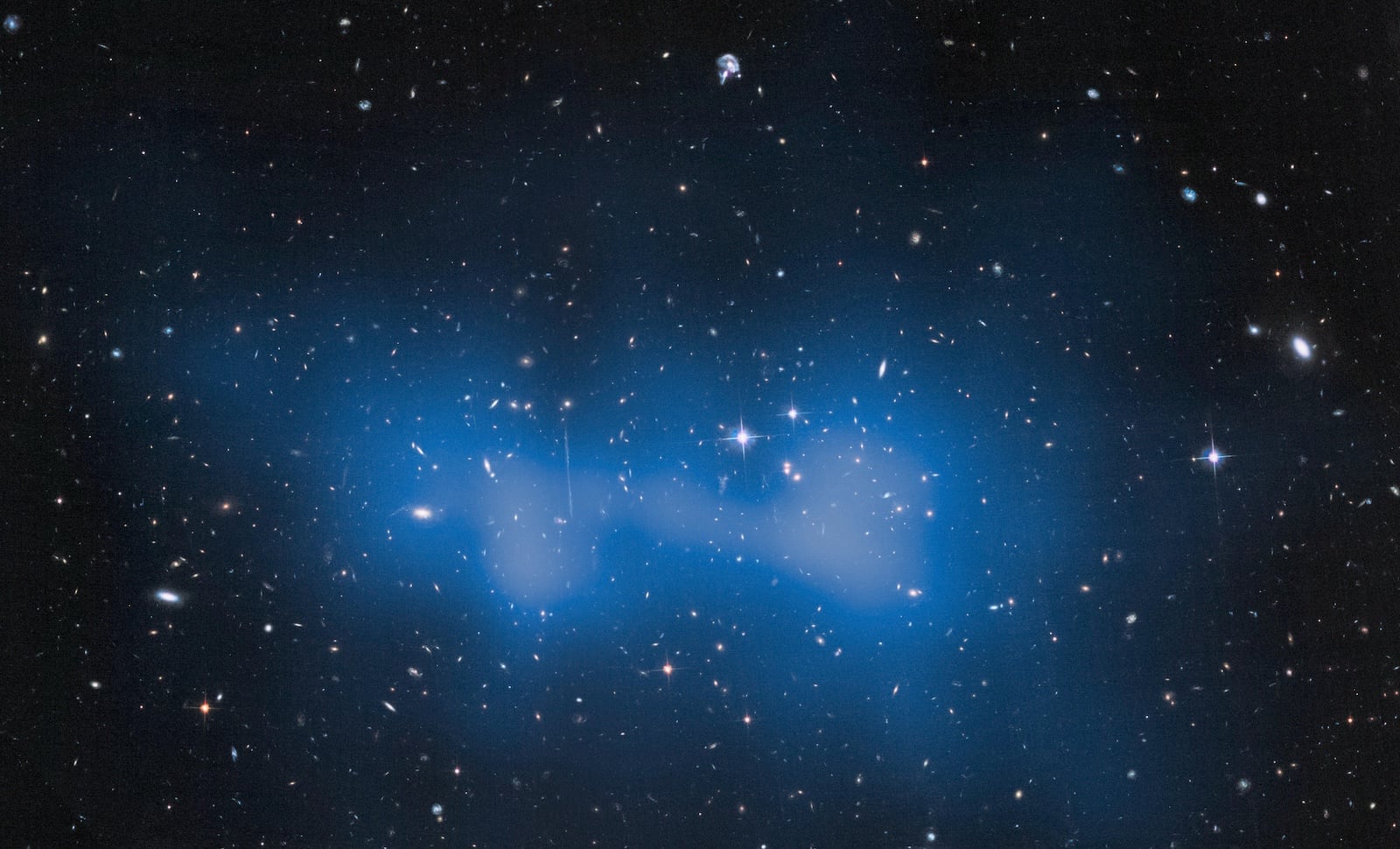
The El Gordo supercluster is unusually large given its distance. How could such a large galaxy cluster form so quickly? The answer could be that dark matter is self-interacting in an interesting two-state way.
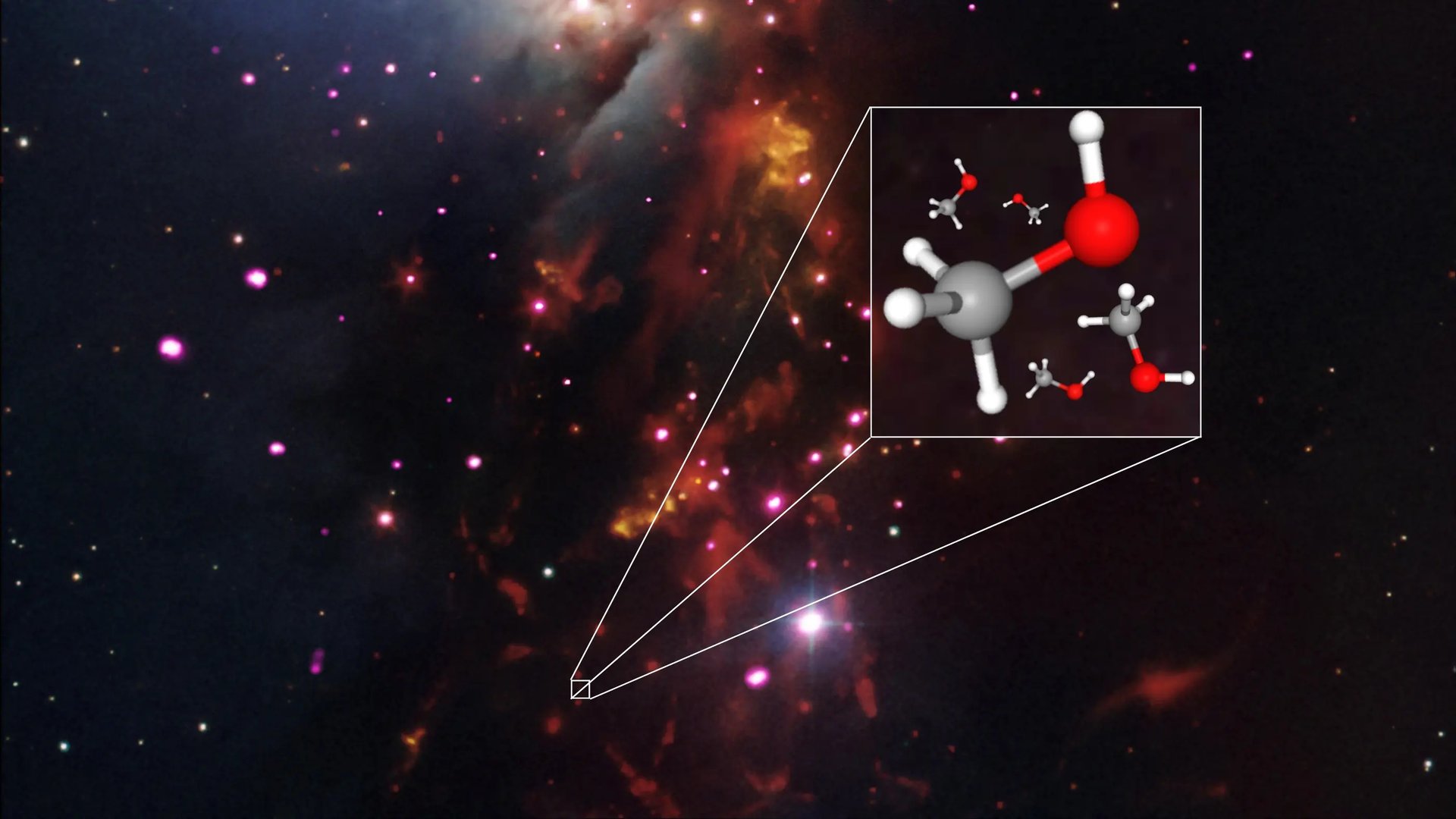
As part of the ALMA COMPASS Large program, an international research team has detected a rare form of methanol in space for the first time.
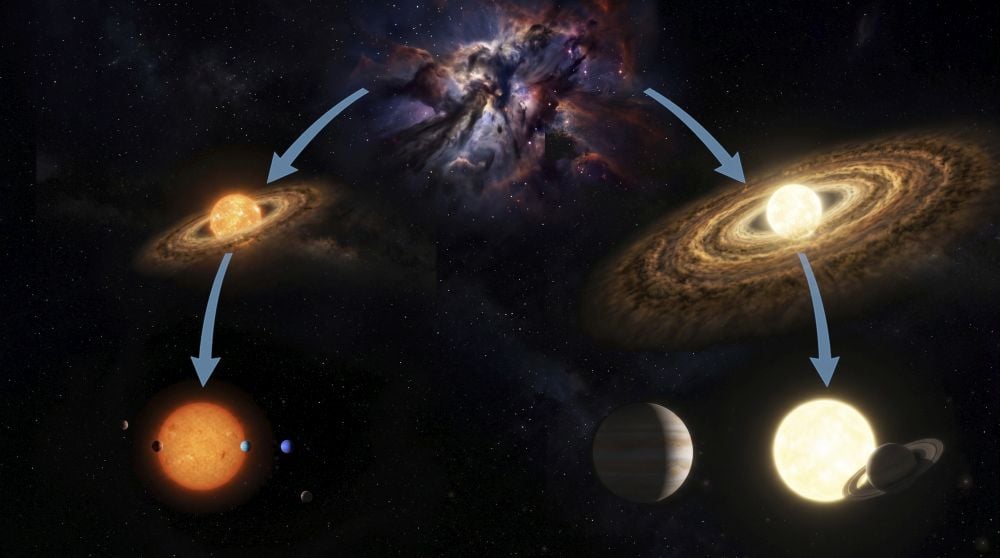
New research draws a link between a host star and the characteristics of its planetary system. Higher mass stars create one family of systems, while lower mass stars create another. These results provide a new, more detailed template for understanding exoplanet systems.
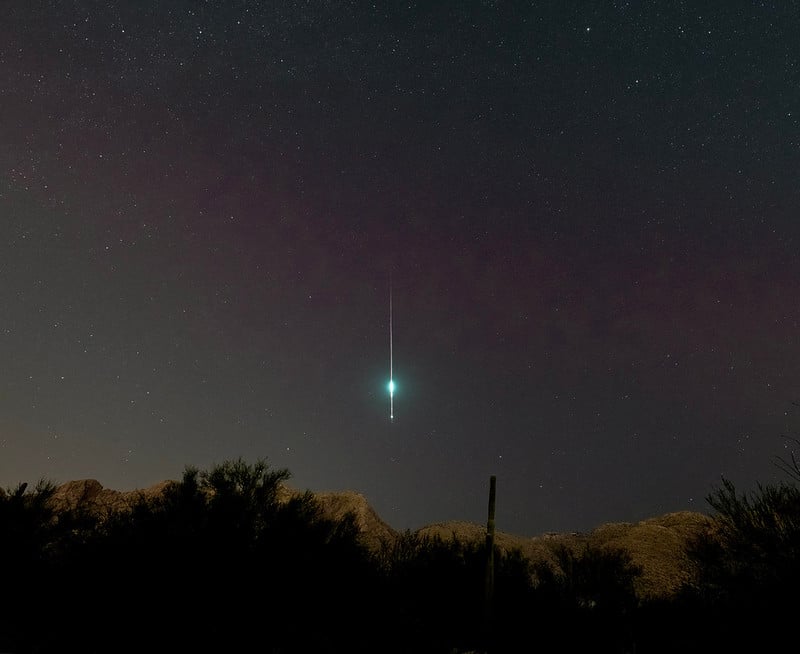
Fall meteor season has begun. Late October not only sees dusk falling ever earlier as ghouls and goblins walk the Earth on Halloween, but it also sees the peak of two fine annual meteor showers kicking off Halloween season: the Orionid and Taurid meteor showers.
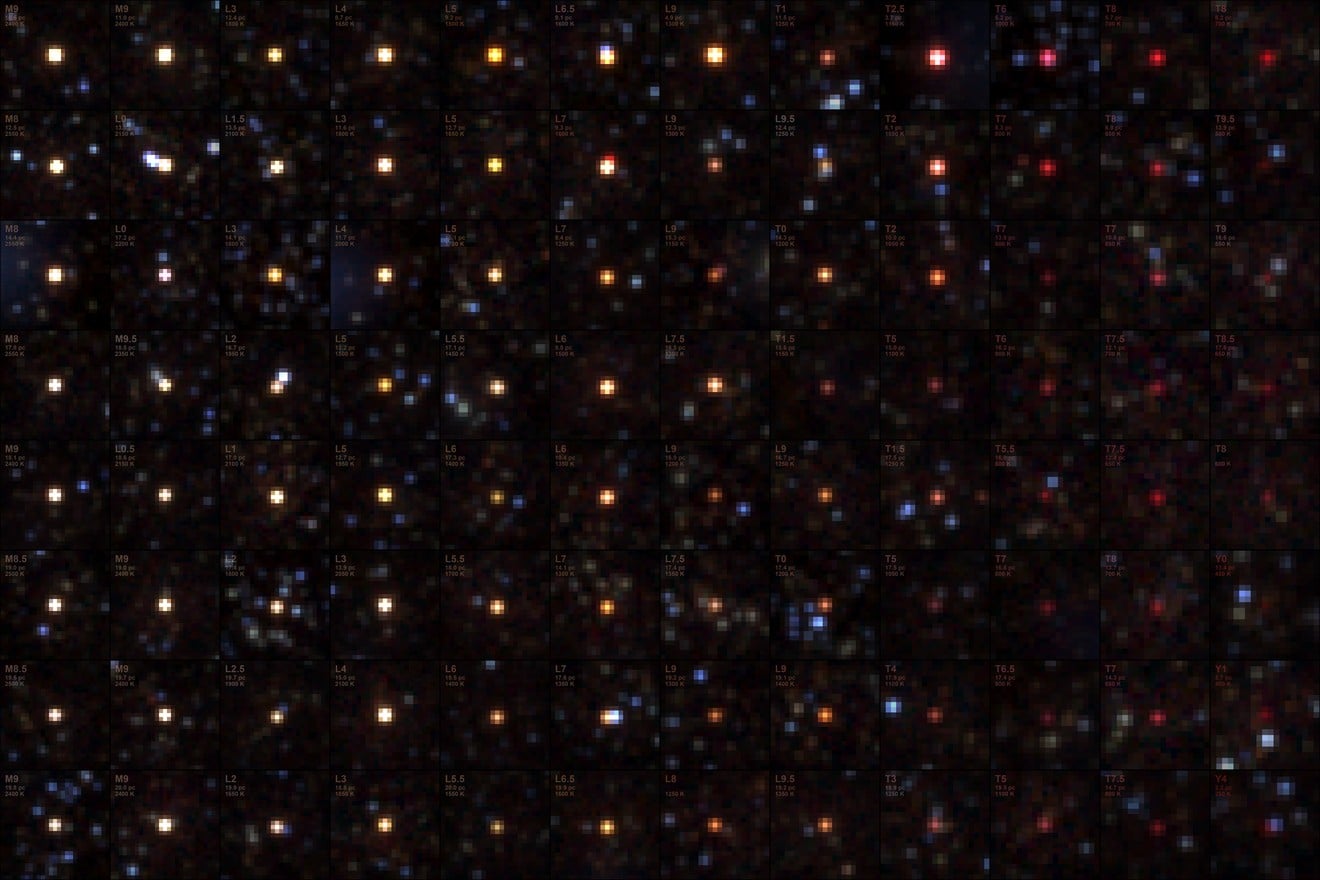
Brown dwarfs are the black (or brown?) sheep of astronomy. They’re too big to be considered a traditional gas planet, but they are too small to have started nuclear fusion and made the full transition to star-hood. They also change dramatically over time, cooling, shrinking, and spinning faster as they age. Or at least we think they do - our models of the atmospheres of these celestial objects aren’t the best, according to a new paper in The Astrophysical Journal Letters by a team led by Zafar Rustamkulov at Caltech and NASA’s Jet Propulsion Laboratory.
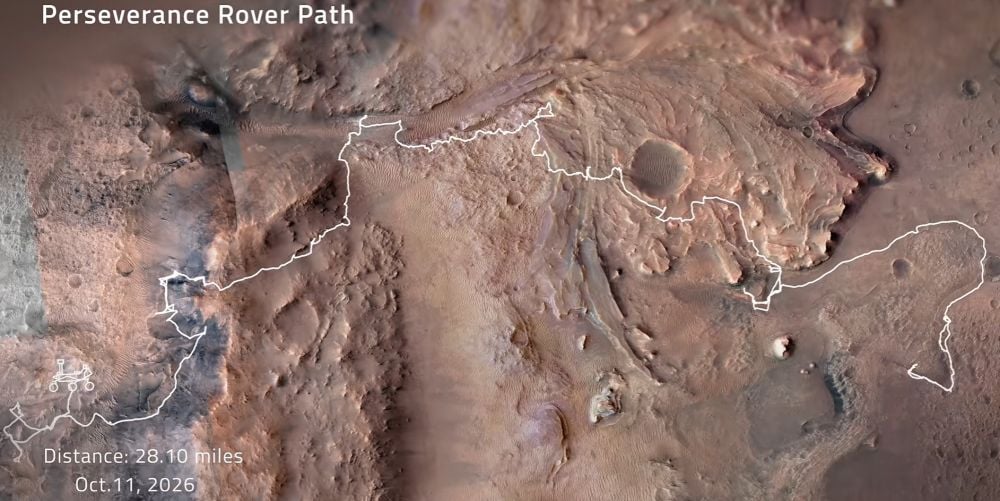
NASA's Perseverance Rover has reached another milestone. It now holds the record for the longest distance travelled on another world, meaning Mars and Earth's Moon. It's all thanks the ingenuity behind AutoNav, it's hazard-detection driving system. It's a win for science, as more distance travelled means more scientific objectives are reached.
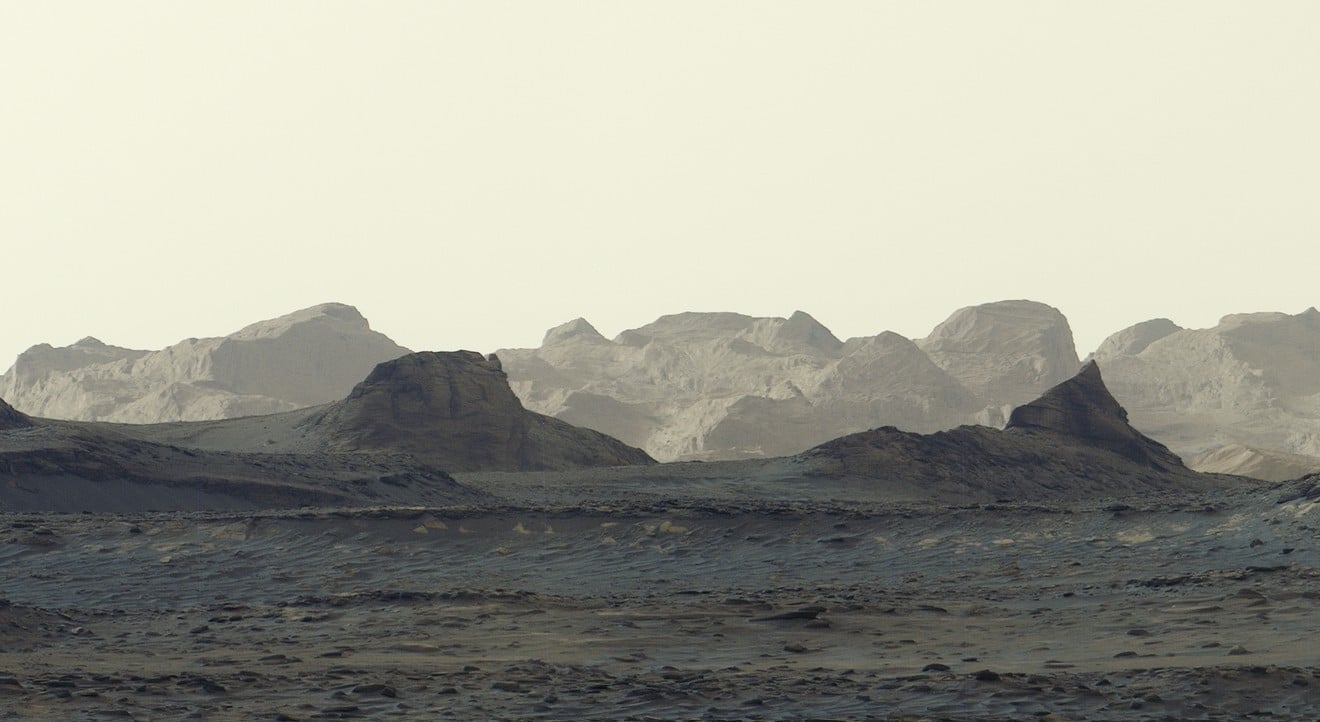
Mars is a planetary geologist’s paradise. NASA’s Curiosity rover drove that home recently, with a captivating panorama seen from the slopes of Mount Sharp. The image shows a stunning vista, and was not white-balance adjusted during processing, to show just what a viewer might really see at sunrise standing of Mars.
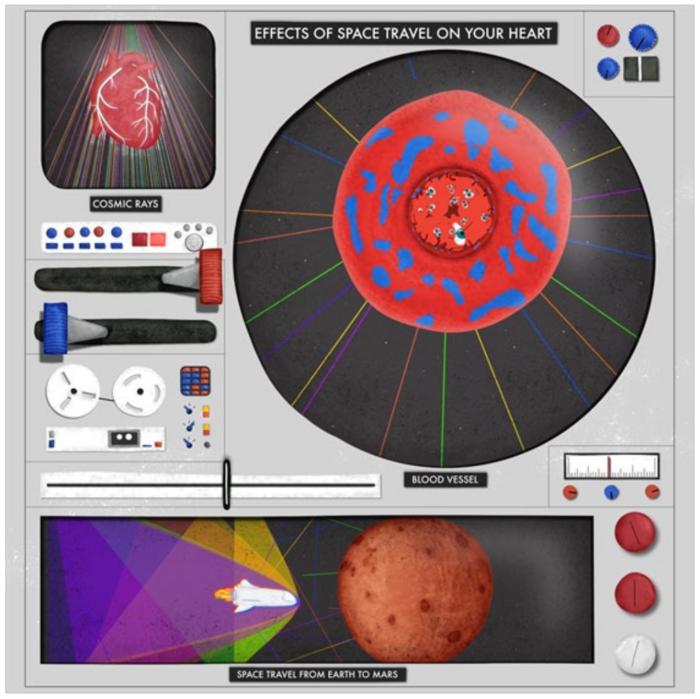
When astronauts first travel to Mars, or anywhere else in deep space, they will have to contend with two problems that our planet itself protects us from on its surface - radiation and weightlessness. Scientists already know both can have a profound impact on the human body, but just how much of one, and how long that impact can last, remain a mystery. A new paper by researchers at the Medical College of Wisconsin, and published in PLoS One, tackles those questions, and unfortunately comes up with some less than ideal answers in terms of the long term implications of deep space exposure.
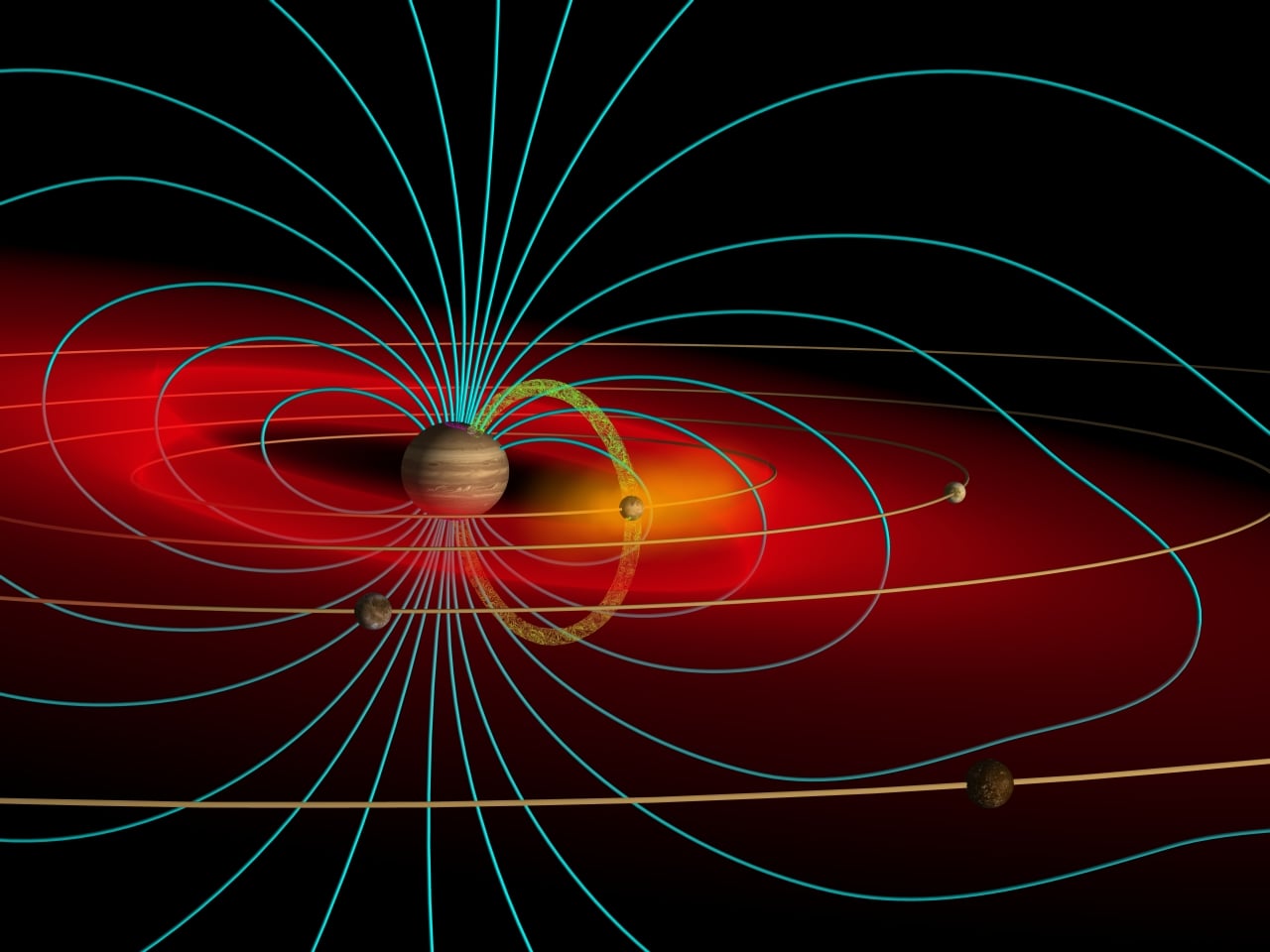
Using observations from NASA's Juno spacecraft, an international team led by Shandong University shows that Jupiter's magnetodisk is a rippling structure that rotates with the planet, contrary to what scientists previously thought.
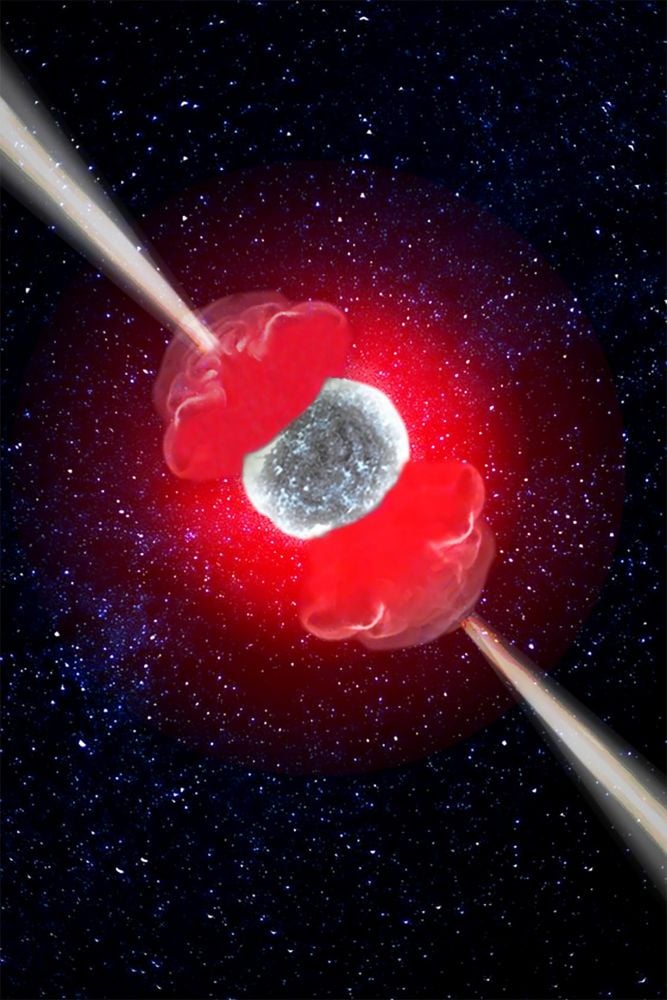
Astrophysicists think that hypernovae are the most powerful stellar explosions in the Universe. They're the most explosive type of core-collapse supernova. But the evidence for them is not voluminous, and new research pokes holes in it, pointing out that hypernovae may not actually exist.
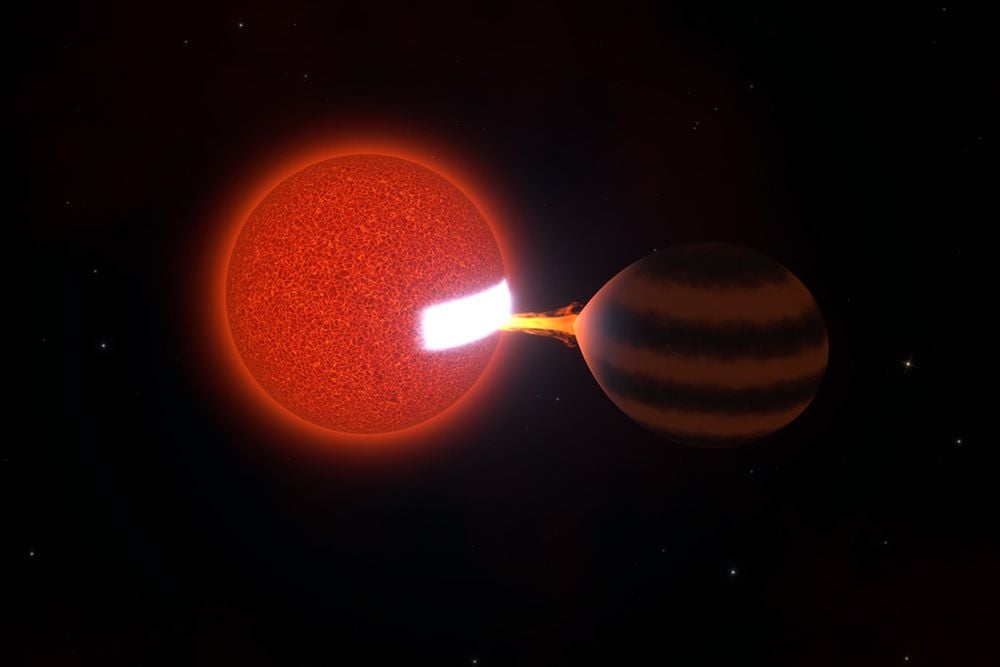
Astronomers detected an unusual triangular light curve about 300 light years away. They were searching for Black Widow Binaries, where a dense neutron star eats its companion. But they found something different: an M dwarf slowly eating its binary companion brown dwarf.
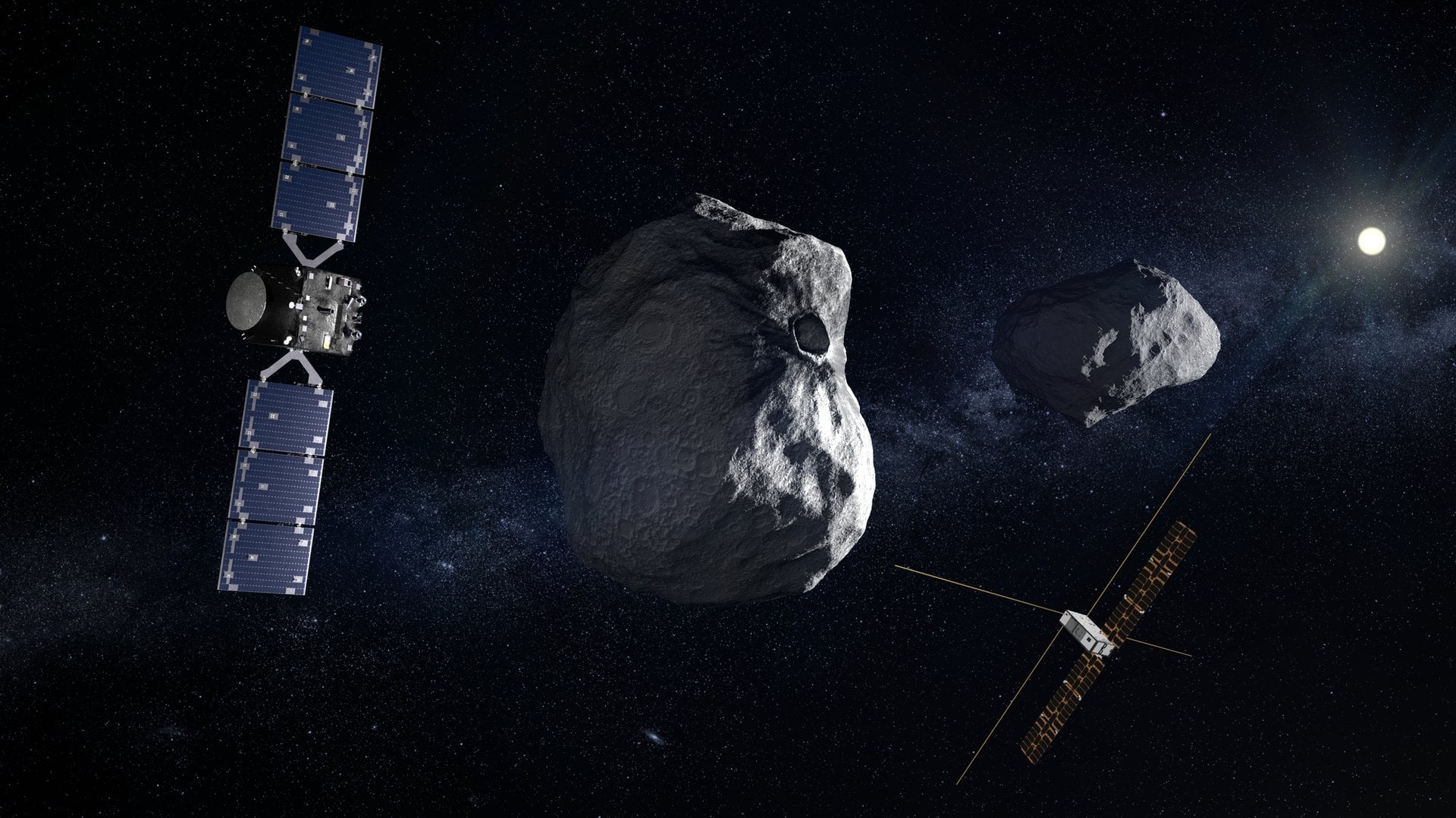
In just one more month, the European Space Agency’s Hera mission will make history. Moving at 12 kilometers per second versus Earth, the mission is about to rendezvous with the binary Dimorphos-Didymos asteroid pair. NASA’s Double Asteroid Redirection Test (DART) mission slammed into Dimorphos in 2022, and now Hera will provide a follow up view of the mission’s resulting handiwork. The European Space Agency (ESA) recently released a thought-provoking look at the perspectives of Hera, and what an astronaut might see from the surface of the asteroids as the mission speeds by.
