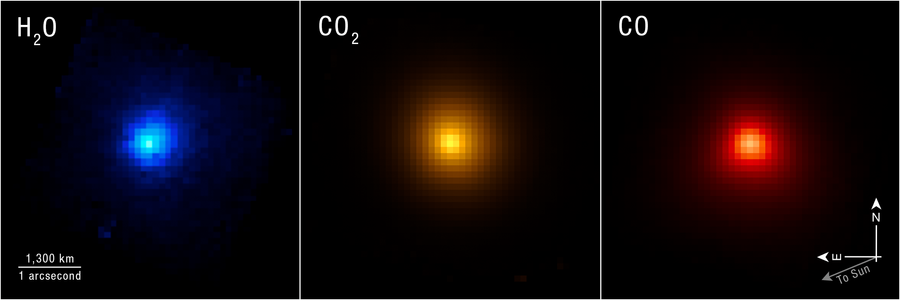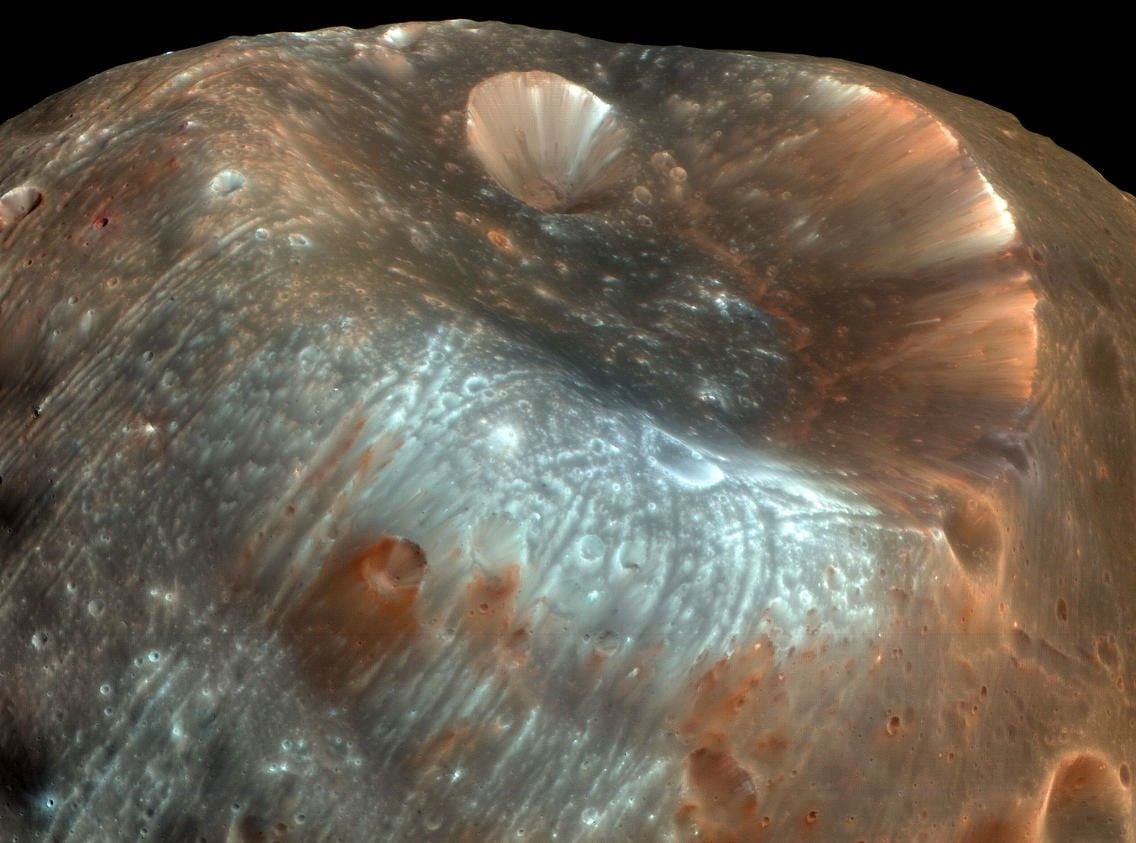
Understanding the Martian moon of Phobos’ origin hinges on decoding its interior. Japan’s Martian Moons Exploration (MMX) mission due for launch in late 2026 should help.
Understanding the Martian moon of Phobos’ origin hinges on decoding its interior. Japan’s Martian Moons Exploration (MMX) mission due for launch in late 2026 should help.

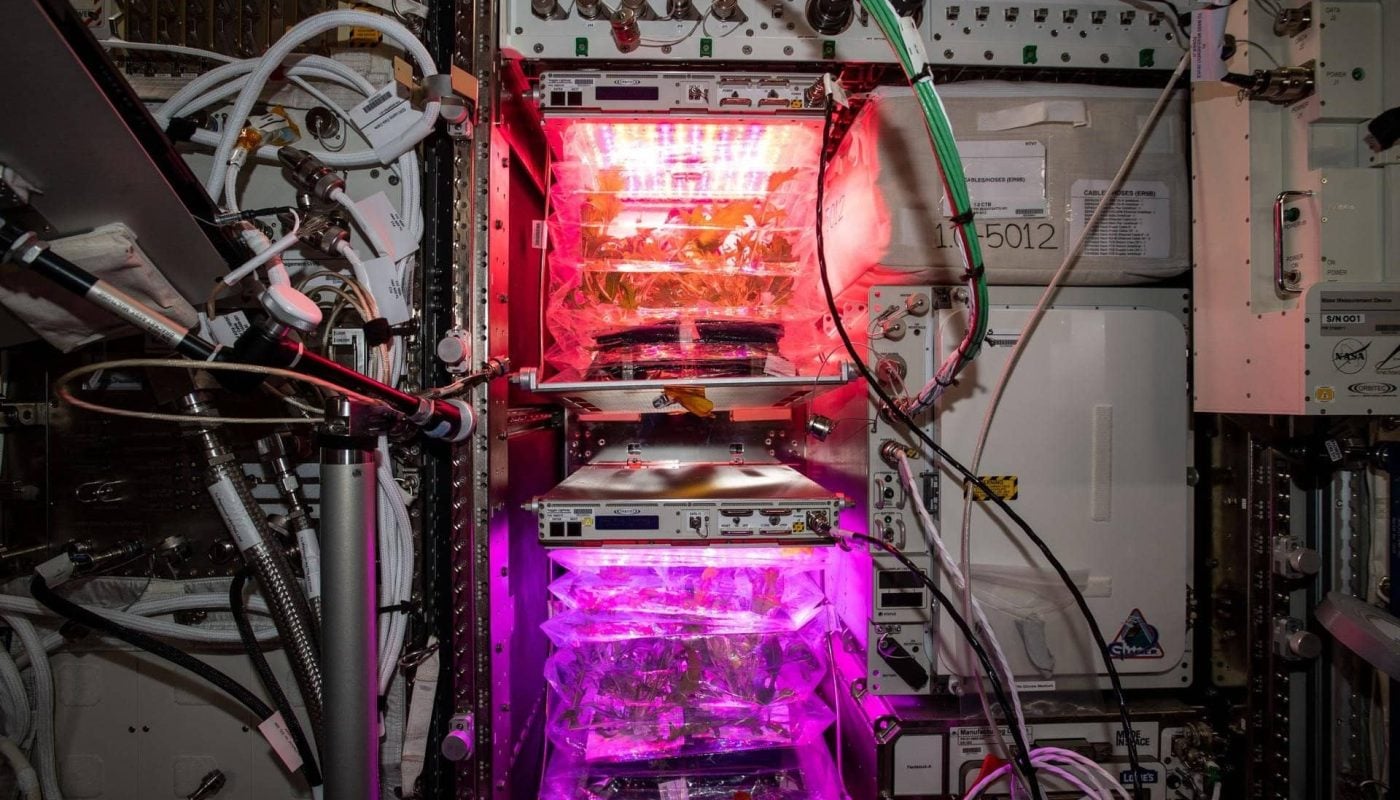
A new pharmaceutical production method could allow astronauts on long space missions to "grow" fresh medicines on demand using plants. The work could also bring low-cost pharmaceutical production to resource-limited areas on Earth.

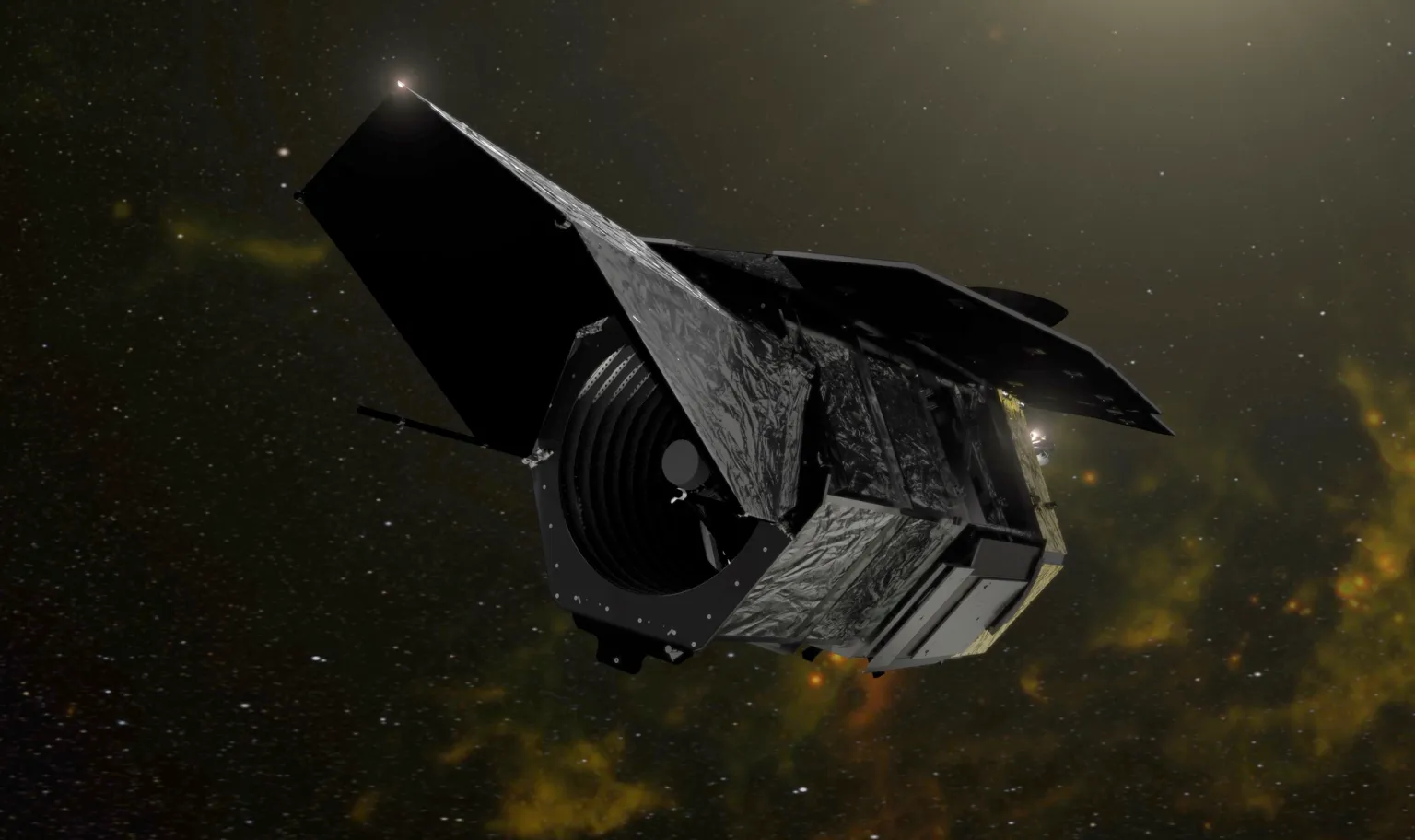
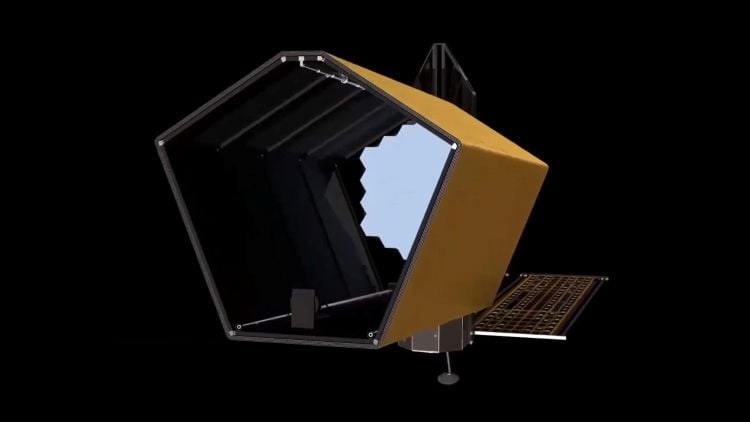
Current plans for flagship telescopes in the 2040s are focused on answering a simple question - are we alone? Our best telescopes to date, such as the James Webb Space Telescope (JWST) have only given us tantalizing glimpses into the atmospheres or other worlds, but not enough to truly determine whether or not life as we know it exists there. Astronomers have been waiting for technology to catch up to their dreams of what is possible in terms of new types of telescopes, and recently the W.M. Keck Institute for Space Studies released a report detailing the Large Interferometer For Exoplanets (LIFE) mission, which they hope will help provide a definitive answer to that simple question.

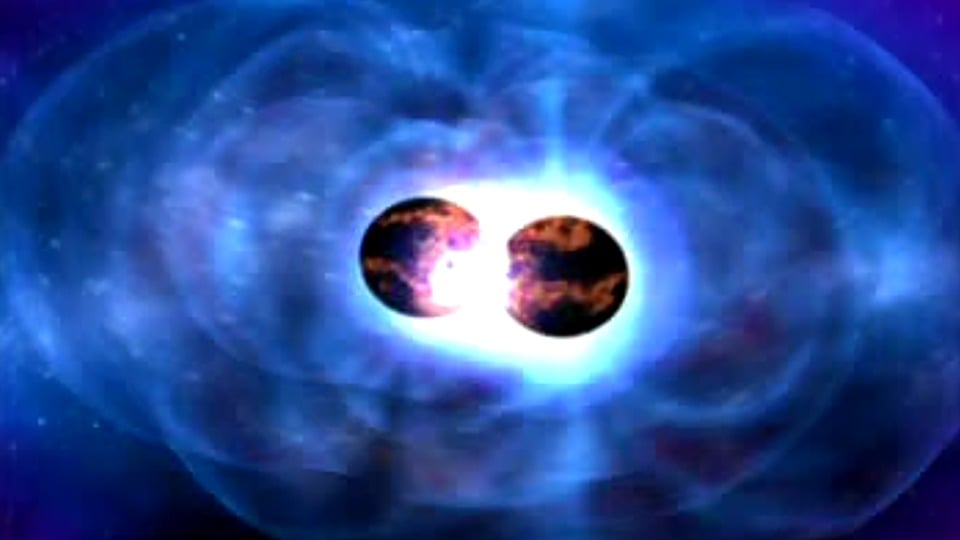
A small lump of rock pulled up from the Pacific Ocean seafloor in 1976 is giving scientists new clues about an ancient cosmic event. More than a hundred million years ago, two neutron stars collided. The resulting energetic kilonova sent a rain of long-lived elements, such as isotopes of plutonium, through space. Eventually, this stellar "debris" settled onto Earth. Some sank to the bottom of the ocean and got incorporated into a chunk of ferromanganese rock. Hidden inside were a few hundred atoms of plutonium radioisotopes. They provide the strongest clues about what created them in the merger and how long ago it happened.

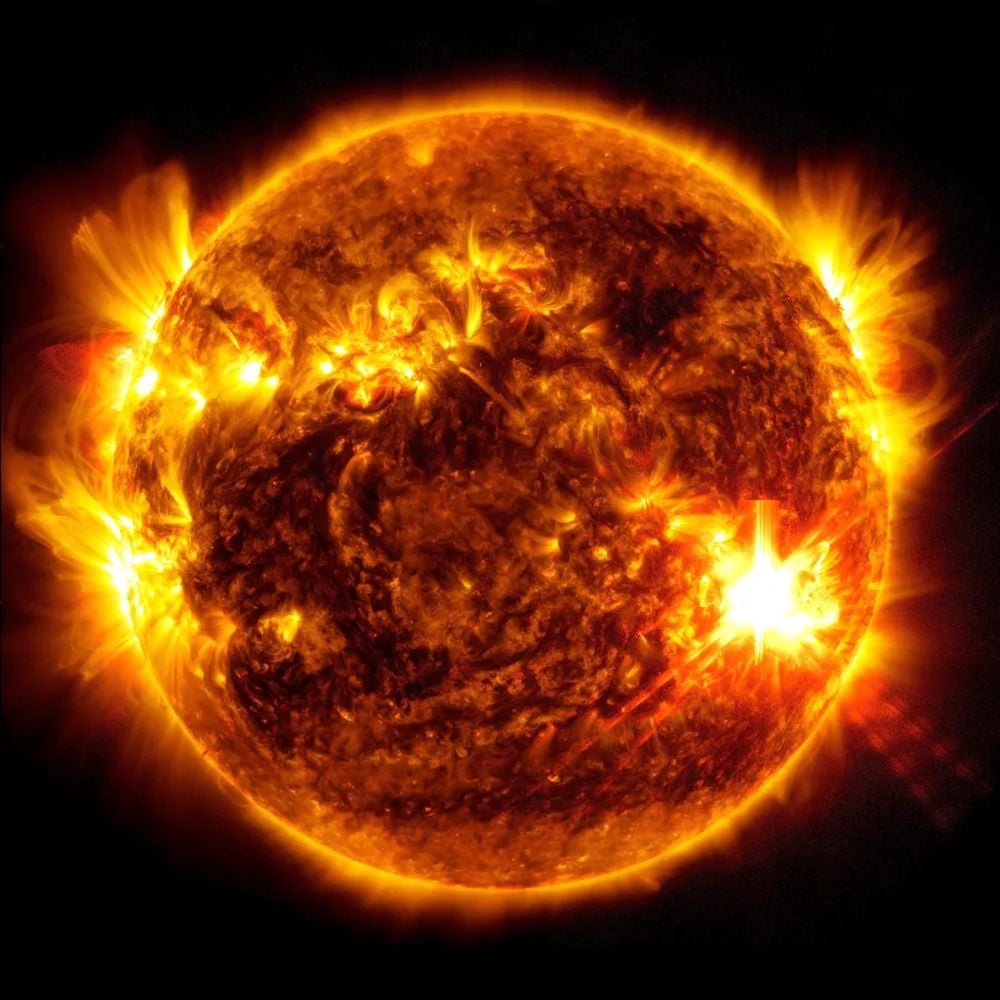
Switch off fusion and, for ten thousand years, nothing happens. Then the Sun begins a slow, strange death: shrinking, briefly brightening, and coasting on gravitational heat for tens of millions of years. And the neutrinos give the whole thing away in just eight minutes.

A photon born in the Sun's core takes around 100,000 years to fight its way to the surface, bouncing through a random walk so inefficient that the light on your face is older than human civilization. Why the Sun's surface is a hundred-millennia-delayed broadcast.

We’re still in the definition phase of the Habitable Worlds Observatory (HWO), but it seems like every week a new research group comes out with a paper helping to contribute to what is shaping up to be one of the most important space telescopes of the 2040s. A new paper from a team of researchers led by Daniel Jaffe of the University of Texas at Austin contributes to this ongoing definition work by arguing that it’s time HWO adopted a high-resolution near-IR spectroscopy capability, - which sounds great in practice, but so far hasn’t been attempted due to technological limitations. But, according to the paper, two recent inventions finally make a working version of an extremely high resolution exoplanet hunter viable.

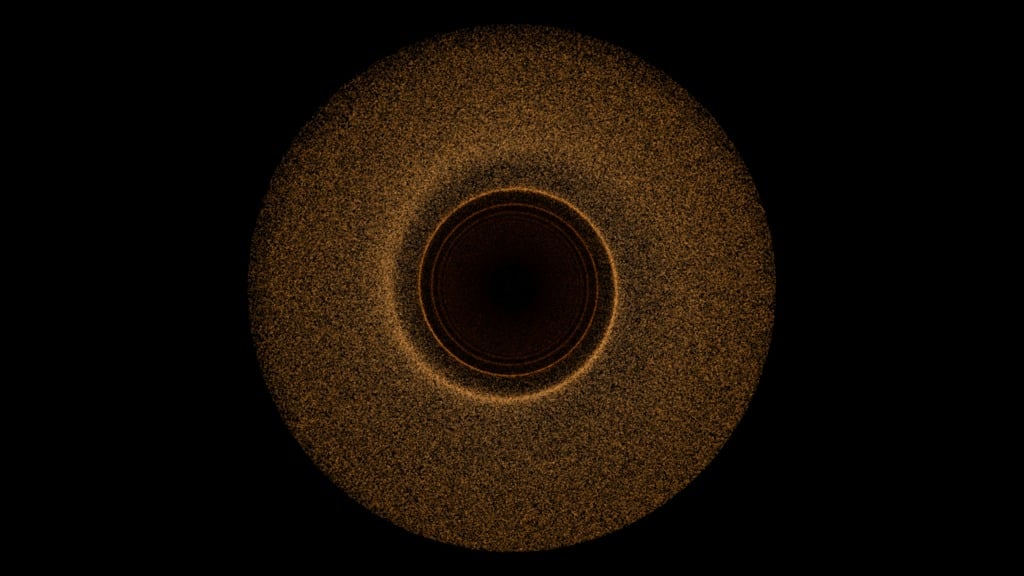
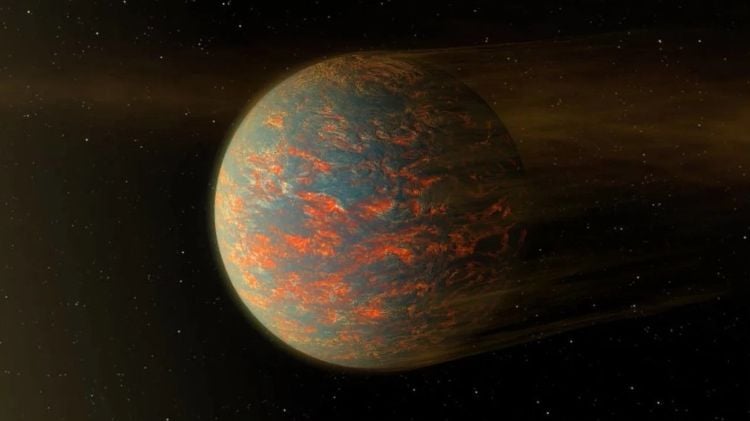
It’s 2158, and you’re chugging away on your PhD in Planetary Volcanology from the University of Utopia Planitia on Mars. Graduate students still get paid a sub-living wage, so you’ve been stuck eating freeze-dried ramen for the past three years. You’ve completed studying Jupiter’s moon, Io, but now you have to leave the solar system for a good exoplanet analog. While Io’s volcanism is caused by tidal heating, you need an exoplanet whose volcanism is caused by extreme heat from its host star. You recently secured funding from the Exoplanet Research Institute for a faster-than-light (FTL) ship, but the exoplanet is required to be less than 50 light-years away.

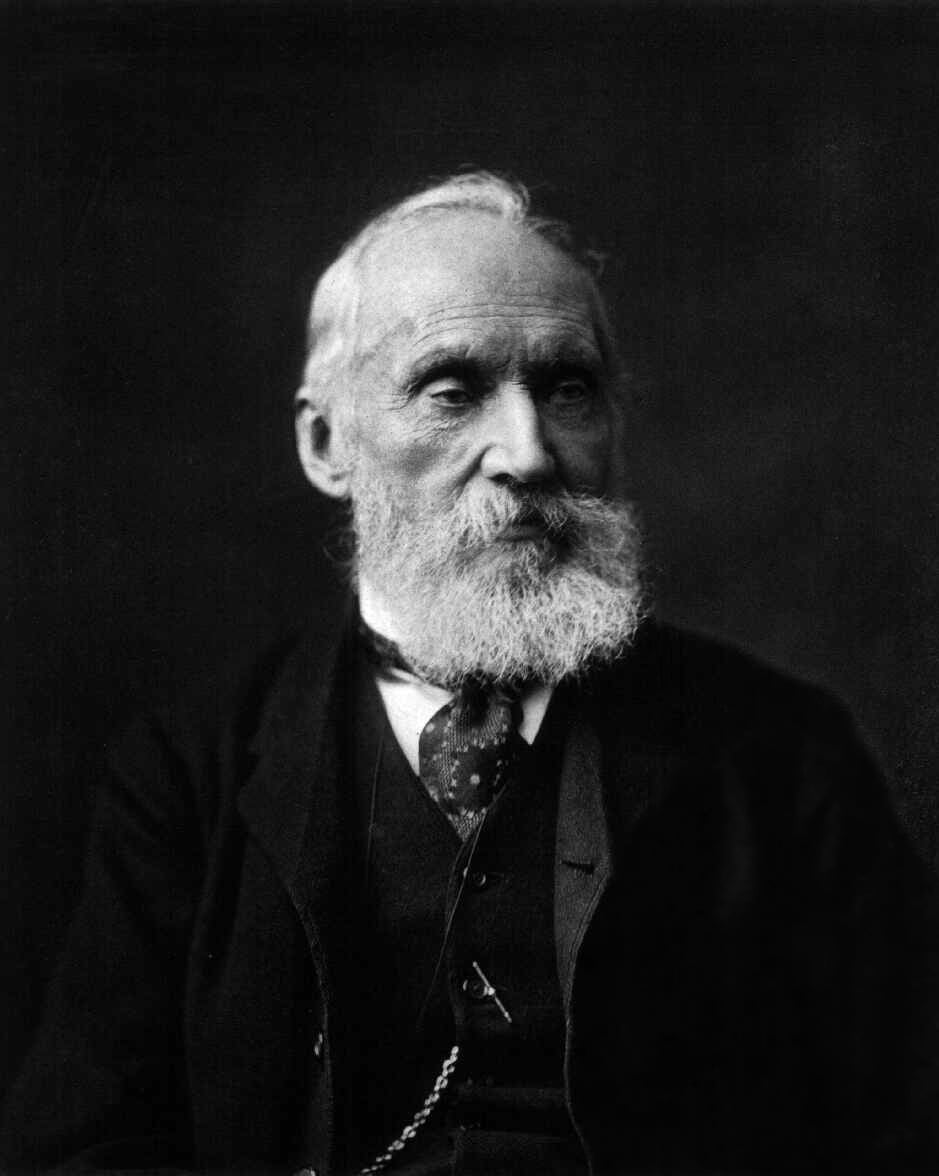
How can the Sun keep shining with its furnace switched off? Two nineteenth-century aristocrats, Helmholtz and Lord Kelvin, worked out the answer mostly by accident. It comes down to stored heat, gravitational shrinking, and the strange self-regulating thermostat of hydrostatic equilibrium.

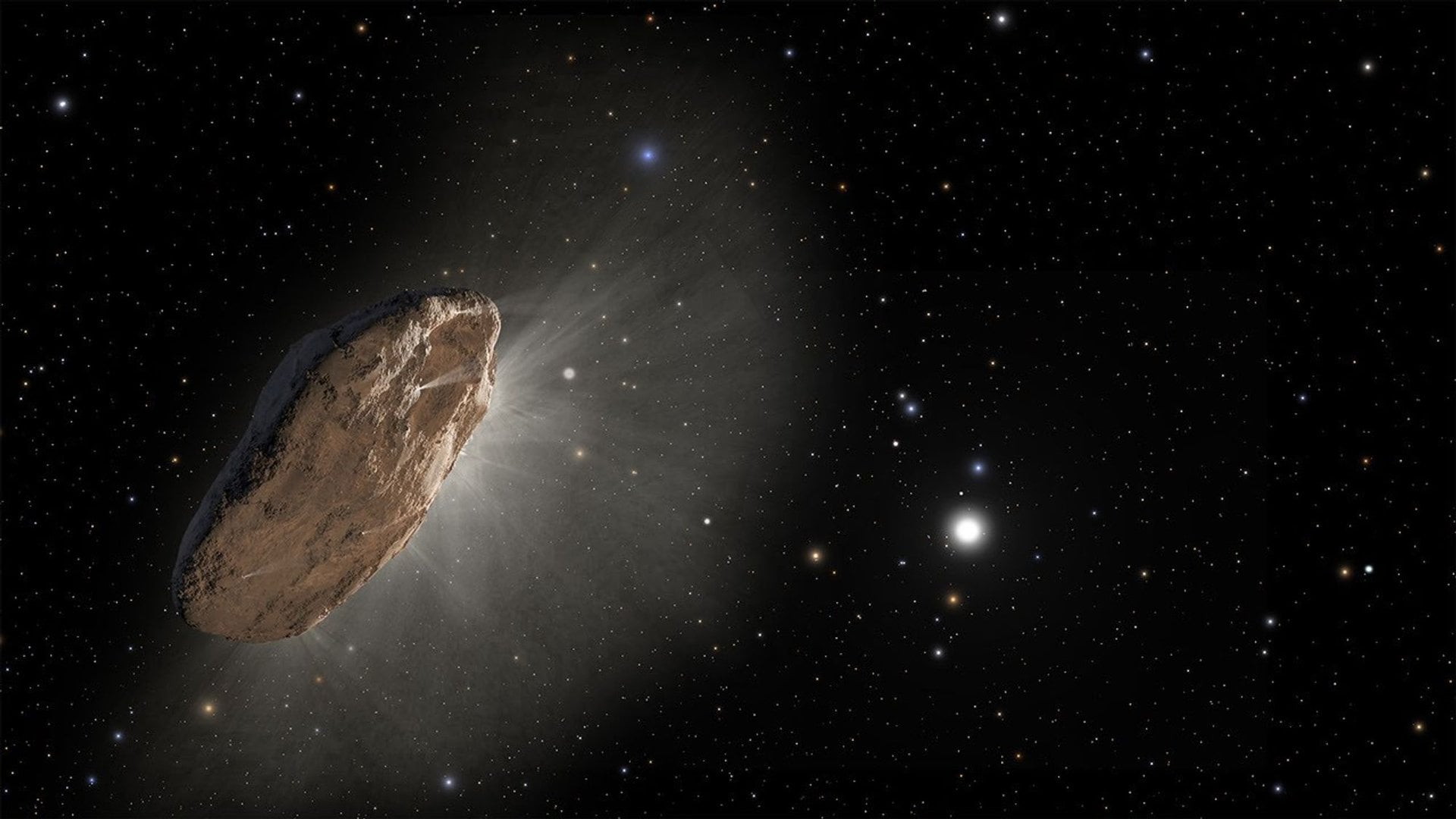
Even at this early stage in our space faring age, humanity has already begun sending probes that will eventually reach other solar systems, even if that was not their original intention. Five robotic explorers - Pioneer 10 and 11, Voyager 1 and 2, and New Horizons - are all on escape velocities out of the solar system, and might someday enter another one. They will no longer be operational at that point, but they serve as a proof of concept that spacefaring civilizations do indeed build interstellar probes. Which raises the obvious question - has anyone else sent their own robotic explorers to ours? In a recent paper, published in the Proceedings of the IAU Centenary Symposium, astronomer T. Joseph W. Lazio, points out a painful truth - we still have no idea, and our technology will need to get much better if we plan to find out.

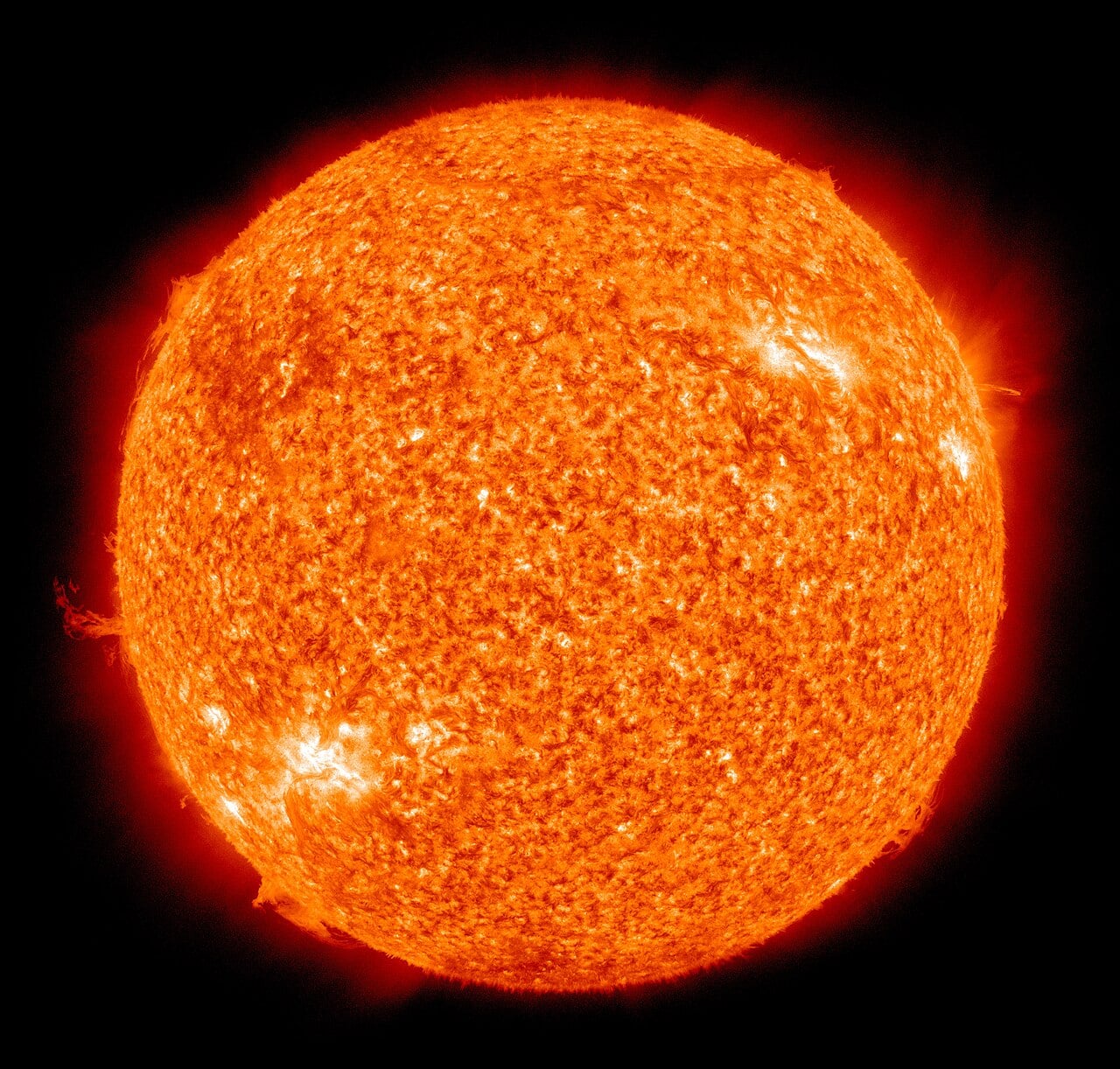
If the Sun's fusion shut off right now, you would not notice for a very long time. The first stop is understanding the Sun itself: a vast pile of gravitating matter where fusion is so absurdly inefficient that, pound for pound, a compost heap beats it.

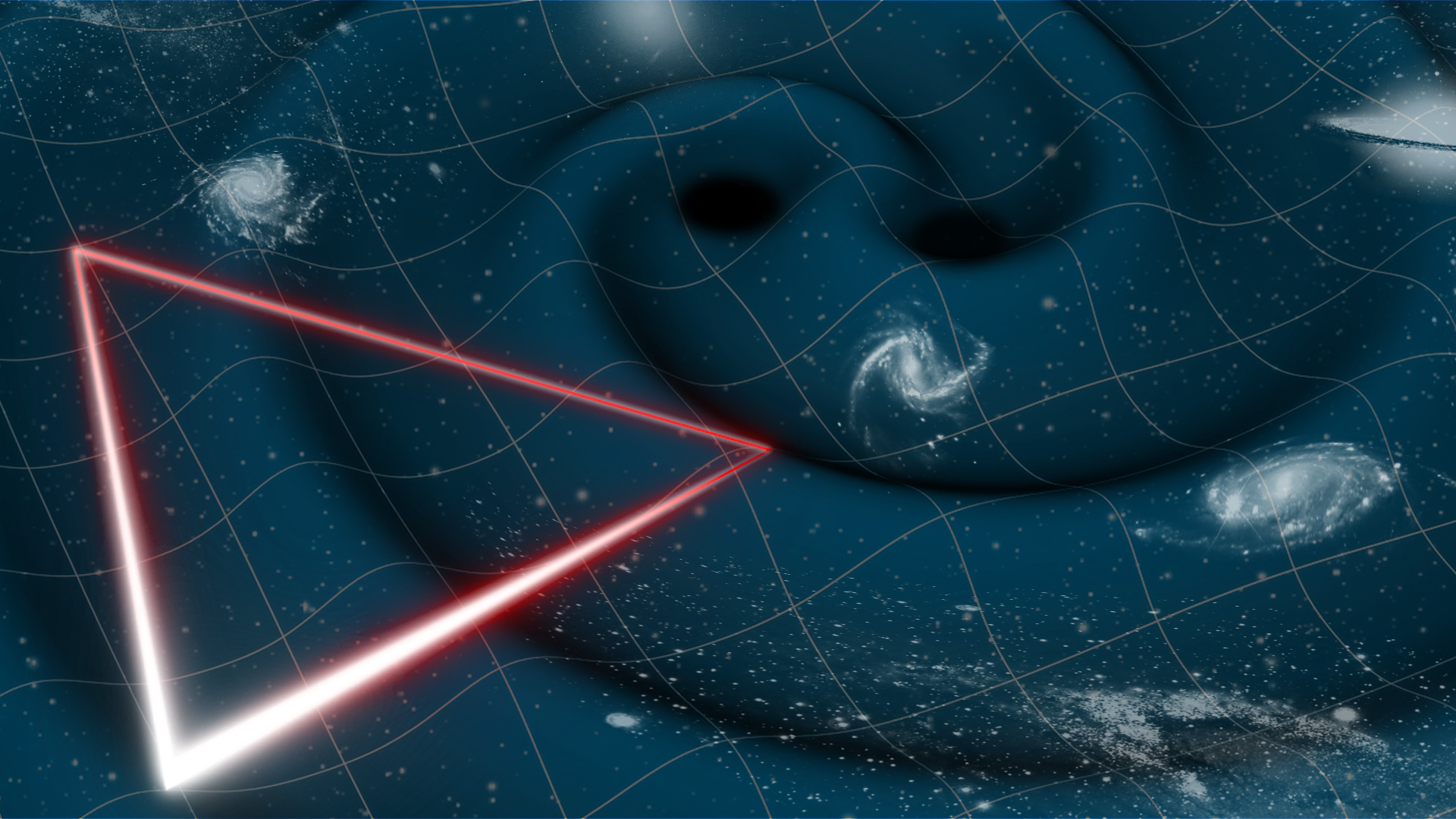
One of the hardest things to calculate for an asteroid is its mass - but it is such a critical feature. It determines how much of an impact it would have if it hits something, or how many resources are potentially available on it. But to accurately measure it we typically use optical sensing and a guesstimate of its density based on its spectral profile. A new paper suggests a completely novel way to use the Laser Interferometer Space Antenna (LISA) flagship mission to potentially provide highly accurate mass calculations for nearby asteroids without any change in hardware.

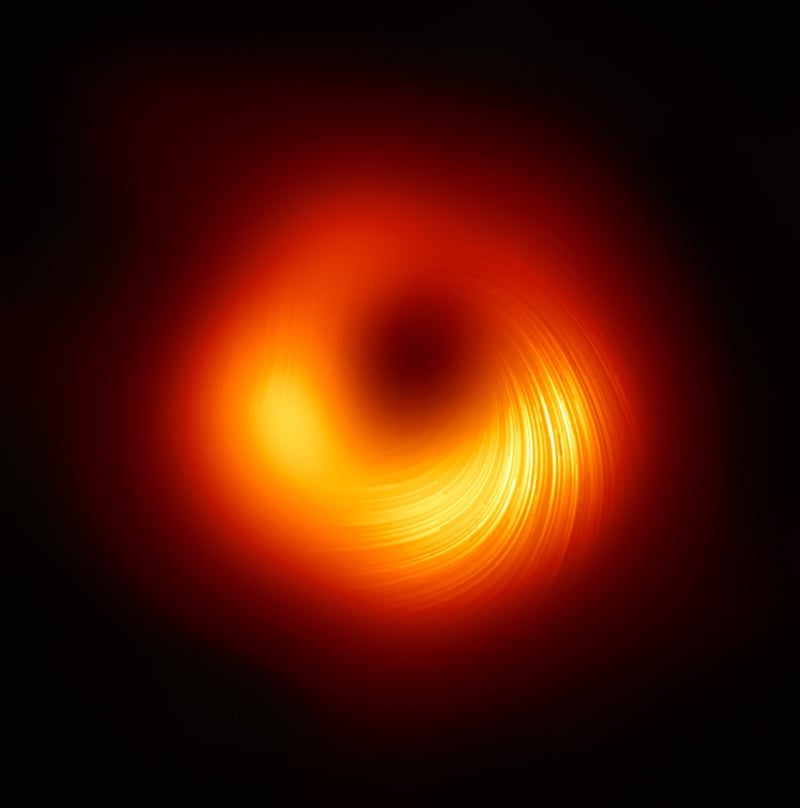
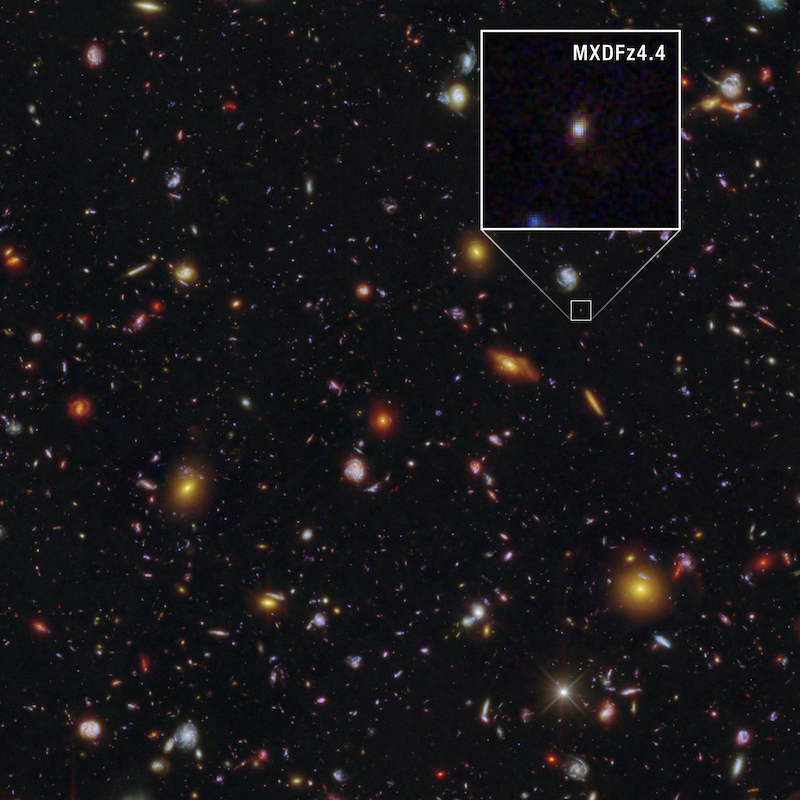
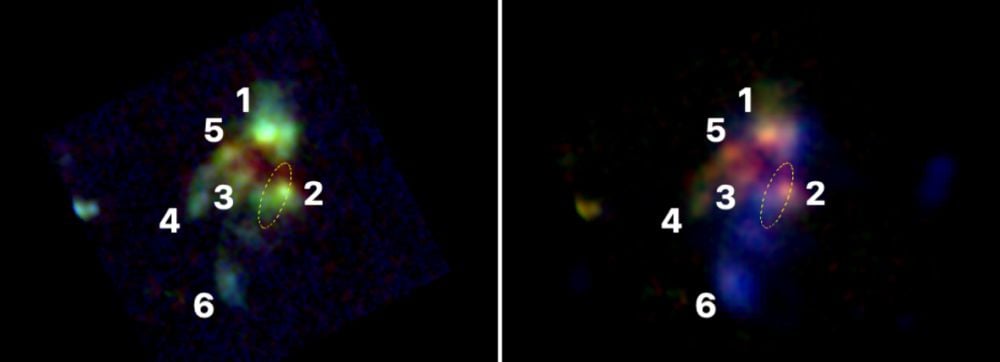
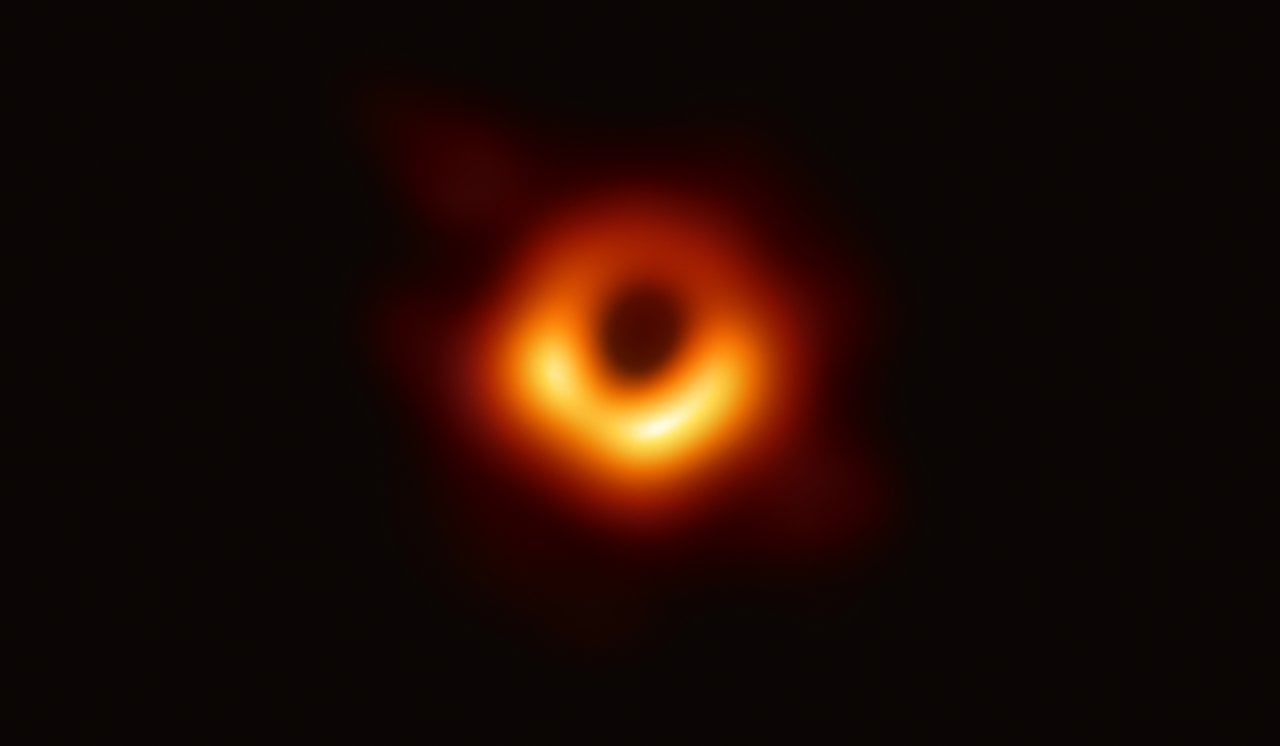
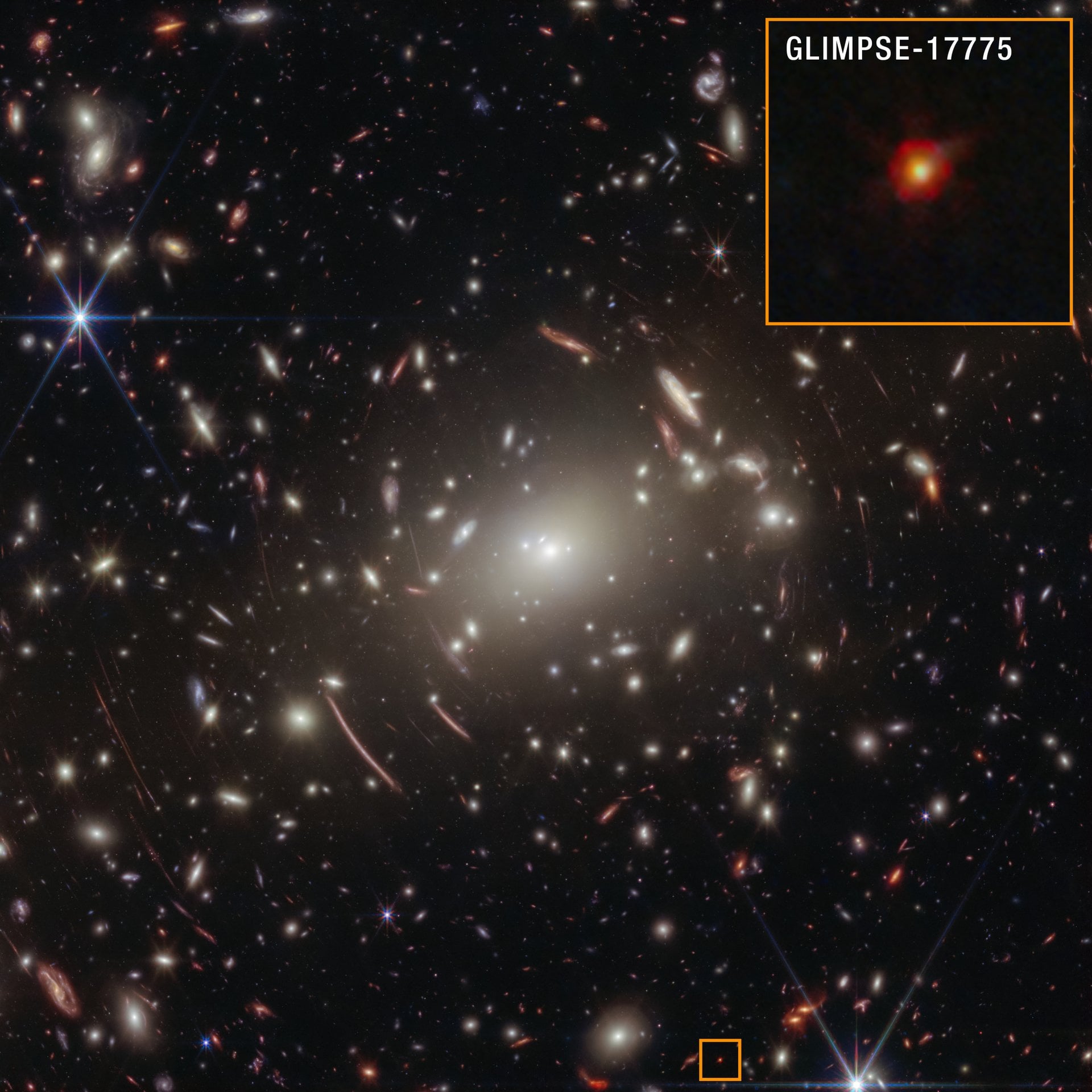
For three years they've been one of the strangest puzzles in astronomy. Tiny, mysterious red dots scattered across the early universe, so abundant and so bright that some researchers wondered if they had "broken" cosmology itself. Now the James Webb Space Telescope has captured the most detailed look yet at one of them, and the answer it reveals is as exotic as the name suggests: a star sized object that is, in fact, a black hole wearing a disguise.

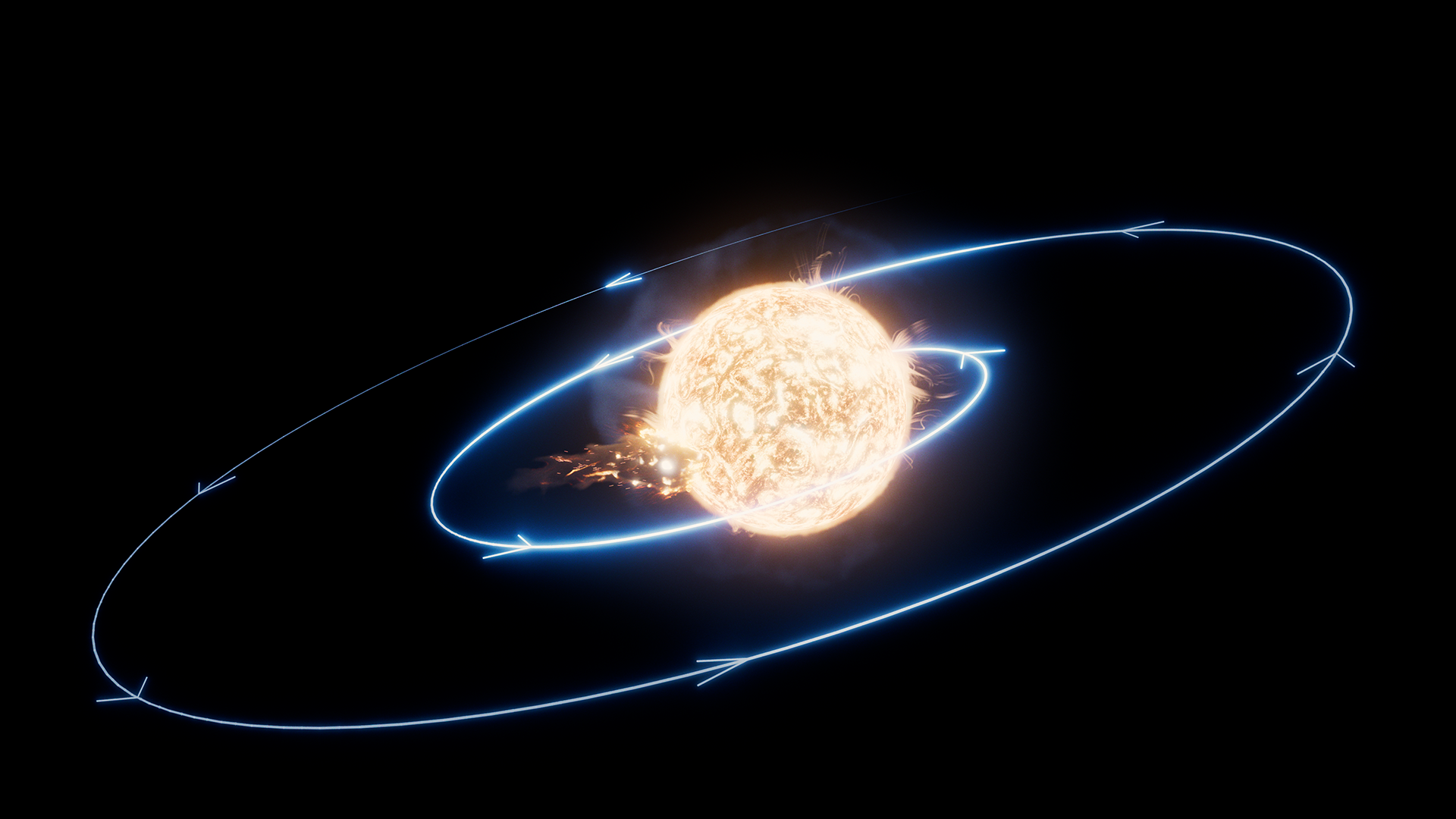
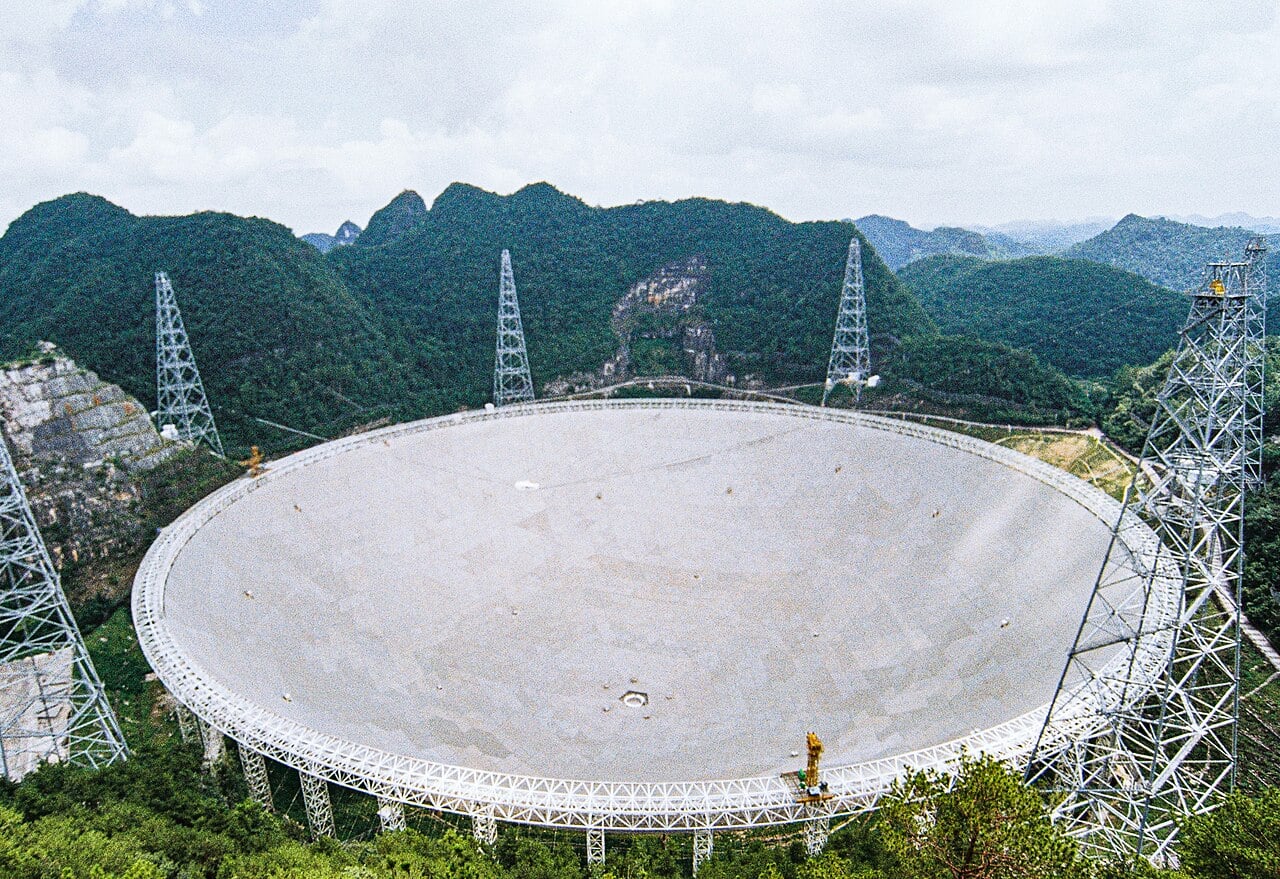
Somewhere in the plane of the Milky Way, a dead star is spinning 220 times a second, and it's circling its companion in almost the most perfect orbit astronomers have ever measured. China's giant FAST radio telescope has just found it, and the shape of that orbit is a near flawless record of a billion year relationship between two stars.

In a recent NASA-supported study, researchers assessed Titan's resource base and how it could be leveraged for ISRU. Compared with other locations under study (the Moon, Mars, etc.), they concluded that there is unrivaled potential for human exploration and settlement.

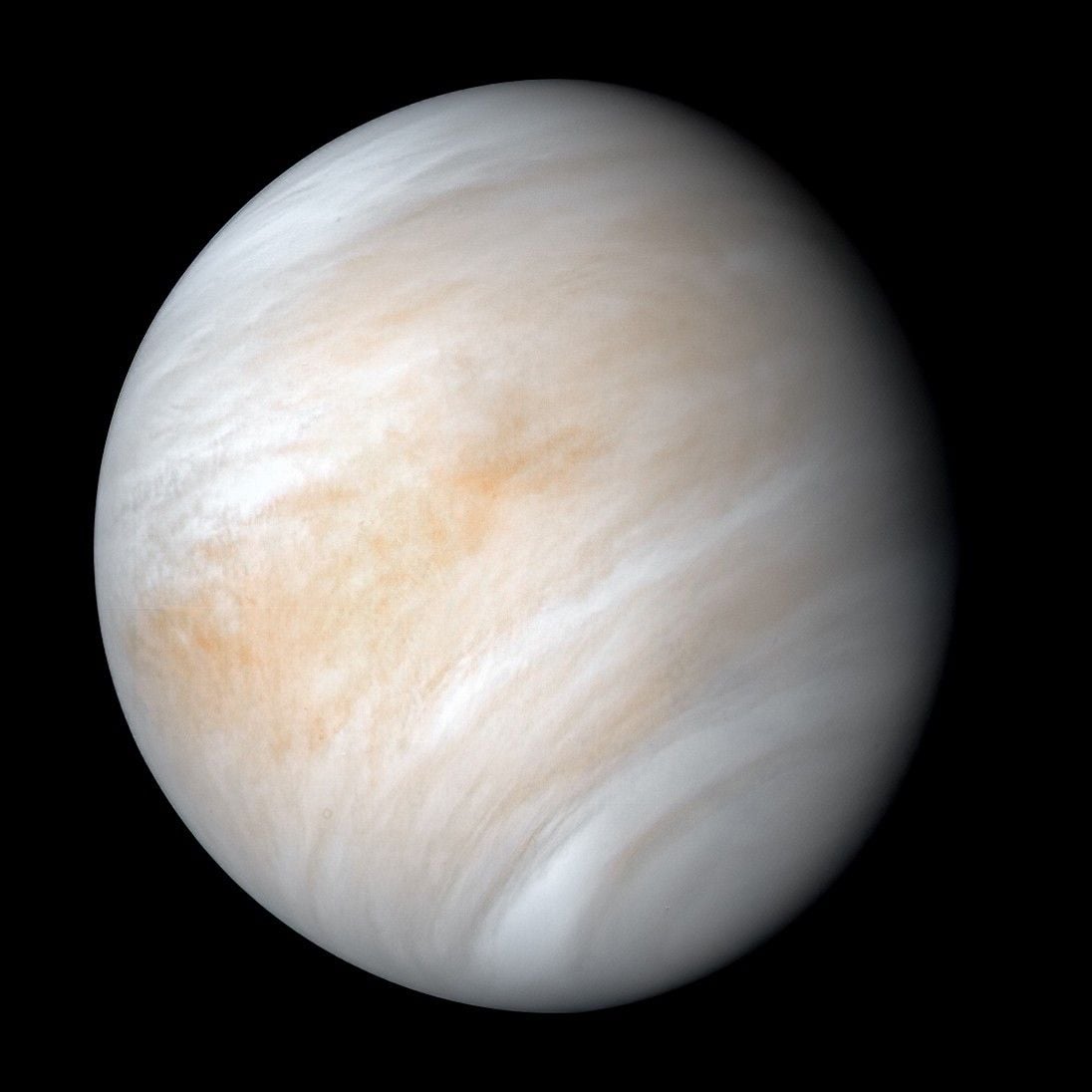
Venus’ extraordinarily slow retrograde rotation was likely caused by a chance encounter with a moon-sized impactor. One that some 4.5 billion years ago likely slammed into our sister planet at a high angle and high velocity.

It’s 2134, and humanity has finally embraced green technologies while ridding the Earth of harmful fossil-burning technologies, most notably gasoline, wood, coal, and oil. As a result, soot has been rendered obsolete, and all commercial products from soot, including shoes, wires, computer products, and eye products, are now produced from eco-friendly technologies. However, the uber-rich who still fancy non-eco-friendly products are willing to pay soot’s weight in gold for it. Therefore, the Exoplanet Research Corporation outfits its best ship to search for soot-enriched exoplanet atmospheres.

NASA-supported scientists have provided new information about how the early Earth may have acquired some elements necessary for the planet to become habitable. They also suggest a new role for Jupiter in the distribution of these elements throughout the young solar system. The study, published in Science Advances, examines this history by looking at the ratio of phosphorus to nitrogen in iron meteorites and in younger objects known as chondrites.

A small rock found in the African desert has just handed scientists an extraordinary window into one of the most violent and consequential periods in the history of the Solar System. Inside this lunar meteorite, a chunk of the Moon knocked to Earth by an ancient collision, researchers have found evidence of a massive impact event 3.5 billion years ago, one that matches the timing of known impacts on Earth and in the asteroid belt. Three worlds but one shared bombardment and a story that may have everything to do with the origins of life.

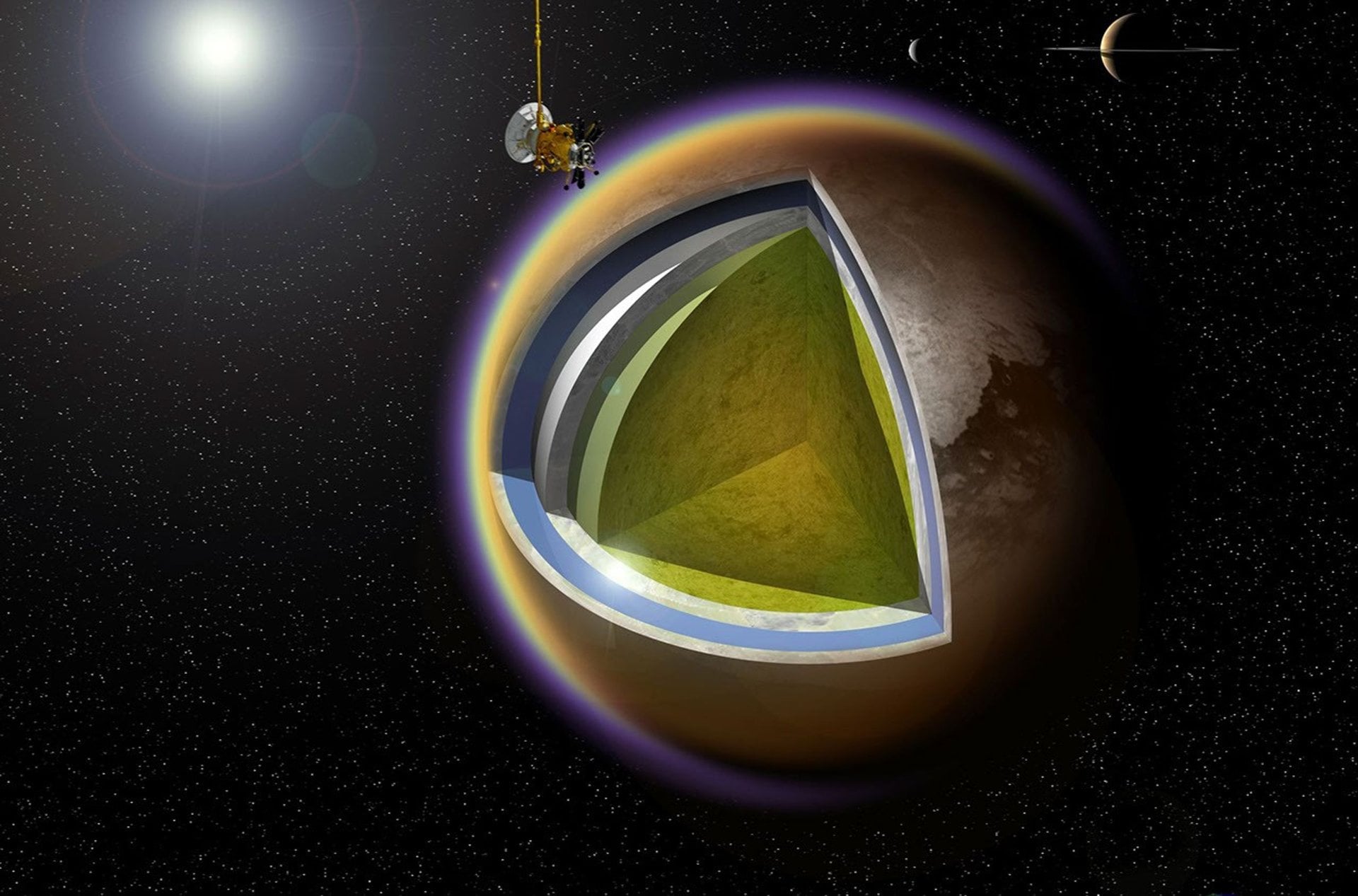
Saturn's moon Titan has long fascinated scientists, it’s a world with rivers, lakes, and a thick atmosphere, all made not of water but of methane. Now, a new study suggests Titan is stranger than first imagined since beneath its surface lies a 9 km thick crust of methane laced ice that acts like a giant thermal blanket, warming the interior in ways nobody expected.

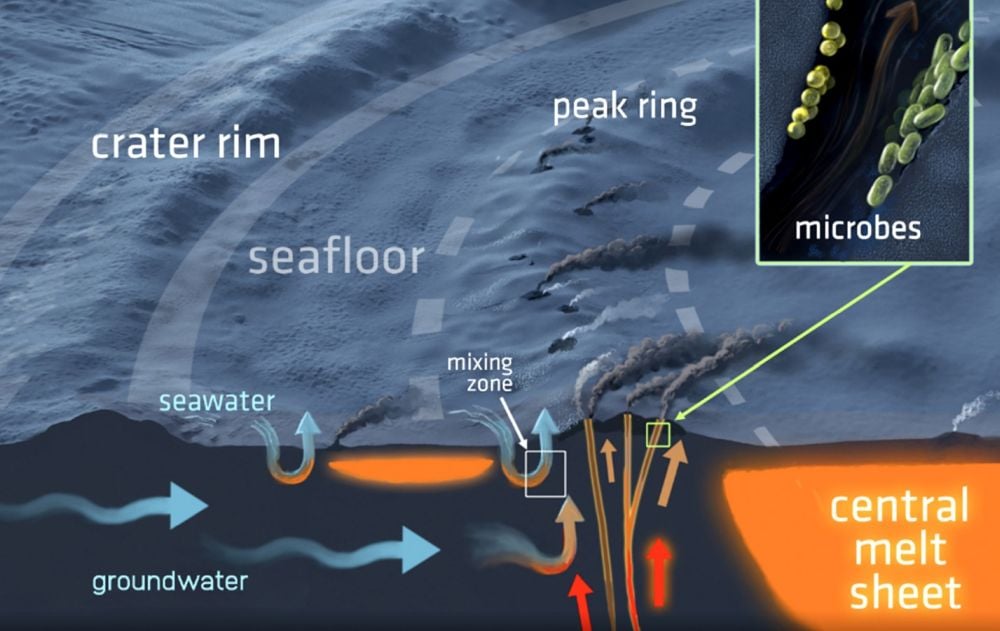
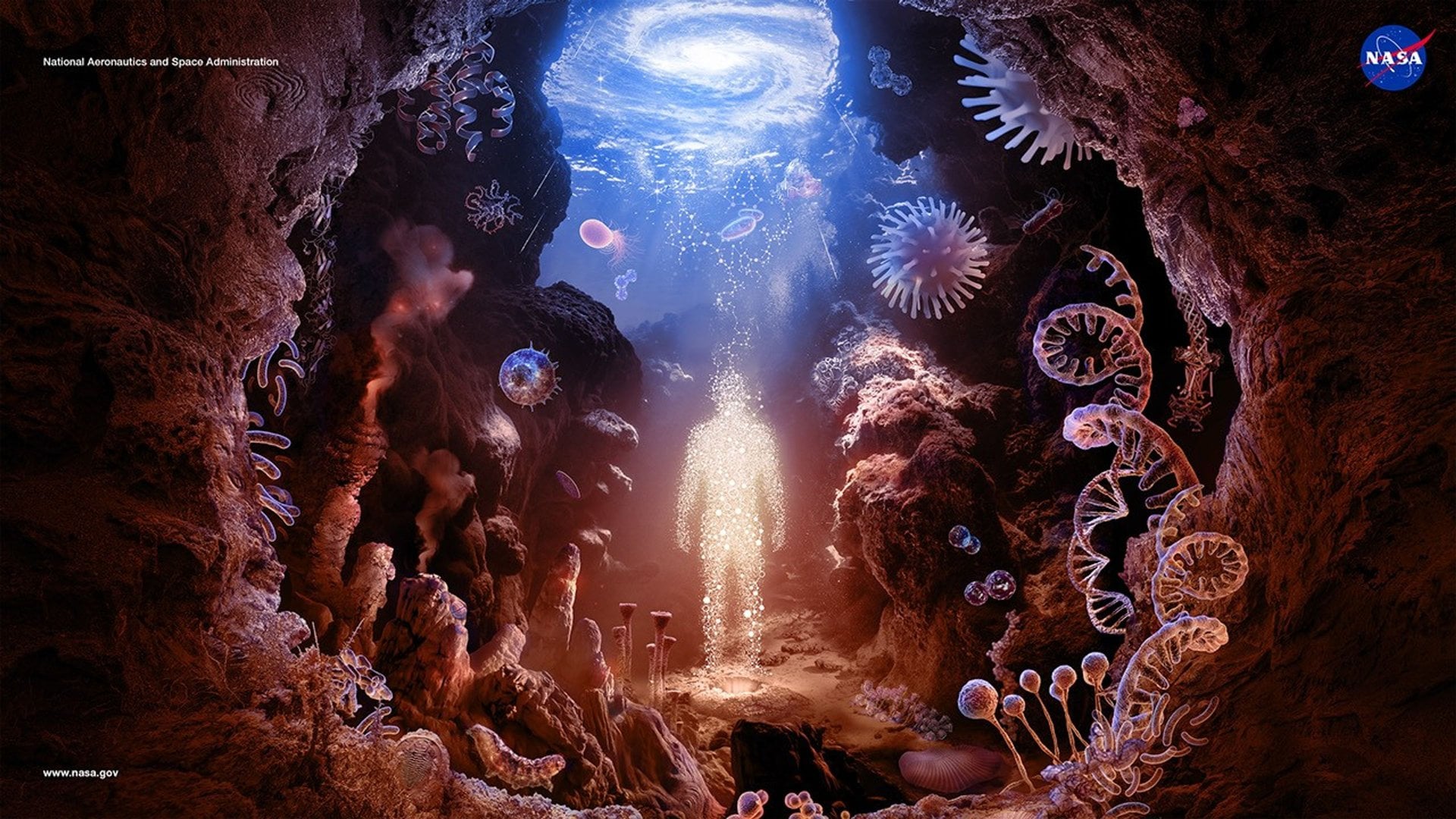
Earth was bombarded by impactors in its first couple billion years. These impacts created a vast network of hydrothermal systems in the crust that could've spawned life. New research examines their extent.

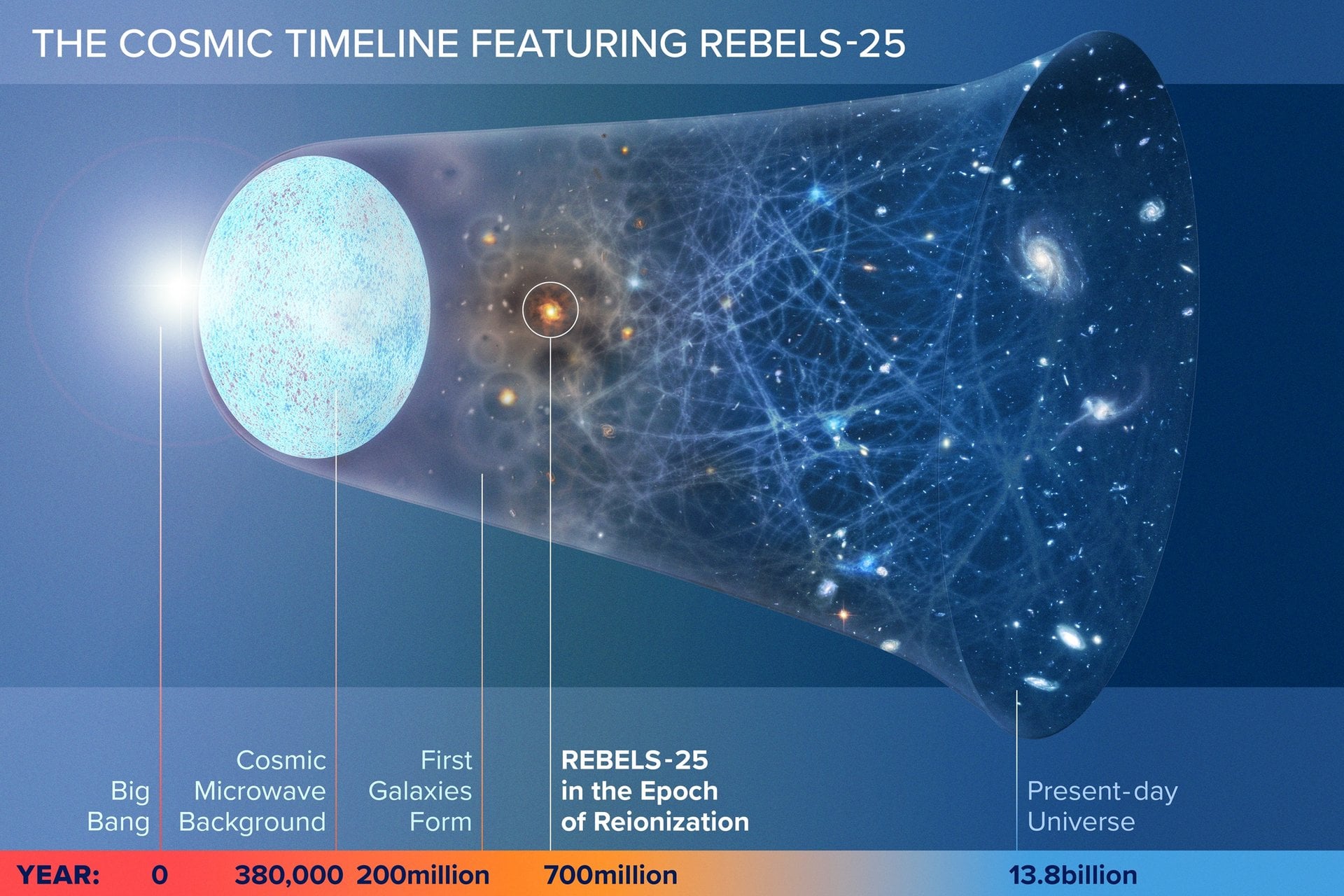
After decades of searches, cosmologists are within reach of finding cosmic dawn. A longtime observational cosmologist explains.

DOI: 10.48550/arXiv.2606.04044

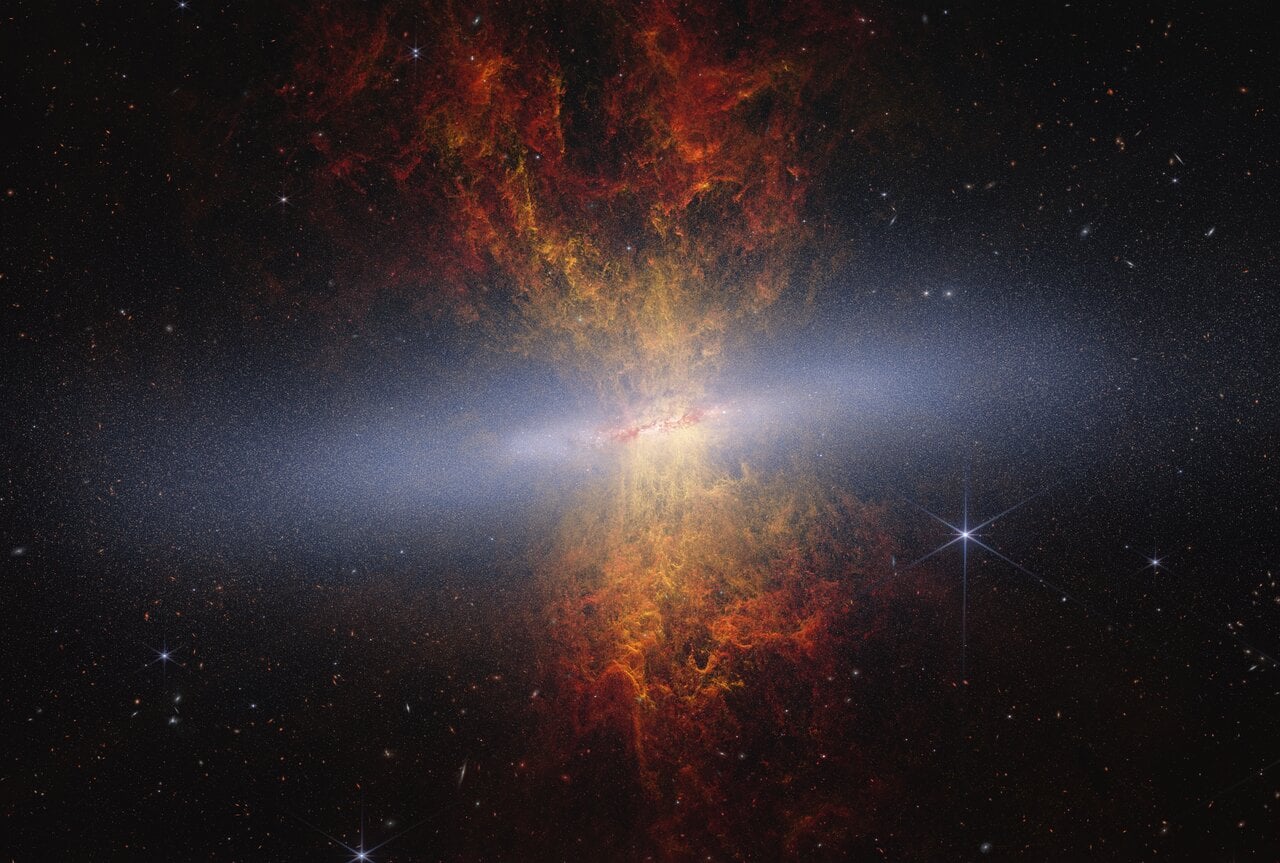
Astronomers may have found the missing link in the SMBH feeding process. New observations with the JWST show that a galaxy's circumnuclear disk, which feeds gas into its black hole, is connected to a much larger network of filaments. Cool gas flows through these filaments into the SMBH's sphere of influence.

The space between stars may seem like a barren desert, but over the past few decades scientists have been finding all sorts of interesting chemicals in it. From the precursors to proteins to the building blocks of cell membranes, there has been discovery after discovery of new molecules in the giant gas clouds between the stars. Now, a new paper available in pre-print on arXiv details the discovery of the first ever four-carbon sugar in the Interstellar Medium (ISM), and it is another brick on the path to understanding how life on Earth first developed.

How do you measure the mass of a dormant black hole in the early Universe? That's a question astronomers at University College London (UCL) and Carnegie scientists wanted to answer about a distant object that is invisible. So, they turned to James Webb Space Telescope (JWST) studies of the region around the black hole to find that answer.

Neptune is definitely the odd one out of the gas giants. It’s tilted at a strange angle, and its moons are completely different from any other gas giant we know of. A new paper, published in Science Advances from researchers at CalTech, posits that might be because Triton, by far Neptune’s largest moon, absolutely obliterated the regular moon system it previously had, except for one particular exception - Nereid.

Unfortunately there’s more bad news to report on the clear skies front. A new paper, available in pre-print on arXiv from researchers at NASA’s Ames Research Center, reports that 73.3% of images the agency’s new SPHEREx space telescope collected between May and September of last year were contaminated by at least one artificial satellite trail. And it’s only going to get worse from here.
![]()
We witnessed a surprise outburst late last week, from a lesser known periodic comet. Posts flashed across message boards late last week, alerting comet watchers to a dramatic change in brightness for periodic comet 220P McNaught. Though it wasn’t on our list for bright comets to watch for in 2026, Comet 220P is now in range of binoculars or a small telescope, low to the east at dawn as it heads towards perihelion this coming weekend.

If we’re to reach another star, chemical propulsion will not get us there in any reasonable time frame. We’re going to need a different propulsion technology, and one of the most promising seems to be a solar sail. These giant reflective surfaces form the basis of many interstellar missions. Combined with giant lasers pushing them, they can be accelerated to speeds unreachable by any other current technologies. However, according to a new paper available on arXiv from Chao Shen and Jiaze Li of the Harbin Institute of Technology, once those missions start reaching a significant percentage of the speed of light they’re going to run into a drag force from the light itself.

Inflation is awkward, possibly not even a proper theory, and it has reigned over cosmology for forty years anyway. Here is what it claims, the flatness, horizon, and monopole problems it solves, the structure-formation prediction it nailed, and the deep problems it still cannot escape.

Scientists at the SETI Institute searched for technological signals from 3I/ATLAS, the third interstellar object observed in our Solar System. Using the Allen Telescope Array (ATA) at the Hat Creek Radio Observatory in Northern California, the team scanned a wide range of radio frequencies for signs of extraterrestrial technology and found none, as expected based on other astronomical observations showing that the object exhibits natural comet-like composition and behavior. “Eventually, our own Voyager spacecraft will be extraterrestrial artifacts in other stellar systems,” said Dr. Sofia Sheikh, lead author on the paper. “Given that, it is important that we understand the natural distribution of interstellar objects so that we will be able to identify any anomalies that could one day be signs of an artificial interstellar object.” The team observed 3I/ATLAS for more than seven hours with the ATA, covering 1 to 9 gigahertz. This broad range allows scientists to search for narrowband radio signals, which are not produced by in nature and would be evidence of technology.

A look at why a cyclic, eternally repeating universe is such an appealing idea, and why the first serious attempt to build one, Richard Tolman's 1930s model of endless big bangs and big crunches, collapsed under the weight of entropy. The Big Bang keeps demanding a beginning.

The first mission devoted to observing the Martian atmosphere and its evolution, NASA’s MAVEN (Mars Atmosphere and Volatile Evolution), has ended after more than 11 years in orbit at Mars and a decade beyond its primary, one-year mission.

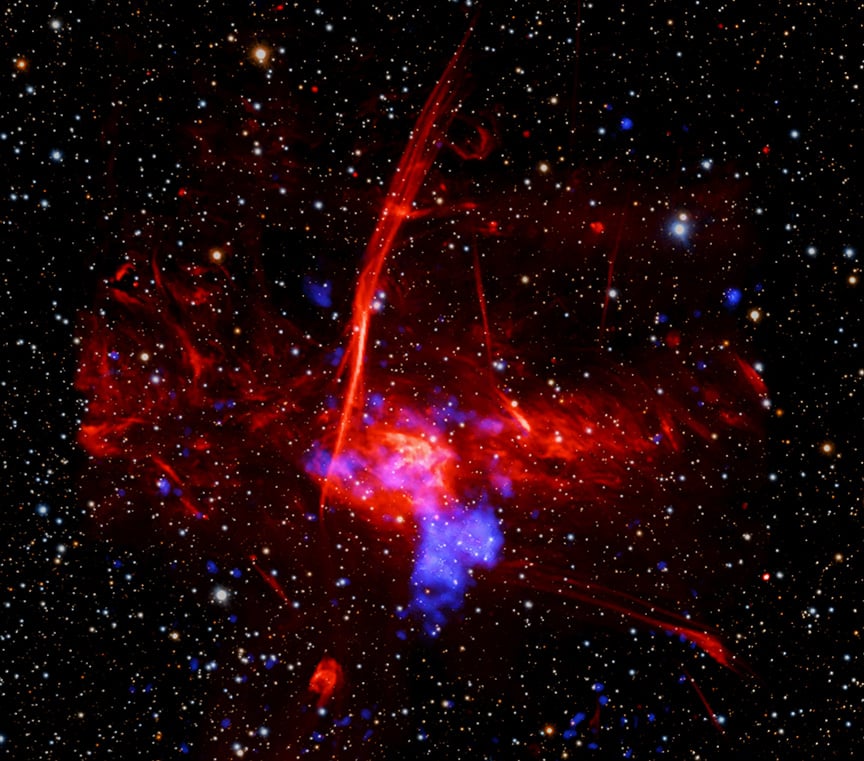
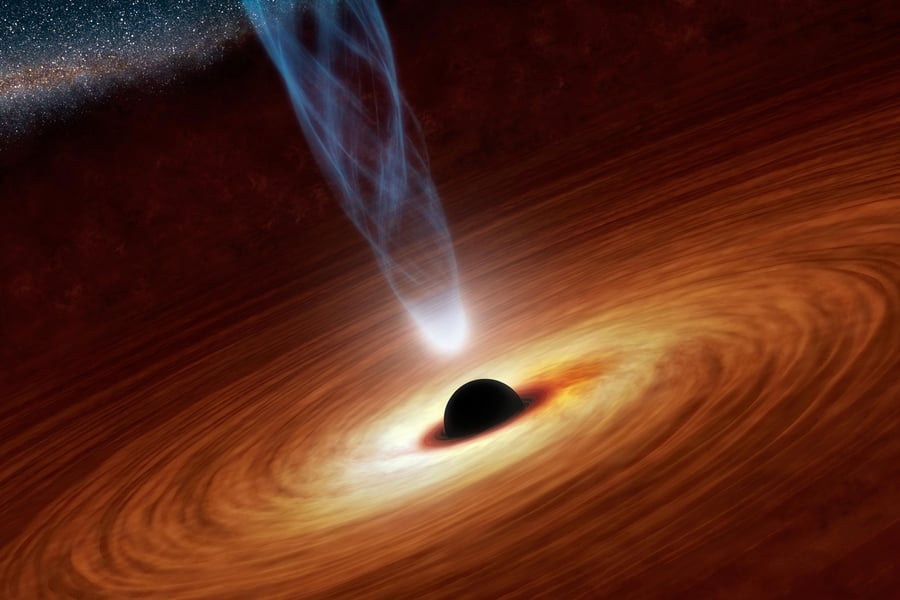
According to theory, all active black holes should produce winds or jets. Astronomers have long searched for wind around the Milky Way’s central supermassive black hole. New images reveal a vacant, cone-shaped region pointing to the black hole. According to new research, only a supermassive black hole could've created this region.

Using data from NASA’s James Webb Space Telescope, astronomers led by researchers at the University of California, Riverside have produced the most detailed map of the cosmic web ever made, tracing the network of galaxies all the way back to when the universe was one billion years old.

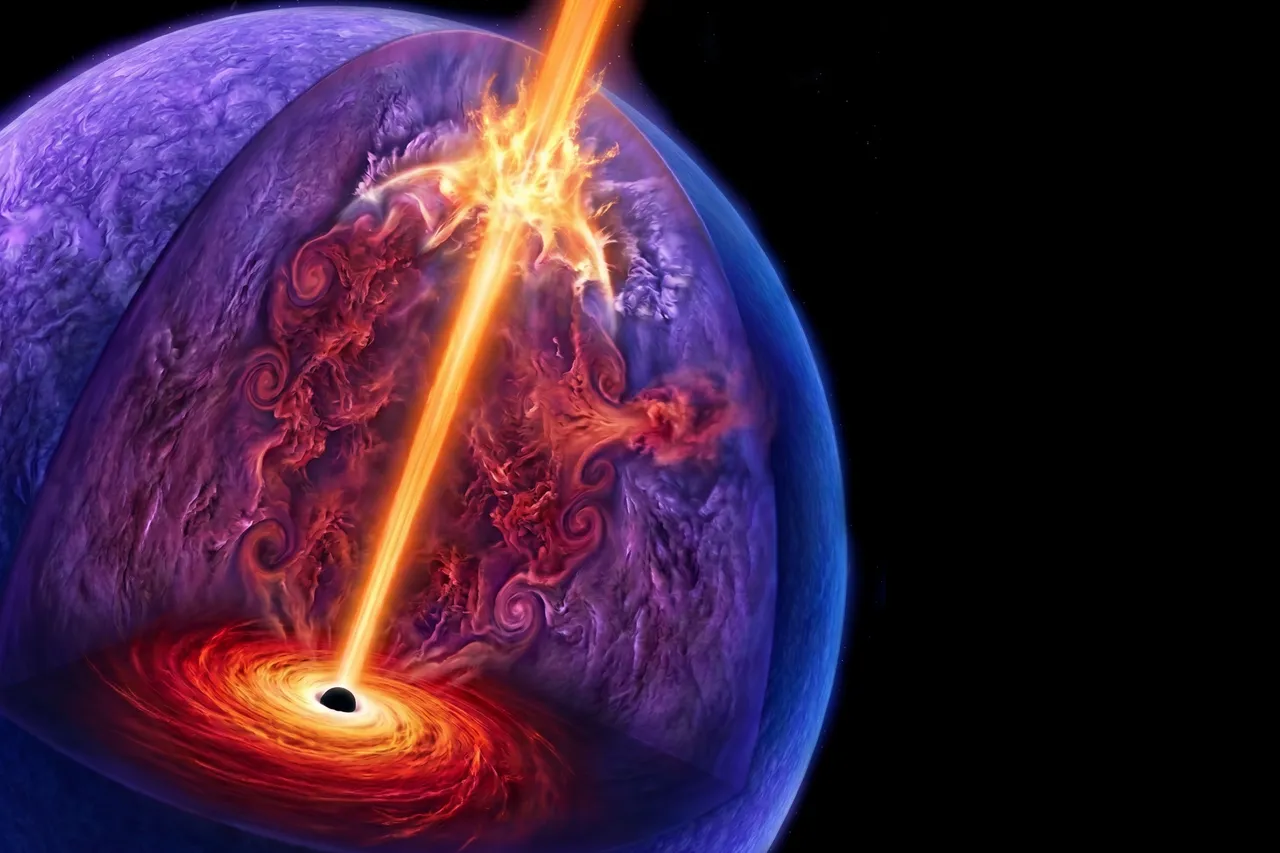
Stephen Hawking predicted that stars can capture primordial black holes (PBH). The PBH find their way to the stellar core, creating a Hawking star. There are two possible outcomes, both deadly for the star. Either it explodes rapidly, or it's slowly consumed by the parasitic PBH.

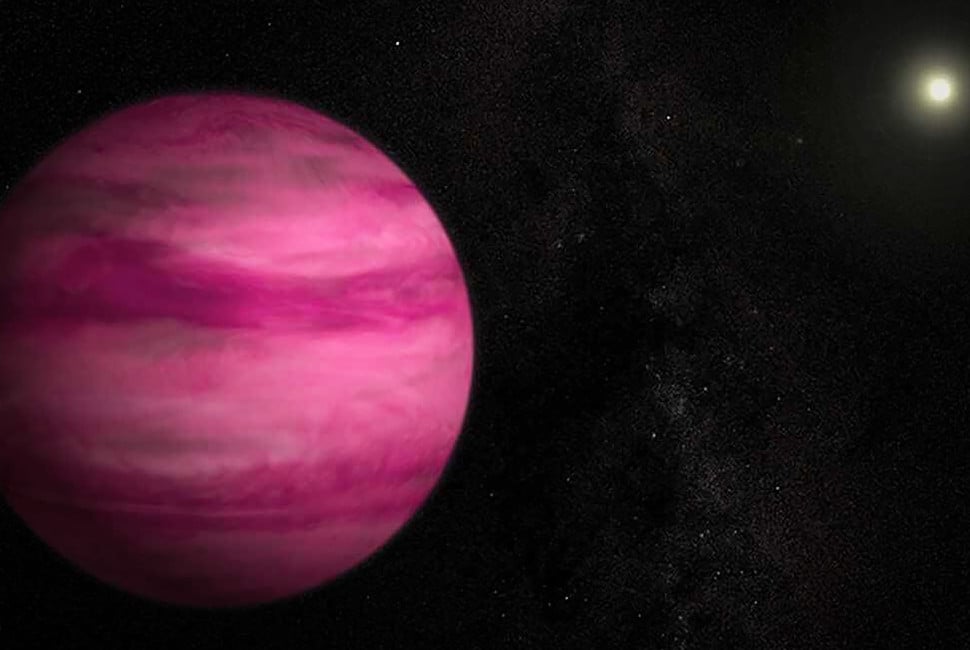
Astronomers have developed a technique that allows them to detect cloud cycles on distant exoplanets. Using data from the James Webb Sapce Telescope (JWST), the astronomers found that mornings and evenings on the gas giant WASP-94A b have extremely different weather patterns: mornings are riddled with sand clouds, while the skies are clear in the early evenings. By isolating the clouds, researchers can more accurately measure a planet’s atmosphere and provide a clearer picture of the planet’s composition. WASP-94A b, for example, has much less oxygen and carbon than astronomers perviously calculated, making its atmosphere much more like Jupiter than they had originally thought.

New research shows how unmagnetized worlds like Mars can still deflect some of the Sun's solar wind. Unlike magnetospheres that form around planet's like Earth, this effect takes place in Mars' ionosphere. It's called the Zwan-Wolf effect, and it's not clear how deep into the atmosphere it operates.

Scientists using the Euclid space telescope found a red-dwarf brightness “gap” in the population of a globular cluster—an ancient, crowded collection of stars. A similar gap was detected by the Gaia observatory in nearby stellar populations, but it has never before been seen in a globular cluster.

It’s a familiar annual question, that we’re already hearing as we enter into June. “What are those two bright objects in the west?” They’re none other than the two brightest planets in the sky, Jupiter and Venus. Keep an eye on the dusk sky over the next week, and you’ll see the two worlds getting ever closer to each other in the west. Though this happens every year or so, an evening conjunction assures that lots of the general public will see one of the best planetary pairings of 2026.

In our final installment in the series, we'll examine all the close calls, possible candidates, and instances in which extraterrestrial signals could not be ruled out

A multi-year survey of millions of stars in the Small Magellanic Cloud shows that the dwarf galaxy is expanding rather than rotating. This is due to the influence of its larger neighbour, the Large Magellanic Cloud.

Jeff Bezos' Blue Origin is assessing damage to its launch pad after a rocket exploded during a test firing, creating a giant orange fireball seen and felt for miles around.

Galactic collisions are events of breathtaking proportions. The Supermassive Black Holes (SMBHs) at their centers plunge into a chaotic orbital dance that eventually coalesce into a single remnant. On their way to that point, they could eventually get “kicked” out of the center of their galaxy - and finding these “recoiling” black holes has been a challenge of cosmology for decades. A new paper, available on arXiv by an international team, used a novel idea to track down these fast-moving behemoths.

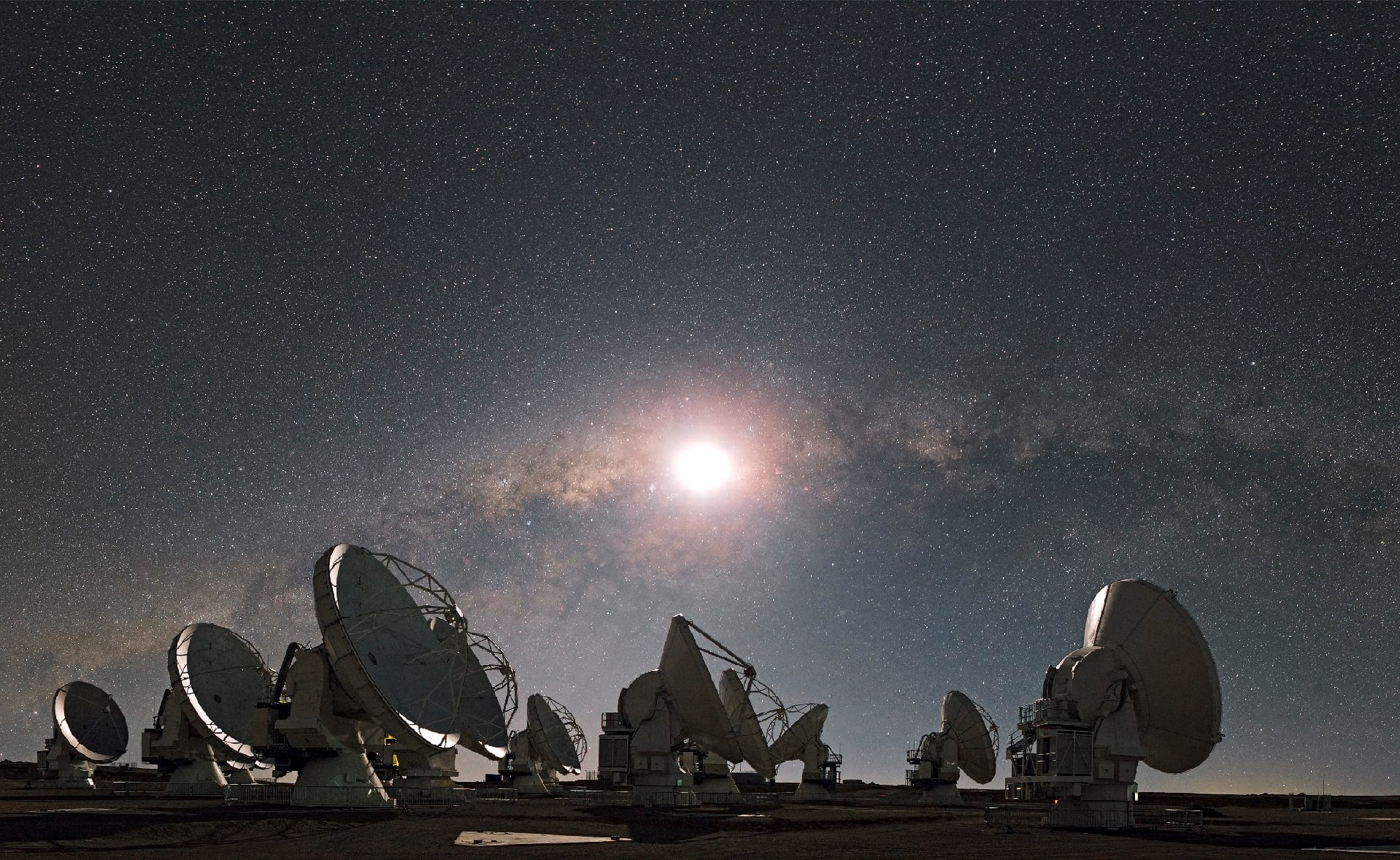
The prototype ngVLA antenna tested its systems by observing and tracking the Crab Nebula, also known as Taurus A (3C144), the remnant of an exploded star.

It might not seem like it, but the Moon is constantly being both sandblasted and baked. Its lack of a thick atmosphere allows micrometeorites to impact the surface at speed, and the solar wind isn’t held back either, baking the regolith with a constant flow of high-energy particles. These processes drive what is called “space weathering”, and it can drastically alter the physical and chemical properties of the lunar dirt over the course of billions of years. And we’re finally getting a better sense of what that means in practice thanks to two new papers from researchers at the Chinese Academy of Sciences and Peking University, which used advanced electron tomography and spectroscopic techniques to analyze samples returned from the Chang’e-5 mission to the near side of the Moon.

The JWST found an abundance of overmassive black holes at high redshifts, pushing the limits of black hole (BH) science in the early Universe. Results have claimed that these BHs are significantly more massive than expected from the BH mass-host galaxy stellar mass relation derived from the local Universe. But new research shows they were just outliers in the normal range of masses that don't require any special causes.

Multi-billion dollar space telescope programs aren’t only feats of aerospace engineering. They also feature “lies, damn lies, and statistics”. Or at least statistics. They definitely feature those, as does all good observational astronomy. The problem with statistics is, in order to get a clear definitive answer, you need lots of samples. And, to put it mildly, it’s hard to find lots of samples of planets with alien life on them. And even harder to prove that the signals we think are caused by alien life aren’t caused by some other non-biological process. Or at least that’s the theory underpinning a new paper available in pre-print on arXiv from David Kipping of Columbia University (and Cool Worlds YouTube fame).

The physics of neutron stars are almost too fantastic to believe. Something the weight of two Suns compacted to a sphere the size of a city. Each teaspoon of its material would weigh billions of tons. If you’ve done any reading on the topic, you’ve heard these facts before. But despite the intense interest these extreme objects hold, we are still actively learning lots about them. One of the most pertinent outstanding questions is where is the line between becoming a neutron star and becoming a black hole when a star dies. A new paper by researchers at the HUN-REN Wigner Research Centre for Physics in Hungary describes what they believe to be a definitive answer to that question - between 2.2 and 2.3 solar masses.