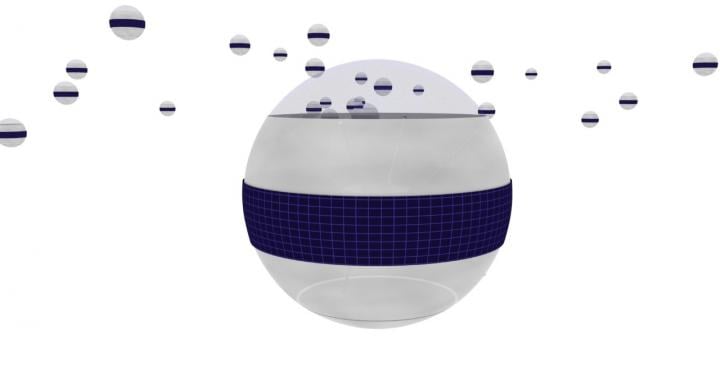
Exoplanet atmospheres have become prima targets for astrobiologists in the search for life beyond Earth. This is because exoplanet surfaces can’t be directly imaged yet, so astronomers must get creative with how to search for signs of life, also called biosignatures. Presently, powerful ground- and space-based telescopes like the Atacama Large Millimeter Array (ALMA) and NASA’s James Webb Space Telescope (JWST) are improving in their ability to observe and analyze exoplanet atmospheres. But did these atmospheres form and evolve, and what could this mean for the search for life beyond Earth?

No comments:
Post a Comment