Monday, November 16, 2026

Ringing Black Holes Offer Precision Tests of Relativity

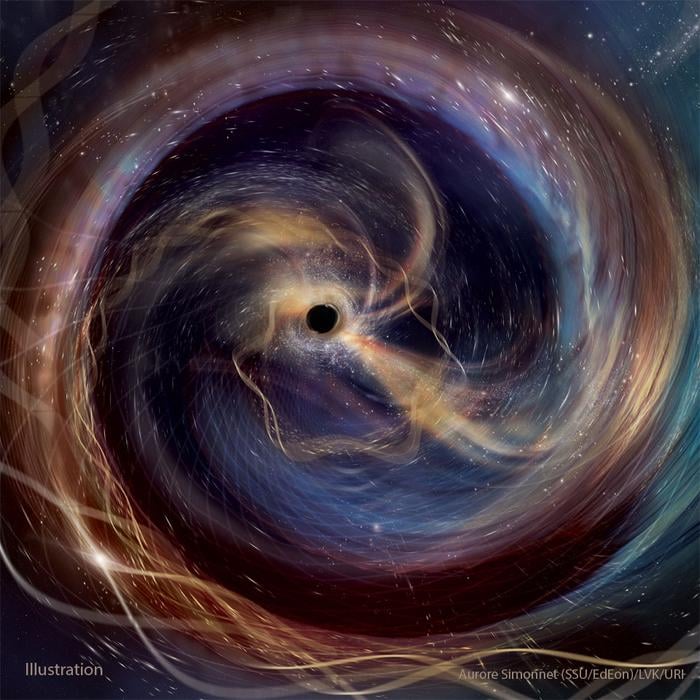
Illustration of colliding black holes. (Credit: Aurore Simonnet (SSU/EdEon), LVK, URI; LIGO Collaboration)

Black holes remain some of the most mysterious and awe-inspiring celestial objects ever studied. This primarily comes from the fact that they literally can’t be observed unless they interact with something in its surrounding environment, most notably a star. Adding to their mystery, several types of black holes exist, including free-floating black holes that drift independently throughout space, stellar-mass and are produced from exploding stars, and supermassive black holes that exist at the center of galaxies like our own. But arguably one of the most mind-blowing mysteries about black holes is figuring out what happens when they collide, and even merge.

This Supernova is 50 Million Light Years Away, But That's Close Enough For Astronomers

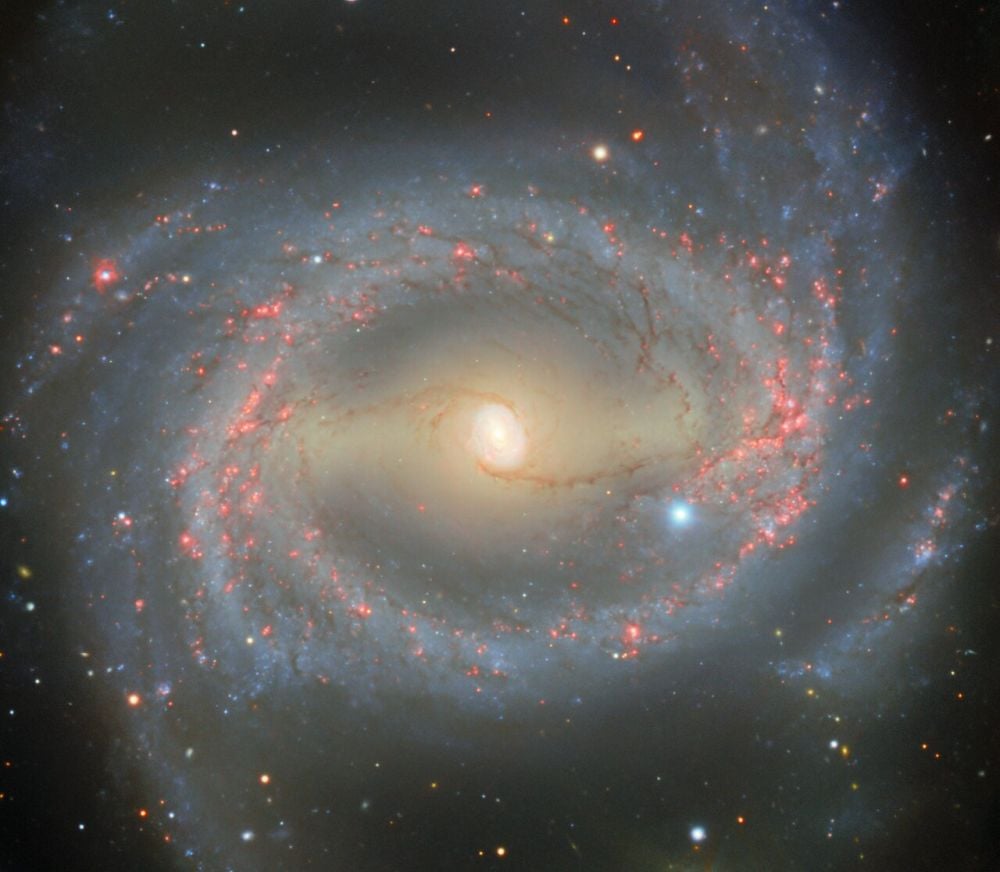
The Gemini South Telescope in Chile captured this image of the nearby spiral galaxy NGC 1433, with the new supernova clearly visible as a bright blue light slightly down and to the right of the galactic center. Since SN 2026ahvu was detected early in its explosion, and since the it's about 50 million light years away, it's a great opportunity for detailed observations, especiall over the next few months. Image Credit: International Gemini Observatory/NOIRLab/NSF/AURA http://creativecommons.org/licenses/by/4.0/

Acknowledgments: PI: S. Dahm (NSF NOIRLab/Gemini)

Image Processing: J. Miller & M. Rodriguez (International Gemini Observatory/NSF NOIRLab), T.A. Rector (University of Alaska Anchorage/NSF NOIRLab), D. de Martin & M. Zamani (NSF NOIRLab)

A new supernova has been detected in a spiral galaxy about 50 million light years away. That's close enough for detatiled follow-up observations, which have already begun. It's a type Ia supernova, meaning it's an exploding white dwarf rather than a massive star ending its life in a core-collapse detonation. Astronomers will watch as its light fades and changes over the next days, months, and years to track the changes and learn more about these standard candles. It's close enough for astrophotographers to get in on the action, too.


This Rare Binary Star Emits Radio Pulses Every Few Minutes. Will It Eventually Explode?

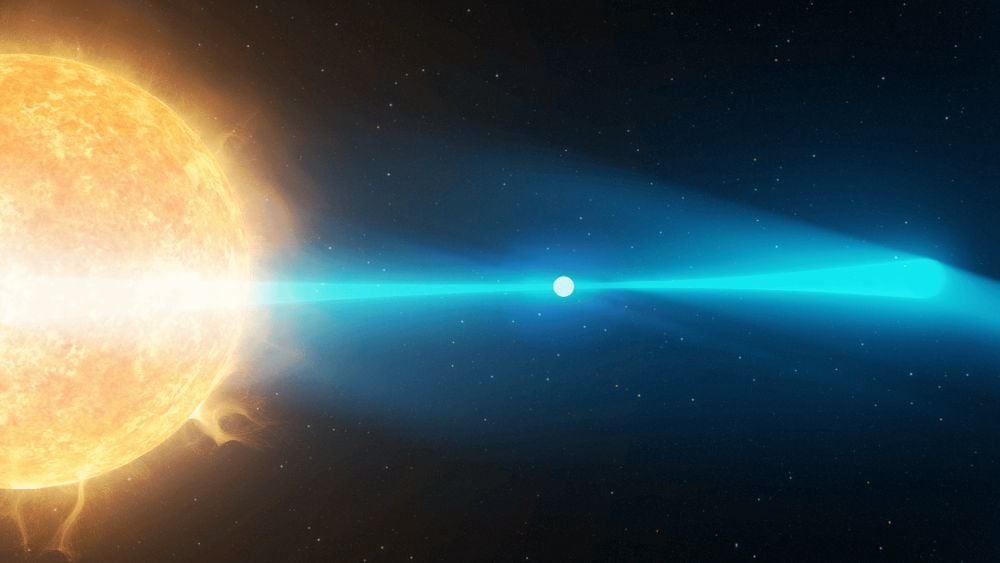
This illustration shows a binary star called a long-period transient, with the blue representing regular radio pulses coming from the system, possibly from the white dwarf itself. Most LPTs have a white dwarf and a red dwarf, but this one has a white dwarf and a much larger Sun-like star. The system could eventually explode as a supernova. Image Credit: Natasha Hurley-Walker

Astronomers have found a Long Period Radio Transient about 5,000 light years away that's different from other LPTs. Other LPTs have a white dwarf and a red dwarf, but this one has a white dwarf and a main sequence star. The exact cause of the binary pair's radio pulses isn't certain, but this work narrows it down. It also shows that these binaries could be common progenitors for Type Ia supernova explosions.


Sunday, November 15, 2026

Navigating Lunar Orbit Using Nothing But Shadows And A Power Meter

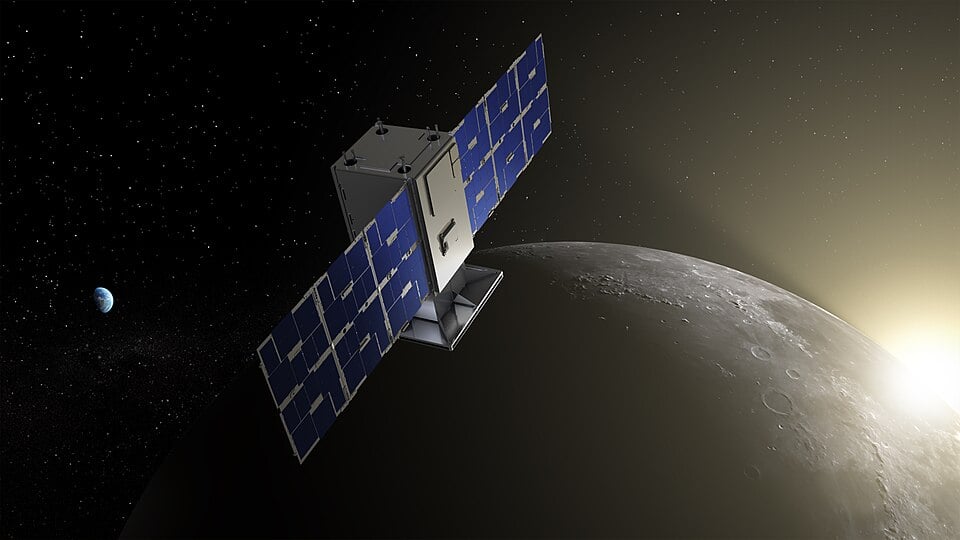
Artist's depiction of CAPSTONE coming out of an eclipse. Credit - NASA / Daniel Rutter

Humanity is quickly starting to saturate our ability to track all of the satellites we have in deep space. NASA’s Deep Space Network (DSN) has been the workhorse for tracking such things for decades, but is quickly being overwhelmed by the number of requests it receives. Which in turn makes it harder to track some of the missions that have been launched recently. A new paper, available in pre-print on arXiv, from Ian Down, James McElreath, and Manoranjan Majji, of Advanced Space, Space Exploration Engineering, and Texas A&M respectively, offer a no-cost solution to that tracking problem - use solar array data from a spacecraft’s eclipse to determine where it is.


Saturday, November 14, 2026

Baby, She's Back! SpaceX Catches a Starship From Orbit for First Time

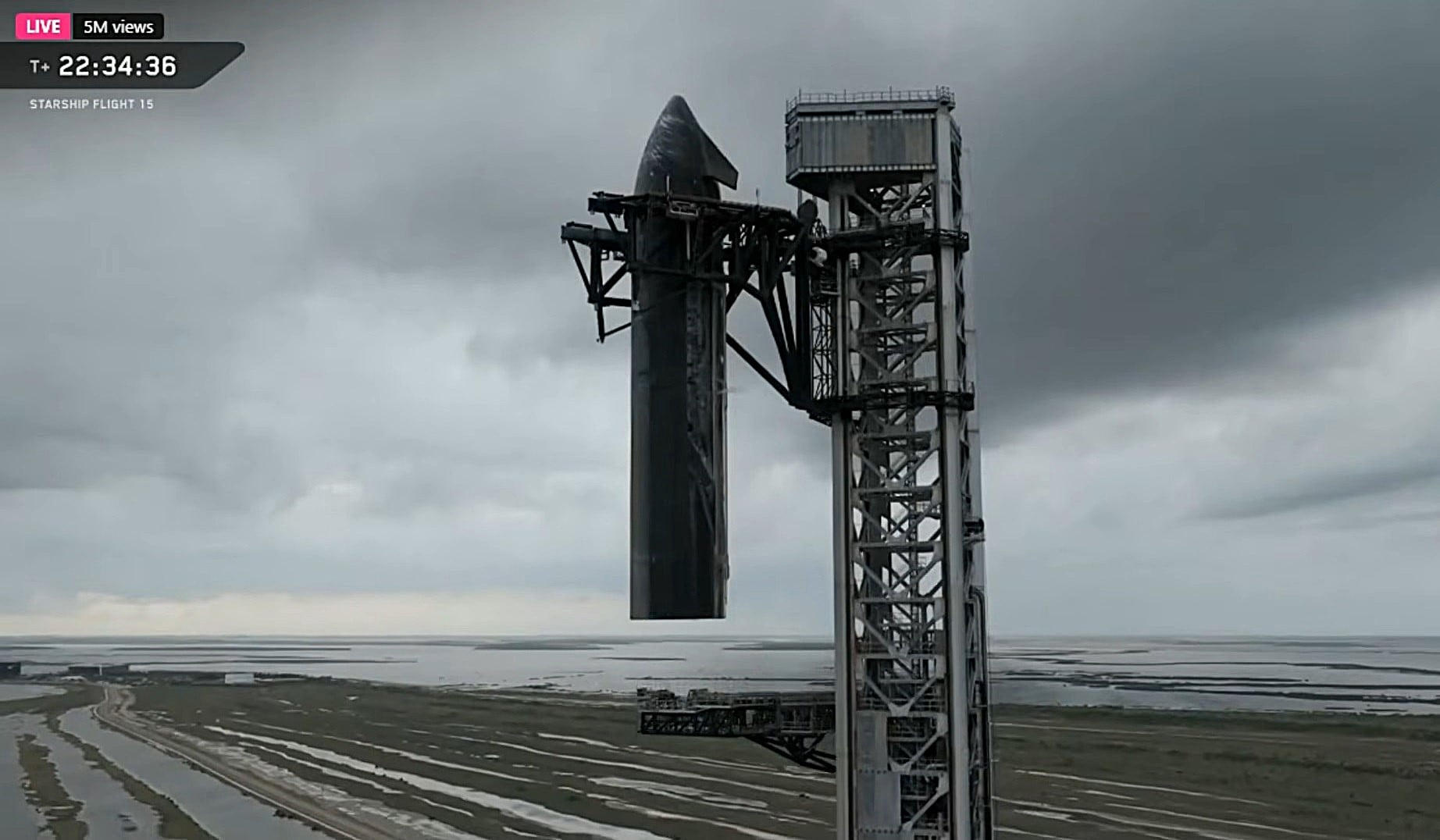
The Starship rocket's second stage, known as Ship 42, hangs from a set of giant mechanical arms on the launch tower at SpaceX's Starbase launch pad in Texas. (Credit: SpaceX via X)

SpaceX brought back its Starship rocket's second stage for a first-ever midair capture at its launch pad, capping a record-setting, 22.5-hour orbital flight test.


The First Foreign Astronaut Will Visit China's Tiangong Space Station in Two Weeks

An image of China's Tiangong space station, taken on May 25th, 2026. Credit: CMSA

The China Manned Space Agency (CMSA) will be taking a Pakistani astronaut to Tiangong as part of the Shenzou 24 mission, marking the first time a foreign astronaut has been to the station.


Friday, November 13, 2026

SpaceX Launches Starship But Passes Up Booster Catch for Safety's Sake

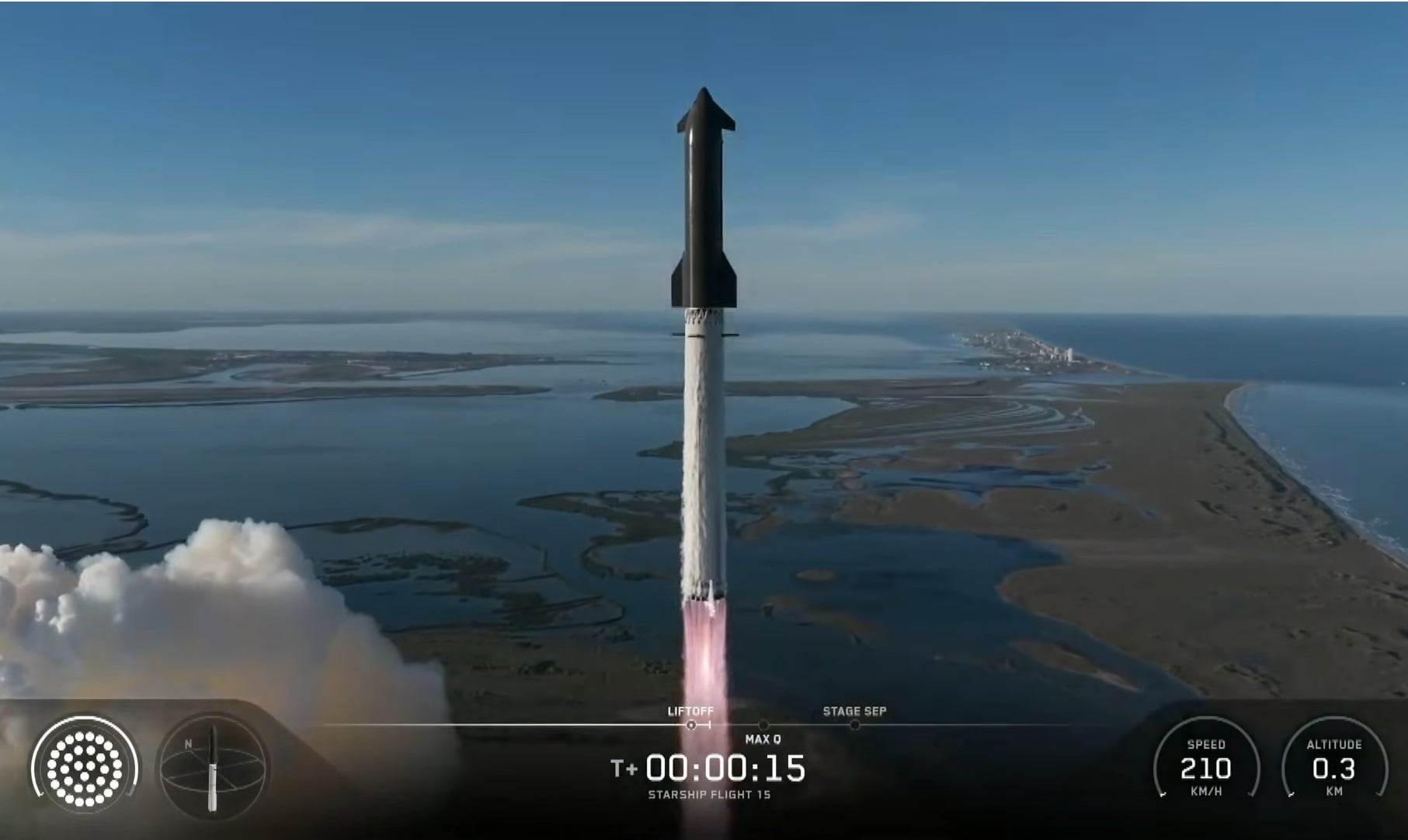
SpaceX's Starship rocket rises from its Texas launch pad. (Credit: SpaceX via X)

SpaceX sent its Starship on a flight that was meant to feature a first-ever retrieval of both rocket stages, but a launch-pad catch of the first-stage booster had to be canceled due to safety concerns.


LOFAR Takes the Deepest Image of the Low-Frequency Radio Sky to Date

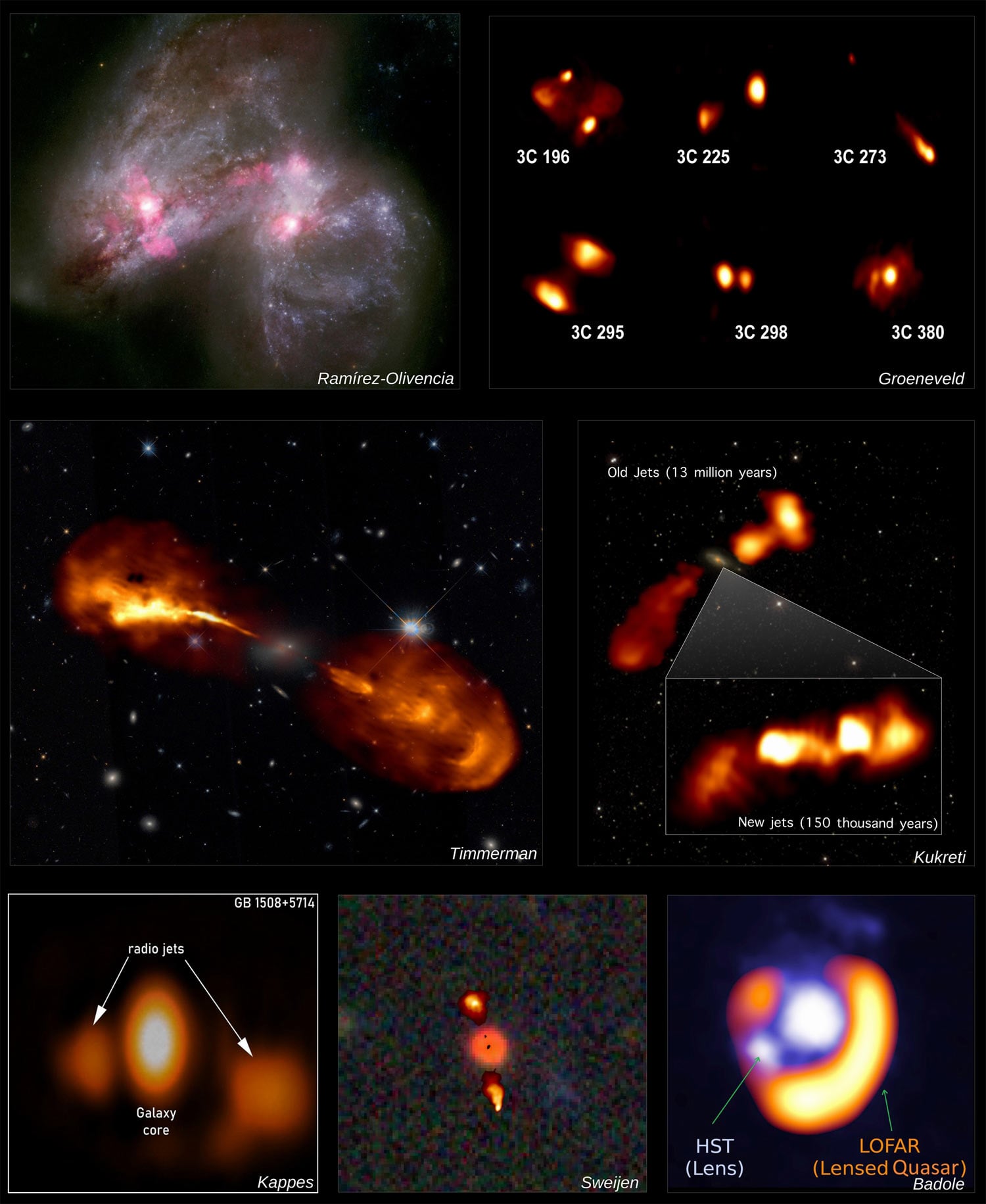
A compilation of the new science results from LOFAR. Credit: Ramírez-Olivencia et al. NASA/ESA/STScI/AURA/ A. Evans, University of Virginia, Charlottesville / NRAO / Stony Brook University / R. Cumming / C. Groeneveld / R. Timmerman / LOFAR / Kukreti / Sloan Digital Sky Survey / A. Kappes / F. Sweijen / DESI Legacy Imaging Survey / S. Badole / L. Calcada / W.L. Williams.

Using the Low Frequency Array (LOFAR), an international team led by Leiden University has produced the sharpest and most sensitive radio image of the sky ever made at low radio frequencies.


Dense Galaxy Clusters Foster Mechanisms That Throttle Star Formation

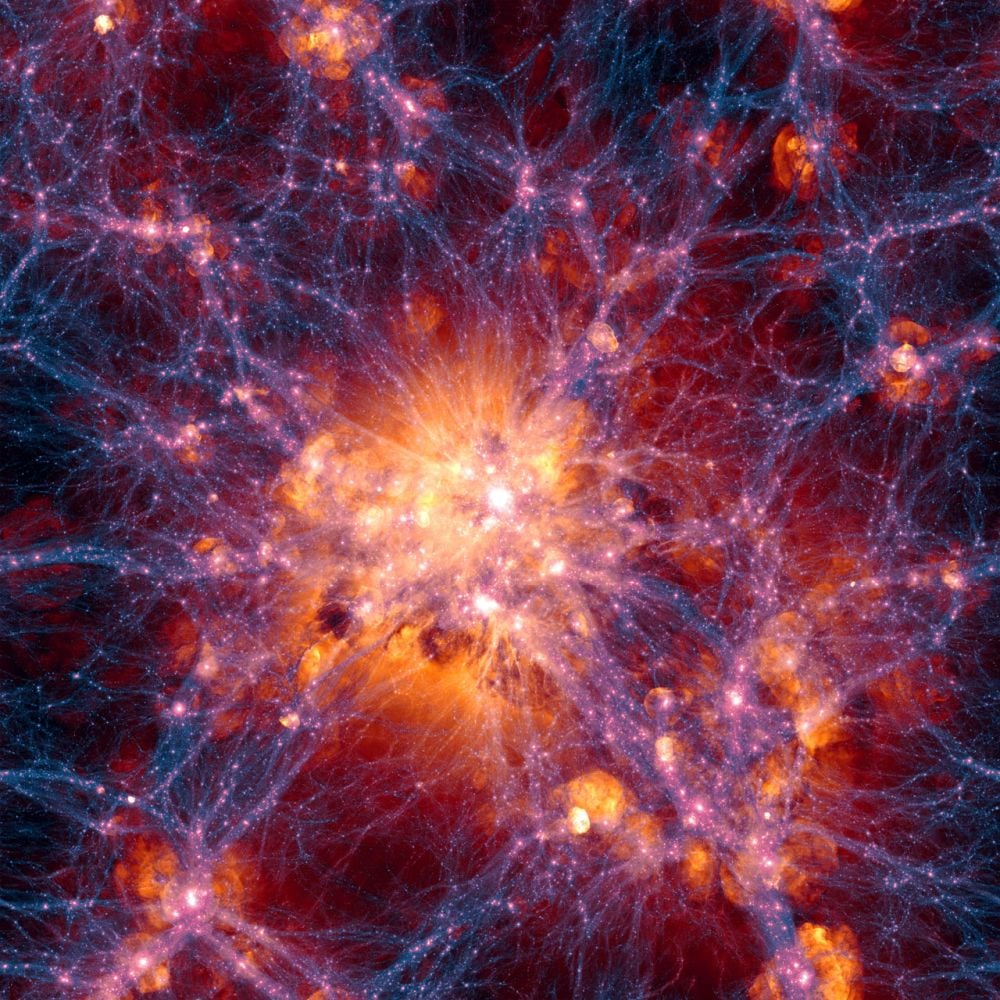
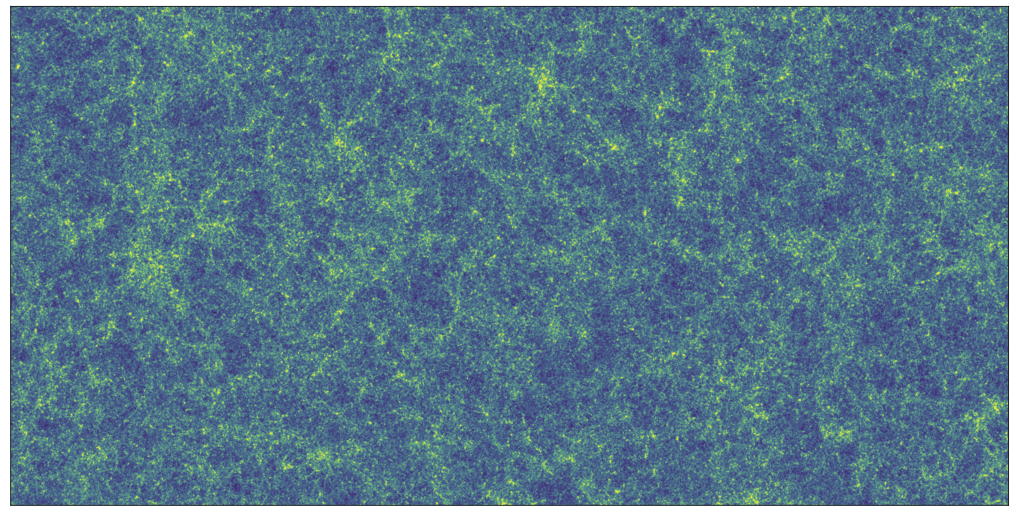
This is an image of the large-scale structure of the Universe from the Illustris simulation. Galaxy clusters are situated on the filaments in the image, and some of those clusters form extremely dense environments. In new research, astronomers examined one particularly dense galaxy cluster at the intersection of filaments like these to measure the star-forming gas there, and to try to understand what forces throttled the Universe's star formation rate after the Cosmic Noon. Image Credit: Illustris Collaboration.

The Cosmic Noon was when the Universe's Stelliferous Era Began, and star formation was prodigious during that epoch. But since then, star formation has slowed to a relative crawl, despite the fact that we can watch them forming in regions throughout the Milky Way. What happened to the hydrogen gas that forms stars? New research found clues in a particulary dense galaxy cluster.


Thursday, November 12, 2026

Euclid's First Data Release: A Stepping Stone to its 3D Map of the Sky

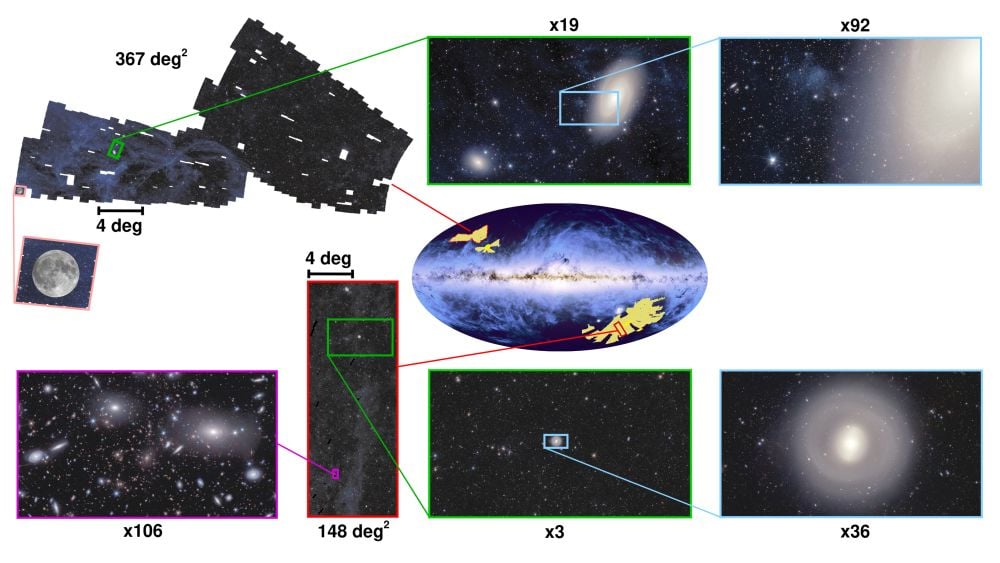
This graphic gives an overview of Euclid's first data release, DR1-Foundation. The two main survey regions are shown in the middle, overlain on the Milky Way's plane. A full Moon is shown on the left for reference. Each of the boxes are zoom-ins progressing from large regions down to individual objects. Overall, it illustrates how the Wide and Deep surveys work together to image large regions of the sky and to zoom-in on smaller objects. Image Credit: ESA/Euclid/Euclid Consortium/NASA, image processing by J.-C. Cuillandre and E. Bertin. Licence: CC BY-SA 3.0 IGO or ESA Standard Licence

The ESA's Euclid Space Telescope has released its first huge batch of data. It's all part of the telescope's mission to study dark energy and dark matter. The telescope is busy creating the largest ever 3D map of the Universe with its huge 600 megapixel camera, and new images give us some highlights.


A Brief-ish History of METI. Part III: The Legacy of Frank Drake & Carl Sagan

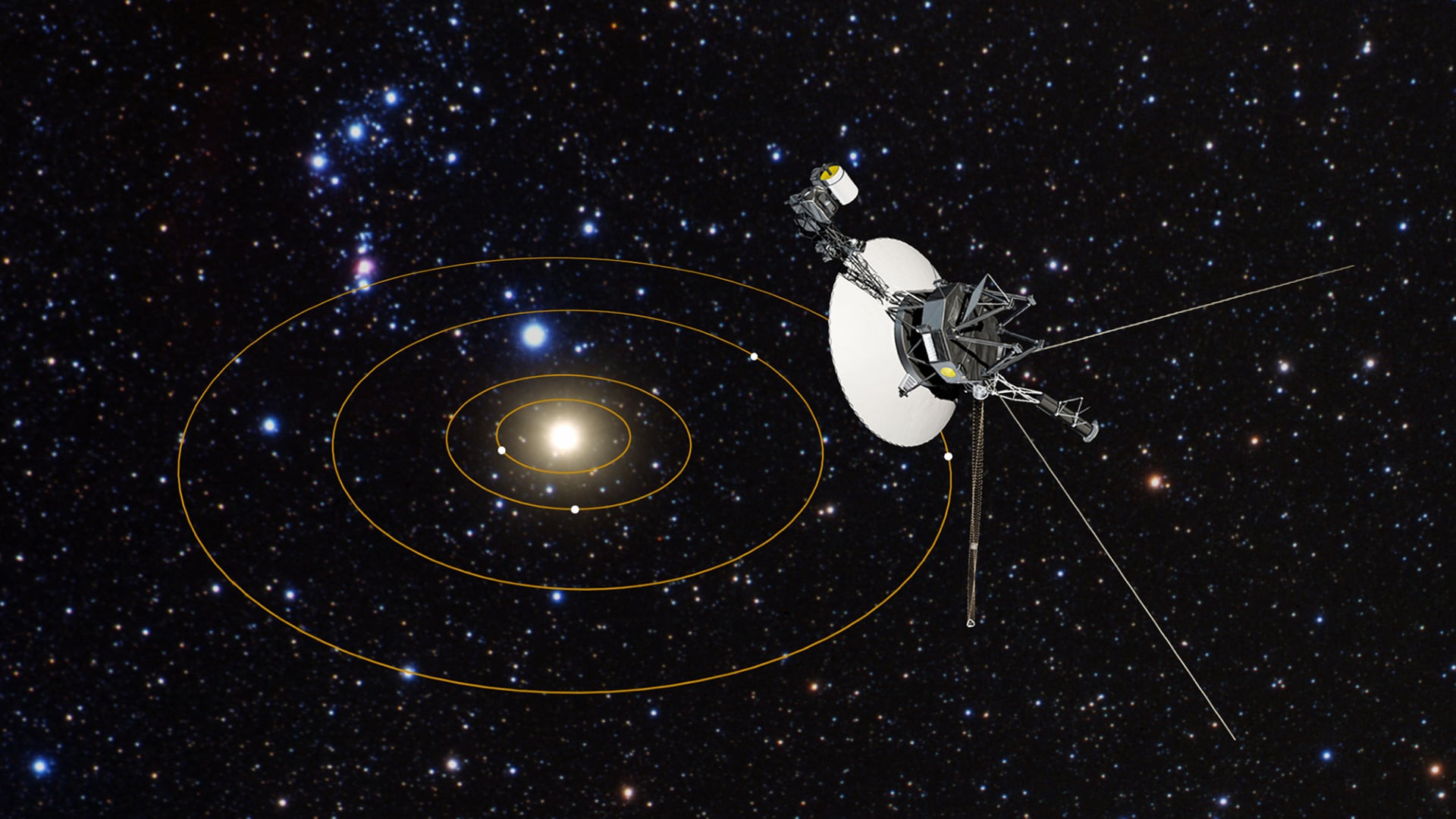
Artist's illustration of Voyager 1 with the orbits of Jupiter, Saturn, Uranus and Neptune represented by red circles. (Image credit: NASA, ESA, and G. Bacon (STScI))

Carl Sagan and Frank Drake were pivotal to the development of the Search for Extraterrestrial Intelligence (SETI) and Messaging Extraterrestrial Intelligence (METI), as exemplified by the Pioneer Plaques and Voyager Golden Records.


Asteroid Bennu's Sample Delivers Another Surprise

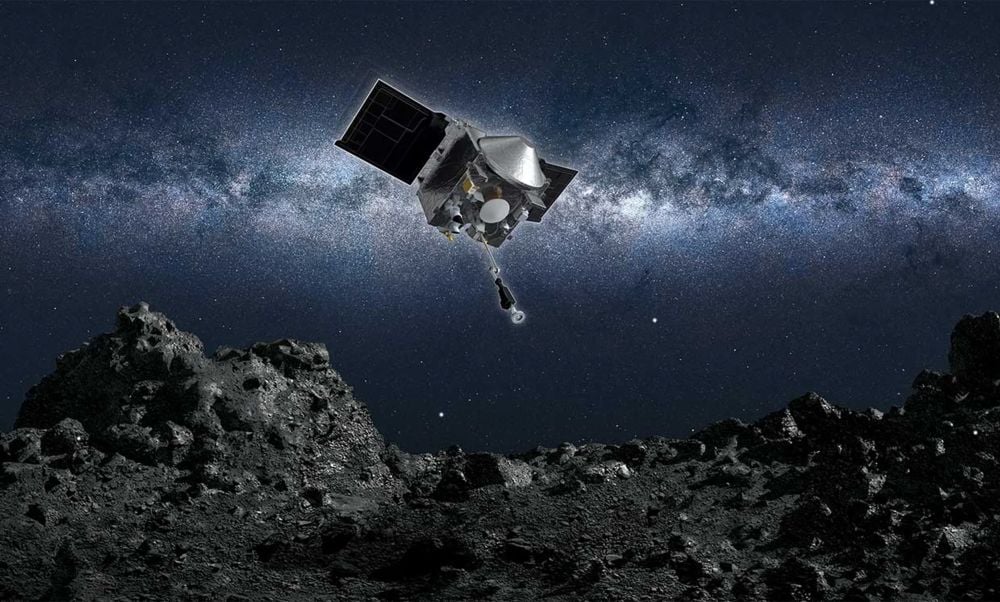
This illustration shows NASA's OSIRIS-REx spacecraft about to gather a sample from asteroid Bennu. Scientists found amino acids and some of the building blocks of DNA in the sample. New research compares the isotopic composition of those samples with similar chemicals found on the Murchison meteorite to understand how they formed in the early Solar System. Image Credit: Goddard Space Flight Center/University of Arizona/NASA

Researchers compared the samples from asteroid Bennu with the Murchison meteorite and measured the amino acid β-alanine in both. Using new techniques, they were able to measure not only their isotopic compositions, but isotopic differences between individual atoms in the same molecule. The results show that some of the same pre-cursors to life formed in different conditions and positions in the protoplanetary disk.


Solving the Space Junk Crisis Isn't Just About Counting Trash—It’s About Control and Economics

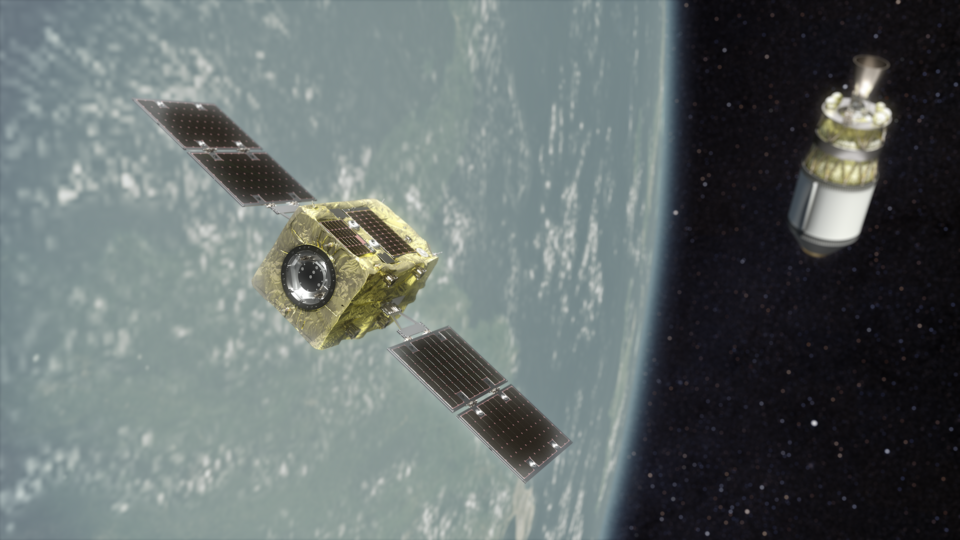
Artist's depiction of the ADRAS-J mission to rendezvous with a defunct rocket stage. Credit - Astroscale

If people ever think about cleaning up space debris, they typically think of something equivalent to a giant garbage truck in the sky, collecting lost astronaut tools and dead satellites then hauling them back down to Earth to be deposited in a landfill. But dealing with space debris doesn’t work that way, and a new paper, available in pre-print on arXiv from Dr. Slava Turyshev of NASA’s Jet Propulsion Laboratory, who we typically cover for his work on the Solar Gravitational Lens idea, makes a good argument as to why.


Astrophysicists Want to Forecast When a Black Hole Launches Its Jets

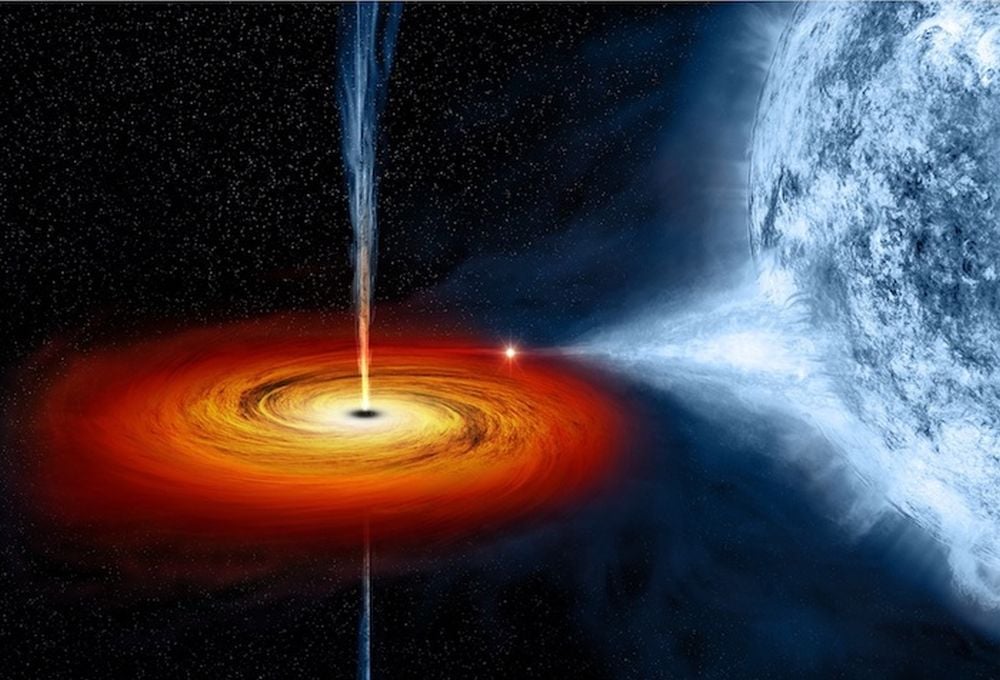
This illustration shows an x-ray binary system, where a black hole draws gas from a donor star, usually a main sequence star. The gas gathers in a rotating accretion disk around the black hole, and some of it is ejected in powerful jets. The material in the disk becomes super-heated and emits x-rays. Japanese researchers watched four x-ray binaries and their disks for clues to how to predict when they launch their powerful jets. Image Credit: NASA/CXC/M.Weiss.

Astrophysical jets are enormously powerful and energetic phenomena. Black holes launch them from their poles and they can extend enormous distances into space, disrupting star formation in adjacent regions. Astrophysicists want to be able to forecast when they're launched so they can understand theire extreme physics better. New research is making progress in understanding when they are triggered.


Wednesday, November 11, 2026

The Ice Giants' Magnetic Fields are Very Strange Compared to Earth's

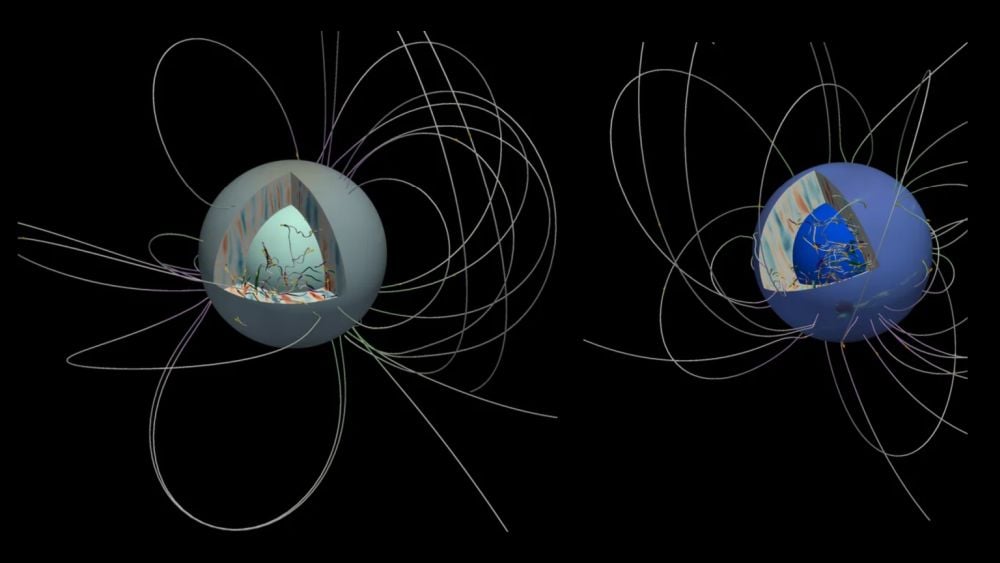
These images show the Uranus-like (left) and Neptune-like (right) dynamo models for the ice giants. The tubes represent the magnetic fields, and the small gold arrows indicate the local field direction. Image Credit: Yan et al. 2026

Uranus and Neptune, the Solar System's ice giants, have interiors unlike the other planets. As a result, they also have magnetic fields unlike the others. They're messy and tilted, and Voyager 2, the only spacecraft to even flyby them, showed us how messy they are. New research uses models to try to understand what's going on with the pair of planets and their weird fields, and found that it's likely they change on very short timescales. They could already be much different than when Voyager 2 visited in the late 1980s.


Planets Don't Just Disappear, But They Can Wobble Out of Sight if Their Neighbour is Close Enough

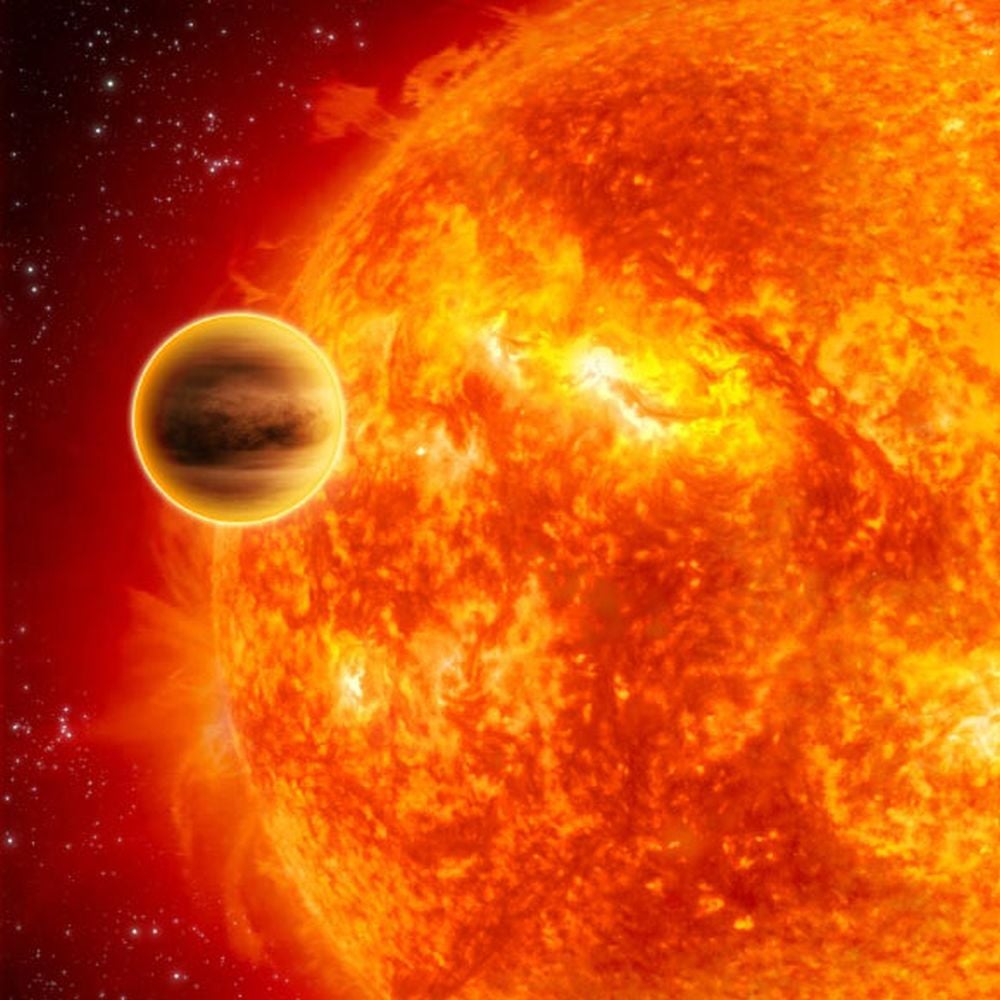
This artist's illustration shows a hot Jupiter, a giant planet very close to its star with a very short orbital period. TESS watched one hot Jupiter transit its star for seven years, until it wasn't visible anymore. New research says that another nearby giant planet is responsible for tugging the hot Jupiter out of view. Image Credit: C. Carreau / ESA.

TESS watched an exoplanet about 1,000 light years away as it repeatedly transited in front of its star for seven years. But astronomers were surprised to find that the hot Jupiter disappeared. Of course, planets don't just disappear. Something interrupted its transits from our point of view, and astronomers think they've figured out what happened. An unseen, nearby giant planet companion tugged on it until TESS couldn't see it anymore.


Tuesday, November 10, 2026

ALMA Reveals a Jet of Cool Gas from a Microquasar

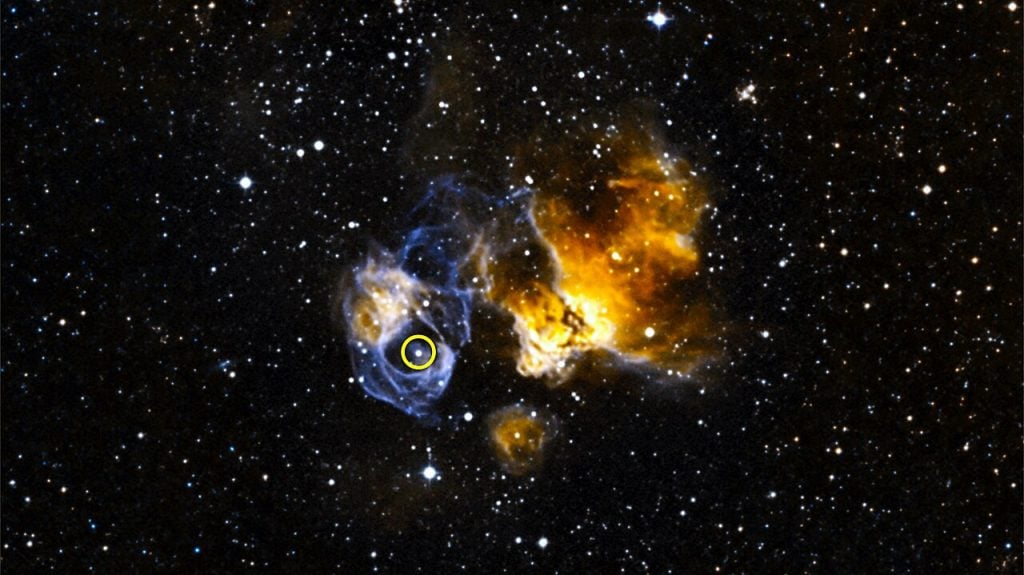
This object, called LMC P3, emits gamma-ray signals but also has smoking gun proof of a cool jet streaming away from it. Credit: Chandra X-ray Observatory Center/NASA’s Goddard Space Flight Center

There's a strange gamma-ray emitter in the Large Magellanic Cloud that has astronomers stumped about its source. It lies within the ashes left behind by a supernova that created a compact object that's part of the system. The supernova remnant provides some evidence for the emissions, but not the whole story.


Breakthrough cosmic hydrogen measurement could transform our view of the Universe

Visualization of the distribution of matter in the cosmic web. Credit: MeerKLASS

The MeerKLASS international collaboration achieves the first direct measurement of the large-scale clustering of cosmic hydrogen in the Universe.


Monday, November 9, 2026

An Artificial CORTEX to Guide Satellite Rescue Missions

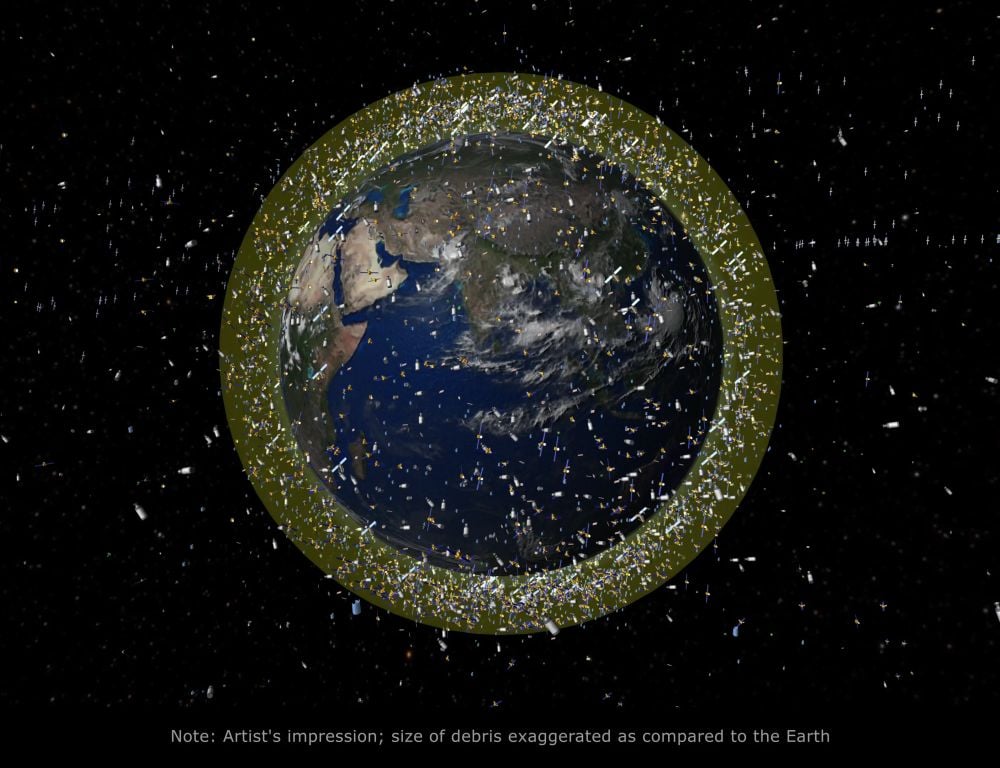
This illustration is exaggerated and isn't to scale, but it highlights the growing space debris problem. Some of the debris isn't really junk; it's zombie satellites. Researchers are developing an autonomous framework called CORTEX for guiding servicing satellites to dock with these zombies and revive them. Image Credit: ESA

Thousands of so-called zombie satellites orbit Earth in the critical Low-Earth Orbit regime. They're either inactive or have stopped alerting other satellites to their presence. Researchers are building a system called CORTEX that can guide a repair satellite to autonomously dock with these zombies.


A Common Food Emulsifier Could Solve One of Rocketry’s Oldest Fuel Problems

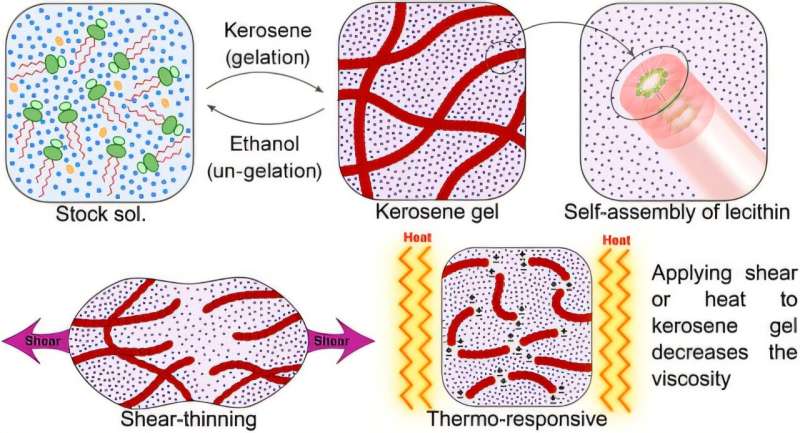
Graphic of the chemical process of fuel creation. Credit - P. Mudaliar & J. John

In propulsion system design, engineers have long faced a trade-off between solid and liquid rocket fuels. Each has advantages and disadvantages, and in an effort to try to min/max the efficacy of different types of fuel, researchers have long placed an emphasis on a hybrid between solids and liquids - in other words they’ve been working with gels. Unfortunately, gels have their own sets of problems to deal with. But a new paper published by Pranay Mudaliar and Jerin John of Concordia in the journal Langmuir uses an uncommon ingredient to elegantly solve some of those problems, but which is typically used in a completely different area of human activity - lecithin.


A Stellar Odd Couple at an Unusual Stage of Evolution

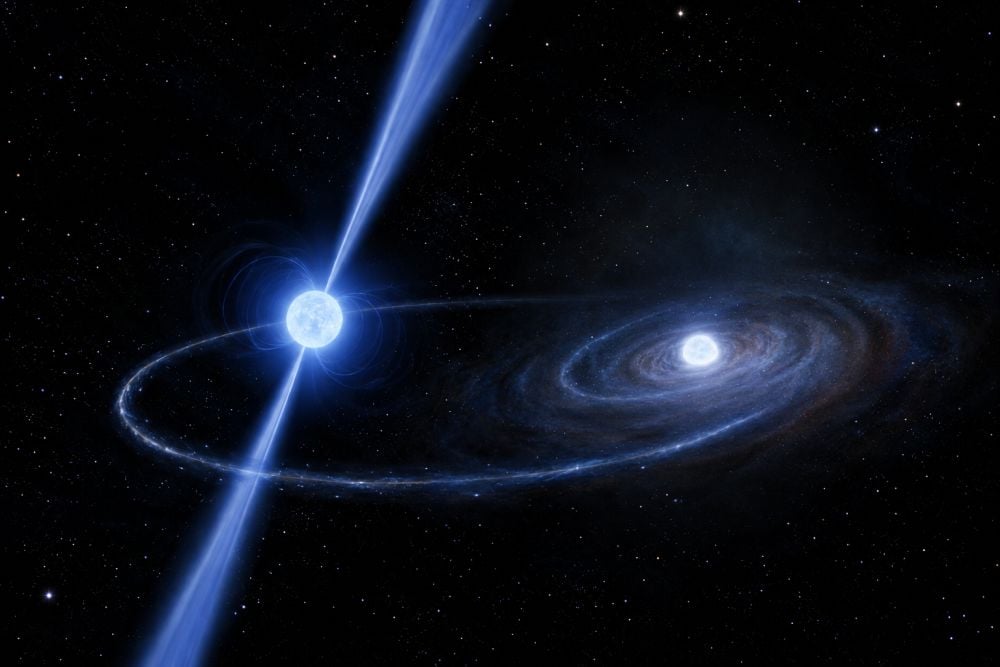
Artist's impression of the binary system NGC 362d. On the left, the millisecond pulsar draws material from its white dwarf companions, and emits beams of radio waves; on the right, the young white dwarf is surrounded by material leftover from the previous mass transfer. Image Credit: INAF (Image generated using artificial intelligence.)

Millisecond pulsars are fascinating objects that serve as natural clocks in the Universe. They form by drawing material and angular momentum from a companion. This mass transfer can rapidly accelerate the companion's evolution to a white dwarf. Astronomers have detected a millisecond pulsar's white dwarf companion that appears to be observed just as the mass transfer completed. They can still see some of the debris.


Nearby Dwarf Galaxies Show Surprising Lack Of Oxygen, Says Paper

Image from NASA’s Hubble Space Telescope of NGC 4449, one of the dwarf galaxies in the Galaxies Losing Oxygen via Winds (GLOW) study. Researchers found that dwarf galaxies can hold onto only a small fraction of the oxygen made by their stars. 
Credit:  NASA, ESA, Hubble Heritage–ESA/Hubble Collaboration, Alessandra Aloisi (STScI, ESA)

A new study of more than three dozen dwarf galaxies has surprised researchers with just how little oxygen they have been able to retain over cosmic time. The results reveal that we still have major gaps in our understanding of galaxy evolution.


Saturday, November 7, 2026

Our Sun’s Undiscovered Stellar Nemesis Is Still Out There, Says Physicist

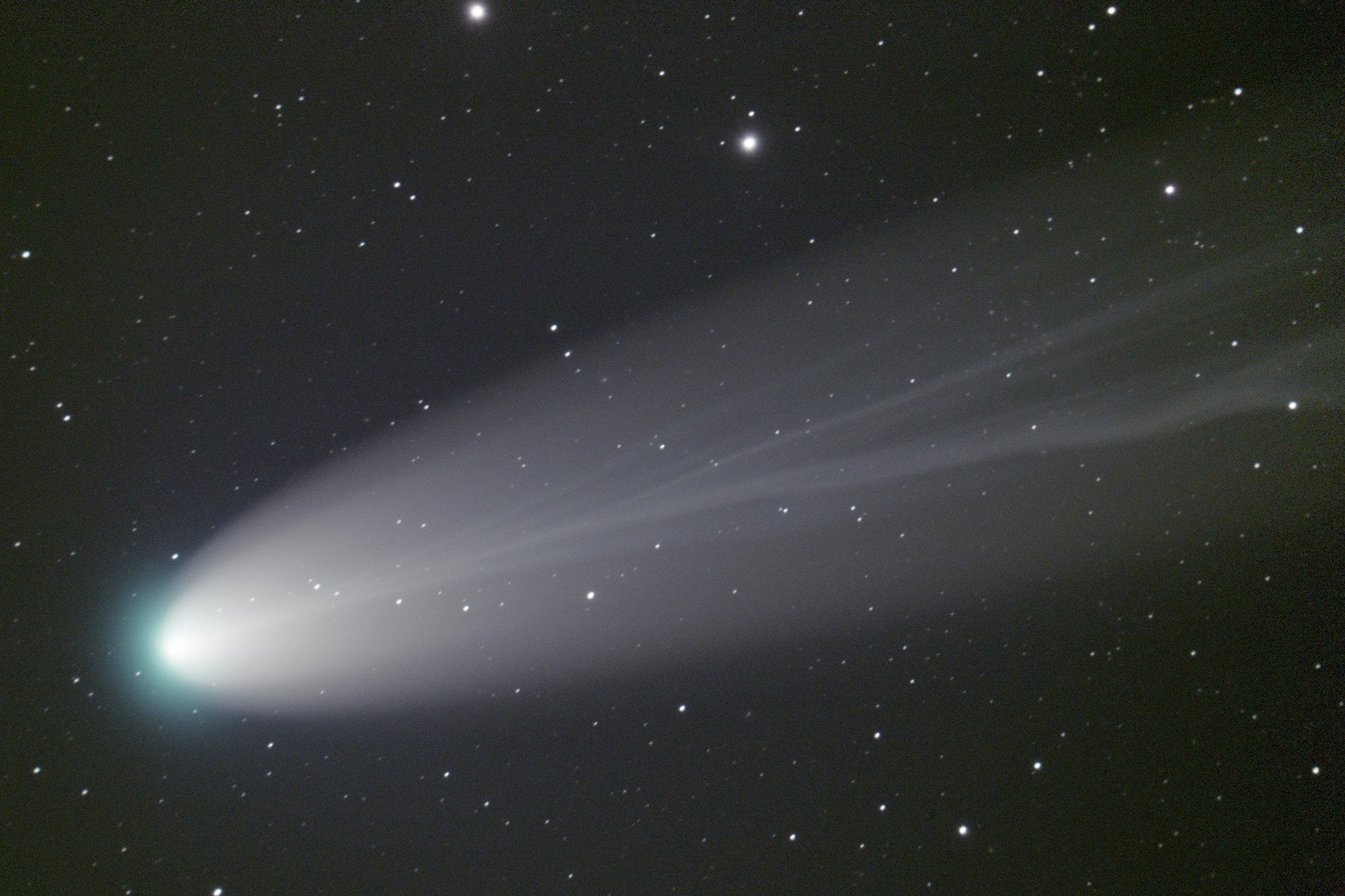
The long period Oort Cloud Comet Leonard as seen in 2021.  Credit:  Wikipedia

The decades old idea that our solar system’s Oort Cloud is continually perturbed by a heretofore undetected low mass Red Dwarf star remains the best explanation for periodicities found in Earth’s impact record. Or so says a well known physicist who has long championed this idea.


Friday, November 6, 2026

The ELT Can Probe Ultra-Diffuse Galaxies and Their Dark Matter Mysteries

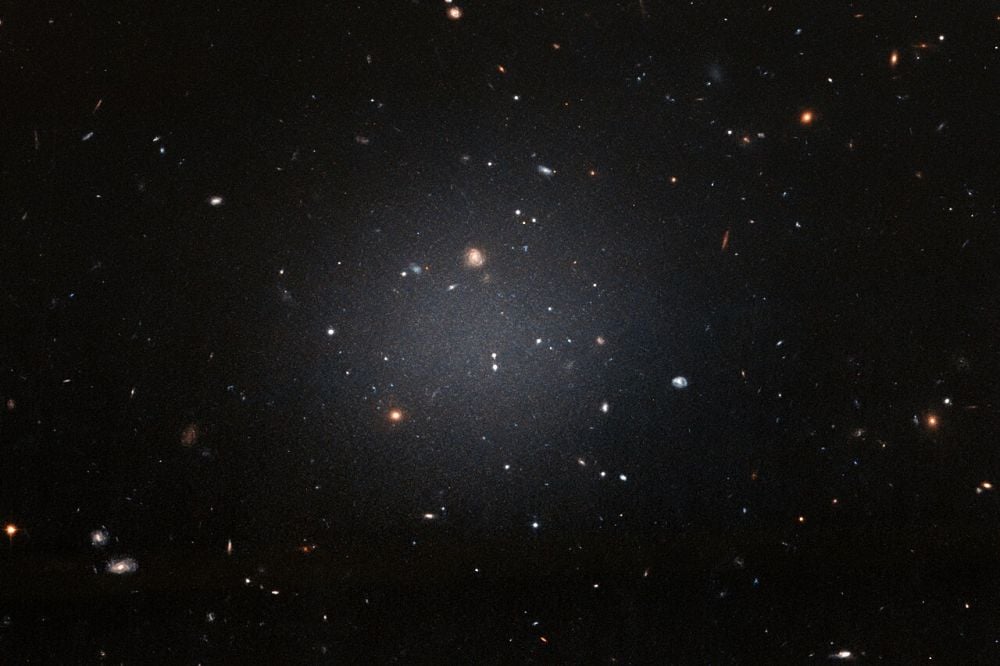
This is NGC 1052-DF2, and Ultra-Diffuse Galaxy. These galaxies have a small number of stars spread over a wide area. Their dark matter halos are puzzling, and UDGs don't seem to follow "regular" galaxy formation models. Studying them could reveal a lot about dark matter halos and the Lambda-CDM model. Image Credit: By ESA/Hubble, CC BY 4.0, https://commons.wikimedia.org/w/index.php?curid=67837884

Ultra-Diffuse Galaxies are strange because they're as large as the Milky Way, but have far fewer stars. It's as if they're puffed up for some reason. Determining what's going on with them could help confirm the Lambda-CDM model. A new proposed instrument for the Extremely Large Telescope could give astronomers their best look yet at these strange galaxies.


NASA's Twin Spacecraft Will Execute Powered Slingshot Maneuvers on Their Way to Mars

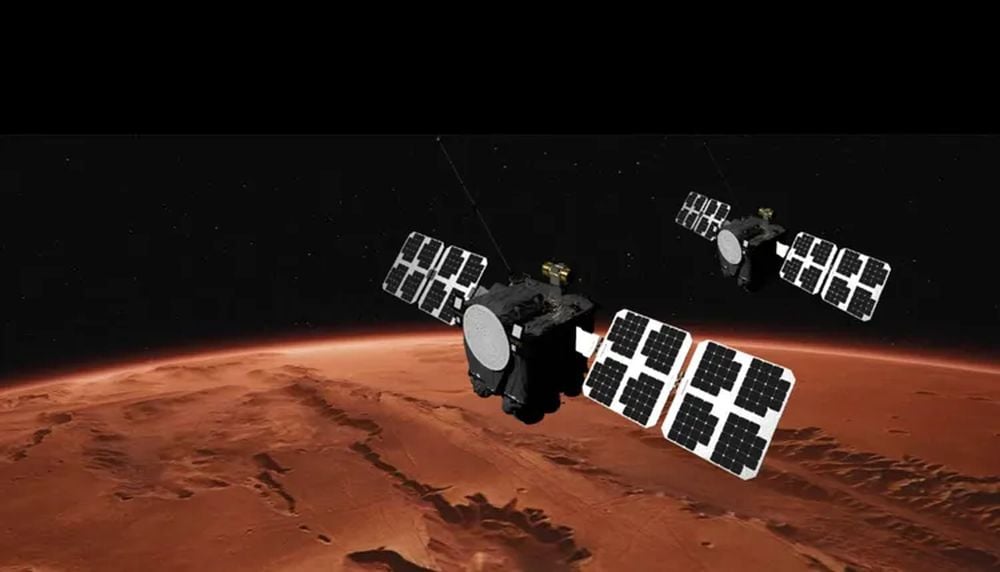
NASA's ESCAPADE mission is a pair of identical twin spacecraft that will orbit in formation over Mars. They're about to perform powered slingshot maneuvers around Earth to increase their speed. Once they reach Mars, they'll study how the solar wind interacts with Mars' remnant magnetic fields. Image Credit: NASA.

NASA's ESCAPADE mission features a pair of identical spacecraft on their way to Mars. They launched outside of the normal launch window, so they'll perform powered slingshot maneuvers to boost their speed. Once there, they'll "fly" in formation and study how the solar wind interacts with what remains of Mars ancient magnetosphere.


Earth's Gravity May Have Kept the Early Moon's Volcanic Heart Beating

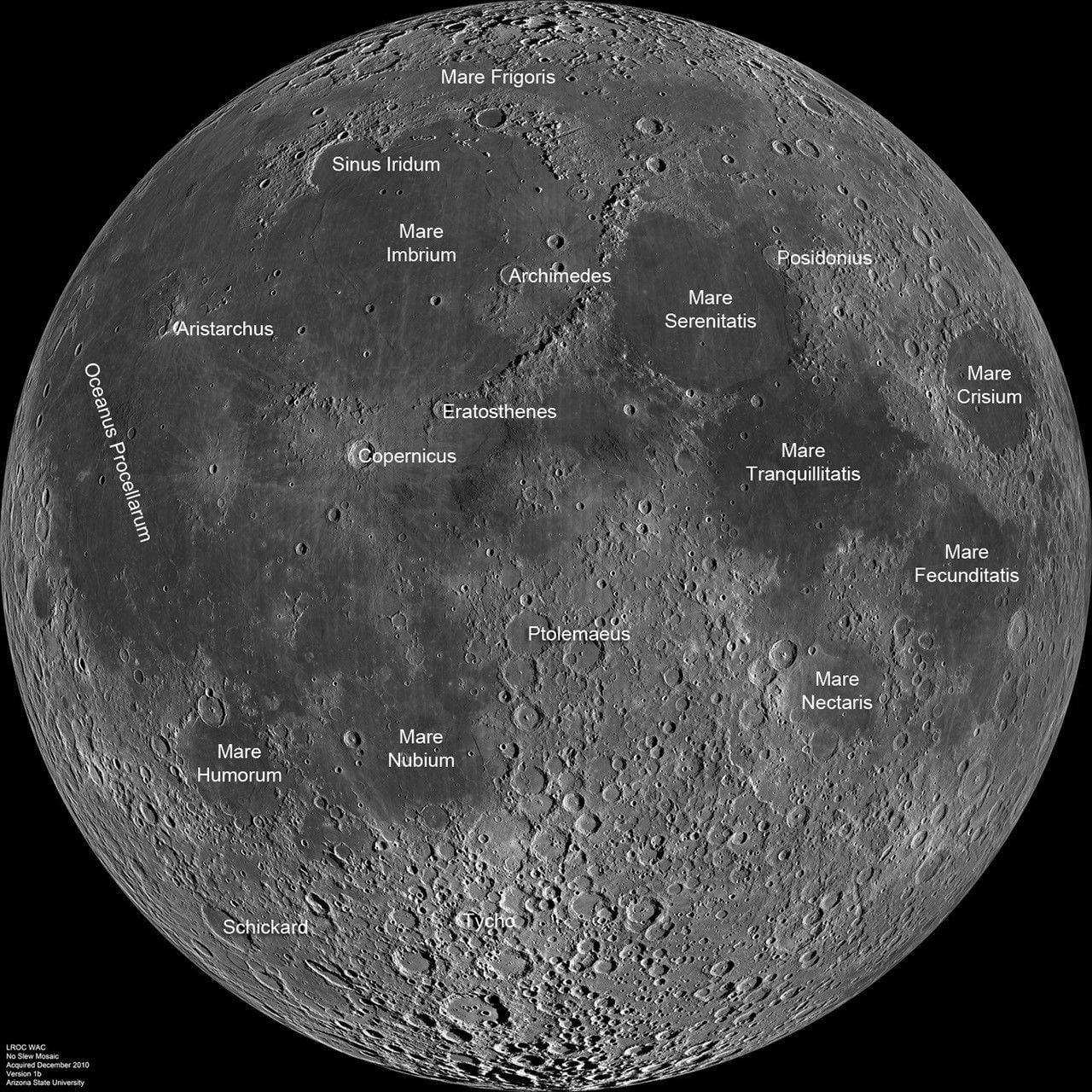
Image of the volcanic lunar mare from LRO. Credit - NASA Science

We typically think of the Moon as a static, floating object that has remained the same for basically its entire lifetime, with an occasional asteroid impact serving as an exception. That understanding is grounded in physics - the Moon should have cooled rapidly after forming when a huge protoplanet hit the early Earth around 4.5 billion years ago. But, some lunar material returned from the Chang’e-5 mission was notably formed only around two billion years ago, yet appeared to be volcanic in origin. So how did a world that was supposed to have settled down without volcanism remain hot enough to create these materials more than two billion years after its violent birth? A new paper from Miao Chen of the Chengdu University of Technology and his colleagues, and recently published in the journal Planet, offers an explanation - tidal heating.


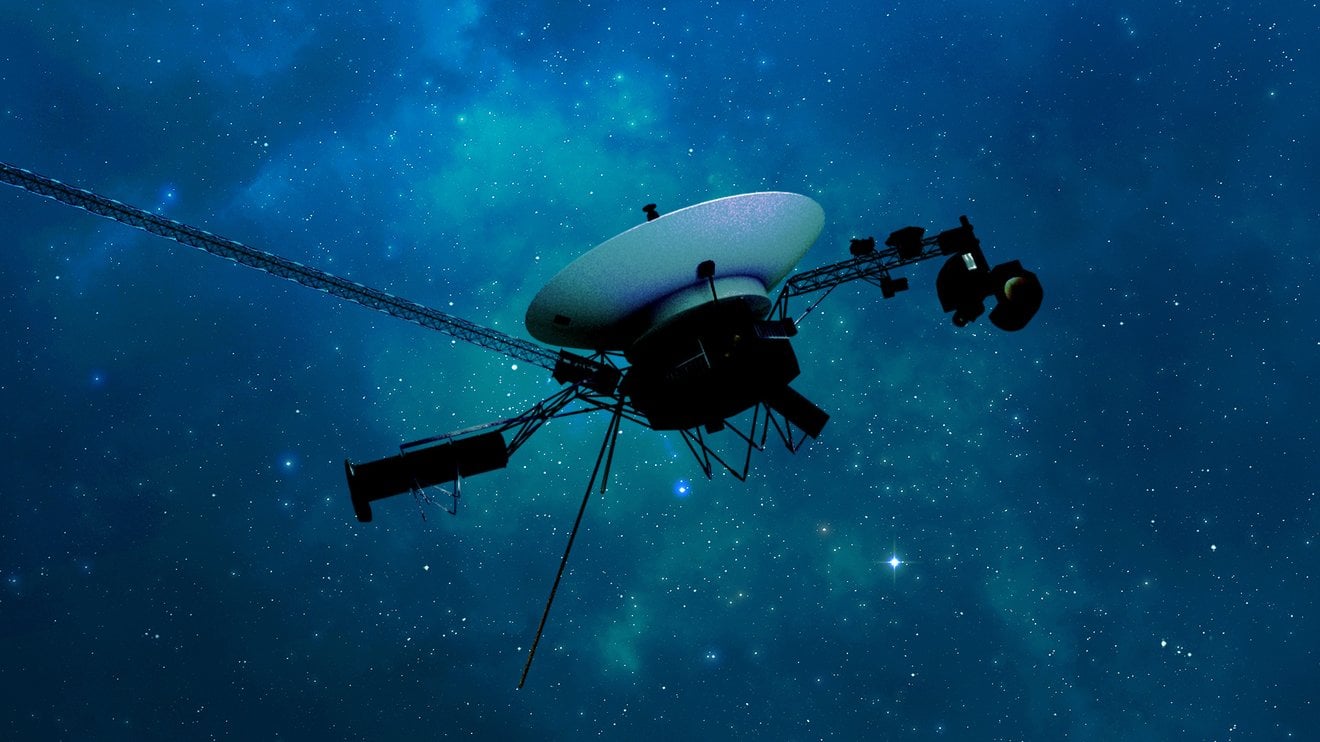
'Big Bang' Fix Puts Voyager Across the 'One Light-Day' Mark

An artist's concept of Voyager 1 in deep space. Credit: NASA

Flashback to 1977. Jimmy Carter was U.S. president, Star Wars was a box office hit, and the two Voyager spacecraft departed on an historic Grand Tour of the solar system. Now, teams at NASA’s Jet Propulsion Laboratory are working to keep the missions active, as they push the boundaries of interstellar space beyond the solar system.


Thursday, November 5, 2026

Asteroids' Oddball Shapes Make Deflecting Them Challenging

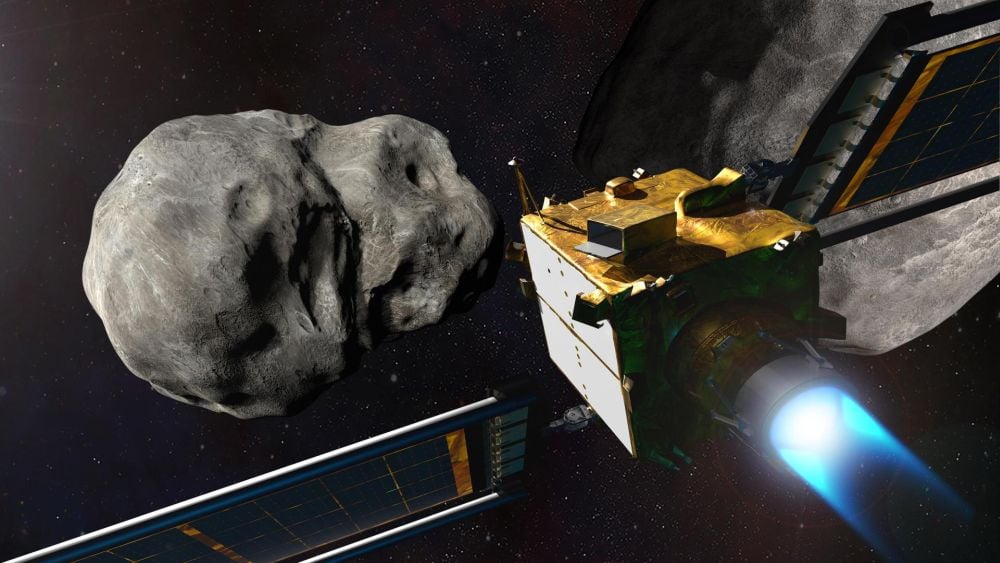
This artist's illustration shows NASA's Double Asteroid Redirection Test spacecraft approaching its target, Dimorphos. If we need to deflect an incoming asteroid on short notice, an impactor like DART won't do the job. We may need to redirect the dangerous rock with an x-ray pulse from a carefully detonated nuclear weapon. But the part of the surface we direct the x-ray pulse at matters a lot. Image Credit: NASA/Johns Hopkins APL/Steve Gribben

In a pinch, we could use a stand-off nuclear blast to redirect a dangerous asteroid on short notice. There's no atmospheric shock wave in space, but the x-ray pulse could still deflect the space rock. But asteroids aren't round and uniform, so their weird shapes make it difficult.


Interstellar Visitor 3I/ATLAS Shows Water Ice Behaves the Same Across Alien Star Systems

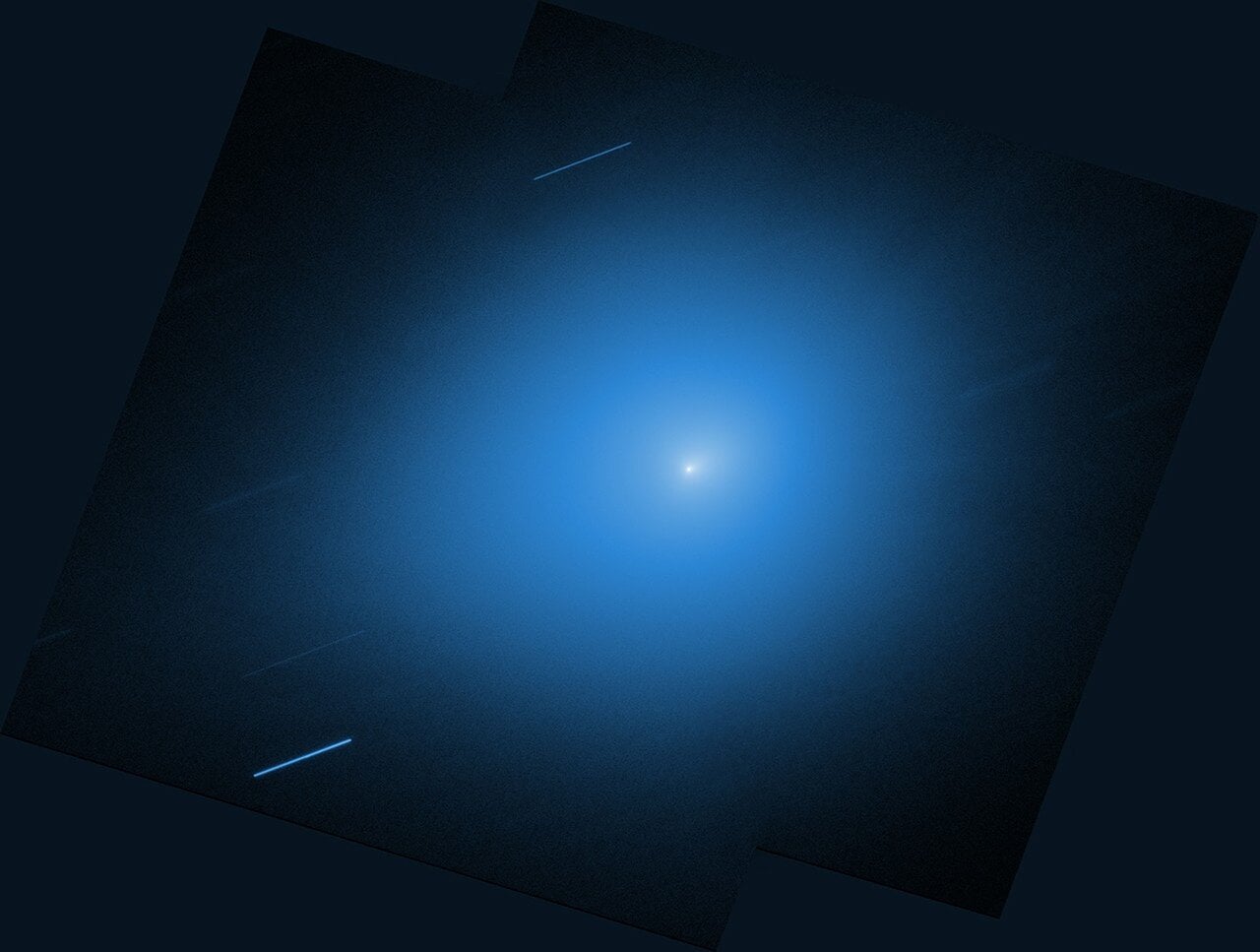
NASA / ESA / Hubble image of 3I/ATLAS. Credit - NASA, ESA, STScI, D. Jewitt (UCLA). Image Processing: J. DePasquale (STScI)

Targets of opportunity sometimes happen in astronomy, and we got a major one when the third interstellar object, 3I/ATLAS, was discovered in July 2025. And it just so happens that in the intervening years between the last known interstellar visitor (2I/Borisov in 2019), we got a major upgrade in our observational capabilities with the launch of the James Webb Space Telescope (JWST). A new paper from a team of researchers led by Dr. Silvia Protopapa of NASA’s Goddard Space Flight Center and the Southwest Research Institute, and published in The Astrophysical Journal Letters, details JWST’s findings on the water ice content of this most recent visitor from beyond our solar system.


Exoplanets Can't Hide From The JWST's 'Digital Twin'

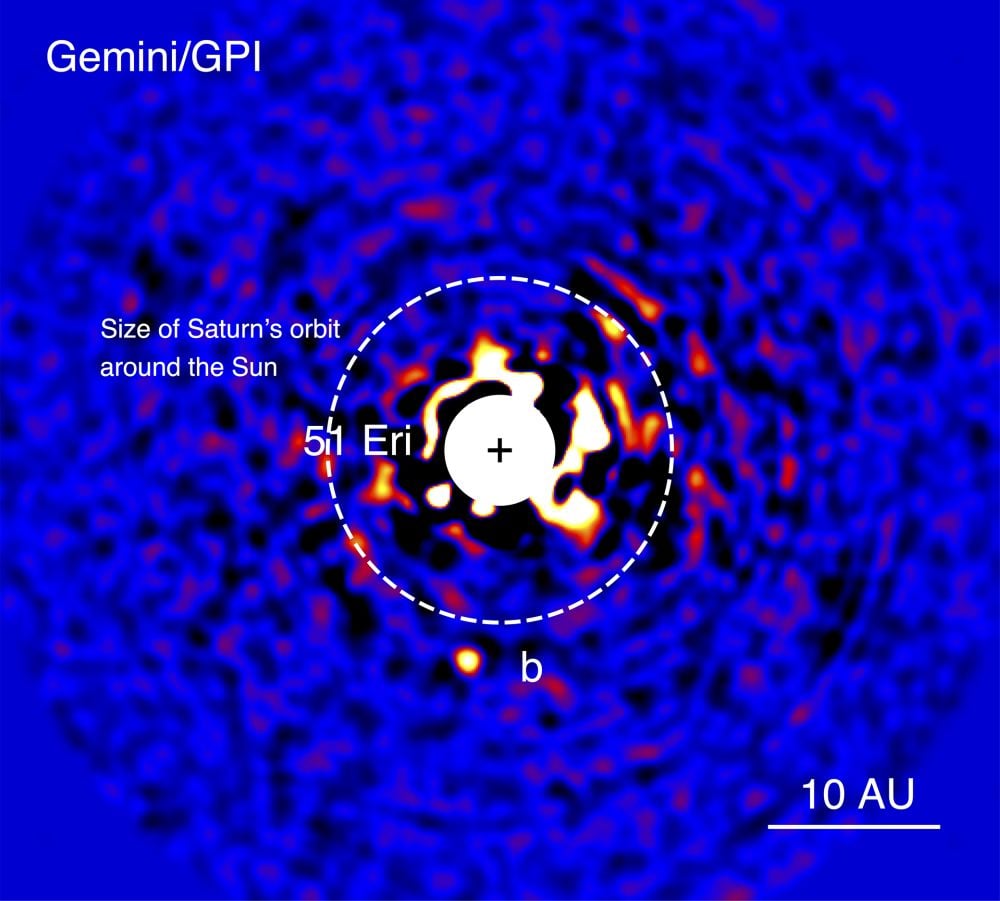
This image shows the exoplanet 51 Eridani b. It was detected by the Gemini Observatory and its coronagraph, which blocked out the starlight and revealed the dim exoplanet hiding in its glare. Researchers built a sort of digital coronagraph for the JWST and tested it on 51 Eridani b. The test was successful and could herald a new era of directly-imaging exoplanets. Image Credit: Image: Gemini Observatory, NSF's NOIRLab, NSF, AURA, Julien Rameau (University of Montreal), Christian Marois (NRC Herzberg)

Finding dim exoplanets hidden in the glare of their stars is an ongoing challenge in astronomy. Telescopes use coronagraphs to block out starlight, but even they have their limitations. Researchers have developed a new technique with the JWST that can find dim exoplanets more easily than ever.


Wednesday, November 4, 2026

Game Theory Helps SETI Search for Alien Civilizations

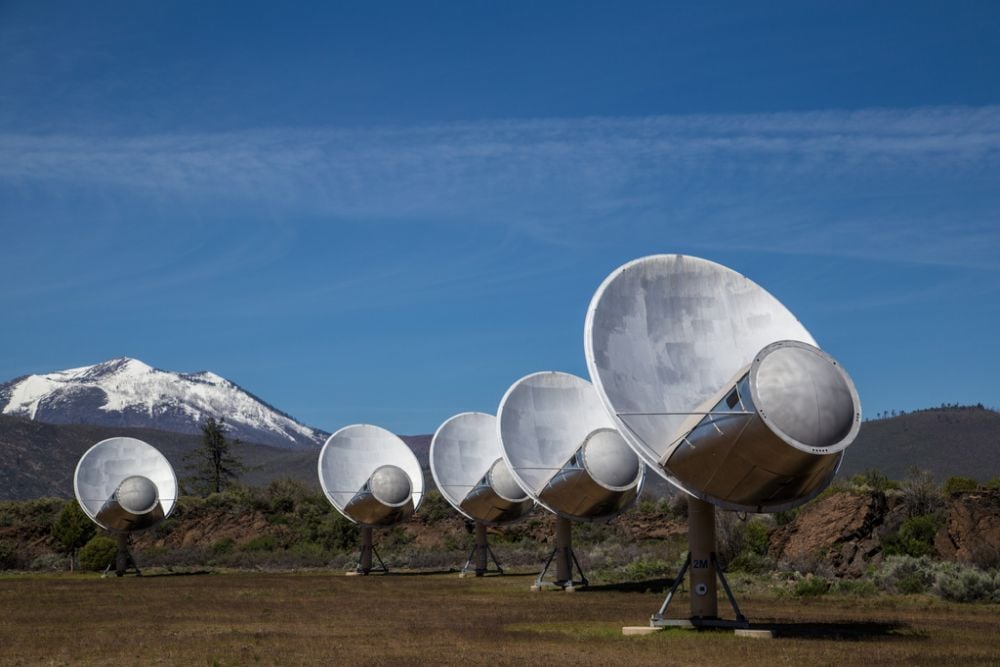
Five of the 42 radiotelescopes in the Allen Telescope Array (ATA) at the Hat Creek Radio Observatory. SETI has launched a new observing program with the ATA that doesn't just focus on where to look, but on when to look. The search is based on game theory. Image Credit: Alex Pollak

SETI can be more effective the more the targets in the search are refined. SETI's newest survey effort uses game theory to inform its search. It's based on the idea that other ETIs would almost certainly use the transit method to detect habitable worlds like Earth.


Giant Impacts Help Rocky Planets Retain Their Atmospheres

Giant impacts like the one in this artist's illustration had a powerful effect on the planets that suffered them. Astronomers thought that these impacts drove the atmospheres of young planets into space. But new research shows that may not be true. Image Credit: By NASA/JPL-Caltech - http://www.nasa.gov/multimedia/imagegallery/image_feature_1454.html, Public Domain, https://commons.wikimedia.org/w/index.php?curid=8626942

For a long time, planetary scientists thought that giant impacts drove a young planet's atmosphere away into space with all the heat they generated. But it turns out the opposite could be true. The mass a young planet gains through a giant impact increases its gravitational hold on its atmosphere.


A Virtual Lifeless Earth Will Help Scientists Find Life on Exoplanets

This artist's illustration shows an Earth-like rocky planet with an atmosphere. Scientists at the University of Washington created a virtual Earth that realistically models how chemicals are exchanged between the planet's atmosphere, surface, crust, mantle, and core. The model can help astronomers study real exoplanets and determine whether their atmospheres show evidence of alien life, rather than just being potentially habitable. Image Credit: 852278-MCS. Creative Commons Attribution-Share Alike 4.0 International.

Researchers have created a model lifeless Earth that couples the atmosphere with interior planetary processes. The model can reproduce Earth's modern habitable state without including life, showing that a planet that appears habitable isn't necessarily inhabited. The tool will be useful when and if the Habitable Worlds Observatory is launched, by helping identify false positives.


Tuesday, November 3, 2026

Students Test Prototype Landing Pad to Make Lunar Operations Safe

Artist's concept of the lunar landing pad developed by students and researchers at UHA and Linc Research Inc. Credit: LINC Research Inc.

This summer, a team of students and researchers at the University of Alabama in Huntsville successfully conducted three rocket-motor firing tests on a prototype lunar landing pad. The tests showed the prototype’s ability to capture and redirect rocket exhaust through an integrated vent system, marking an important milestone in developing landing infrastructure for future Moon base operations.


What Will Politics Look Like on Other Planets? It's Likely to Be a Mishmash

Throngs salute Paul Atreides, who reigns as emperor of the known universe in the movie "Dune: Part Three." (Photo Courtesy Warner Bros. Pictures)

When we make our home on other worlds, who will be in charge? Will it be an emperor? A billionaire? A rebel alliance? Or none of the above? Astrobiologist Jacob Haqq Misra runs through the legal and political options.


Stubborn Asteroids Around White Dwarfs Resist Becoming Dust

This illustration shows a white dwarf and its debris disk, with three asteroids in the disk. New research shows that, for some reason, asteroids in this precarious situation aren't immediately torn to dust. Instead, they initially remain in larger, intact fragments. Image Credit: Pamela L. Gay / Planetary Science Institute

Astronomers are finding more dusty disks around white dwarf stars, and some of them are home to asteroids. But how these rocky asteroids are turned to dust and form these rings isn't clear. New research shows that the white dwarf's gravity alone can't shred them to dust.


Monday, November 2, 2026

The Vera Rubin Has Found Two More of the Milky Way's Dim Satellites

The Vera Rubin Observatory observing the Milky Way from its location on a mountain top in Chile. In its Early Data Preview 2, the observatory found two new satellites of the Milky Way. One is an ultra-faint dwarf galaxy, and the other is a globular cluster. They're probably the first of many more the observatory will discover. Image Credit: NSF-DOE Rubin Observatory/AURA/B. Quint

The Vera Rubin Observatory has detected two more of the Milky Ways' dim, hard to see satellites. One is an ultra-faint dwarf galaxy, and one is a globular cluster. Each one is a missing piece of the puzzle in the Milky Way's merger history. By finding more of these satellites, our understanding of galaxy growth, and the role dark matter plays in it, will improve.


The JWST May Have Found Where Heavy Black Hole Seeds Formed

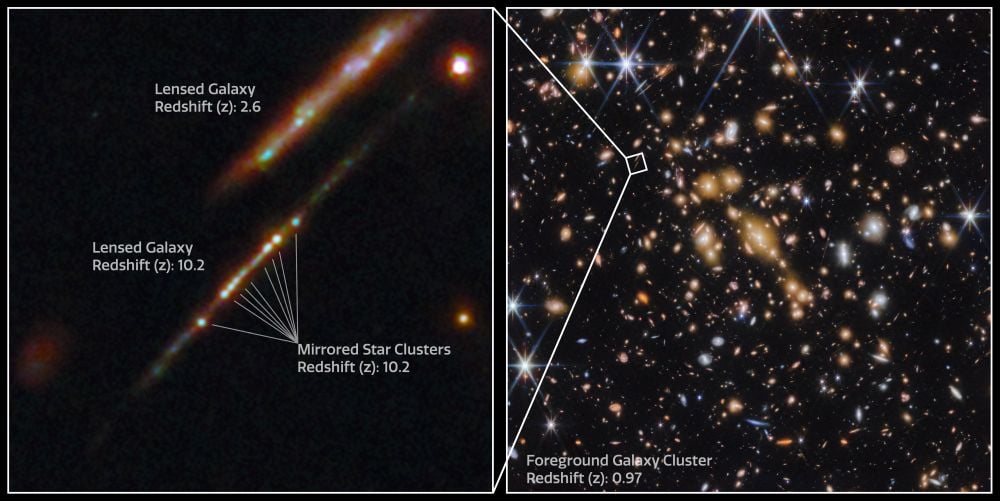
The JWST found five dense, lensed star clusters only about 460 million years after the Big Bang. These clusters were ideally suited to being the birthplace for the elusive intermediate mass black holes (IMBHs). Image Credit: ESA/Webb, NASA & CSA, L. Bradley (STScI), A. Adamo (Stockholm University) and the Cosmic Spring collaboration. LICENCE:
CC BY 4.0 INT or ESA Standard Licence

Astrophysicists think that black holes grow through a hierarchical merger framework. But the elusive Intermediate Mass Black Holes are the missing link between stellar mass black holes, and the gargantuan supermassive black holes like the one at the center of the Milky Way. The JWST may have found the ancient sources of IMBH heavy seeds: young massive clusters in the high-redshift Universe.


Researchers May Have Solved a Puzzling Contradiction in the Ryugu Sample

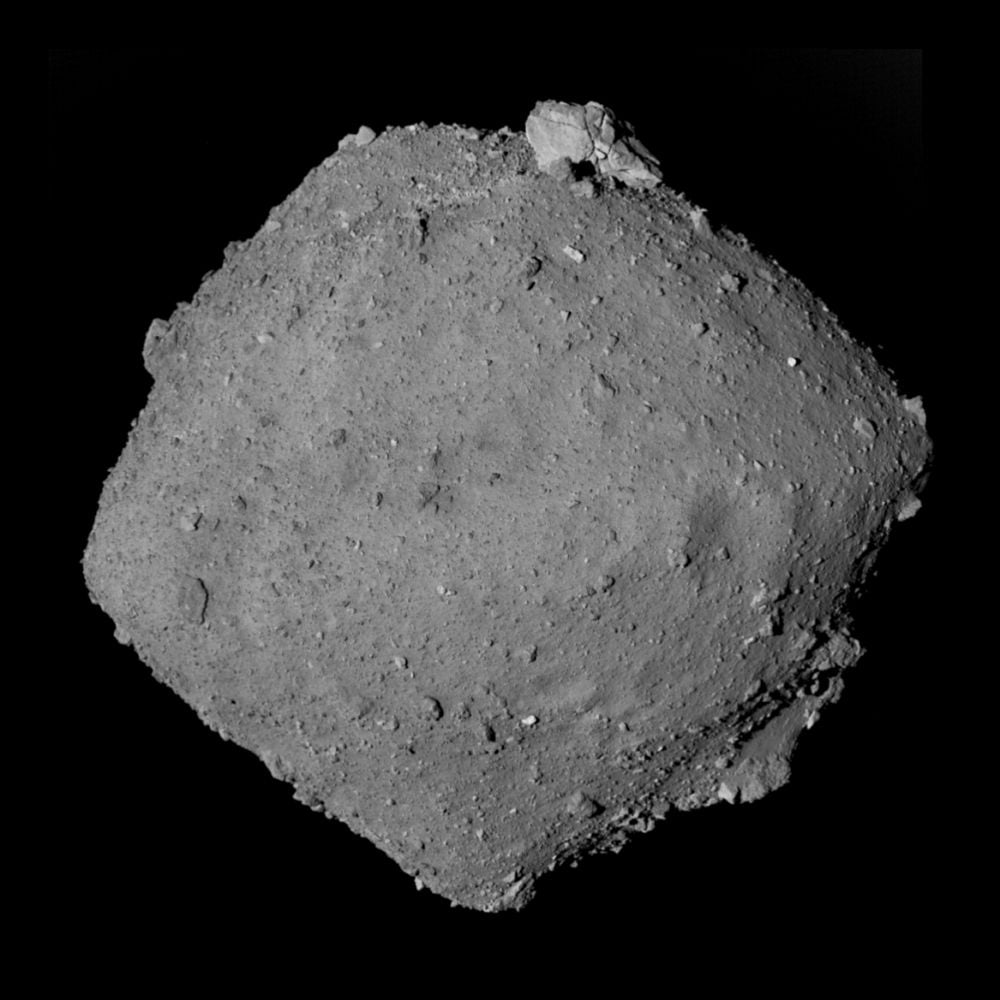
The asteroid Ryugu as imaged by Japan's Hayabusa 2 spacecraft in 2018. Asteroid like Ryugu are like fossils from the Solar System's formation. JAXA's Hayabusa 2 mission returned a sample of Ryugu in 2020, and researchers are still working hard to understand what it has to tell us about the Solar System. Image Credit: By ISAS/JAXA, CC BY 4.0, https://commons.wikimedia.org/w/index.php?curid=195893287

Samples from the asteroid Ryugu, and from carbonaceous chondrites that have crashed on Earth, present an apparent contradiction. Their fine-grained matrices have widely varied compositions of their clay-like minerals. That suggests that there were widely different aqueous environments in the same parent bodies, which seems unlikely. But new research may have solved that contradiction.


Sunday, November 1, 2026

New Research Resolves the Mystery Behind Van Gogh's The Starry Night

The Starry Night (1889) by Vincent van Gogh (1853–1890). Credit: Wikimedia

The sky in Vincent van Gogh’s The Starry Night (1889) matches, in both observation and shape, the pre-dawn sky over Saint-Rémy around 22 July 1889, when a waning crescent moon, Venus and the Hyades star cluster appeared close together, according to a study published inScientific Reports.