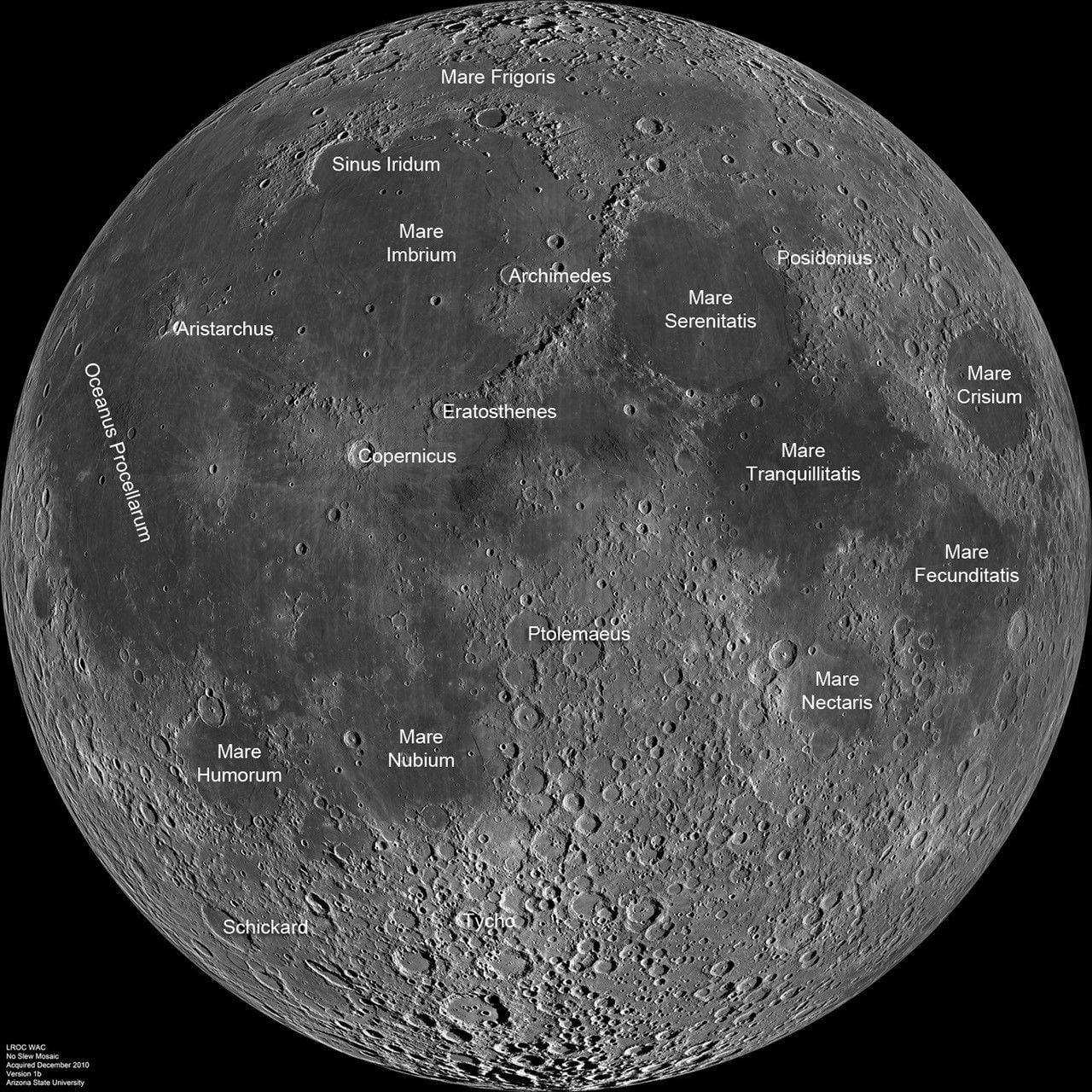
We typically think of the Moon as a static, floating object that has remained the same for basically its entire lifetime, with an occasional asteroid impact serving as an exception. That understanding is grounded in physics - the Moon should have cooled rapidly after forming when a huge protoplanet hit the early Earth around 4.5 billion years ago. But, some lunar material returned from the Chang’e-5 mission was notably formed only around two billion years ago, yet appeared to be volcanic in origin. So how did a world that was supposed to have settled down without volcanism remain hot enough to create these materials more than two billion years after its violent birth? A new paper from Miao Chen of the Chengdu University of Technology and his colleagues, and recently published in the journal Planet, offers an explanation - tidal heating.

No comments:
Post a Comment