When I say that the universe is 13.77 billion years old, it sounds rather authoritative.

When I say that the universe is 13.77 billion years old, it sounds rather authoritative.

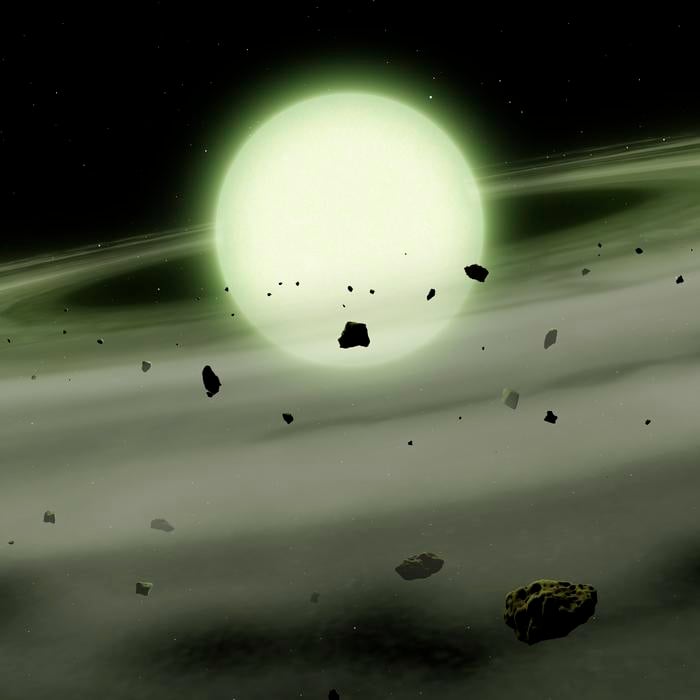
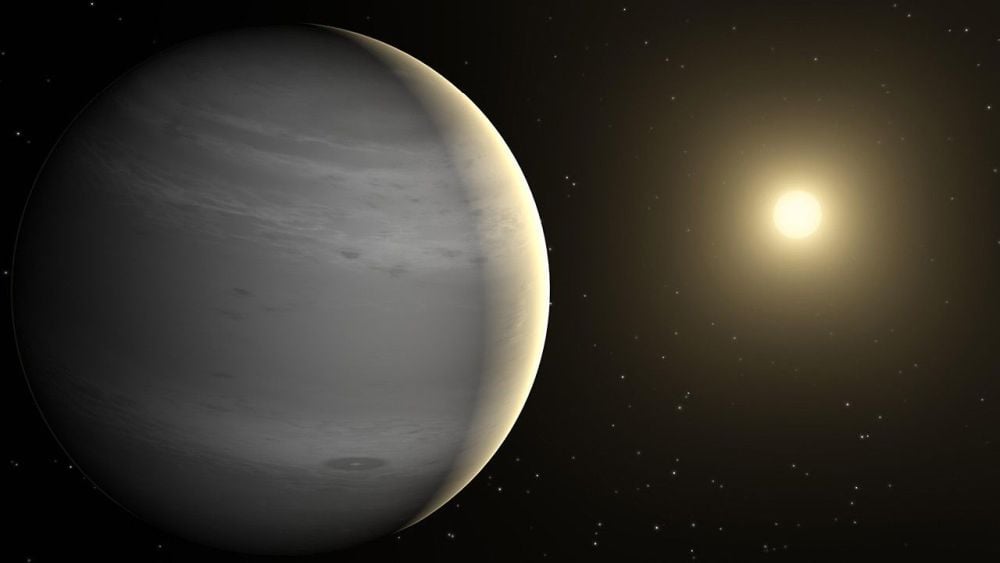
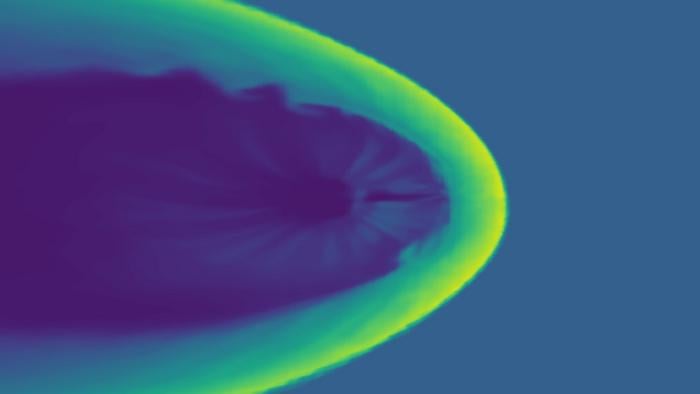
Astronomers haven't found many gas giants orbiting white dwarfs. But is that because they're so difficult to spot? Or is it because their survival rate is so low? New research probes the issue.

Magnetism on the Moon has always been a bit confusing. Remote sensing probes have noted there is some magnetic signature, but far from the strong cocoon that surrounds Earth itself. Previous attempts to detect it in returned regolith samples blended together all of the rocks in those samples, leading to confusion about the source - whether they were caused by a strong inner dynamo in ages past, or by powerful asteroid impacts that magnetized the rocks they hit. A new study from Yibo Yang of Zhejiang University and Lin Xing of the Chinese Academy of Sciences, published recently in the journal Fundamental Research, shows that the right answer seems to be - a little of both.

SpaceX CEO Elon Musk says he’s making space-based artificial intelligence the “immediate focus” of a newly expanded company that not only builds rockets and satellites, but also controls xAI’s generative-AI software and the X social-media platform. That’s the upshot of Musk's announcement that SpaceX has acquired xAI.

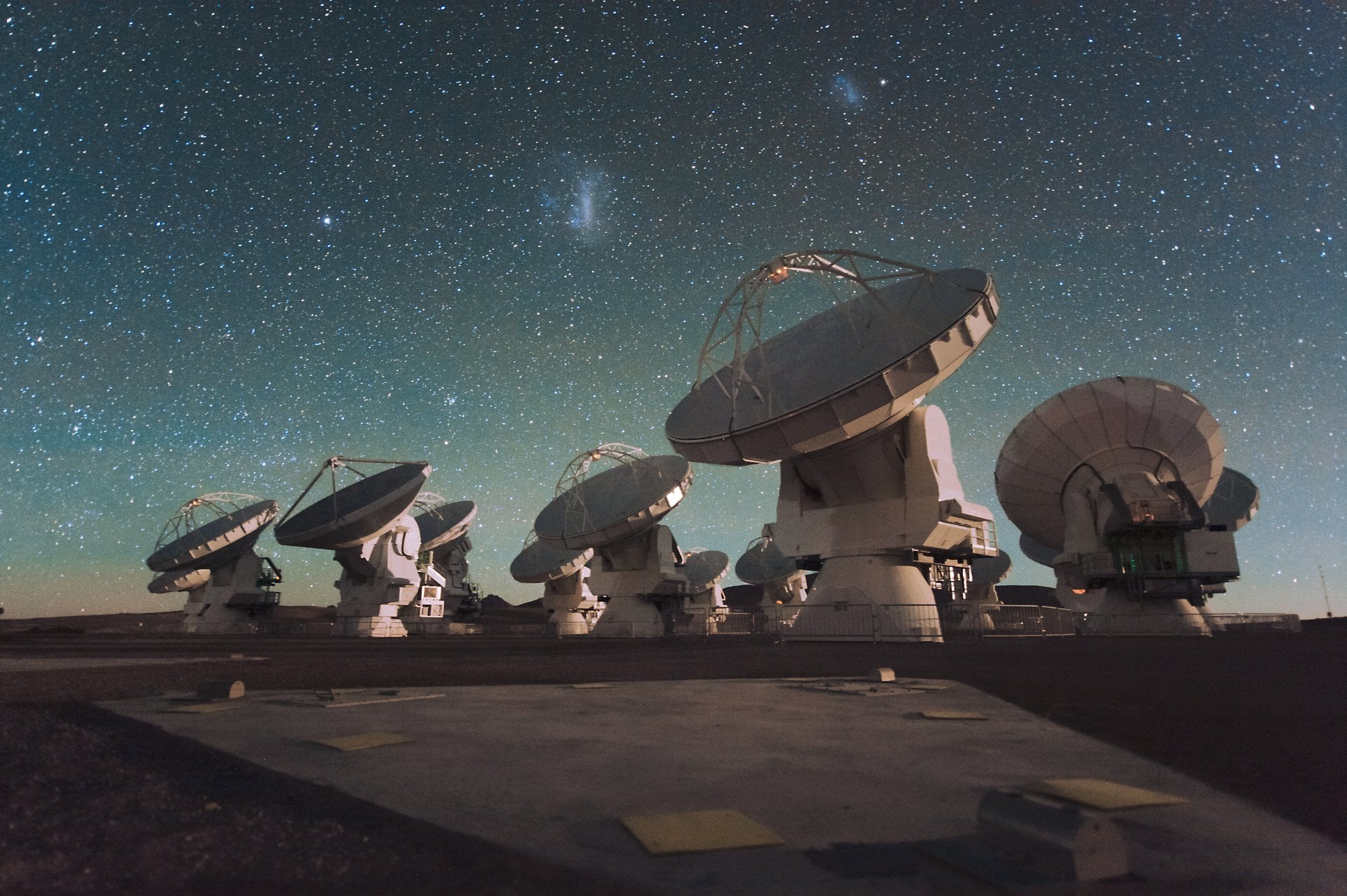
Arp 220 is a well-known pair of galaxies that are merging. New ALMA observations of polarized light reveal the complex and powerful magnetic fields that shape the process.

This NASA/ESA Hubble Space Telescope image shows NGC 7722, a lenticular galaxy about 187 million light-years away in the constellation Pegasus. This “lens-shaped” galaxy sits in between more familiar spiral alaxies and elliptical galaxies in the galaxy classification scheme. The dark, dramatic dust lanes are the fingerprints of an ancient galaxy merger.

The light, rare element boron, better known as the primary component of borax, a longtime household cleaner, was almost mined to exhaustion in parts of the old American West. But boron could arguably be an unsung hero in cosmic astrobiology, although it's still not listed as one of the key elements needed for the onset of life.