Wednesday, April 22, 2026

Exploding Stars, Black Holes, and the Forbidden Gap

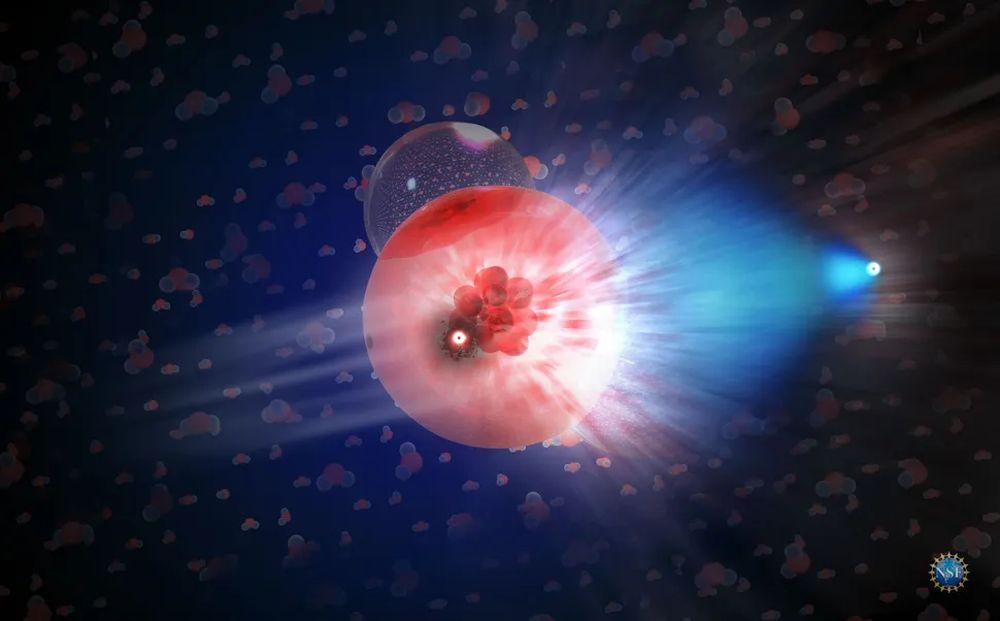
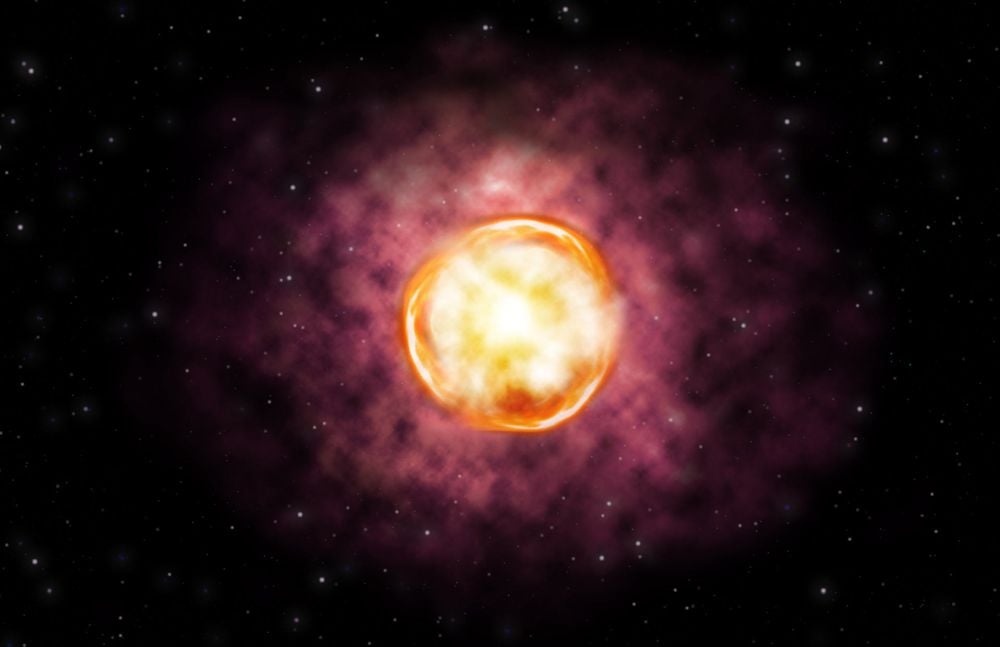
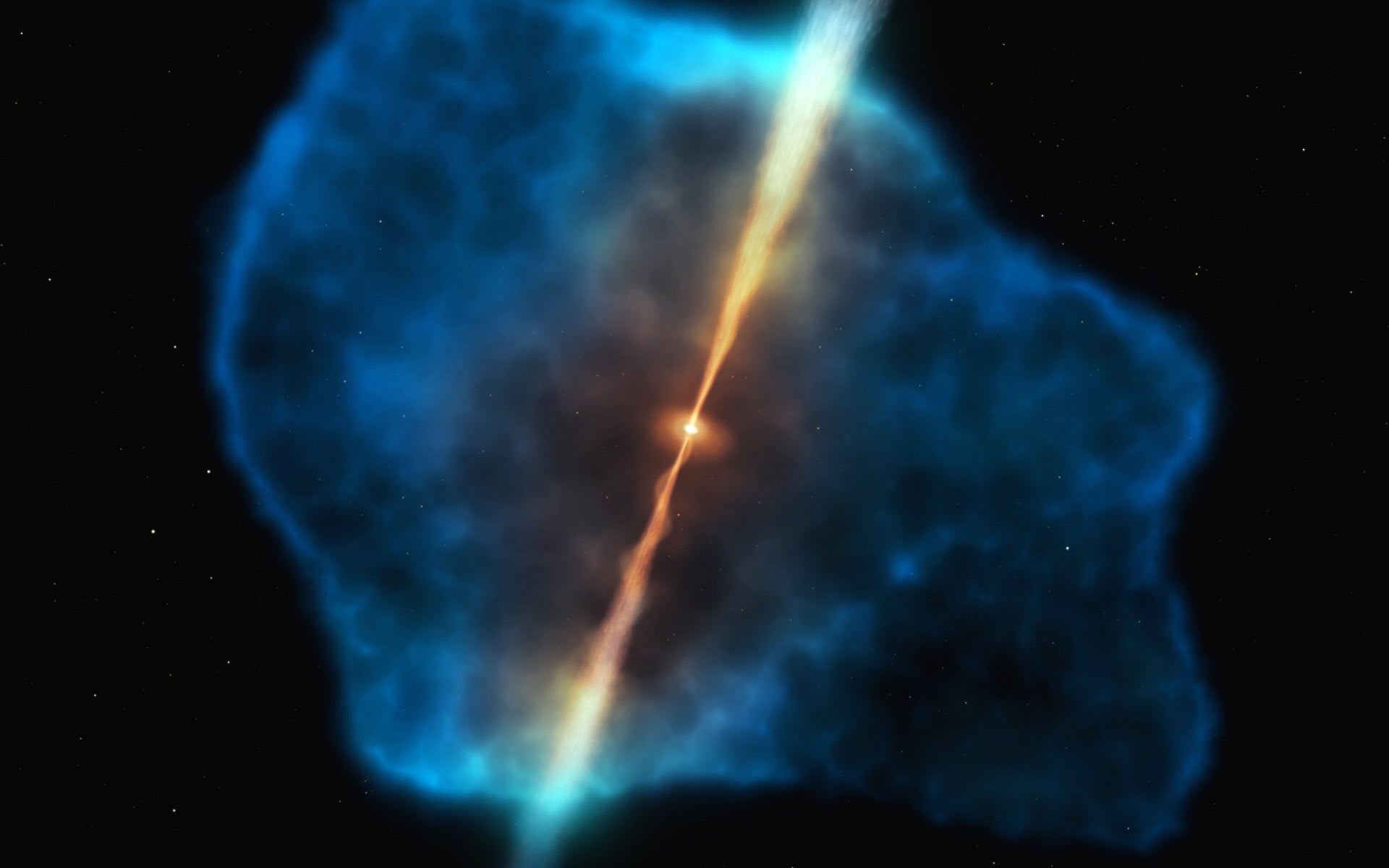
This illustration shows a pair-instability supernova explosion. These types of explosions leave nothing behind, not even a black hole. They can explain the black hole Forbidden Gap in black hole masses, according to new research. Image Credit: Gemini Observatory / NSF / AURA / Joy Pollard.

An international team led by Monash University has uncovered evidence of a rare form of exploding star, helping to shed light on one of the most cataclysmic events in the universe. At the end of their lives, most massive stars collapse into black holes—objects with gravity so strong that not even light can escape. But some are completely destroyed in pair-instability supernova explosions. This can explain the so-named "Forbidden Gap" in black hole masses.


MSL Curiosity Found New Organic Chemicals On Mars, Proof That The Planet Can Preserve Ancient Biosignatures

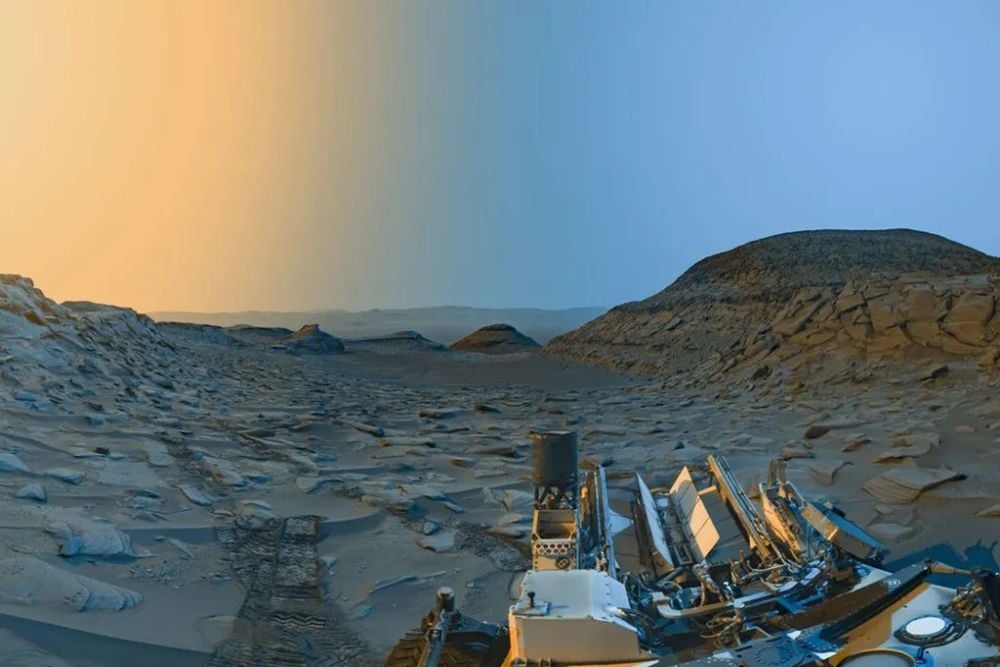
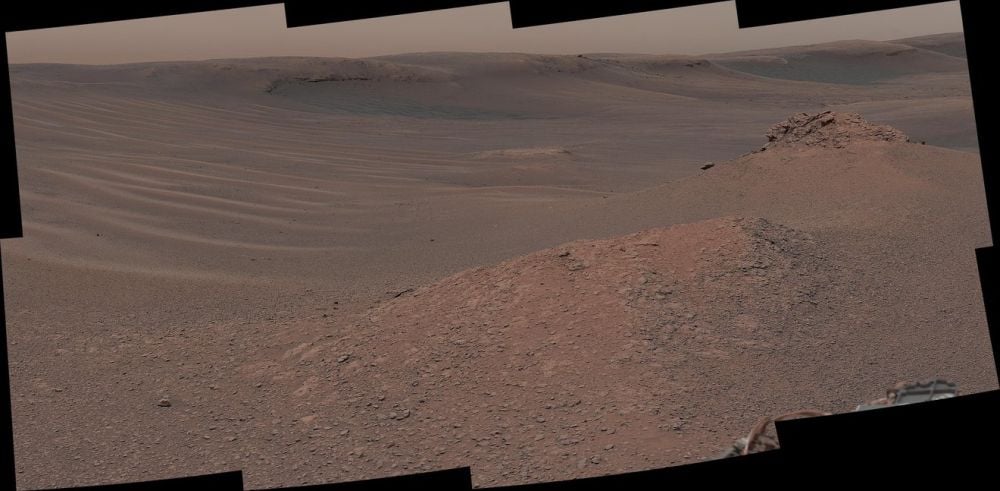
Curiosity’s Mastcam captured this mosaic on Feb. 3, 2019, of a region on Mount Sharp with lots of clay-bearing rocks that formed when lakes and streams were present billions of years ago. The “Mary Anning 3” sample was found in this clay-enriched region. The rover's SAM analysis showed that Mars is capable of preserving ancient biosignatures. Image Credit: NASA/JPL-Caltech/MSSS

MSL Curiosity found 7 new organic molecules preserved in Martian sandstone. While they aren't proof that life existed on Mars, they are important. They show that the planet is capable of protecting ancient biosignatures from radiation and preserving them in rock.


Mars Didn't Have Bathtubs, It Had Shelves

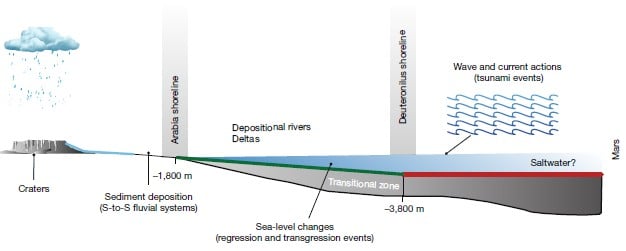
Graphic showing the process of ocean ring deposition on Mars. Credit - A.S. Zaki & M.P. Lamb

Scientists have been debating for decades whether Mars once held a vast ocean covering a large part of its northern face. To prove the idea, they’ve been looking for a “bathtub ring” - a distinct, level shoreline that shows where water once stood. But, despite years of looking, they’ve only been able to find a very distorted potential shoreline whose height deviates by several kilometers - not exactly great evidence of a stable water level. But, according to a new paper in Nature from Abdallah Zaki and Michael Lamb of CalTech, what scientists should have been looking for wasn’t a bathtub ring, but a continental shelf.


Tuesday, April 21, 2026

Stellar Flares May Expand Habitable Zones Around Small Stars

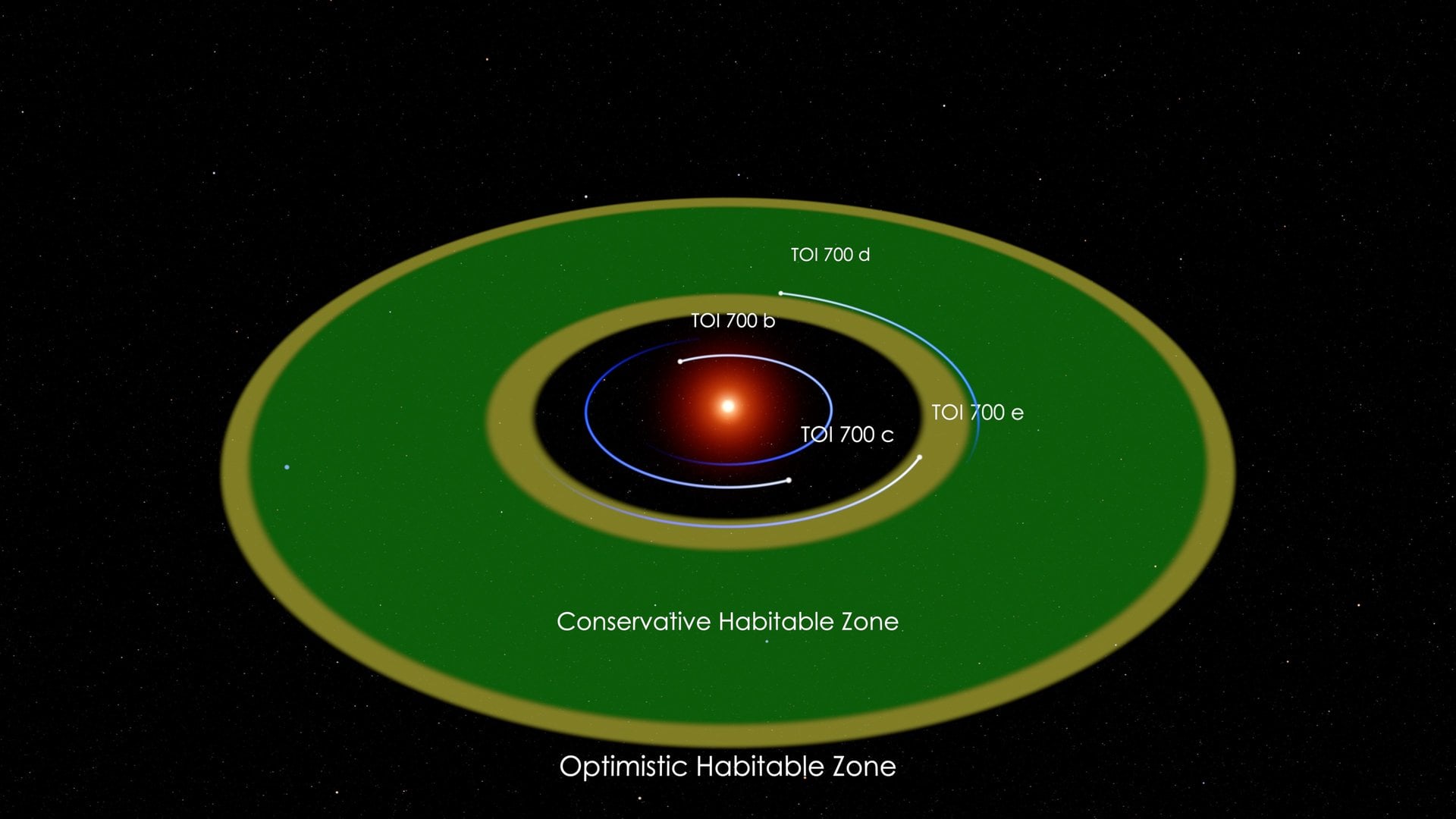
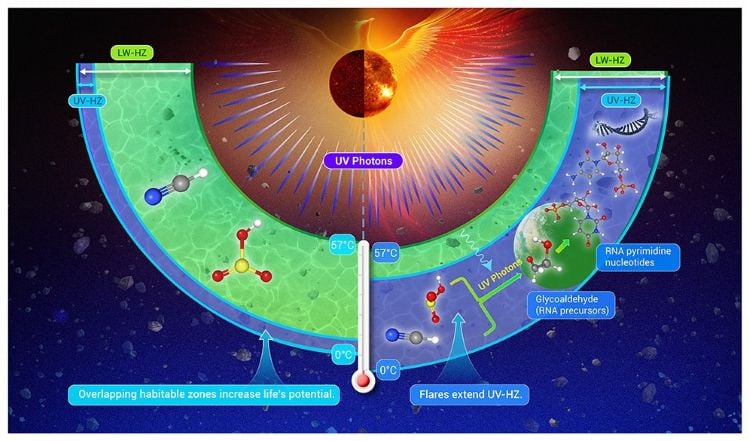
Graphical illustration depicting the liquid water habitable zone (LW-HZ) and the ultraviolet habitable zone (UV-HZ) exmained in this study. (Credit: Gao et al. (2026))

The search for life beyond Earth has traditionally focused on exoplanets orbiting Sun-like stars, which is a G-type star. However, low-mass stars, which are designated as K-type and M-type stars, have rapidly become a target for astrobiology, primarily due to their much longer lifetimes. This also means the habitable zone (HZ), which is the distance from a star where liquid water could exist, is much smaller than our solar system’s HZ, and is referred to as the liquid water habitable zone (LW-HZ). In contrast, another type of HZ that involves a star’s ultraviolet (UV) radiation potentially enabling life-harboring conditions is known as UV-HZ.


Scientists Connect Sub-extreme Solar Outbursts to Tree Rings via Poetry

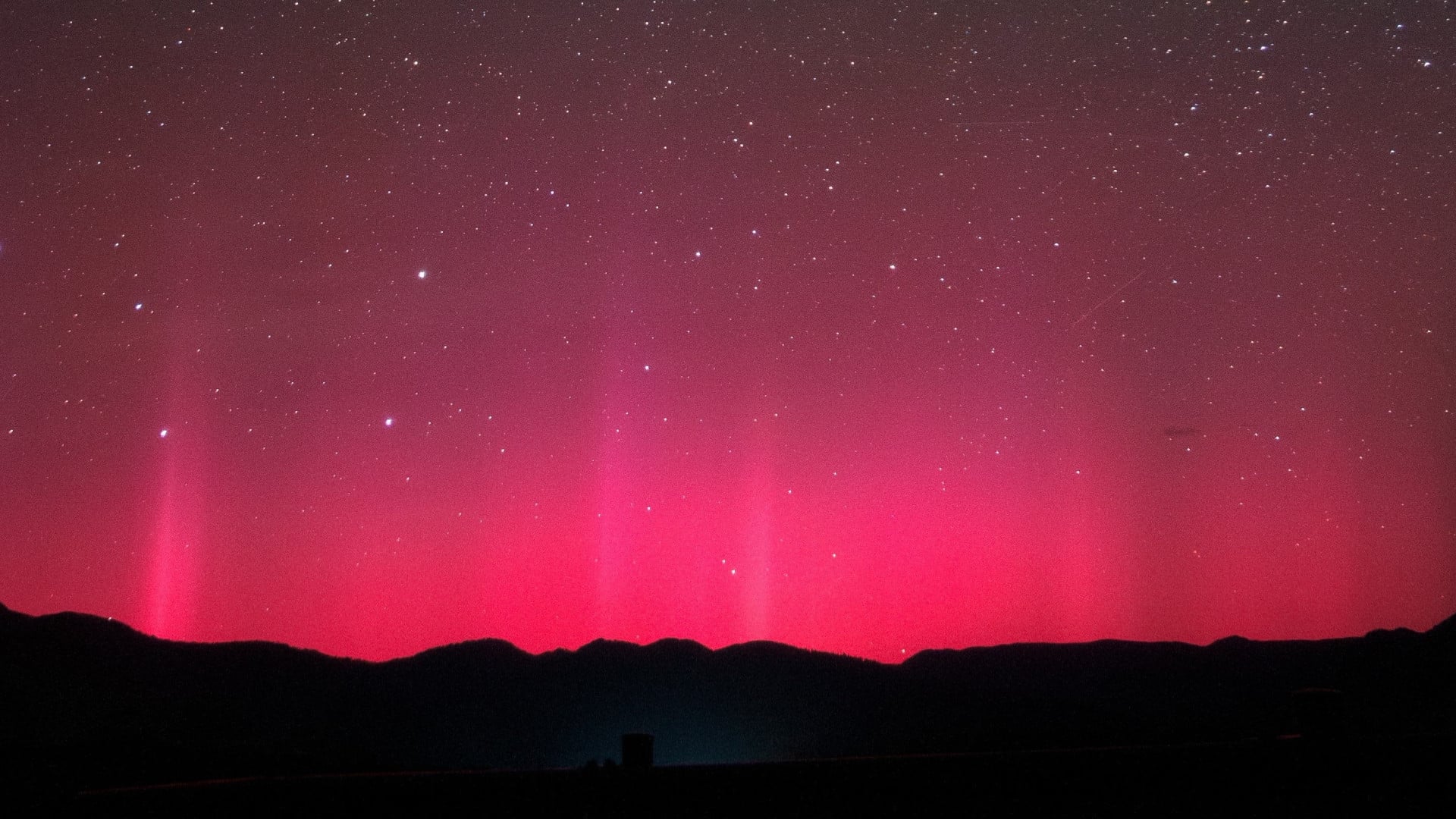
Red aurorae seen from lower latitudes of Japan and China during the medieval period were recorded in poetry by observers of the time. These help today's scientists fix the dates of these storms and solar proton events that were recorded in buried trees. Credit: Tomohiro M. Nakayama (CC-BY-NC)

As we make our way through the latest solar maximum period, scholars and scientists are looking to similar events in the past to learn more about ancient bouts of solar activity. In particular, they want to know more about solar proton events (SPEs). These outbursts of high-energy particles get triggered by flares and coronal mass ejections.


Which Types of Civilizations Collapse and Which Can Endure?

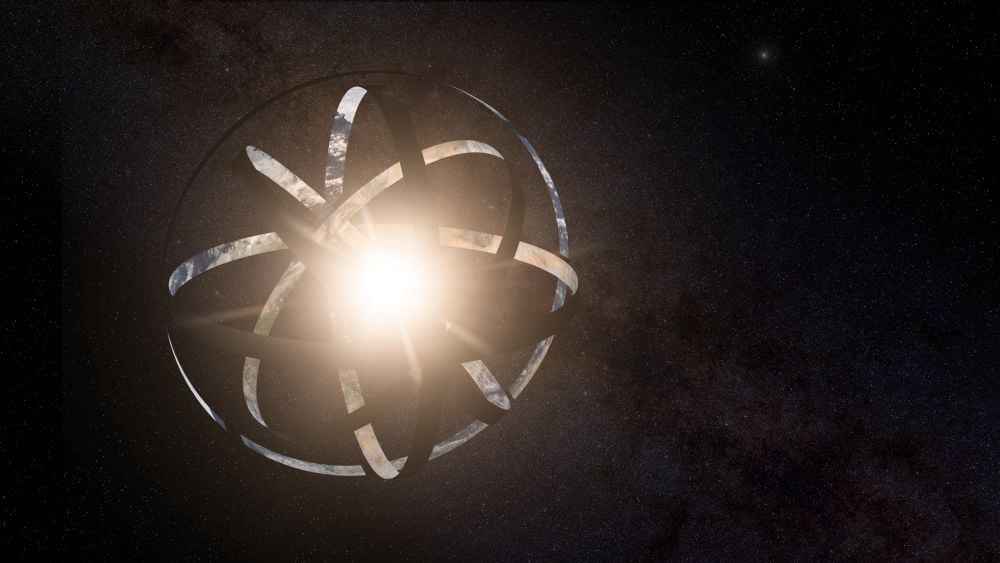
Some thinkers say that technological civilizations could grow to the point where they can build Dyson Spheres around stars, capturing a star's energy output for their own use. But new research says that it depends on how they govern themselves, how they use resources, and how they recover from collapse. Sadly, some types of civilization appear to be doomed. Image Credit: Kevin Gill/ Wikimedia Commons (CC BY 2.0).

New research examines 10 different types of global technological civilizations, how they govern themselves, how they use resources, and other factors, to determine which types may endure and which may be doomed to collapse. Simulations show that resource use plays the key role. The simulations also show which types of detectable technosignatures each may generate.


China Unveils a Massive 5-Meter Composite Module for its Next-Generation Reusable Rocket

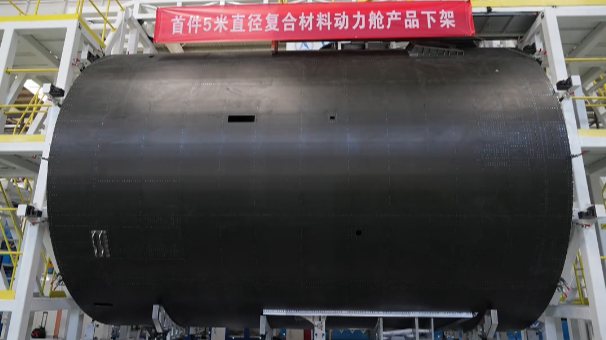
Image of the 5 meter composite propulsion module. Credit - China Media Group

So far, America has remained ahead in the new space race. But its biggest rival is making continual steps to catch up. China announced another step in that direction with the unveiling of its first ever reusable five-meter-wide composite propulsion module, announced in a press release on April 11th.


Monday, April 20, 2026

Behold, the Solar System in All its X-ray Glory

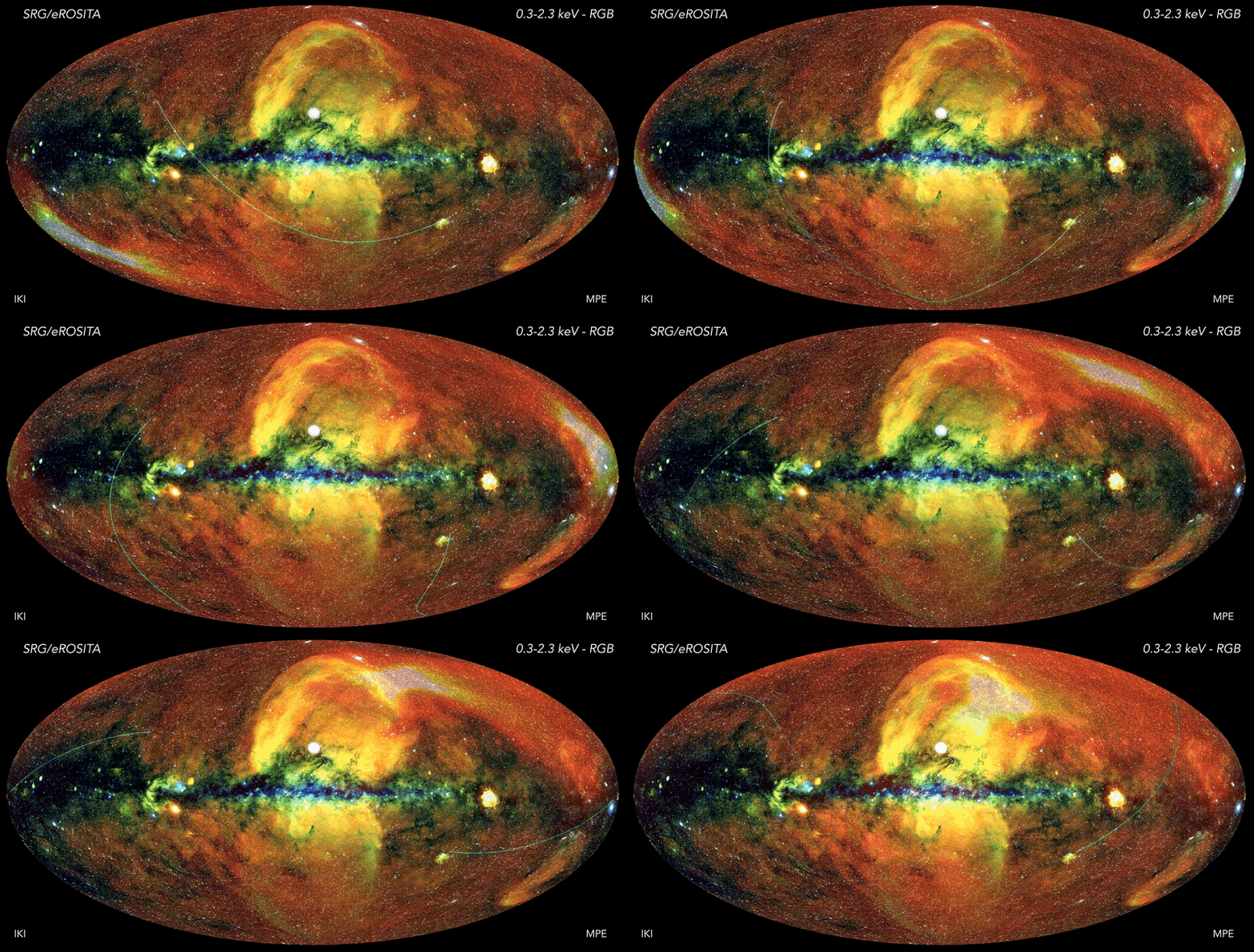
Reconstruction of how the diffuse X-ray sky should have appeared to eROSITA from May to October 2021. Credit: K. Dennerl, et al. (2026)/the eSASS team (MPE)/E. Churazov & M. Gilfanov (IKI)

Using the eROSITA space telescope, MPE researchers have successfully isolated the X-ray glow from our Solar System, revealing its impact on the soft X-ray sky. The findings, published in Science, underscore the importance of considering Solar System processes when analyzing X-ray data and highlight eROSITA’s role in advancing not only astrophysics but also heliophysics.


Exoplanets Without Lots of Water Can't Maintain Their Carbon Cycles

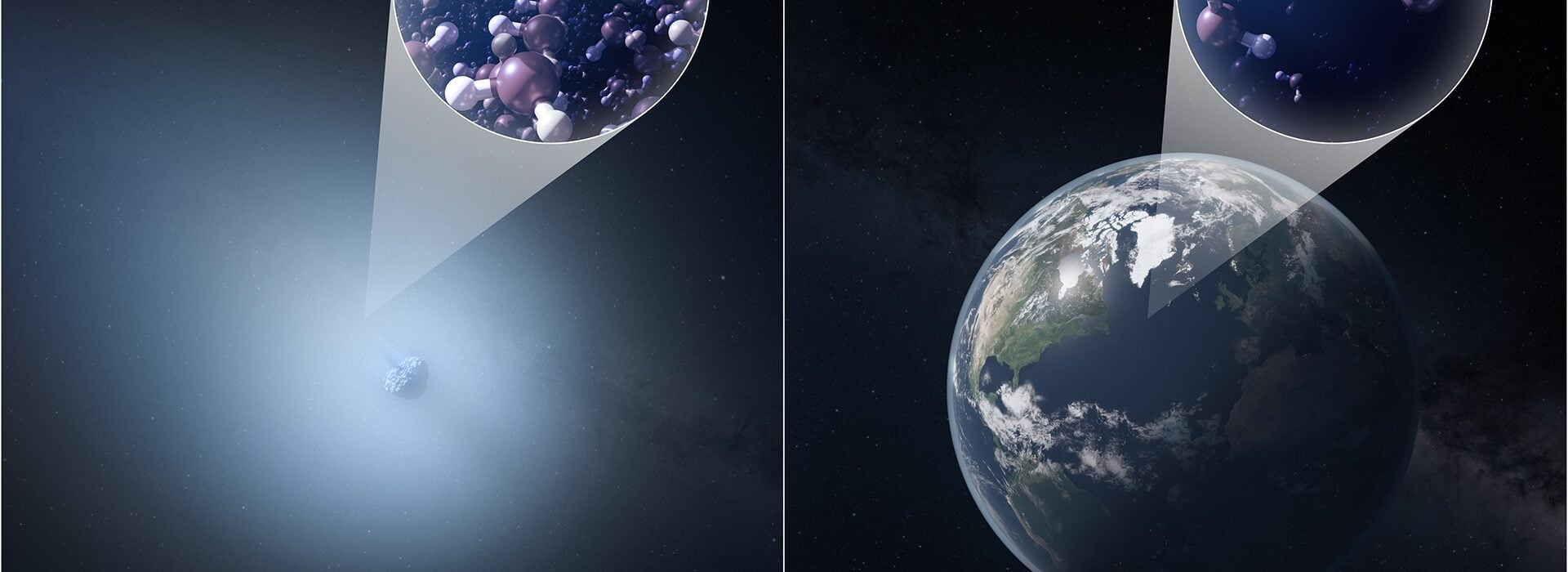
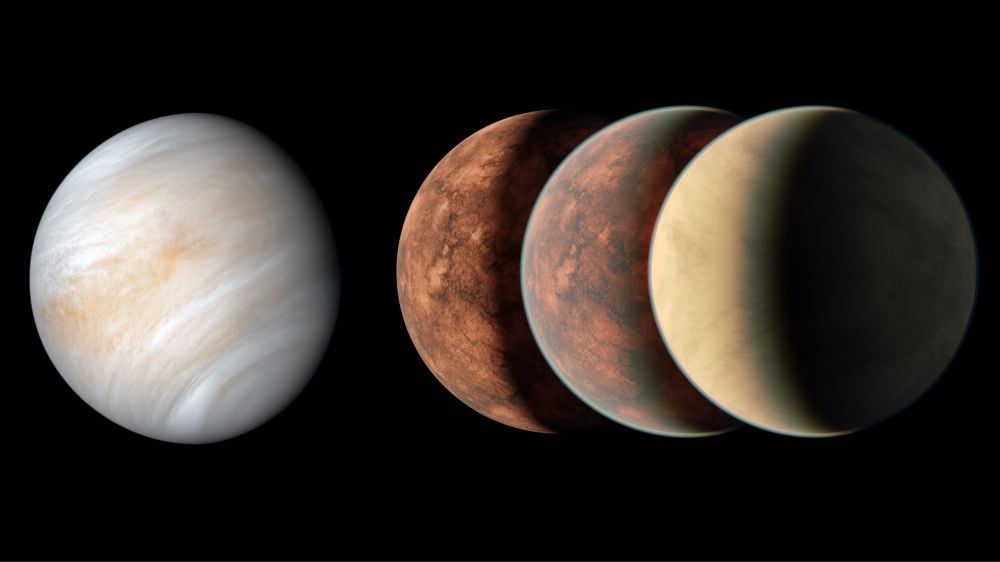
This image shows Venus on the left and three possible atmospheres on a recently discovered exoplanet, Gliese 12b. Arid planets like Gliese 12b, even ones in habitable zones, may not have enough liquid water for habitability. Water plays an important role in Earth's carbonate-silicate cycle, which is responsible for moderating the planet's temperature. But rainfall is a critical part of the cycle, and arid planets with low water abundances may not be able to resist a greenhouse climate state. This may have been what happened with Venus. Image Credit: NASA/JPL-Caltech/R. Hurt (Caltech-IPAC)

Water is critical to life because cells need liquid to function. That's why scientists focus on finding and studying exoplanets in habitable zones. But even if they're in habitable zones, exoplanets need lots of water to support their carbon cycles. So without water, exoplanets become inhospitable greenhouse planets, regardless if they're in habitable zones or not.


NASA’s SPHEREx Telescope Just Mapped the Cosmic Ices That Will Someday Build Planets

Cygnus X-1 binary star system, as captured by the MOSAIC camera. Credit - T.A. Rector (University of Alaska Anchorage) and H. Schweiker (WIYN and NOIRLab/NSF/AURA)

New missions mean new capabilities - and one particularly interesting new mission is finally up and running. Data is starting to come in from SPHEREx, the medium-class surveyor that is mapping the entire sky every six months. A paper based on some of that early data was recently published in The Astrophysical Journal, mapping ice and compounds called Polycyclic Aromatic Hydrocarbons (PAHs) throughout some interesting regions of our Milky Way.


Sunday, April 19, 2026

The Vera C. Rubin Observatory has Discovered 11,000 New Asteroids, and It's Barely Even Started!

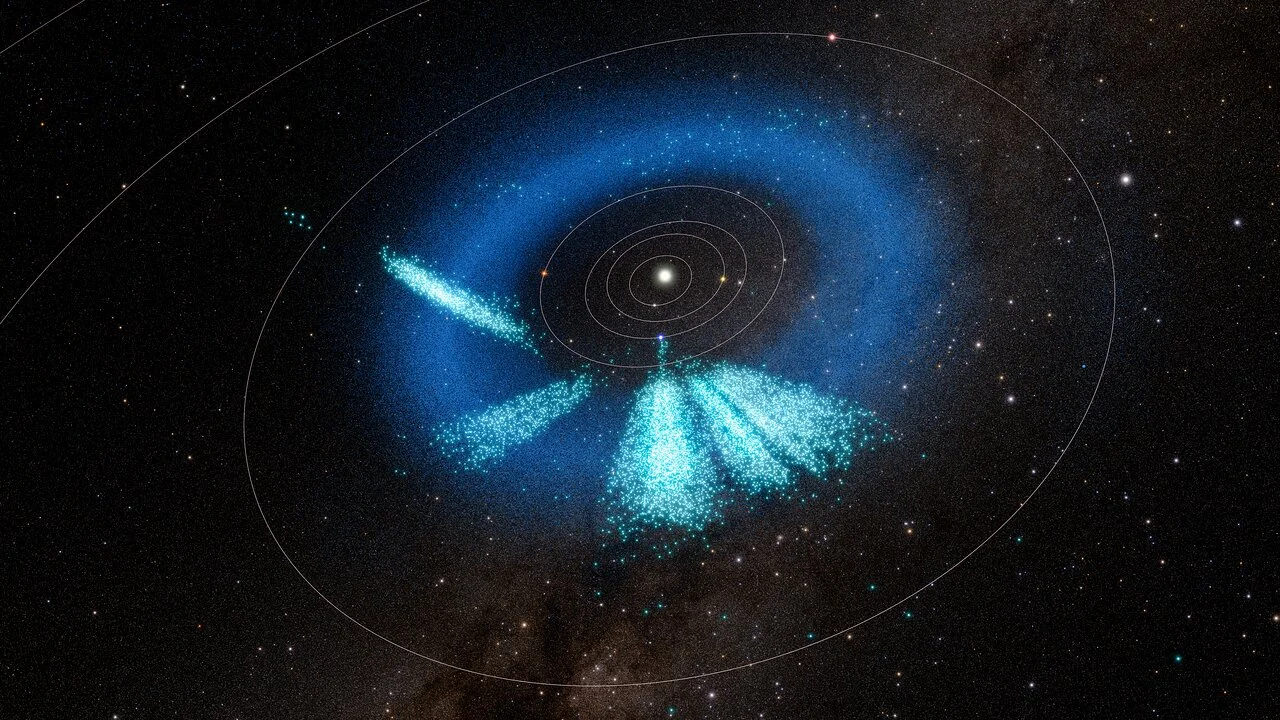
A model of the inner Solar System showing the asteroids discovered by Rubin in light teal. Known asteroids are dark blue. Credit: NSF–DOE Vera C. Rubin Observatory/NSF NOIRLab/SLAC/AURA/R/NASA/Goddard/ESA/Gaia/DPAC

Rubin’s largest asteroid haul yet, gathered before the Legacy Survey of Space and Time even begins, is just the “tip of the iceberg”


Saturday, April 18, 2026

What Happens When Light Goes Boom? Part 4: What Brad Bradington Is Good For

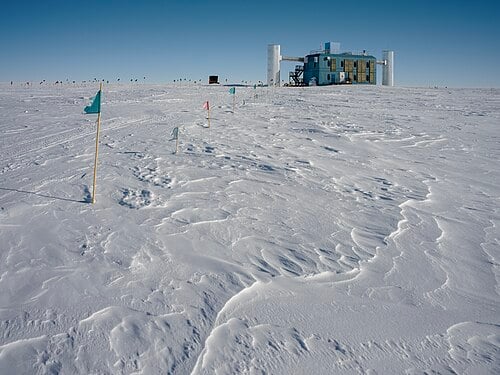
The IceCube Neutrino Observatory at the South Pole, 2023. IceCube Collaboration / NSF. CC BY-SA 4.0.

Cherenkov radiation isn't just a beautiful phenomenon. It turns up in nuclear reactors, in the upper atmosphere, in gamma ray telescopes on three continents, in a cubic kilometer of Antarctic ice, and in hospital imaging suites. Here's what a light boom is actually good for.


"Immature" Lunar Soil Could Be Suitable for Roadways on the Moon

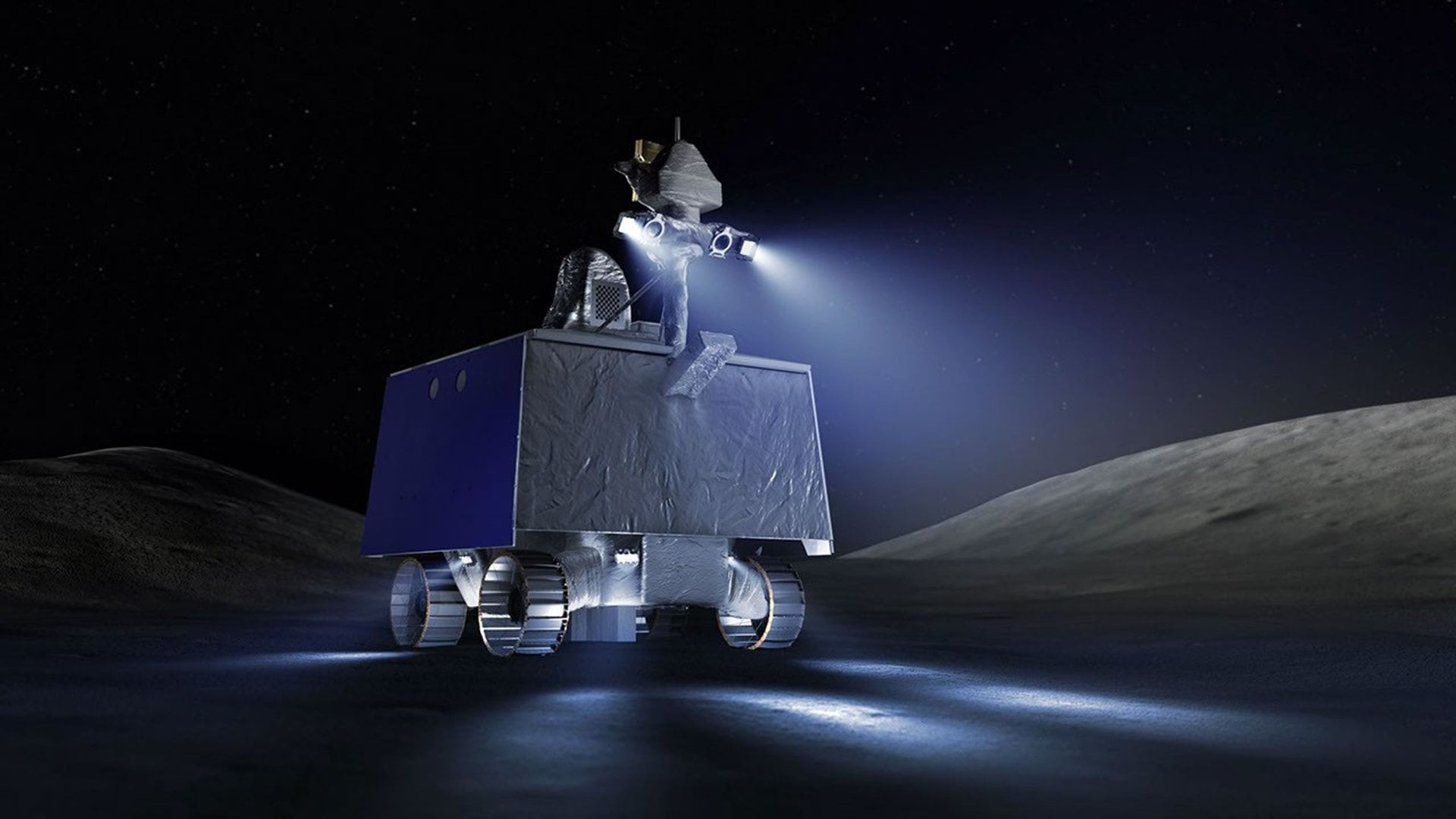
Artist's impression of NASA's Volatiles Investigating Polar Exploration Rover (VIPER) concept. Credit: NASA/Daniel Rutter

Using lunar regolith simulant, a team of researchers demonstrated that "immature" regolith similar to what is expected around the Moon's southern polar region is suitable for rovers to drive on.


Friday, April 17, 2026

What Happens When Light Goes Boom? Part 3: Brad Bradington Sprints

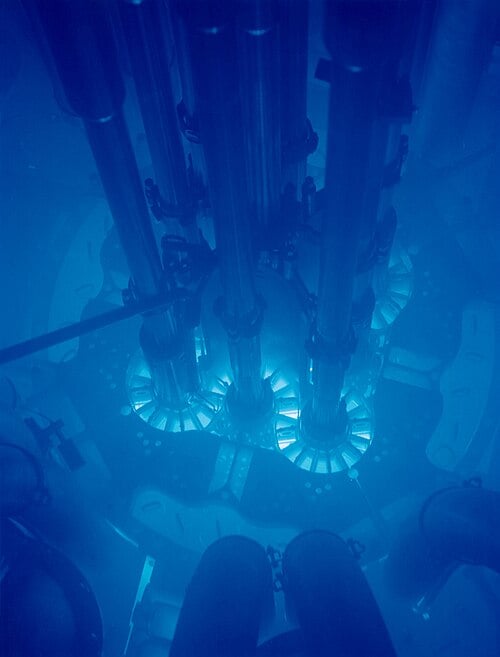
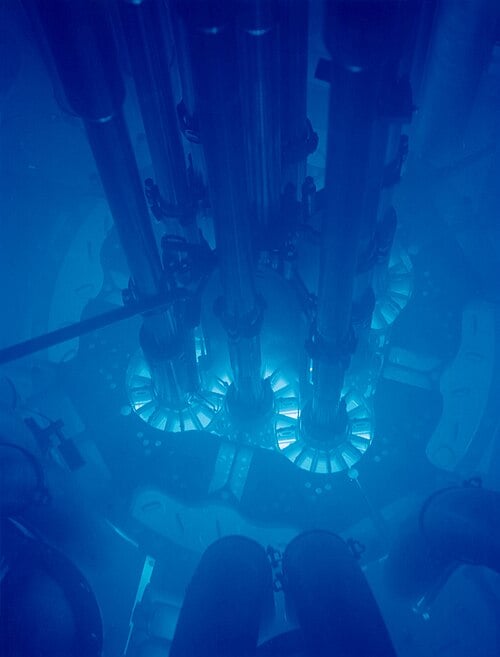
The Advanced Test Reactor at Idaho National Laboratory — the blue glow is Cherenkov radiation from electrons outracing light in water. Argonne National Laboratory. CC BY-SA 2.0, via Wikimedia Commons.

We have the crowd. We have the star. Now it's time to put them together. Here's exactly what happens — and why — when a charged particle outruns the local speed of light in a material. Also: why it's always blue.


Small Trojan Asteroids Defy Expectations

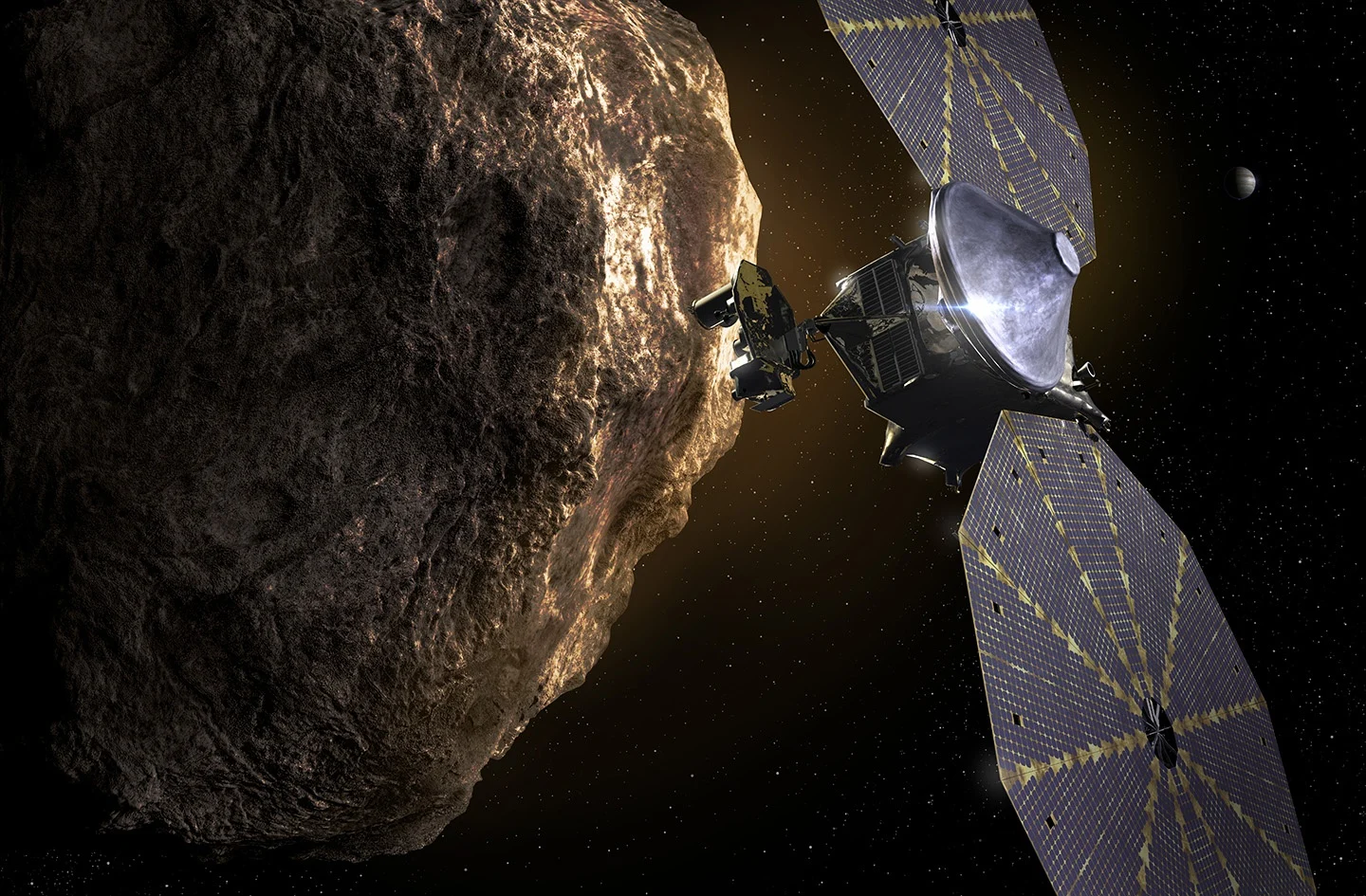
Concept art of Lucy visiting a Trojan asteroid. Credit - NASA / Goddard Spaceflight Center / SwRI

Understanding the beginning of the solar system requires us to look at some very strange places. One such place is at the so-called “Trojan” asteroids that share Jupiter’s orbit in front of and behind it. But for a long time, these cosmic time capsules have held a mystery for astronomers: why are they color-coded? The populations of larger asteroids are very clear split into two distinct groups - the “reds” and the “less reds”, because apparently they’re all red to some extent. A new paper from researchers in Japan tried to solve this mystery by taking a close look at even smaller asteroids, and their findings, published in a recent edition of The Astronomical Journal, actually brings up a completely different question - why don’t smaller Trojan asteroids have the same color-coding?


Life Beyond Biosignatures: A New Method In The Search For Life

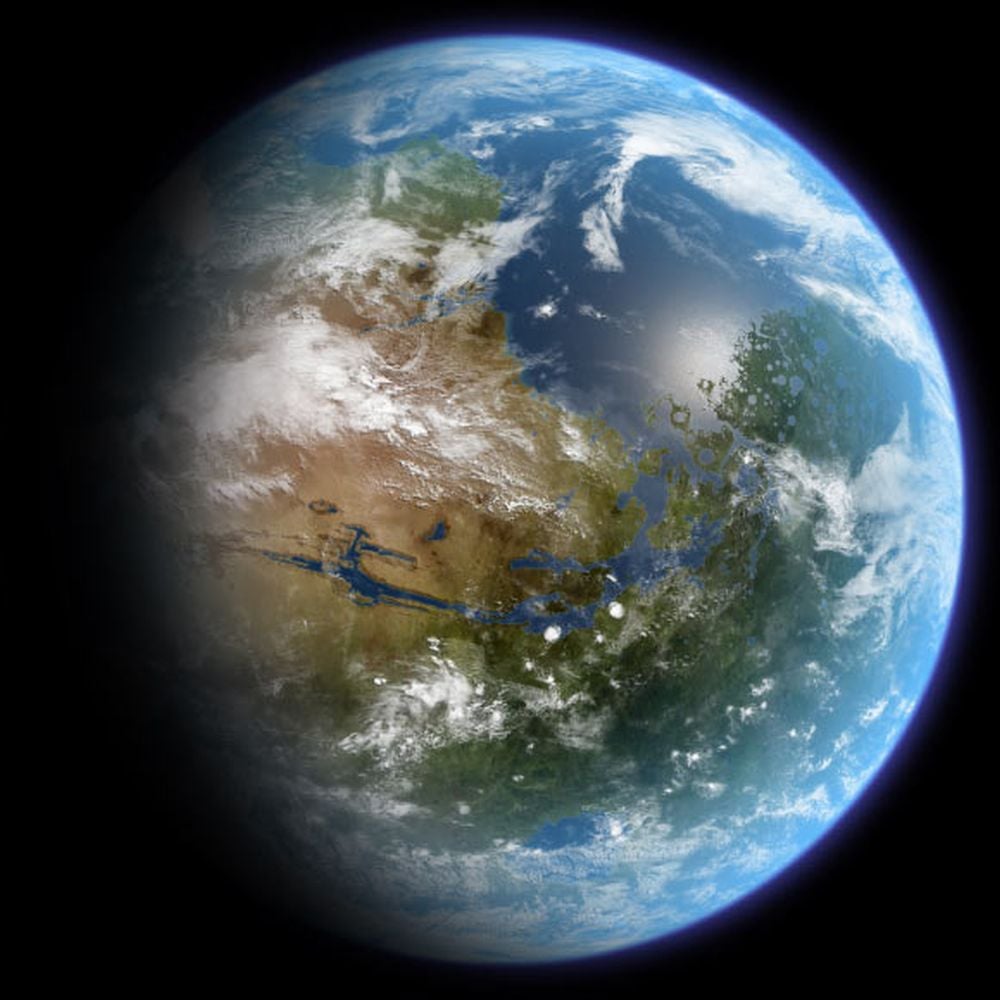
This artist's illustration shows what Mars might look like if it were terraformed. New research shows how the effects of terraforming, whether intentional or not, could help identify clusters of planets the are habitable and that life has spread to. Image Credit: Daein Ballard / CC BY-SA 3.0.

Researchers from the Earth-Life Science Institute (ELSI) and National Institute for Basic Biology have developed a new method to detect extraterrestrial life without relying on traditional biosignatures. By modelling how life might spread between planets, they demonstrate that life could be detected through statistical patterns across planetary populations rather than on individual planets. This "agnostic biosignature" approach could assist in guiding future searches for life beyond Earth.


To Survive Deep Space, Astronauts May Owe a Debt to Microscopic Worms

A fluorescing C. elegans worm. Credit - University of Exeter
Living long-term on the Moon means surviving the devastating toll that deep space takes on a human body. Astronauts in low gravity environments suffer muscle and bone loss, vision-altering fluid shifts, and heavy radiation exposure - all of which are incredibly hazardous to our biology. So, to help future lunar explorers survive, a new crew just arrived at the International Space Station (ISS). That might not sound surprising, except this crew is composed of worms.


Watch This Dark Volcanic Ash Creep Across the Red Planet

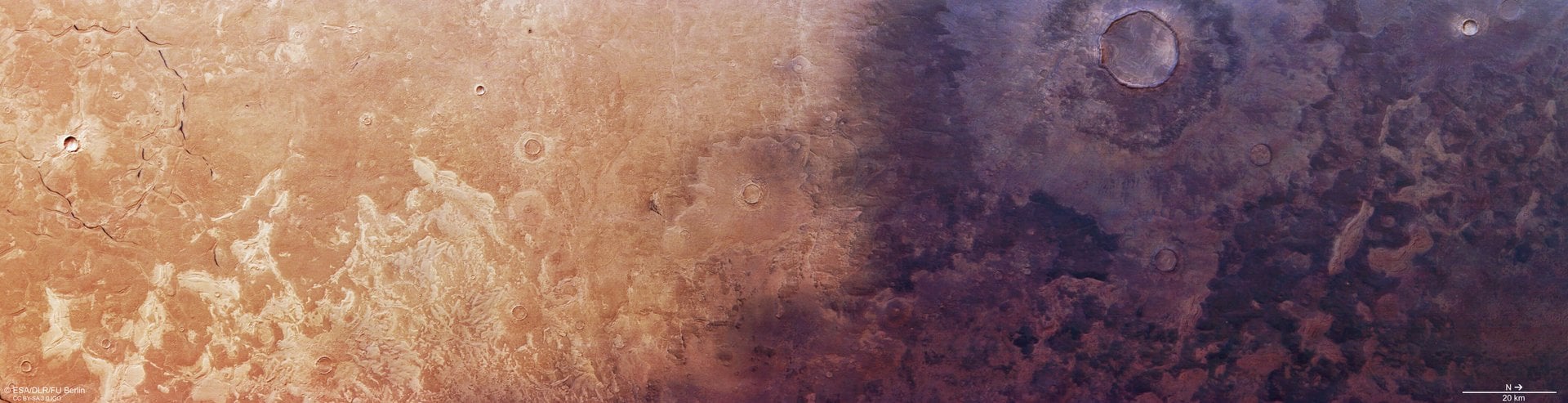
Picutre of the ash creeping across Utopia Planitia. Credit - ESA/DLR/FU Berlin

Mars is well known as a static, frozen desert. We tend to think of the only thing changing on the surface of the Red Planet is due to the occasional dust storm. But if you look closely - and are willing to wait decades - you’ll see the planet is very much alive - at least in the environmental sense. The European Space Agency just released some spectacular new images from the High Resolution Stereo Camera (HRSC) on its Mars Express Orbiter, one of which shows a surprisingly “fast” geological change happening in Utopia Planitia. A dark, ominous-looking blanket of volcanic ash is actively creeping across the bright red sands - and it's moving (relatively) fast.


Thursday, April 16, 2026

What Happens When Light Goes Boom? Part 2: The Crowd, the Molasses, and the Speed of Light (Sort Of)

James Clerk Maxwell, ca. 1870. Unknown author. Public domain, via Wikimedia Commons.

Before Brad Bradington can sprint down the red carpet, we need to understand the crowd. Specifically, we need to understand why a crowd of atoms and molecules slows down light — and why that creates a loophole that changes everything.


Early Galaxies Were Surrounded by Huge Clouds of Hydrogen, and Astronomers Found a Whole Bunch!

This illustration depicts a gas halo surrounding a quasar in the early Universe. Credit: M. Kornmesser/ESO

Astronomers using data from the Hobby–Eberly Telescope Dark Energy Experiment (HETDEX) have discovered tens of thousands of gigantic hydrogen gas halos, called “Lyman-alpha nebulae,” surrounding galaxies 10 billion to 12 billion years ago.


Wednesday, April 15, 2026

What Happens When Light Goes Boom? Part 1: The Scientist Who Stared at a Glow

The Advanced Test Reactor at Idaho National Laboratory, glowing blue with Cherenkov radiation. Argonne National Laboratory. CC BY-SA 2.0, via Wikimedia Commons.

In 1934, a Soviet physicist named Pavel Cherenkov shone gamma rays into a bottle of water and noticed a faint blue glow. So had others before him. They all shrugged and moved on. Cherenkov didn't. What he found — by refusing to dismiss something he didn't understand — turned into one of the most useful phenomena in modern physics.


Where's the Dividing Line Between A Star and A Planet? Ask the JWST.

This artist's illustration shows the sub-stellar object 29 Cygni b. It's about 15 times more massive than Jupiter and orbits at a great distance from its star. It straddles the dividing line between star and planet. Image Credit: NASA, ESA, CSA, Joseph Olmsted (STScI)

It's obvious that Earth is a planet. It's obvious that the Sun is a star. But for substellar objects like brown dwarfs, it's not so clear. Researchers are using the JWST to find a stronger dividing line between star and planet that depends on how they formed.


JWST Sees Smoking Gun for Black Hole Mergers in the Virgo Cluster

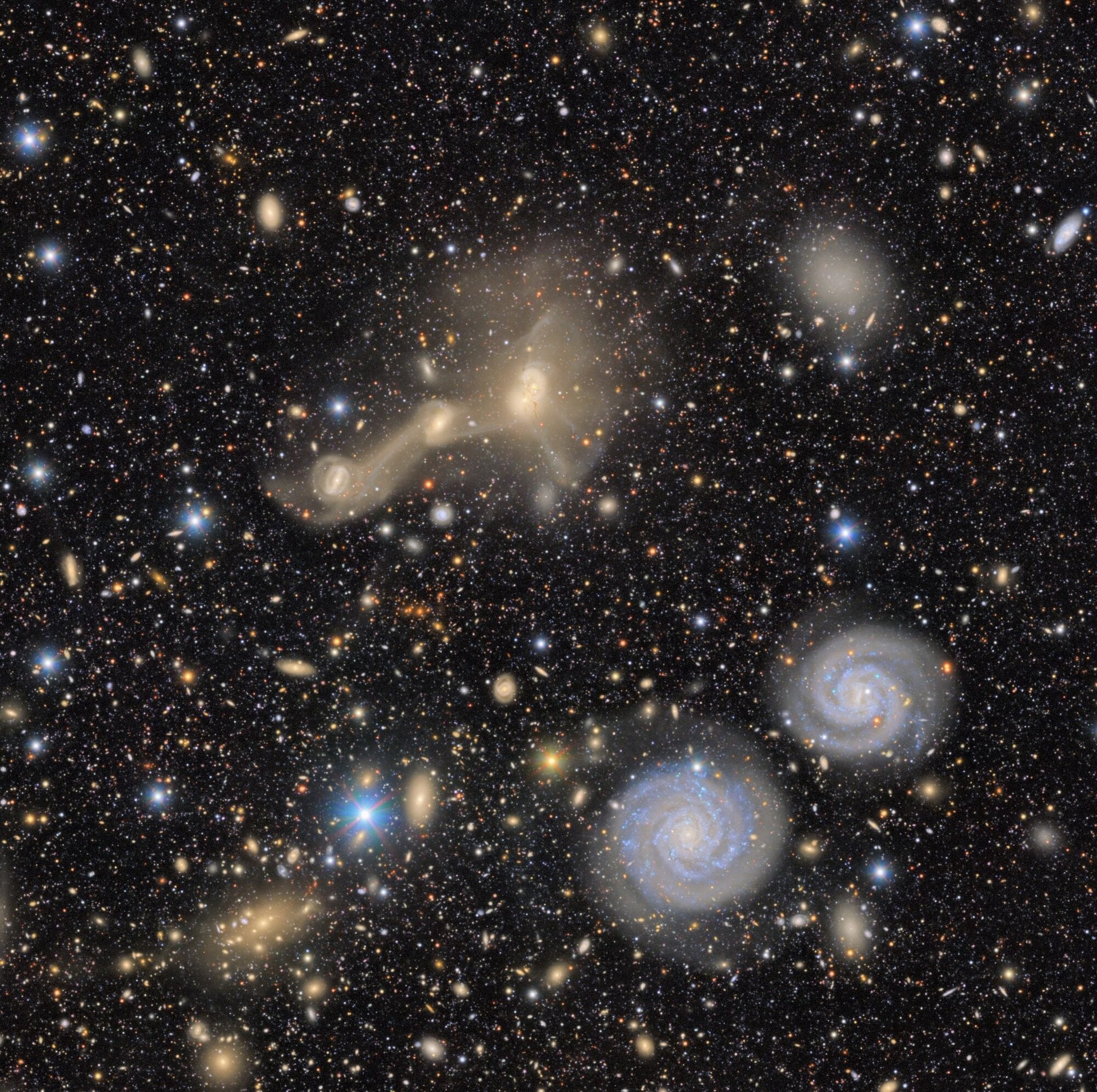
A Vera Rubin Observatory view of a portion of the Virgo Cluster. Galaxies are crammed together so close that that their gravitational pull tears them apart,as we see in the two galaxies near the center of the image. That leaves behind some galaxies without as many stars as they started with, but with "overmassive" black holes. Image credit: RubinObs/NOIRLab/SLAC/NSF/DOE/AURA

A pair of dwarf galaxies in the giant Virgo Cluster show what can happen when these stellar cities interact. Scientists at the University of Michigan focused the James Webb Space Telescope (JWST) onto the galaxies NGC 4486B and UCD736 and found each of them sporting "overmassive" black holes at or near their hearts. Those supermassive black holes comprise a large fraction of each galaxy's mass.


The World Welcomes the Crew of Artemis II Home!

NASA’s Artemis II missions splashed down at 5:07 p.m. PDT in the Pacific Ocean off the coast of California, Friday, April 10, 2026. Credit: NASA/Joel Kowsky

After achieving their record-breaking 10-day flight around the Moon, the crew of the Artemis II mission returned home on Friday, April 10th, 2026.


Tuesday, April 14, 2026

The Universe’s Most Powerful Telescope.

Supernovae like SN1987A seen here at centre of image, can be used to measure distances in space (Credit : ESO)

When a massive star explodes on the far side of the universe, the light from that explosion normally fades long before it reaches us. But occasionally, the universe conspires to help. A newly discovered supernova has been caught using the gravity of an entire galaxy as a natural magnifying glass, boosting its light by at least a hundred times and revealing a stellar death that would otherwise have been completely invisible. It is the most magnified supernova ever found, and it opens a remarkable new window onto the distant universe.


The Zhamanshin Impact Event Was Likely Much More Destructive Than Thought

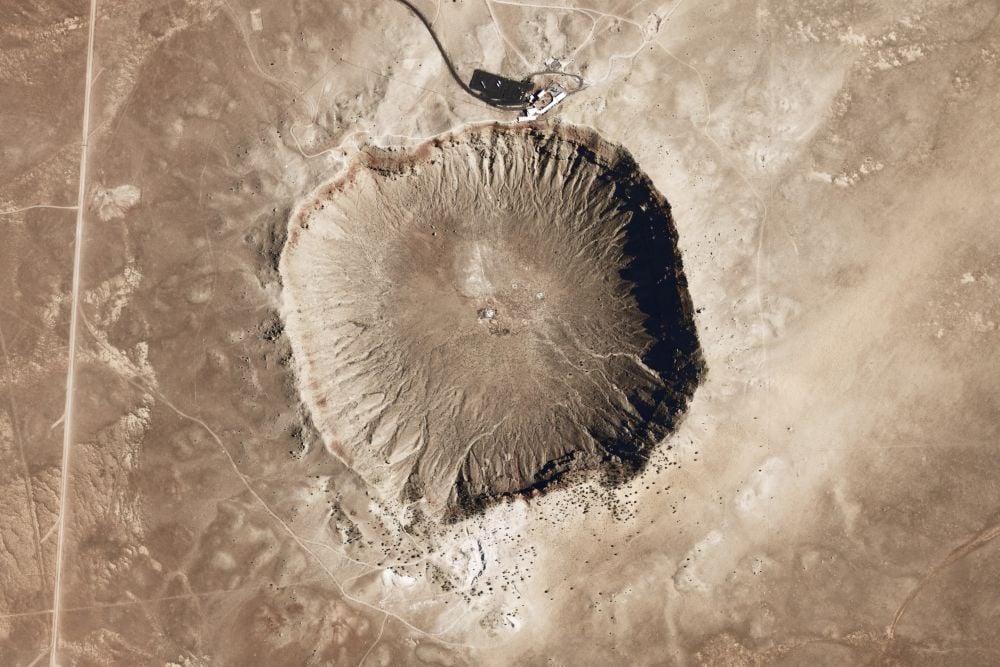
The Meteor Crater or Barringer Crater in Arizona is only about 50,000 years old and is the most well-preserved crater on Earth. Ancient craters like the Zhamanshin crater in Kazakhstan are far less well-preserved, and measuring its actual size is challenging becuase it was created almost one million years ago. New research shows that the Zhamanshin crater could be twice as large as thought, and far more destructive. Image Credit: By National Map Seamless Server - NASA Earth Observatory, Public Domain, https://commons.wikimedia.org/w/index.php?curid=7549781

Around 900,000 years ago, an impactor slammed into modern-day Kazakhstan and excavated a crater about 14 km in diameter. It was the most recent hypervelocity impactor powerful enough to trigger a nuclear winter, but not an exinction. New research suggests the crater is almost twice as large, showing that the energy released by the impact was much greater than thought.


Monday, April 13, 2026

The Most Quiet Place We've Ever Listened From!

Photograph of the far side of the Moon, with Mare Orientale (centre left) and the mare of the crater Apollo (top left) being visible, taken by Orion spacecraft during the Artemis 1 mission (Credit : NASA)

For the first time in history, scientists have used a spacecraft on the far side of the Moon to search for signals from extraterrestrial intelligence. China's Chang'E-4 lander sat in the most radio quiet location humanity has ever placed an instrument, shielded from Earth's constant electronic chatter by the entire bulk of the Moon itself. They found nothing but that is almost beside the point!


Two Monsters, One Galaxy, and a Collision 100 Years Away!

Markarian 501 (Credit : NASA)

Deep in the heart of a distant galaxy, two monsters are locked in a death spiral and for the first time, they have been caught them in the act. A new study has confirmed the first close pair of supermassive black holes ever detected, orbiting each other every 121 days and closing in fast. If the models are right, they could collide within a century.


A New Study Narrows the Search for Water on the Moon

The locations of ice, in blue, at the moon's South Pole, left, and North Pole, right, as detected by the Chandrayaan-1 spacecraft. Credit: NASA

A new study challenges old assumptions by revealing that water on the Moon likely came from multiple sources over billions of years, rather than from a single major deposit long ago.


Sunday, April 12, 2026

Are Neutrinos Their Own Evil Twins? Part 2: The Weak Left-Hander

Chien-Shiung Wu, ca. 1950s. Smithsonian Institution / Flickr Commons. No known copyright restrictions.

The weak nuclear force is the eccentric cousin of the four forces — the one that only shakes hands with left-handed particles. That bizarre preference turns out to be absolutely critical for stars, nuclear fusion, and the existence of most matter. And neutrinos love it. There's just one problem: neutrinos appear to only exist in one handedness, which makes no sense at all.


The Craters that Made Us

Craters like 'Meteor Crater' in Arizona may well have been the spark that created life on Earth (Credit : National Map Seamless Server)

What if the same collisions we think of as forces of destruction were actually the spark that created life on Earth? New research published in the Journal of Marine Science and Engineering is making a compelling case that meteor impacts didn't just reshape our planet's surface, instead that they may have built the very cradles where life first emerged.


The Moon Just Got a New Scar

The LROC team discovered a new crater that formed since LRO entered orbit, identifiable in the above image by its bright ejecta rays. (Credit : NASA/GSFC/Arizona State University)

A crater the size of two football pitches has appeared on the Moon and for the first time, scientists have been able to watch exactly what happened. Captured by NASA's Lunar Reconnaissance Orbiter before and after the impact, this remarkable discovery is giving planetary scientists an unprecedented close up of one of the Solar System's most fundamental processes. Here's what they found.


Saturday, April 11, 2026

Are Neutrinos Their Own Evil Twins? Part 1: So We're Going to Redefine "Particle"

Ettore Majorana, ca. 1930. Unknown author / Mondadori Collection. Public domain, via Wikimedia Commons.

A brilliant physicist vanished in 1938, leaving behind one strange, quiet paper. It described something that shouldn't exist: a particle that is its own antiparticle. To understand why that matters, we first need to rethink what a particle even is — and that means getting weird with chirality, the Higgs field, and the neutrino's stubborn refusal to follow the rules.


Friday, April 10, 2026

Student Team Finds One of the Oldest Stars in the Universe that Migrated to the Milky Way

One of the oldest stars in the Universe migrated to the Milky Way from another galaxy. Credit: NASA/ESA/STScI/Univ. of Michigan/CfA

A class of undergraduate students at University of Chicago has used data from the Sloan Digital Sky Survey (SDSS) to discover one of the oldest stars in the universe, a star that formed in a companion galaxy and migrated to the Milky Way.


Why Does Jupiter Have More Large Moons than Saturn?

Jupiter's four largest moons are known as the Galilean moons. This composite image shows from left to right, Io, Europa, Ganymede, and Callisto. Credit: NASA/JPL/DLR

The two largest planets in our Solar System, Jupiter and Saturn, have the largest systems of moons. However, Jupiter has more large moons than Saturn, which has only one. Since both planets are gas giants, the reasons for the differences in these satellite systems have long puzzled astronomers. This motivated a collaborative team of researchers from Japan and China to develop a physically consistent model that can explain this.


ESA Launches 7 New Missions to Supercharge Space Data Transfer

Transporter-16 launch view from space. Credit - SpaceX

Space is getting crowded - and not just with satellites, but with the massive amounts of data they’re generating. The amount of information being generated and passed through orbit is exploding. From high-resolution Earth observation images to global maritime monitoring, it’s also become a critical link in our infrastructure. But there’s another space this growing crowd of satellites is dependent on that is also filling up fast - the radio frequency spectrum. If we want to keep expanding our orbital infrastructure, we need to rethink how we move data around. On March 30, 2026, the European Space Agency (ESA) supported a series of eight CubeSats and one specialized payload on SpaceX’s Transporter-16 rideshare mission with the overarching goals of testing high-throughput laser communication, inter-satellite networking, and in-orbit artificial intelligence processing to make space data transfer faster, more secure, and vastly more efficient.


Thursday, April 9, 2026

Scientists Spot a Solar Flare With Surprising Spectral Behavior

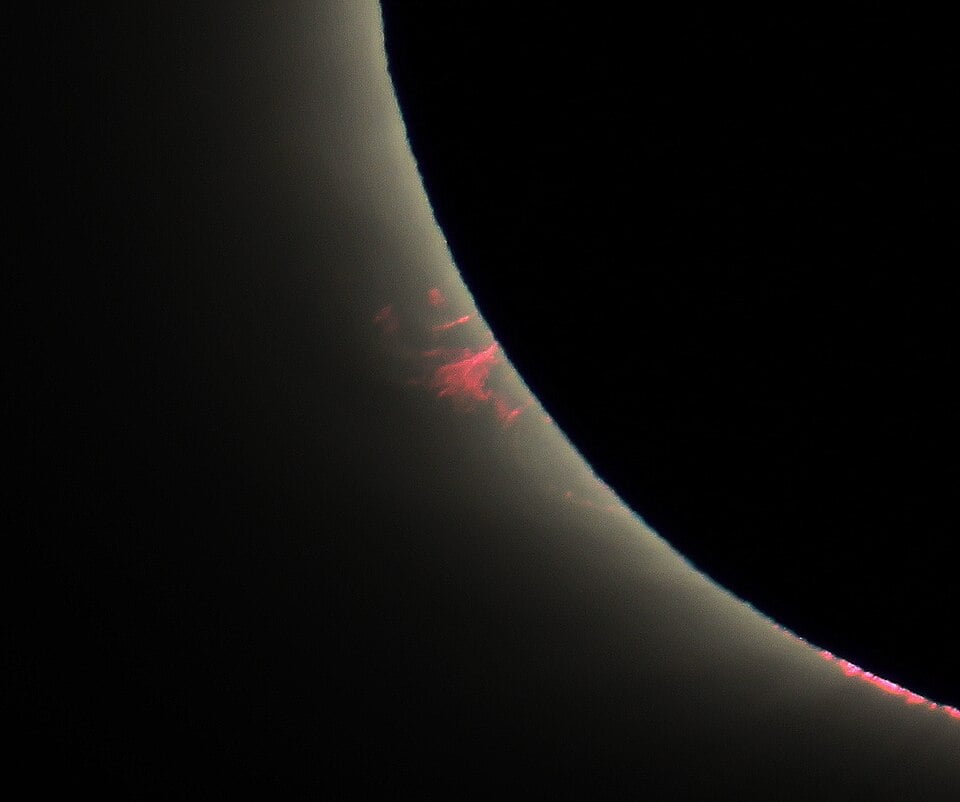
The Sun as it appeared in H-alpha on September 18, 2022. Solar physicists used the Daniel K. Inouye solar telescope to zero in on the active region at the lower right on September 19, 2022, at the end of a very busy week of solar activity. Courtesy CESAR Helios Observatory.

On August 19, 2022, astronomers using the Daniel K. Inouye Solar Telescope (DKIST) on the Hawaiian island of Maui caught the fading remnants of a C-class solar flare. Their observations showed something unusual: very strong spectral fingerprints of calcium II H and hydrogen-epsilon lines. It was the first time these two light signatures were seen in great detail during a flare. According to computer models, those lines were stronger than expected and play a not well-understood role in how flares heat the solar atmosphere where they occur.


NASA Releases Images of Artemis II's Flight Behind the Moon

Earthset captured through the Orion spacecraft window at 6:41 p.m. EDT, April 6, 2026, during the Artemis II crew’s flyby of the Moon. Credit: NASA

The first flyby images of the Moon captured by NASA’s Artemis II astronauts during their historic test flight reveal some regions no human has seen, including a rare in-space solar eclipse. Released Tuesday, astronauts captured the images April 6 during the mission’s seven-hour flyby of the lunar far side, showing humanity’s return to the Moon’s […]


A Baby Star Blows A Giant Gaseous Ring

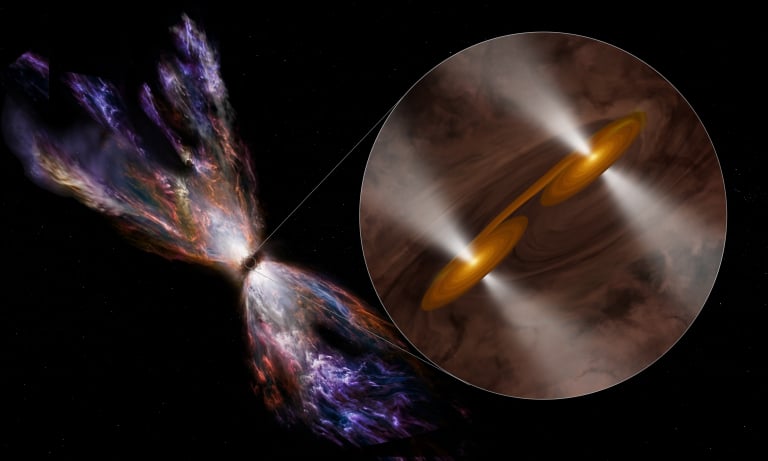
This artist's illustration shows the young protostar MC 27 and its protostellar disk in the lower right. The large, 1,000 au ring of gas is shown, along with magnetic field lines penetrating the ring. Image Credit: Y. Nakamura, K. Tokuda et al. 2026. ApJL

Observing the Taurus Molecular Cloud, a research team led by Kyushu University has found that during the early growth period of a baby star, the protostellar disk blows magnetic flux 1,000 au in size and creates a giant, relatively warm ring. Describing these phenomena as a baby star’s “sneezes,” these expulsions of energy and gas help the star to properly develop.


Could We Actually Terraform Mars? A New Scientific Roadmap Lays Out the Blueprint—And the Risks

Realistic depiction of a terraformed Mars. Credit - Daein Ballard

Reading the Mars Trilogy by Kim Stanley Robinson brings the benefits and pitfalls of efforts to terraform the Red Planet into sharp relief. Since the 1970s, when Carl Sagan first suggested the possibility that we could make Mars more Earth-like, that process has been a staple of science fiction. But there’s always been a significant amount of humanity that thinks we shouldn’t. A new paper available in pre-print on arXiv from Edwin Kite of the University of Chicago and his co-authors skirts around the ethical and moral questions of whether we should and tries to take a long hard look at whether we can.


Wednesday, April 8, 2026

Webb's Picture of the Month Features Two Planet-Forming Disks and a Possible Planet

Two images of protoplanetary discs side-by-side, courtesy of the JWST. Credit: ESA/NASA/CSA/ESO/NAOJ/NRAO/G. Duchêne/M. Villenave

Two images of protoplanetary disks side-by-side. The left image shows a dark horizontal band covering the star, with broad, colorful, conical outflows above and below it, and a narrow jet pointing directly up and down from the star. The right image shows the star within a yellow dusty disk, with scattered dust creating purple lobes above and below the disk. Each is on a black background with several galaxies or stars around it.


A Mercury Rover Could Explore the Planet by Sticking to the Terminator

A view of Mercury's Terminator region, as seen by NASA's MESSENGER probe. Credit: NASA/JPL-Caltech

A Mercury lander mission would create opportunities to sample unique geological features. However, extreme temperature fluctuations on Mercury’s surface pose challenges for exploration on the planetary surface. In a narrow region near the terminator, temperate conditions would allow a rover to run on solar power and collect data and surface samples without needing to withstand the extreme heat.


A New Class of Star: Merger Remnant

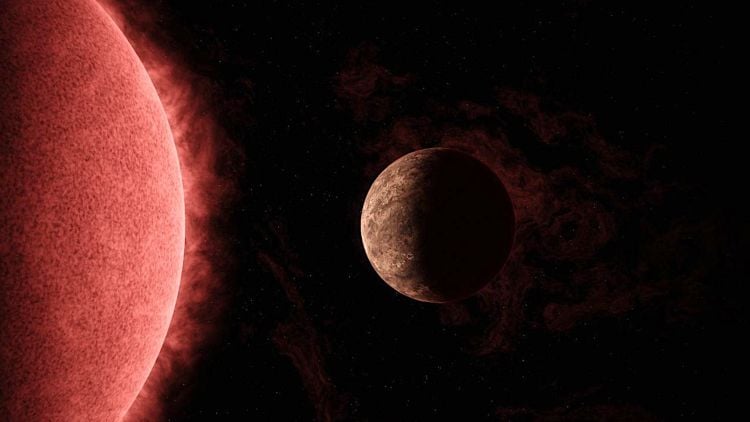
This artist's illustration shows two white dwarf stars merging. Usually, the merger creates a supernova, but new research concludes that two separate and unusual white dwarfs are best explained as merger remnants. The researchers say they are a new class of object. Image Credit: University of Warwick/Mark Garlick

In the vastness of the Universe, any new object with interesting properties can spur the search for similar objects, potentially establishing a new class of stars. In a paper published in Astronomy & Astrophysics and an arXiv preprint, researchers from the Institute of Science and Technology Austria (ISTA) describe two stellar remnants that share five properties, including X-ray emission, despite being isolated objects. According to the team, these two remnants are sufficient to define a new class of stars.


Meet Orpheus - A Hopper Mission Built To Hunt For Life In Martian Volcanoes

Image of part of Cerberus Fossae near the Athabasca Valles takes by the Mars Reconnaissance Orbiter. Credit - NASA / JPL-Caltech / University of Arizona

We’ve spent decades scratching the surface of Mars trying to uncover life there. But we’ve been searching a barren wasteland bombarded by radiation and bathed in toxic perchlorates. The entire time, it's likely that it’s been too hostile to harbor extant life. So if we want a better shot at finding currently living life on Mars, we need to go underground. That is exactly the purpose of Orpheus, a proposed Mars vertical takeoff and landing (VTOL) hopper mission put forth by Connor Bunn and Pascal Lee of the SETI Institute at the 57th Lunar and Planetary Science Conference (LPSC).


Tuesday, April 7, 2026

SuperCDM Experiment Reaches Critical Temperature, Bringing it One Step Closer to Detecting Dark Matter

University of Minnesota researchers are working on the design of the low-background shield, which creates a zone free of trace radioactivity that could overwhelm the faint dark matter signal. Credit: Greg Stewart/SLAC National Accelerator Laboratory

The Super Cryogenic Dark Matter Search (SuperCDMS) experiment has reached its coldest operating temperature, hundreds of times colder than outer space.


The Outer Solar System Contributed Nothing To Earth

Earth as imaged by Artemis II Commander Reid Wiseman. There are many questions about how Earth formed, where the material originated, and how it got its water. A new study of isotopic compositions among meteorites and asteroids shows that Earth may have formed entirely from inner Solar System material. Image Credit: NASA/Reid Wiseman

New research shows that Earth formed from inner Solar System material. Isotopic geochemistry analysis found no evidence that material from beyond Jupiter contributed to Earth's bulk composition. The results also support the idea that Earth's water wasn't delivered by comets.


JAXA Plans To Bring Back Pristine Early Solar System Samples From A Comet

Artist's concept of a Jupiter-Class comet similar to 289P/Blanpain. Credit - NASA, ESA, CSA, Ralf Crawford (STScI)

Japan’s space agency, JAXA, has been knocking it out of the park with small-body exploration missions for decades. They had historic successes with both Hayabusa and Hayabusa2, and they are going to visit the Martian Moons soon with the Martian Moons eXploration (MMX) mission. But after that, they are aiming for something much more pristine and arguably more difficult - a comet. The Next Generation Small-Body Return (NGSR) was recently described in a paper at the Lunar and Planetary Science Conference (LPSC), and is under assessment as a large-class mission for the 2030s.


Monday, April 6, 2026

Blue Origin Plans A Pair Of Low-Flying Prospectors Around The Lunar South Pole

Artist's concept of Oasis-1 flying over the lunar South Pole. Credit - J.D. Tarnas et al. / Blue Origin

The water locked up in the Permanently Shadowed Regions (PSRs) of the Moon’s south pole is a critical resource if we are ever going to get a permanent lunar presence off the ground. But while we know the water ice there exists, we don’t really know how much. We have to move from general estimates to mineable-scale prospecting data. That is what Oasis-1, the newly proposed lunar prospecting mission from Blue Origin that was recently introduced at the 2026 Lunar and Planetary Science Conference (LPSC) is meant to do.


Sunday, April 5, 2026

JWST Spies Once-hidden Treasures in the W51 Starbirth Crèche

A mid-infrared view of M51 provided by the James Webb Space Telescope's MIRI instrument. Swirls of interstellar gas are being illuminated by massive young newborn stars.Credit: NASA, ESA, CSA, Yoo & Ginsburg (UF). Image processing: A Pagan (STScI)

Star formation is a dramatic and complex process that erupts throughout the Universe. Yet, a lot of the action gets hidden by clouds of gas and dust. That's where observatories such as the James Webb Telescope JWST and the Atacama Large Millimeter Array (ALMA) come in handy. They use infrared light and radio waves, respectively, to pierce the veil surrounding the process of starbirth.


Artemis II Mission Shares First Photo of Earth

NASA astronaut and Artemis II Commander Reid Wiseman took this picture of Earth from the Orion spacecraft's window on April 2, 2026, after completing the translunar injection burn. Credit: NASA/Reid Wiseman

NASA astronaut and Artemis II Commander Reid Wiseman took this picture of Earth from the Orion spacecraft's window after completing the translunar injection burn. There are two auroras (top right and bottom left) and zodiacal light (bottom right) is visible as the Earth eclipses the Sun.