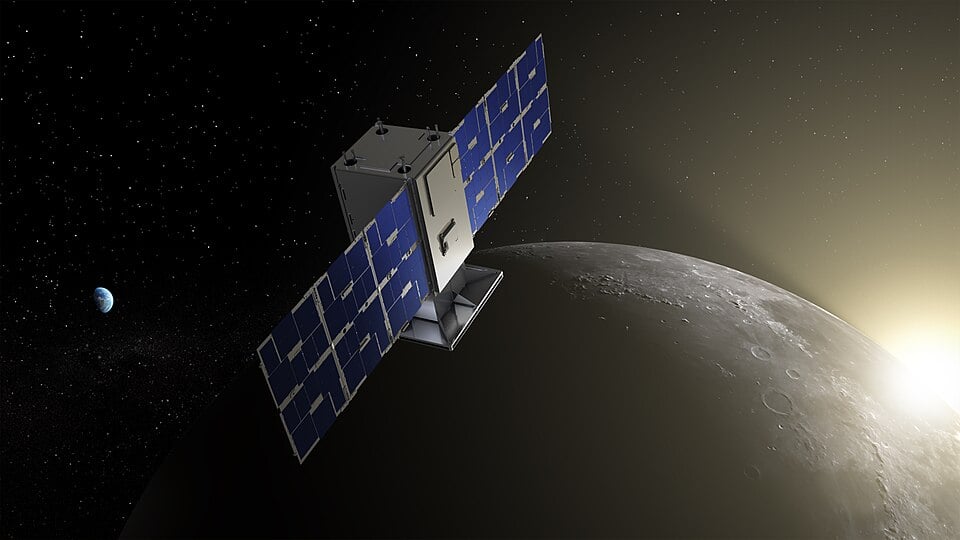
Humanity is quickly starting to saturate our ability to track all of the satellites we have in deep space. NASA’s Deep Space Network (DSN) has been the workhorse for tracking such things for decades, but is quickly being overwhelmed by the number of requests it receives. Which in turn makes it harder to track some of the missions that have been launched recently. A new paper, available in pre-print on arXiv, from Ian Down, James McElreath, and Manoranjan Majji, of Advanced Space, Space Exploration Engineering, and Texas A&M respectively, offer a no-cost solution to that tracking problem - use solar array data from a spacecraft’s eclipse to determine where it is.

No comments:
Post a Comment