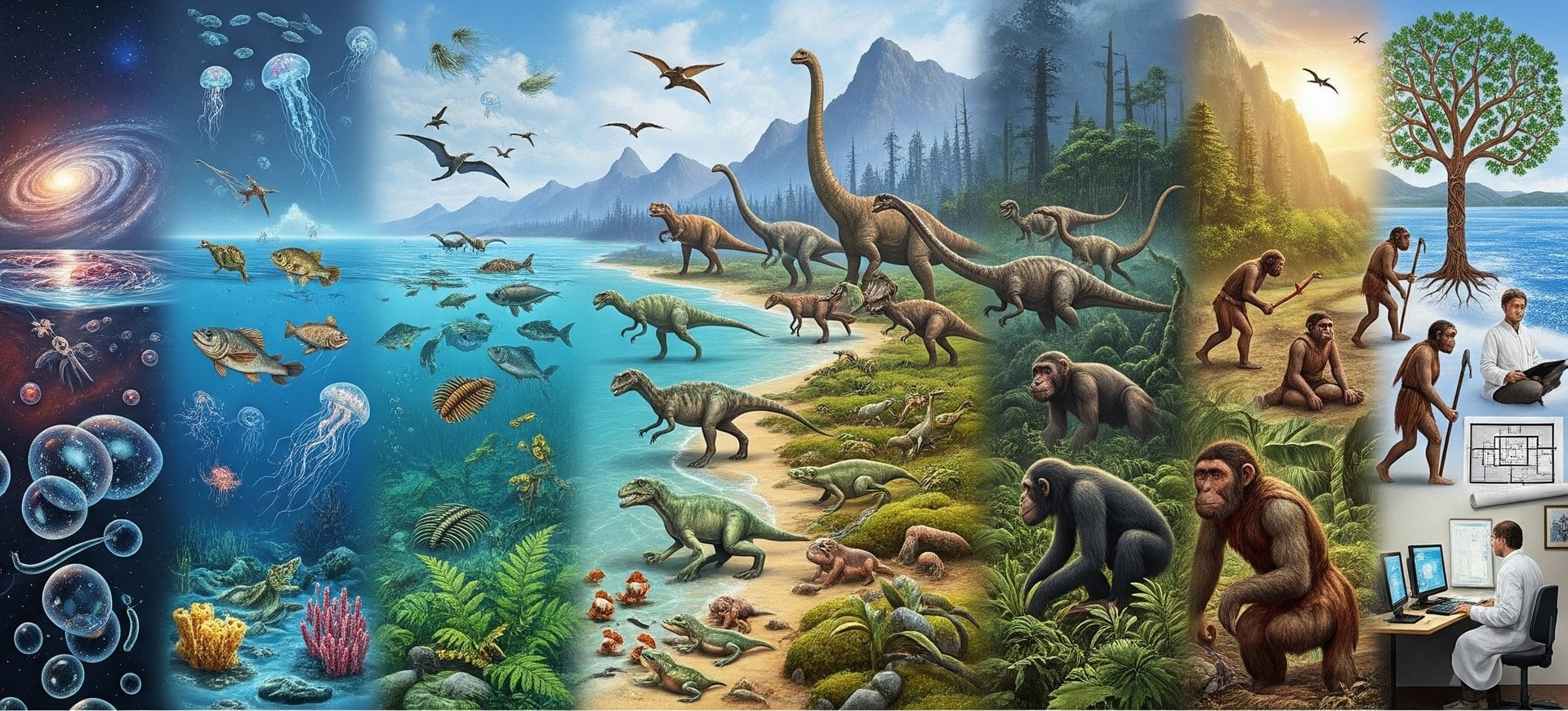
Now versions of the Great Filter argument had been around for decades (just like Fermi was not the first person to ask where everybody is), but the most comprehensive form of the argument comes from Robin Hanson in 1996.
Now versions of the Great Filter argument had been around for decades (just like Fermi was not the first person to ask where everybody is), but the most comprehensive form of the argument comes from Robin Hanson in 1996.
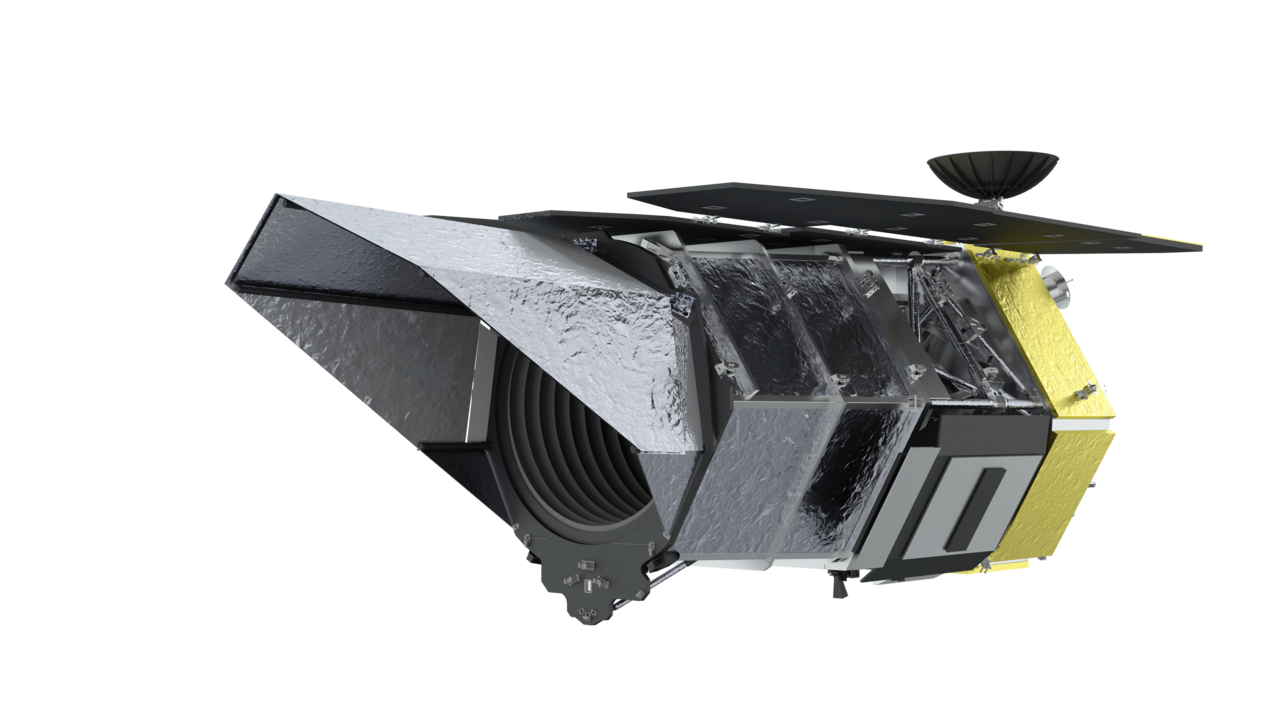
When NASA's Nancy Grace Roman Space Telescope launches in October 2026, it won't just be peering into the distant universe to study dark energy and exoplanets. This powerful observatory will also serve as Earth's newest guardian, helping scientists track and understand potentially dangerous asteroids and comets that could threaten our planet.
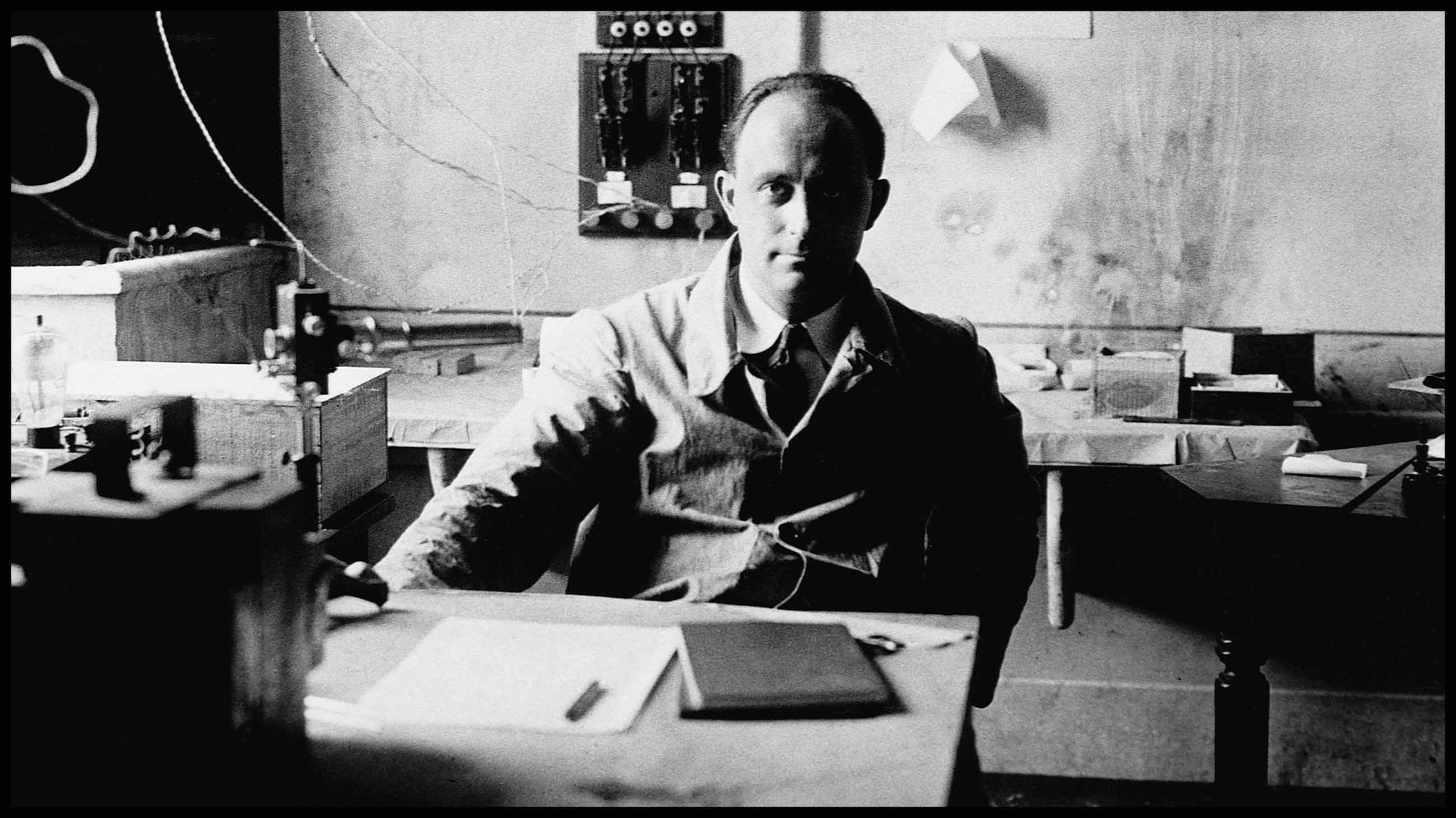
Where is everybody? For decades that question was merely a part of physics legend, the kind of thing grad students overhear when their advisors take them out to dinner.
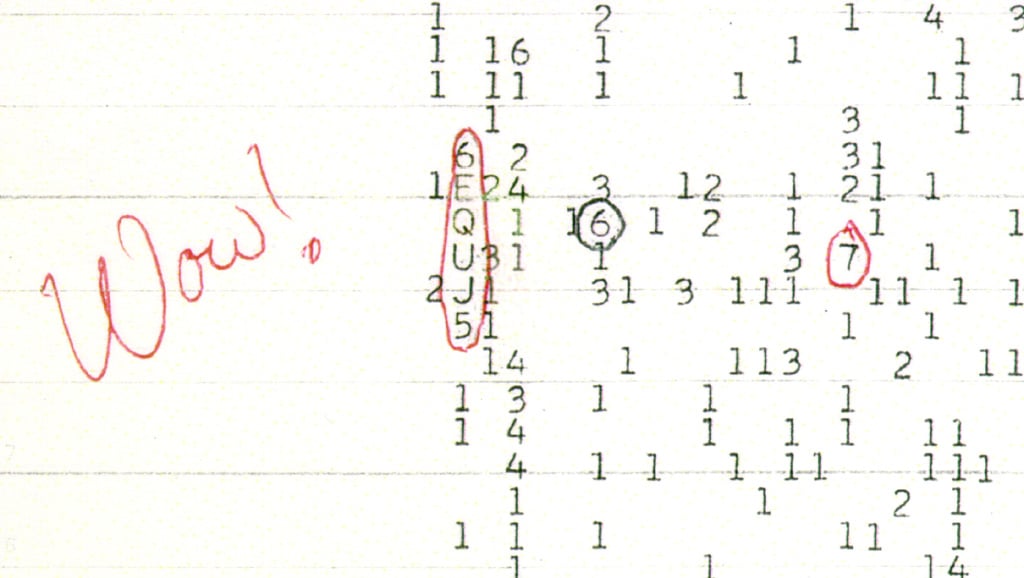
The “Wow!” signal has been etched red marker in the memory of advocates for the search for extraterrestrial intelligence (SETI) since its unveiling in 1977. To this day, it remains one of the most enigmatic radio frequency signals ever found. Now a new paper from a wide collection of authors, including some volunteers, provides some corrections, and some new insights, into both the signal and its potential causes.
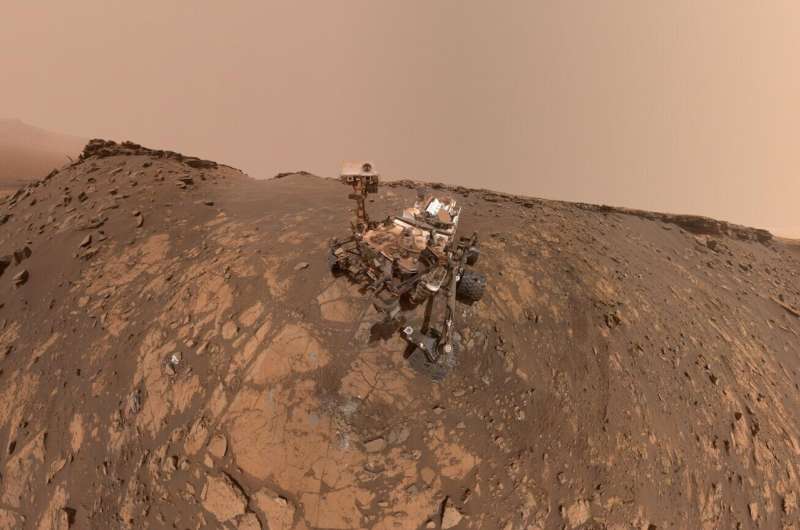
A Ph.D. student and his supervisor at Imperial College London have developed a simple way to test for active life on Mars and other planets using equipment already on the Mars Curiosity rover and planned for future use on the ExoMars Rosalind Franklin rover.
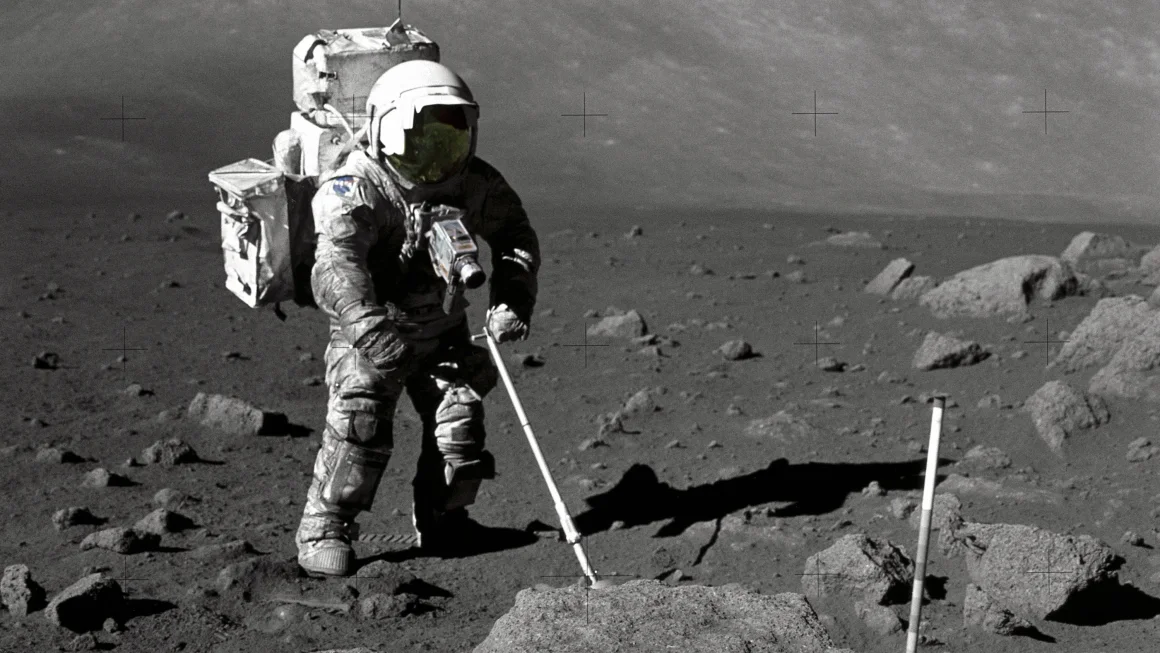
You know, if you think about it, and trust me we’re about to, the Moon is kind of weird.
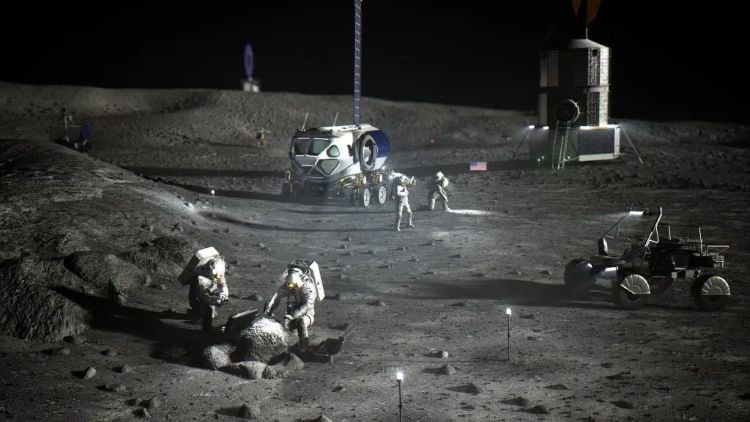
How can thermoelectric generators (TEGs) help advance future lunar surface habitats? This is what a recent study published in Acta Astronautica hopes to address as a team of researchers from the Republic of Korea investigated a novel technique for improving power efficiency and reliability under the Moon’s harsh conditions. This study has the potential to help mission planners, engineers, and future astronauts develop technologies necessary for deep space human exploration to the Moon and beyond.
