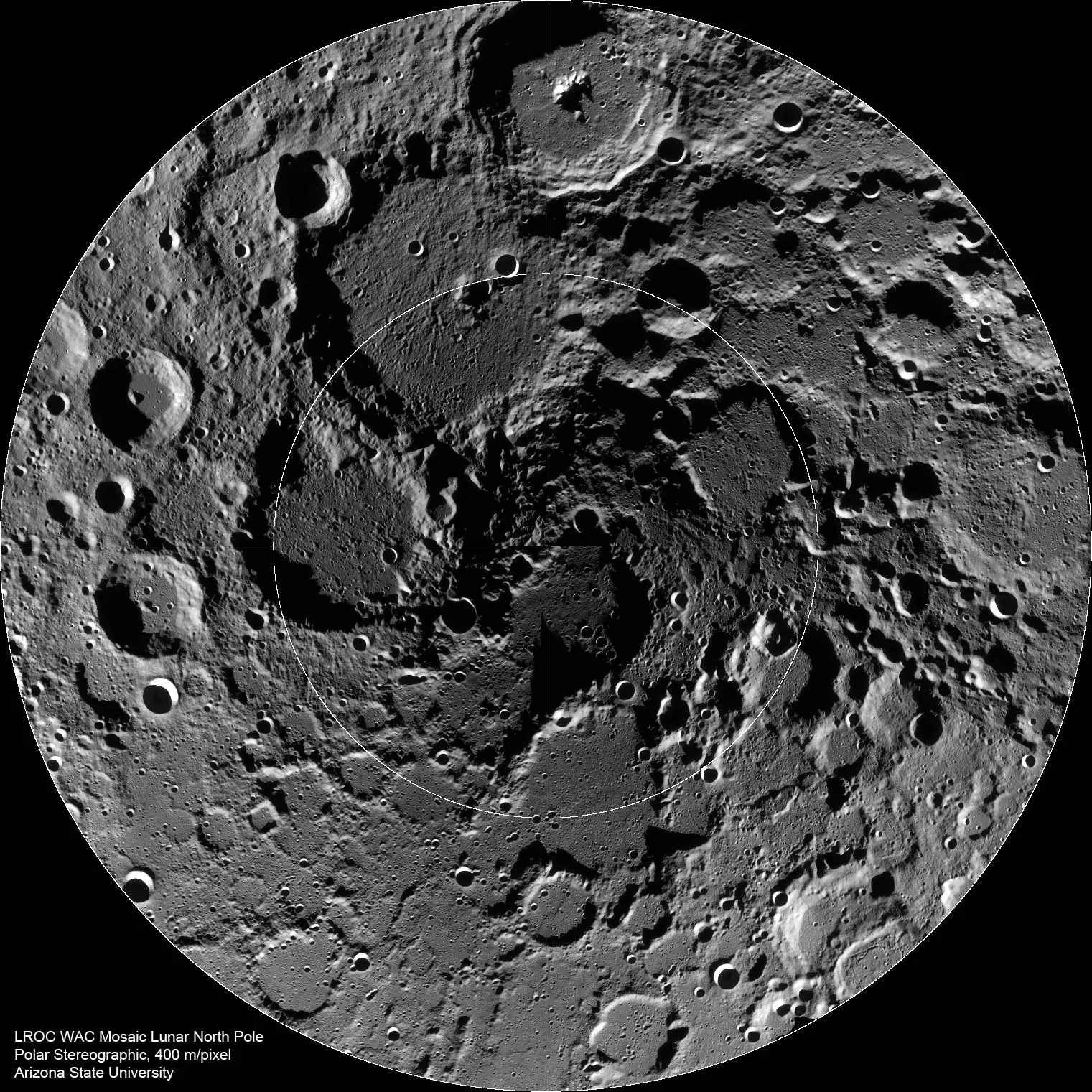
How do you tell how old an astronomical object is? I mean, the next time the Moon is in the sky, take a look at it. How would you even begin to answer that question?
How do you tell how old an astronomical object is? I mean, the next time the Moon is in the sky, take a look at it. How would you even begin to answer that question?
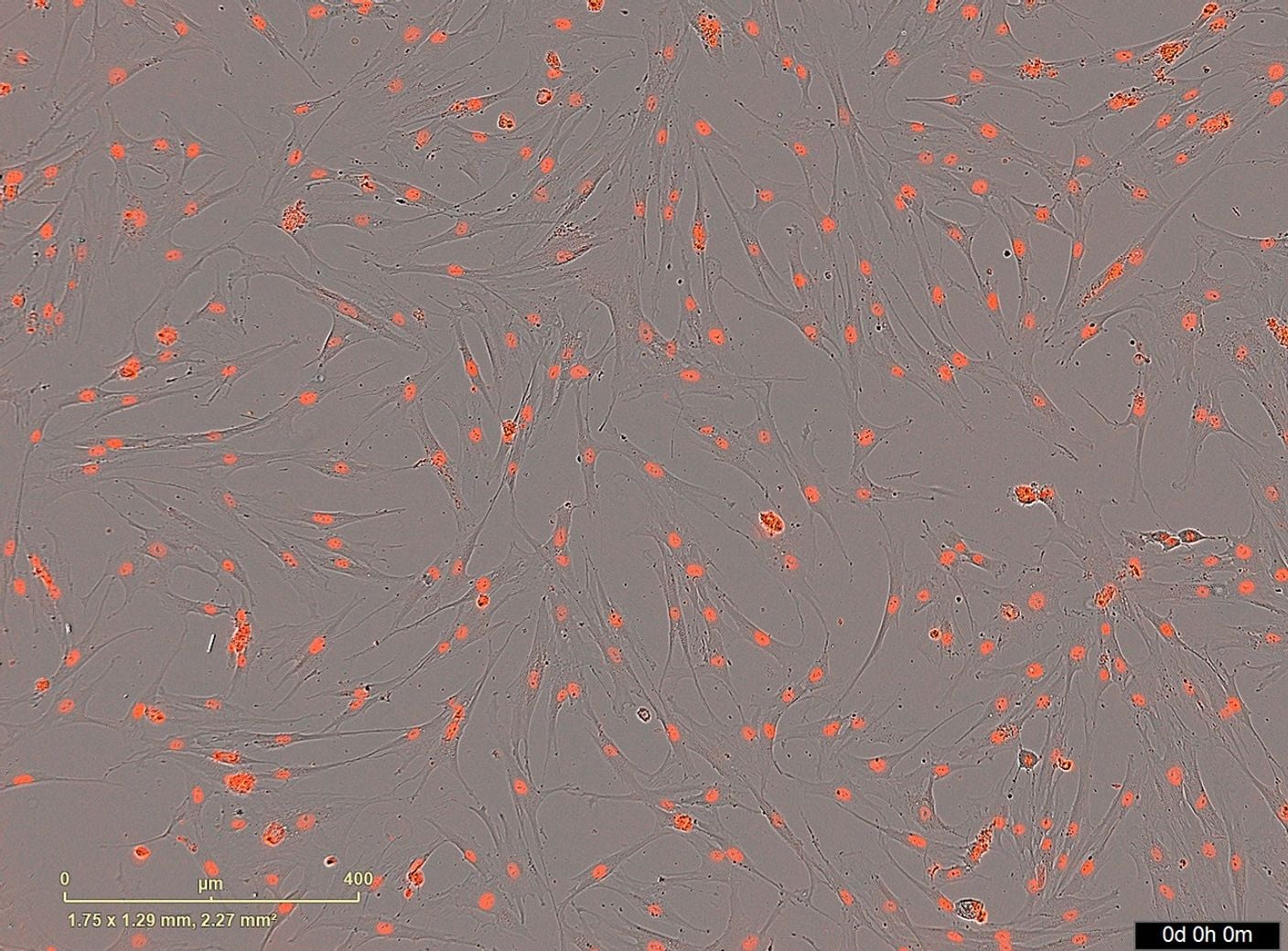
The 33rd SpaceX commercial resupply services mission for NASA, scheduled to lift off from the agency's Kennedy Space Center in Florida in late August, is heading to the International Space Station with an important investigation for the future of bone health.

A set of instruments shut off almost 50 years ago are still producing useful results. It’s the seismometers left by the Apollo missions to monitor moonquakes, which as the name suggests are earthquakes but on the Moon.
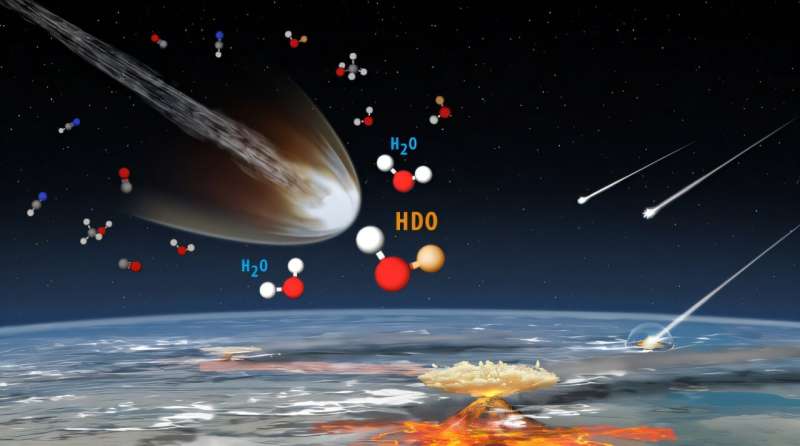
Comets are like the archeological sites of the solar system. They formed early on, and their composition helps us understand what the area around the early Sun was like, potentially even before any planets were formed. A new paper from researchers at a variety of US and European institutions used the Atacama Large Millimeter Array (ALMA) to capture detailed spatial spectral images of comet 12P/Pons-Brooks, which is very similar to the famous Halley’s comet, and might hold clues to where the water on the Earth came from.
In 2022, astronomers announced the discovery of GJ 3929b. It's a rocky planet, similar to Earth in both mass and size. Astronomers have examined the planet with the JWST and concluded that it's a barren world with no atmosphere.
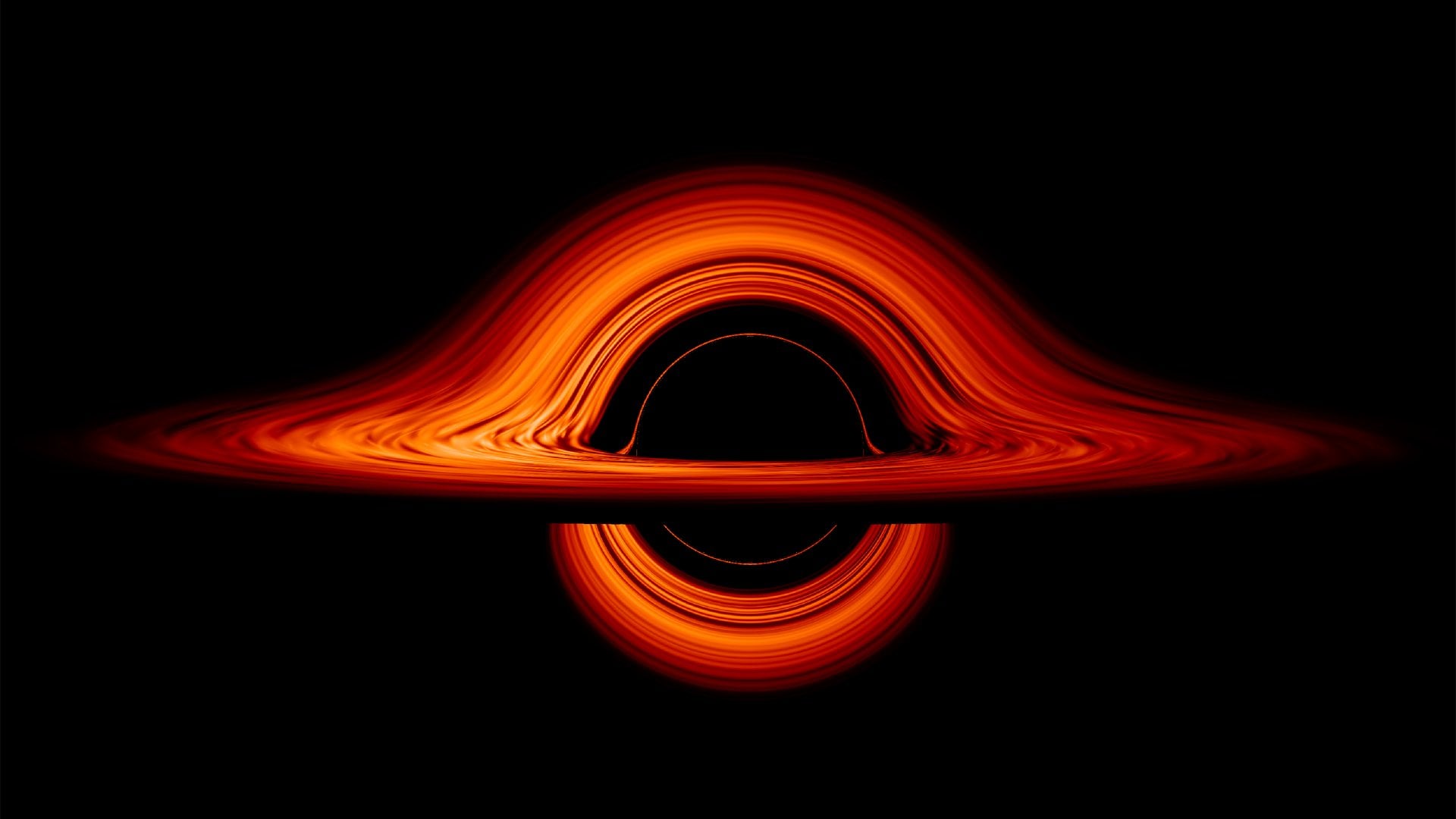
A new theoretical study by University of Virginia astrophysicist Jonathan Tan, a research professor with the College and Graduate School of Arts & Sciences’ Department of Astronomy, proposes a comprehensive framework for the birth of supermassive black holes.
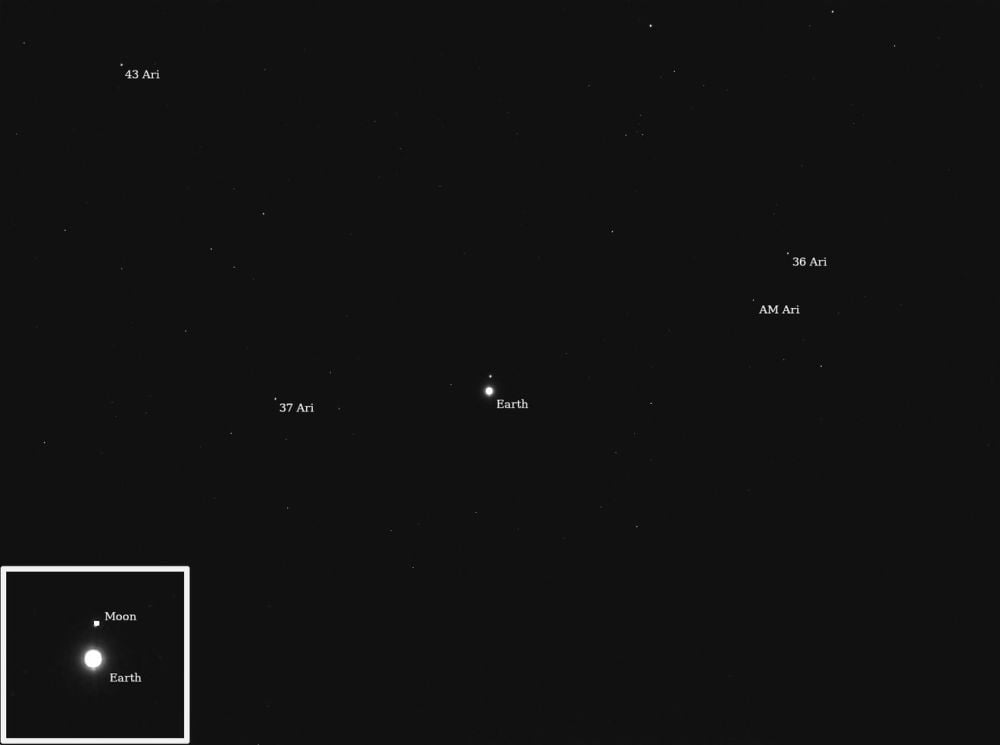
New images from NASA's Psyche spacecraft show that its cameras are working just fine. By pointing them at Earth and the Moon, NASA was able to test the spacecraft's cameras and science instruments. Since both bodies reflect light like Psyche, and since their spectra are familiar, it's a valuable opportunity to test and calibrate the instruments.
