Monday, August 18, 2025

A 3D Printed Alumnium Mirror Could Enable Enhance CubeSat Observations

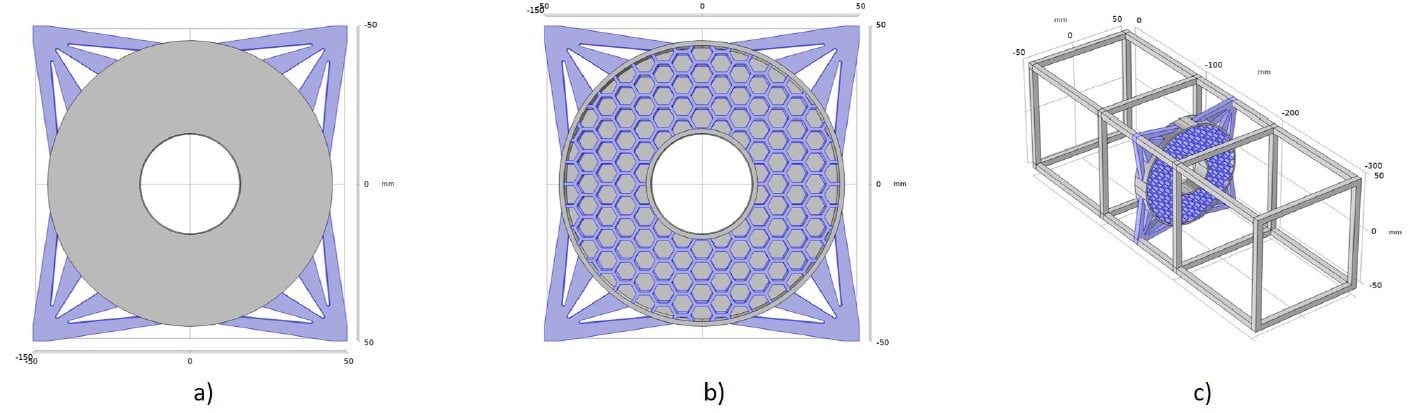
Engineering drawings of the prototype mirror, including installed in a 3U CubeSat frame. Credit- I. Aziz et al.

Compact, reflective, easy to manufacture mirrors are a critical component for advancing astronomical technology in space. Mirrors are a key component in most telescopes, though they are notoriously hard to manufacture with the necessary precision, especially at large scales. A new paper from researchers in the UK uses additive manufacturing to make a thin, flexible, and lightweight mirror out of aluminum and analyzes its properties to see if it will be useful in applications such as CubeSats.

Where are the Interstellar Objects 1I/'Oumuamua, 2I/Borisov, and 3I/Atlas Headed Now?

None

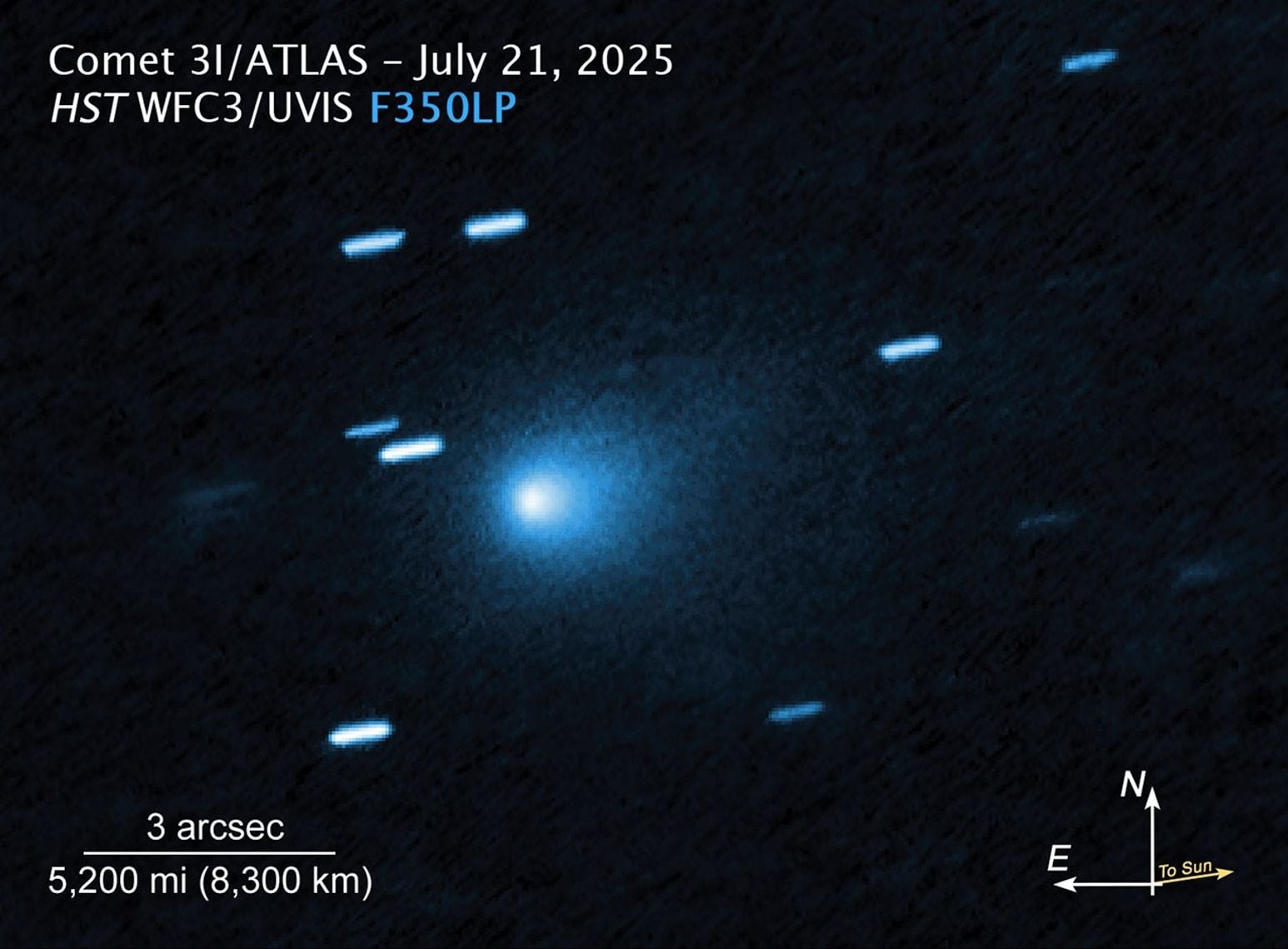
In a recent paper, researchers followed the trajectories of 1I/`Oumuamua, 2I/Borisov, and 3I/ATLAS - three installer objects that have entered the Solar System in the past decade - to constrain their possible origin. Through a series of Monte Carlo simulations, they came up with predictions of where they came from and how old they are.


Detecting Exoplanet Magnetic Fields From The Moon

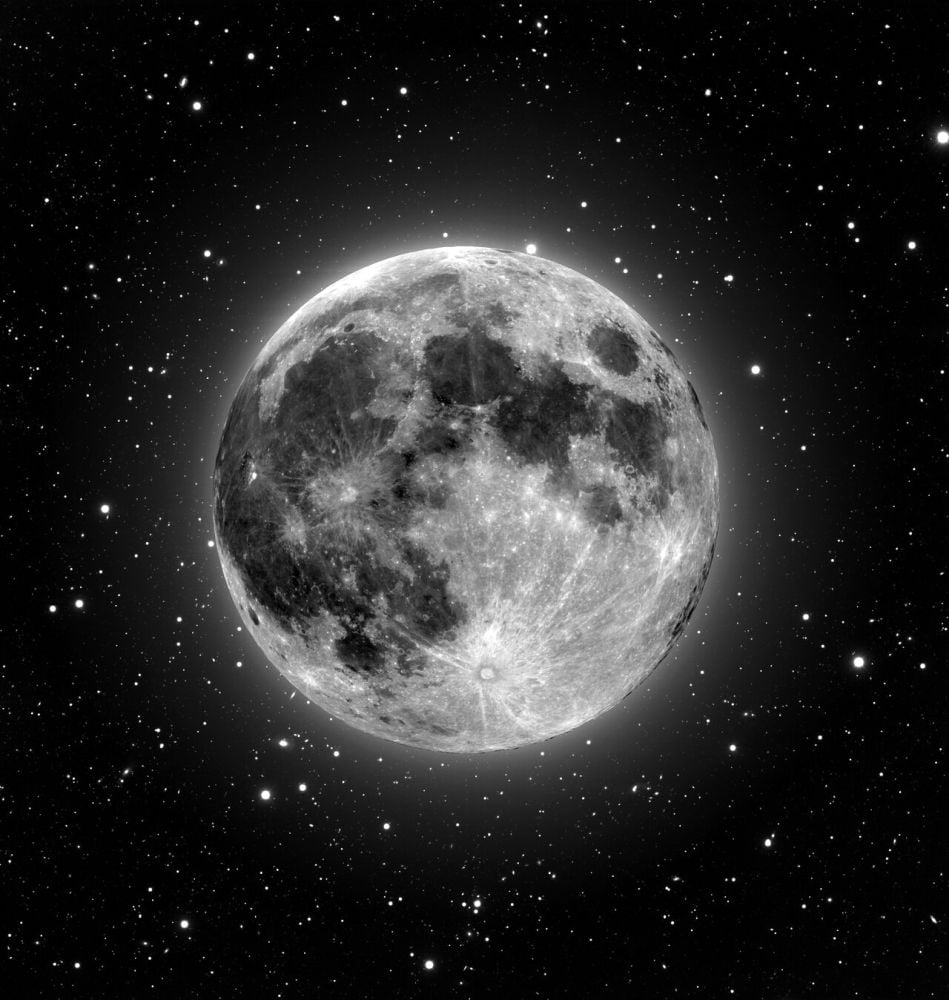
A visually enhanced image of the Moon. Radio telescopes on the Moon could allow astronomers to study exoplanet magnetic fields in a way that isn't possible from Earth. Image Credit: T.A.Rector, I.P.Dell'Antonio/NOIRLab/NSF/AURA/

Exoplanets with and without a magnetic field are predicted to form, behave, and evolve very differently. In order to understand the exoplanet population, and to make progress understanding habitability, astronomers need to understand and constrain exoplanets' magnetic fields. Detecting them may best be done from the Moon.


Sunday, August 17, 2025

Astronomers Search for Dark Matter Using Far Away Galaxies

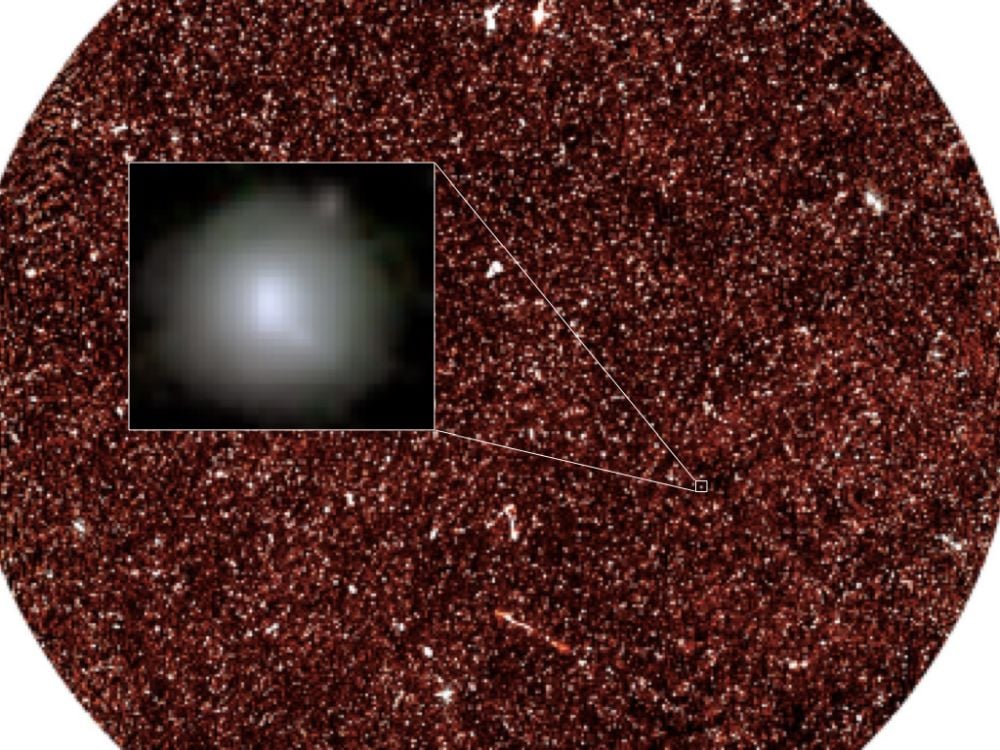
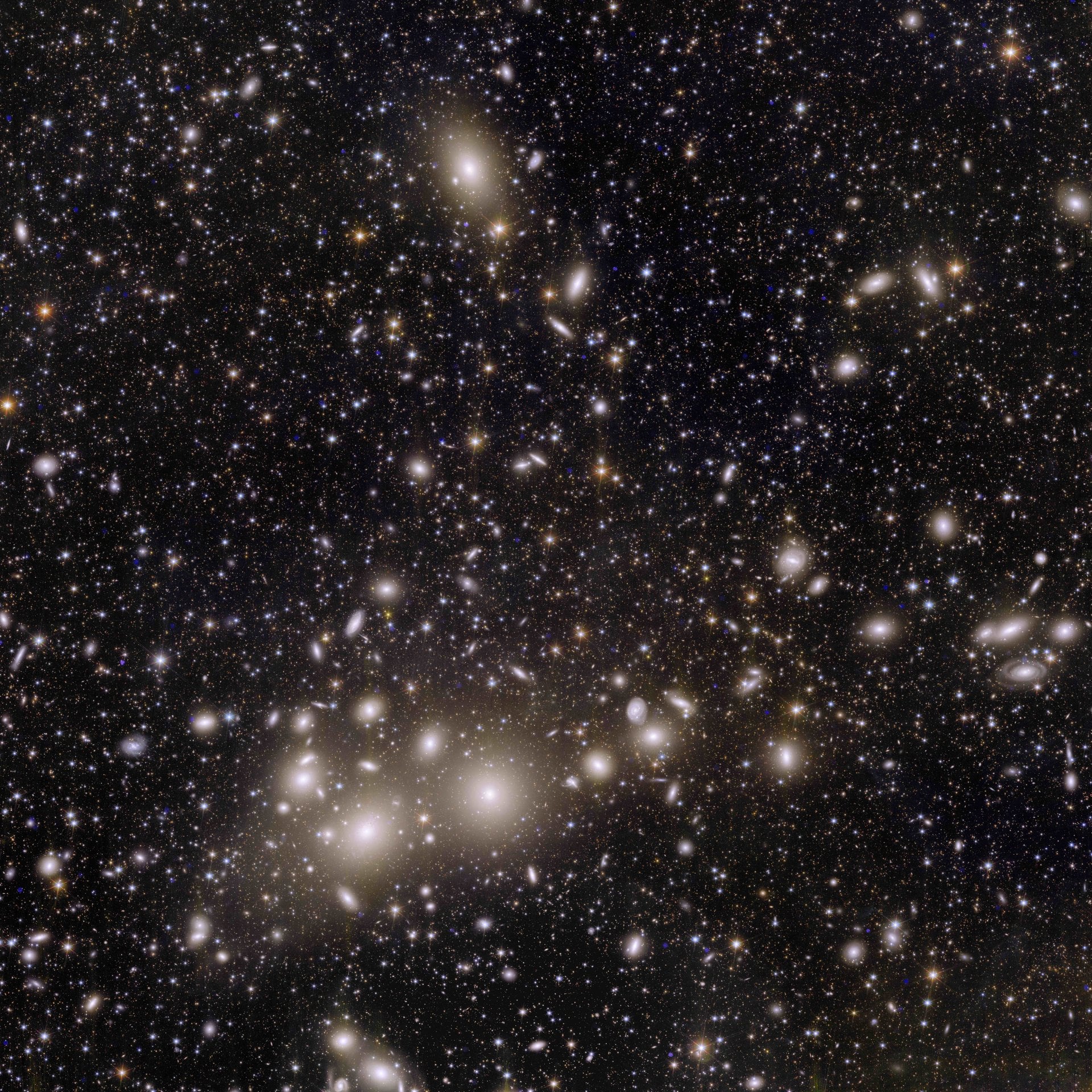
This square astronomical image shows thousands of galaxies across the black expanse of space. Credit: ESA/Euclid Consortium/NASA/CEA Paris-Saclay

Physicists from the University of Copenhagen have begun using the gigantic magnetic fields of galaxy clusters to observe distant black holes in their search for an elusive particle that has stumped scientists for decades.


Saturday, August 16, 2025

How Did Jupiter's Galilean Moons Form?

A artist's picture of Ganymede's magnetosphere. Illustration Credit: NASA, ESA, and G. Bacon (STScI); Science Credit: NASA, ESA, and J. Saur (University of Cologne, Germany)

We already know a decent amount about how planets form, but moon formation is another process entirely, and one we’re not as familiar with. Scientists think they understand how the most important Moon in our solar system (our own) formed, but its violent birth is not the norm, and can’t explain larger moon systems like the Galilean moons around Jupiter. A new book chapter (which was also released as a pre-print paper) from Yuhito Shibaike and Yann Alibert from the University of Bern discusses the differing ideas surrounding the formation of large moon systems, especially the Galileans, and how we might someday be able to differentiate them.


Friday, August 15, 2025

A Cosmic Noon Puzzle: Why Did Cosmic Noon Galaxies Emit So Many Cosmic Rays?

The background image is the COSMOS field observed with the South African MeerKAT radio array. An artistic illustration of the high-energy cosmic ray halo of a star forming galaxy at cosmic noon is overlain. Image Credit: Inter-University Institute for Data-Intensive Astronomy

The Universe's early galaxies were engulfed in halos of high-energy cosmic rays. It's likely because they had tangled and turbulent magnetic fields. These fields accelerate cosmic rays to higher energies.


China’s Crewed Lunar Lander Passes Key Test Milestone

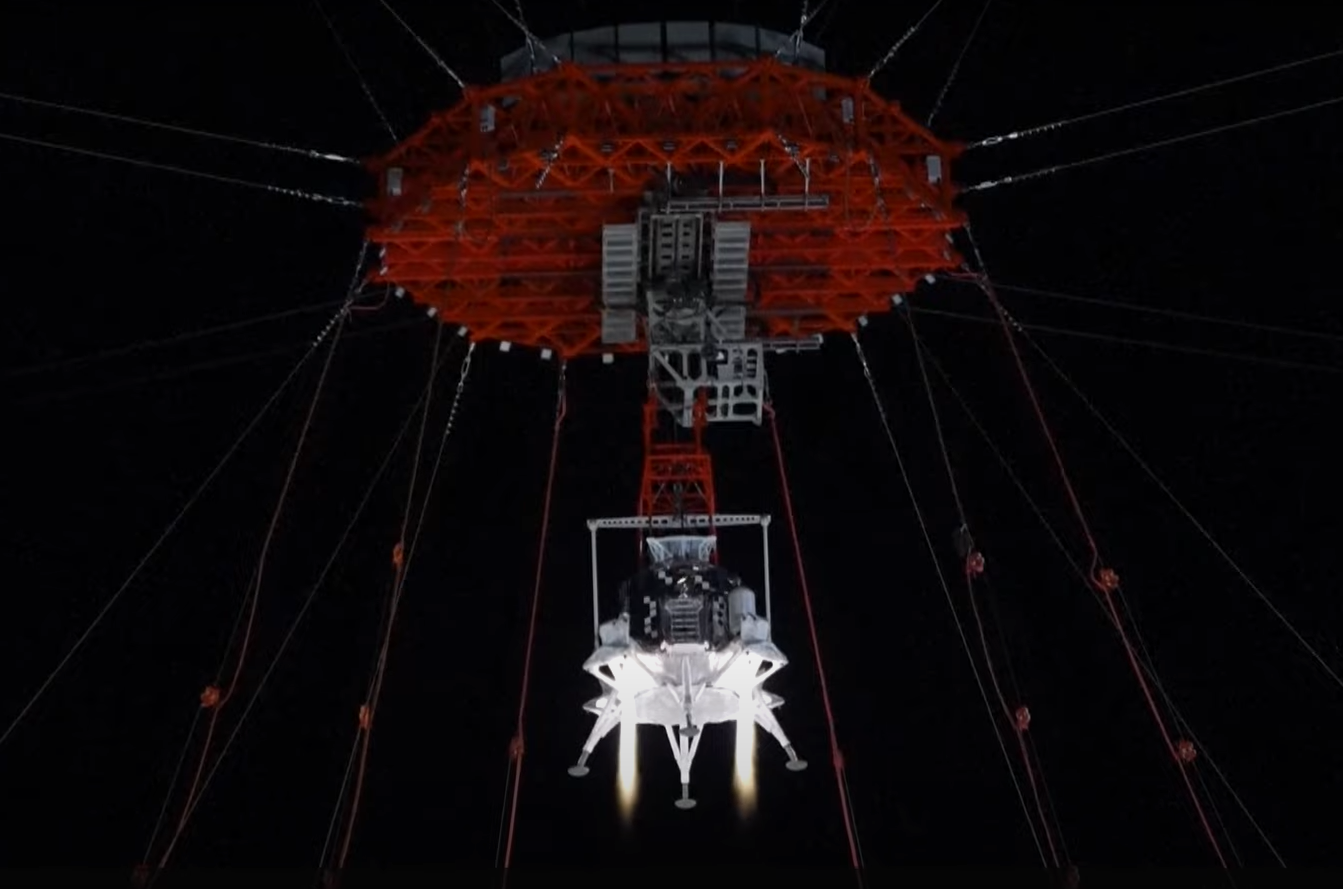
China's lunar lander fires up its engines on Earth. Credit: CNSA/CCTV.

China took a step closer to the Moon, with the first short test for their crewed lunar lander. The test was completed on Wednesday, August 6th at a facility in China’s northern Hebei Province, and lasted just under 30 seconds. The tethered test successfully demonstrated the integration and performance of key systems, simulating descent, guidance, control and engine shutdown. This marks the first test for a China’s Manned (crewed) Space Agency (CMSA’s) human-rated lander.