Wednesday, August 6, 2025

Dwarf Galaxies Like the Magellanic Clouds Have Their Own Small Satellite Galaxies

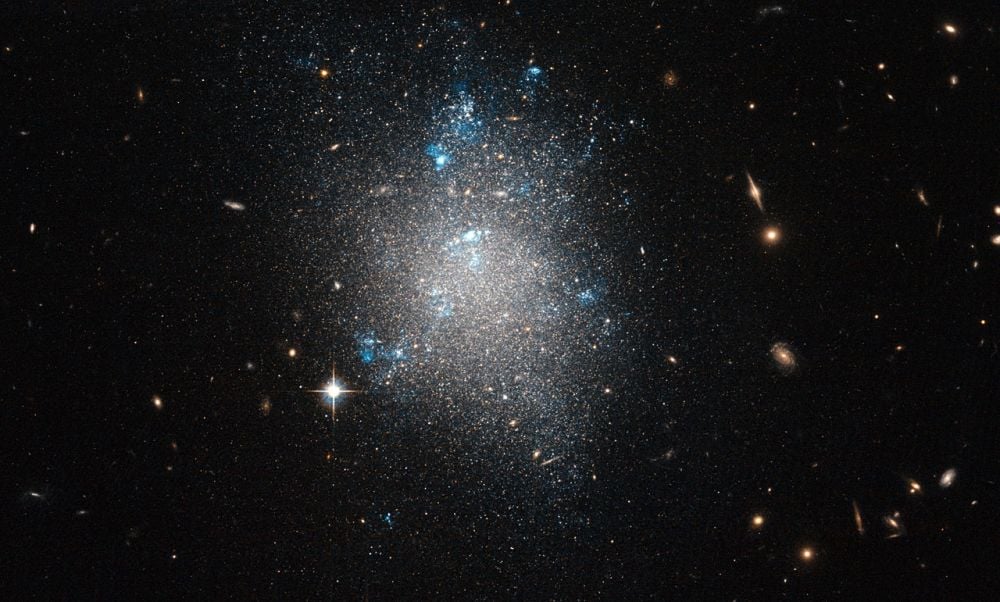
Dwarf galaxies like this one (NGC 5477) are satellites of larger galaxies like the Milky Way. New research examined 36 distant dwarf galaxies to see if they had their own, smaller satellites. The goal is a better understanding of how galaxies form and evolve in the Lambda Cold Dark Matter paradigm. Image Credit: ESA/Hubble & NASA

Massive galaxies like the Milky Way have smaller satellite galaxies that are tidally disrupted and absorbed. Astronomers think this is how galaxies assemble hierarchically. New research examines galaxies much less massive than the Milky Way to see if they also have their own, much less massive satellites.

Solar Powered Moon Brick Factory Could Build Future Lunar Cities

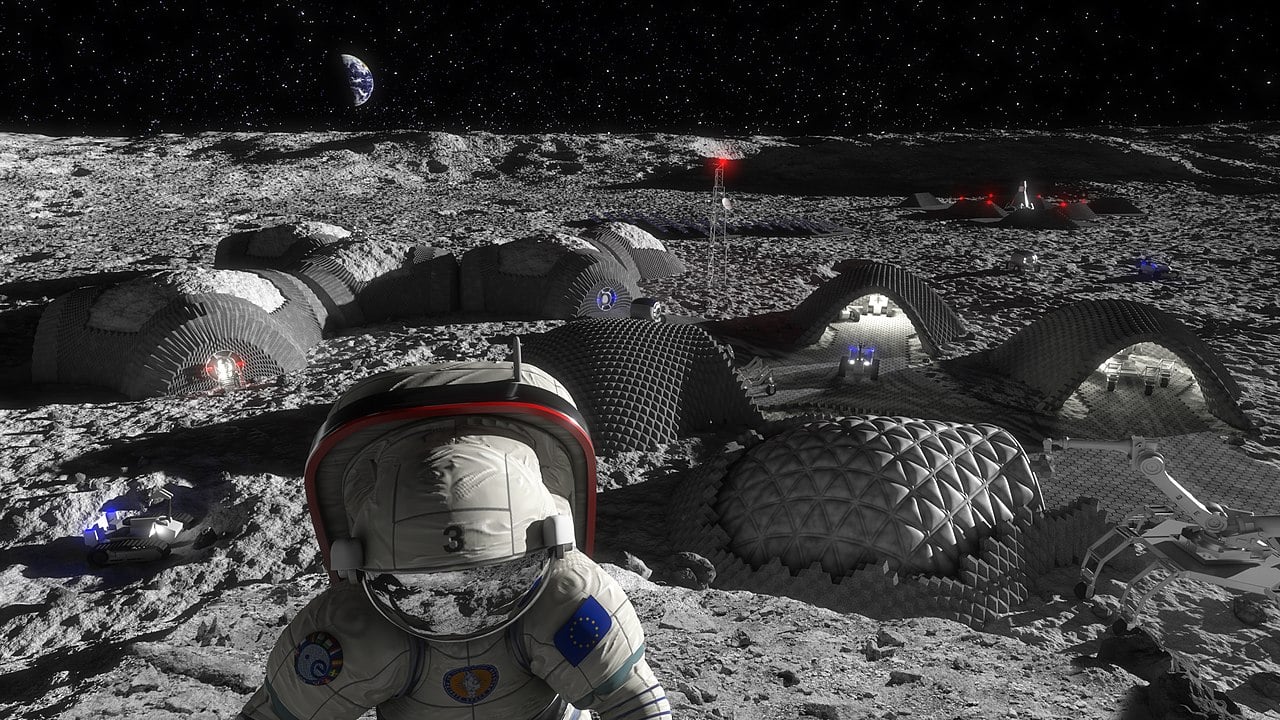
Future Moon base structures may be made, in part at least, of bricks manufactured out of the lunar soil (Credit : ESA)

Imagine building an entire city on the Moon using nothing but sunlight and lunar soil! Chinese scientists have made this science fiction dream a reality by creating a revolutionary machine that acts like a solar powered 3D printer, melting lunar soil at temperatures exceeding 1,300°C to create strong construction bricks. This technology could transform space exploration by eliminating the need to transport heavy building materials from Earth, making lunar bases not only possible but affordable.


Six Of Ingenuity's Successors Could Be Exploring Mars In 4 Years

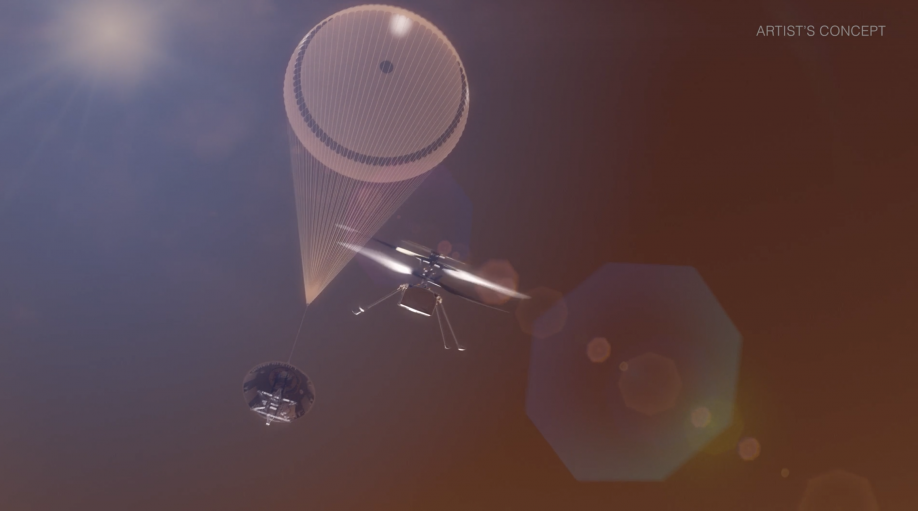
Artist's depiction of a Skyfall helicopter deploying from a landing craft. Credit - AV Inc.

Ingenuity marked a number of milestones in space exploration. Arguably most importantly, it proved that powered flight was possible on another planet. However, it did have some limitations, such as being tied to the Perseverance rover and there only being one copy of the helicopter itself. AV Inc, one of the sub-contractors for Ingenuity, hopes to fix those problems with a proposed new mission called Skyfall that would involve six helicopters and no rover.


Tuesday, August 5, 2025

CHANGE THIS: NASA Installs Key ‘Sunblock’ Shield on Roman Space Telescope

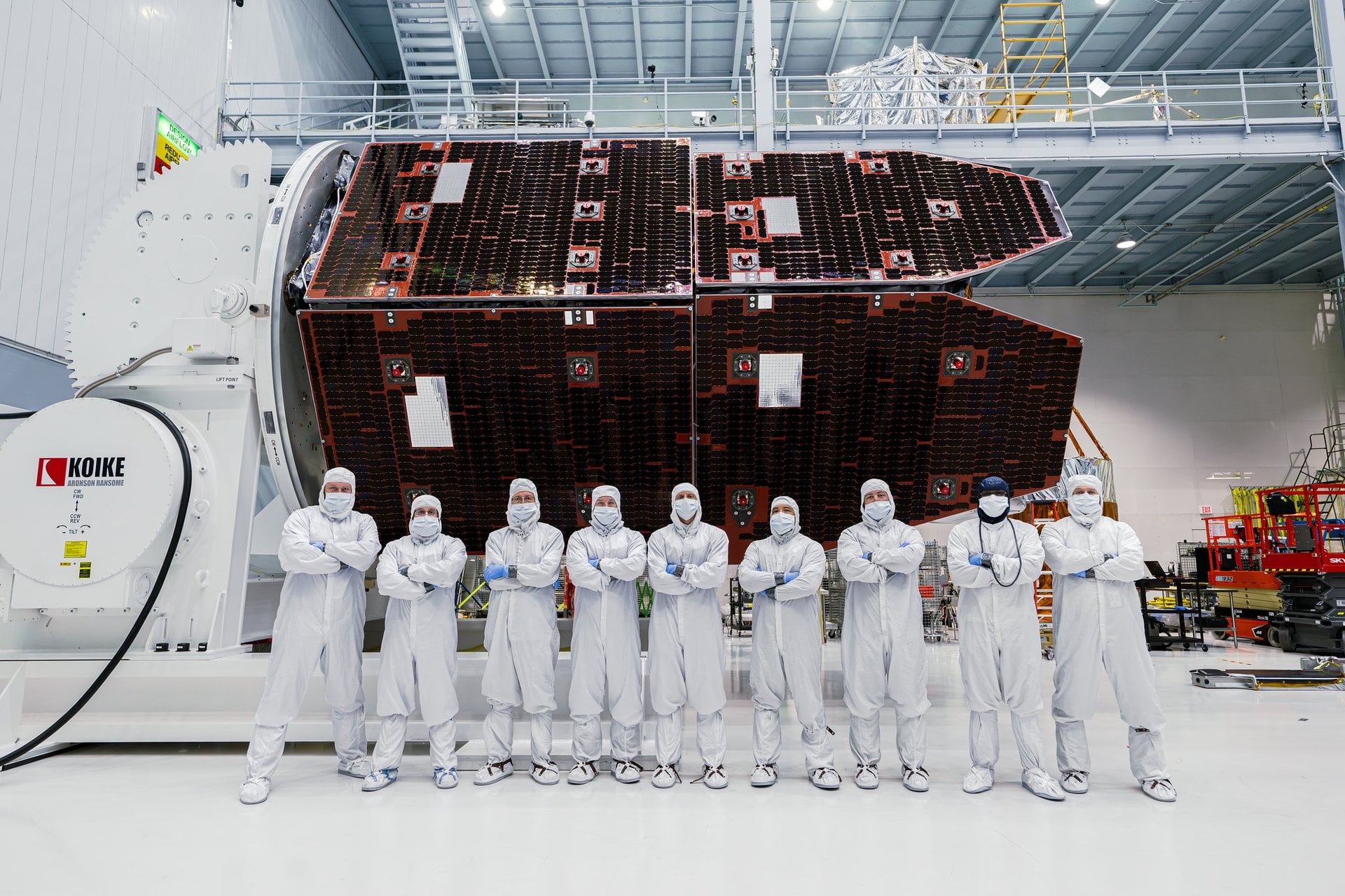
Technicians at NASA's Goddard Space Flight Center recently installed NASA's Nancy Grace Roman Space Telescope’s solar array Sun shield. Credit: NASA

Technicians have successfully installed two sunshields onto NASA’s Nancy Grace Roman Space Telescope’s inner segment. Along with the observatory’s Solar Array Sun Shield and Deployable Aperture Cover, the panels (together called the Lower Instrument Sun Shade), will play a critical role in keeping Roman’s instruments cool and stable as the mission explores the infrared universe. […]


Rogue Planets Can Spawn Their Own Planetary Systems

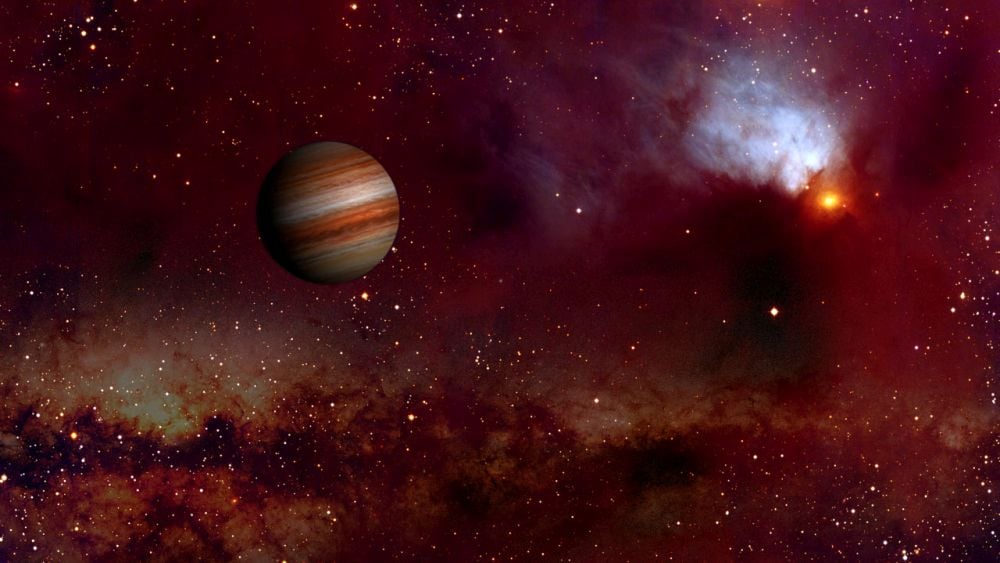
This artist's illustration shows a rogue or free-floating planet drifting through space, untethered to any star. New research suggests that even without a star, these planets can foster their own miniature planetary systems. Image Credit: COSMIC-DANCE Team/CFHT/Coelum/Gaia/DPAC

New research from the University of St Andrews has found that giant free floating planets have the potential to form their own miniature planetary systems without the need for a star.


Icy Comets Can Alter Exoplanet Atmospheres and Shape Habitability

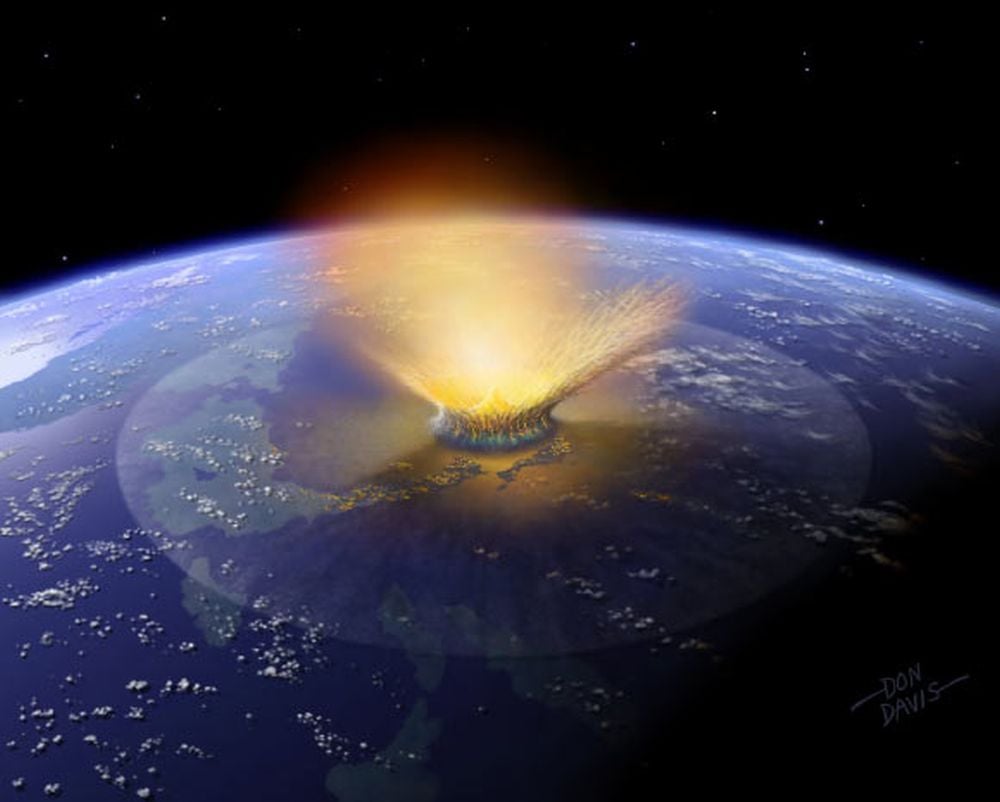
An artist's illustration of a massive impactor striking Earth. Research shows how icy bodies striking potentially-habitable exoplanets can alter their atmospheres and climates. Image Credit: Don Davis/NASA

Earth's history was shaped by the bombardment of icy and rocky bodies. These impacts delivered volatiles and organic compounds to the planet. They also brought water, helping Earth become the life-supporting planets it is today. Could the same thing happen on exoplanets?


Little Red Dots Eat Fast, But Not Faster Than Eddington

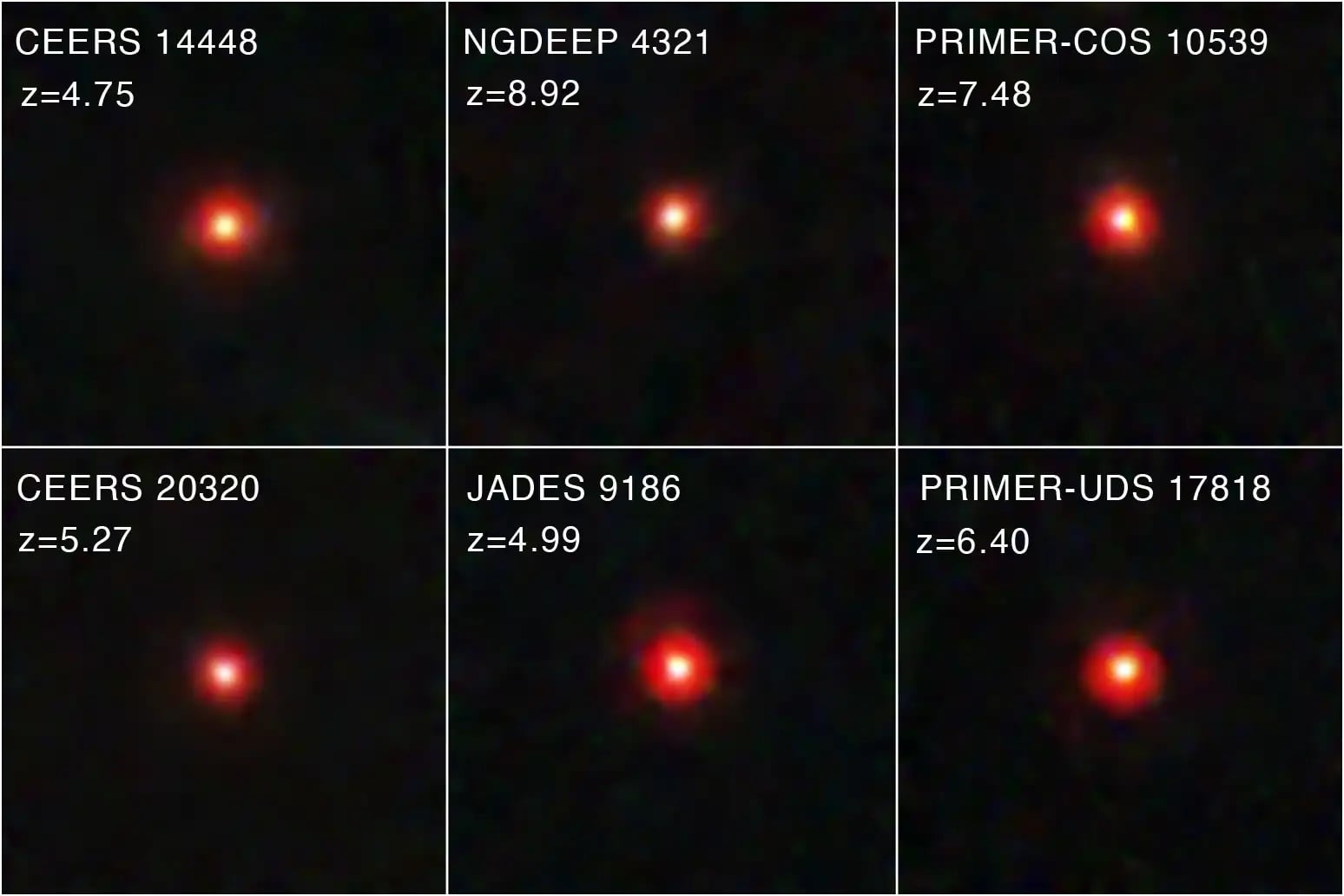
Images of little red dots seen in several deep-sky surveys of JWST. Credit: ASA / ESA / CSA / STScI / Dale Kocevski (Colby College)

Little Red Dots are thought to be young supermassive black holes at the center of early galaxies. That would make them young versions of Active Galactic Nuclei. But Little Red Dots don't emit much x-ray light, and we're starting to learn why.