Tuesday, August 5, 2025

Lunar Photobioreactors Could Provide Food And Oxygen On The Moon

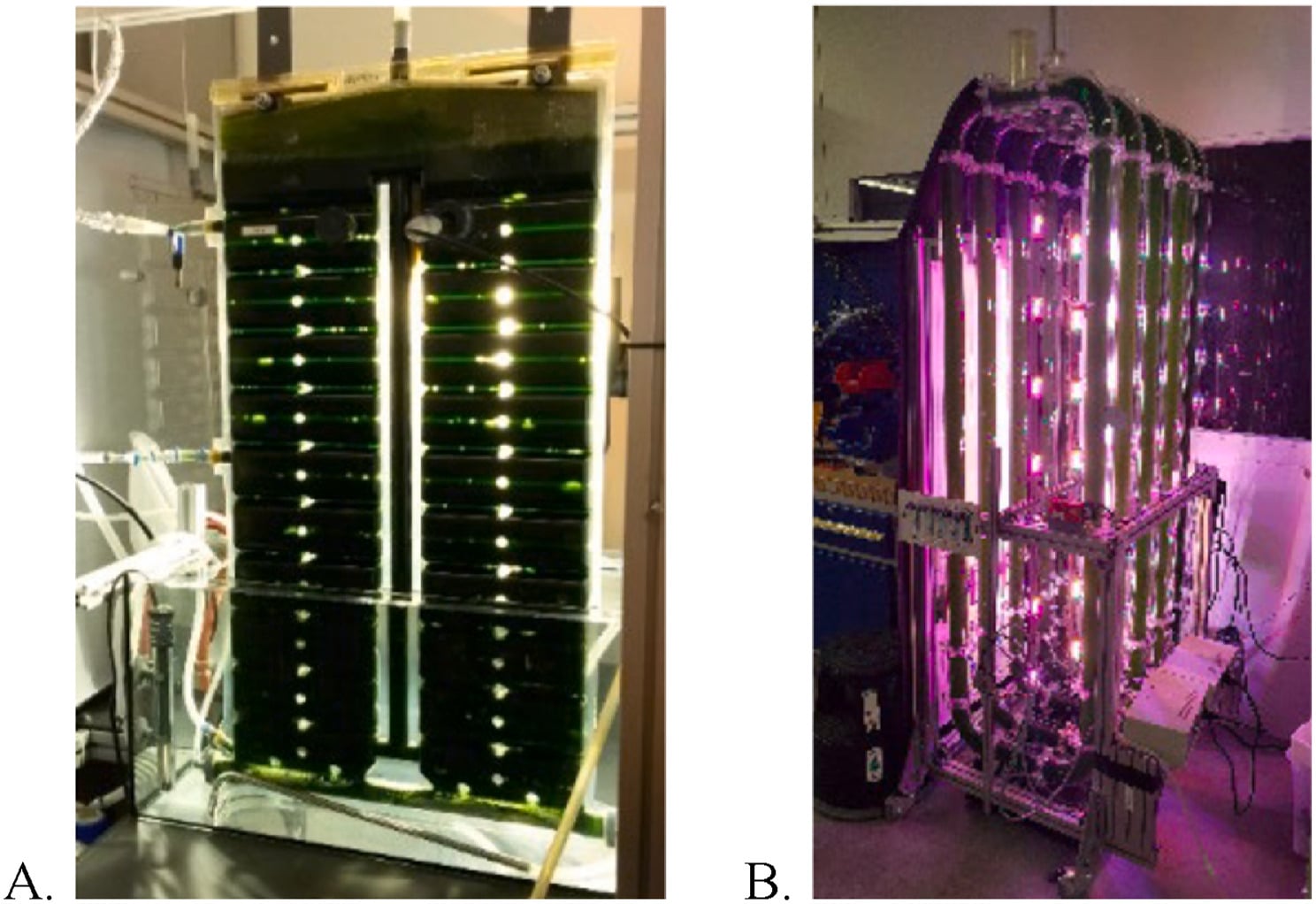
Images of the PBRs being tested for use on the Moon. Credit - L. Salman et al.

Astronauts exploring the Moon will need all the help they can get, and scientists have spent lots of time and plenty of money coming up with different systems to do so. Two of the critical needs of any long-term lunar mission are food and oxygen, both of which are expensive to ship to the Moon from Earth. So, a research team from the Technical University of Munich spent some of their time analyzing the effectiveness of using local lunar resources to build a photobioreactor (PBR), the results of which were recently published in a paper in Acta Astronautica.

Monday, August 4, 2025

Simulating Ice Worlds in the Lab

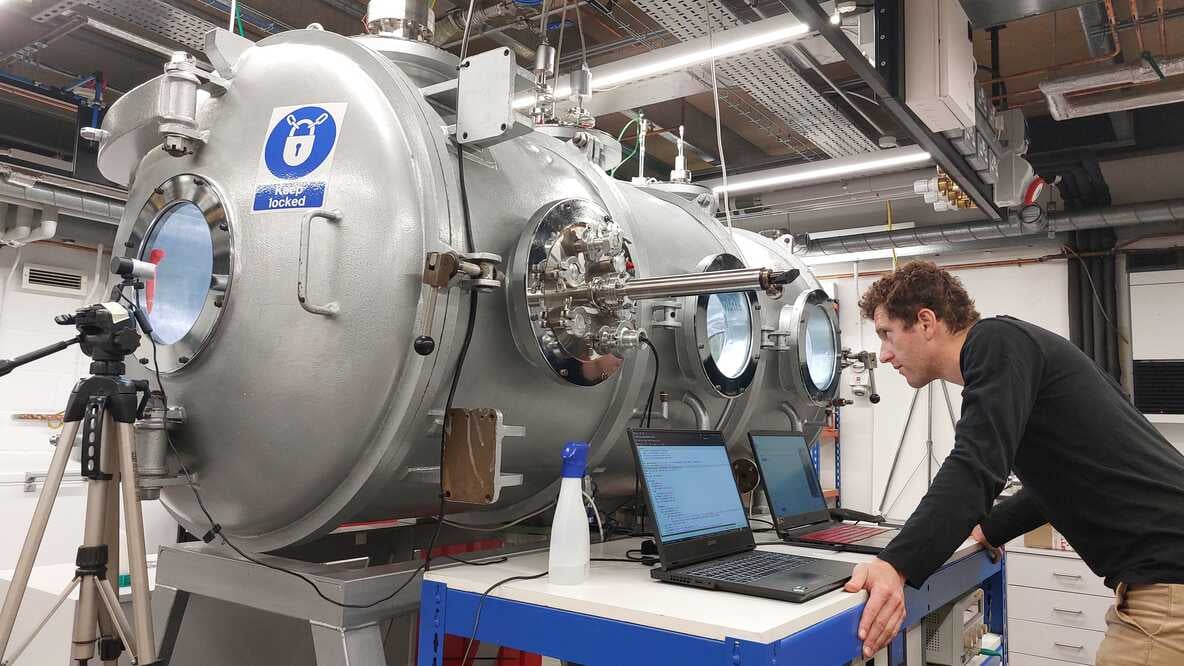
The Large Dirty Mars Chamber, nicknamed "George" housed at the Open University. It was used to simulate icy conditions on frigid worlds such as Enceladus and Europa. Credit: Petr Brož

Many objects in the outer Solar System contain large amounts of water ice, leading to a thick icy shell surrounding an ocean of liquid water. This water behaves like lava on Earth, reshaping their surfaces through a process called cryovolcanism. To better understand this process, researchers have created a low-pressure chamber that simulates the near-vacuum conditions on the surfaces of worlds like Europa and Enceladus. They could watch water create features we see across the Solar System.


Modeling Planet Formation With Water Tornadoes

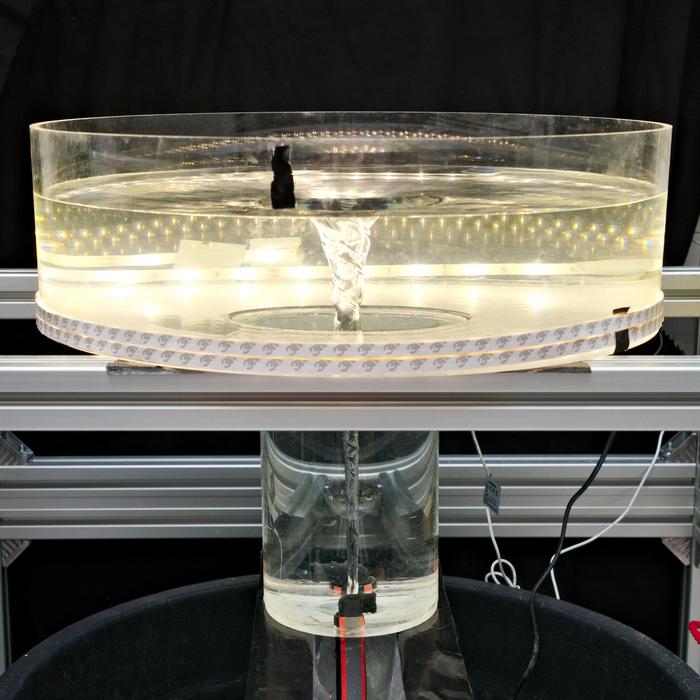
Image of the experimental setup running a vortex. Credit - S. Schütt (University of Greifswald)

Sometimes the easiest way to understand the physics of a phenomenon is to make a physical model of it. But how do you make a model of a system as large as, say, a protoplanetary disc? One technique, suggested in a recent paper in the Monthly Notices of the Royal Astronomical Society Letters by researchers at the Max Planck Institute for Astrophysics and the University of Griefswald, would be familiar to any grade schooler who took a science class - spin water around in a circle really fast.


Sunday, August 3, 2025

China's Meteoric Rise Into Space

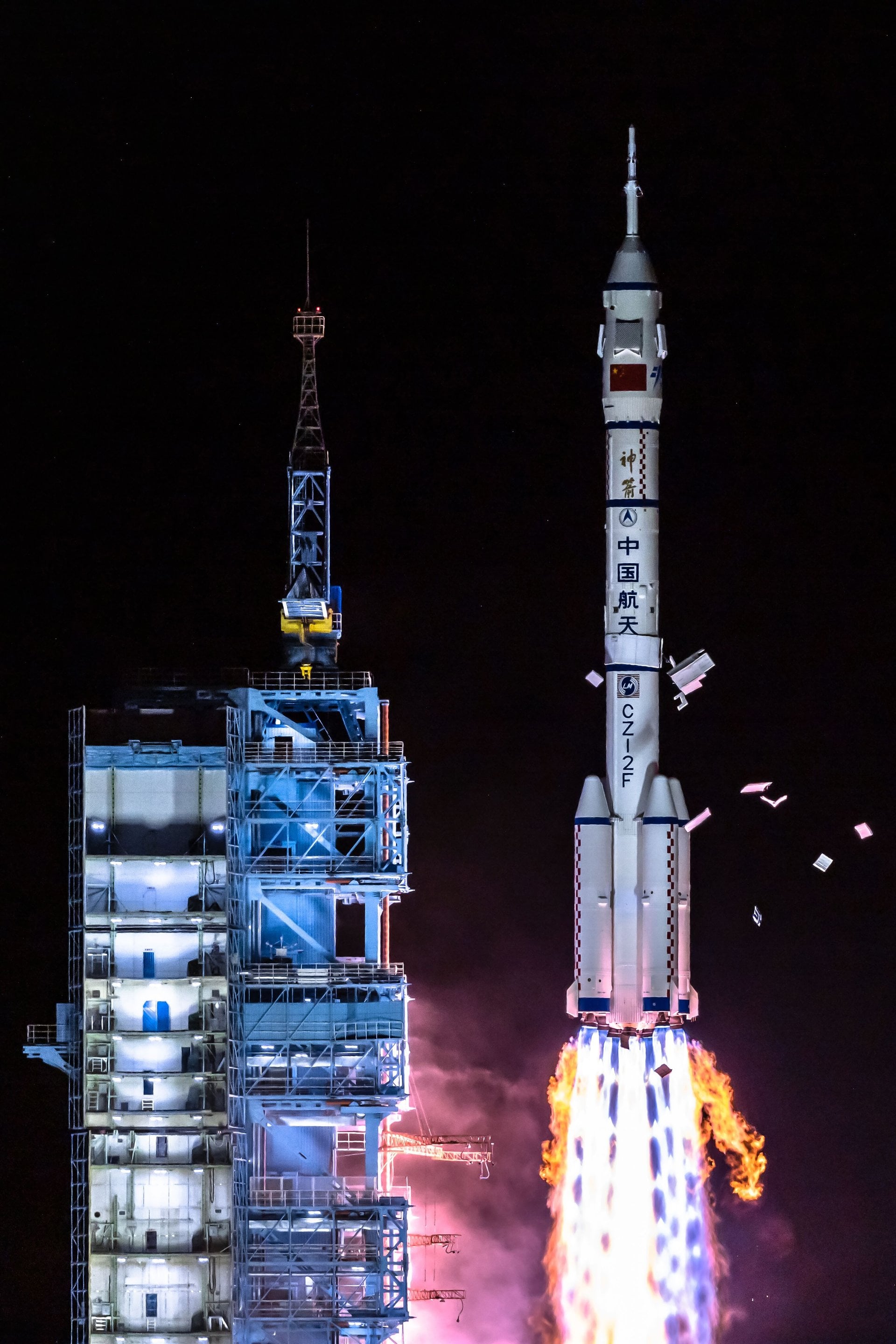
Launch of a Chinese Long March 2F

If you have any doubts about the objectives of the program, just check out their logo: a stylized crescent moon with two footprints in the middle.


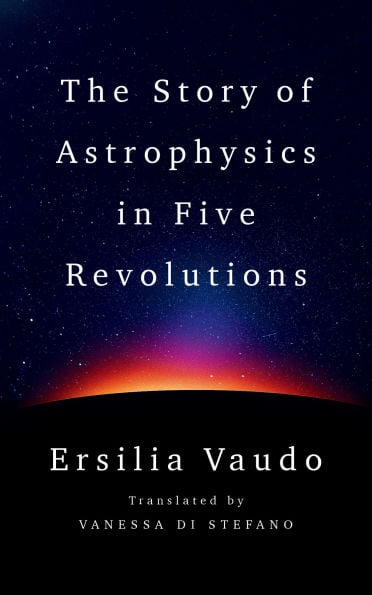
The Story of Astrophysics in Five Revolutions

The Story of Astrophysics in Five Revolutions

In the northern hemisphere, we're getting on to enjoying summer time which traditionally includes vacationing. Typically, vacations are a time to pause from work and remember life's possibilities beyond work. Now, perhaps you, the vacationer, want to rekindle a brief fling you had with science or maybe begin a new science tryst. Ersilia Vaudo's book "The Story of Astrophysics in Five Revolutions" could be just the impetus necessary for such a diversion.


Saturday, August 2, 2025

Is Earth Orbit Doomed to be a Billionaire’s Playground?

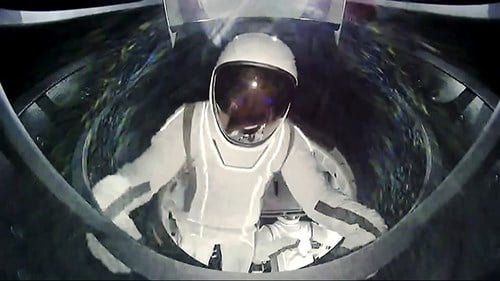
Jared Isaacman emerges from Resilience on 12 September. (SpaceX/Polaris Dawn)

If you want to get to the moon, you need to spend an enormous amount of resources developing, creating, testing, and deploying a variety of spacecraft and technologies.


Friday, August 1, 2025

The Moon Is Useless, So Let's Preserve It

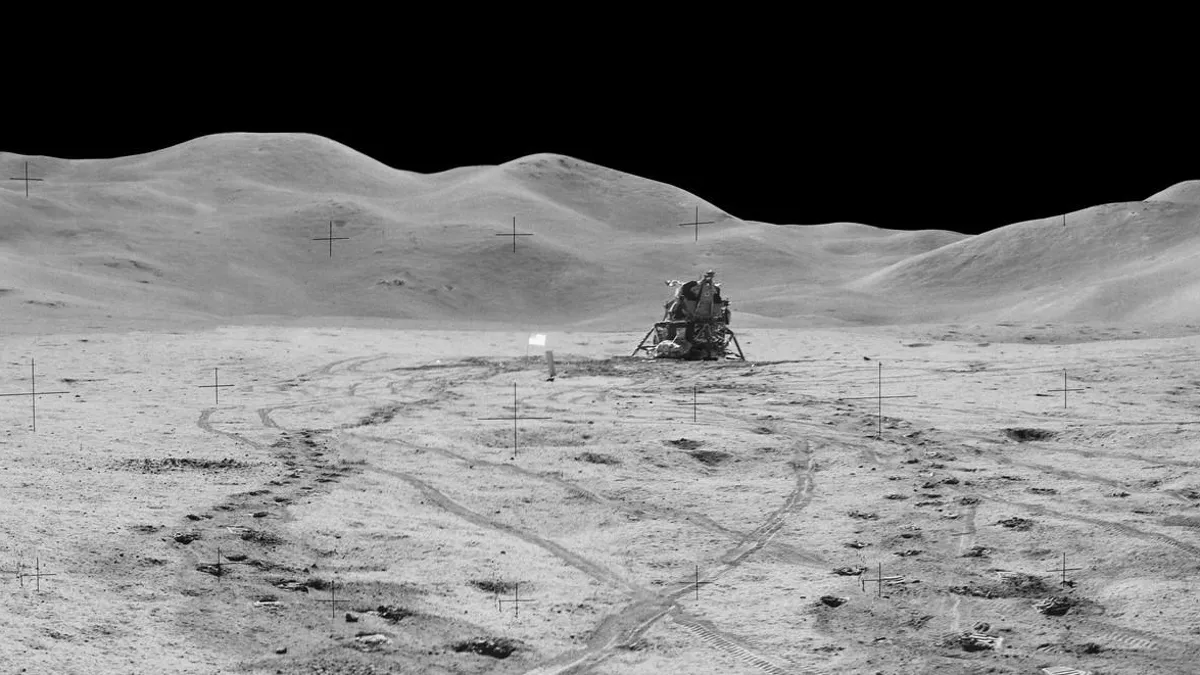
An Apollo lander on the Moon. Credit: NASA

I don’t think space or lunar tourism is going to be the big draw that transforms the moon into something unrecognizable.