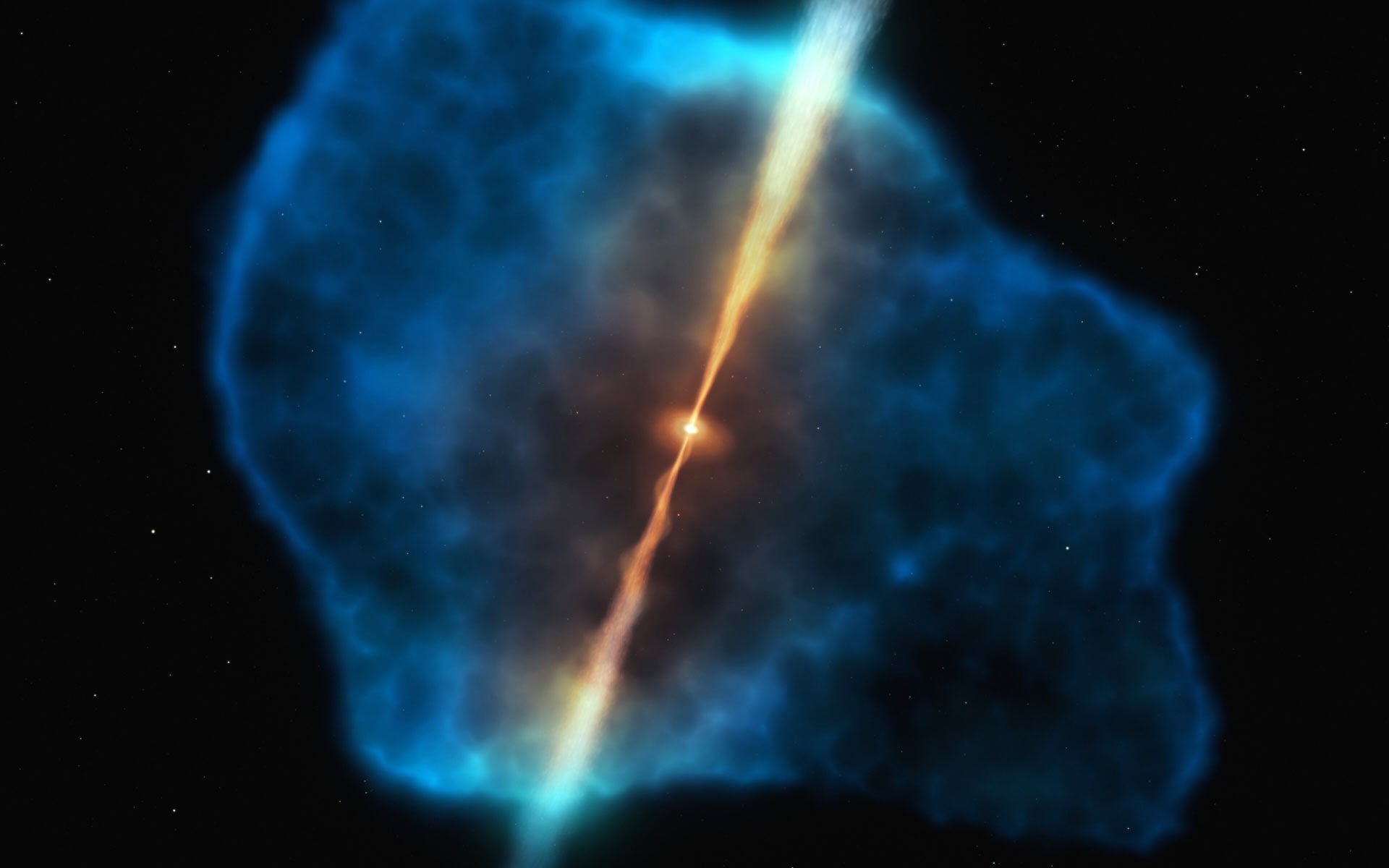
Astronomers using data from the Hobby–Eberly Telescope Dark Energy Experiment (HETDEX) have discovered tens of thousands of gigantic hydrogen gas halos, called “Lyman-alpha nebulae,” surrounding galaxies 10 billion to 12 billion years ago.
Astronomers using data from the Hobby–Eberly Telescope Dark Energy Experiment (HETDEX) have discovered tens of thousands of gigantic hydrogen gas halos, called “Lyman-alpha nebulae,” surrounding galaxies 10 billion to 12 billion years ago.
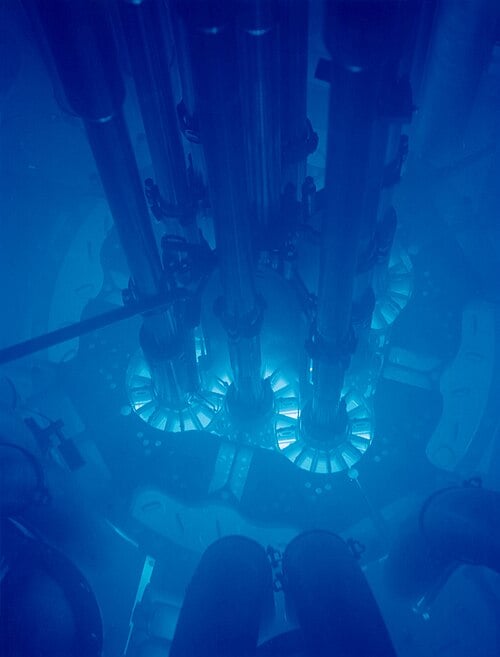
In 1934, a Soviet physicist named Pavel Cherenkov shone gamma rays into a bottle of water and noticed a faint blue glow. So had others before him. They all shrugged and moved on. Cherenkov didn't. What he found — by refusing to dismiss something he didn't understand — turned into one of the most useful phenomena in modern physics.
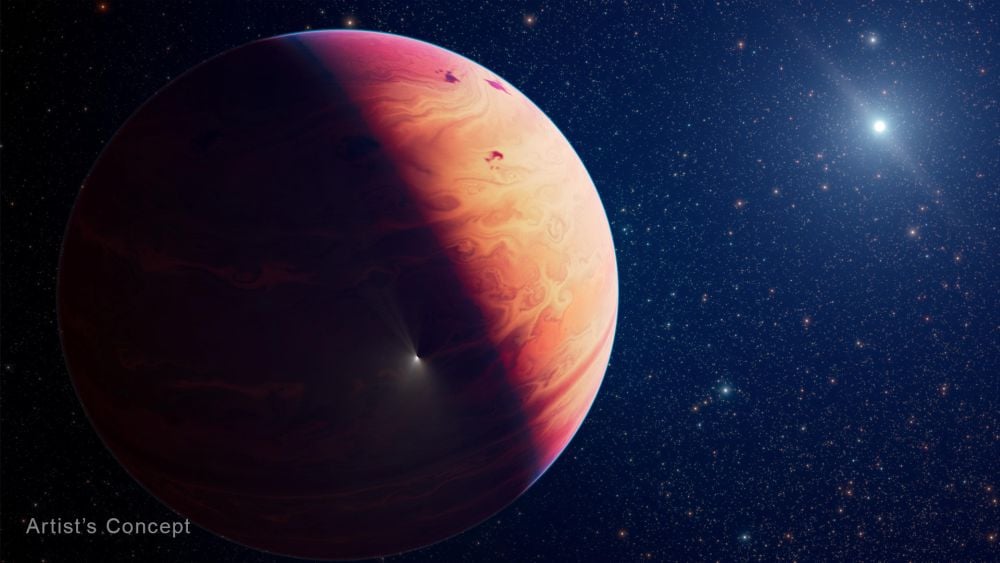
It's obvious that Earth is a planet. It's obvious that the Sun is a star. But for substellar objects like brown dwarfs, it's not so clear. Researchers are using the JWST to find a stronger dividing line between star and planet that depends on how they formed.
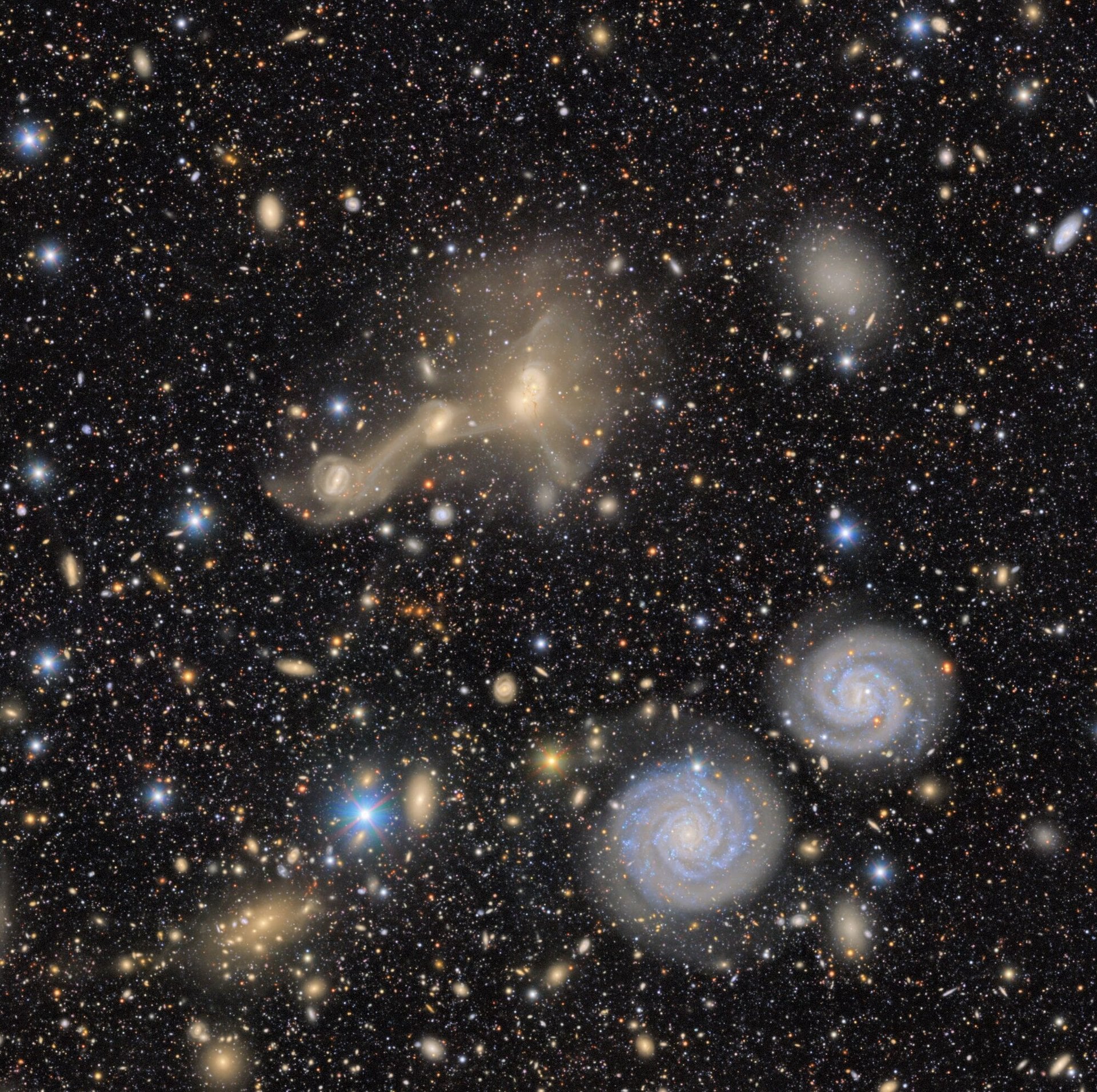
A pair of dwarf galaxies in the giant Virgo Cluster show what can happen when these stellar cities interact. Scientists at the University of Michigan focused the James Webb Space Telescope (JWST) onto the galaxies NGC 4486B and UCD736 and found each of them sporting "overmassive" black holes at or near their hearts. Those supermassive black holes comprise a large fraction of each galaxy's mass.

After achieving their record-breaking 10-day flight around the Moon, the crew of the Artemis II mission returned home on Friday, April 10th, 2026.
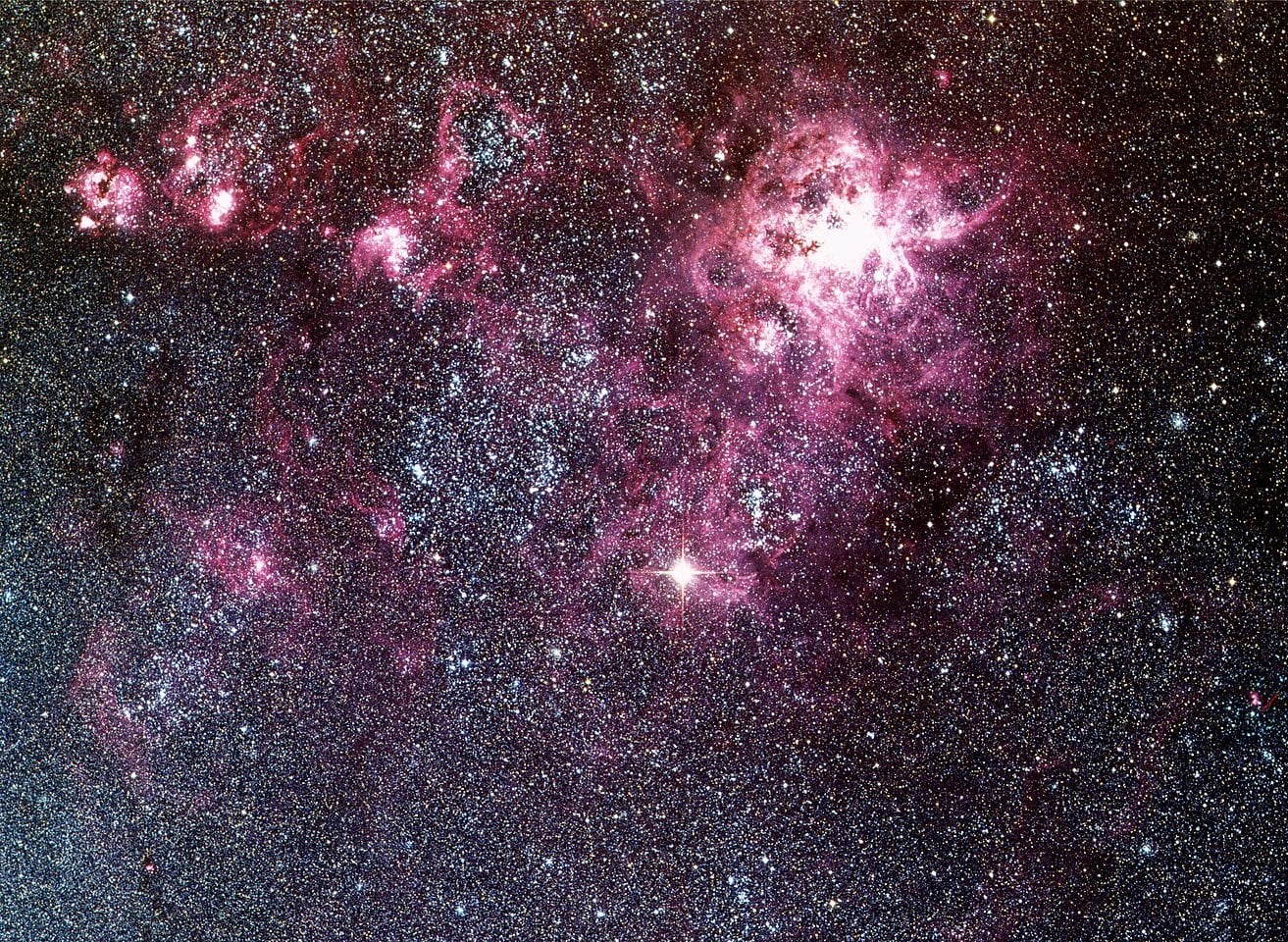
When a massive star explodes on the far side of the universe, the light from that explosion normally fades long before it reaches us. But occasionally, the universe conspires to help. A newly discovered supernova has been caught using the gravity of an entire galaxy as a natural magnifying glass, boosting its light by at least a hundred times and revealing a stellar death that would otherwise have been completely invisible. It is the most magnified supernova ever found, and it opens a remarkable new window onto the distant universe.
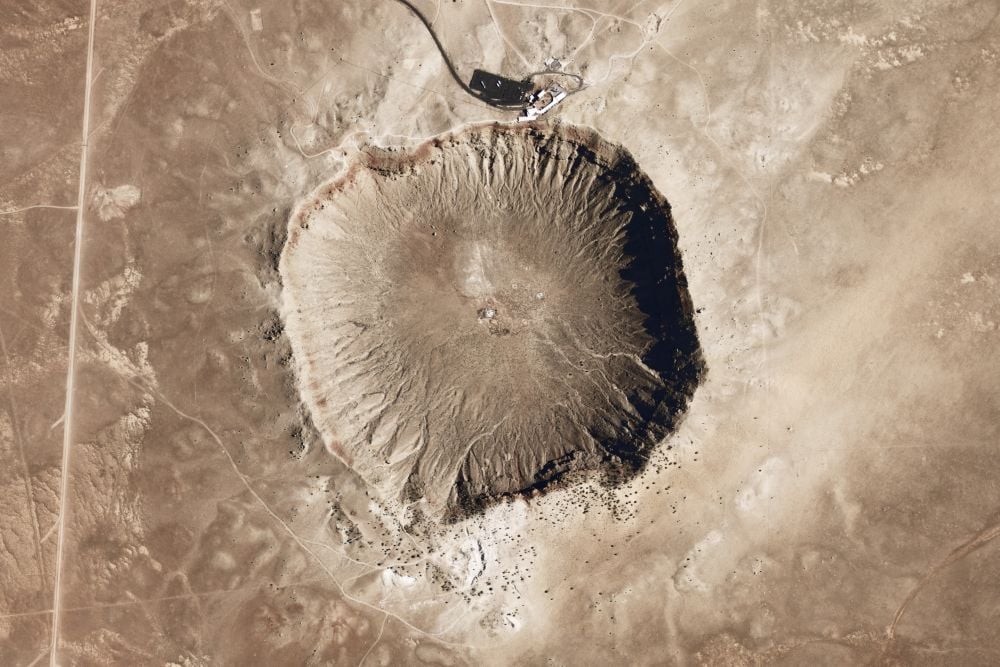
Around 900,000 years ago, an impactor slammed into modern-day Kazakhstan and excavated a crater about 14 km in diameter. It was the most recent hypervelocity impactor powerful enough to trigger a nuclear winter, but not an exinction. New research suggests the crater is almost twice as large, showing that the energy released by the impact was much greater than thought.
