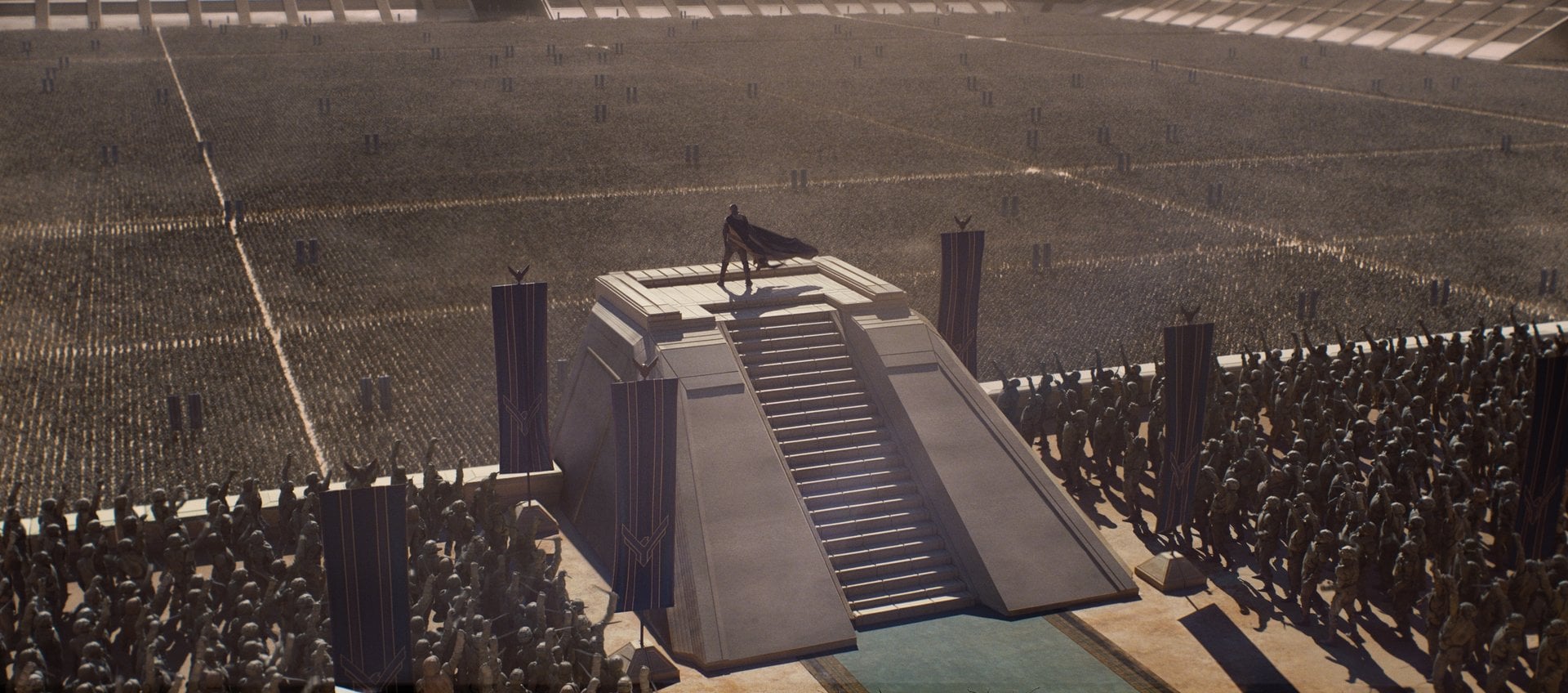
When we make our home on other worlds, who will be in charge? Will it be an emperor? A billionaire? A rebel alliance? Or none of the above? Astrobiologist Jacob Haqq Misra runs through the legal and political options.
When we make our home on other worlds, who will be in charge? Will it be an emperor? A billionaire? A rebel alliance? Or none of the above? Astrobiologist Jacob Haqq Misra runs through the legal and political options.
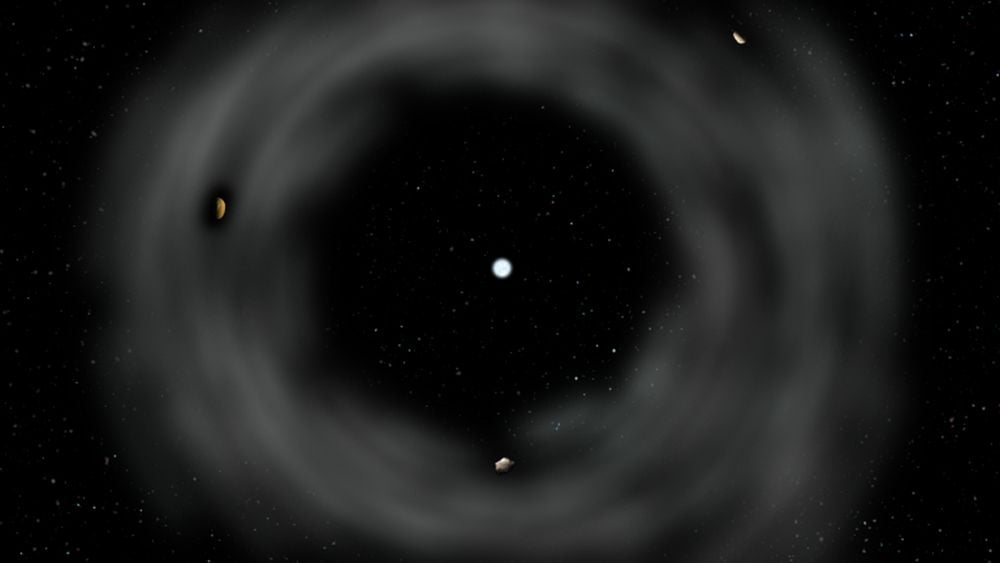
Astronomers are finding more dusty disks around white dwarf stars, and some of them are home to asteroids. But how these rocky asteroids are turned to dust and form these rings isn't clear. New research shows that the white dwarf's gravity alone can't shred them to dust.

The Vera Rubin Observatory has detected two more of the Milky Ways' dim, hard to see satellites. One is an ultra-faint dwarf galaxy, and one is a globular cluster. Each one is a missing piece of the puzzle in the Milky Way's merger history. By finding more of these satellites, our understanding of galaxy growth, and the role dark matter plays in it, will improve.
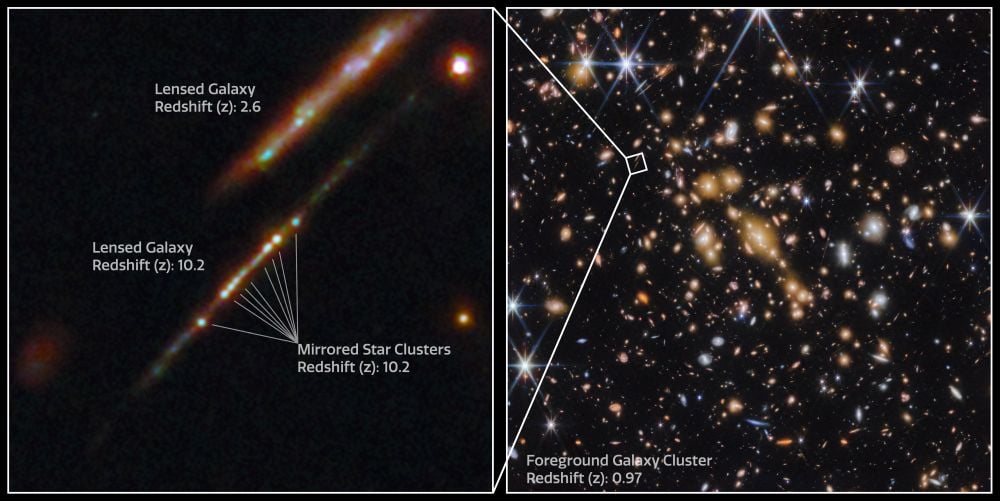
Astrophysicists think that black holes grow through a hierarchical merger framework. But the elusive Intermediate Mass Black Holes are the missing link between stellar mass black holes, and the gargantuan supermassive black holes like the one at the center of the Milky Way. The JWST may have found the ancient sources of IMBH heavy seeds: young massive clusters in the high-redshift Universe.
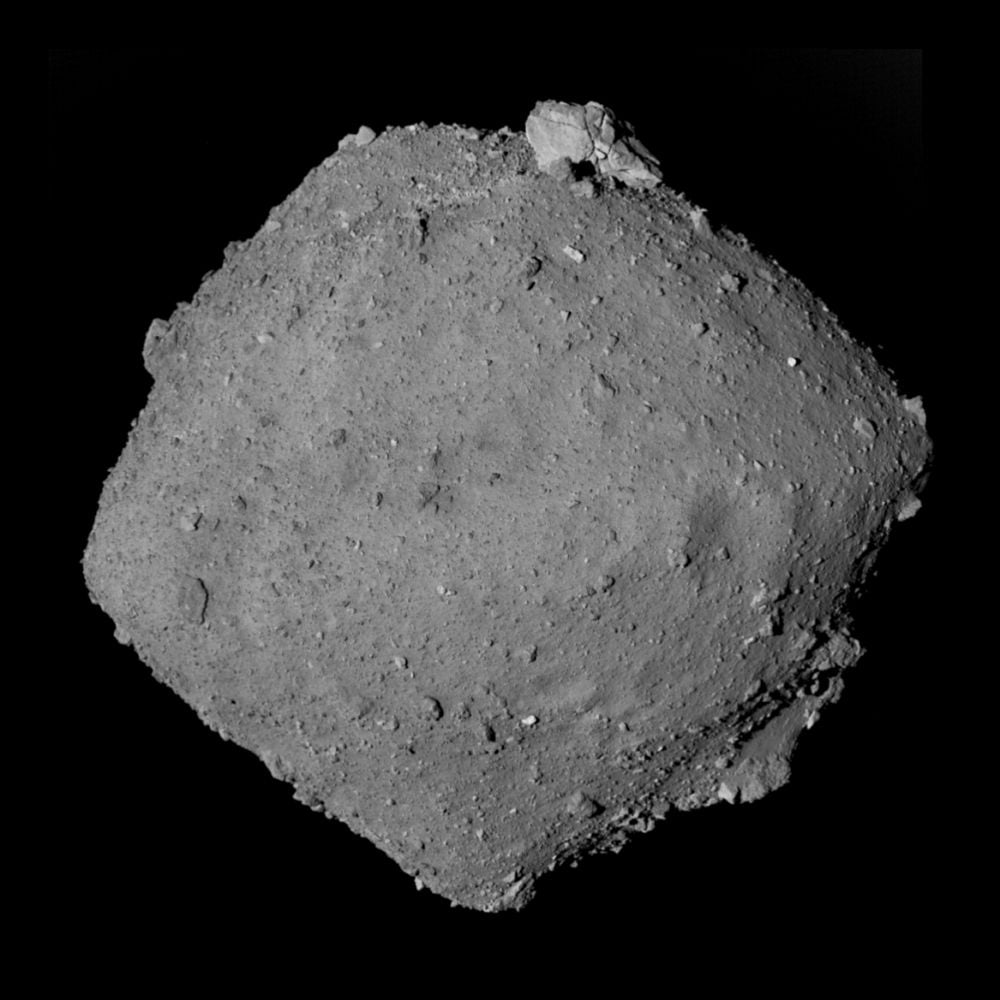
Samples from the asteroid Ryugu, and from carbonaceous chondrites that have crashed on Earth, present an apparent contradiction. Their fine-grained matrices have widely varied compositions of their clay-like minerals. That suggests that there were widely different aqueous environments in the same parent bodies, which seems unlikely. But new research may have solved that contradiction.
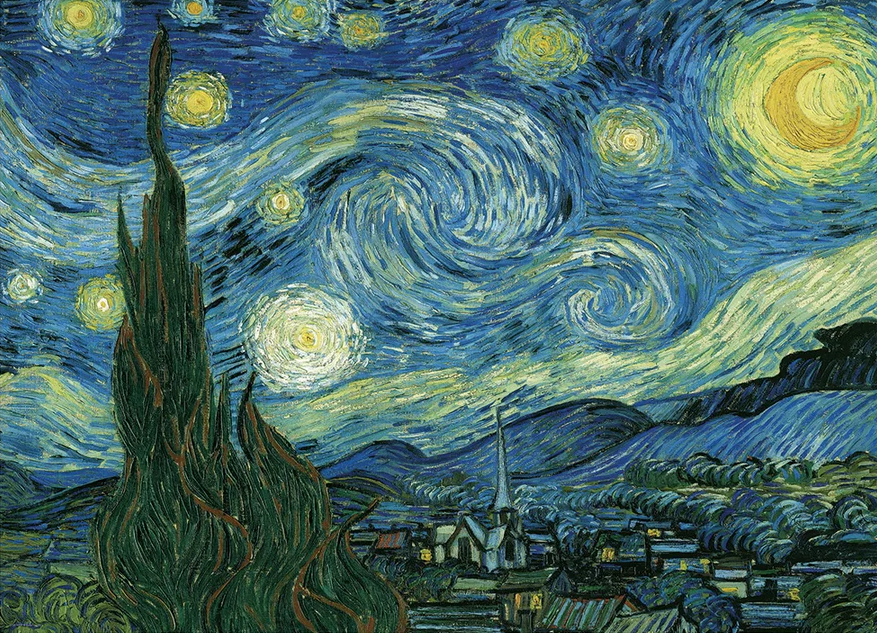
The sky in Vincent van Gogh’s The Starry Night (1889) matches, in both observation and shape, the pre-dawn sky over Saint-Rémy around 22 July 1889, when a waning crescent moon, Venus and the Hyades star cluster appeared close together, according to a study published inScientific Reports.
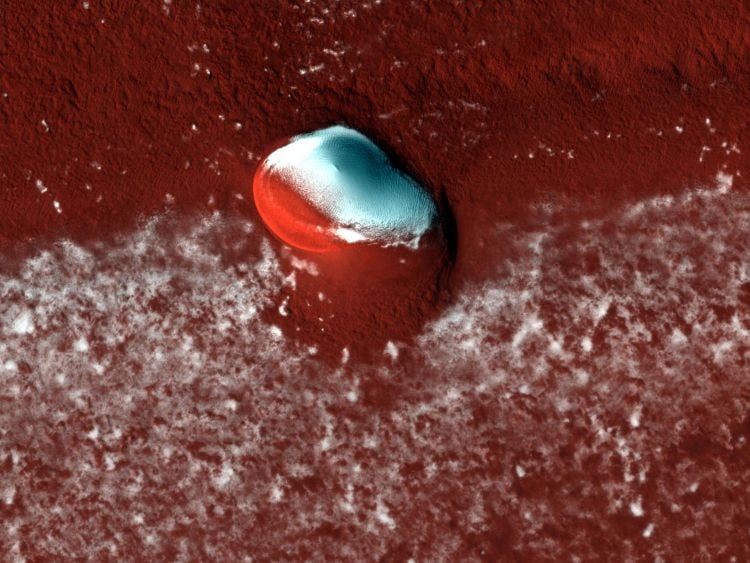
The planet Mars shares many landforms and weather patterns with the Earth, including changing seasons, volcanoes, canyons, dust storms and dust devils, and water ice. But one feature that Earth and Mars share among the eight planets in our solar system are polar ice caps. Both are one of each planet’s striking features, but the major difference is while Earth’s polar ice caps are both comprised of water, Mars’ north polar ice cap is only comprised of water while its southern polar ice cap is carbon dioxide. The reasons for this are determined by altitude, but Mars’ northern polar ice cap is one of the most studied regions primarily due to its water ice composition. But how does the north polar ice cap water ice change with the seasons compared to Earth, and what can this teach scientists about Mars’ climate history?
