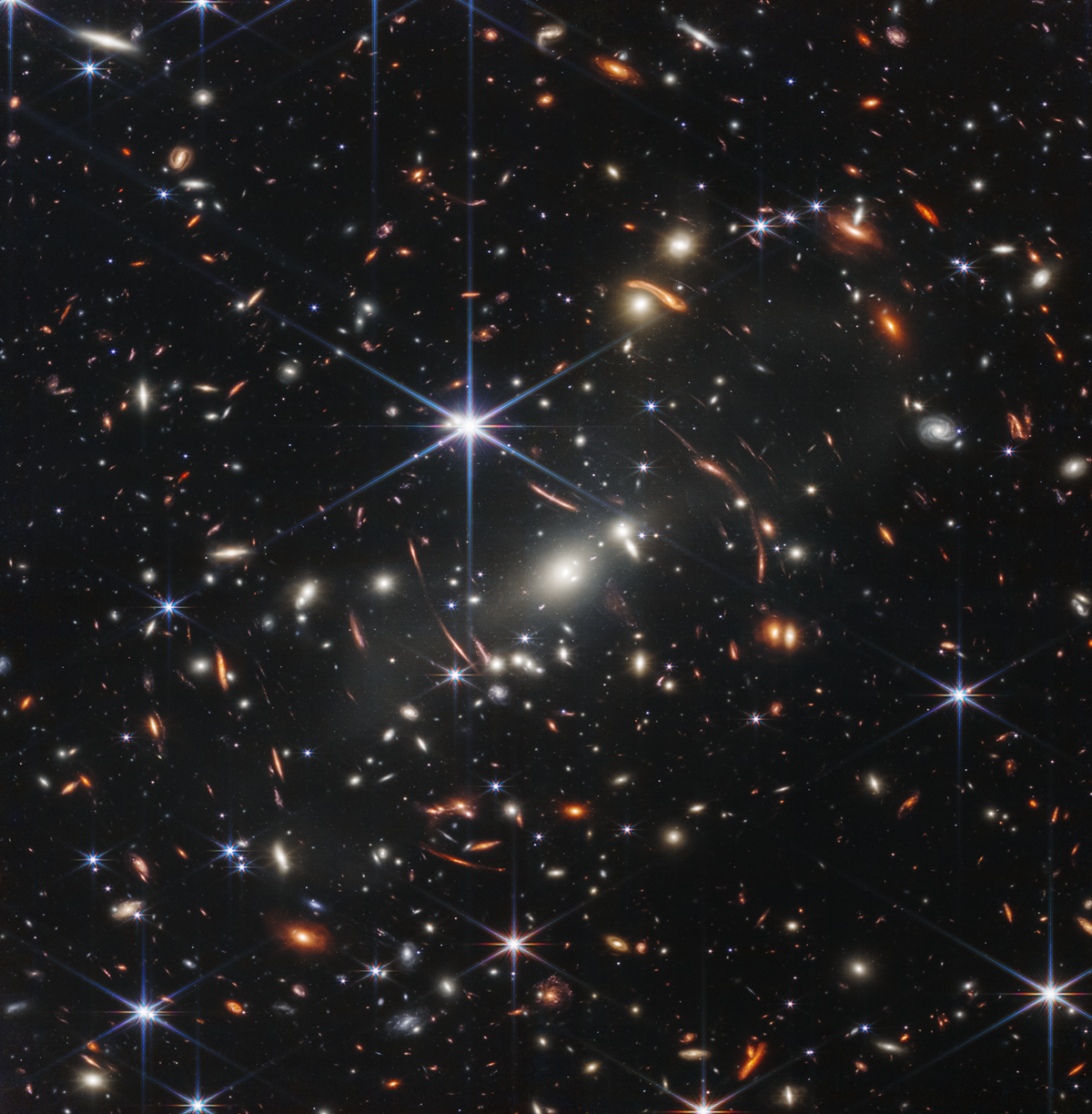
In a recent study, researchers at the international MEGATRON project used some of the most detailed simulations of the early Universe to investigate how the first stars and galaxies formed.
In a recent study, researchers at the international MEGATRON project used some of the most detailed simulations of the early Universe to investigate how the first stars and galaxies formed.
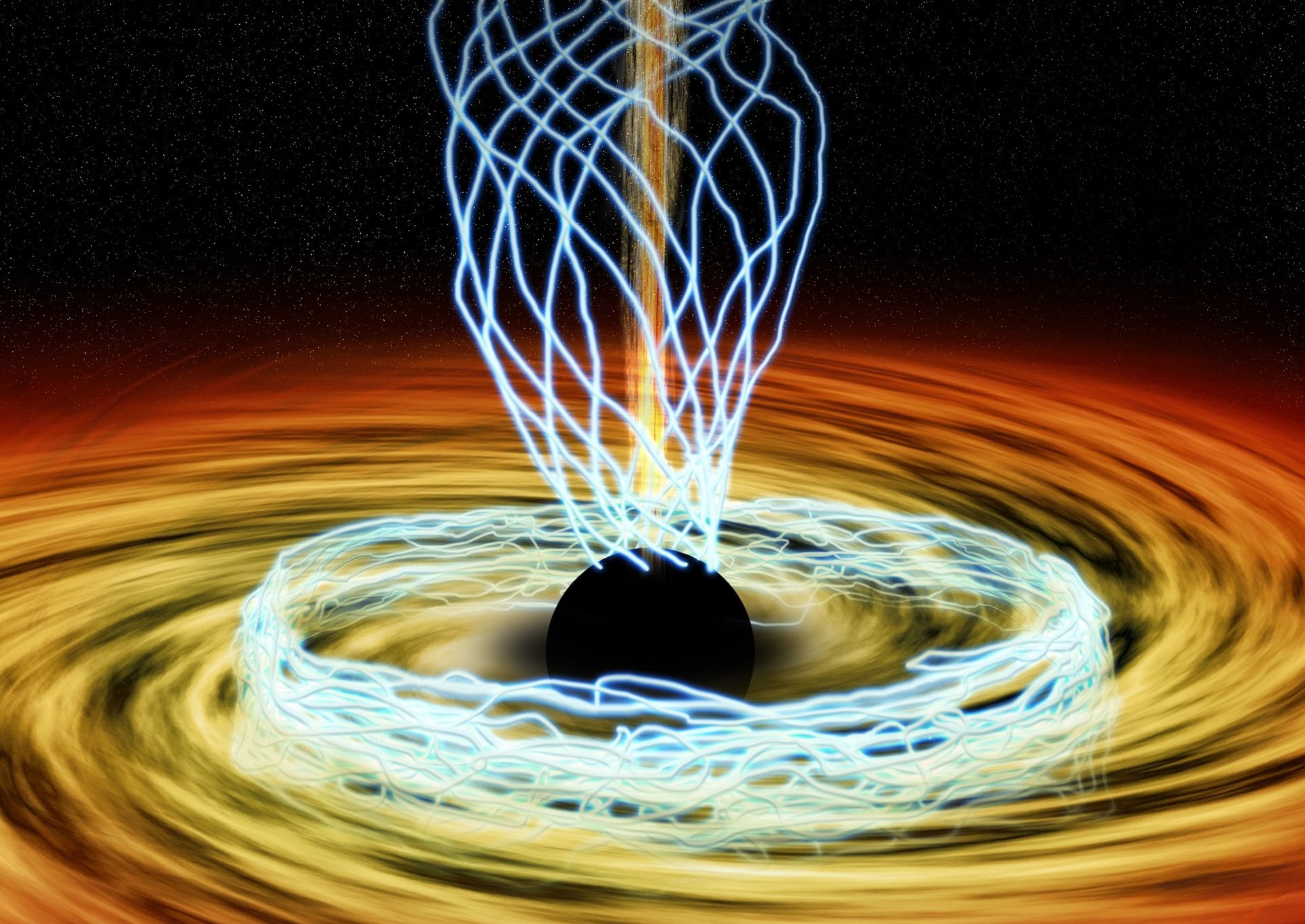
Supermassive black holes generate tremendous amounts of energy through their accretion disks and jets. But they can also generate energy through the magnetic Penrose process. A new study looks at how we might observe this process through multimessenger astronomy.
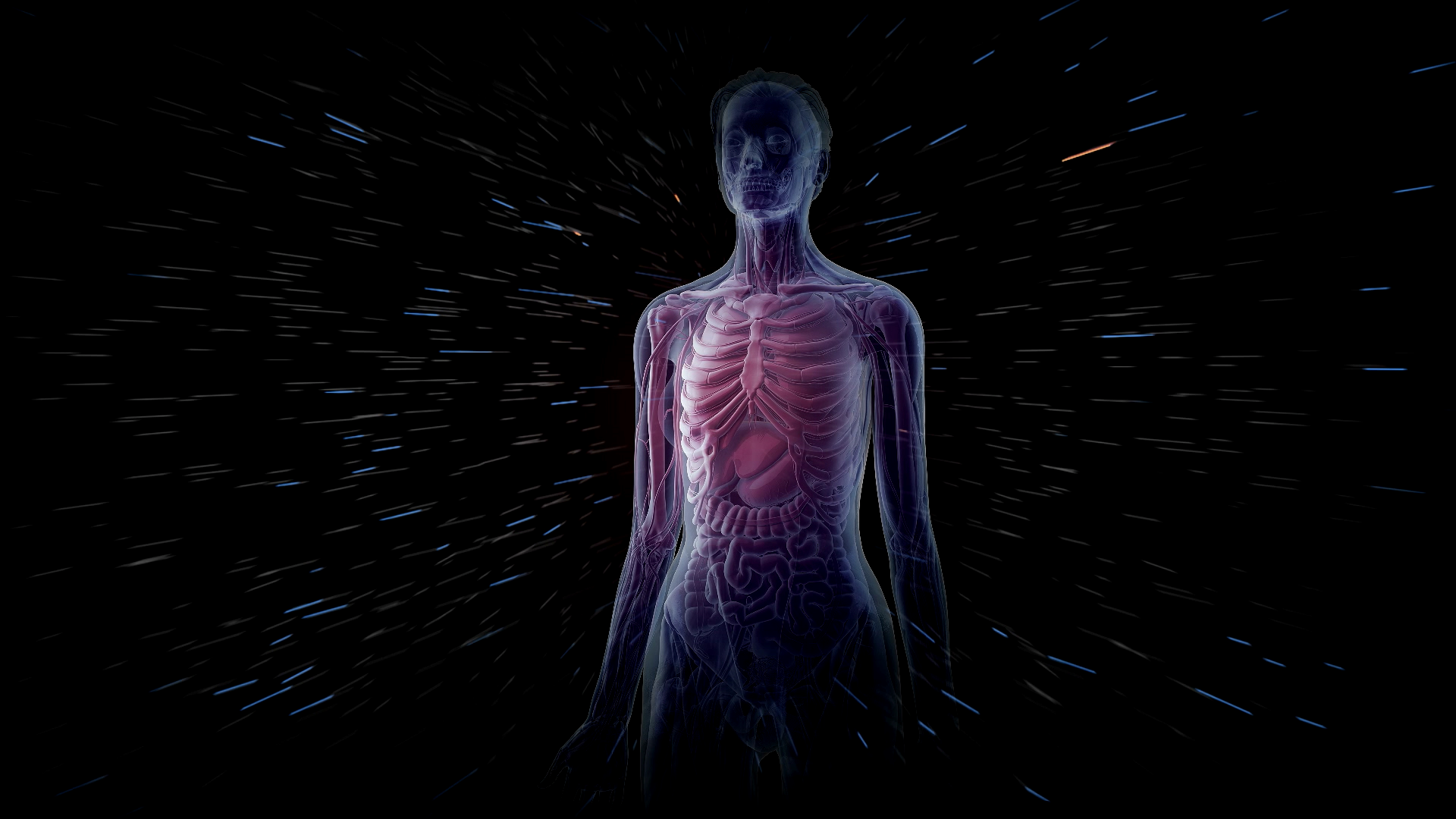
Deep space travel comes with a huge potential downside - radiation exposure that can kill an astronaut either quickly or slowly over time if not managed correctly. But what exactly does that mean, and is there any way to handle it other than sticking more and more protective layers between the squishy biological systems inside a spacecraft and the radiative void of deep space? A new paper from researchers at Oklahoma State University and the University of Texas Health Science Center hopes to answer both questions, and while the causes of radiation they point out are complex, they also offer some potential solutions as well.
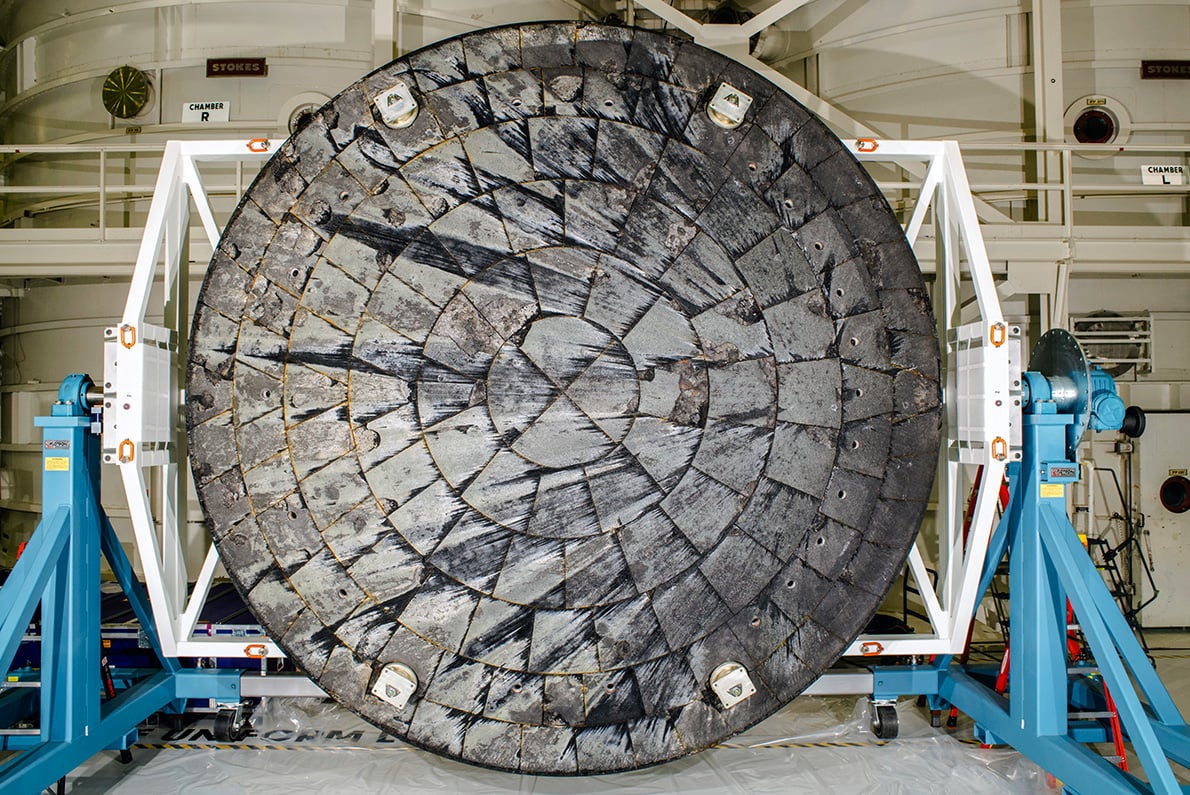
Heat shields are undeniably one of the most important parts of any spacecraft that intends to enter an atmosphere. And the material they are made out of is absolutely critical. Improving them has been a bit of a challenge though, as typically researchers only get “before” and “after” pictures of when the heat shield completes its job of helping a spacecraft land safely back on Earth. That changed recently, though, with a collaboration between NASA and the Advanced Light Source (ALS) located at Lawrence Berkeley National Laboratory, which allowed researchers to watch a heat shield fall apart in real time.
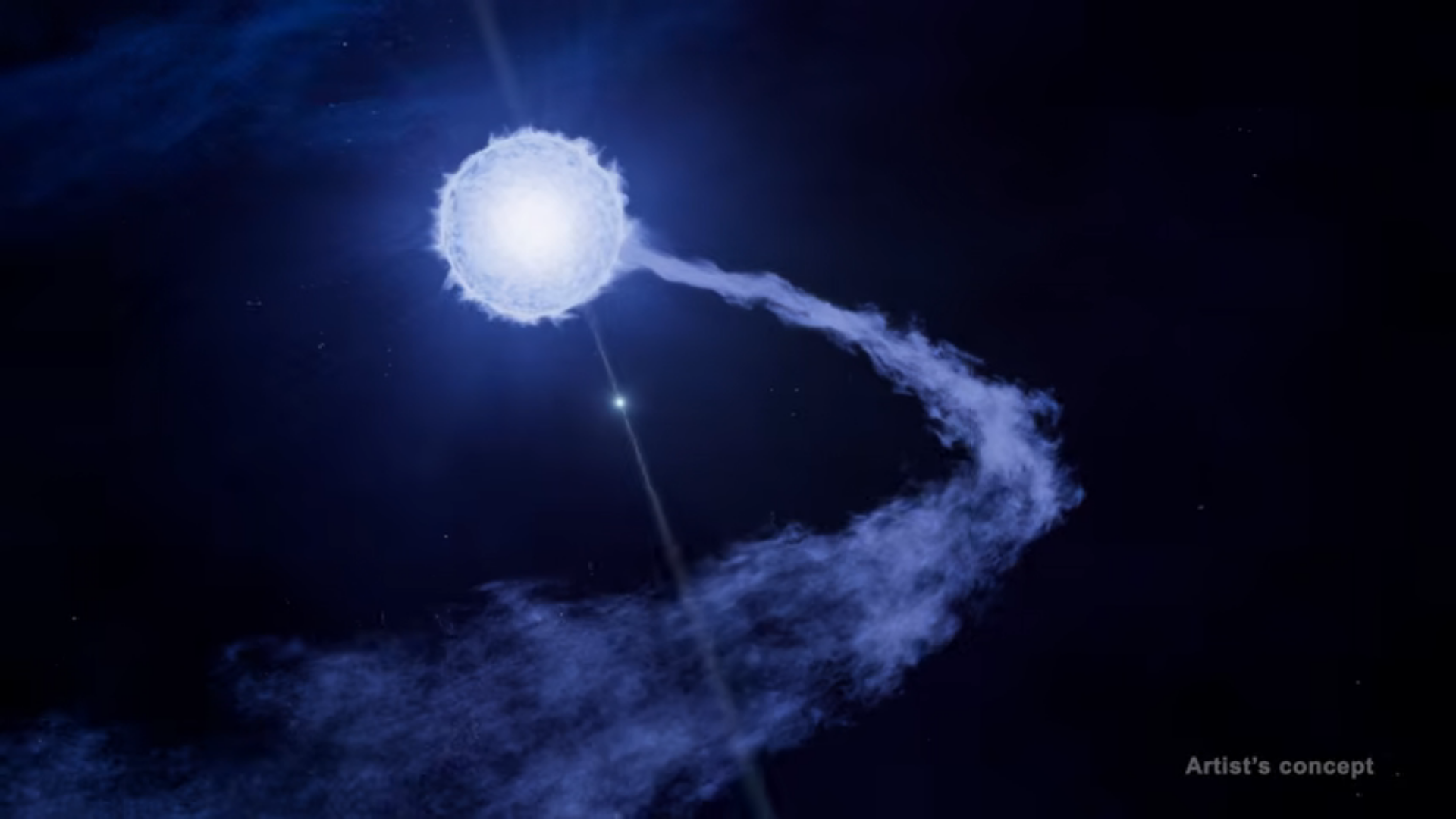
Using data from the Japan-led XRISM observatory, astronomers have directly observed a giant star’s stellar wind captured by its compact companion (triggering X-ray flares) for the first time.
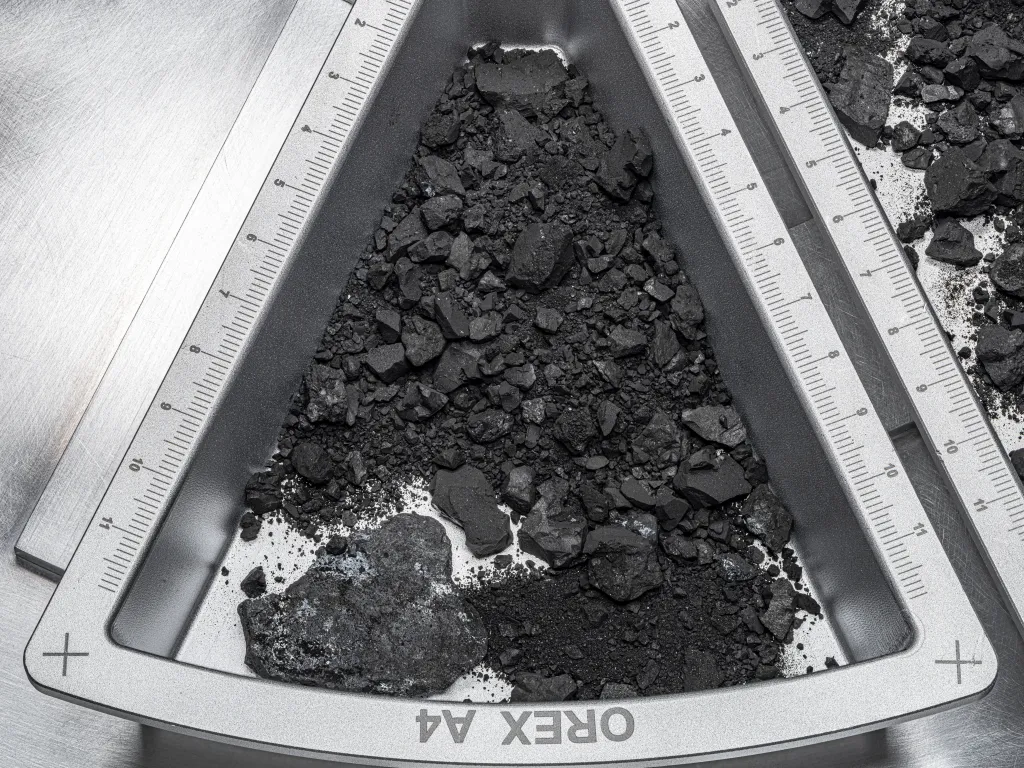
Asteroid sample return missions have brought well preserved samples of the early solar system (that hadn’t been roasted in a fireball) back to Earth for the first time. But those samples, like the OSIRIS-REx sample from asteroid (101955) Bennu, sometimes provide more questions than answers. A new paper, published in Science Advances from researchers at ETH Zurich and Lawrence Livermore National Laboratory, highlights one of those questions - why Bennu appears to have been born in both the inner and outer solar system - and a possible answer to it.
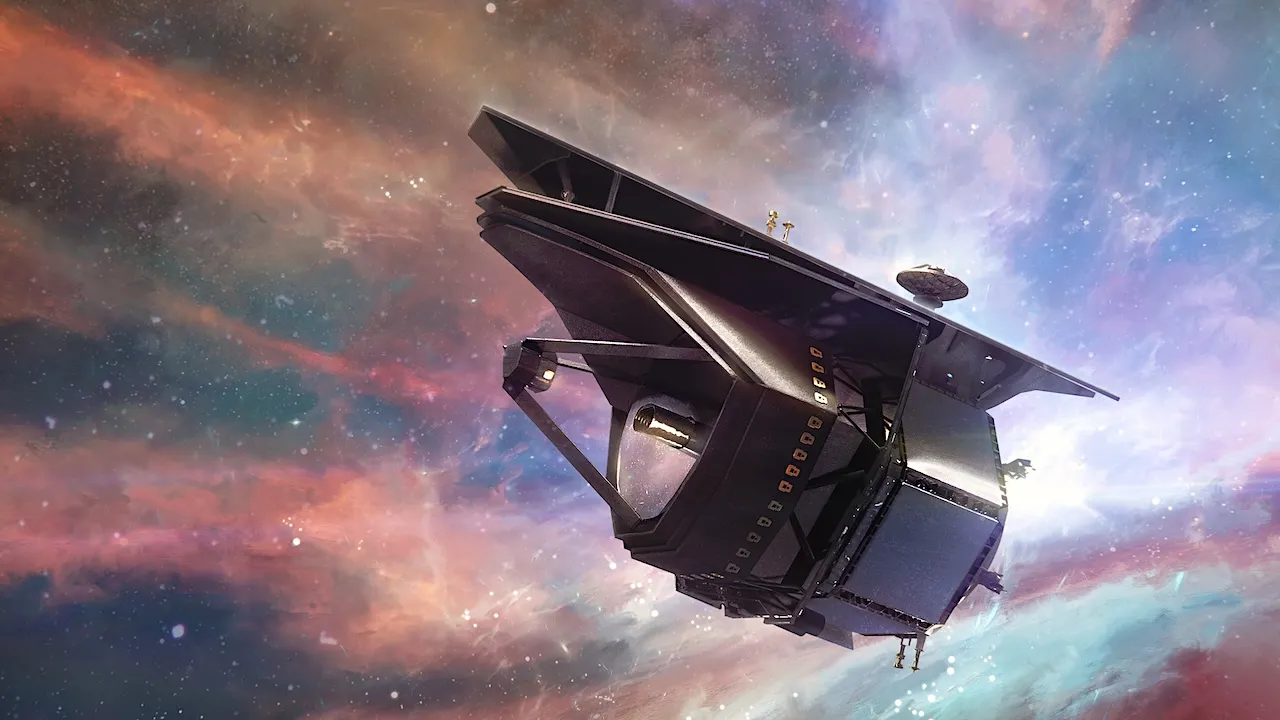
NASA announced Wednesday a mission to explore the history and evolution of the universe, PRIMA (PRobe far-Infrared Mission for Astrophysics), is advancing to the next phase of development. This space telescope is the first in a new class of NASA astrophysics missions, called Probe Explorers, within the agency’s longstanding Explorers Program.
