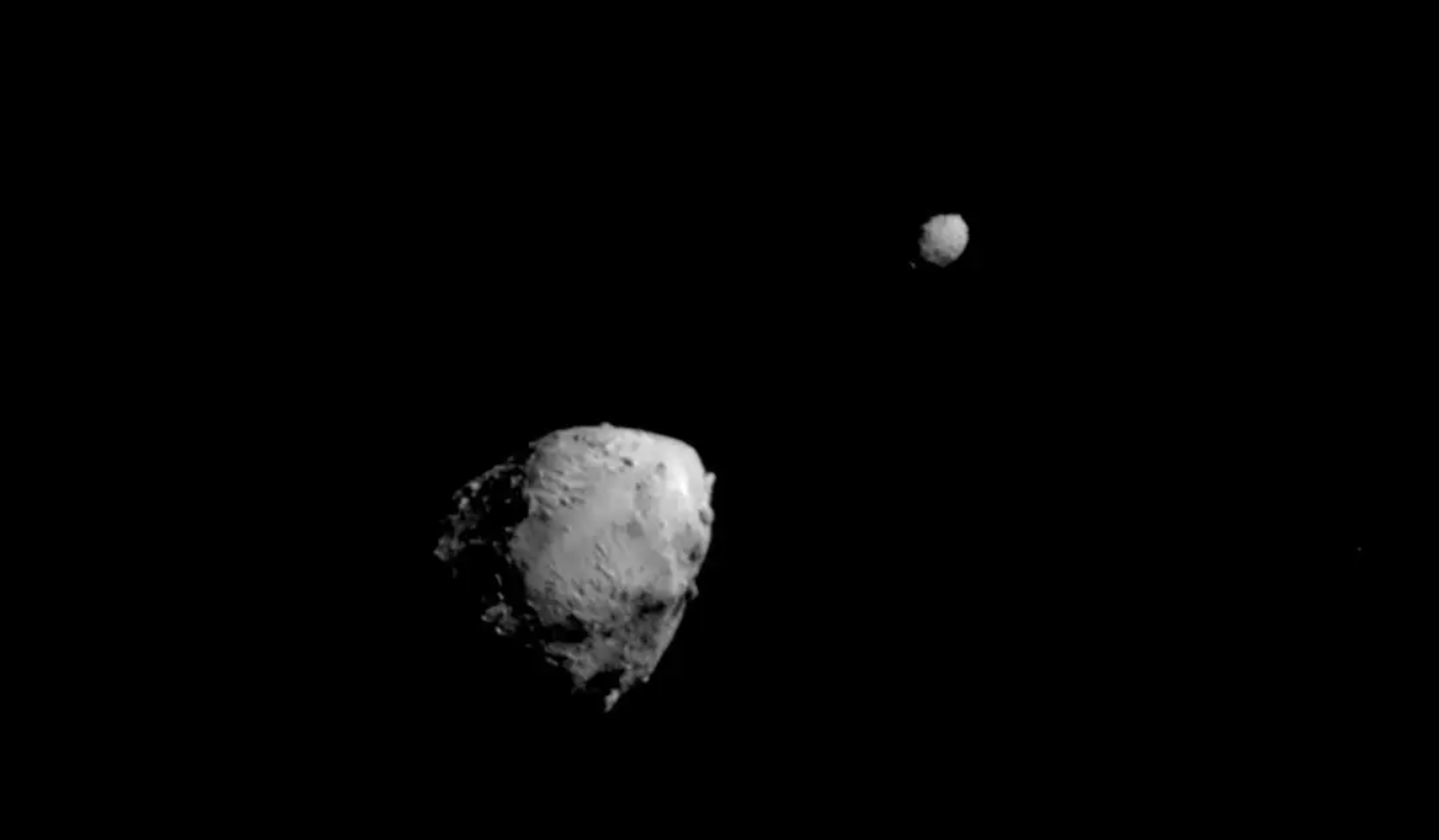
The spacecraft changed the binary system’s orbit, confirming that a kinetic impactor can be an effective planetary defense technique for deflecting a near-Earth object.
The spacecraft changed the binary system’s orbit, confirming that a kinetic impactor can be an effective planetary defense technique for deflecting a near-Earth object.
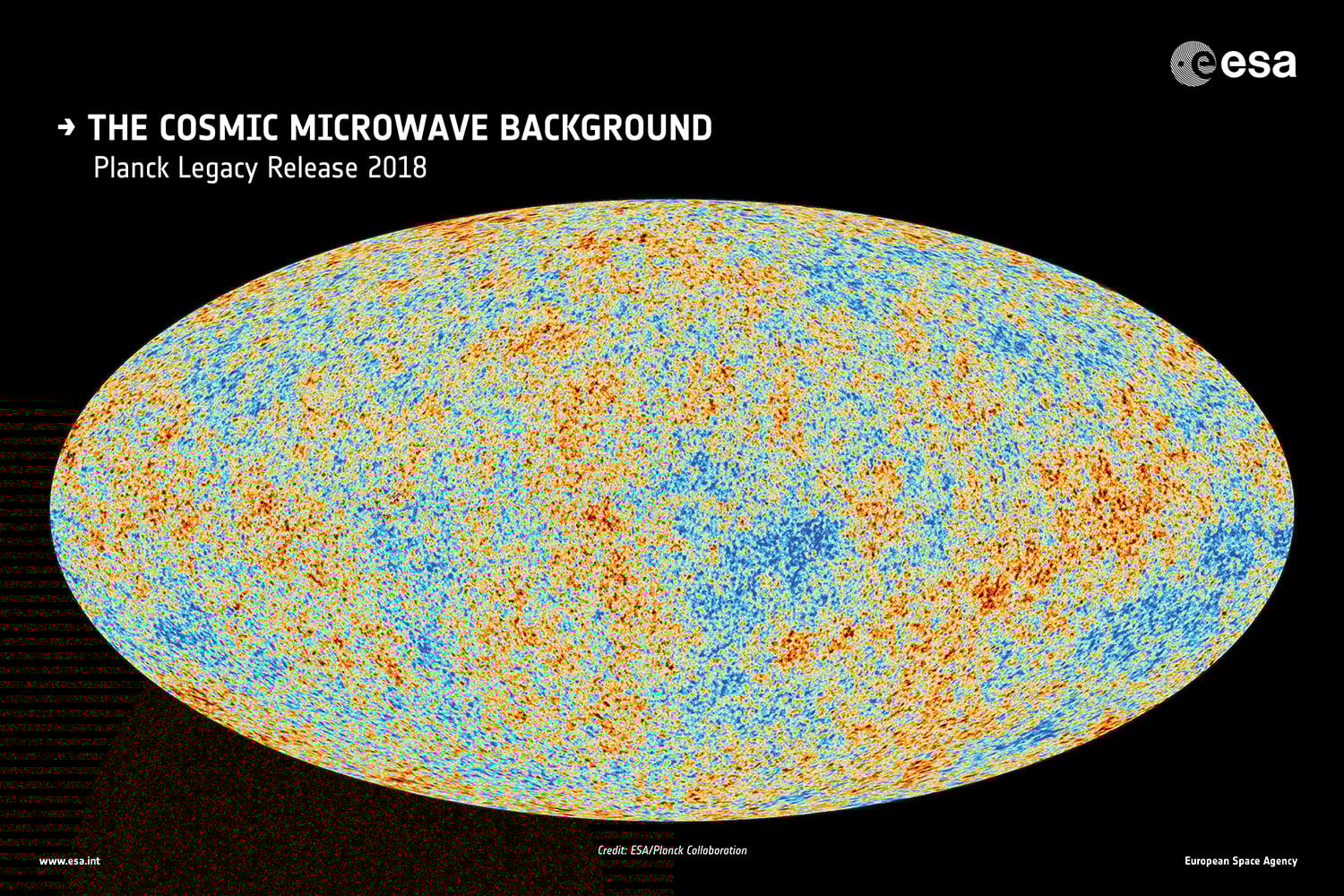
Every time you flip a light switch, or check the time, or feel the sodium ions wiggling in your brain — don’t think about that one too much—you’re assuming something fundamental. You’re assuming the universe is a finished product. A completed work. You think the Big Bang happened, the forces of nature settled into their seats, and we’ve been cruising on a smooth, predictable ride ever since.
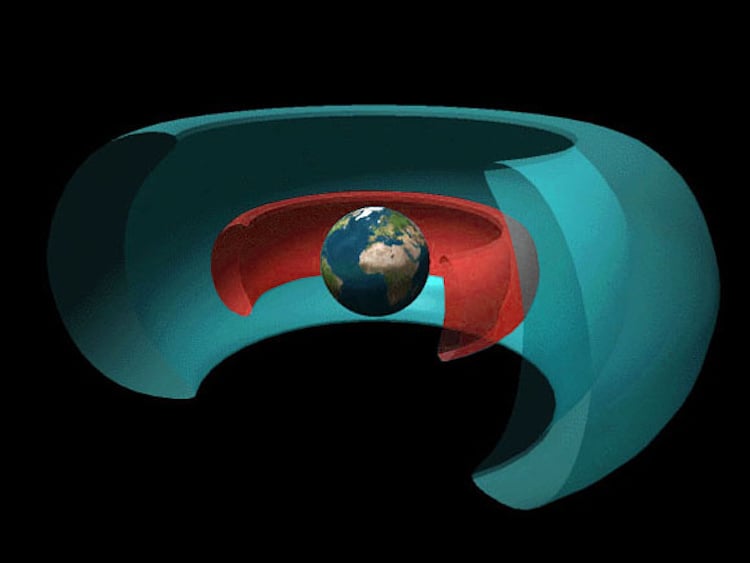
Every planet with a magnetic field has a radiation belt, a region of space where charged particles get trapped and flung around at extraordinary speeds. Earth has two of them, and they've been puzzling scientists for decades. Now, a physicist at the University of Helsinki has built a model that defines a universal upper limit to just how energetic those belts can ever get. The answer applies not just to Earth, but to every planet in the Solar System, every gas giant, and even the strange objects sitting halfway between planets and stars.
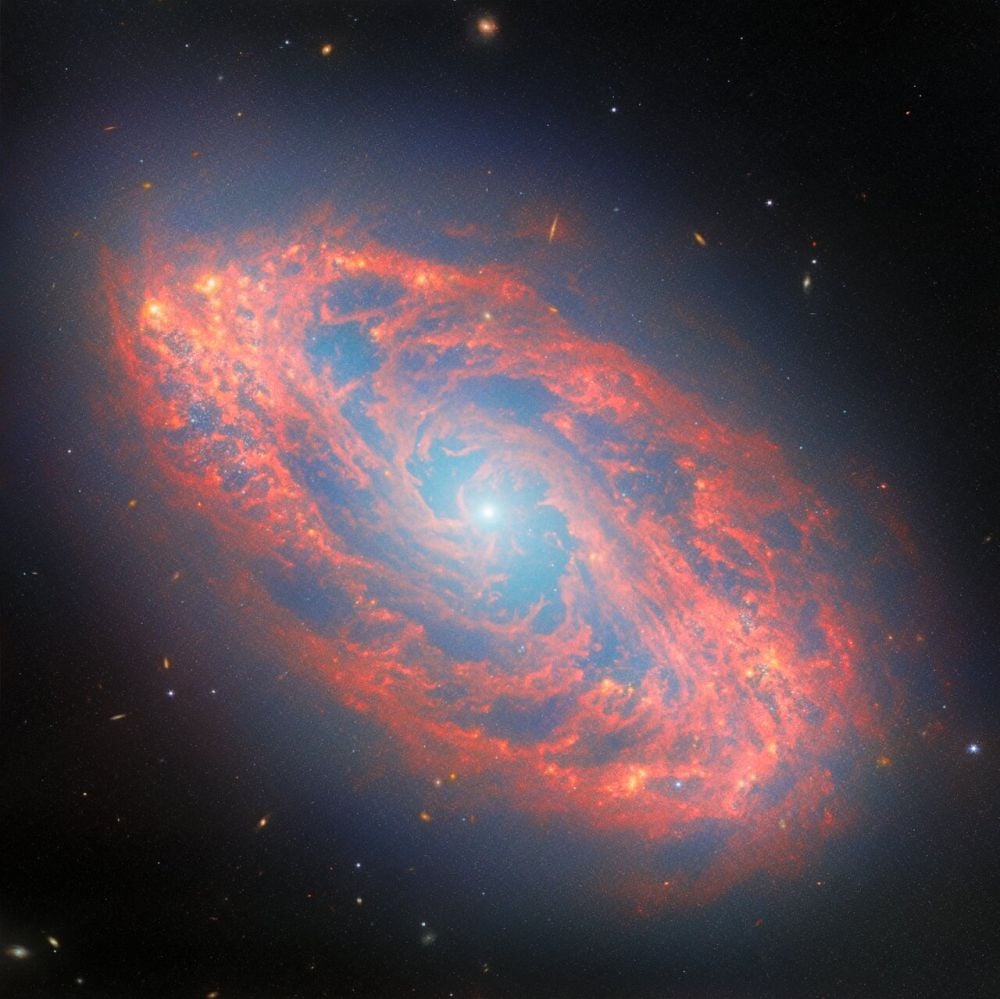
Stars peek through the dusty, winding arms of NGC 5134, a spiral galaxy located 65 million light-years away, in this Feb. 20, 2026, image from NASA’s James Webb Space Telescope. Webb’s Mid-Infrared Instrument collects the mid-infrared light emitted by the warm dust speckled through the galaxy’s clouds, tracing the clumps and strands of dusty gas. The telescope’s Near Infrared Camera records shorter-wavelength near-infrared light, mostly from the stars and star clusters that dot the galaxy’s spiral arms. The image helps researchers understand star formation in spiral galaxies. Image Credit: ESA/Webb, NASA & CSA, A. Leroy
So that's all nice. But why now? That's the question everyone asks. We went decades — centuries, millennia really — without seeing a single rock that didn't have a "Made in the Solar System" sticker on it. Then, in the span of less than ten years, we get the Big Three: 'Oumuamua, Borisov, and now 3I/ATLAS.
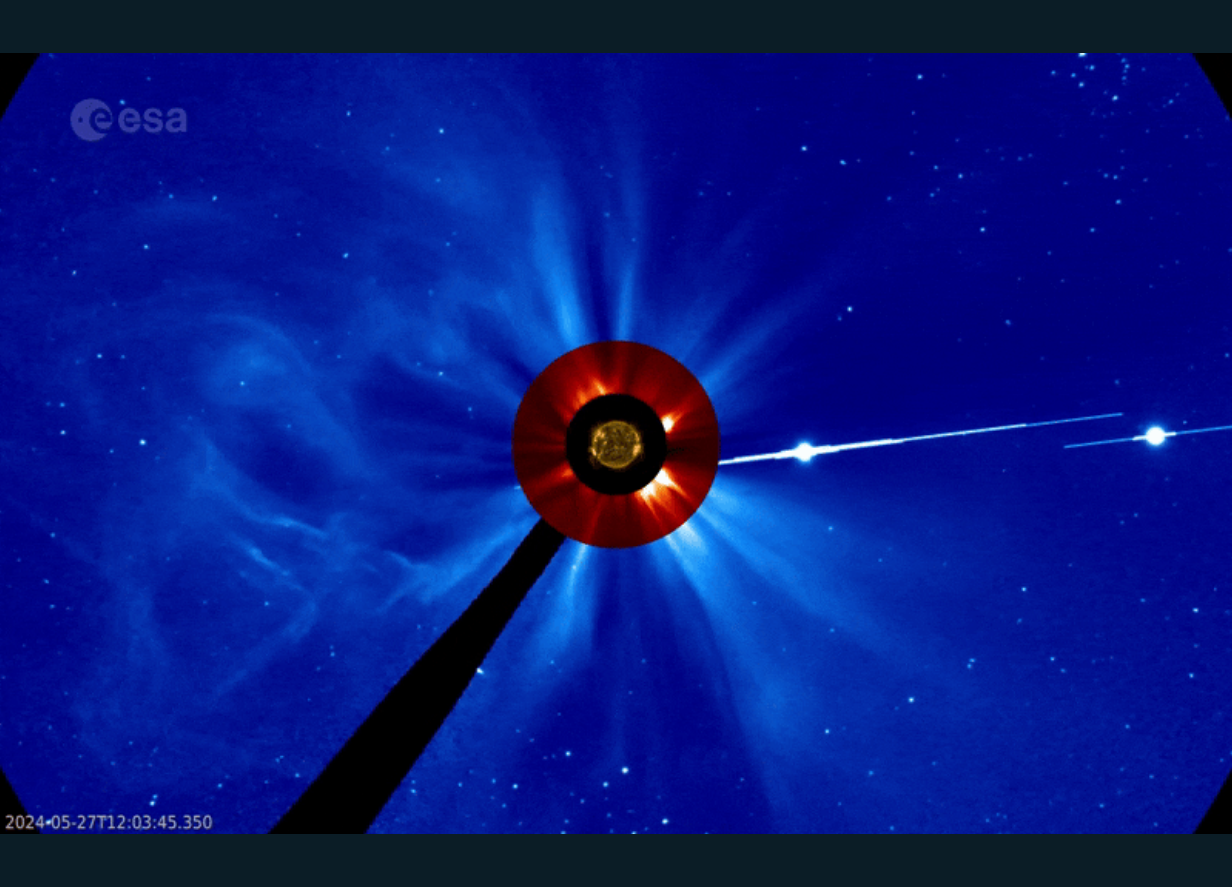
What happens when a solar superstorm hits Mars? Thanks to the European Space Agency’s Mars orbiters, we now know: glitching spacecraft and a supercharged upper atmosphere.
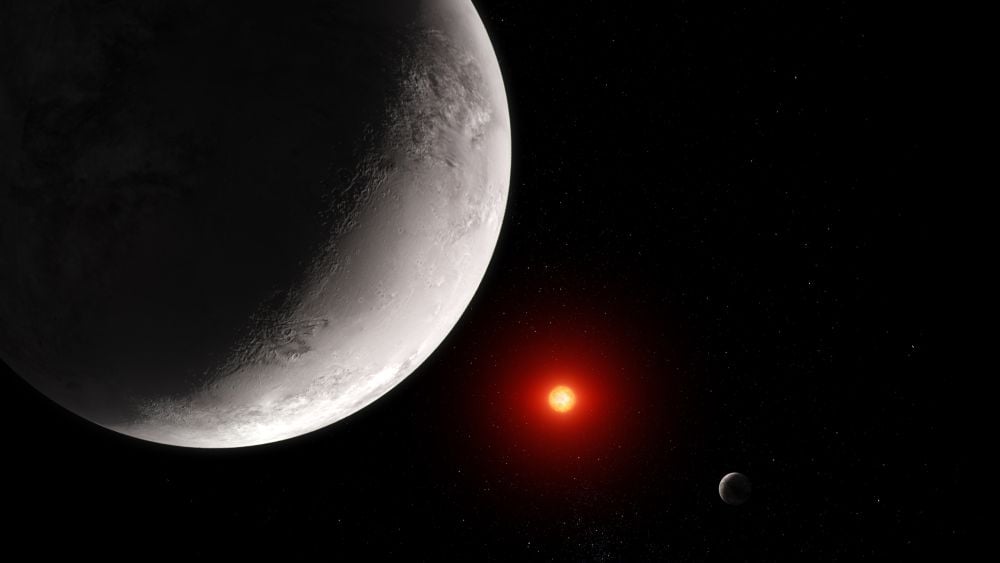
Rocky planets are found in abundance around M-type stars (red dwarfs), so finding another one doesn't always generate headlines. But an international team of astronomers say that one recent M-dwarf rocky planet found by TESS is especially noteworthy. This one can serve as a benchmark for comparative studies of this type of exoplanet and their at-risk atmospheres.
