Thursday, November 13, 2025

More Research Shows That Enceladus Has A Stable Ocean That Could Host Life

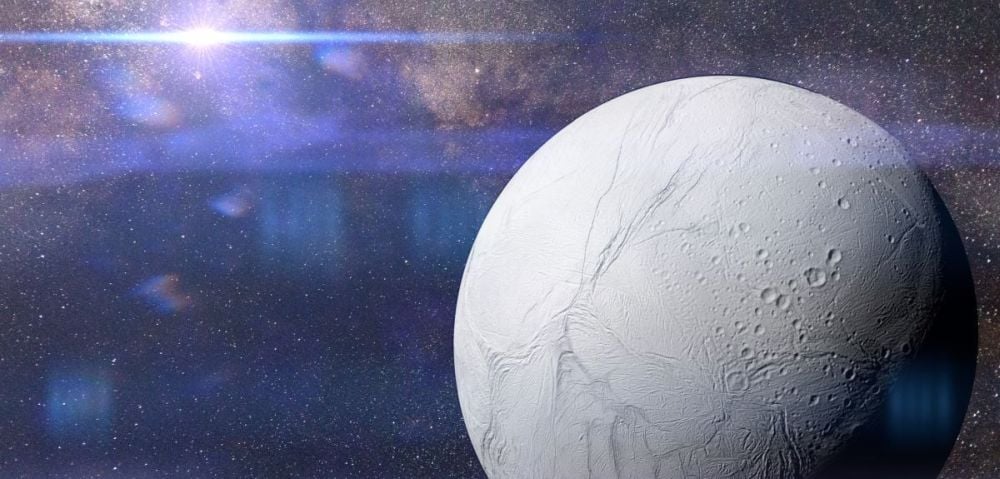
Researchers have uncovered evidence that the ocean on Saturn's moon Enceladus is in balance. The ocean loses as much heat as it gains, boosting its prospects for habitability. Image Credit: Oxford University

Is Saturn's moon Enceladus habitable? There's ample evidence that the moon holds a warm ocean underneath its frozen surface, and that the building blocks of life are present in that ocean. But for life to arise and persist, the ocean needs to sustain itself for a long time, and new research shows that's exactly what's happening.


If The Supernova Standard Candle Is Wrong, It Could Solve The Hubble Tension

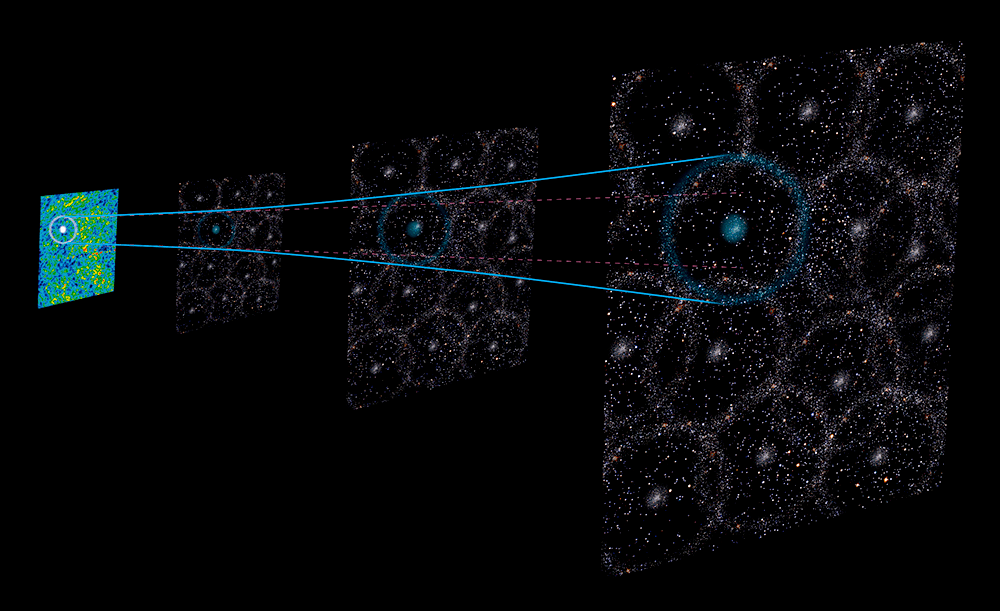
An illustration showing how Baryon Acoustic Oscillations (BAOs) expand with the Universe. Credit: Gabriela Secara, Perimeter Institute CC-BY-4.0

New evidence suggests the standard model of cosmology is wrong, but the results could resolve the long-standing Hubble Tension problem in modern cosmology.


Wednesday, November 12, 2025

Euclid's First Data Release Sheds Light on Galaxy Evolution

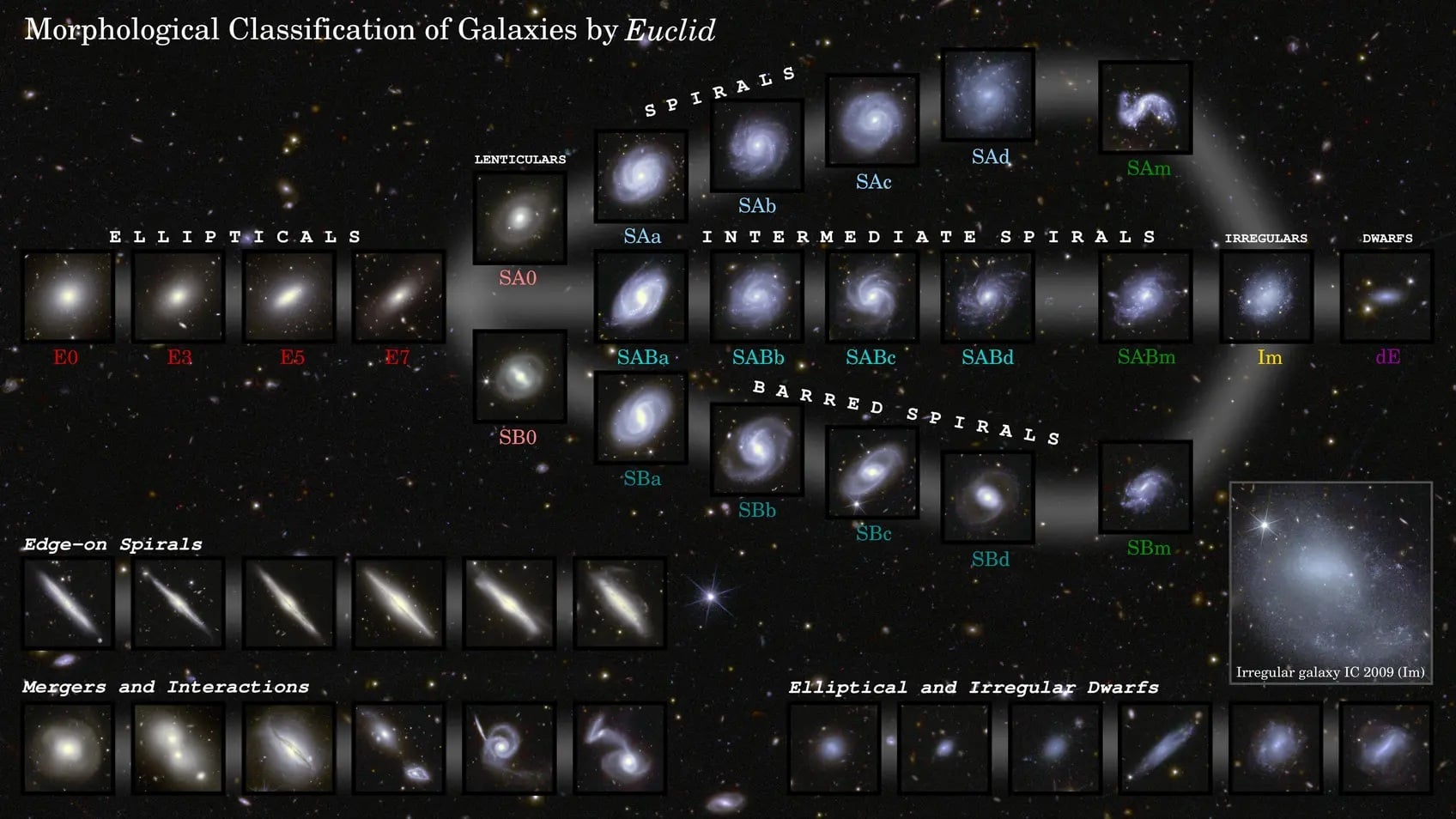
This image shows examples of galaxies in different shapes, all captured by Euclid during its first observations of the Deep Field areas. © ESA/Euclid/Euclid Consortium/NASA, image processing by M. Walmsley, M. Huertas-Company, J.-C. Cuillandre

ESA’s Euclid space telescope is revealing the patterns of galaxy evolution of millions of galaxies across cosmic time. Scientists from the Max Planck Institute for Extraterrestrial Physics (MPE) are using this data to trace how galaxies grow, merge, and transform.


The Intruder That Knocked Our Planets Askew

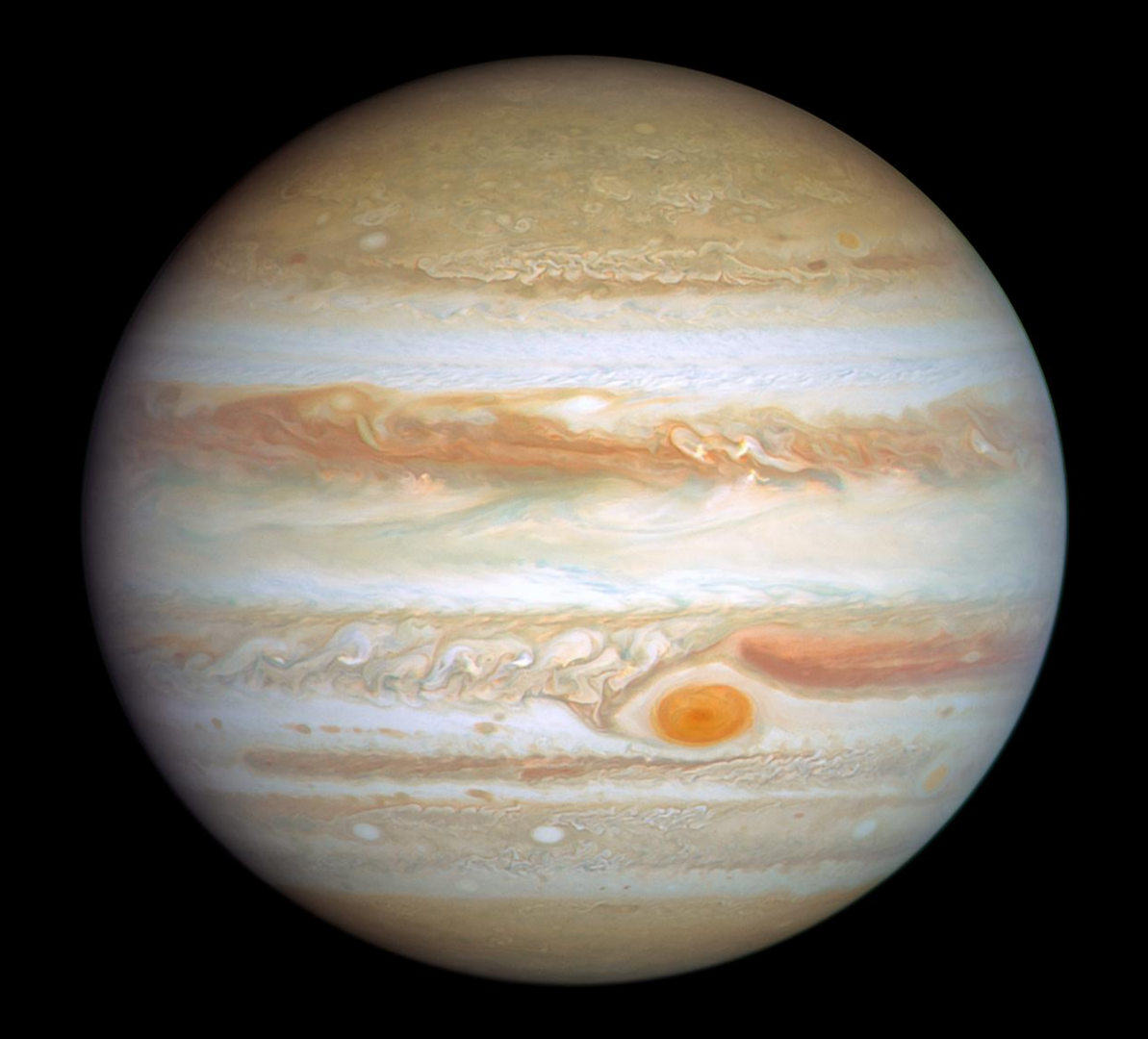
Jupiter, along with the other outer planets may have had its orbit influenced by an interloper early in the Solar System's history (Credit : NASA/STSCI)

Billions of years ago, a rogue planet eight times more massive than Jupiter tore through our Solar System, passing closer to the Sun than Mars orbits today. That single violent encounter may explain why our giant planets don't orbit in perfect circles like formation theories predict and new simulations suggest there was roughly a one in 9,000 chance it happened at all. The discovery reveals that near misses with interstellar wanderers might be more important in shaping planetary systems than anyone realised.


When Space Junk Comes Home

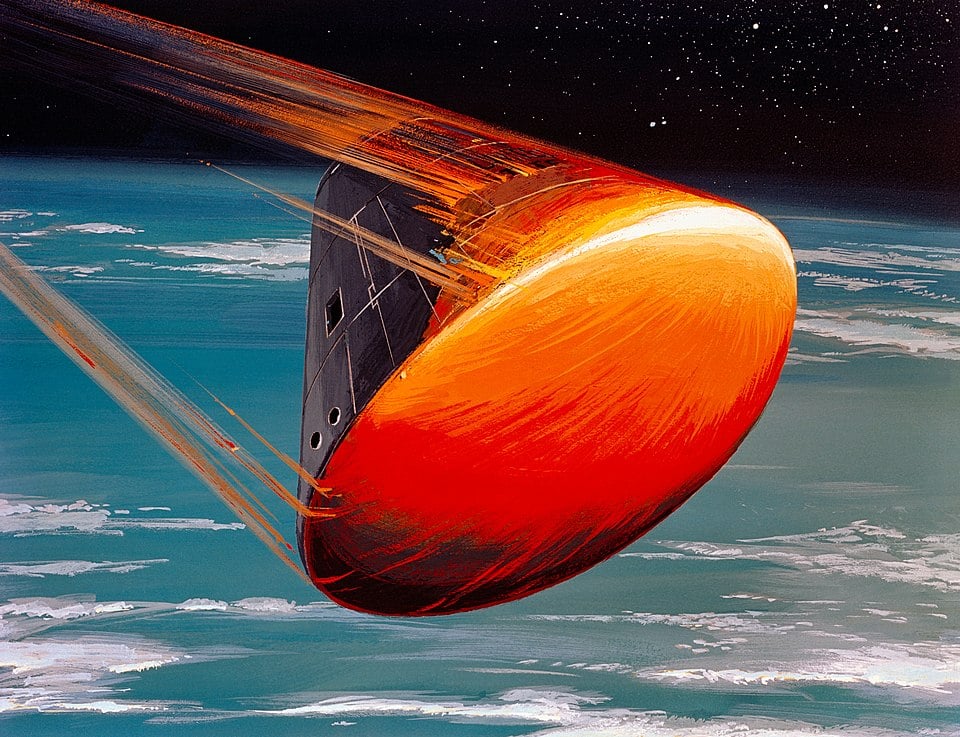
Artist impression of an Apollo module re-entering the Earth's atmosphere. These descents were under control but the same event when uncontrolled can pose very serious threat to people and property on the surface (Credit : North American Rockwell)

When a chunk of SpaceX rocket debris crashed into a Polish warehouse this year, it exposed a troubling reality, that the international laws governing space accidents were written for a world where only governments launched rockets. Now, as private companies deploy thousands of satellites and debris rains down with increasing frequency, victims have no direct legal recourse and must rely on their governments to pursue claims on their behalf, that’s if those governments choose to act at all. A new analysis reveals how a Cold War era treaty struggles to protect ordinary people in the age of commercial spaceflight, and why some nations are now taking matters into their own hands.

Tuesday, November 11, 2025

What a Missing Signal Tells Us About Alien Worlds

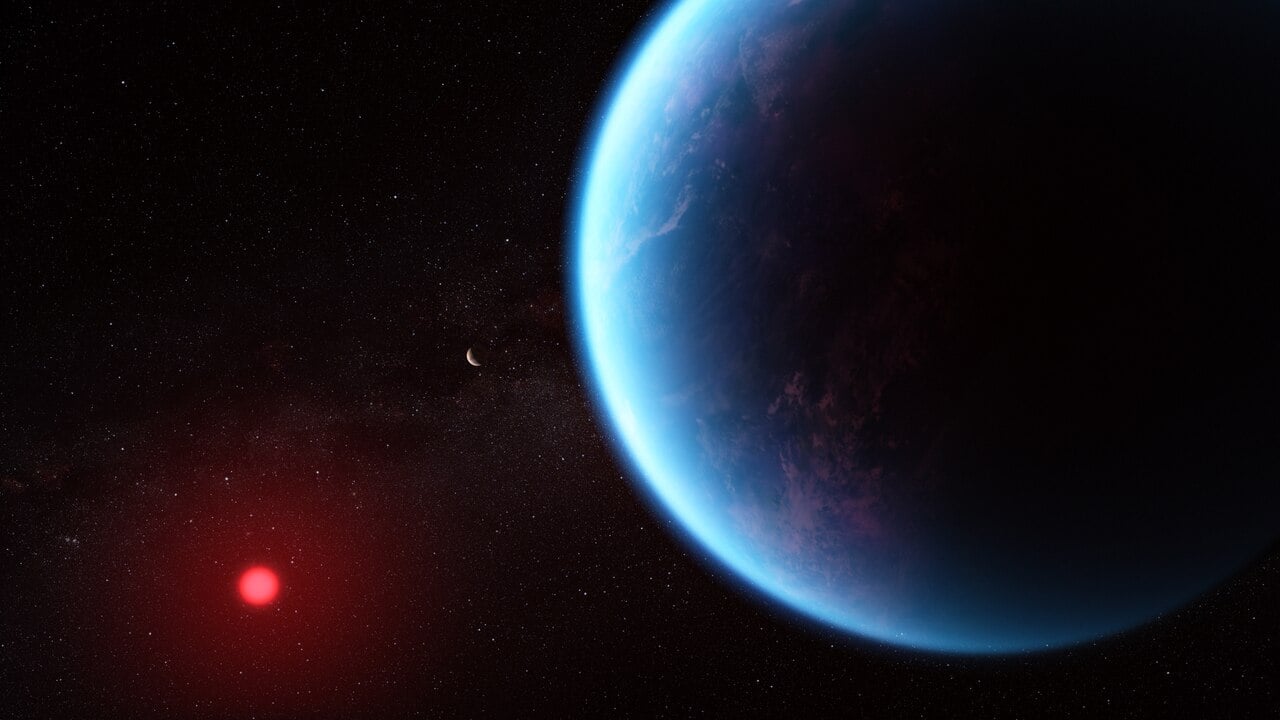
This artist’s concept shows what exoplanet K2-18 b could look like based on science data to date (Credit : NASA, CSA, ESA, J. Olmstead (STScI), N. Madhusudhan (Cambridge University))

When astronomers detected potential biosignatures in the atmosphere of exoplanet K2-18 b, it raised a critical question, ‘could this world's atmosphere even survive its host star's radiation?’ A new study using the Very Large Array searched for radio emissions from the K2-18 system and found something surprising, it was absolutely silent. That absence of radio signals reveals K2-18 is an unusually quiet star, suggesting the planet's atmosphere faces minimal erosion from stellar activity.


Google's Plan for Space-Based Computing

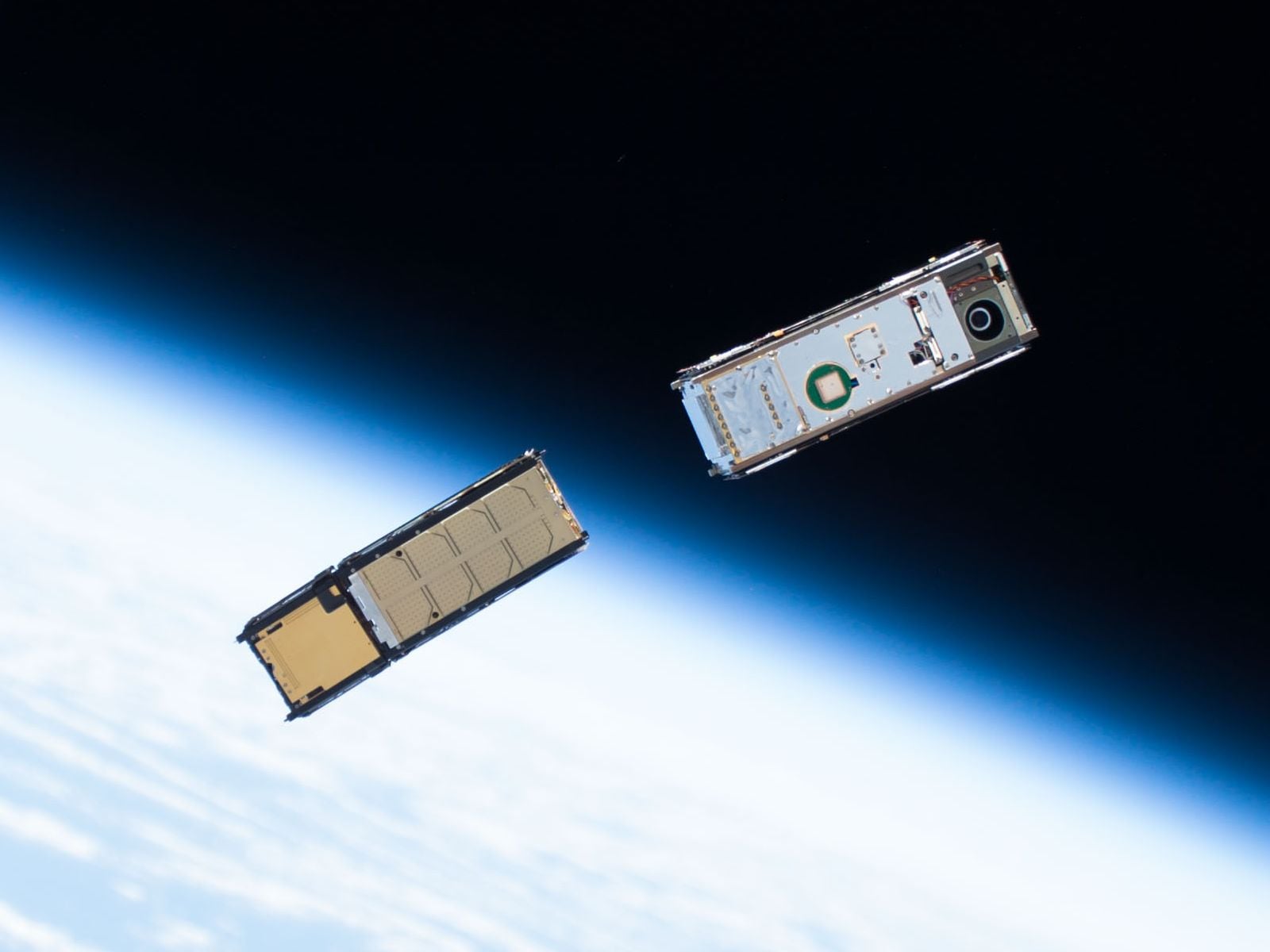
Two CubeSats orbiting around Earth after being deployed from the ISS. Google is looking at ways satellites can be used for data centres of the future (Credit : NASA)

Google's Project Suncatcher is fascinating solution to AI's massive energy demands…. building data centres in space powered directly by the solar power. The company's new research explores the possibility of constellations of satellites equipped with processors flying in tight formation just hundreds of meters apart, connected by terabit per second laser links to distribute information. Early testing shows their chips are surprisingly radiation resistant, while falling launch costs could make space based computing economically viable by the mid 2030s. With a prototype mission planned for 2027, this could fundamentally change where our most powerful computing infrastructure is located.