Wednesday, September 16, 2026

Saturn's South Pole Features Newly Formed Atmospheric Decagon

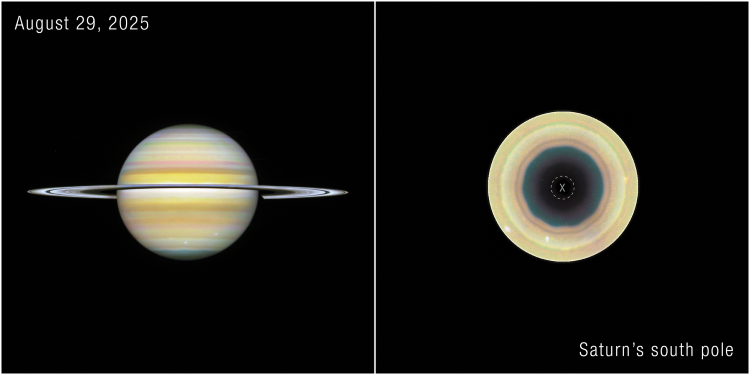
Astronomers examining recent Hubble Space Telescope images of Saturn have spotted a remarkable 10-sided wave pattern, or decagon, cutting through several layers of the gas giant's southern atmosphere. (Credit: NASA, ESA, STScI, Agustin Sánchez-Lavega (UPV), Amy Simon (NASA-GSFC), Michael Wong (UC Berkeley); Image Processing: Alyssa Pagan)

The planet Saturn is arguably the most recognizable planetary object in the entire solar system because of its massive rings. Anytime a child is asked what their favorite planet is, the answer is often “The one with the rings!” But, while Saturn’s rings are its most striking feature, the famed planet has a myriad of other unique features that often get overlooked, specifically its polar activity. This includes a long-known rotating hexagon in its north polar region, but what kinds of activity could be occurring in Saturn’s southern polar region, and what could this teach scientists about planetary formation and evolution?

Tuesday, September 15, 2026

If Venus Had An Ancient Moon, It Was Doomed

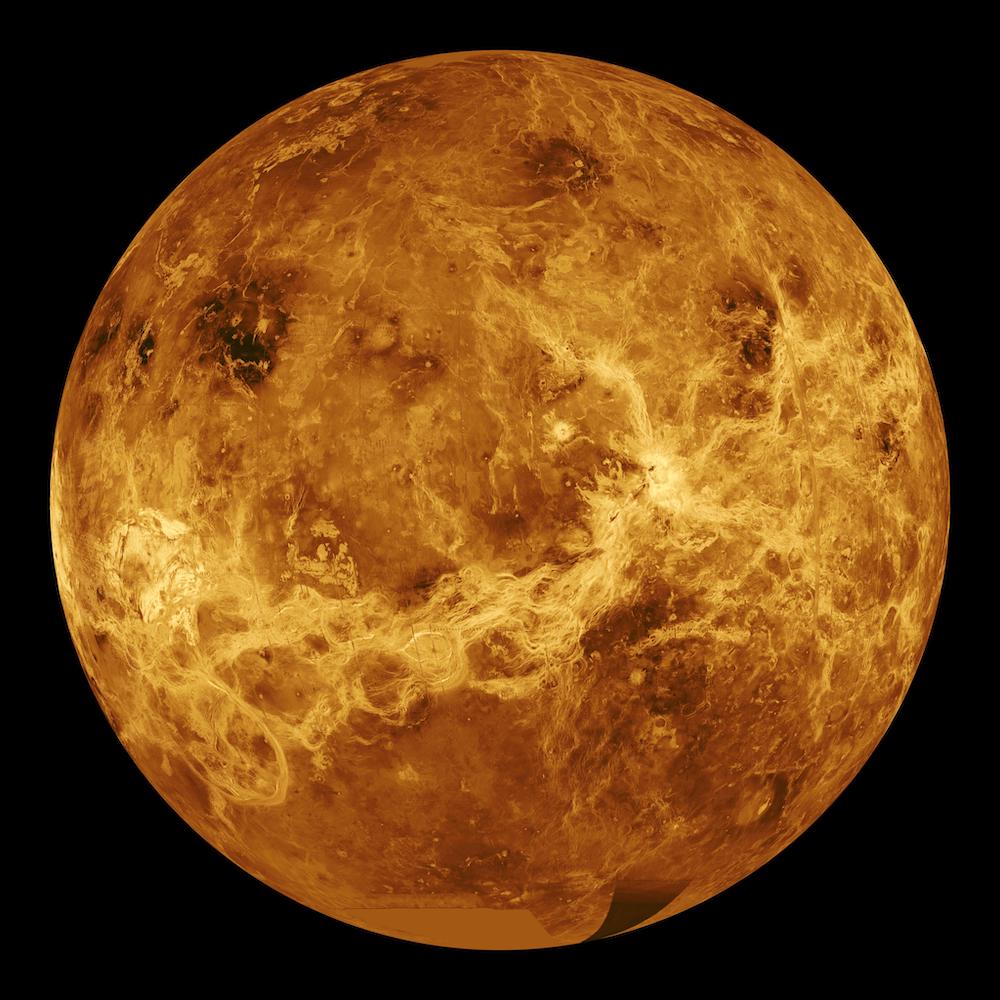
A false-colour radar image of Venus' surface based on Magellan data. New research says that the planet may have had a moon in the past. But it was eventually pulled toward the planet, where it was consumed. Image Credit: NASA

Earth has a big beautiful Moon, while Venus, its 'sister planet', doesn't. Why is that? Did it ever have one? If it did, new research shows it was never going to last very long.


From 10 to 22 years: The Nancy Grace Roman Space Telescope's Mission Has Just Been Extended.

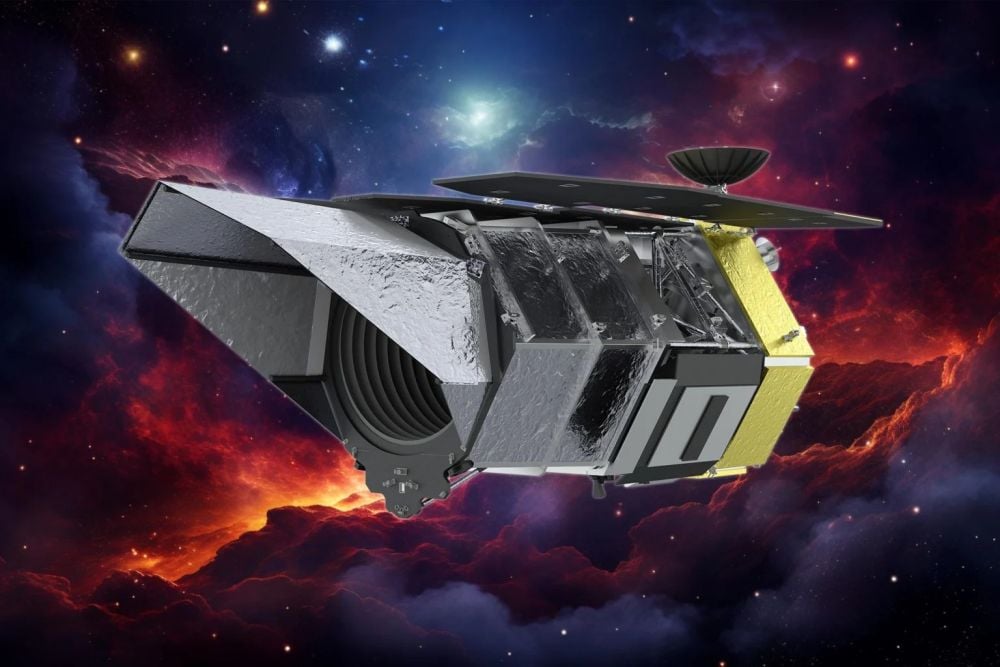
This illustration shows the Nancy Grace Roman at L2, hard at work deciphering the Universe's mysteries. Image Credit: NASA’s Goddard Space Flight Center

More good news for NASA's Nancy Grace Roman Space Telescope. The telescope's first mid-course correction was extremely efficient, using only 10% of the fuel allotted for it. This efficiency, coupled with other factors, means the powerful space telescope will likely have an additional ~12 years of observing time.


ALMA is Watching a Massive Binary Star System Form

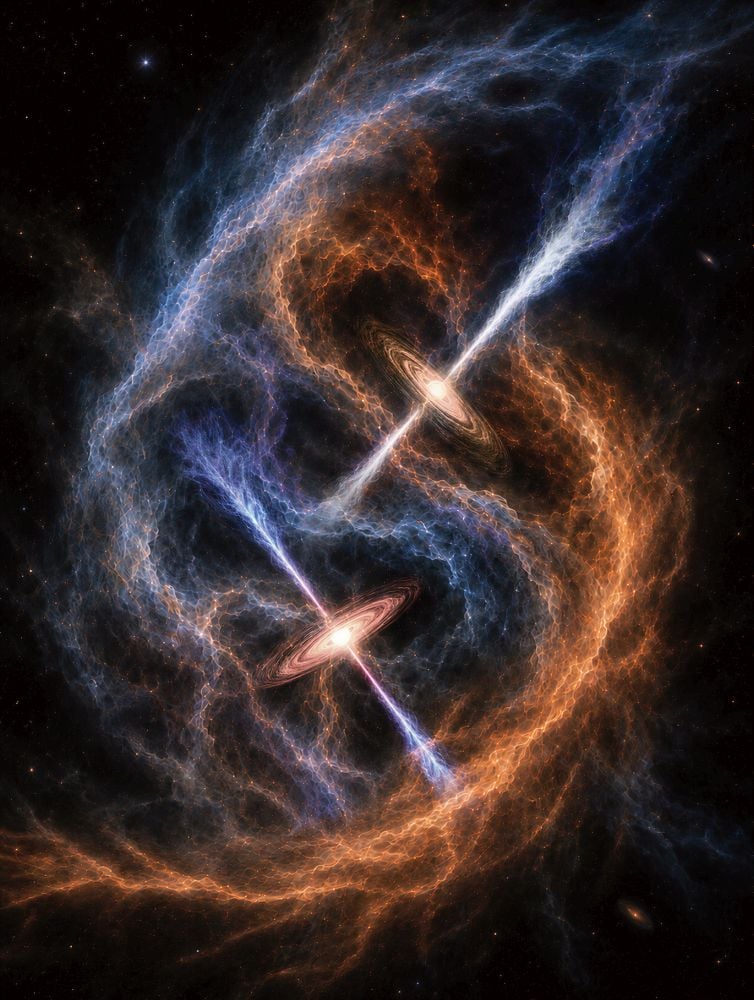
This artist's illustration shows a pair of young binary stars and their misaligned disks. They're still in the process of forming, and that's giving astrophysicists and opportunity to learn more about binary star formation. Image Credit: Y. Zhang

Astronomers used 8 years of observations to create a 3D image of a very young, very massive binary star as it forms. The image shows that the disks in the system are all misaligned. Those misalignments, together with the orbit, are clues to the system's chaotic history.


Monday, September 14, 2026

CubeSat Instrument Extends Solar Storm Warnings 10x

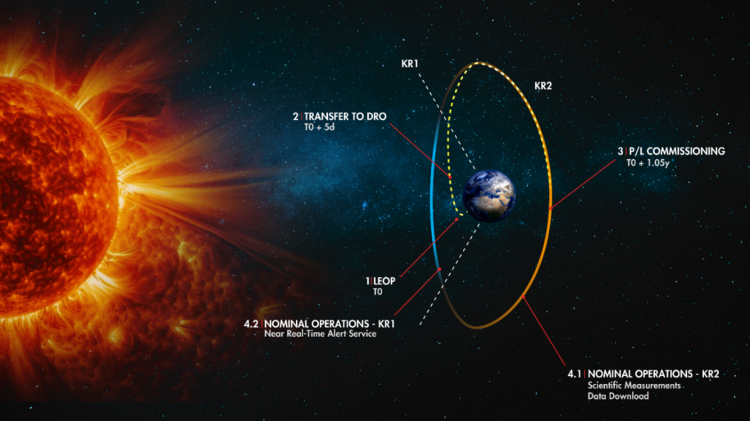
Diagram mapping HENON’s Distant Retrograde Orbit. (Credit: ESA/Argotec)

Our Sun is the very reason life exists on our small, blue planet. It provides solar radiation that warms the planet and ignites the intricate biochemical processes like photosynthesis producing oxygen for life to breathe. However, while the Sun is known for giving life, it can also potentially take it away with its solar flares, geomagnetic storms, and solar radiation storms, all of which are referred to as space weather. But how can space weather be forecasted so industries can better prepare and protect their assets, including Earth infrastructure, satellites, and even human safety?


Don't Get Your Hopes Up for a City on the Moon

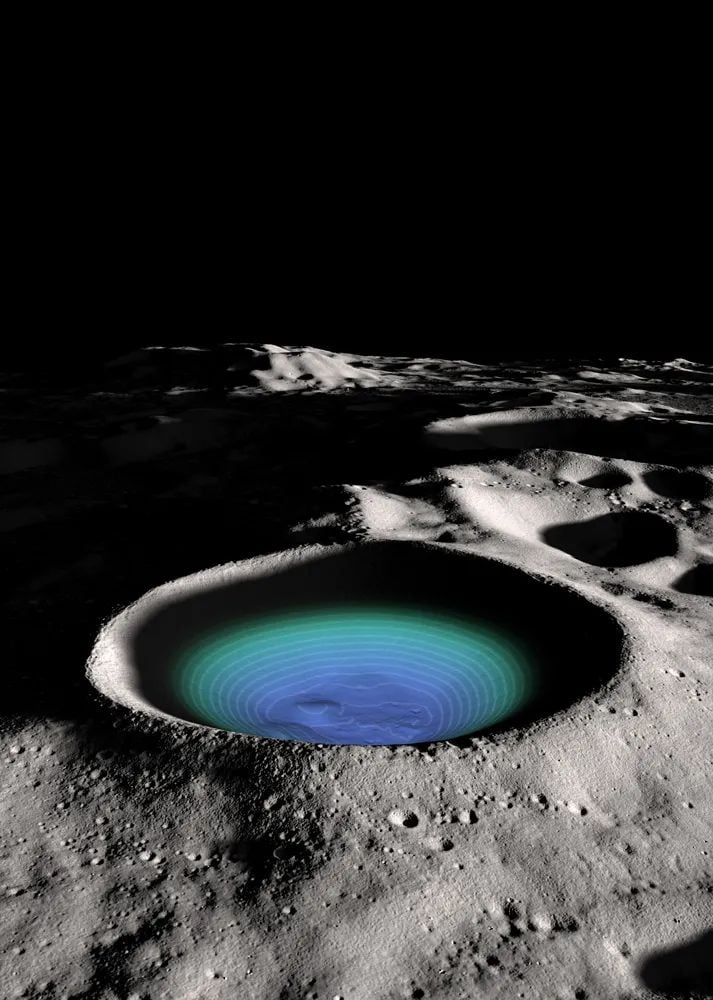
This image shows the Moon's Shackleton Crater, a 21 km wide crater near the Moon's south pole. Its floor is a permanently shadowed region where ancient water ice persists. These regions have fuelled ideas of eventual lunar cities. Is the idea realistic? Image Credit: NASA/GSFC/SVS

Bezos said we should move heavy industry to the Moon. Musk says we'll have sustainable lunar cities. We know there's ancient water ice in craters on the Moon's poles, but there's not enough water to support a city.


Tens of Thousands of Fast Radio Bursts Could Help Solve the Greatest Cosmic Mysteries

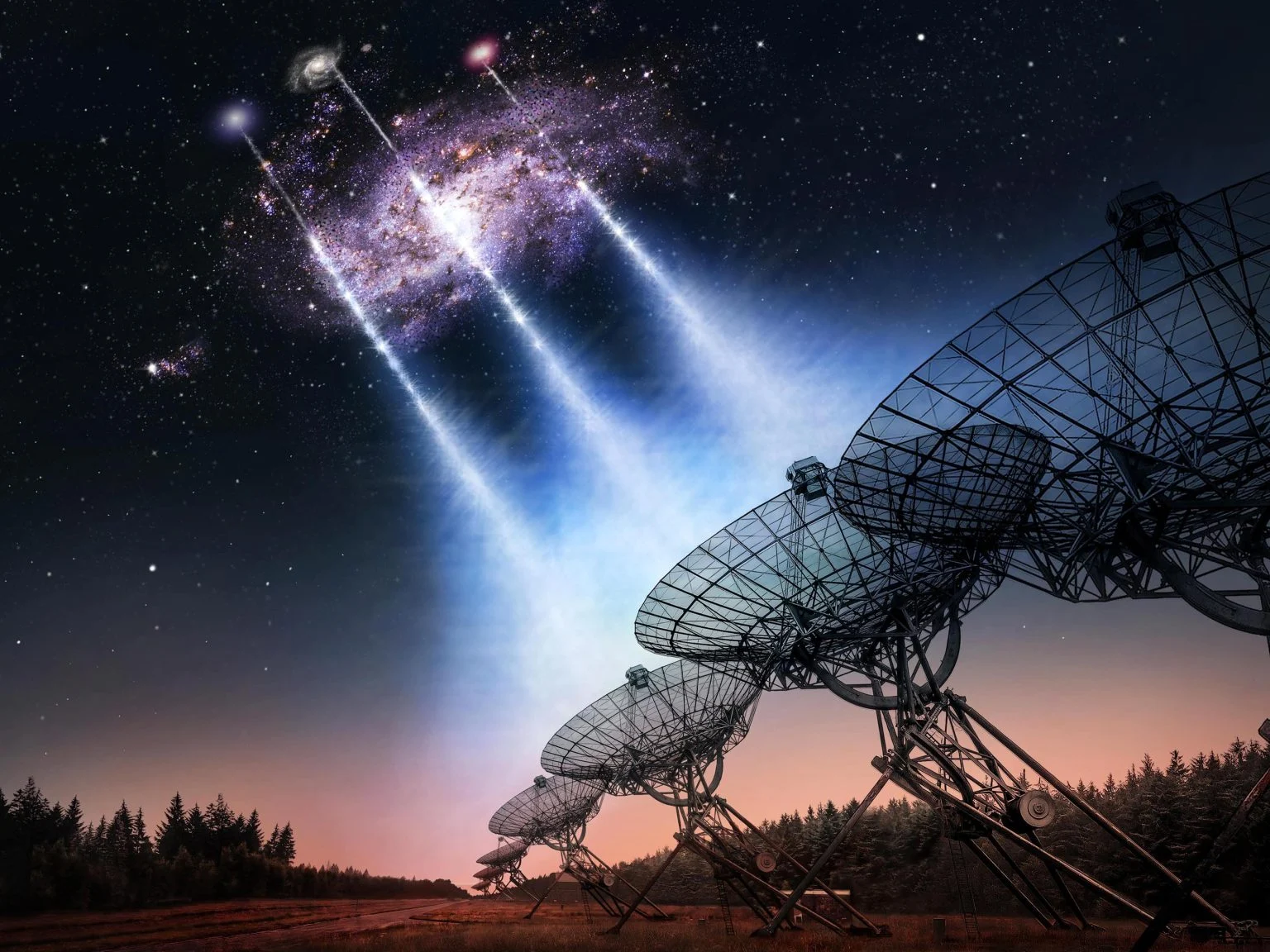
Artists' impressions of Fast Radio Bursts from the neighboring Triangulum Galaxy detected by the ground-based radio telescopes. Credit: ASTRON/Futselaar/van Leeuwen

A new study led by researchers from Caltech demonstrates the effectiveness of Fast Radio Bursts (FRBs) as a tool for measuring cosmological distances and the clustering of matter.