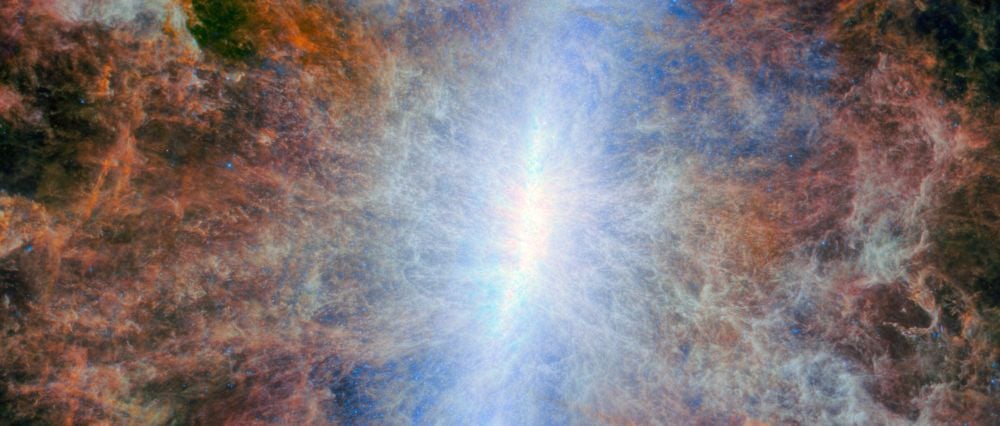
Astronomers used the JWST to examine M82, a nearby starburst galaxy. M82 is forming stars at a prodigious rate due to its interactions with its neighbour, M81. It produces thousands of solar masses of stars per year, much more than the Milky Way.
Astronomers used the JWST to examine M82, a nearby starburst galaxy. M82 is forming stars at a prodigious rate due to its interactions with its neighbour, M81. It produces thousands of solar masses of stars per year, much more than the Milky Way.

A pair of Japanese weather satellites took a break from monitoring Earth weather to sneak a peek at Planet Venus. Despite the fact that it's relatively tiny, and millions of kilometers away, they were able to detect changes in Venus' cloud-top temperatures and see patterns and structure in its upper atmosphere. There are long-term trends on Venus that these long-lasting satellites will be able to study, beyond the timeframe of a shorter mission.
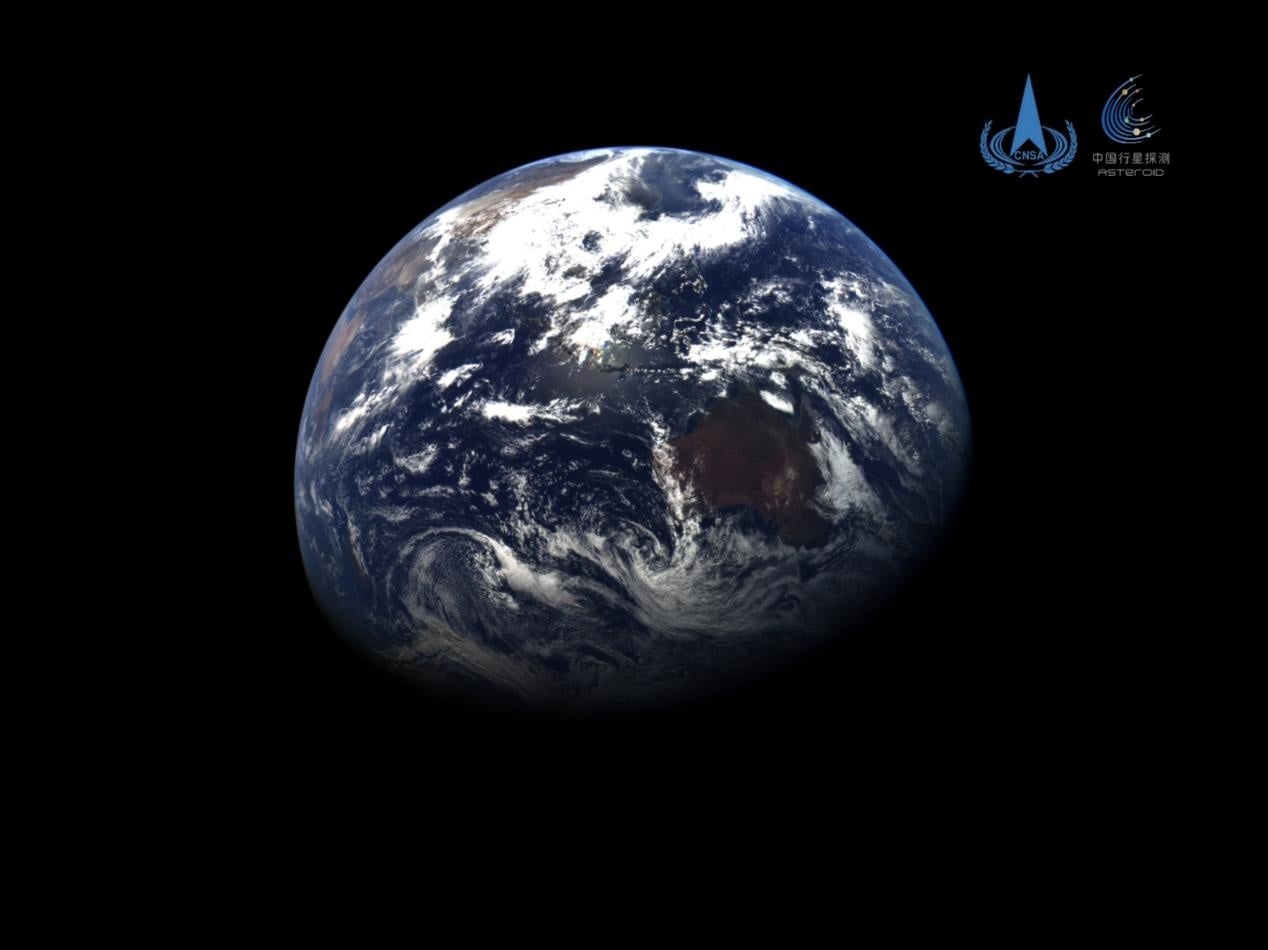
China's asteroid probe turned its cameras back towards the Earth and Moon, capturing an image of our home planet on May 30, 2025. The image was taken when the spacecraft was about 590,000 km away, speeding towards asteroid 2016HO3, where it will retrieve a sample and bring it back to Earth before carrying on to main-belt comet 311P. The spacecraft has been in flight for 33 days and is now over 12 million kilometers from Earth.
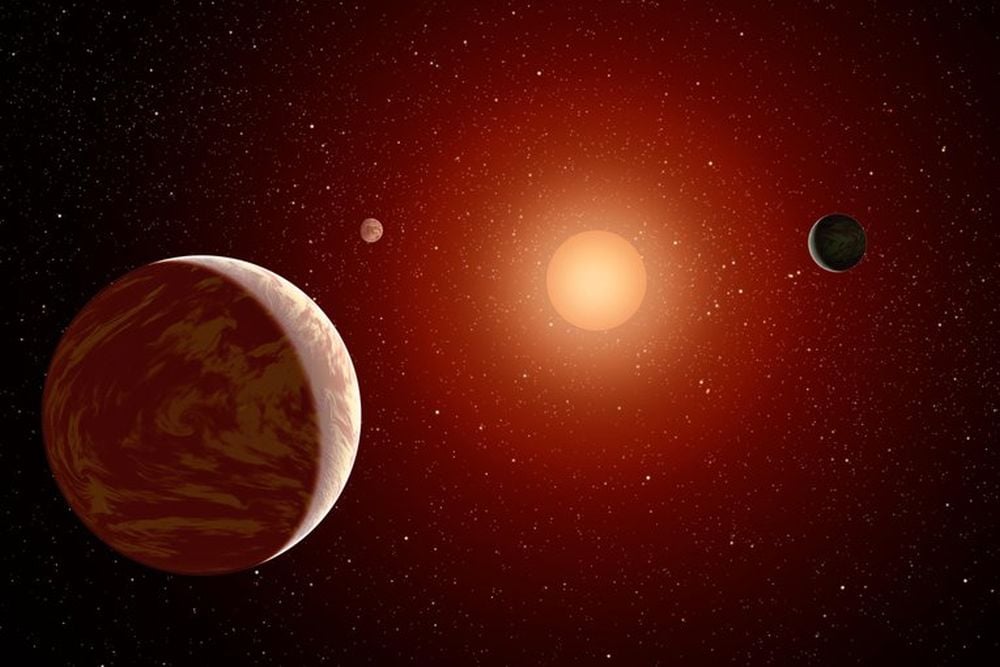
According to the latest studies led by Heidelberg University astronomers, low-mass stars quite often host Earth-like planets. Data collected as part of the CARMENES project were the basis of this finding. By analyzing the data, an international research team succeeded in identifying four new exoplanets and determining their properties.
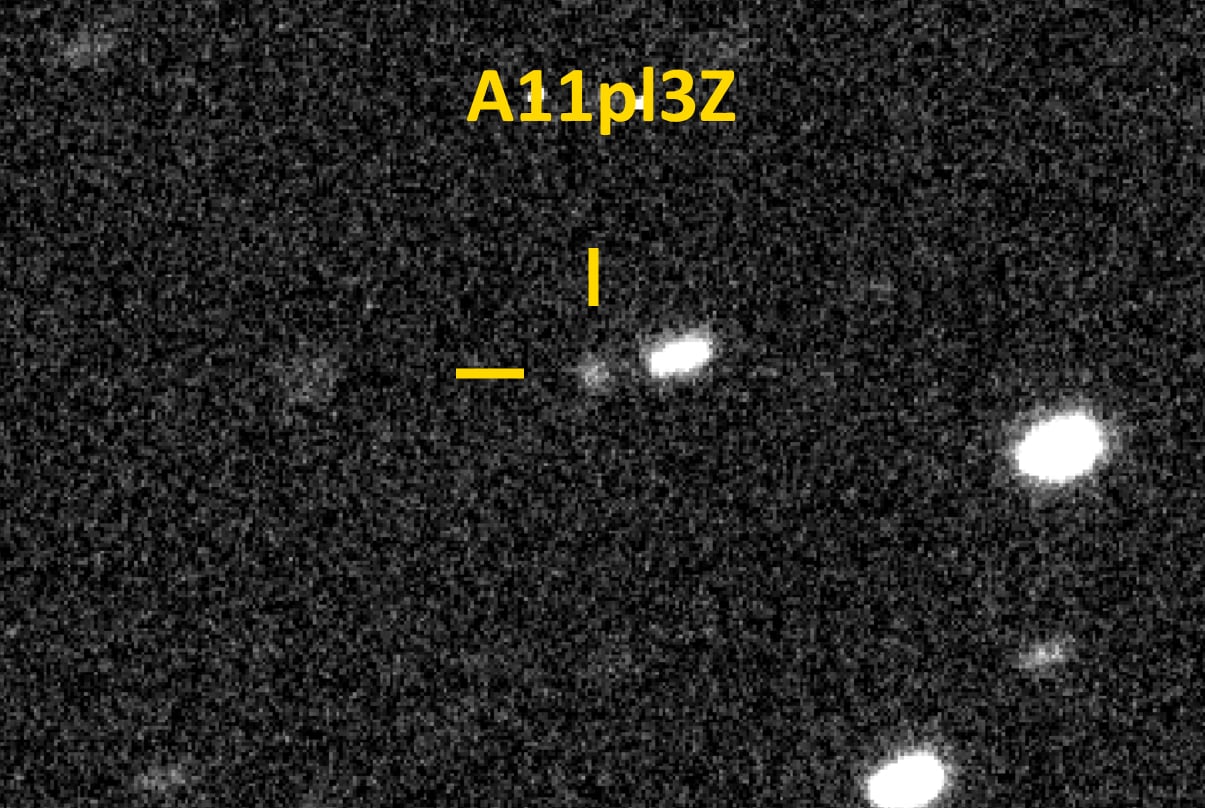
A newly discovered object may give astronomers an opportunity to study an interstellar visitor like never before. The object (A11pl3Z) is currently at +18th magnitude, moving slowly along the border of the constellations Serpens Cauda and Sagittarius, right near the galactic plane. The object was captured on July 2nd by the Deep Random Survey remote telescope in Chile. The Asteroid Terrestrial-impact Last Alert System (ATLAS) based in Rio Hurtado made the discovery on July 1st. Sam Deen soon backed this up with pre-discovery images from worldwide ATLAS sites in Chile, Hawaii and South Africa from June 25-29.
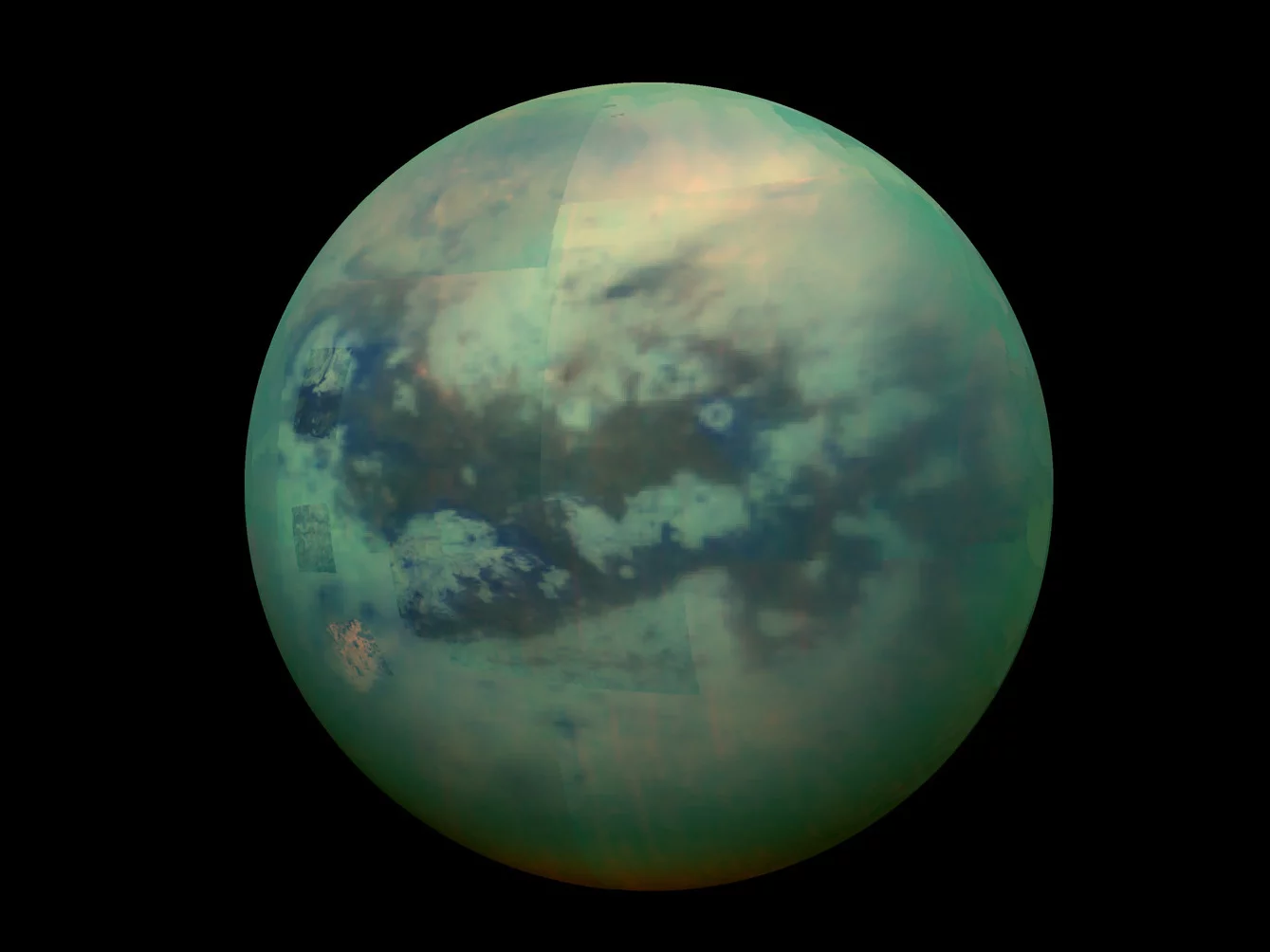
While we know of thousands of exoplanets, the science of studying their atmospheres is still in its early days. When astronomers analyze atmospheres, they have to decide which molecules to include in their models, which can bias the results. A new paper proposes that Cassini data on Titan could provide the perfect benchmark, helping to distinguish between different hydrocarbons detected in the atmosphere of an exoplanet.

For folks in the United States, July evenings mean 4th of July fireworks. While you’re waiting for the show, be sure to watch for the most elusive of the planets as twilight falls, as Mercury shines at its very best for 2025. If you’ve never seen the innermost world before, now is a good time to try. This is because Mercury reaches greatest elongation, or its greatest point from the Sun as seen from our Earthly vantage point later this week.
