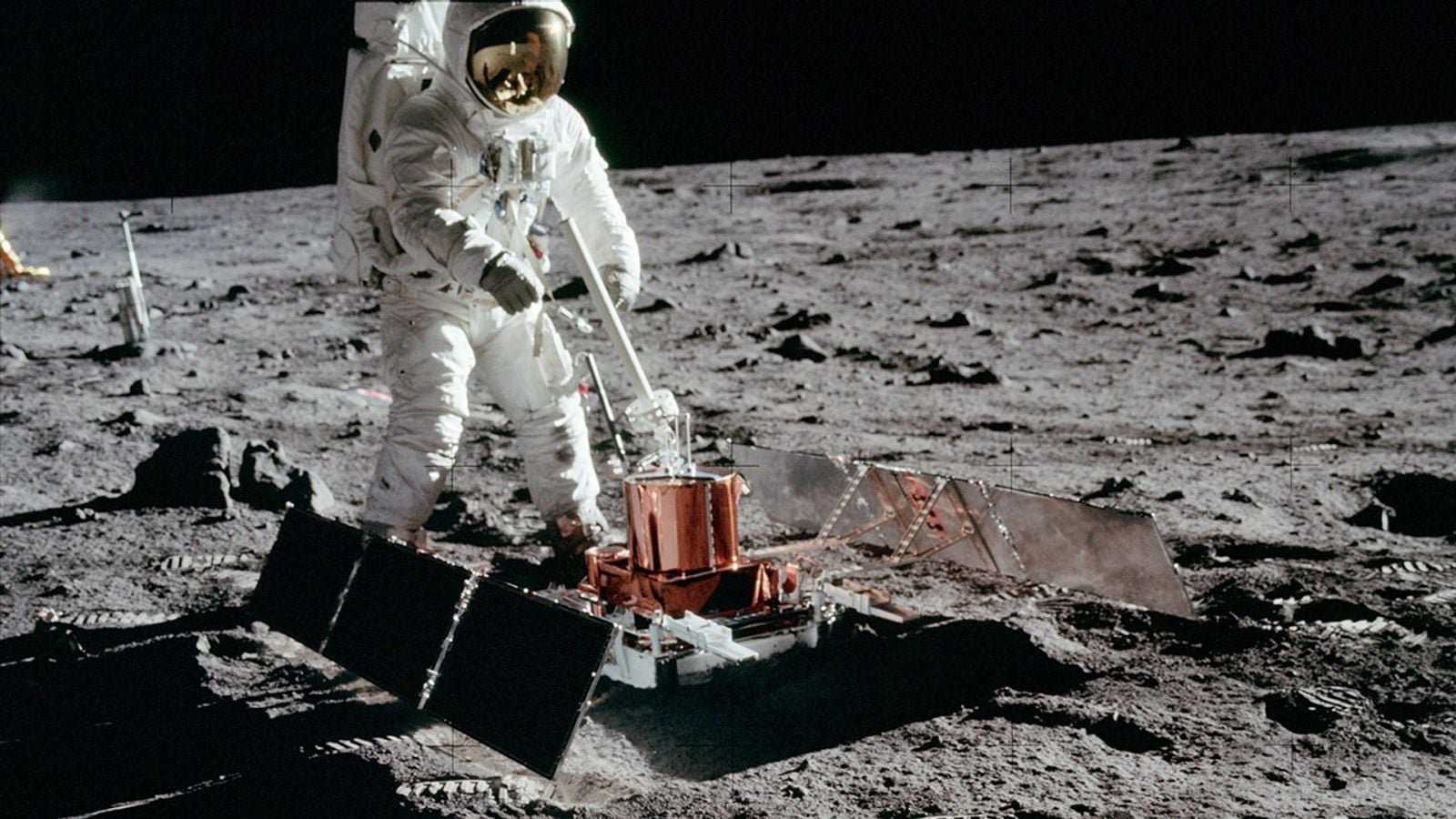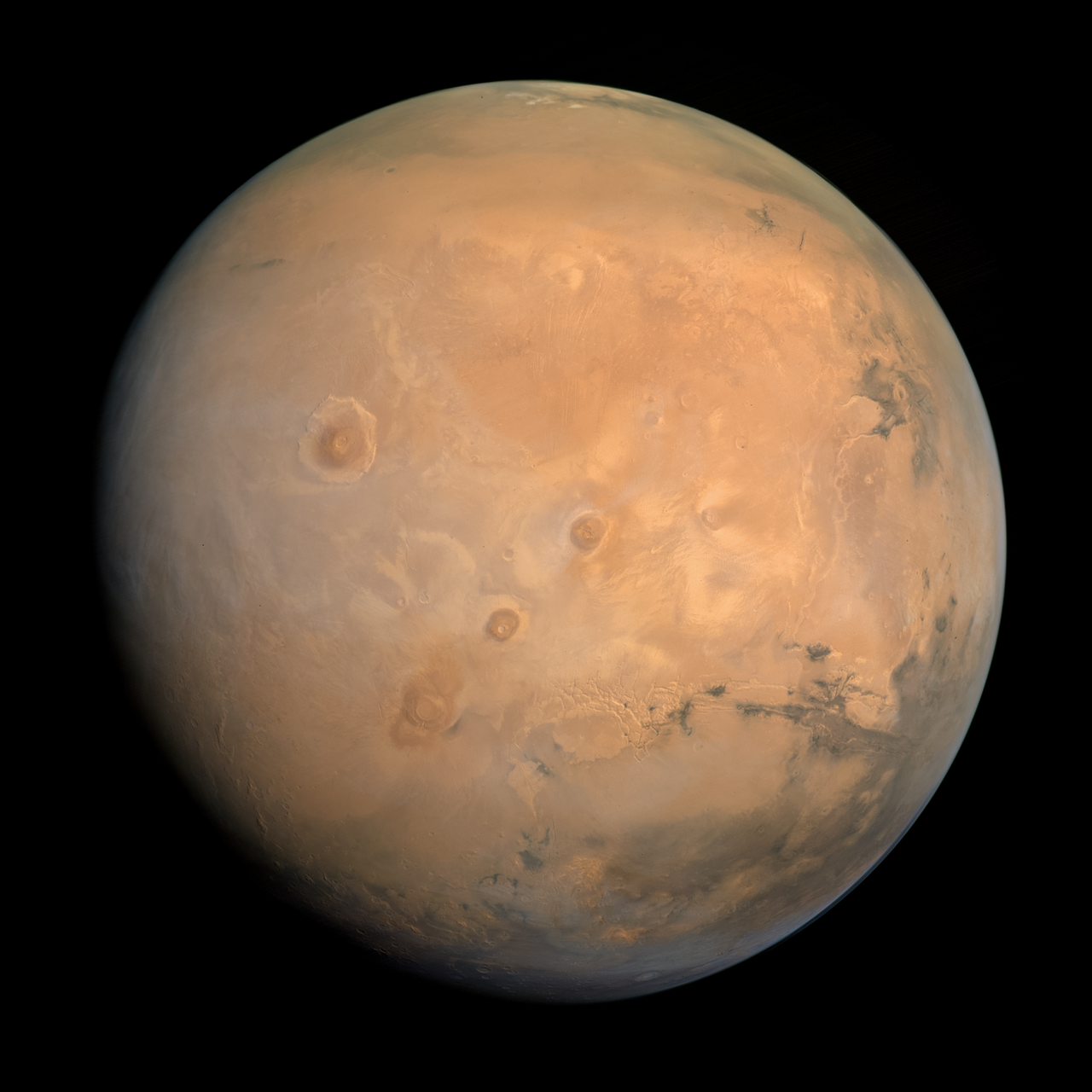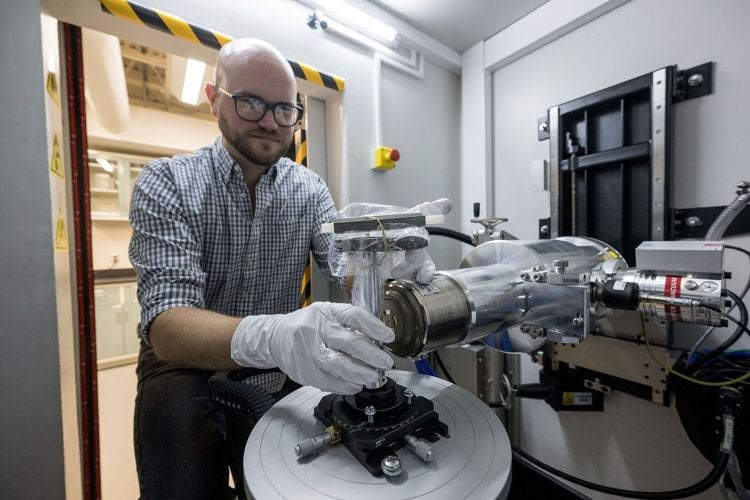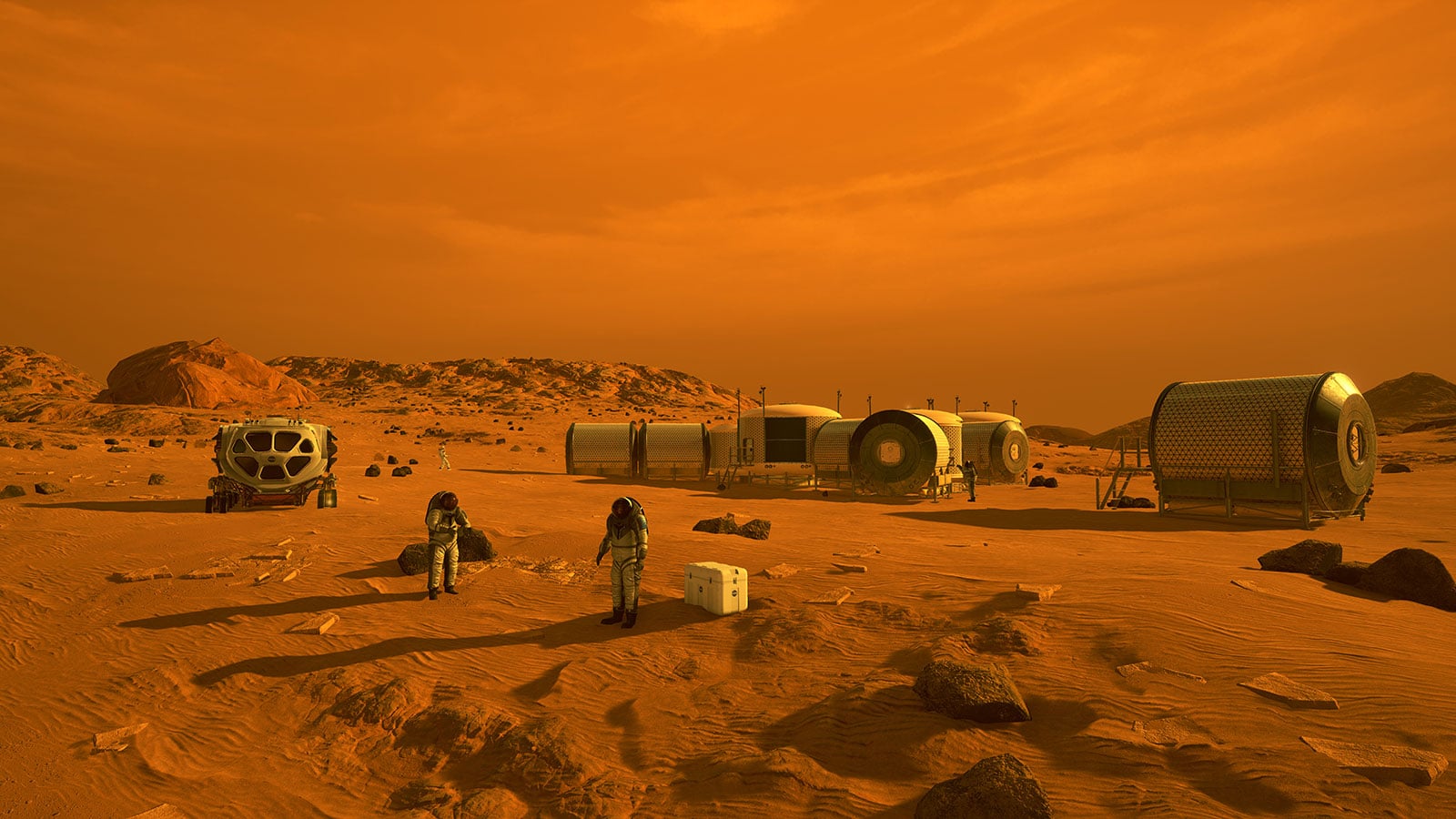
Marie Mortreux, an assistant professor in the University of Rhode Island’s College of Health Sciences, is part of an international team of researchers studying how the Mars’s gravity would affect astronauts’ skeletal muscle.

Marie Mortreux, an assistant professor in the University of Rhode Island’s College of Health Sciences, is part of an international team of researchers studying how the Mars’s gravity would affect astronauts’ skeletal muscle.

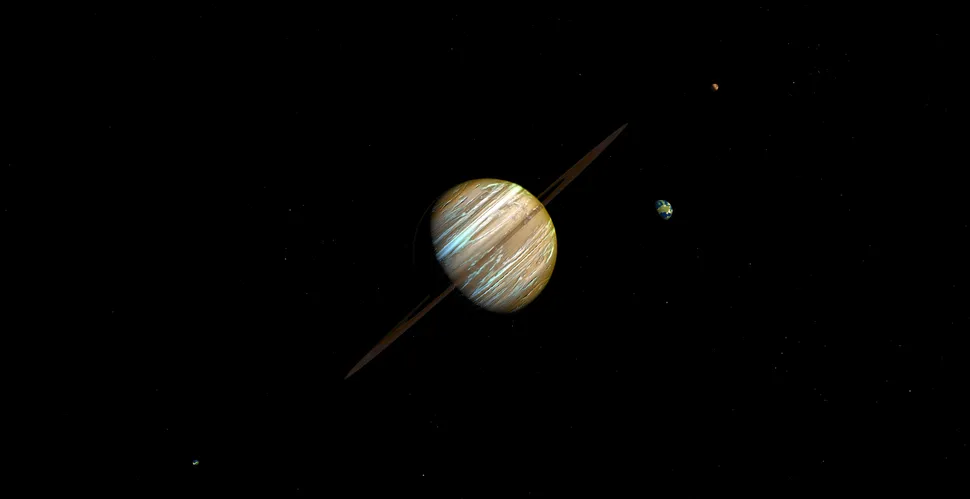
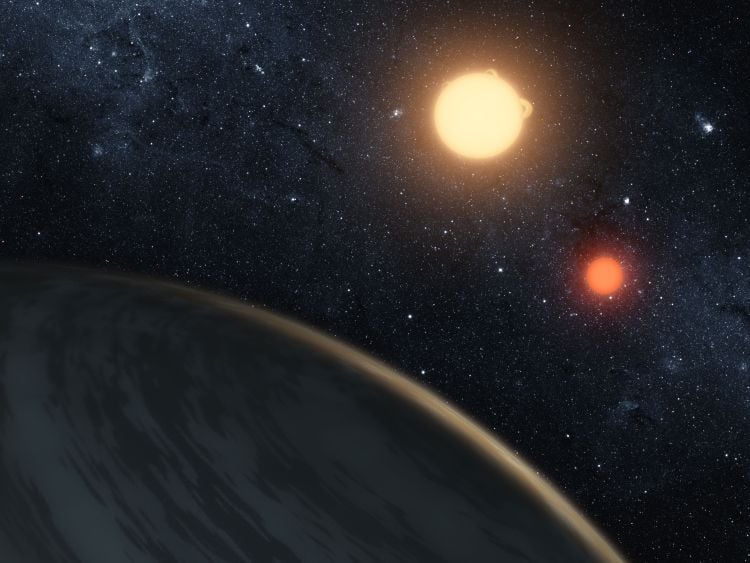
You just established a settlement on an Earth-like planetary body far from our solar system. You did your evening chores after eating dinner, and you want to go out for the evening view, which consists of two setting stars, reminiscent of the infamous scene in Star Wars. However, there’s one major difference: a large planetary body is in the sky. As you were aware before arriving, you’re on an exomoon orbiting a Saturn-sized exoplanet, both of which orbits two stars.

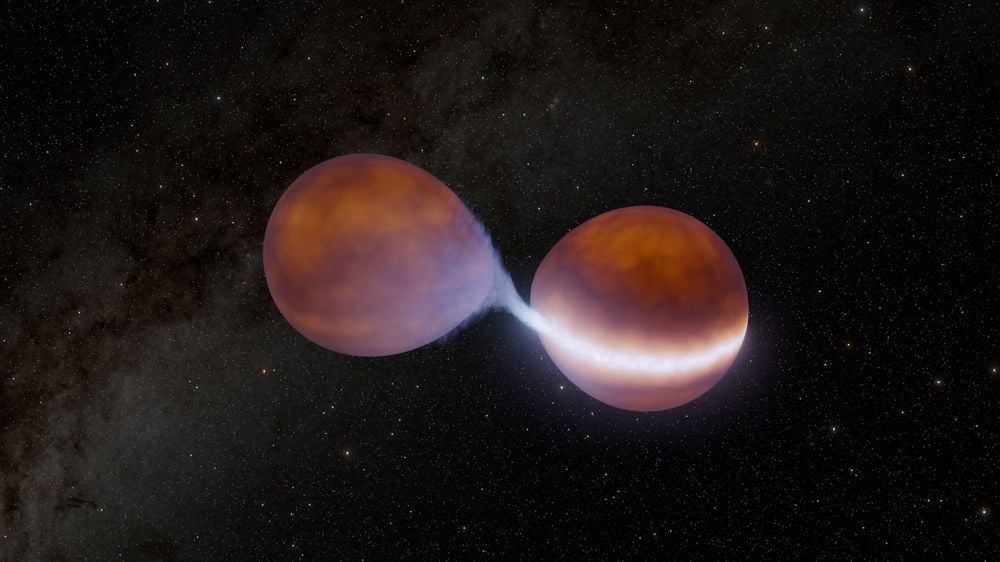
Astronomers have found the first case of a brown dwarf binary pair experiencing mass transfer. The pair are very close to one another, with an orbital period of only 57 minutes. The pair will eventually merge into one, brighter star, or the accretor will become massive enough to trigger fusion. At only 1,000 light-years away, the system is a strong candidate for more detailed, follow-up observations.

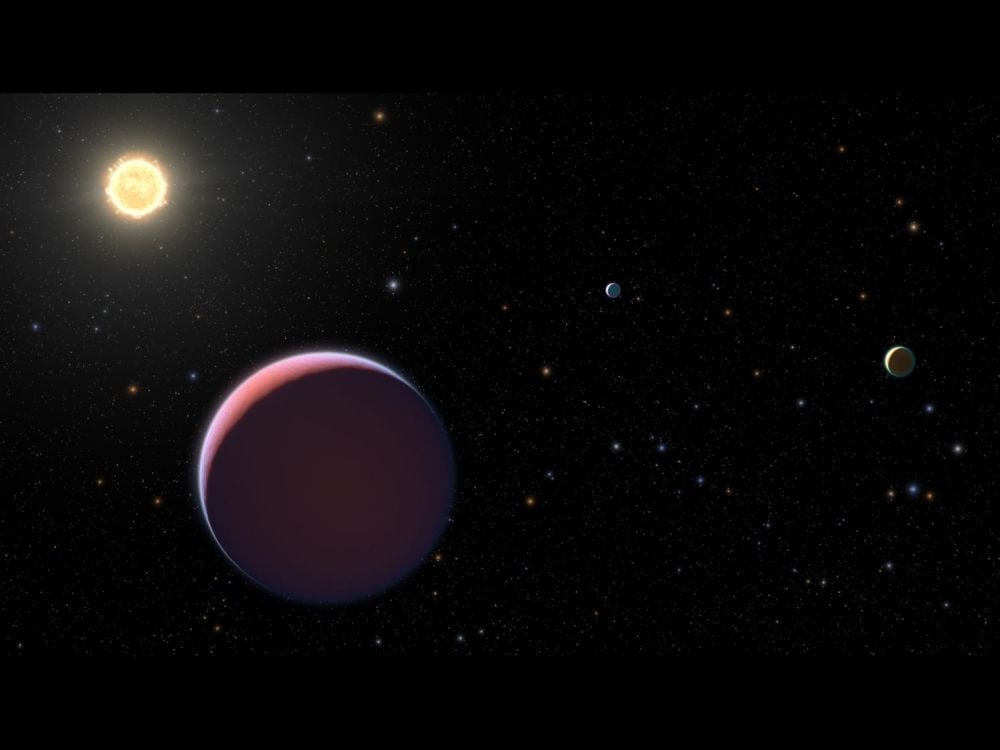
Super-puff planets have extremely low densities, and exoplanet scientists aren't sure why. They seem to defy our understanding of how planets form. Researchers used the JWST to observe the atmosphere of Kepler-51d, one of the puffiest of the super-puffs. Unfortunately, even the powerful space telescope found a featureless spectrum. What does it mean?

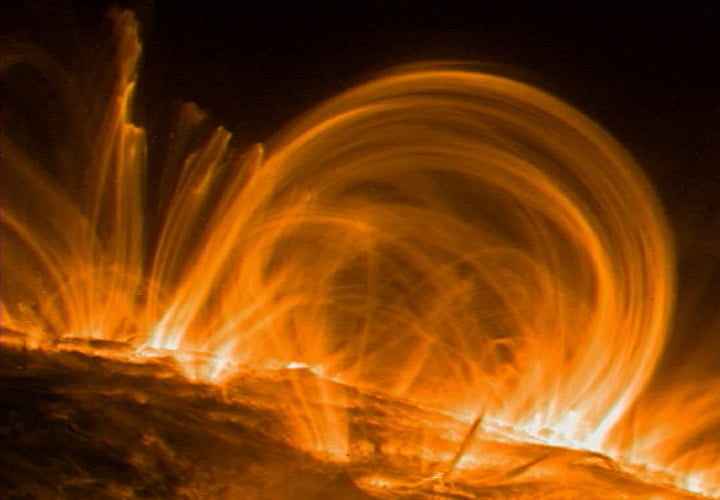
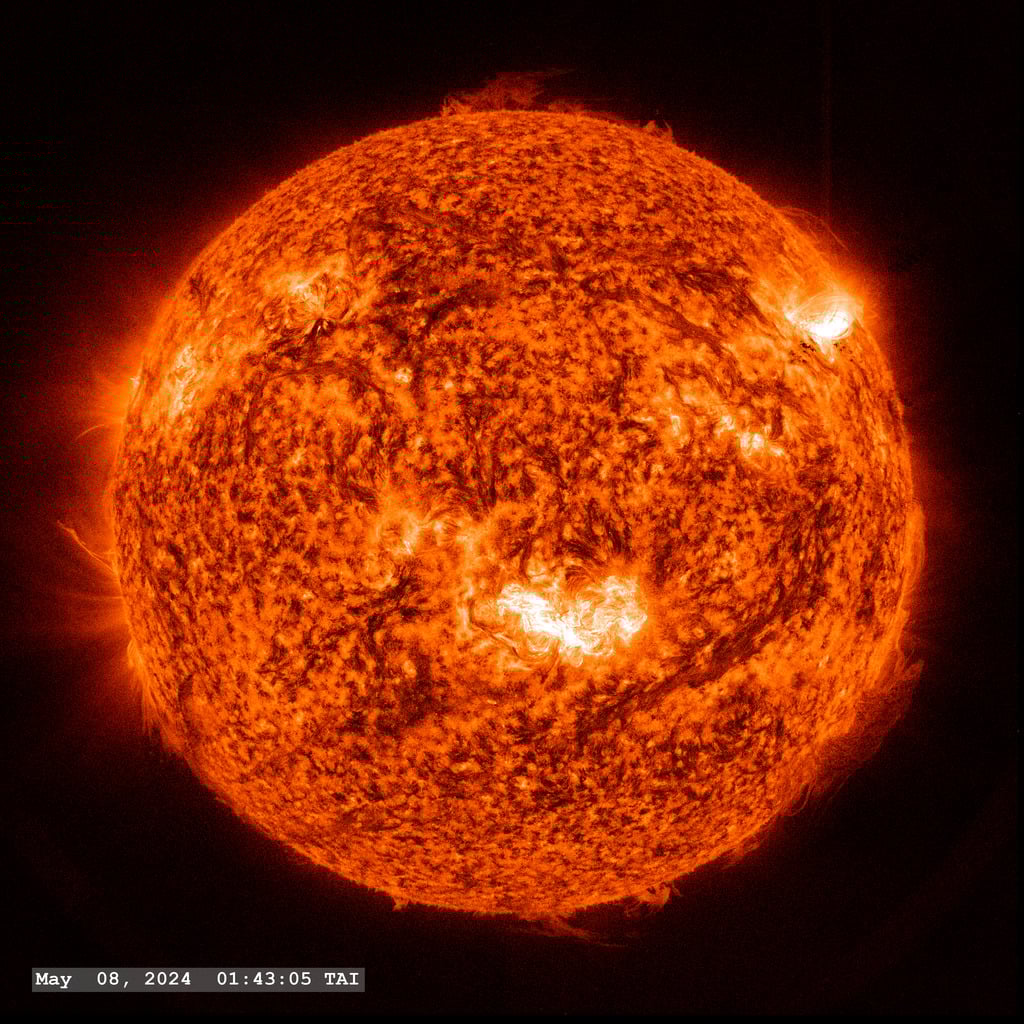
Space weather is a fascinating subject, but one we still have a lot to learn about. One of the main components of it is the active regions (ARs) of the Sun. These huge concentrations of magnetic fields show up throughout the Sun’s photosphere and are the primary source of solar flares and coronal mass ejections (CMEs). They can be simple pairings of magnetic flux or huge, magnetically complex tangles that spend weeks creating massive solar storms before dissipating. But tracking the longest lived of these ARs has been a headache for solar physicists, and a recent paper by Emily Mason and Kara Kniezewski, published in The Astrophysical Journal, both dives into this tracking problem and uncovers some interesting features of the Sun’s most persistent ARs.

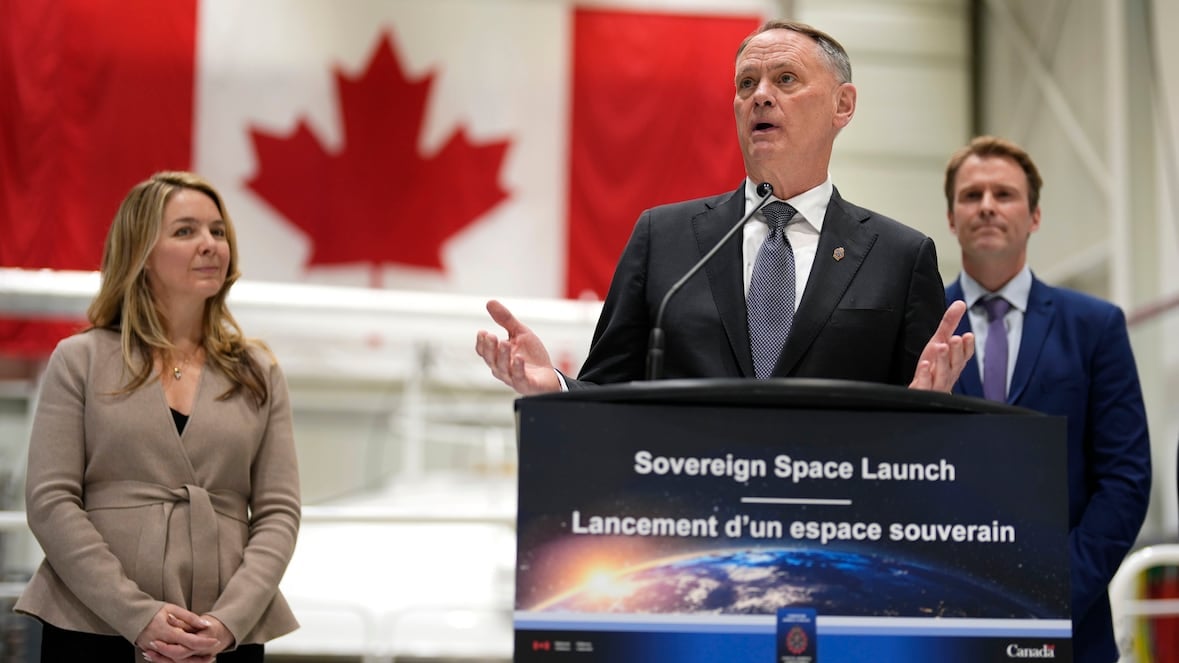
Minister of National Defence David McGuinty announced on Monday, March 16th, that the Canadian government is committing $200 million to develop Canada's first commercial spaceport in Nova Scotia, which will be run by Maritime Launch Services.

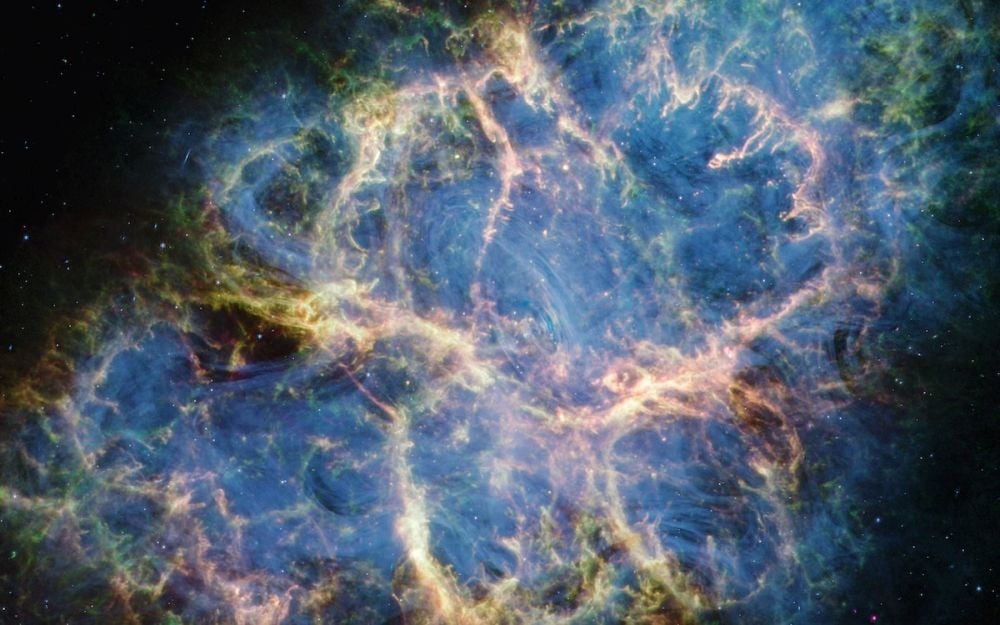
Pulsars are rapidly rotating neutron stars. The Crab Pulsar, an often studied supernova remnant, is known for its unusual radio emission patterns. New researchs says it's because of a "tug-of-war" between magnetism and gravity. Gravity acts as a focusing lens and plasma in the magnetosphere acts as a defocusing lens.

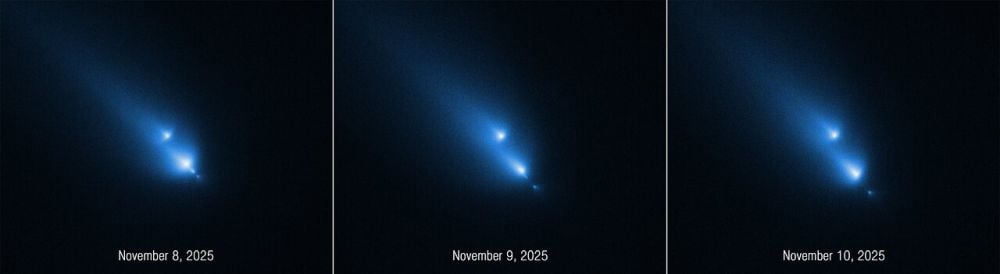
A team of astronomers were fortunate when their original comet target couldn't be observed with the Hubble. They quickly pivoted to a different target, and caught Comet K1 in the process of breaking apart. This gave them an excellent opportunity to learn more about the doomed object.

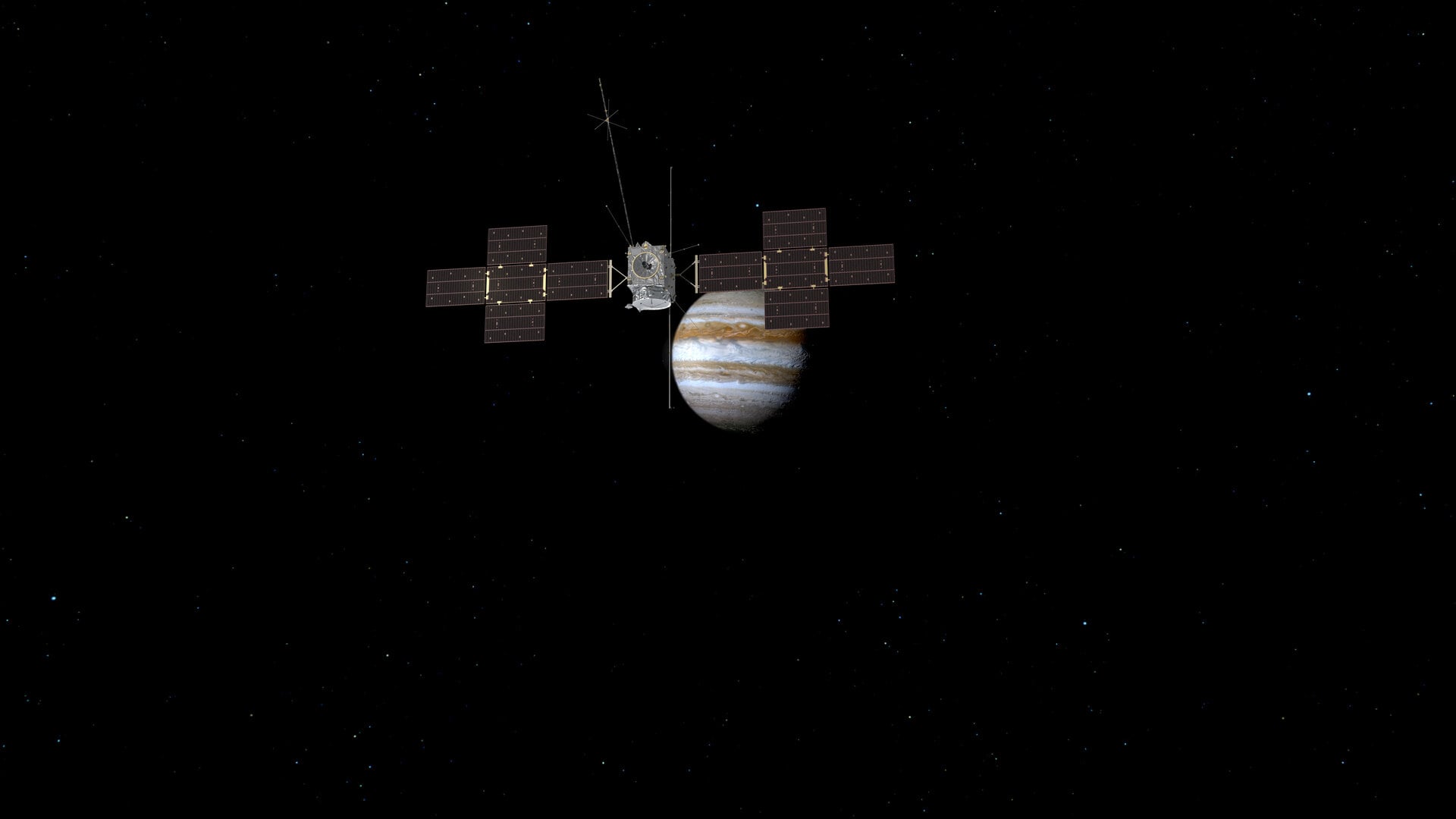
The European Space Agency’s (ESA’s) Jupiter Icy Moons Explorer (JUICE) probe is on its (very long) way to Jupiter, and will finally arrive at the King of Planets in 2031. Its primary mission is to focus on the “big three” icy moons - Ganymede, Europa, and Callisto. But while JUICE is busy mapping Ganymede’s magnetic field, it will also be keeping a sharp eye on the other 94 moons in the Jupiter system. A recent paper published in Space Science Reviews by Tilmann Denk of DLR, Germany’s space research association, and his co-authors showcases just how much “bonus science” JUICE is expected to squeeze out of these other targets.

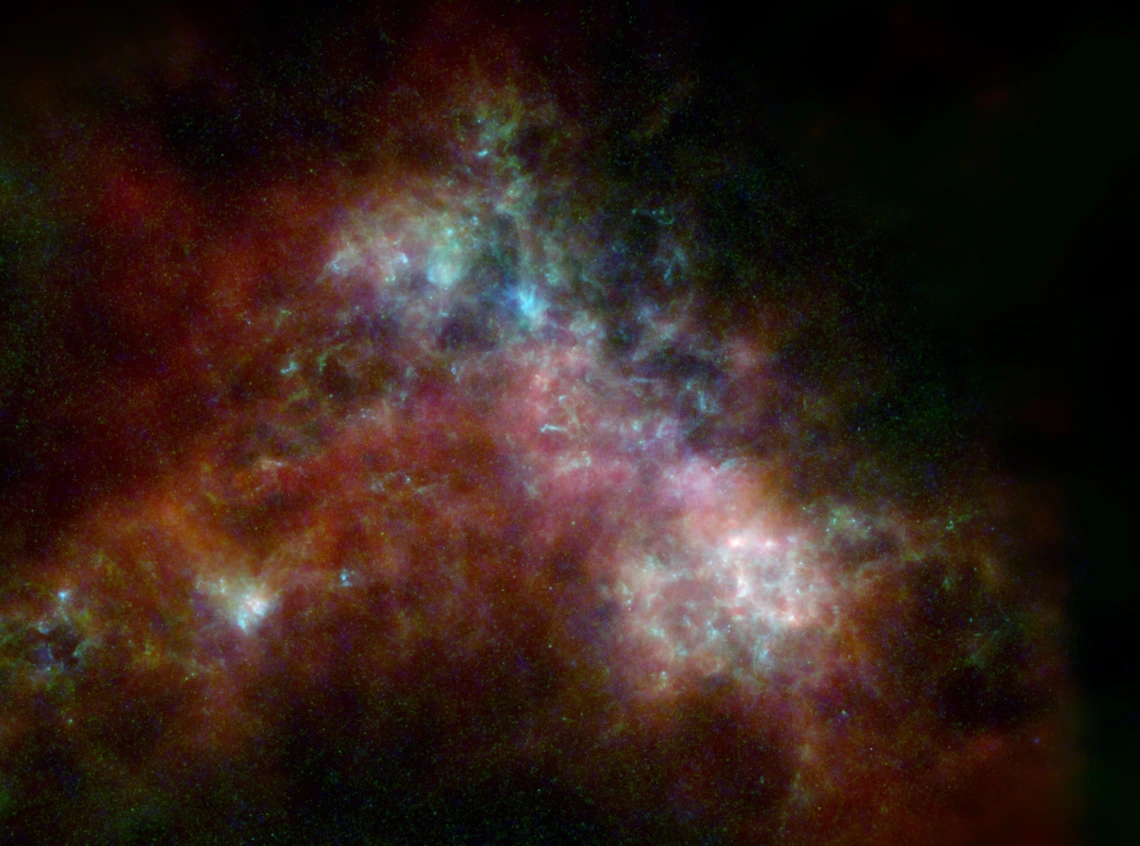
A strange lack of stellar orbits around the core of the Small Magellanic Cloud (SMC) mystified astronomers for decades. Not only that, but the SMC has a strange, irregular shape, and sports a tidal. Now, a team of observers led by graduate student Himansch Rathore at the University of Arizona, has tracked down the reason why the stars don't orbit. It's because the SMC crashed directly through its neighbor, the Large Magellanic Cloud (LMC), in the distant past. That huge collision disrupted stellar motions and [sent them on wildly different trajectories](https://ift.tt/7Obtc31). It also disturbed the clouds of gas within the SMC and created a tail of gas stretching out across space.

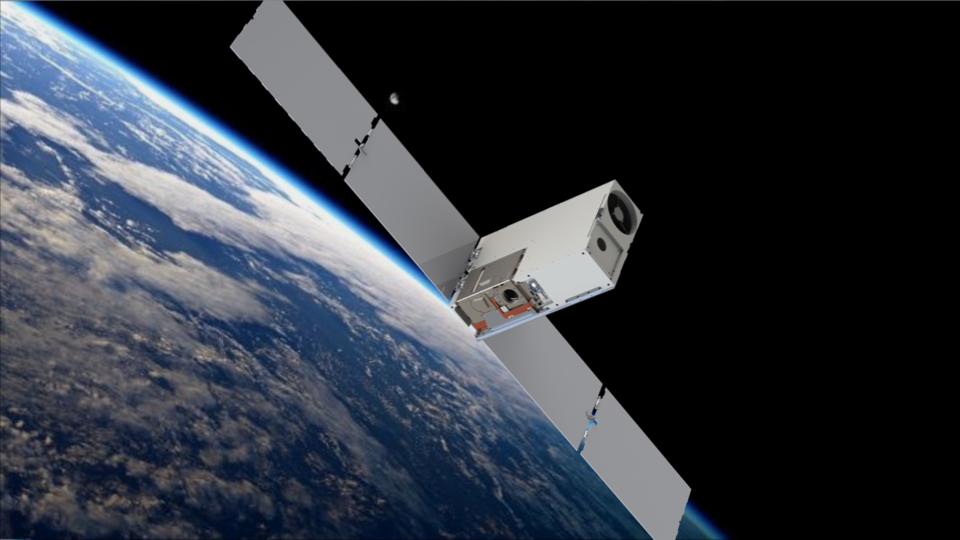
With the first images from the spacecraft now in hand, the team behind NASA’s Star-Planet Activity Research CubeSat (SPARCS) is ready to begin charting the energetic lives of the galaxy’s most common stars to help answer one of humanity’s most profound questions: Which distant worlds beyond our solar system might be habitable?

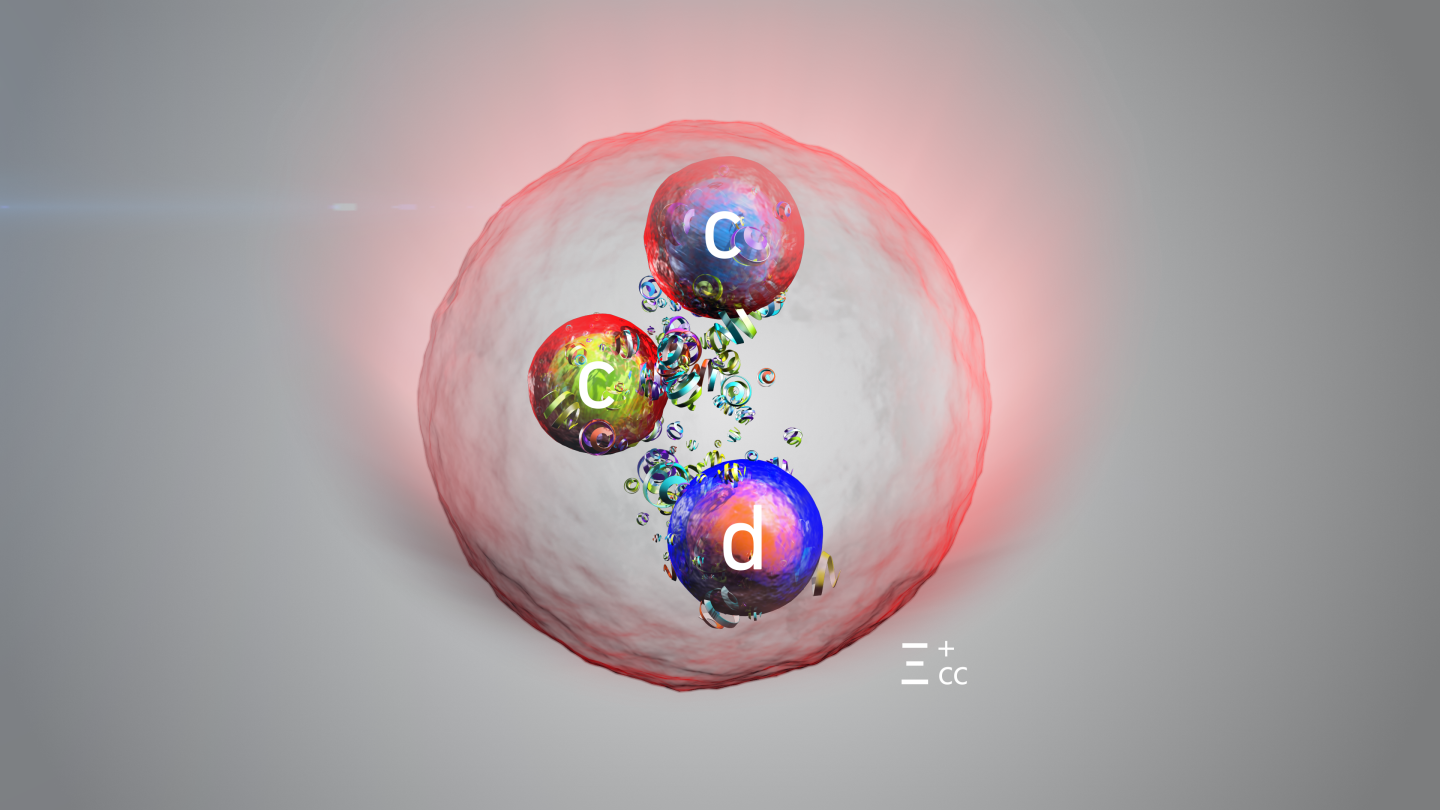
Scientists at Europe's CERN research center say the Large Hadron Collider's LHCb experiment has discovered a "doubly charmed" particle that's like a proton, but four times as weighty.

Astronomers say unusual readings from a star system 11,000 light-years away suggest that two of the planets circling the star crashed into each other, creating a huge, light-obscuring cloud of rocks and dust.

The WHAT? Yeah, the vortons. It’s not an anime monster-hunting show. It’s not some AI startup company. It’s a…it’s a thing. I think.

Oxygen has been the most important gas in our search for life among the cosmos thus far. On Earth, we have it in abundance because it is produced by biological synthesis. But that might not be the case on other planets, so even if we do find a very clear high oxygen signal in the atmosphere of an exoplanet, it might not be a clear indication that life exists there. A new paper, available in pre-print on arXiv, from Margaret Turcotte Seavey and a team of researchers from institutions like the NASA Goddard Space Flight Center and Johns Hopkins University, adds some additional context to what else might be going on in those atmospheres. In particular, they note that if there’s even a little bit of water vapor, it can make a big difference in whether a lifeless rock looks like a living, thriving world.

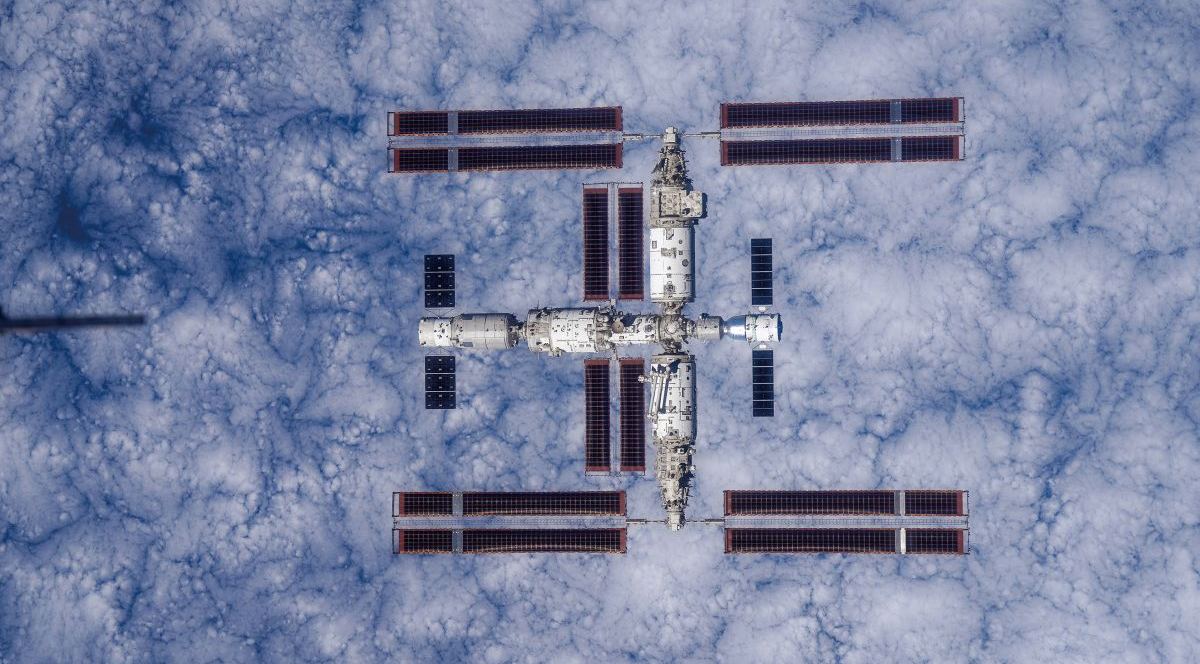
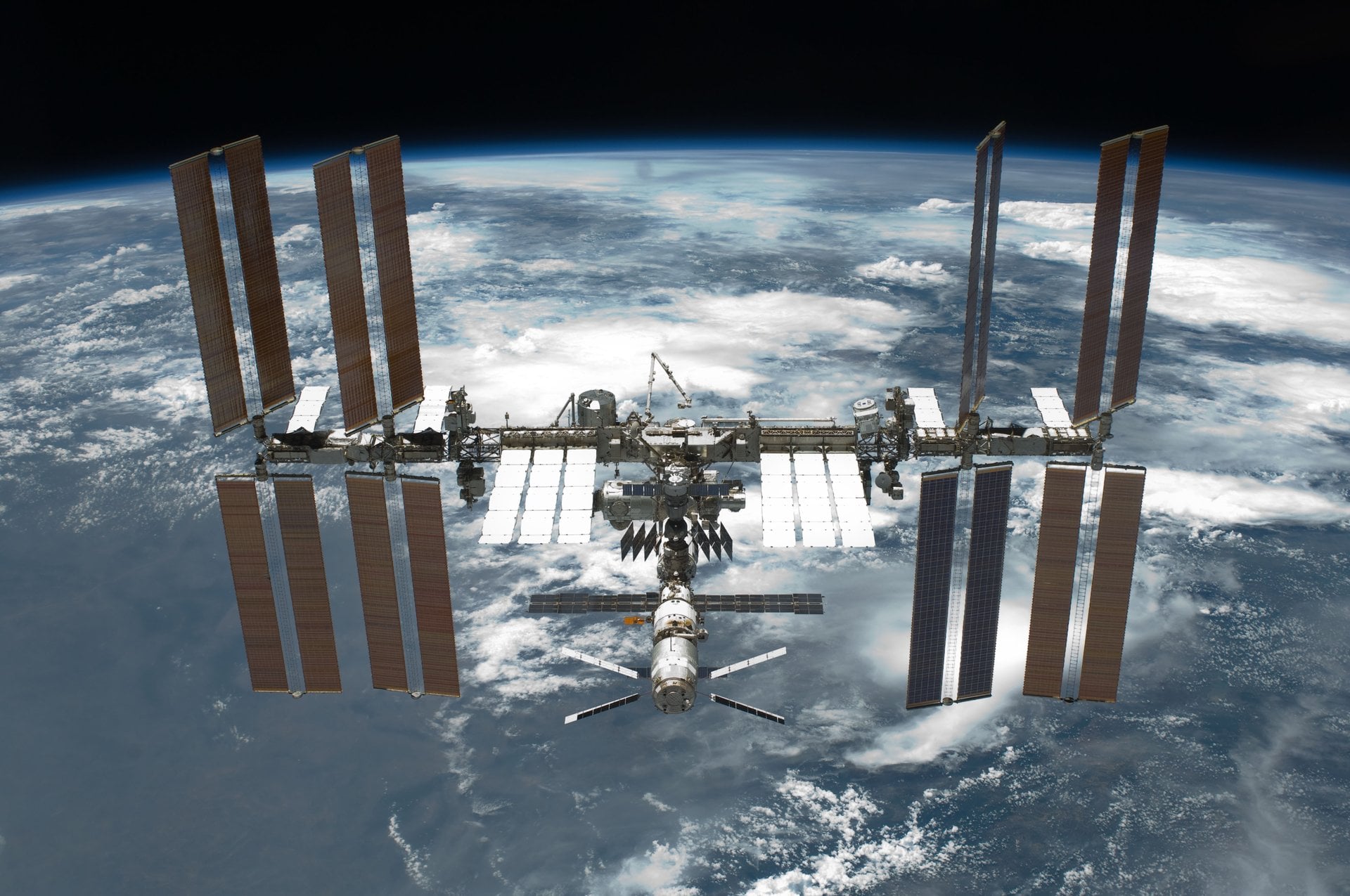
With the ISS set to retire in 2030, several plans are in place to replace it. These include existing space stations, proposals by rising national space agencies, and commercial space stations. With multiple outposts in orbit, the potential for research, development, and even conflict is considerable!

There may be as many rogue planets or free-floating planets in the Milky Way as there are stars. If there are billions of these worlds, some of them have likely held onto their moons. New research reveals a pathway to habitability for these rogue exomoons.

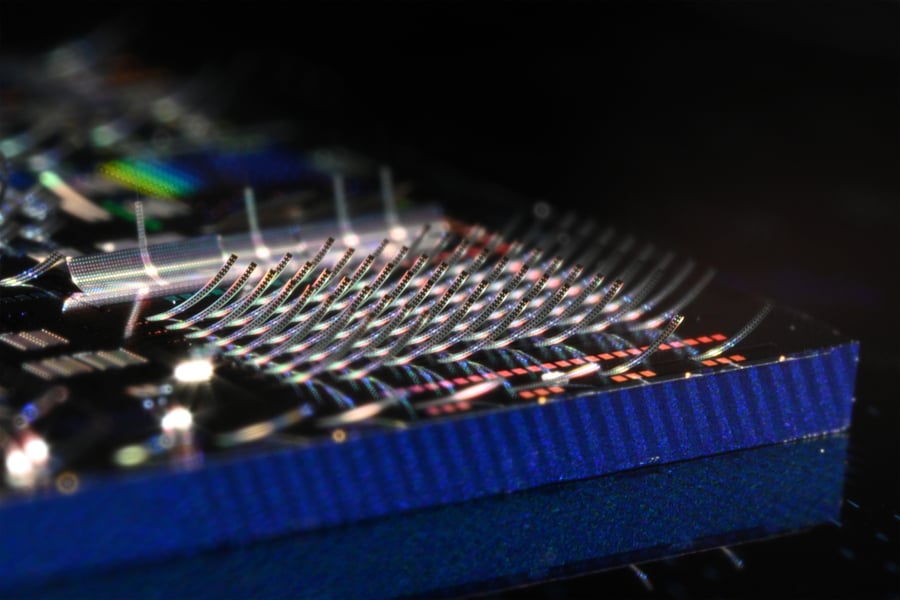
Every ounce counts when launching a rocket, which is why considerations for the Size, Weight, and Power (SWaP) of every component matters so much. For decades, one of the heaviest and most power-hungry components on a spacecraft has been its optical and communications hardware - specifically the bulky mechanical mirror used for LiDAR and free-space laser communications. But a new paper, published in Nature by researchers at MIT, MITRE, and Sandia National Laboratories, might have just fundamentally changed the SWaP considerations of LiDAR systems. Their technology, which they’re called a “photonic ski-jump” could one day revolutionize how spacecraft communicate.

Our Sun didn't always call this quiet corner of the Milky Way home. New research using data from the European Space Agency's Gaia satellite has uncovered evidence that the Sun fled the chaotic heart of our Galaxy four to six billion years ago and it didn't go alone. A vast migration of stars almost identical to our own swept outward together, a great exodus that may have made life on Earth possible. The story of how astronomers pieced this together is as remarkable as the discovery itself.

But here’s the thing about these defects. They can’t just go away. They’re stuck.

On 2 July 2025, NASA's Fermi Gamma-ray Space Telescope detected a gamma-ray burst lasting over seven hours, nearly twice the duration of anything previously recorded. Not only was it the longest ever seen, it repeated, firing off multiple distinct bursts across an entire day. GRB 250702B, as it became known, doesn't fit any known category of astronomical explosion. But a new paper in Monthly Notices of the Royal Astronomical Society offers the explanation that a star torn apart by an intermediate mass black hole may well be the culprit! On 2 July 2025, NASA's Fermi Gamma-ray Space Telescope detected a gamma-ray burst lasting over seven hours, nearly twice the duration of anything previously recorded. Not only was it the longest ever seen, it repeated, firing off multiple distinct bursts across an entire day. GRB 250702B, as it became known, doesn't fit any known category of astronomical explosion. But a new paper in Monthly Notices of the Royal Astronomical Society offers the explanation that a star torn apart by an intermediate mass black hole may well be the culprit!
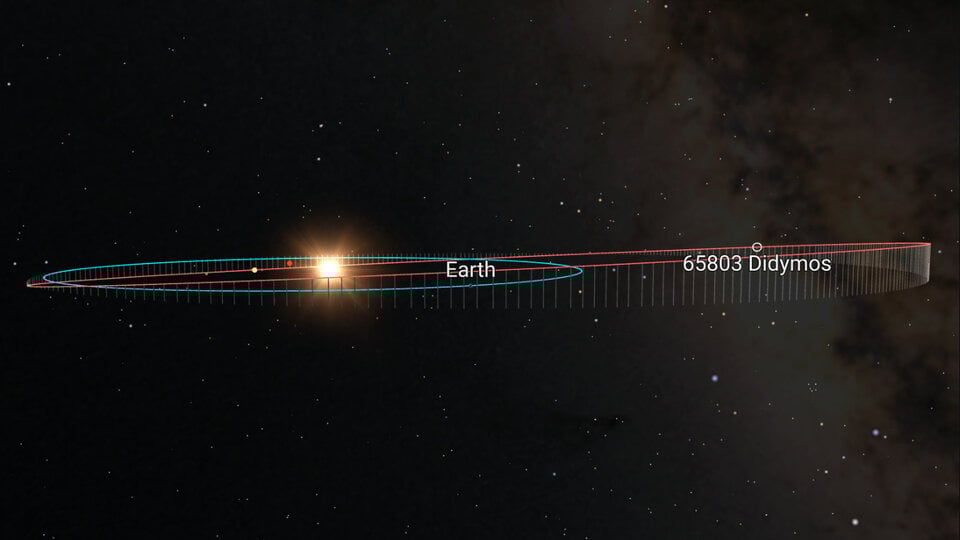
The spacecraft changed the binary system’s orbit, confirming that a kinetic impactor can be an effective planetary defense technique for deflecting a near-Earth object.

Every time you flip a light switch, or check the time, or feel the sodium ions wiggling in your brain — don’t think about that one too much—you’re assuming something fundamental. You’re assuming the universe is a finished product. A completed work. You think the Big Bang happened, the forces of nature settled into their seats, and we’ve been cruising on a smooth, predictable ride ever since.

Every planet with a magnetic field has a radiation belt, a region of space where charged particles get trapped and flung around at extraordinary speeds. Earth has two of them, and they've been puzzling scientists for decades. Now, a physicist at the University of Helsinki has built a model that defines a universal upper limit to just how energetic those belts can ever get. The answer applies not just to Earth, but to every planet in the Solar System, every gas giant, and even the strange objects sitting halfway between planets and stars.

Stars peek through the dusty, winding arms of NGC 5134, a spiral galaxy located 65 million light-years away, in this Feb. 20, 2026, image from NASA’s James Webb Space Telescope. Webb’s Mid-Infrared Instrument collects the mid-infrared light emitted by the warm dust speckled through the galaxy’s clouds, tracing the clumps and strands of dusty gas. The telescope’s Near Infrared Camera records shorter-wavelength near-infrared light, mostly from the stars and star clusters that dot the galaxy’s spiral arms. The image helps researchers understand star formation in spiral galaxies. Image Credit: ESA/Webb, NASA & CSA, A. Leroy

So that's all nice. But why now? That's the question everyone asks. We went decades — centuries, millennia really — without seeing a single rock that didn't have a "Made in the Solar System" sticker on it. Then, in the span of less than ten years, we get the Big Three: 'Oumuamua, Borisov, and now 3I/ATLAS.

What happens when a solar superstorm hits Mars? Thanks to the European Space Agency’s Mars orbiters, we now know: glitching spacecraft and a supercharged upper atmosphere.

Rocky planets are found in abundance around M-type stars (red dwarfs), so finding another one doesn't always generate headlines. But an international team of astronomers say that one recent M-dwarf rocky planet found by TESS is especially noteworthy. This one can serve as a benchmark for comparative studies of this type of exoplanet and their at-risk atmospheres.

So why should we expect interstellar comets like 3I/ATLAS and 'Oumuamua and even to some extent Borisov to be different-different?

“Follow the water” has been a guiding mantra of astrobiology, and even space exploration more generally for decades. If you want to find life, it makes sense to look for the universal solvent that almost all types of life on Earth use. But what if life doesn’t actually need water to live or even evolve? A recent paper, available in pre-print on arXiv by researchers at MIT, including Dr. Sara Seager, and the University of Cardiff, proposes an alternative to water as the basis for life - ionic liquids (ILs) and deep eutectic solvents (DES). These liquids could allow life to exist in environments we had once thought were far too hot, too cold, or too barren to support life, and could dramatically change our search for it throughout the cosmos.

While megastructures are clearly speculative, new research shows that they can (in theory) be built in a way that ensures long-term stability. These findings can provide insight into the properties of potential technosignatures in search for extraterrestrial intelligence studies.

NASA telescopes have detected what could be the most distant gamma-ray burst ever detected. A merging pair of neutron stars generated when they merged and exploded as a kilonova. It happened in an unusual location: a tidal stream of debris created by a group of merging galaxies.

Once you start listing the properties of 3I/ATLAS, it becomes clear pretty quickly that this thing is distinctly different from any other comet we've ever seen. Here's just a small taste.

Just a few days in simulated microgravity can subtly change the way women’s blood clots, sparking bigger questions about health monitoring protocols for astronauts who can spend six months or more in orbit, say Simon Fraser University researchers.

Multiple mobile phones, dashcams, and dedicated meteor cameras capture a fireball over part of Europe on Sunday night. Thousands of people witnessed it, and the ESA's Planetary Defence Team is analyzing it. So far, it looks like it was a few meters in diameter. It lit up the sky, and some debris even struck some buildings in Koblenz, Germany.

One of the Vera Rubin Observatory's objectives is to detect incoming objects. It's decade-long Legacy Survey of Space and Time will detect one-meter class objects about to impact Earth and allow more detailed observations of them. That will help determine their impact sites with greater accuracy, allowing for more recovery.

Astronomers have turned to some of the oldest stars in our Galaxy to tackle one of cosmology's most stubborn puzzles and their answer might surprise you. By analysing precise age data for more than 200,000 Milky Way stars, researchers have placed the age of the universe at around 13.6 billion years. It's a deceptively simple idea that the universe cannot be younger than the stars it contains. What they found doesn't just give us a number, it adds a compelling new dimension to a decades long argument that has divided the scientific world.

Back in the early 2000s, my computer screen, like that of many other space enthusiasts, was typically covered in a series of rainbow-colored spectral signals. As my computer crunched through thousands of data points of radio signals collected by the SETI@Home initiative, I was hoping I was in some small way contributing to one of humanity’s greatest scientific endeavours - the search for extraterrestrial life. But, according to a new paper published in The Astrophysical Journal by Vishal Gajjar and Grayce Brown of the SETI Institute, it seems unlikely that the signals SETI@Home was tailored to look for actually exist. That doesn’t mean there weren’t aliens yelling into the void at the top of their electronic lungs, but simply that the space weather from their local star might have changed the signal to make it unrecognizable by the time it reached us.

Scientists occasionally have a hard time figuring out whether data they are seeing is an actual physical phenomenon or just a trick of their instrumentation. A new paper in The Planetary Science Journal from Jessica Sunshine and their colleagues at the University of Maryland describes one such confusing scenario. In this case, the researchers noted some fan-like patterns across the surface of Dimorphos, the asteroid hit by NASA’s DART mission, and thought it might be a trick of their camera. But after some image correction, computation, and physical experimentation, they determined the patterns were caused by the first-ever documented cases of material transfer between two asteroids.

Jupiter's powerful, continuous aurorae dwarf those of Earth. Scientists know that Jupiter's Galilean moons created bright spots on Jupiter's northern aurora. The JWST observed these bright spots and generated infrared spectra of them for the first time. Those observations showed that Io's bright spot is extremely variable in both temperature and density, and researchers want to know why.

Lunar dust can be a pain - but it’s also literally the ground we will have to traverse if we are ever to have a permanent human settlement on the Moon. In that specific use case, it’s clingy, jagged, staticky properties can actually be an advantage, according to a new paper, recently published in Research from researchers at Beihang University, who analyzed the mechanical properties of samples returned by Chang’e 6 mission to the far side of the Moon.

Even when the idea of terraforming Mars was originally put forward, the idea was daunting. Changing the environment of an entire planet is not something to do easily. Over the following decades, plenty of scientists and engineers have looked at the problem, and most have come to the same conclusion - we’re not going to be able to make Mars anything like Earth anytime soon. A new paper available in pre-print on arXiv from Slava Turyshev of NASA’s Jet Propulsion Laboratory, is a good explainer as to why.

Finding Earth-like exoplanets with the composition and ingredients for life as we know it is the Holy Grail of exoplanet hunting. Since the first exoplanets were identified in the 1990s, scientists have pushed the boundaries of finding exoplanets through new and exciting methods. One of these methods is the direct imaging method, which involves carefully blocking out the host star within the observing telescope, thus revealing the orbiting exoplanets that were initially hiding within the star’s immense glare.

Astronomers have captured the central region of our Milky Way in a striking new image, unveiling a complex network of filaments of cosmic gas in unprecedented detail. Obtained with the Atacama Large Millimeter/submillimeter Array (ALMA), this rich dataset—the largest ALMA image to date—will allow astronomers to probe the lives of stars in the most extreme region of our galaxy, next to the supermassive black hole at its center.

If humankind is to explore deep space, one small passenger should not be left behind: microbes. In fact, it would be impossible to leave them behind, since they live on and in our bodies, surfaces and food. Learning how they react to space conditions is critical, but they could also be invaluable fellows in our endeavor to explore space.

Today’s Picture of the Week, taken with ESO’s Very Large Telescope (VLT), seems to have captured a cosmic hawk as it spans its wings.

Asteroids are critical to unlock our understanding of the early solar system. These chunks of rock and dust were around at the very beginning, and they haven’t been as modified by planetary formation processes as, say, Earth has been. So scientists were really excited to get ahold of samples from Ryugu when they were returned by Hayabusa-2 a few years ago. However, when they started analyzing the magnetic properties of those samples, different research groups came up with different answers. Theorizing those conflicting results came from small sample sizes, a new paper recently published in JGR Planets from Masahiko Sato and their colleagues at the University of Tokyo used many more samples to finally dig into the magnetic history of these first ever returned asteroid samples.

Craters, craters, and yet more craters: this snapshot from ESA’s Mars Express is packed full of them, each as fascinating as the last.

Astronomers using the MeerKAT radio telescope in South Africa have discovered the most distant hydroxyl megamaser ever detected. It is located in a violently merging galaxy more than 8 billion light-years away, opening a new radio astronomy frontier.

Here’s one less thing to worry about — or to look forward to: NASA has ruled out any chance that an asteroid called 2024 YR4 will hit the moon in 2032.