Sunday, February 22, 2026

Could it be We've Recieved Alien Signals and Didn't Notice? Not Bloody Likely, According to New Study't we seen them?
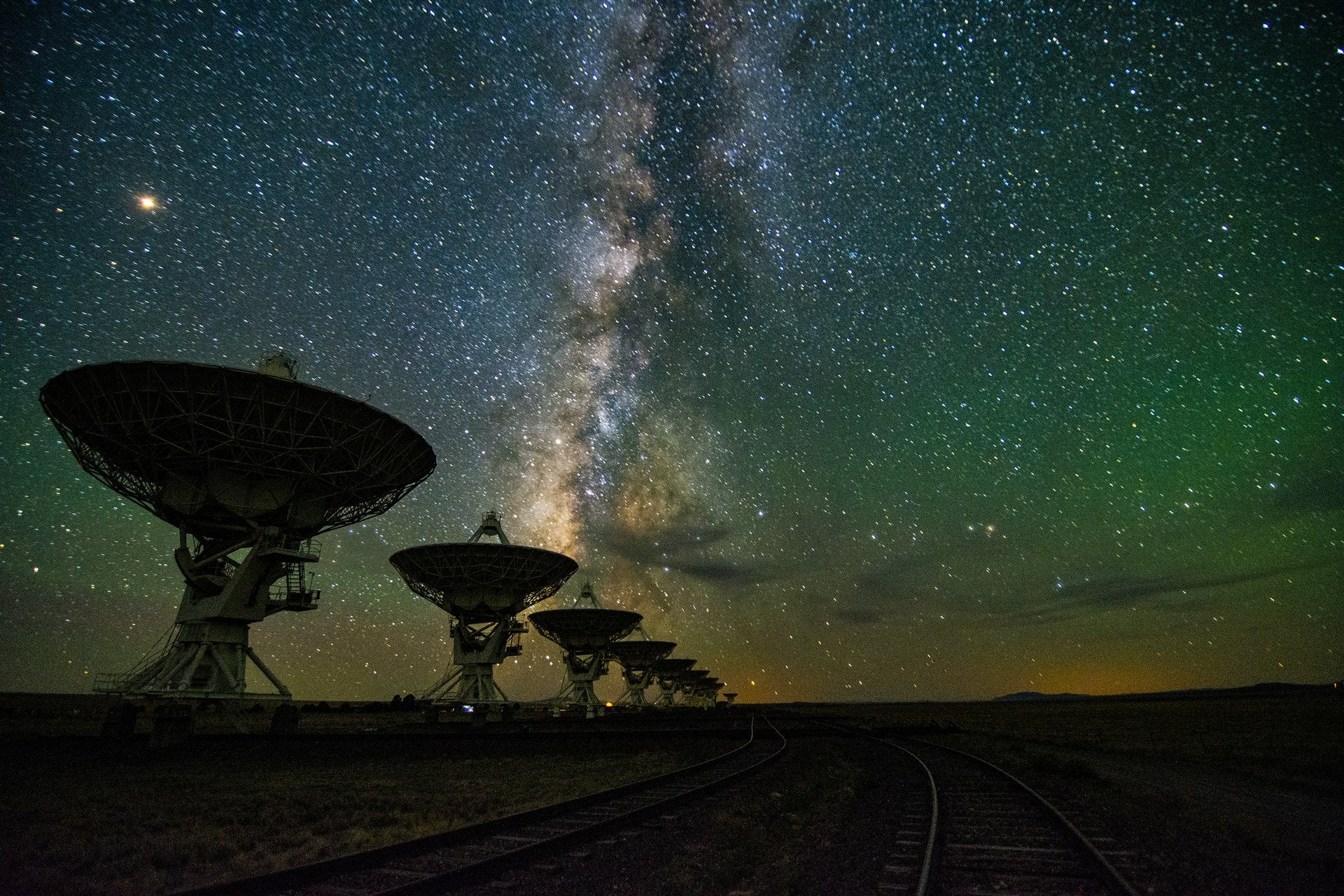
The Karl G. Jansky Very Large Array (VLA) in New Mexico at night. Credit: NRAO

For decades, scientists have searched the skies for signs of extraterrestrial technology. A study from EPFL asks a sharp question: if alien signals have already reached Earth without us noticing, what should we realistically expect to detect today?


Saturday, February 21, 2026

Exomoons Could Reveal Themselves Through Lunar Eclipses

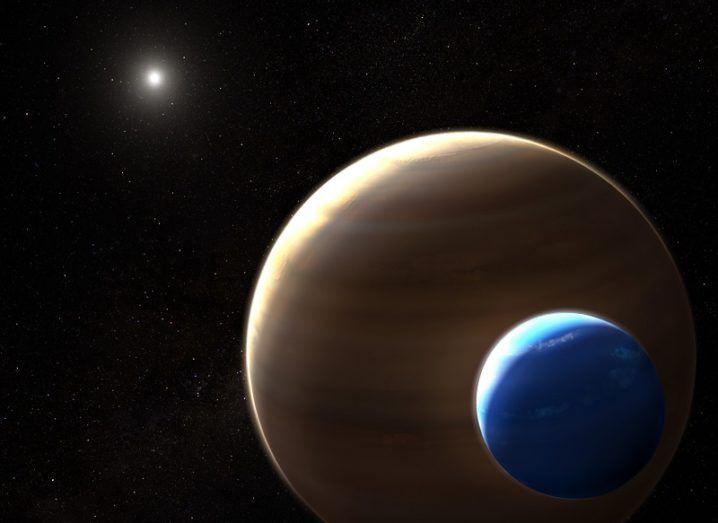
Artist's impression of an exomoon. (Credit ESA/Hubble)

Our solar system hosts almost 900 known moons, with more than 400 orbiting the eight planets while the remaining orbit dwarf planets, asteroids, and Trans-Neptunian Objects (TNOs). Of these, only a handful are targets for astrobiology and could potentially support life as we know it, including Jupiter’s moons Europa and Ganymede, and Saturn’s moon Titan and Enceladus. While these moons orbit two of the largest planets in our solar system, what about moons orbiting giant exoplanets, also called exomoons? But, to find life on exomoons, scientists need to find exomoons to begin with.


Friday, February 20, 2026

Researchers Examine How We Could Achieve Sustainable Water Systems for Space

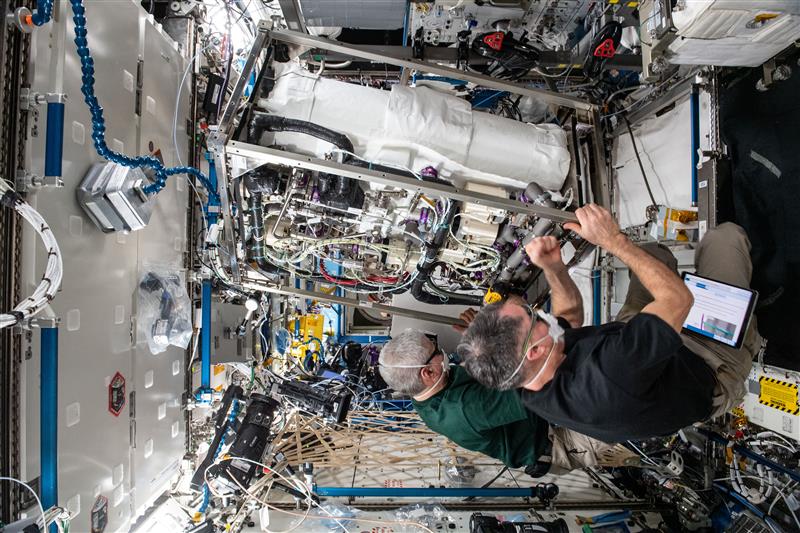
The Environmental Control and Life Support Systems (ECLSS) aboard the ISS. Credit: NASA

If humans want to live in space, whether on spacecraft or the surface of Mars, one of the first problems to solve is that of water for drinking, hygiene, and life-sustaining plants. Even bringing water to the International Space Station (ISS) in low Earth orbit costs on the order of tens of thousands of dollars. Thus, finding efficient, durable, and trustworthy ways to source and reuse water in space is a clear necessity for long-term habitation there.


NASA's Techno-Wizardry Grants The Perseverance Rover Greater Autonomy

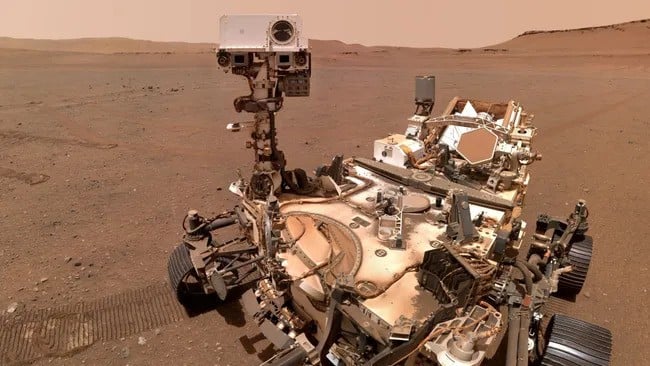
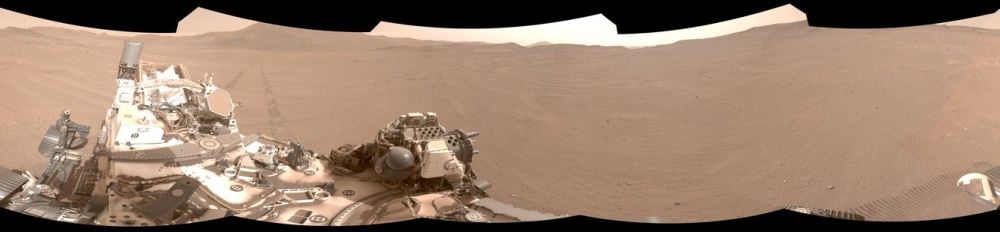
Panorama images like this one are helping Perseverance be more autonomous on Mars. The rover uses a new algorithm to compare these images to orbital images and pinpoint its location Mars without human help. The system is called Mars Global Localization. Image Credit: NASA/JPL-Caltech

When the Perseverance rover was sent to Mars, it was largely dedicated to astrobiology. It's driving around an ancient paleolake, Jezero Crater, looking for evidence of past life. But the rover mission is also a testbed for greater autonomous operations. Now, NASA has given the inquisitive rover a way to better navigate the Martian surface with less human intervention.


Thursday, February 19, 2026

Report Blames NASA and Boeing for Botched Starliner Flight Test

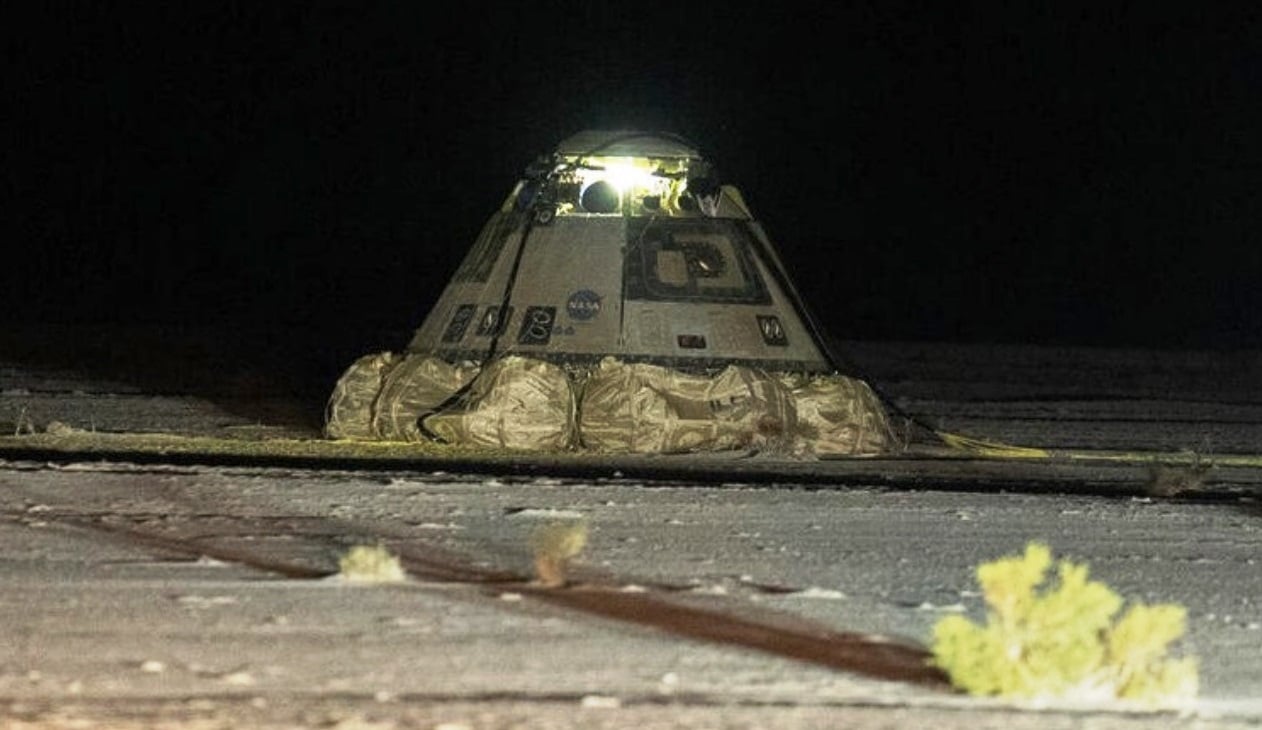
Boeing’s Starliner craft sits in the New Mexico desert after its uncrewed return to Earth in 2024. (Boeing Photo)

Nearly two years after Boeing’s botched Starliner mission to the International Space Station, NASA put the mishap in the same category as the Challenger and Columbia space shuttle disasters — and said the spacecraft wouldn’t carry another crew until dozens of corrective actions are taken.


No Supernova Needed. This Star Collapsed Directly Into A Black Hole

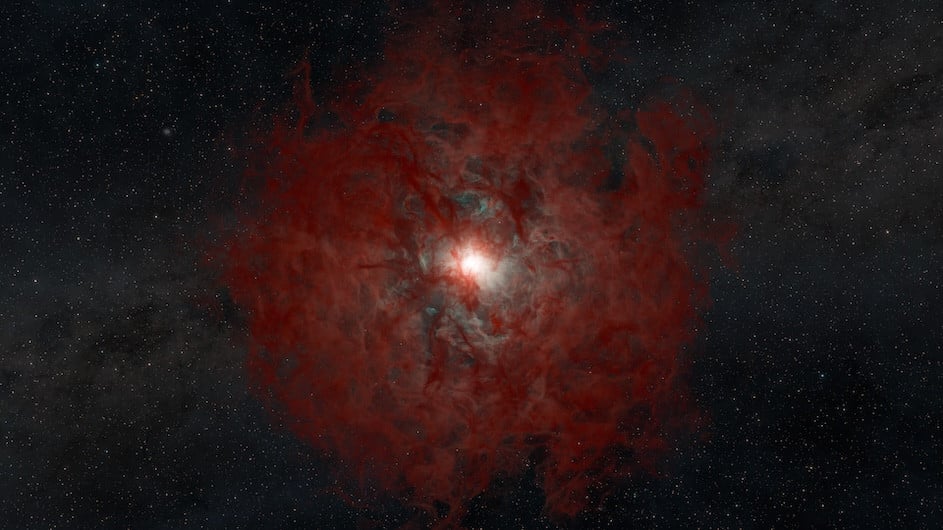
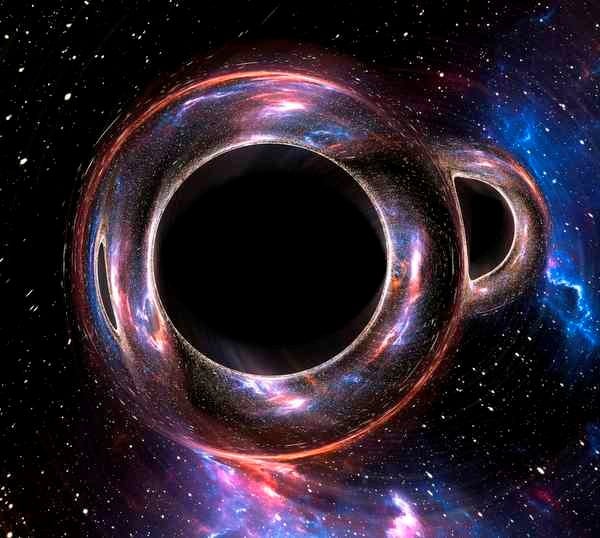
In this illustration, a star has collapsed directly into a black hole. The black hole is surrounded by the star's envelope, expelled prior to collapse. A white ball of heated gas in the center is falling into the black hole. Direct-collapse black holes shouldn't be that rare according to theory, though observational evidence is scarce. Image Credit: Keith Miller, Caltech/IPAC - SELab

Theory says that, under the right conditions, massive stars can collapse directly into black holes without exploding as supernovae. But observational evidence of the phenomenon has been hard to get. Now astronomers have found some sequestered in archival data.


Ancient Massive Stars Enriched Early Clusters and Birthed First Black Holes

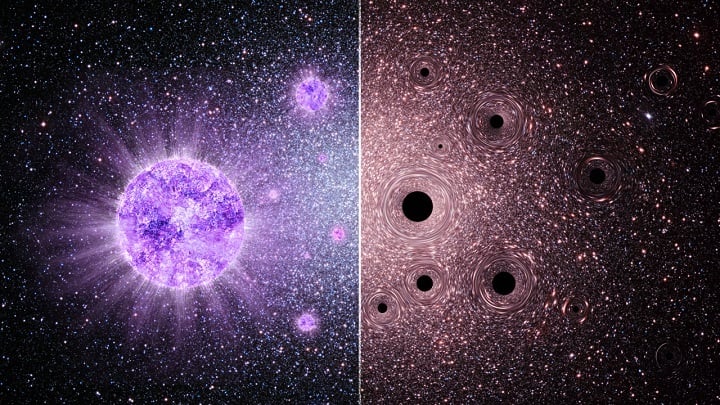
An artist’s impression of a globular cluster near its birth (left), hosting extremely massive stars with powerful stellar winds that enrich the cluster with elements processed at extremely high temperatures. (Right), an ancient globular cluster as we observe it today: surviving low-mass stars retain traces of the winds from those extremely massive stars, which have since collapsed into intermediate-mass black holes. Credits: Fabian Bodensteiner; background: image of the Milky Way globular cluster Omega Centauri, captured with the WFI camera at ESO’s La Silla Observatory.

The early Universe was a busy place. As the infant cosmos exanded, that epoch saw the massive first stars forming, along with protogalaxies. It turns out those extremely massive early stars were stirring up chemical changes in the first globular clusters, as well. Not only that, many of those monster stars ultimately collapsed as black holes.


Hubble and Euclid Team Up To Identify A Dark Matter Galaxy

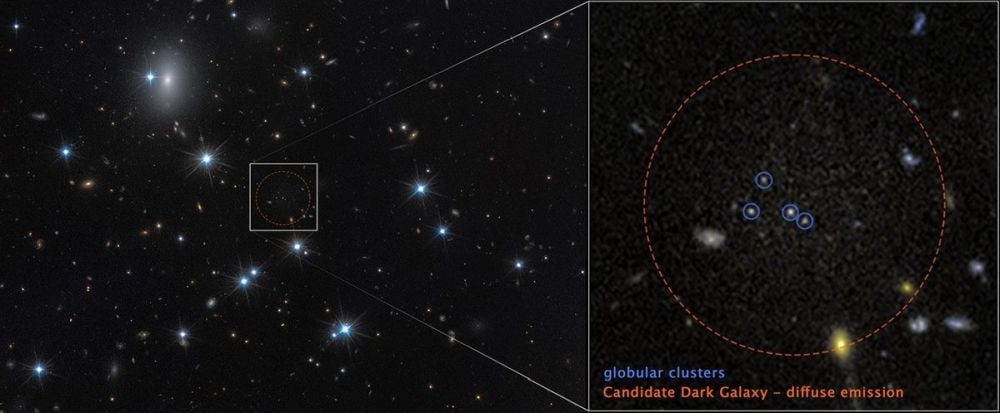
Candidate Dark Galaxy 2 (CDG-2) contains only a few stars and is dominated by dark matter, making it very dim. It was detected by observing its four globular clusters and the galaxy's very faint emissions. Image Credit: NASA, ESA, Dayi Li (UToronto); Image Processing: Joseph DePasquale (STScI)

We know galaxies by their powerful illumination, generated by multitudes of stars. But some galaxies can be very dim. These are hypothesized to be dark galaxies, or dark matter galaxies. They're theoretical, and only candidates have been identified, but researchers may have confirmed the very first one.


Flexible Force Fields Can Protect Our Return to the Moon

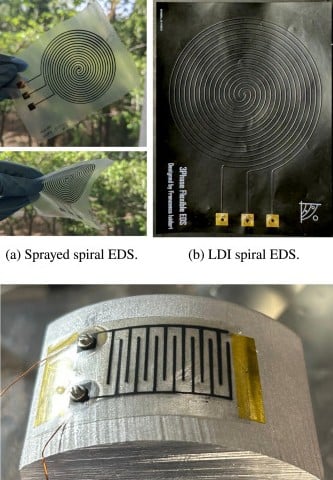
Some of the EDS samples used in the research. Credit - F. I. Pacelli et al.

Lunar dust remains one of the biggest challenges for a long-term human presence on the Moon. Its jagged, clingy nature makes it naturally stick to everything from solar panels to the inside of human lungs. And while we have some methods of dealing with it, there is still plenty of experimentation to do here on Earth before we use any such system in the lunar environment. A new paper in Acta Astronautica from Francesco Pacelli and Alvaro Romero-Calvo of Georgia Tech and their co-authors describes two types of flexible Electrodynamic Dust Shields (EDSs) that could one day be used in such an environment.


Wednesday, February 18, 2026

How Supermassive Black Holes Stifle Star Formation In Neighbouring Galaxies

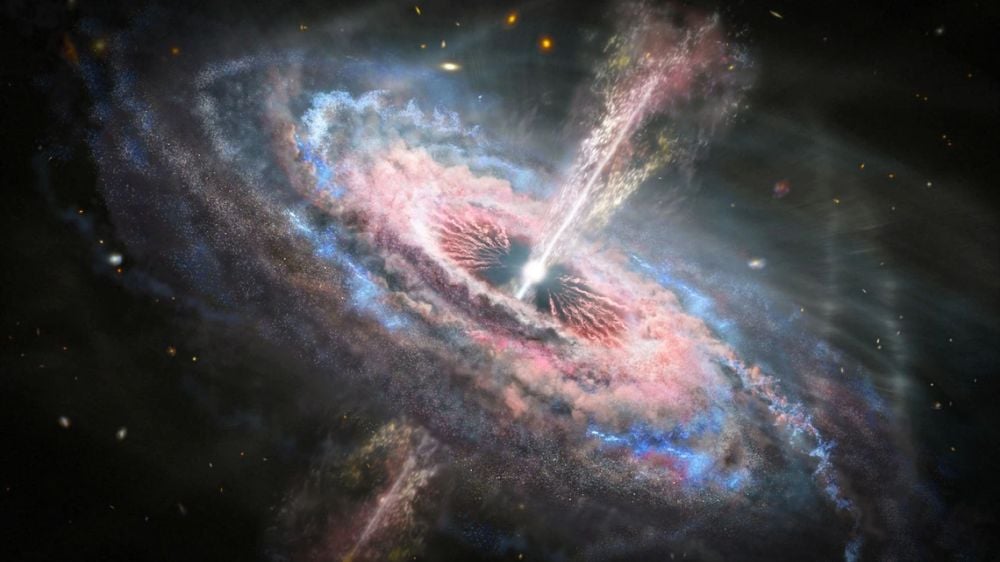
This artist's illustration shows a swirling accretion disk around a brilliant quasar. Quasars, which are extremely luminous supermassive black holes, warm up the gas in their galaxy, which suppresses star formation. But new research says that luminous quasars can even suppress star formation in neighbouring galaxies. Image Credit: NASA, ESA, Joseph Olmsted (STScI)

We know that supermassive black holes can inhibit star formation in their galaxies. But new research and JWST observations show that the most luminous quasars can actually suppress star formation in neighbouring galaxies. SMBH may have played a more pronounced role in shaping the early Universe than previously thought.


Tuesday, February 17, 2026

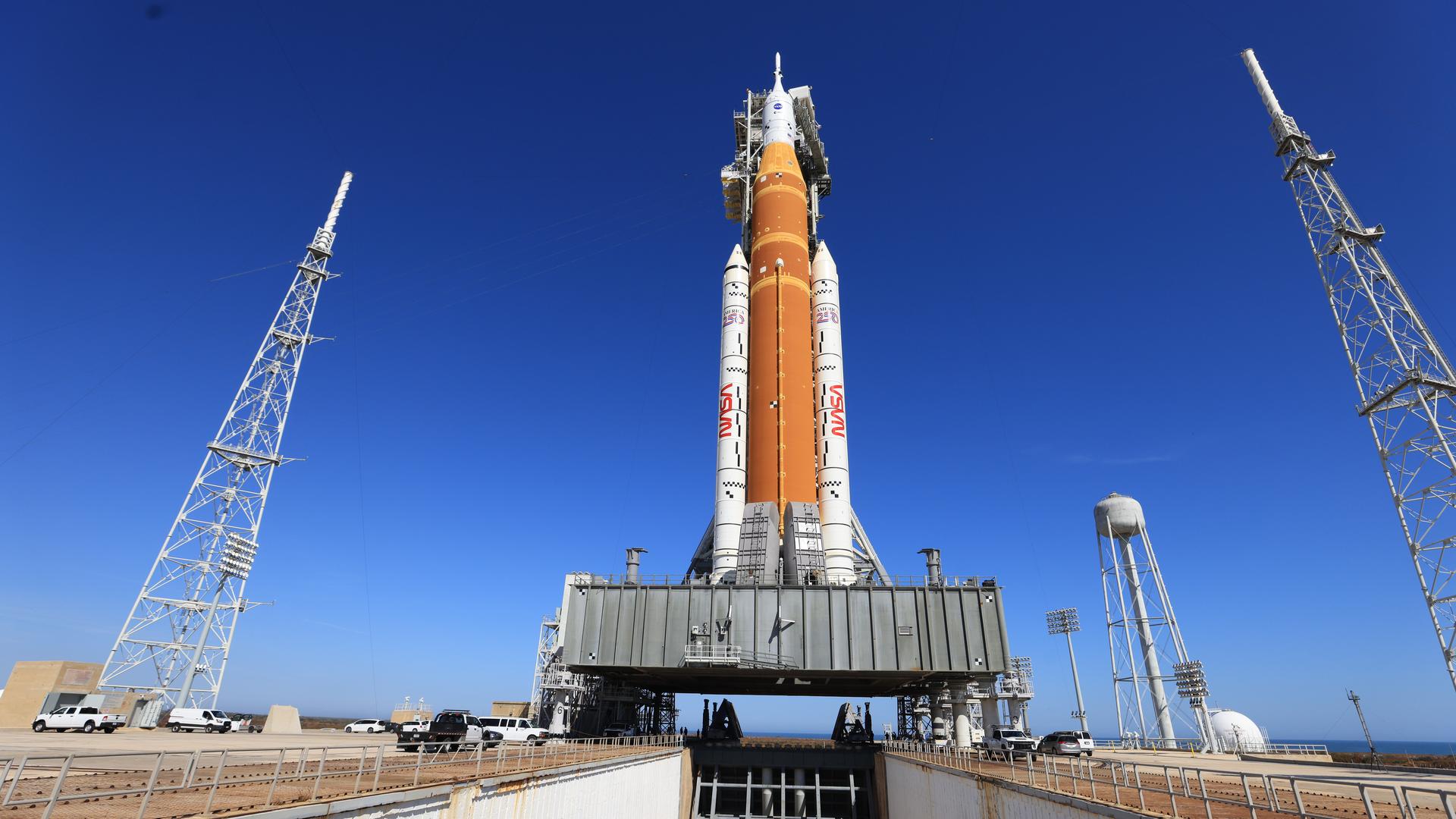
Ground Teams Stop Flow of Liquid Hydrogen During Artemis II Wet Dress Rehearsal

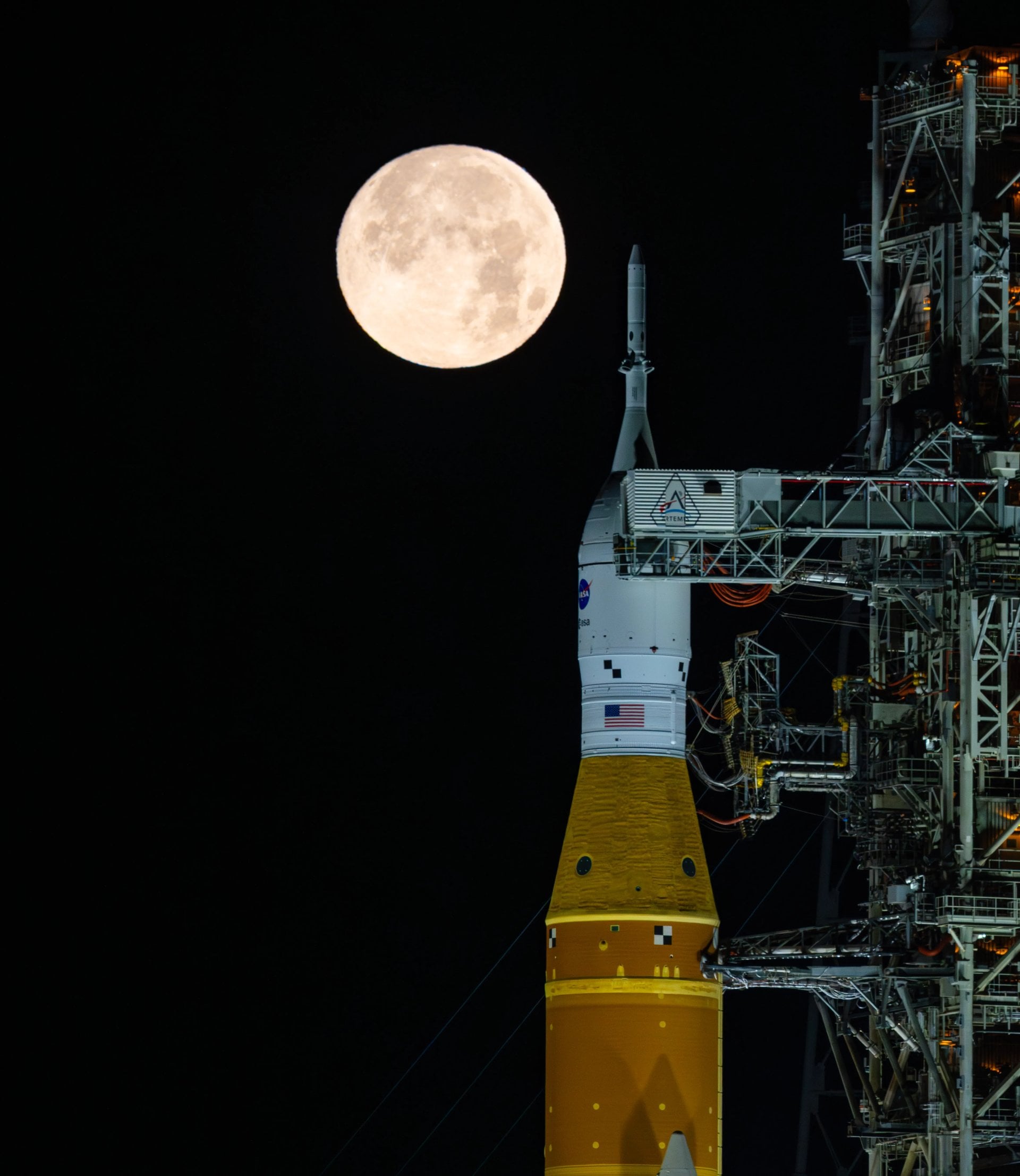
A full Moon is seen shining over NASA’s SLS (Space Launch System) and Orion spacecraft, atop the mobile launcher at the agency’s Kennedy Space Center in Florida on Feb. 1st, 2026. Credit: NASA/Sam Lott

NASA said Tuesday it will now target a March launch of its new moon rocket after running into exasperating fuel leaks during a make-or-break test a day earlier.


An Ancient Merger Could Have Created Titan and the Debris Created Saturn's Rings

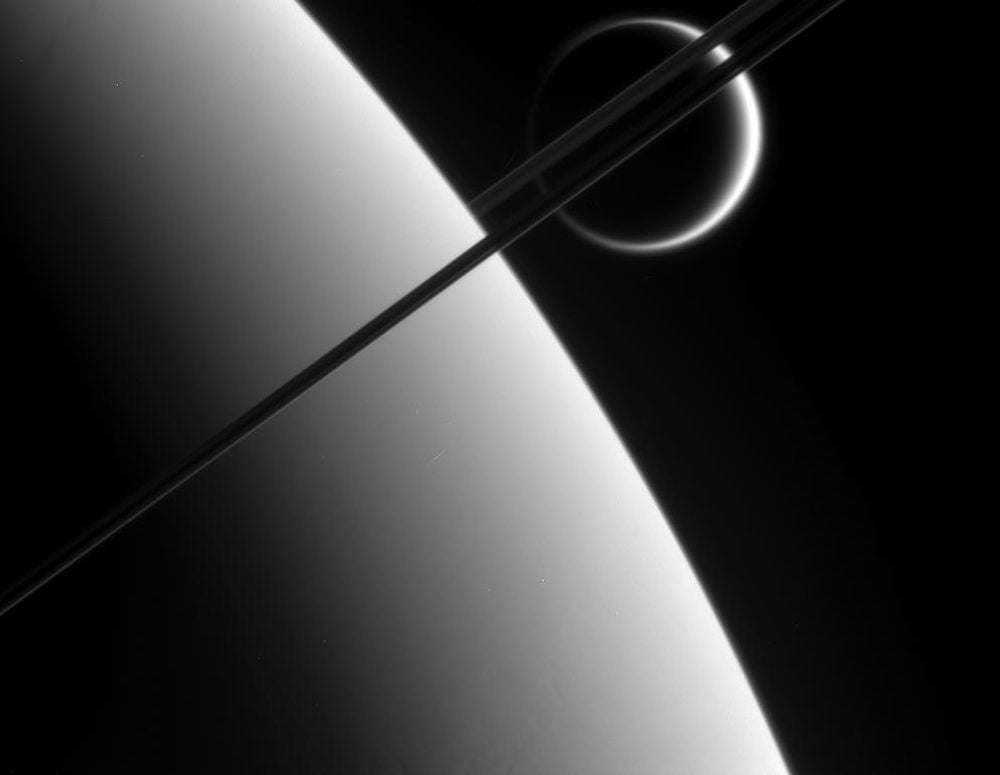
The Cassini spacecraft captured this image of Titan framed by Saturn and its rings. New research highlights Titan's important role in shaping the Saturnian system. Image Credit: NASA/JPL/Space Science Institute

New research presents a timeline for recent (astronomically speaking) events in the Saturnian system. It shows that Titan collided with a proto-Hyperion, and the collision smoothed Titan's surface while some of the debris accreted onto a new Hyperion and also created Saturn's rings. The research can also explain some of the Saturnian system's other unusual characteristics.


Occupy Mars? Or the Moon? Get a Reality Check on Elon Musk's Plans

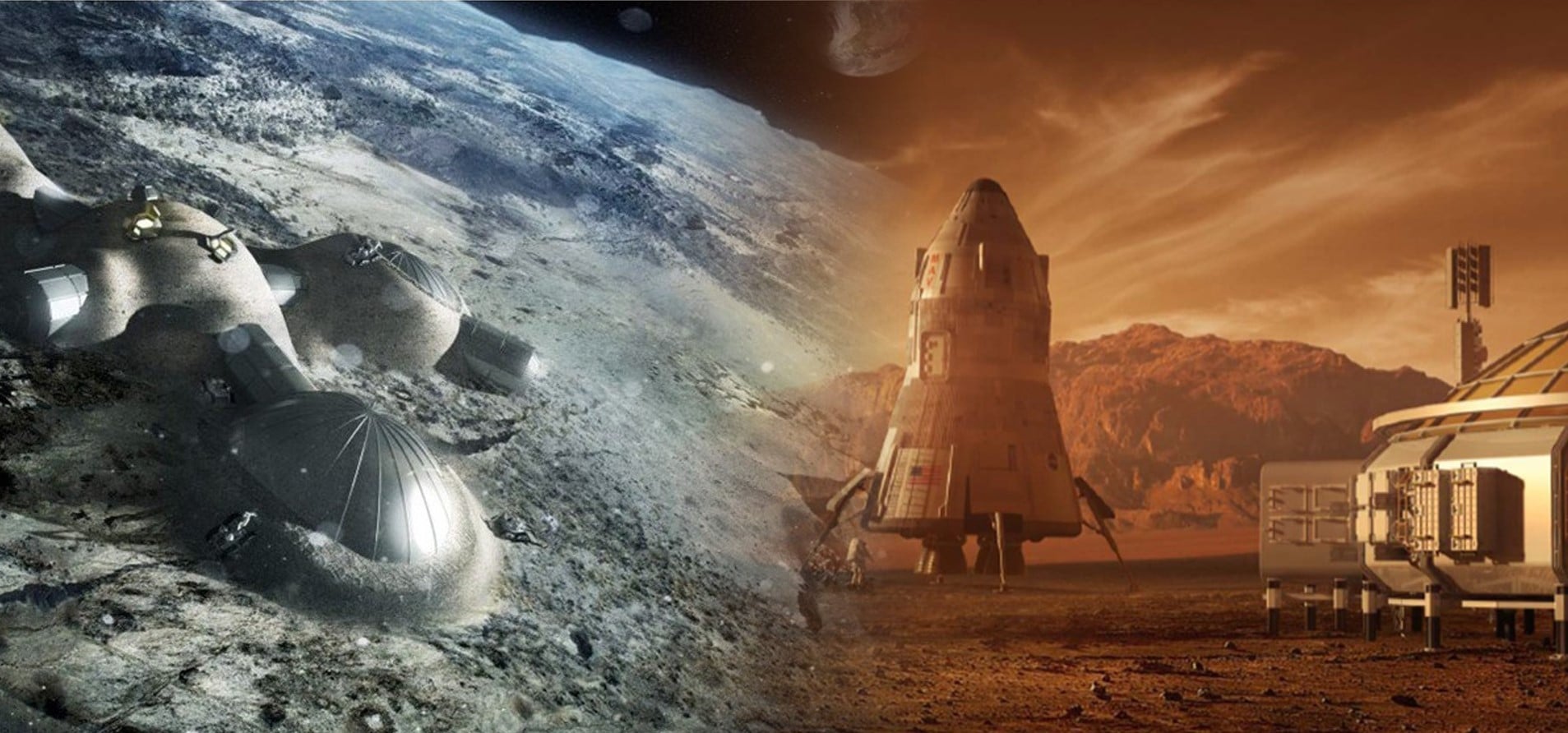
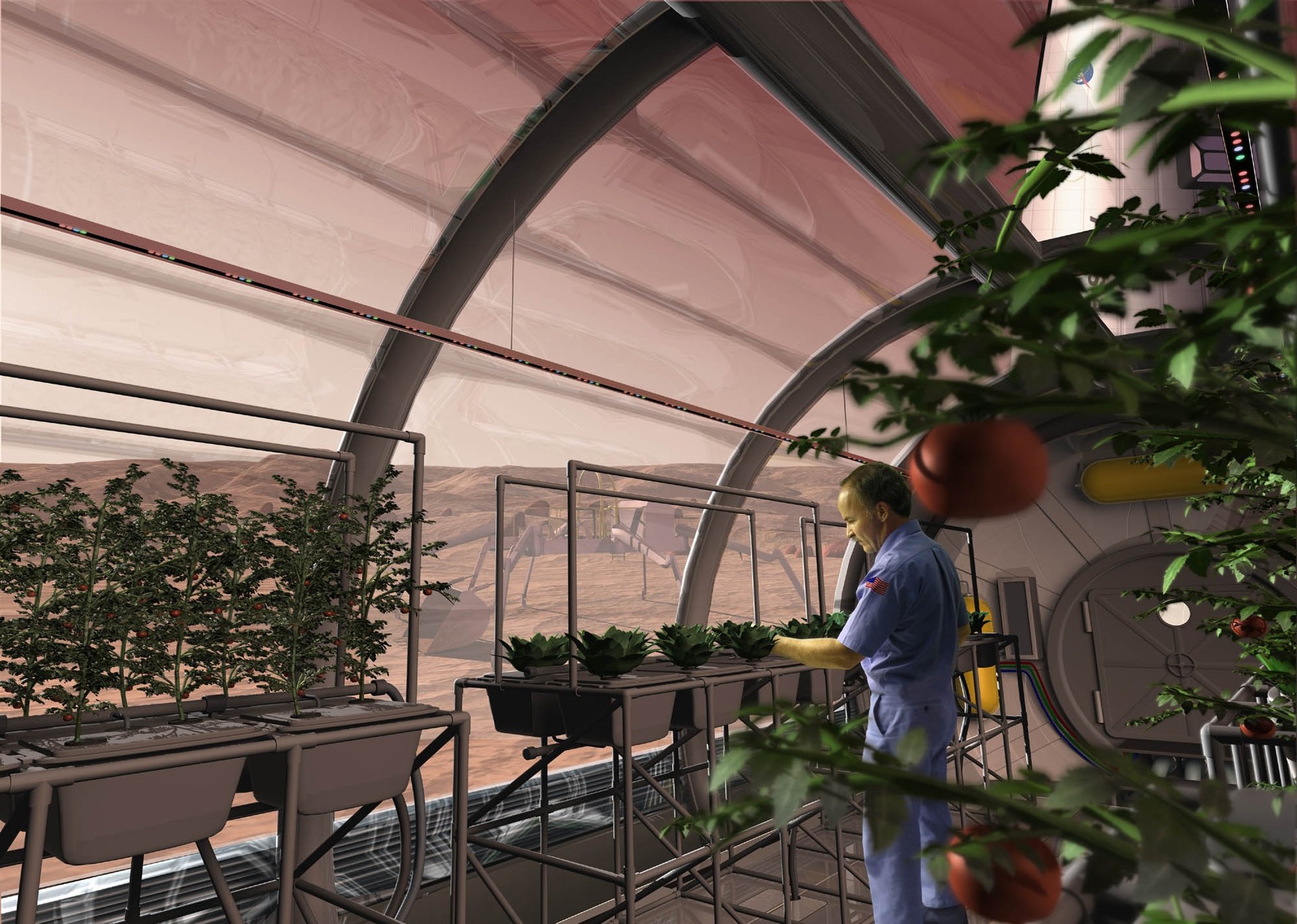
Artist's concepts show a moon village at left and a Mars habitat at right. (Left image: ESA. Right image: Team SEArch+/Apis Cor via NASA)

SpaceX founder Elon Musk now says he wants to build a city on the moon before building a city on Mars. Is either scenario realistic? In the latest episode of the Fiction Science podcast, biologist Scott Solomon, the author of a new book titled "Becoming Martian," does a reality check on humanity's prospects for living on other worlds.


New Lunar Samples Challenge the "Late Heavy Bombardment"

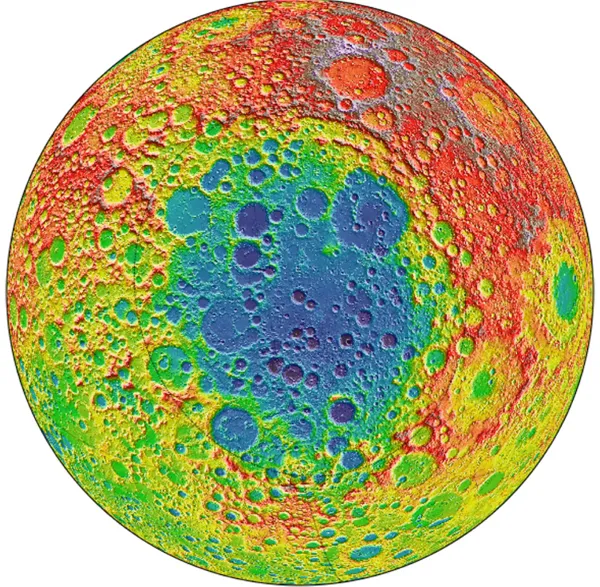
Topographical map of the South Pole-Aitken Basin. Credit - NASA

Results are coming out from the samples returned by China’s Chang’e-6 sample return mission to the far side of the Moon. They offer our first close-up look at the geology and history of the far side, and a recent paper published in Science Advances from researchers at the Chinese Academy of Sciences has very interesting insights about the impact history of the Moon itself, and even some for the solar system at large.


How Mars' Toxic Soil Actually Makes Stronger Bricks

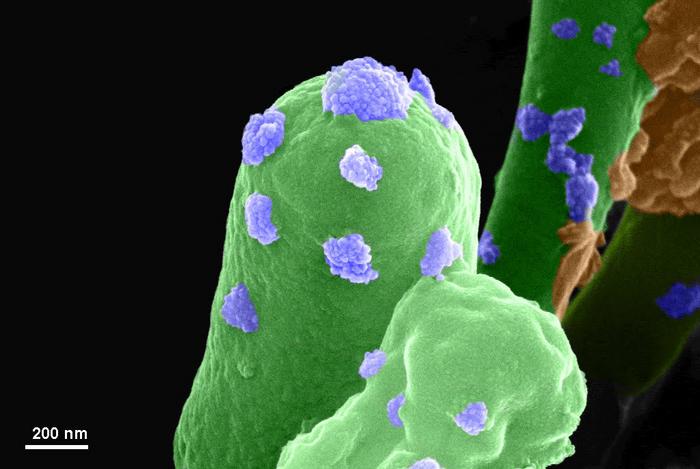
Scanning Electron Microscope image of the Sporosarcina pasteurii bacteria interacting with surounding minerals. Credit - Aloke Lab, IISc

Using local resources will be key to any mission to either the Moon or Mars - in large part because of how expensive it is to bring those resources up from Earth to our newest outposts. But Mars in particular has one local resource that has long been thought of as a negative - perchlorates. These chemicals, which are toxic to almost all life, make up between 0.5-1% of Martian soil, and have long been thought to be a hindrance rather than a help to our colonization efforts for the new planet. But a new paper from researchers at the Indian Institute of Science and the University of Florida shows that, when making the bricks that will build the outpost, perchlorates actually help.


Monday, February 16, 2026

Scientists Make a Game-Changing Find in the Bennu Asteroid

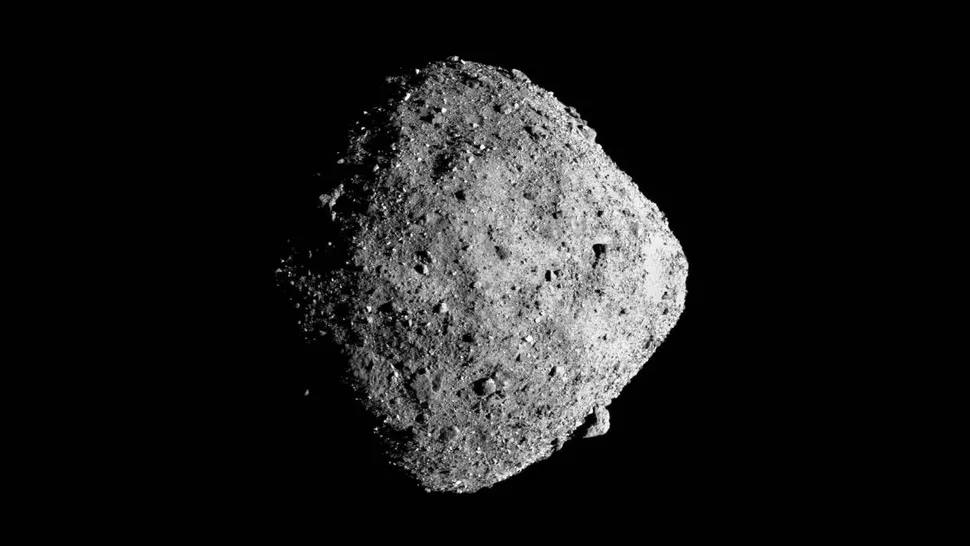
NASA's OSIRIS-REx spacecraft captured this image of the asteroid Bennu on Dec. 12, 2018. Credit: NASA/Goddard/University of Arizona

According to the researchers from the University of Pennsylvania, some of the amino acids found in the asteroid Bennu likely formed in a different way than was previously thought, effectively challenging what we thought we knew about the origins of life.


Very Few Planets Have the Right Chemistry for Life

Research shows that for a planet to be habitable, phosphorous and nitrogen must be present when the planet's core forms. For those elements to eventually be readily available on the surface, the right amount of oxygen must also be present. Without these factors, DNA, RNA, and proteins will be unable to form. Image Credit: M.Weiss/Center for Astrophysics | Harvard & Smithsonian

A complex web of interrelated factors make Earth a life-supporting planet, and some of those factors are chemical. New research shows how oxygen abundance regulates the availability of the important chemicals phosphorous and nitrogen on planets, and that few planets get it right. While discouraging, it could help us optimize our search for habitable worlds.


Sunday, February 15, 2026

Earth's Radiation Fingerprint

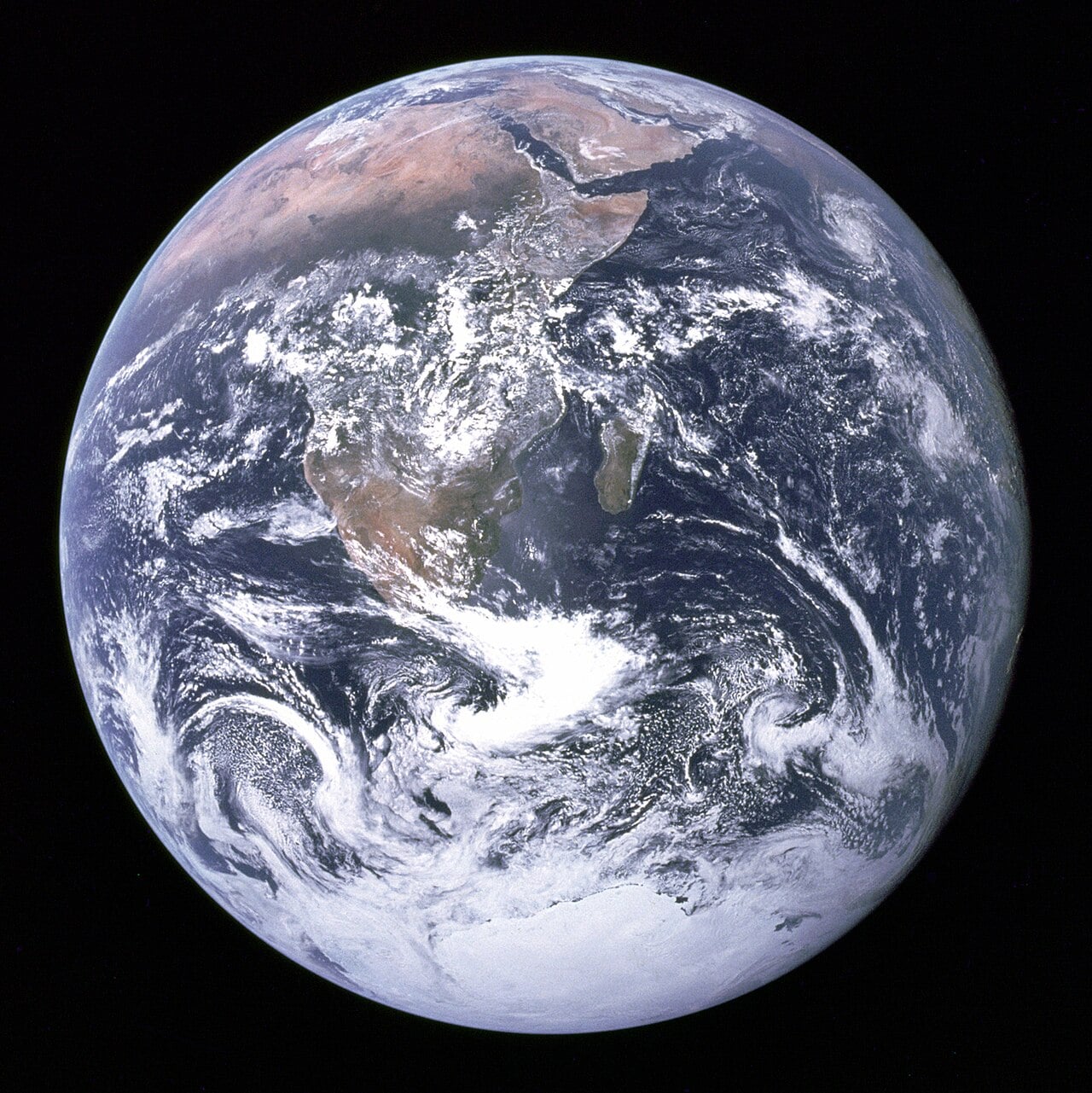
Earth viewed from Apollo 17 (Credit : NASA)

Scientists have discovered a revolutionary way to measure Earth's radiation budget by observing our planet from the Moon. A team of astronomers have revealed that lunar observations capture Earth as a complete disk, filtering out local weather noise and revealing planet scale radiation patterns dominated by spherical harmonic functions, effectively creating a unique "fingerprint" of Earth's outgoing radiation. This Moon based perspective solves fundamental limitations of satellite observations, which struggle to achieve both temporal continuity and spatial consistency, offering a new tool for understanding global climate change with unprecedented clarity.


The Ariane 6 Rocket Gets More "Oomph!"

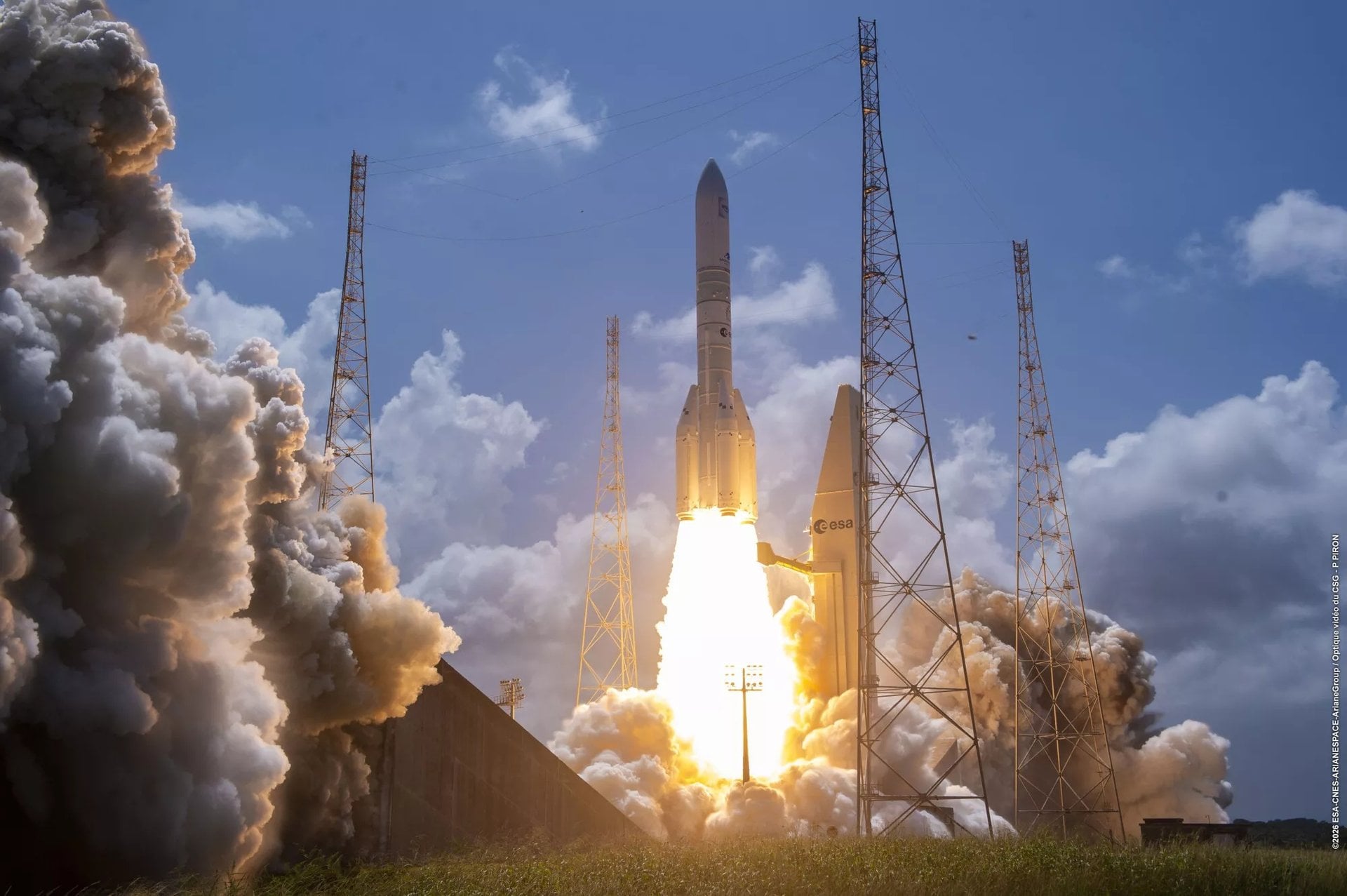
On Feb. 12th, the Ariane 64 launched from Europe's Spaceport, carrying 32 Amazon Leo satellites. Credit: Arianespace.com

Designed for versatility, Ariane 6 can adapt to each mission: flying with two boosters for lighter payloads, or four boosters when more power is needed. In its four-booster configuration, Ariane 6 can carry larger and heavier spacecraft into orbit, enabling some of Europe’s most ambitious missions.


The Hidden Story of Young Martian Volcanoes

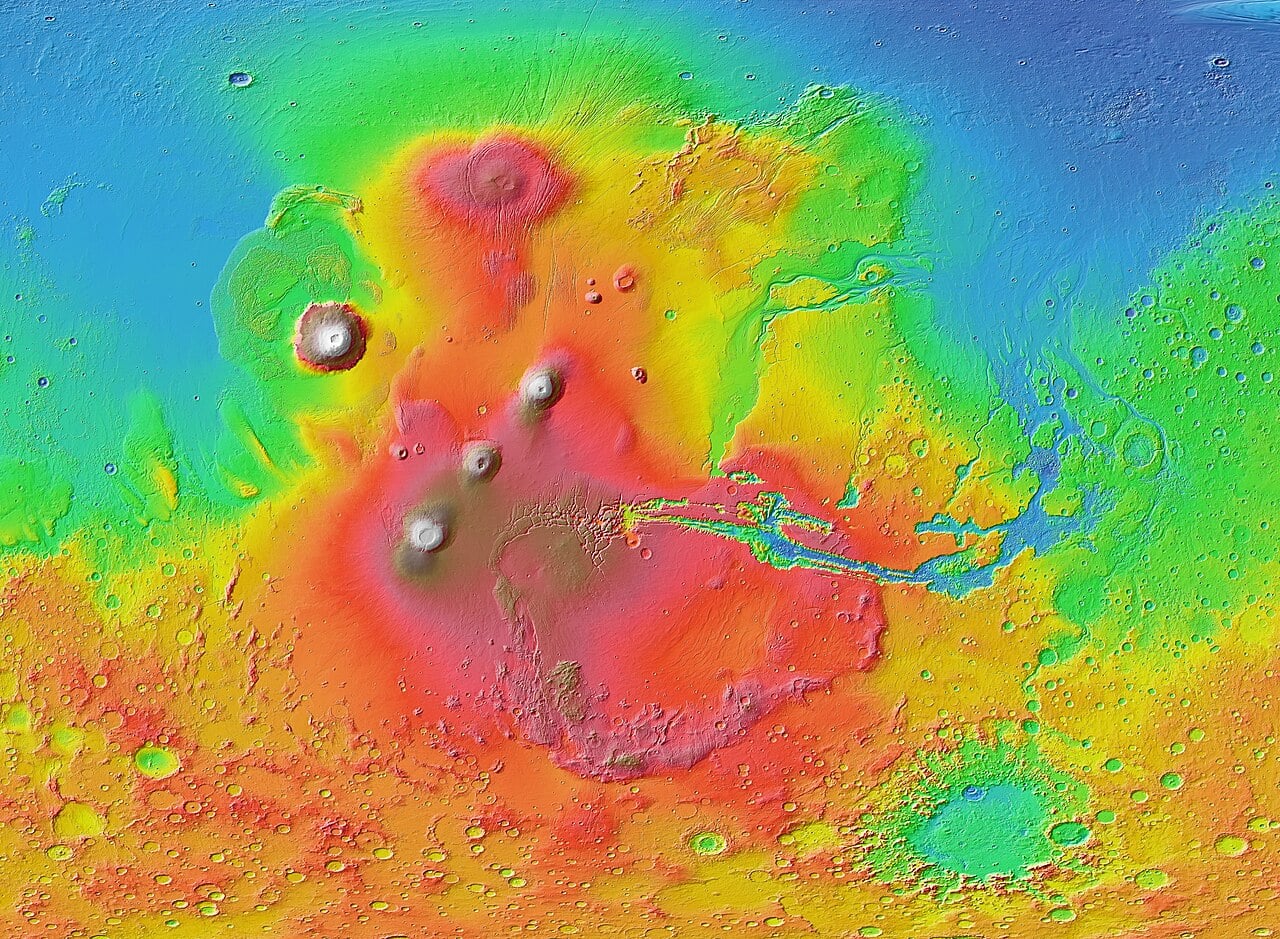
Mars Orbiter Laser Altimeter (MOLA) colorised topographic map of the western hemisphere of Mars, showing the Tharsis region of volcanoes (Credit : NASA / JPL-Caltech / Arizona State University)

New research has revealed that Mars’ most recent volcanoes weren’t formed by simple, one off eruptions as scientists previously thought. Instead, these volcanic systems evolved over millions of years, fed by complex underground magma chambers that changed and developed over time. By studying surface features and mineral signatures from orbit, researchers have pieced together a far more intricate volcanic story than anyone expected.


Saturday, February 14, 2026

Webb Reveals a Plethora of Organic Molecules in a Bright Local Infrared Galaxy

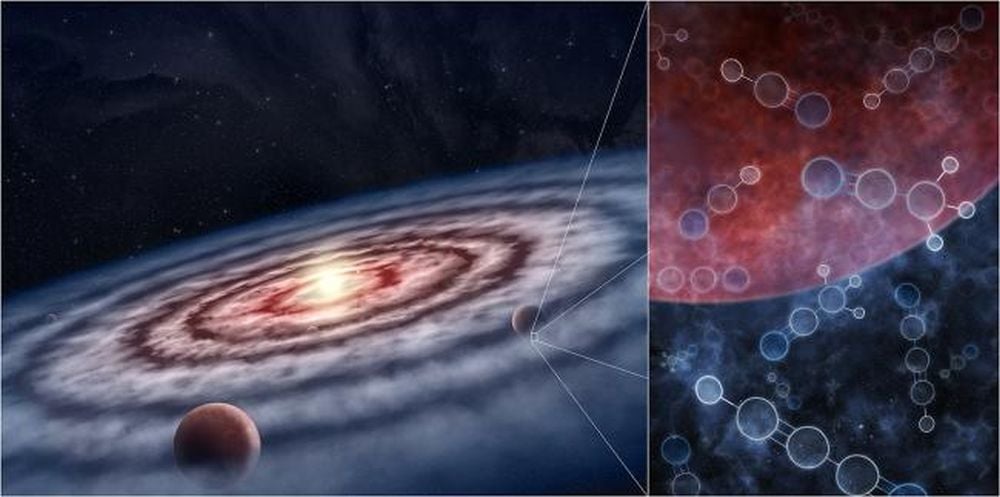
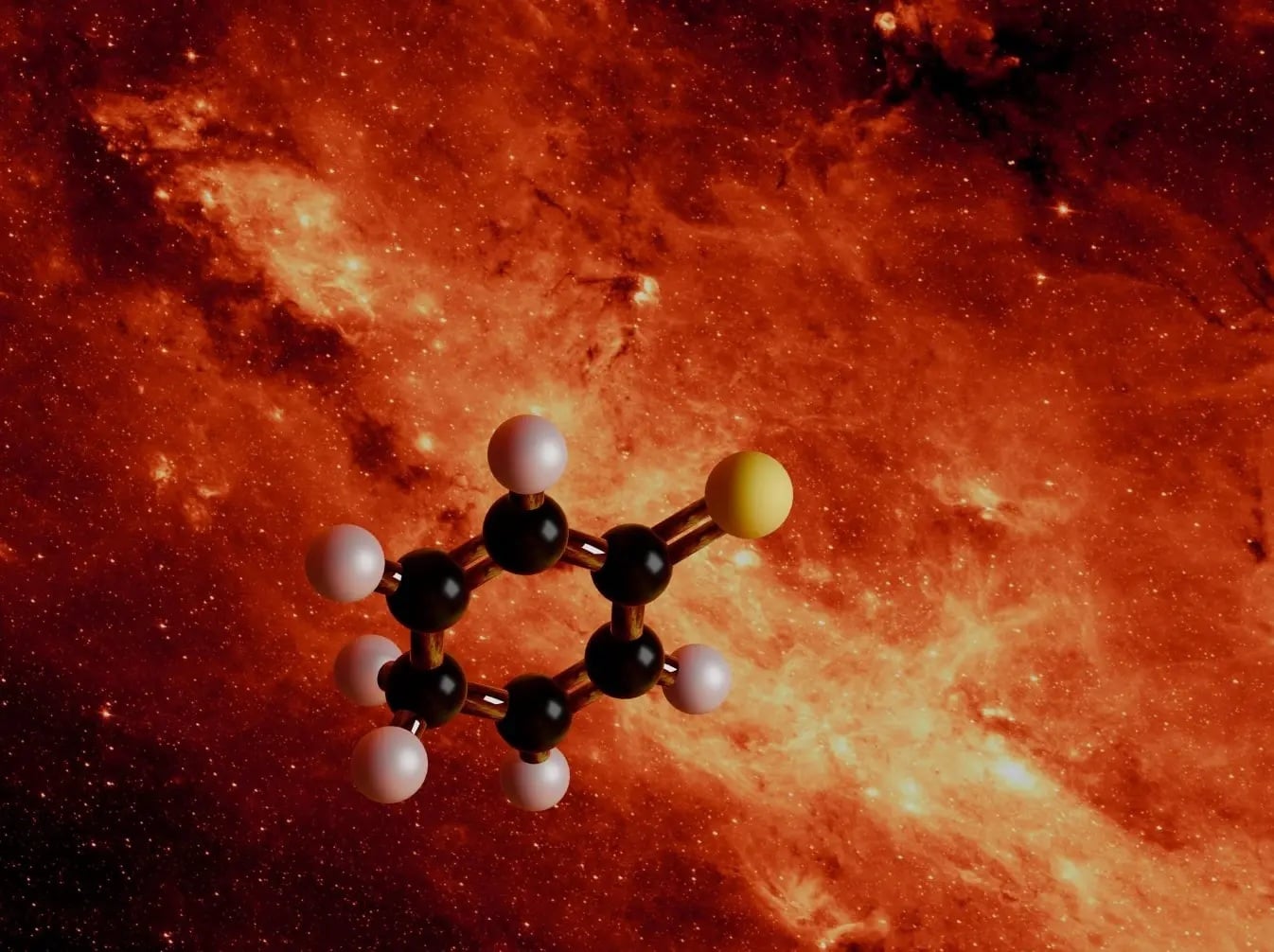
An abundance of organic molecules have been detected in the core region of another galaxy. Credit & ©: MPE/NASA/JPL-Caltech

A recent study, led by the Center for Astrobiology (CAB), CSIC-INTA and using modelling techniques developed at the University of Oxford, has uncovered an unprecedented richness of small organic molecules in the deeply obscured nucleus of a nearby galaxy, thanks to observations made with the James Webb Space Telescope (JWST). The work, published in Nature Astronomy, provides new insights into how complex organic molecules and carbon are processed in some of the most extreme environments in the Universe.


China Successfully Tests Their New Rocket and Lunar Crew Capsule, Placing them On-Track to Reach the Moon

A low-altitude demonstration and verification flight test for the Long March-10 carrier rocket and the Mengzhou crewed spaceship system. Credit: Xinhua]

On Feb.11th, China successfully conducted a low-altitude demonstration and verification flight test of the Long March-10 rocket and a maximum dynamic pressure escape test of the Mengzhou crewed spaceship system. Credit: Xinhua]


How a Perfect Gravitational Wave Tests Einstein

Artist impression of GW250114

On 14 January, 2025, two colliding black holes sent the clearest gravitational wave signal ever recorded rippling across the universe to Earth’s detectors. This remarkably crisp signal, designated GW250114, has allowed physicists to conduct the most stringent test yet of Einstein’s general relativity by measuring multiple “tones” from the collision. The wave passed the test with flying colours, but researchers remain optimistic that future detections might finally reveal where Einstein’s century old theory breaks down, potentially offering the first glimpses of quantum gravity.


Friday, February 13, 2026

The Galaxy Cluster That Grew Up Too Fast

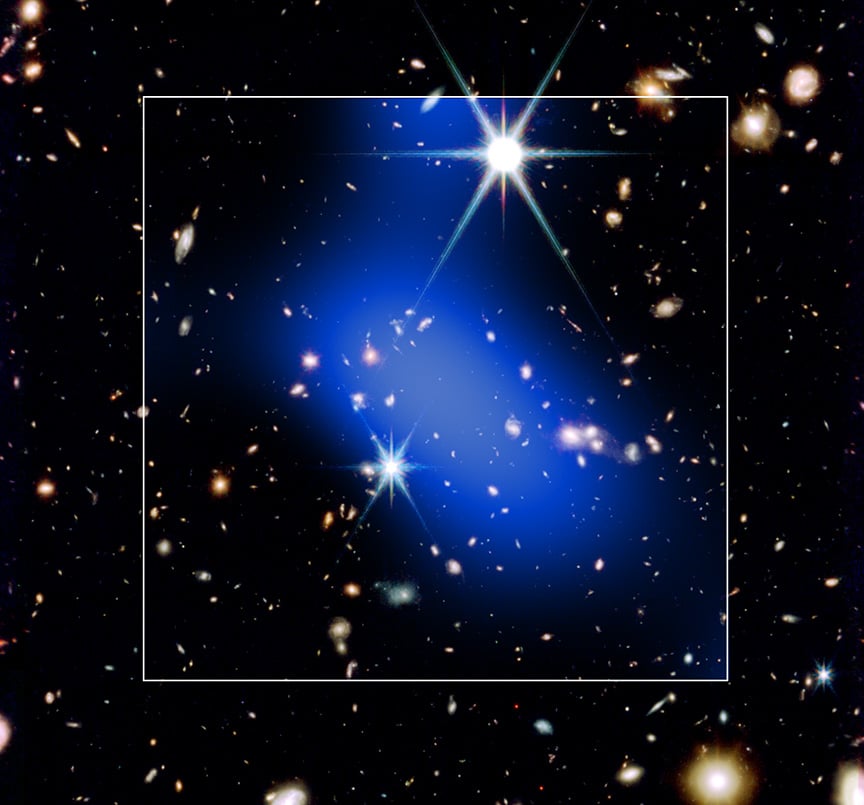
JADES-ID1 imaged by the James Webb Space Telescope and the Chandra X-Ray Observatory (Credit : NASA)

Astronomers have discovered a massive galaxy cluster assembling itself just one billion years after the Big Bang, there’s just one problem… it shouldn’t exist! Current models suggest it shouldn’t have formed when it did, Using NASA’s Chandra X-ray Observatory and James Webb Space Telescope working in tandem, scientists spotted JADES-ID1, a protocluster containing at least 66 galaxies wrapped in a vast cloud of million degree gas forming during what should have been the universe’s infancy.


Scientists Continue to Trace the Origin of the Mysterious "Amaterasu" Cosmic Ray Particle

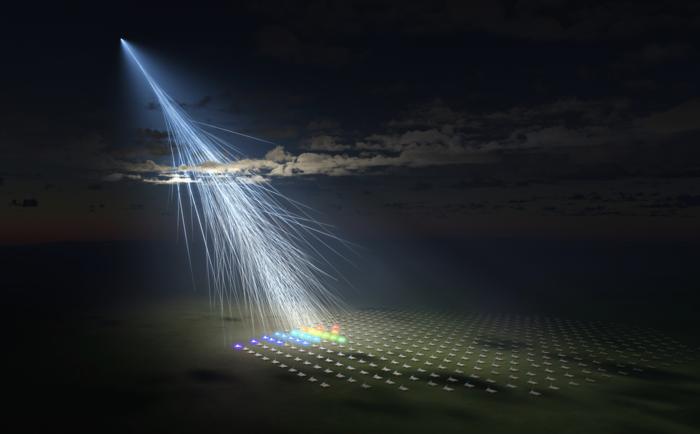
The detected cosmic ray had an estimated energy of 244 EeV, comparable to the most energetic cosmic ray ever observed. Credit: Osaka Metropolitan University/L-INSIGHT, Kyoto University/Ryuunosuke Takeshige

The Amaterasu particle was detected in 2021 by the Telescope Array experiment in the U.S. It is the second-highest-energy cosmic ray ever observed, carrying around 40 million times more energy than particles accelerated at the Large Hadron Collider. Such particles are exceedingly rare and thought to originate in some of the most extreme environments in the universe.


How Wood Records the Sun’s Most Violent Outbursts

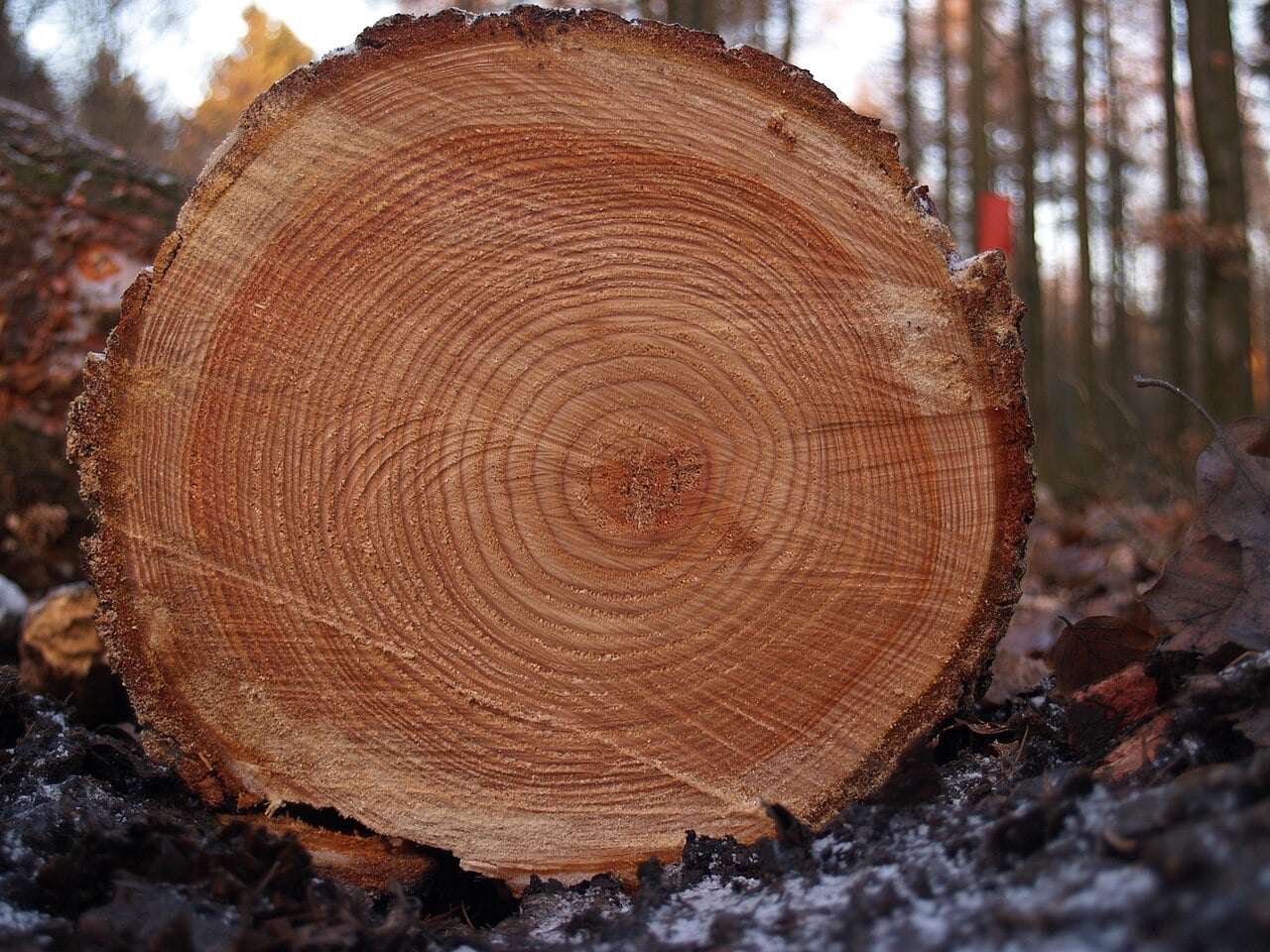
Tree rings seen in a cross section of a trunk of a tree (Credit : Arnoldius)

Ancient trees hold secrets about the most violent storms our Sun has ever unleashed, catastrophic bursts of radiation that dwarf anything modern civilisation has experienced. Scientists have discovered radioactive carbon signatures frozen in tree rings from solar storms so powerful they could cripple our satellite networks and power grids today.


Thursday, February 12, 2026

Sediment Cores Track Timing Hiccups in Earth's Magnetic Field Flips

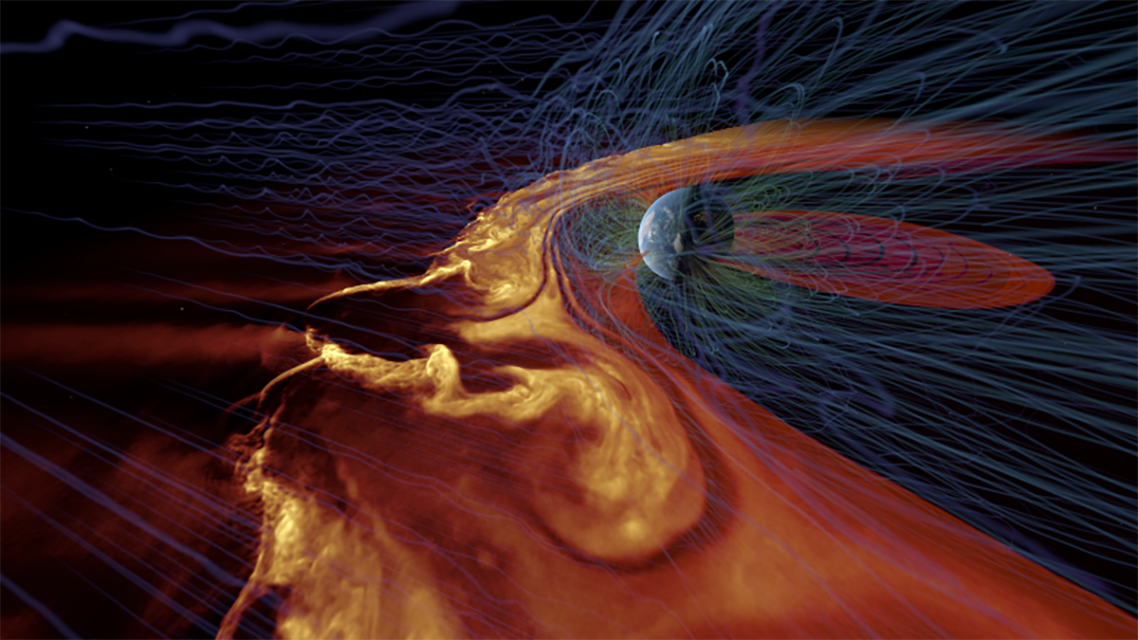
Earth's magnetic field is generated by action within the inner core of our planet. The polarity of the field lines changes during geomagnetic field reversals, and that polarity is entrained in Earth rocks. The solar wind interacts with our magnetosphere, which protects Earth from much of the damage it can cause. Courtesy NASA Goddard Space Flight Center Science Visualization Lab.

Every so often (in geologic time) Earth's magnetic field does a flip. The north and south magnetic poles gradually trade places in a phenomenon called a geomagnetic reversal. Scientists long thought this happened every ten thousand years or so. However, new evidence from deep ocean cores show that at least two ancient reversals didn't follow that script. One took about 18,000 years to flip and the other took 70,000 years. Such lengthy time lapses could have seriously affected Earth's atmospheric chemistry, climate, and evolution of life forms during the Eocene period of geologic history.


Non-biologic Processes Can't Fully Explain the Organics Curiosity Found on Mars, Providing More Potential Evidence of Life.

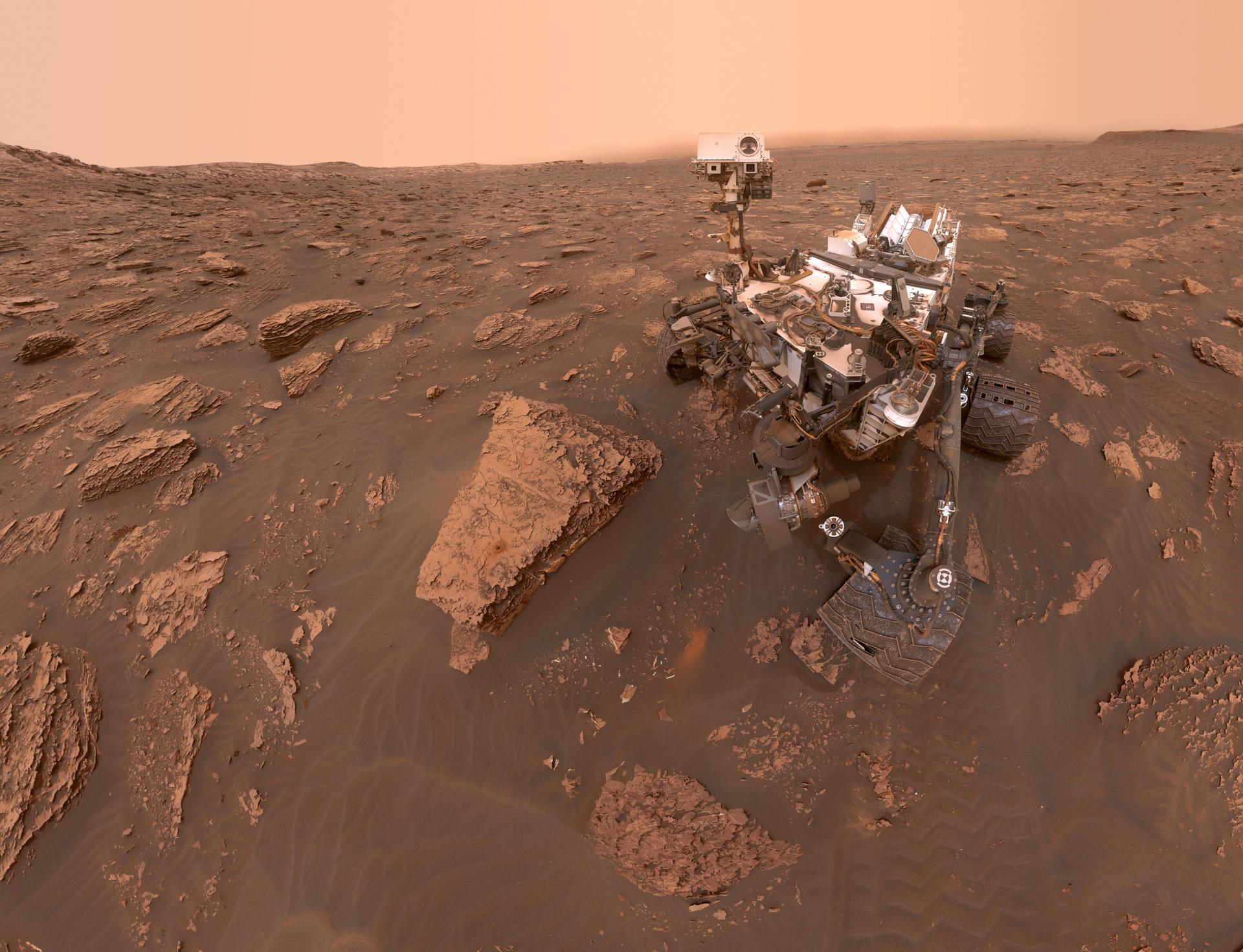
A self-portrait of NASA’s Curiosity rover taken on June 15, 2018, when a Martian dust storm had reduced sunlight and visibility at the rover’s location in Gale Crater. Credit: NASA/JPL-Caltech/MSSS

In a new study, researchers say that non-biological sources they considered could not fully account for the abundance of organic compounds in a sample collected on Mars by NASA’s Curiosity rover.


Look Out Alderaan. This Black Hole Is More Destructive Than The Death Star

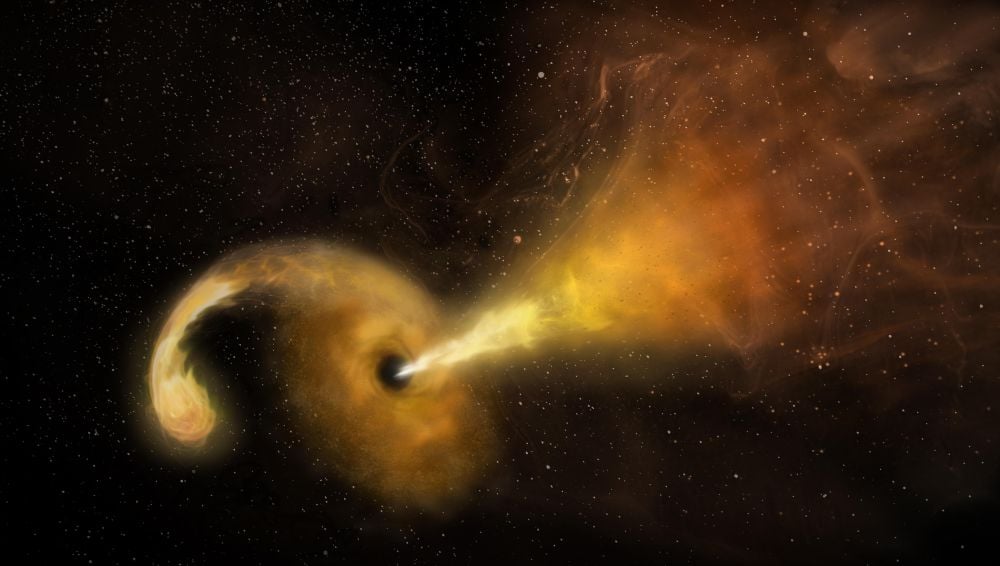
This illustration shows a supermassive black hole destroying a star in a tidal disruption event. The black hole's strong gravitational force pulls matter from the star toward the black hole. Some of the matter will cross the event horizon, but some of the gas is emitted as a powerful jet. Image Credit: NRAO/AUI/NSF/NASA

Several years ago, an automated sky survey spotted a distant supermassive black hole that tore apart a star. The star that got too close, and the resulting tidal disruption event released a lot of energy. But the SMBH is exhibiting a strong case of cosmic indigestion, and has been burping out the remains of the star for four years. And it keeps getting brighter and brighter.


The Balloon Mission Raising the Bar for Exoplanet Science

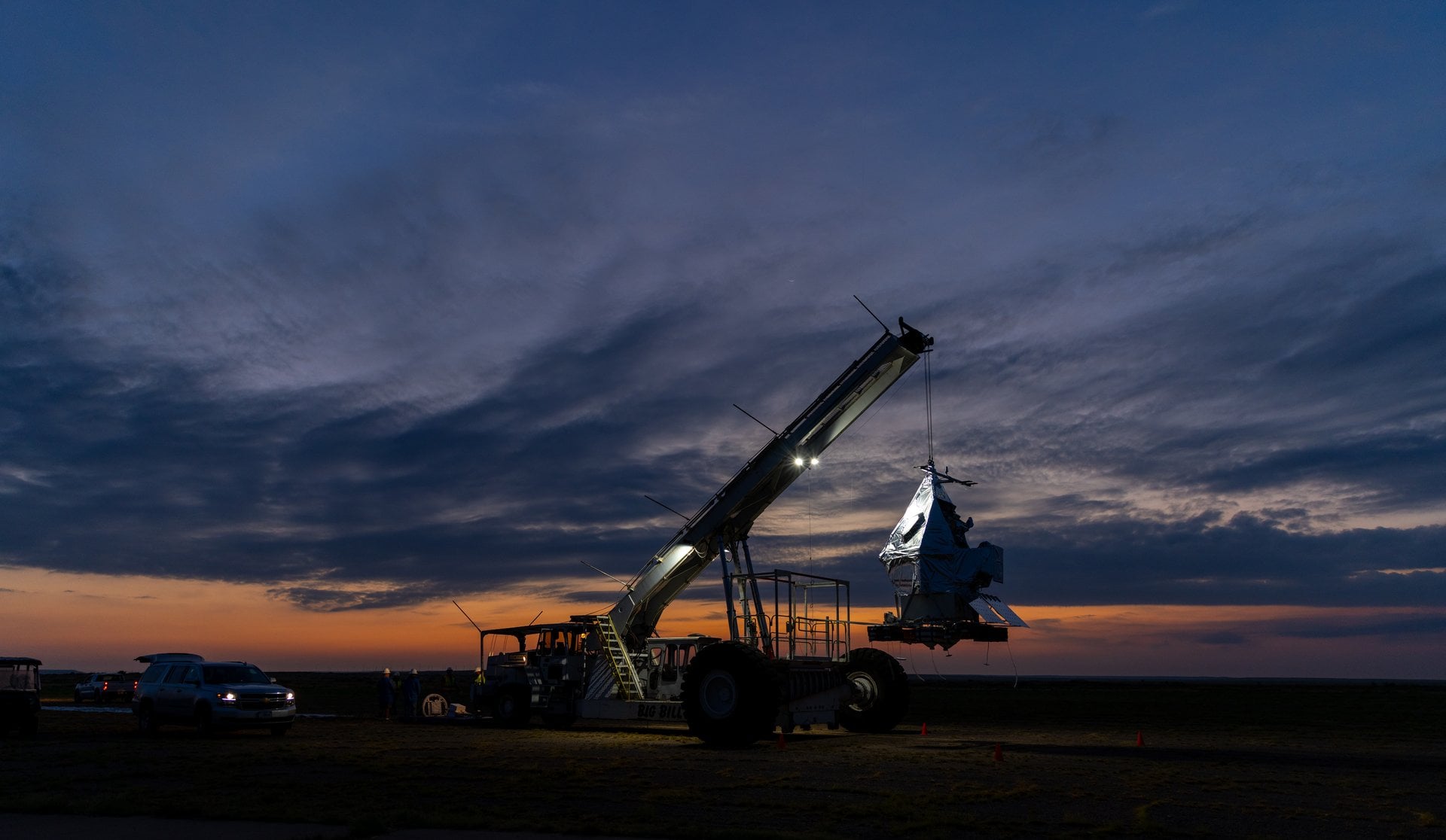
EXCITE mission being prepared to launch above New Mexico. Credit - NASA / Sophia Roberts

DOI: arXiv:2602.04840 | arXiv:2602.04840v1 Announce Type: new Abstract: The EXoplanet Climate Infrared TElescope (EXCITE) is a balloon-borne mission dedicated to measuring spectroscopic phase curves of hot Jupiter-type exoplanets. Phase curve measurements can be used to characterize an exoplanet's longitude-dependent atmospheric composition and energy circulation patterns. EXCITE carries a 0.5 m primary mirror and moderate resolution diffraction-limited spectrograph with spectral coverage from 0.8--3.5 um. EXCITE is...


Wednesday, February 11, 2026

Massive Venus Lava Tube Detected Using Data From NASA’s Long-Defunct Magellan Spacecraft

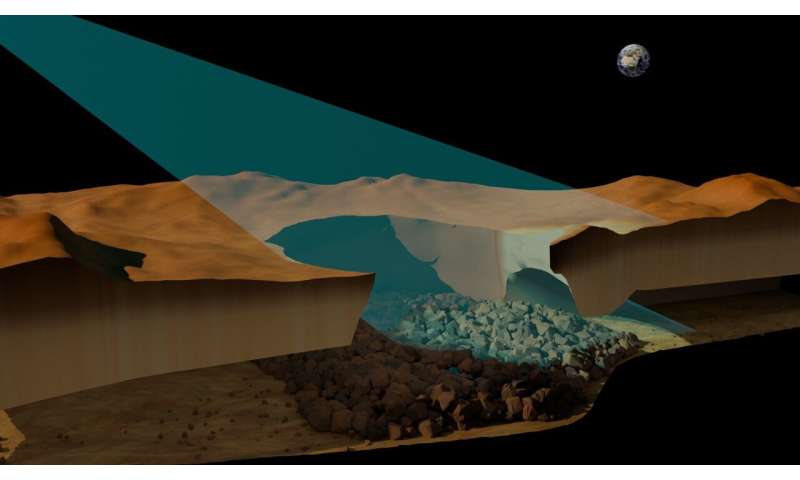
A lateral cross-sectional view illustrating the detected cave beneath the surface of Venus. Credit: RSLab, University of Trento

NASA’s Magellan Mission to Venus is the gift the keeps on giving, providing Italian researchers with the first solid detection of a massive subsurface lava tube on Venus. They detail their findings in a new paper appearing in the journal Nature Communications.


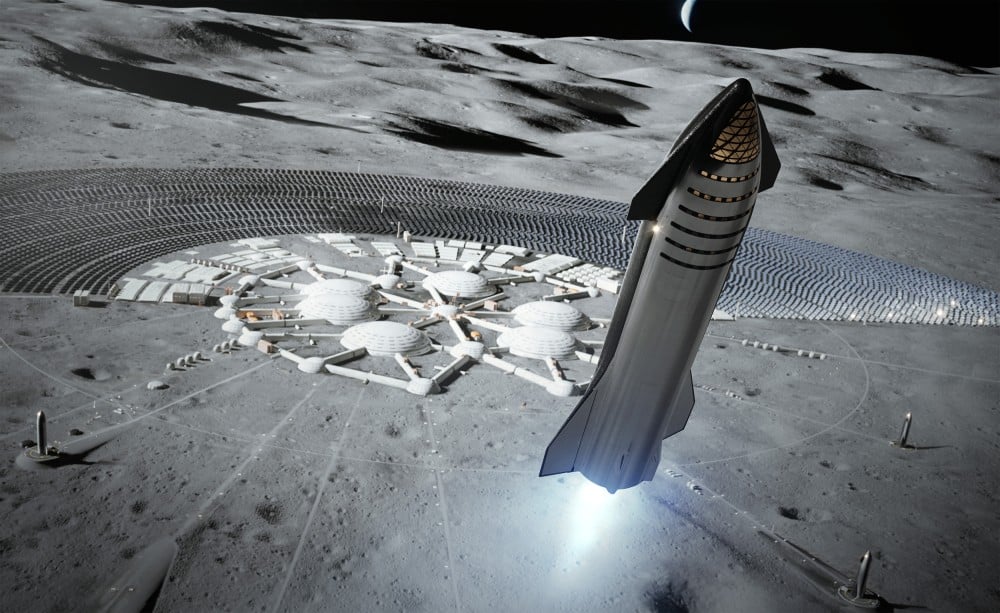
SpaceX Makes a Huge Pivot, Wants to Build on the Moon Instead

SpaceX is developing its Starship vehicle to help humanity become a multiplanet species. Credit: SpaceX

The commercial space giant SpaceX, which Elon Musk founded in 2002 to build a self-sustaining city on Mars, is no longer focusing on the Red Planet. According to a recent statement on X, SpaceX is now pivoting to the Moon as its intended destination for a human settlement.


New Sungrazer Comet A1 MAPS Could Be Bright in Early April If It Survives Perihelion

Sungrazer W3 Lovejoy as seen from the International Space Station, post perihelion. Credit: NASA/Dan Burbank.

In a clockwork predictable Universe, comets and how they will ultimately perform is always a big wild card. A new sungrazer comet discovered at the start of this year has given astronomers pause. C/2026 A1 MAPS could put on a memorable if brief show in early April, if it doesn’t join the long list of comets that failed to live up to expectations.


Can Life Begin on a Moon Without a Sun?

Rogue planet with an associated exomoon. Credit - Tommaso Grassi / LMU

Free-Floating Planets, or as they are more commonly known, Rogue Planets, wander interstellar space completely alone. Saying there might be a lot of them is a bit of an understatement. Recent estimates put the number of Rogue Planets at something equivalent to the number of stars in our galaxy. Some of them, undoubtedly, are accompanied by moons - and some of those might even be the size of Earth. A new paper, accepted for publication into the Monthly Notices of the Royal Astronomical Society, and also available in pre-print on arXiv, by David Dahlbüdding of the Ludwig Maximilian University of Munich and his co-authors, describes how some of those rogue exo-moons might even have liquid water on their surfaces.


Tuesday, February 10, 2026

NASA's SPHEREx Mission Spots 3I/ATLAS's Bright Envelope

Images of 3I/ATLAS acquired by the SPHEREx mission in December 2025. Credits: NASA/JPL-Caltech

Observations by NASA’s SPHEREx (Spectro-Photometer for the History of the Universe, Epoch of Reionization and Ices Explorer) show the infrared light emitted by the dust, water, organic molecules, and carbon dioxide contained within comet 3I/ATLAS’s coma.


Are there Hidden Dimensions to the Universe? Part 4: Looking Past the Universe

None

So we did that. And we found nothing. So far, with all of our experiments around the world, we find no evidence of missing momentum, and no signs of towers of gravitons slipping away into hidden dimensions.


Peering Into the Energetic Turbulence Around Supermassive Black Holes

We know they're there but have never seen them like this before. New observations show that supermassive black holes reside in the calm center of all the chaos they create in their surroundings. The new observations come from the XRISM spacecraft, a powerful and perceptive x-ray space telescope launched by NASA/JAXA/ESA.

Astronomers used the XRISM x-ray satellite to observe two supermassive black holes in two separate galaxy clusters. Researchers know that SMBH have powerful effects on star formation and galaxy evolution. The observations reveal new details in how it all works.


How a Single Martian Storm Triggered Massive Water Loss

Diagram showing the different types of ways dust storms can affect the destruction of water on Mars. Credit - Brines, Aoki, Daerden et al., 2026, Communications: Earth & Environment.

Mars’ water disappeared somewhere, but scientists have been disagreeing for years about where exactly it went. Data from rovers like Perseverance and Curiosity, along with orbiting satellites such as the Mars Reconnaissance Orbiter and ExoMars have shown that Mars used to be a wet world with an active hydrodynamic cycle. Obviously it isn’t anymore, but where did all the water go? A new paper that collects data from at least six different instruments on three different spacecraft provides some additional insight into that question - by showing that dust storms push water into the Red Planet’s atmosphere, where it is actively destroyed, all year round.


Monday, February 9, 2026

Research Reveals Why Tatooine Planets are Rare

An artist's depiction of a planet, represented by the black circle, orbiting a pair of stars — a so-called binary star system. Credit: NASA/Goddard Space Flight Center

Why are planets rarely found orbiting a pair of stars? UC Berkeley and American University of Beirut physicists find that general relativity makes the orbit of a tight binary pair precess. As the orbit shrinks because of tidal effects, the precesion increases. Eventually the precession matches the orbital precession of any circumbinary planet, creating a resonance that makes the planet’s orbit wildly eccentric. The planet either gets expelled from the system or is engulfed by one of the stars.


Are there Hidden Dimensions to the Universe? Part 3: The Graviton Tower

None

To test it, I want you to imagine rolling up a piece of paper into a tight cylinder. Or, if you happen to be near a source of paper, doing it in real life. The analogy works either way.


A Dense Clump Of Dark Matter, Not A Supermassive Black Hole, Could Reside In The Milky Way's Center.

This illustration shows the Milky Way with a dense core of dark matter instead of a supermassive-black hole (SMBH). The DM could be responsible for evidence usually attributed to an SMBH, even shaping the orbital motions of stars on the galaxy's outer regions. Image Credit: Valentina Crespi et al. Licence type: Attribution (CC BY 4.0)

There's been widespread agreement that a supermassive black hole resides in the Milky Way's Center. But that may not be true. Researchers say that a dense clump of fermionic dark matter can also explain the motions of stars and gas clouds in the region. Crucially, it can also explain the famous Event Horizon Telescope image of the SMBH.


Using Foldable Structures To Guide Microwaves

Figure 1 from the paper shows a rigid metal waveguide (a) with the fully extended folded one (d) and the folded one compressed to its smaller form factor (e). Credit - N. Ashok et al.

Origami and space exploration might not seem like they have much in common, but the traditional paper-folding technique solves one massive problem for space exploration missions - volume. Satellites and probes that launch in rocket housings are constrained by very restrictive requirements about their physical size, and options for assembling larger structures in orbit are limited to say the least. Anything that can fold up like an origami structure and then expand out to reach a fully functional size is welcome in the space community, and a new paper published in Communications Engineering by Xin Ning of the University of Illinois Urbana-Champaign (UIUC) and his lab describes a novel use case for the idea - electromagnetic waveguides.


Decoding China’s New Space Philosophy

Visitors looking at a model of the Tianggong Space Station. Credit - CGTN / VCG

A major theme in communist governments is the idea of central planning. Every five years, the central authorities in communist countries lay out their goals for the country over the course of the next five years, which can range from limiting infant mortality to increasing agricultural yield. China, the largest current polity ruled by communists, recently released its fifteenth five-year plan, which lays out its priorities for 2026-2030. This one, accompanied by a press release of the China Aerospace Science and Technology Corporation (CASC), the country’s state-owned giant aerospace corporation, has plenty of ambitious goals for its space sector.


Sunday, February 8, 2026

Are there Hidden Dimensions to the Universe? Part 2: The Hierarchy Problem

None

The problem that large extra dimensions just might solve is called the hierarchy problem, and it’s one of the nastiest outstanding problems in modern physics.


An International Team Uncovers What Powers Auroras

ESA astronaut Samantha Cristoforetti took this aurora borealis Earth observation image from the cupola window of the International Space Station on Dec. 9, 2014. Credit: ESA/NASA

A new study co-led by the Department of Earth and Planetary Sciences at The University of Hong Kong (HKU) and the Department of Atmospheric and Oceanic Sciences at the University of California, Los Angeles (UCLA) reveals that plasma waves traveling along Earth’s magnetic field lines act like an invisible power source, fueling the stunning auroral displays we see in the sky.


Saturday, February 7, 2026

SpaceX Crew-12 will Study How Microgravity Affects the Human Body

Pictured from left: Roscosmos cosmonaut Andrey Fedyaev, NASA astronauts Jack Hathaway and Jessica Meir, and ESA astronaut Sophie Adenot. Credit: NASA

NASA’s SpaceX Crew-12 mission is preparing to launch for a long-duration science mission aboard the International Space Station. During the mission, select crew members will participate in human health studies focused on understanding how astronauts’ bodies adapt to the low-gravity environment of space, including a new study examining subtle changes in blood flow.


Are there Hidden Dimensions to the Universe? Part 1: Kaluza and Klein

None

I always say that one of the things that separates real science from pseudoscience is that while in both you’re allowed to say whatever crazy idea pops into your mind, in real science you’re obligated to take that idea seriously.


Friday, February 6, 2026

Looking For Advanced Aliens? Search For Exoplanets With Large Coal Deposits

Extrasolar potentially earthlike planets like Kepler 186f would need to harbor large amounts of coal in order to jumpstart advanced tech, asserts new paper. Credit: NASA Ames/SETI Institute/JPL-Caltech

The combustible sedimentary rock, better known as coal, was not only crucial to the onset of advanced technology here on earth, but it should also be key to the development of advanced E.T.s residing on any given exoearth.


Canadian Researchers Map the Milky Way's Magnetic Field

This magnificent 360-degree panoramic image, covering the entire southern and northern celestial sphere, reveals the cosmic landscape that surrounds our tiny blue planet. Credit: ESO/S. Brunier

An international team of researchers have published two papers that reveal a new model for how the magnetic field of the Milky Way evolved.


The Collaboration that Brought you the First Image of a Black Hole Just Released Photos of its Massive Jet

A Hubble Space Telescope image of the giant elliptical galaxy M87 with its blowtorch-like jet. The visible part of this giant stream of particles spans around 3000 light-years. Credits: NASA/ESA/STScI/AMNH/Stanford University/STScI

Recently published data from the Event Horizon Telescope (EHT) of the galaxy Messier 87 facilitate new insights into the direct environment of the central supermassive black hole. Measured differences in the radio light on different spatial scales can be explained by the presence of an as of yet undetected jet at frequencies of 230 Gigahertz at spatial scales comparable to the size of the black hole. The most likely location of the jet base is determined through detailed modeling.