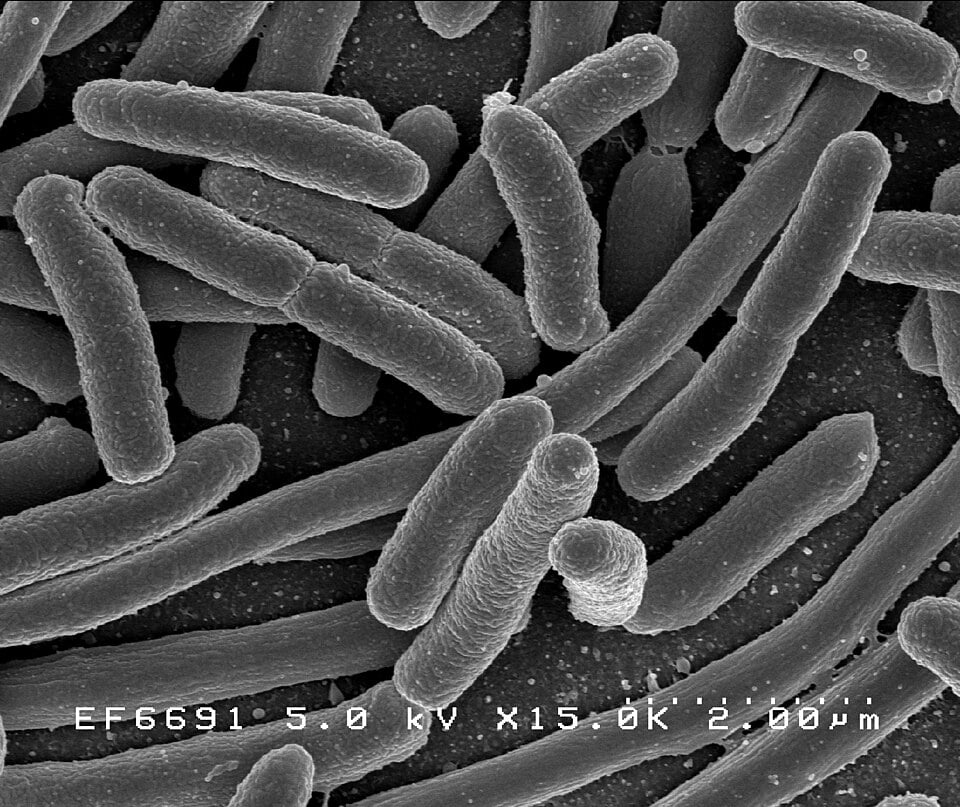
New research from the International Space Station reveals that in near weightless conditions, both bacteriophages and their *E. coli* hosts mutate in ways not seen on Earth. This unexpected finding not only deepens our understanding of how microbial life adapts to extreme environments but has already yielded practical benefits. Some of the mutations discovered in space dwelling viruses led researchers to create superior viruses that specifically infect and kill bacteria, capable of fighting drug resistant bacterial infections back on Earth.

No comments:
Post a Comment