Thursday, April 2, 2026

Why Are Supermassive Black Holes Growing So Slowly?

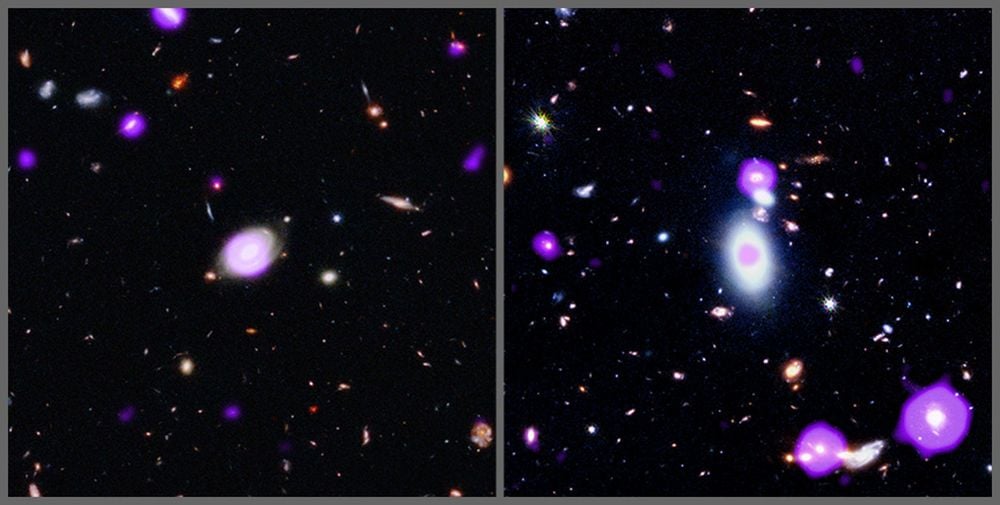
Astronomers studied more than 1 million galaxies and more than 8,000 growing supermassive black holes (SMBH) over billions of years to try to answer a difficult question. During Cosmic Noon about 10 billion years ago, the growth of SMBH began to slow dramatically. The image on the left represents one of the rapidly-growing SMBH in the past, and the image on the right represents a slower-growing SMBH about 3 billion light-years away. Image Credit: X-ray: NASA/CXC/Penn State Univ./Z. Yu; Optical (HST): NASA/ESA/STScI; Infrared: NASA/ESA/CSA/STScI; Image Processing: NASA/CXC/SAO/P. Edmonds, L. Frattare

About 10 billion years ago, the growth rate of supermassive black holes began to slow dramatically. To this day, the SMBH growth rate still appears to be low. There are three potential explanations for this, and researchers think they've figured out which explanation fits best.


Astronomers Find a Third Galaxy Missing Its Dark Matter, Validating a Violent Cosmic Collision Theory

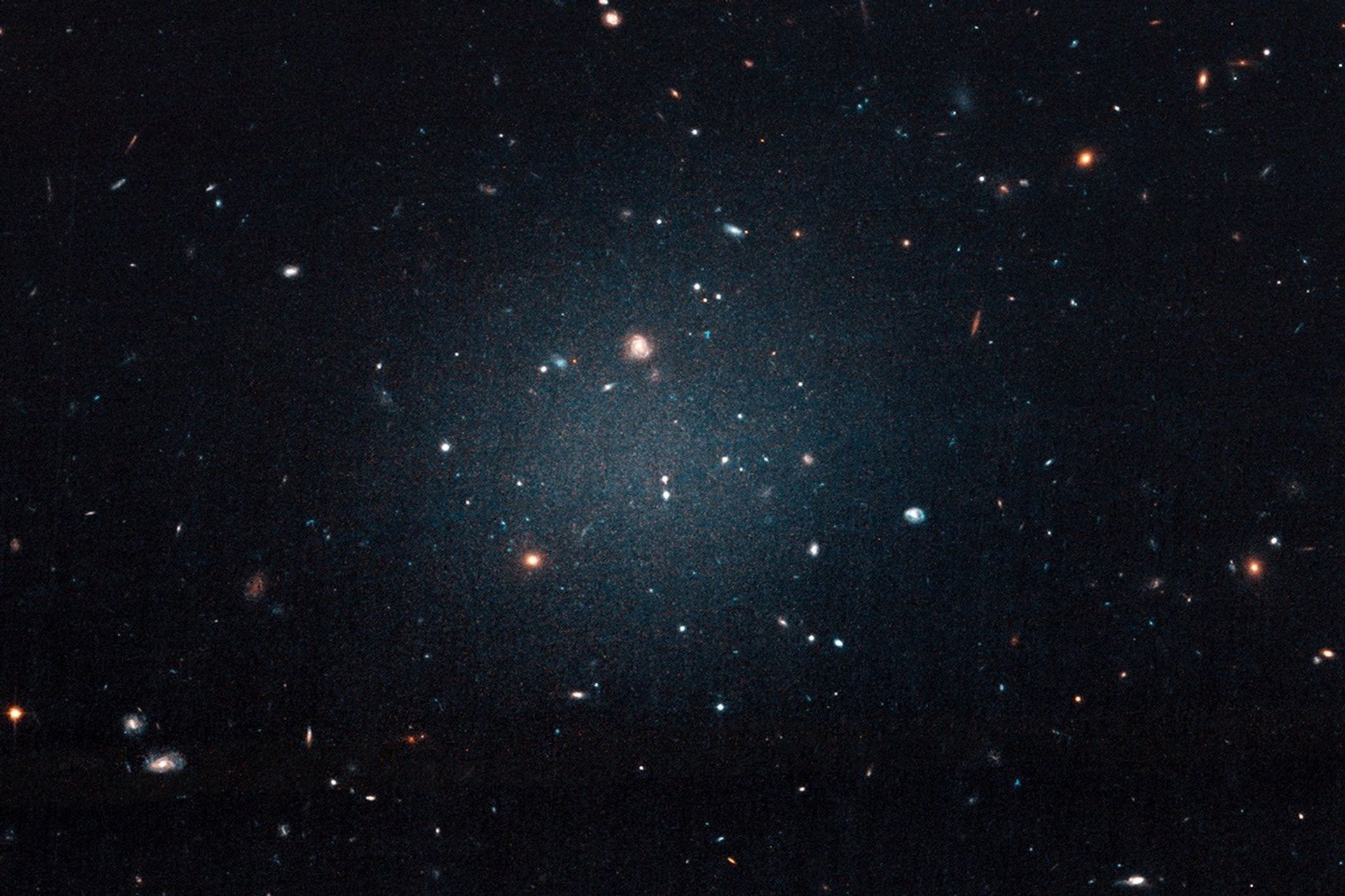
Image of the NGC 1052-DF2 Ultra Diffuse Galaxy that started the chain of discoveries of galaxies lacking dark matter. Credit - NASA, ESA, and P. van Dokkum (Yale)

Astronomers have long argued that dark matter is the invisible scaffolding that holds galaxies together. Without its immense gravitational pull, the rotational spins of galaxies would force them to simply fly apart. But now, scientists have found a string of galaxies that seem to be missing their dark matter entirely. The latest in this string, known as NGC 1052-DF9, is described in a new paper, available in pre-print on arXiv, by Michael Keim, Pieter van Dokkum and their team from Yale. It lends credence to a radical theory of galaxy formation known as the “Bullet Dwarf” collision scenario, which has been a controversial idea for the last decade.

Wednesday, April 1, 2026

The Largest Survey of Exoplanet Spins Confirms a Long-held Theory

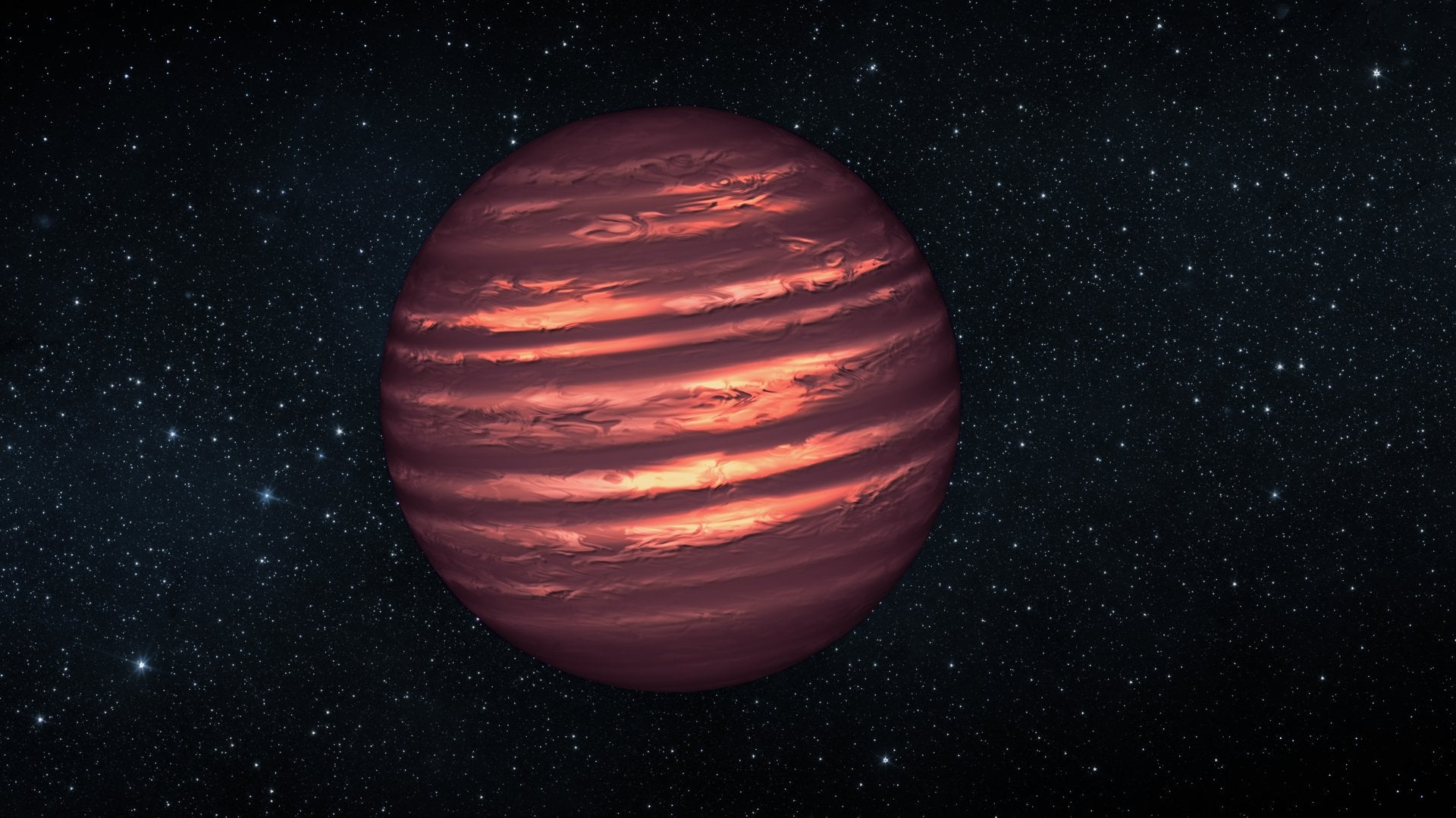
Using the W.M. Keck Observatory, astronomers investigated the long-predicted relationship between mass and spin for giant planets and brown dwarfs. Credit: NASA/JPL-Caltech

For some time, astronomers have theorized that there is a connection between planetary mass and rotation. Using the W.M. Keck Observatory on Maunakea, Hawai'i, a team of astronomers confirmed this relationship by studying dozens of gas giants and brown dwarfs in distant star systems.