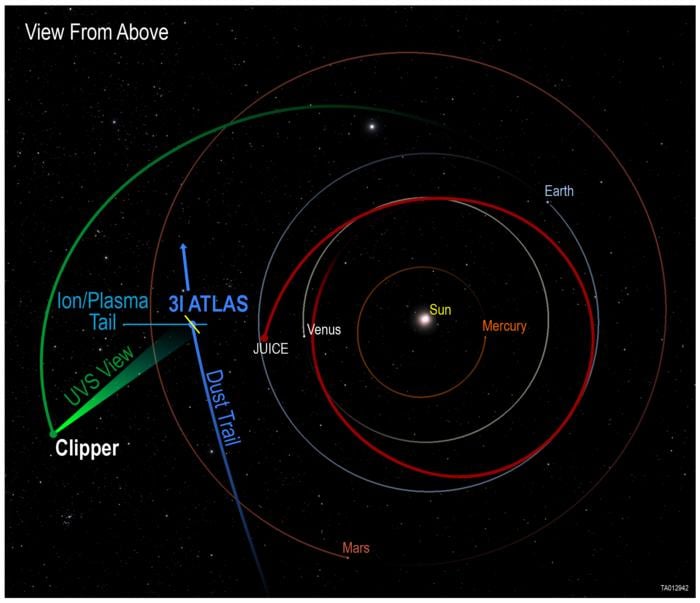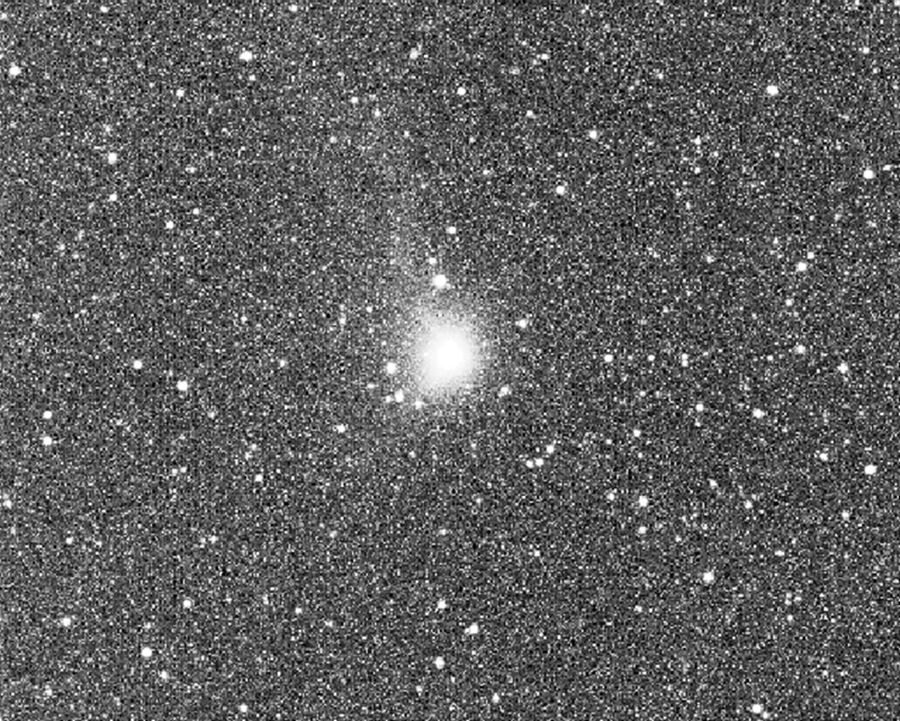
During November 2025, ESA’s Jupiter Icy Moons Explorer (JUICE) used five of its science instruments to observe 3I/ATLAS. The instruments collected information about how the comet is behaving and what it is made of.

During November 2025, ESA’s Jupiter Icy Moons Explorer (JUICE) used five of its science instruments to observe 3I/ATLAS. The instruments collected information about how the comet is behaving and what it is made of.

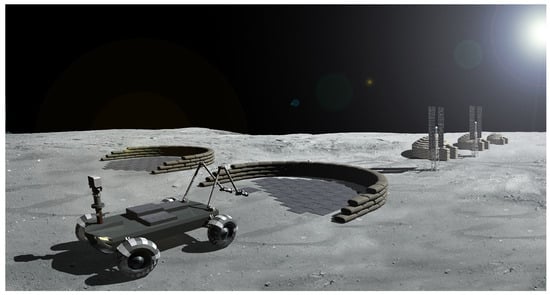
Engineers need good data to build lasting things. Even the designers of the Great Pyramids knew the limestone they used to build these massive structures would be steady when stacked on top of one another, even if they didn’t have tables of the compressive strength of those stones. But when attempting to build structures on other worlds, such as the Moon, engineers don’t yet know much about the local materials. Still, due to the costs of getting large amounts of materials off of Earth, they will need to learn to use those materials even for critical applications like a landing pad to support the landing / ascent of massive rockets used in re-supply operations. A new paper published in Acta Astronautica from Shirley Dyke and her team at Purdue University describes how to build a lunar landing pad with just a minimal amount of prior knowledge of the material properties of the regolith used to build it.

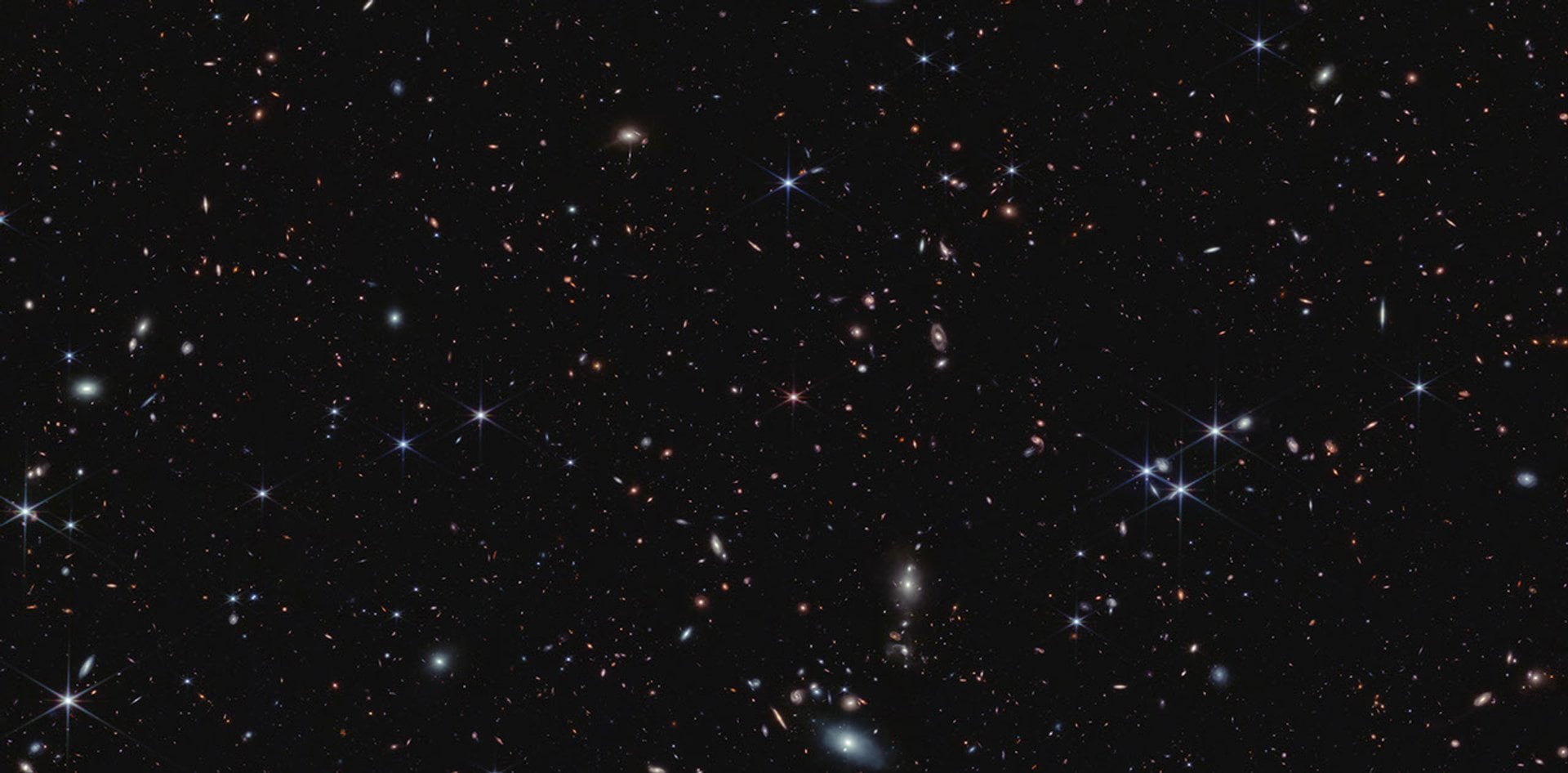
Using the James Webb Space Telescope, a team of international researchers has discovered chemical fingerprints of gigantic primordial stars that were among the first to form after the Big Bang.

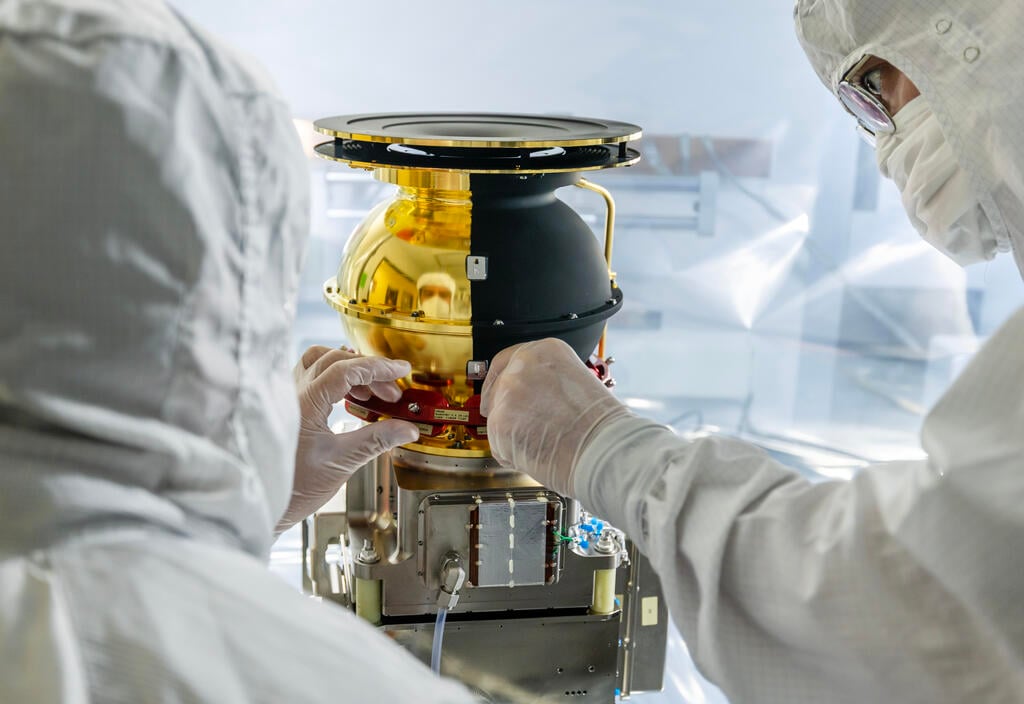
During the deployment of new space telescopes that are several critical steps each has to go through. Launch is probably the one most commonly thought of, another is “first light” of all of the instruments on the telescope. Ultimately, they’re responsible for the data the telescope is intended to collect - if they don’t work properly then the mission itself it a failure. Luckily, the Interstellar Mapping and Acceleration Probe (IMAP) recently collected first light on its 10 primary instruments, and everything seems to be in working order, according to a press release from the Southwest Research Institute who was responsible for ensuring the delivery of all 10 instruments went off without a hitch.

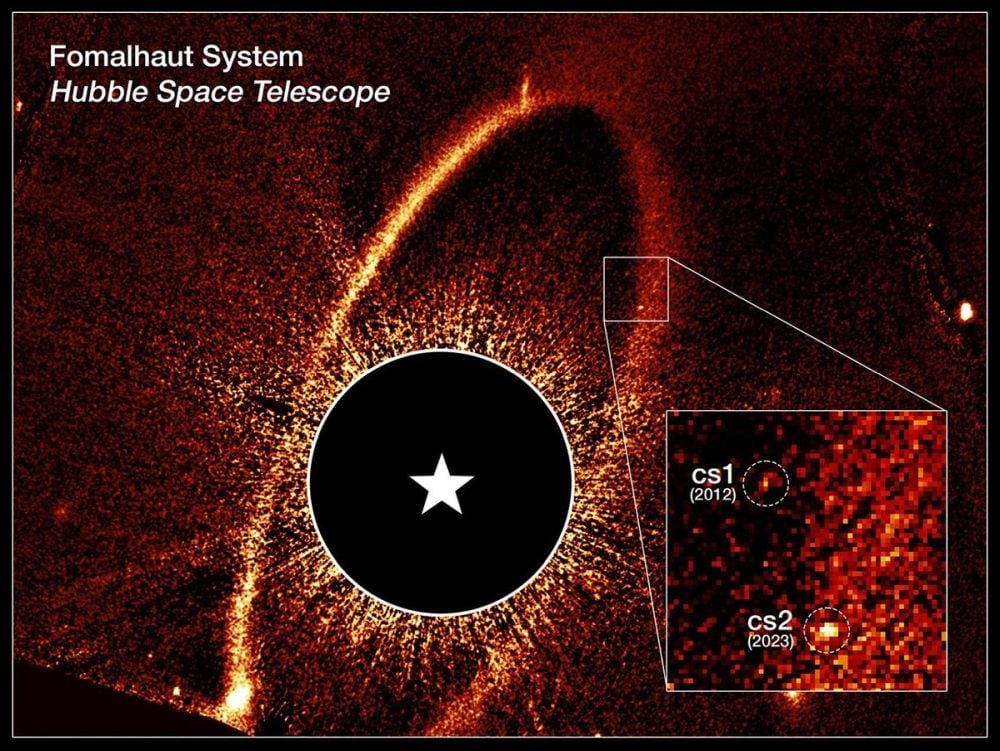
For the first time, astronomers using the Hubble Space Telescope have spotted a pair of catastrophic collisions in another solar system. They were observing Fomalhaut, a bright star about 25 light-years away, and detected a pair of planetesimal collisions and their light-reflecting dust clouds. The system is young, and the collisions reflect what our Solar System was like when it was young.

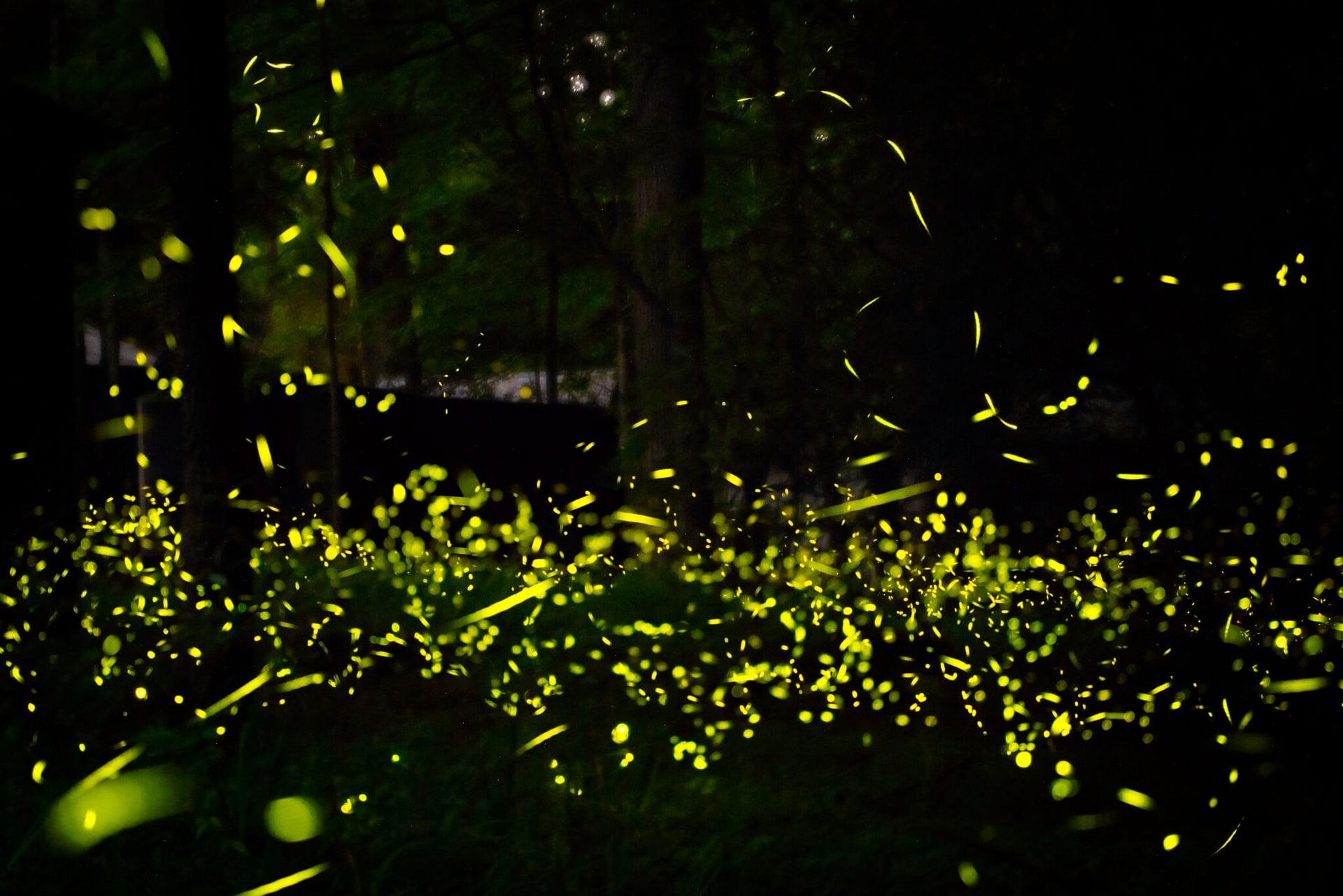
In a new paper, a team of researchers explores how non-human species (in this case, fireflies) could inform new approaches in the Search for Extraterrestrial Intelligence (SETI).

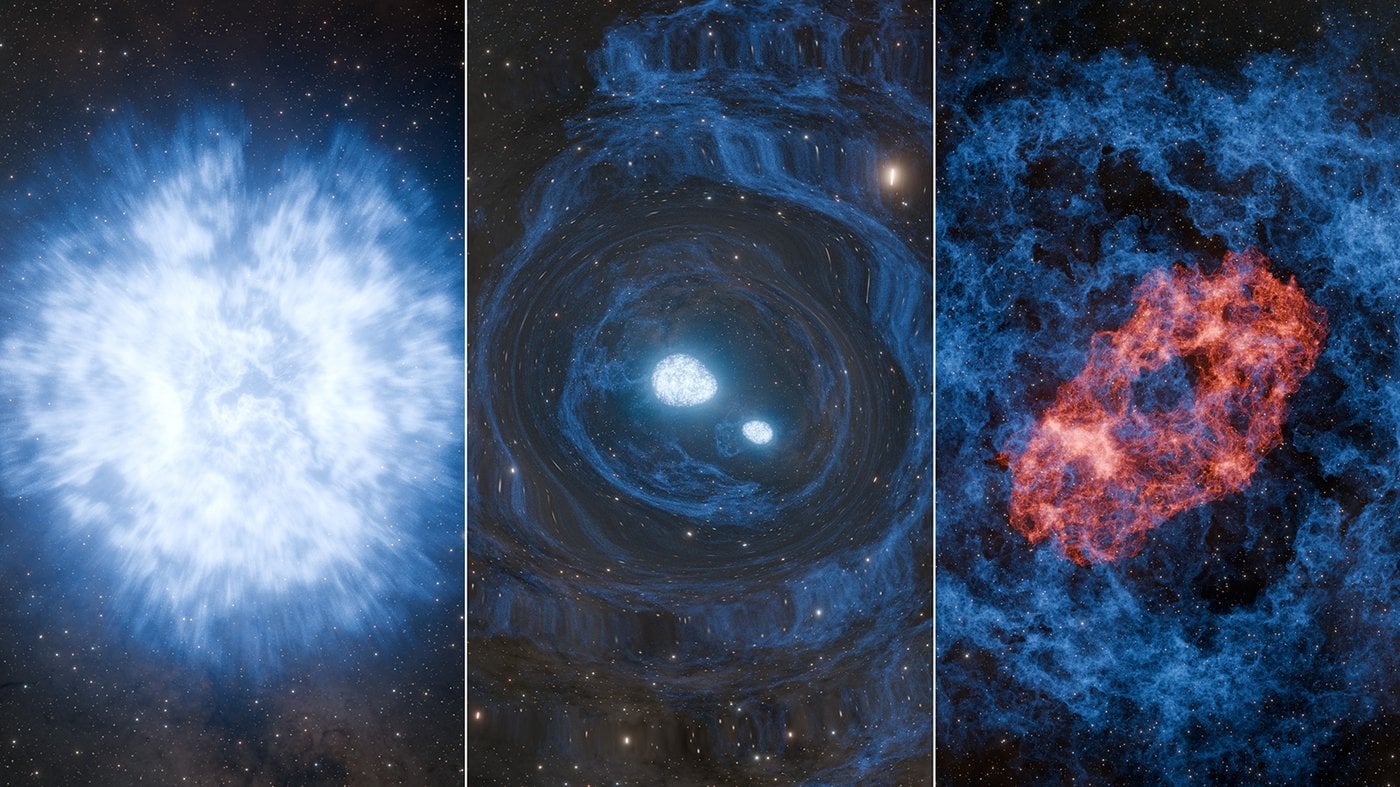
Astronomers may have just seen the first ever ‘superkilonova,’ a combination of a supernova and a kilonova. These are two very different kinds of stellar explosions, and if this discovery stands, it could change the way scientists understand stellar birth and death.

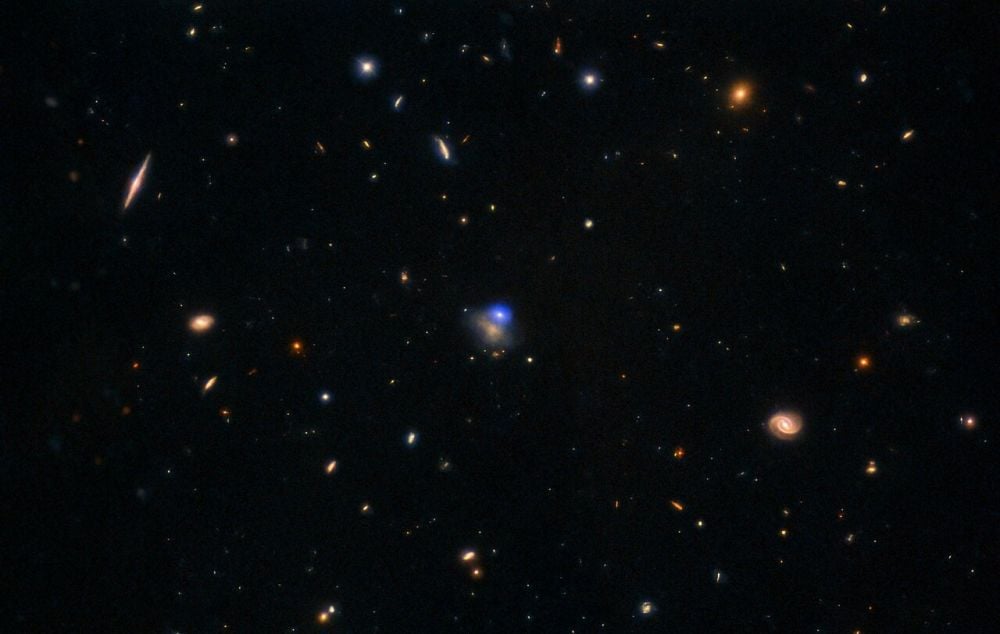
In 2024, astronomers discovered the brightest Luminous Fast Blue Optical Transient (LFBOT) ever observed. LFBOTs are extremely bright flashes of blue light that shine for brief periods before fading away. New analysis of this record-breaking burst, which includes observations from the International Gemini Observatory, funded in part by the U.S. National Science Foundation, challenges all prior understanding of these rare explosive events.

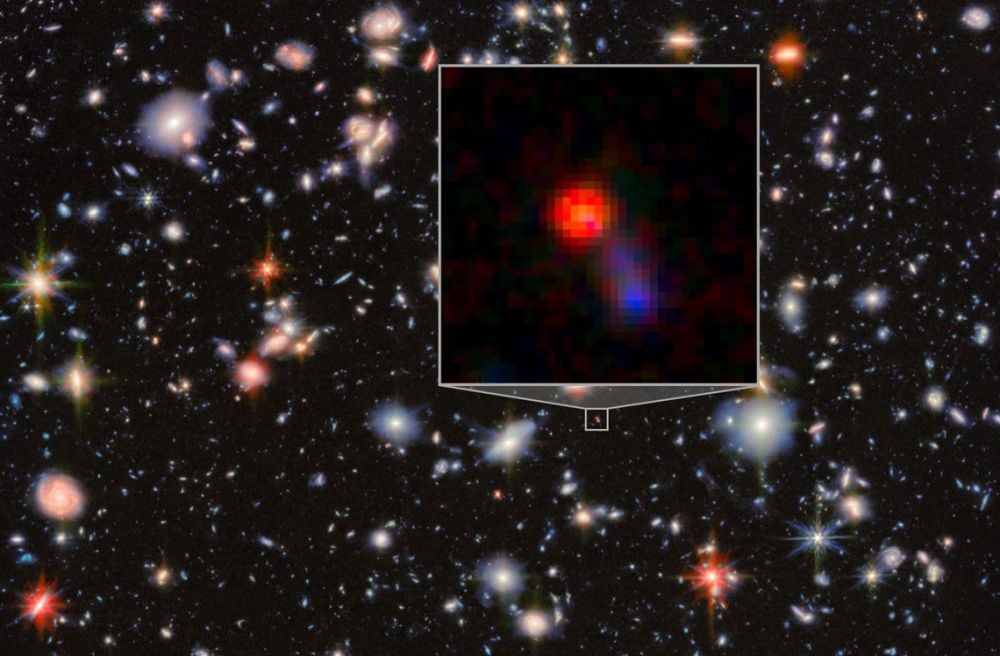
In a glimpse of the early universe, astronomers have observed a galaxy as it appeared just 800 million years after the Big Bang – a cosmic Jekyll and Hyde that looks like any other galaxy when viewed in visible and even ultraviolet light but transforms into a cosmic beast when observed at infrared wavelengths. This object, dubbed Virgil, is forcing astronomers to reconsider their understanding of how supermassive black holes grew in the infant universe.

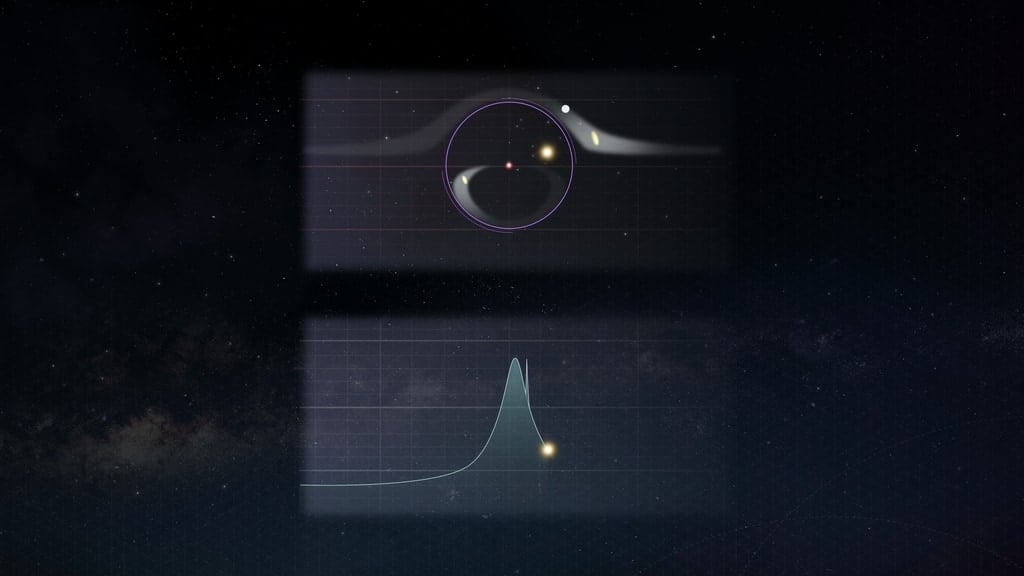
With new technologies comes new discoveries. Or so Spider Man’s Uncle Ben might have said if he was an astronomer. Or a scientist more generally - but in astronomy that saying is more true than many other disciplines, as many discoveries are entirely dependent on the technology - the telescope, imager, or processing algorithm, used to collect data on them. A new piece of technology, the Nancy Grace Roman Space Telescope, is exciting scientists enough that they are even starting to predict what kind of discoveries it might make. One such type of discovery, described in a pre-print paper on arXiv by Vito Saggese of the Italian National Institute for Astrophysics and his co-authors on the Roman Galactic Exoplanet Survey Project Infrastructure Team, is the discovery of many more multiplantery exoplanet systems an astronomical phenomena Roman is well placed to detect - microlensing.
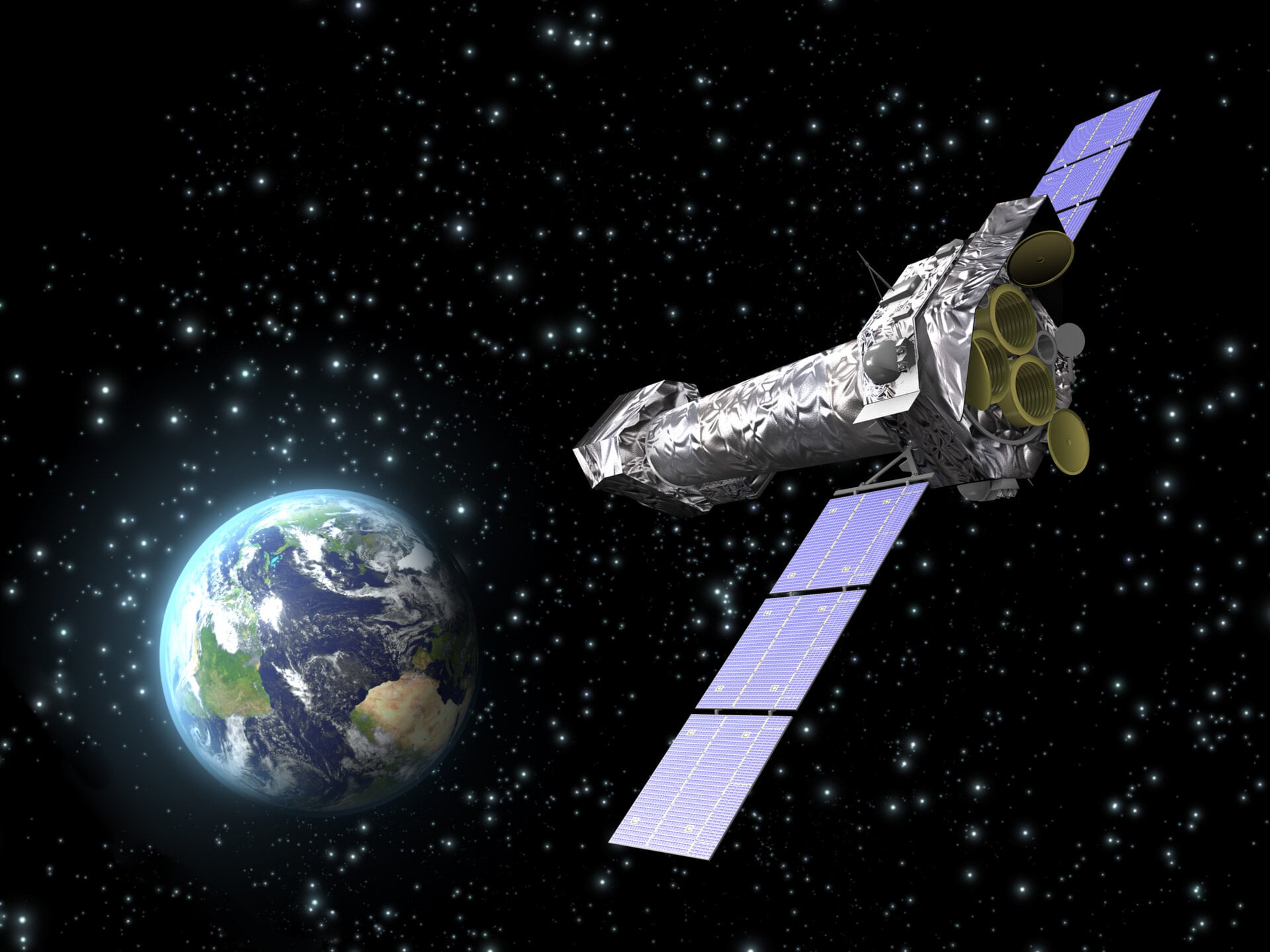
Everyone’s favorite interstellar comet posed for one more portrait recently. The European Space Agency’s XMM-Newton mission nabbed 3I/ATLAS on December 3rd from about 283 million kilometers distant. This comes as the comet is set to make its closest passage versus Earth this coming Friday, on December 19th.

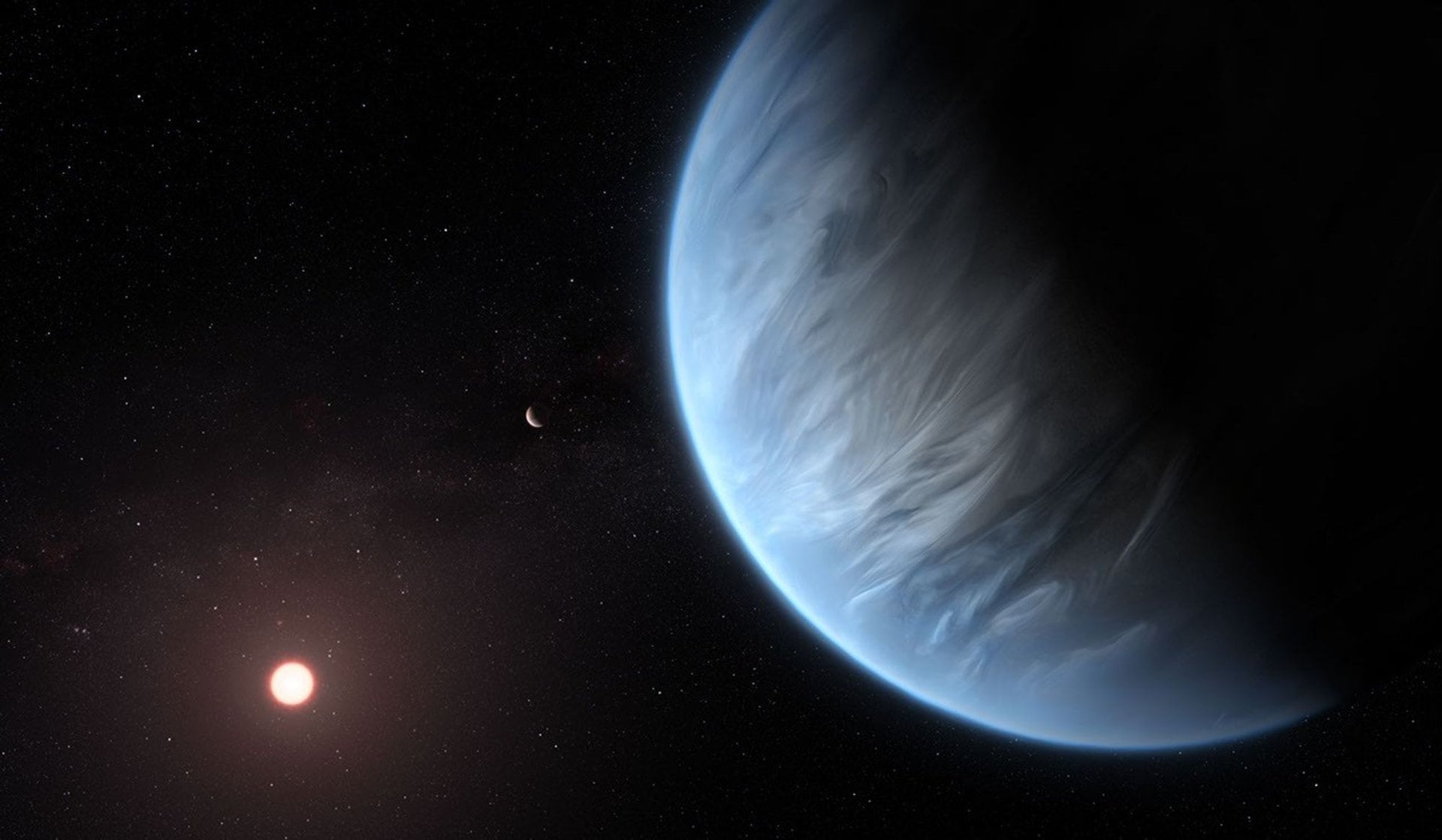
In astronomy, there is a concept called “degeneracy”. It has nothing to do with delinquent people, but instead is used to describe data that could be interpreted multiple ways. In some cases, that interpretation is translated into exciting new possibilities. But many times, when that happens, other, more mundane explanations are ignored for the publicity that the more interesting possibilities provide. That seems to have been the case for many “sub-Neptune” exoplanets discovered recently. Some theories have described them as Hycean worlds - worlds that are filled with water oceans or ice. But a new paper from Robb Calder of the University of Cambridge and his co-authors shows that, most likely, these planets are almost all made of molten lava instead.
When we gaze up at the night sky, we assume that what we're seeing is a representative population of similar stars at similar distances. But it's not. The stars we see are a mixture of massive and small, distant and near. In fact, we can't even see our closest neighbour, Proxima Centauri. We see these stars because they have large observational signals, and that illustrates one of the problems in astronomy.

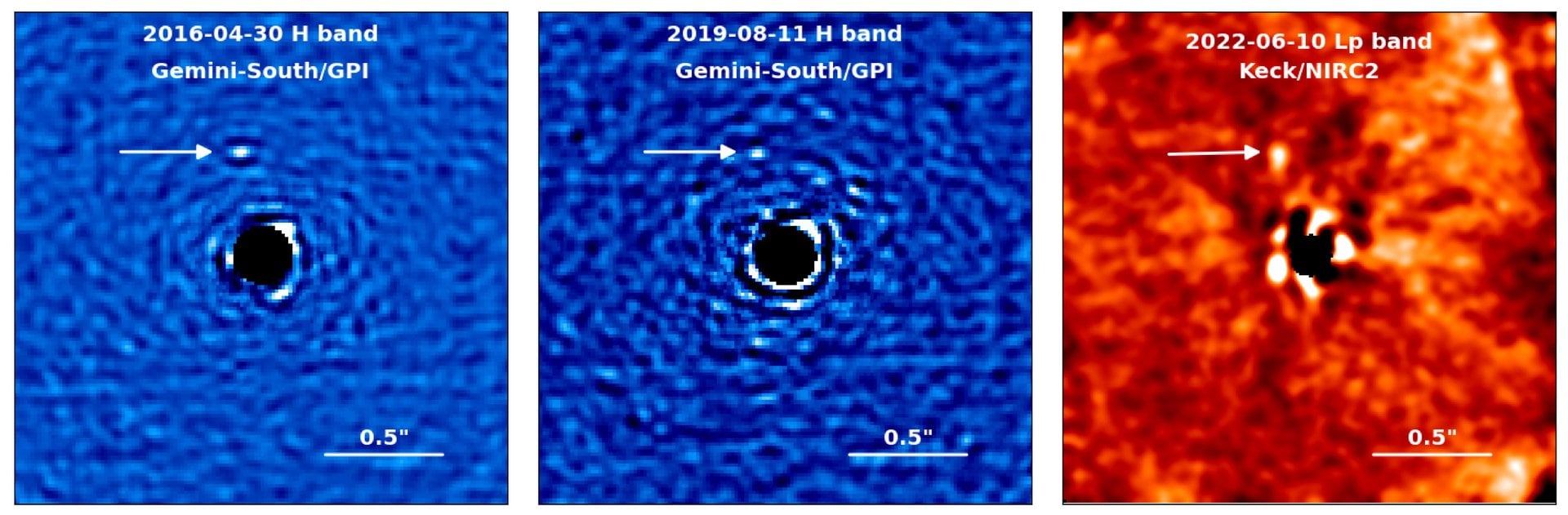
If you read enough articles about planets in binary star systems, you’ll realize almost all of them make some sort of reference to Tatooine, the fictional home of Luke Skywalker (and Darth Vader) in the Star War saga. Since that obligatory reference is now out of the way, we can talk about the new “super-Jupiter” that researchers from two separate research teams, including one at Northwestern University and one at the University of Exeter, simultaneously found in old data from the Gemini Planet Imager (GPI).

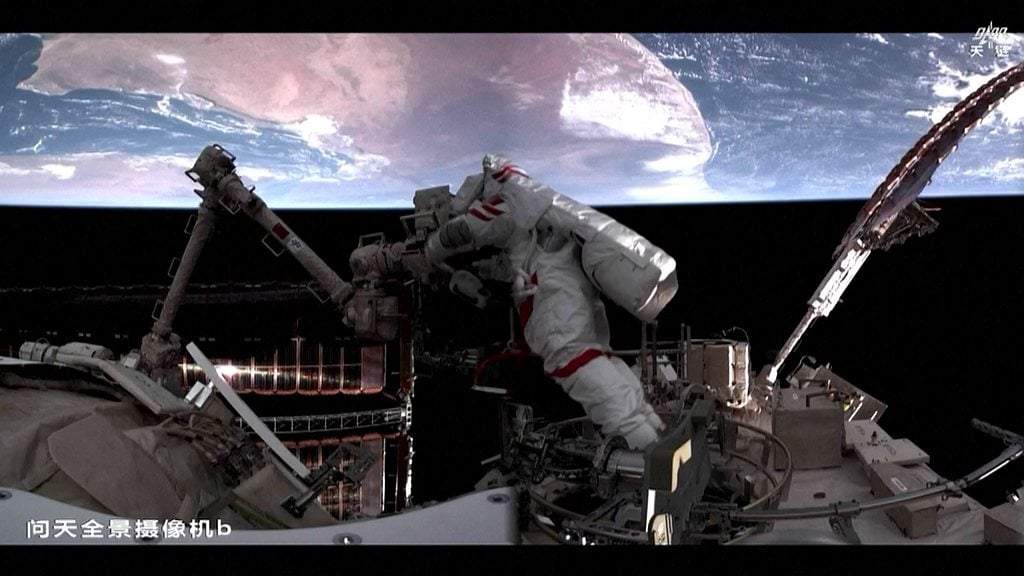
The Shenzhou-21 crew on board China's orbiting space station completed its first extravehicular activities on Tuesday, Dec. 9th, during which they validated the new EVA spacesuits.

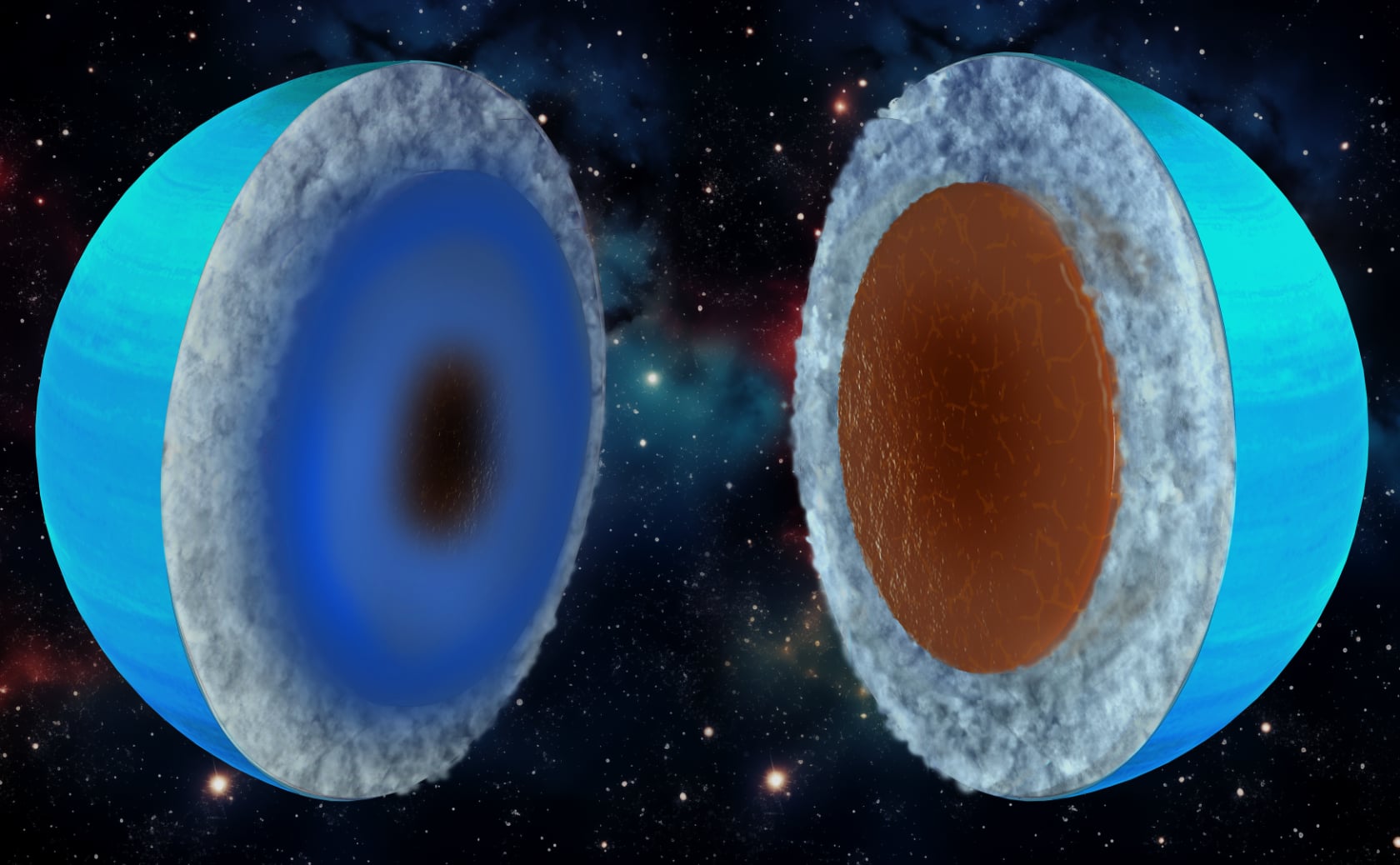
A team of researchers from the University of Zurich and the NCCR PlanetS is challenging our understanding of the interior of the Solar System's planets. The composition of Uranus and Neptune, the two outermost planets, might be more rocky and less icy than previously thought.

For roughly two billion years of Earth’s early history, the atmosphere contained no oxygen, the essential ingredient required for complex life. Oxygen began building up in the atmosphere during the period known as the Great Oxidation Event (GOE), but it had to enter the oceans first. When and how it first entered the oceans has remained uncertain.

Researchers have discovered that a close encounter with a rogue planet or brown dwarf during the Sun's early years could have triggered the reshuffling of our Solar System's giant planets. Running 3000 simulations of stellar flybys, the team found that substellar objects passing within 20 astronomical units of the young Sun could destabilise the planets' orbits just enough to match their current configuration without destroying the delicate Kuiper belt. This flyby scenario represents a new possible explanation for one of the Solar System's defining events, with roughly a 1-5 percent probability depending on how common free floating planets actually are in young star clusters.
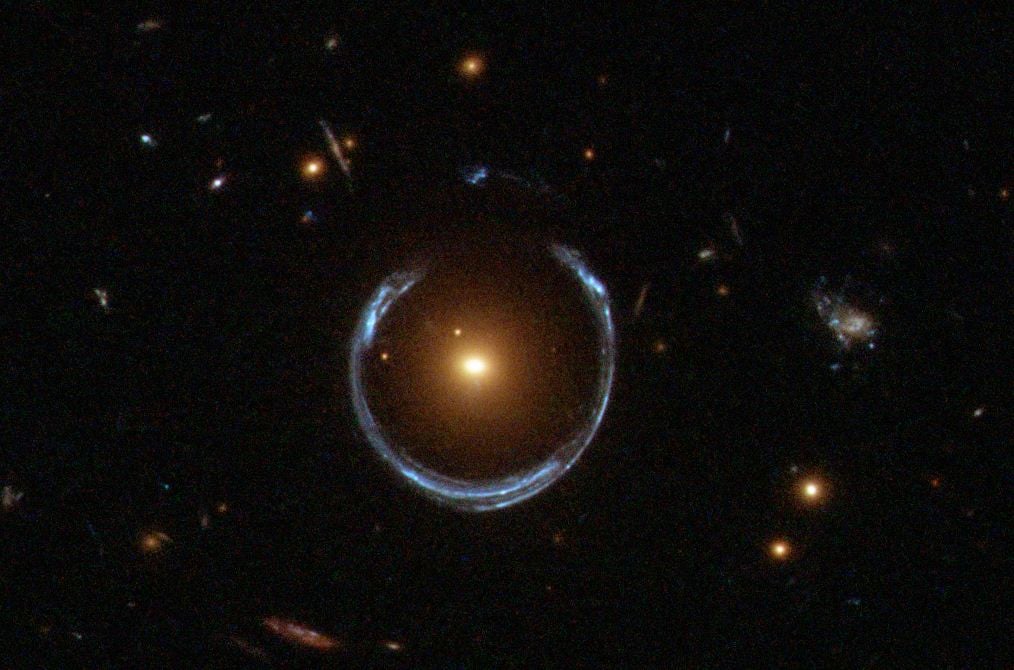
Astronomers at the University of Tokyo have used gravitational lensing to measure how fast the universe is expanding, adding weight to one of cosmology's most intriguing mysteries. Their technique exploits the way massive galaxies bend light from distant quasars, creating multiple distorted images that arrive at different times. The measurement supports recent observations showing the universe expands faster than predictions based on the early universe suggest, strengthening evidence that the "Hubble tension" represents genuine new physics rather than experimental error.

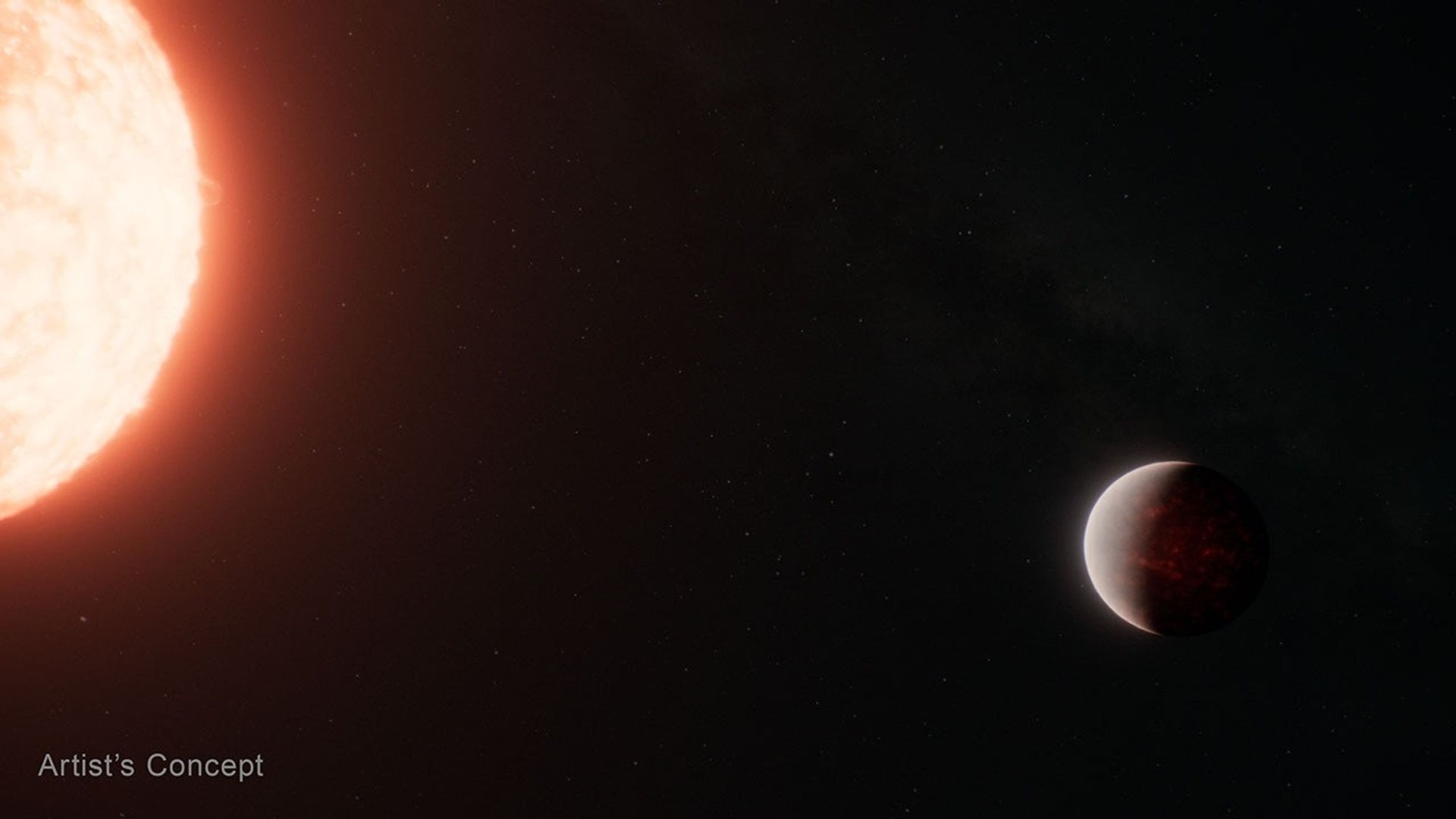
Researchers using NASA’s James Webb Space Telescope have detected the strongest evidence yet for an atmosphere on a rocky planet outside our solar system. Observations of the ultra-hot super-Earth TOI-561 b suggest that the exoplanet is surrounded by a thick blanket of gases above a global magma ocean.

The early universe was a very different place than today. And by “early” I don’t mean a billion or even ten billion years ago. The universe is about 13.77 billion years old, and when it was only a handful of seconds old, it was completely unrecognizable.

In the early 20th century, after years of effort, Albert Einstein developed his general theory of relativity. This was a massive improvement in our understanding of gravity, giving us a sophisticated view into the inner workings of that fundamental force.

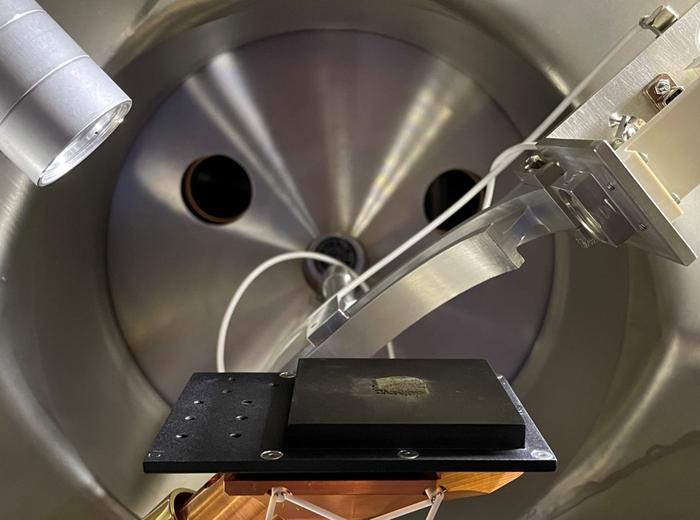
Tracking down resources on the Moon is a critical process if humanity decides to settle there permanently. However, some of our best resources to do that currently are orbiting satellites who use various wavelengths to scan the Moon and determine what the local environment is made out of. One potential confounding factor in those scans is “space weathering” - i.e. how the lunar surface might change based on bombardment from both the solar wind and micrometeroid impacts. A new paper from a researchers at the Southwest Research Institute adds further context to how to interpret ultra-violet data from one of the most prolific of the resource assessment satellites - the Lunar Reconnaissance Orbiter (LRO) - and unfortunately, the conclusion they draw is that, for some resources such as titanium, their presence might be entirely obscured by the presence of “old” regolith.

Radio astronomers hunting for the faint whispers of the early universe face an unexpected threat from above: satellites designed to be silent are leaking radio noise into space. New research using the Murchison Widefield Array has set the first limits on unintended radio emissions from distant geostationary satellites, revealing that most remain mercifully quiet in the frequency range crucial for next-generation telescopes. The findings offer cautious hope that the Square Kilometre Array, set to become the world's most sensitive radio telescope, might avoid the radio pollution crisis now plaguing observations of low Earth orbit satellites.

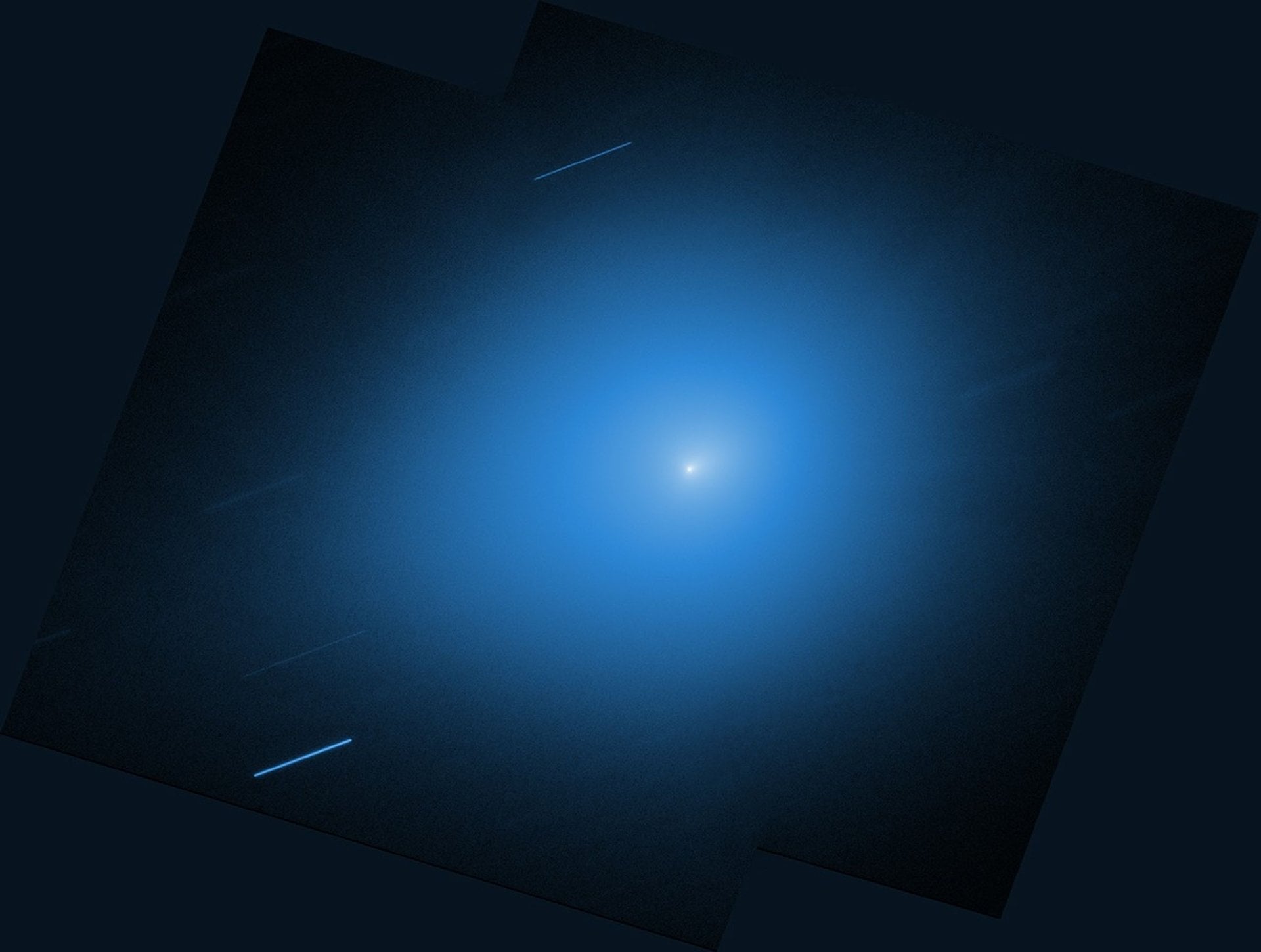
The NASA/ESA Hubble Space Telescope reobserved interstellar comet 3I/ATLAS on 30 November with its Wide Field Camera 3 instrument. At the time, the comet was about 286 million km from Earth. Hubble tracked the comet as it moved across the sky.

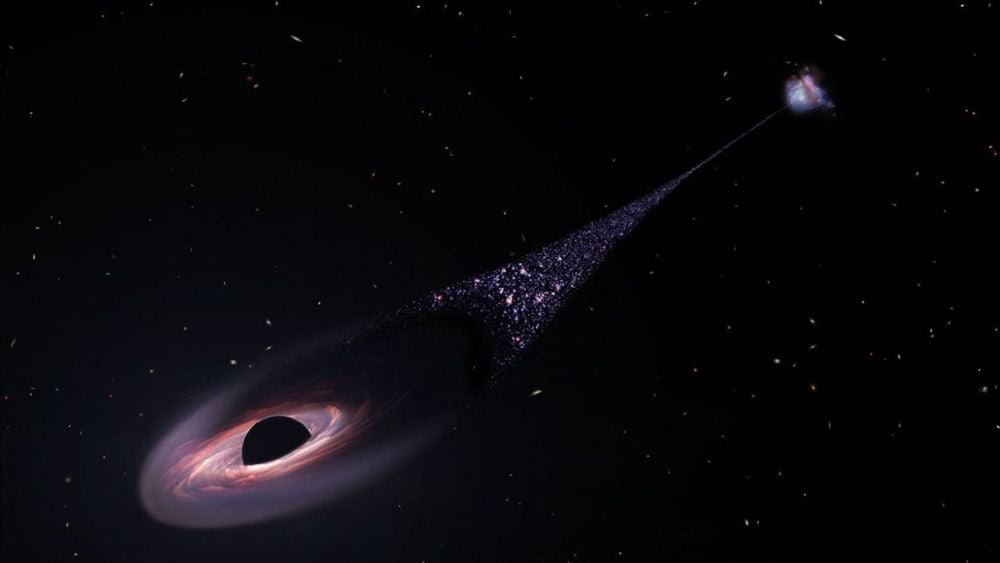
Astronomers have been observing the Cosmic Owl for years, wondering if what they were seeing was a long-predicted runaway black hole. Now, 50 years after scientists first predicted the phenomenon, the JWST has provided the clinching evidence.

The Hubble Tension is one of the great mysteries of cosmology. Solving it might require a fundamental change in how we understand the universe - but scientists have to prove it actually exists first. A new paper from a collective of cosmologist researchers known as the TDCOSMO Collaboration adds further fuel to that first with updated measurements of the “Late Universe” measurement of the Hubble Constant using gravitational lenses of quasars, which shows that the Tension might exist after all.

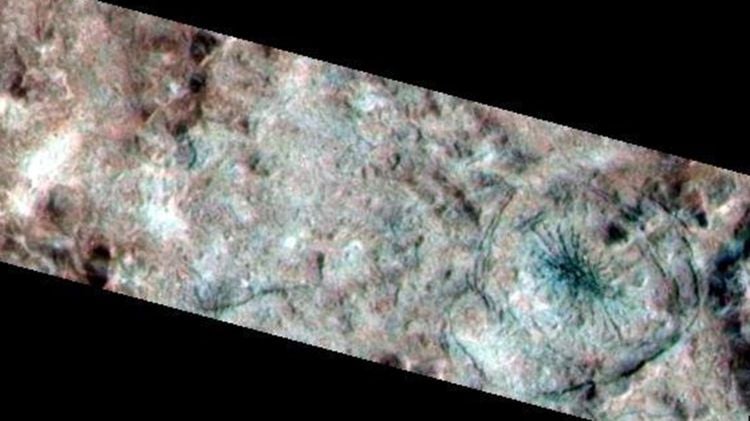
What geological features on Earth can be used to better understand unique geological features on Jupiter’s icy moon, Europa? This is what a recent study published in The Planetary Science Journal hopes to address as a team of researchers investigated potential Earth analogs for studying a unique geological feature on Europa scientists identified almost 30 years ago. This study has the potential help scientists gain insights into Europa’s unique geological features, some of which scientists hypothesize are caused by the moon’s internal liquid water ocean.

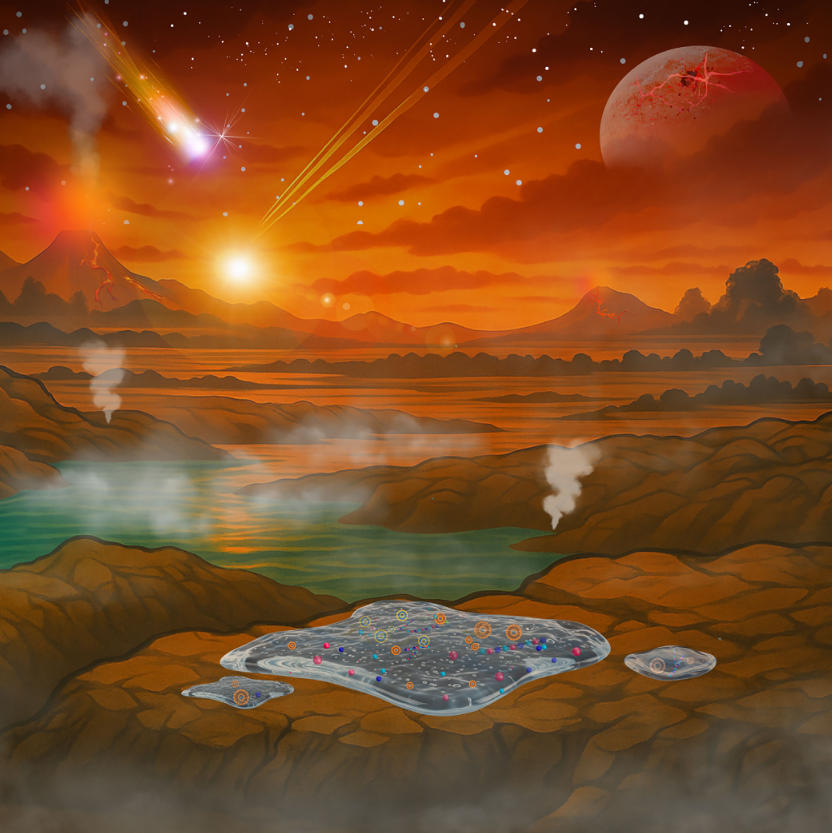
Surface-bound gels may have provided the structure and chemistry necessary for life to take root on Earth. These findings could also have implications in the search for life beyond Earth.

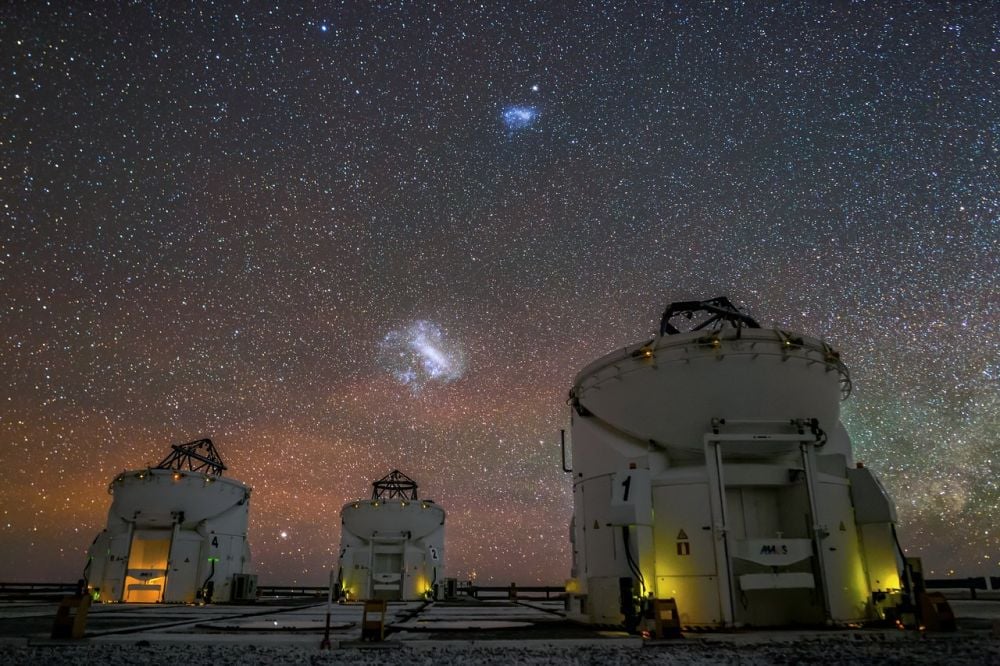
The Leibniz Institute for Astrophysics Potsdam (AIP) is forming a new research group that will focus solely on the Large and Small Magellanic Clouds. The pair of irregular dwarf galaxies are satellites of the Milky Way, and are natural, nearby laboratories for studying how galaxies form and evolve. The research group will make heavy use of the spectroscopic 4MOST survey from the VISTA telescope.

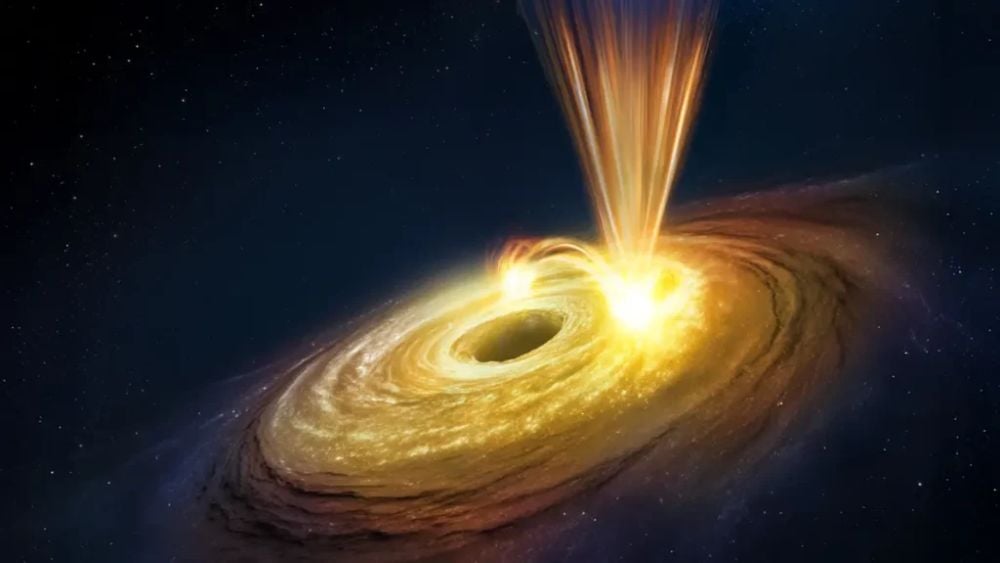
An international team of astronomers observed a sudden outburst of matter near the supermassive black hole NGC 3783 at speeds reaching up to 20% of the speed of light. During a ten-day observation, mainly with the XRISM space telescope, the researchers witnessed its formation and acceleration. Scientists often find that these outbursts are powered by strong radiation, but this time the most likely cause is a sudden change in the magnetic field, similar to bursts on the Sun that cause solar flares.

An international team of astronomers has published a series of papers detailing their observations of the rocky exoplanet TRAPPIST-1e using the James Webb Space Telescope (JWST). Their results, though ambiguous, are a big step towards exoplanet characterization.

The early universe was a pretty intense place to be. And not just “early” as in a few billion years ago. I mean early early, just a few seconds after the Big Bang. The universe is small, less than a meter across. It’s hot, with temperatures so high it doesn’t even make sense to say them – they’re just stupidly high numbers with no connection to our everyday existence.

A new study reveals that Mars plays a surprisingly crucial role in Earth's climate cycles, with new simulations showing that the mass of our planetary neighbours directly controls the timing and intensity of Milankovitch cycles that drive ice ages. By varying Mars's mass from zero to ten times its current value in computer models, researchers discovered that a more massive Mars strengthens the ~100,000 year climate cycles and creates the 2.4 million year "grand cycle" that influences Earth's long term climate. This finding demonstrates that Earth's climate rhythms are connected to the gravitational structure of the inner Solar System, not just the Sun and Moon.

The European Space Agency's Euclid telescope has delivered an unprecedented set of observations of one million galaxies that shows that galaxy collisions play a dominant role in awakening supermassive black holes from their sleep. Using revolutionary AI-powered analysis methods, astronomers discovered that merging galaxies contain up to six times more active black holes than isolated galaxies, with the most luminous black holes found almost exclusively in collision zones.

Construction is complete on the Nancy Grace Roman Space Telescope, and its ahead of schedule. After extensive testing, the new flagship telescope should be ready to launch in Fall, 2026.

In July 2025, telescopes detected a gamma-ray burst (GRB) that lasted seven hours. Most GRBs last only milliseconds, or a few minutes. Only a handful have lasted longer than that, and July's GRB was the longest ever detected. It hints at a new, exotic type of explosive event, and astronomers have a few candidates.

In a new study, sustainability and space scientists discuss how the principles of reducing, reusing, and recycling could be applied to satellites and spacecraft.

Astronomers have captured images of two nova explosions only days after they exploded. The detailed images show that these explosions are more complex than thought. There are multiple outflows and, in some cases, delayed ejection of material.

Astronomers have acquired evidence that Omega Centauri, the largest-known globular cluster in the Milky Way, hosts an intermediate mass black hole (IMBH). These elusive objects should exist, according to theory, but have been difficult to verify. The IMBH in Omega Centauri is considered a candidate black hole, and new research examined the region with the JWST for any conclusive evidence.

New research and observations with the VLT's ERIS instrument show that some stars are following predictable orbits near Sagitarrius A-star, the Milky Way's supermassive black hole. This goes against the established idea that the black hole's enormous gravity destroys stars and gas clouds. Even a binary star system in the region seems to go about its business unaffected.

Do I really need to go over the evidence for dark matter again? Okay, fine, for those of you in the back who weren’t paying attention the first time.

Removing, or “scrubbing”, carbon dioxide from the air of confined spaces is a critical component of any life support system on a spacecraft or submarine. However, modern day ones are energy intensive, requiring temperatures of up to 200℃ to operate. So a research lab led by Dr. Hui He at Guangxi University in China has developed what they call “micro/nano reconfigurable robots” (MNRM) to scrub CO2 from the air much more efficiently. Their work is described in a new paper in Nano-Micro Letters.

Southwest Research Institute (SwRI) scientists believe they may have resolved a 39-year-old mystery about the radiation belts around Uranus.
![]()
A severe accident at the Baikonur Cosmodrome involving a wrecked maintenance cabin has indefinitely delayed Russia's ability to launch crewed missions and payloads to the International Space Station (ISS).

Hot exozodiacal dust can thwart our efforts to detect exoplanets. It causes what's called coronagraphic leakage, which confuses the light signals from distant stars. The Habitable Worlds Observatory will face this obstacle, and new research sheds light on the problem.

A video that appeared on CGTN's Hot Take details four missions that China will be sending to space in the coming years, including a survey telescope that will search for Earth 2.0.

A powerful geomagnetic superstorm is a once a generation event, happening once every 20-25 years. Such an event transpired on the night of May 10/11, 2024, when an intense solar storm slammed into the Earth’s protective magnetic sheath. Now, a recent study shows just how intrusive that storm was, and how long it took for the Earth’s plasma layer took to recover.

Observations with the SPHERE instrument on the European Southern Observatory's VLT revealed the presence of debris rings similar to structures in our Solar System. SPHERE found rings similar to the Kuiper Belt and the Main Asteroid Belt. Though individual asteroids and comets can't be imaged, these debris rings infer that other solar systems have architectures similar to ours.

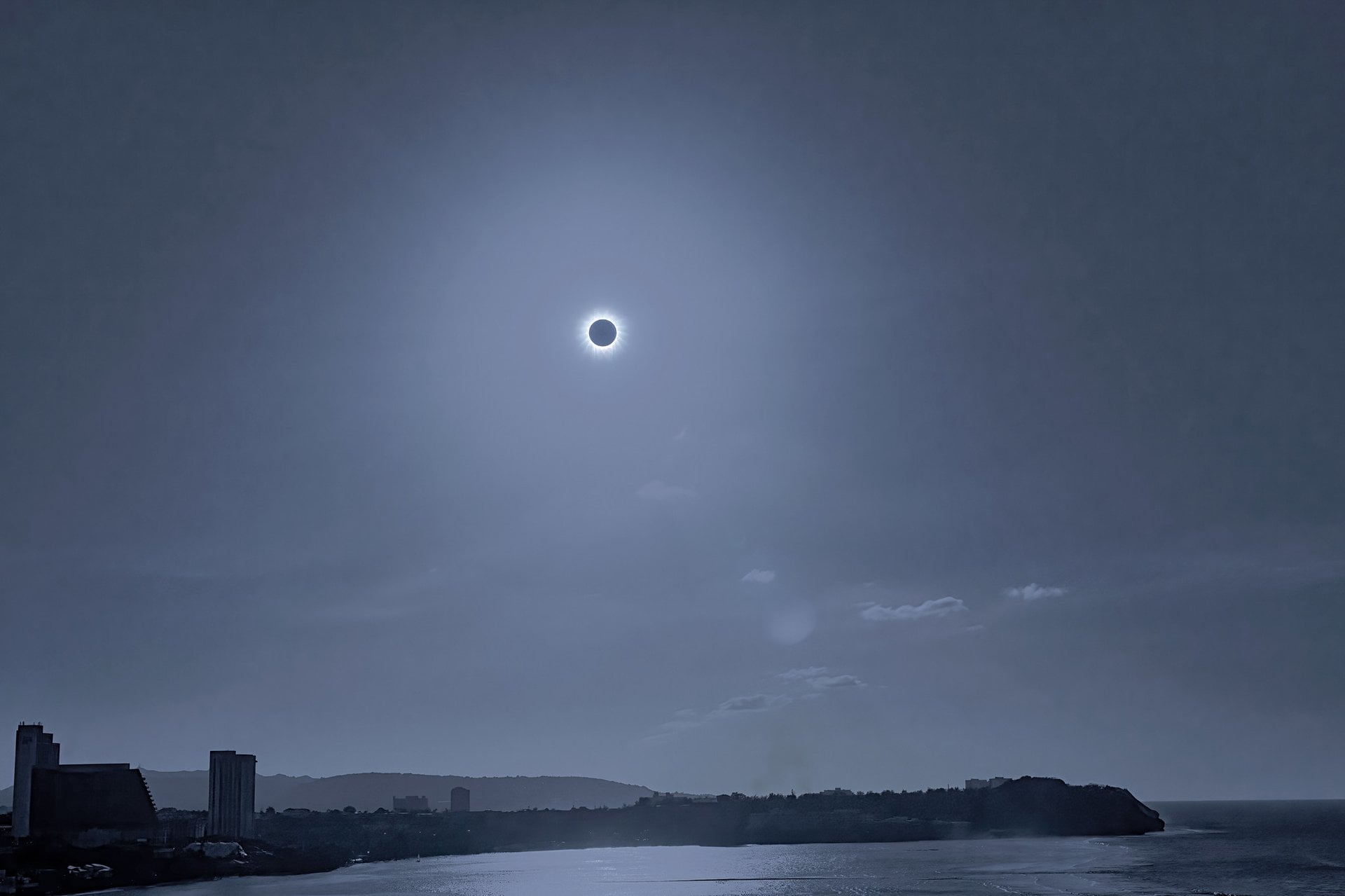
On a summer day in 709 BCE, scribes at the Lu Duchy Court in ancient China looked up to witness something extraordinary. The Sun vanished completely from the sky, and in its place hung a ghostly halo. They recorded the event carefully, noting that during totality the eclipsed Sun appeared "completely yellow above and below." Nearly three millennia later, that ancient observation has helped modern scientists measure how fast Earth was spinning and understand what our Sun was doing at a time when Homer was composing poetry.