![]()
A severe accident at the Baikonur Cosmodrome involving a wrecked maintenance cabin has indefinitely delayed Russia's ability to launch crewed missions and payloads to the International Space Station (ISS).
![]()
A severe accident at the Baikonur Cosmodrome involving a wrecked maintenance cabin has indefinitely delayed Russia's ability to launch crewed missions and payloads to the International Space Station (ISS).

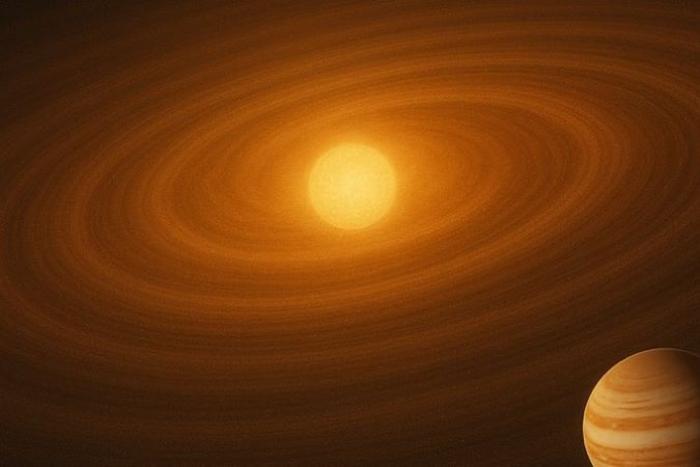
Hot exozodiacal dust can thwart our efforts to detect exoplanets. It causes what's called coronagraphic leakage, which confuses the light signals from distant stars. The Habitable Worlds Observatory will face this obstacle, and new research sheds light on the problem.

A video that appeared on CGTN's Hot Take details four missions that China will be sending to space in the coming years, including a survey telescope that will search for Earth 2.0.

A powerful geomagnetic superstorm is a once a generation event, happening once every 20-25 years. Such an event transpired on the night of May 10/11, 2024, when an intense solar storm slammed into the Earth’s protective magnetic sheath. Now, a recent study shows just how intrusive that storm was, and how long it took for the Earth’s plasma layer took to recover.

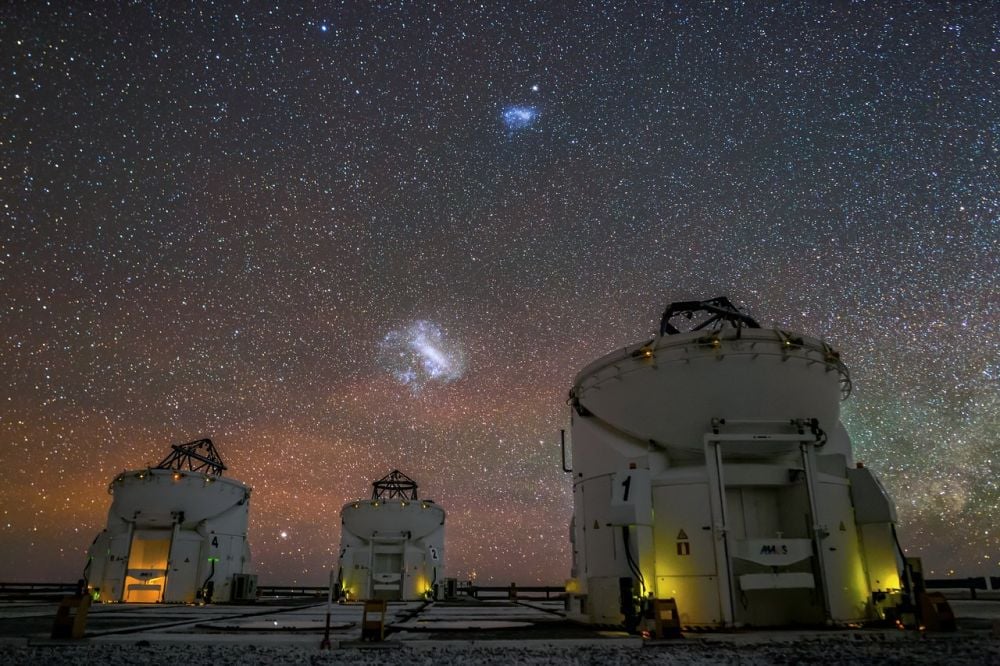
Observations with the SPHERE instrument on the European Southern Observatory's VLT revealed the presence of debris rings similar to structures in our Solar System. SPHERE found rings similar to the Kuiper Belt and the Main Asteroid Belt. Though individual asteroids and comets can't be imaged, these debris rings infer that other solar systems have architectures similar to ours.

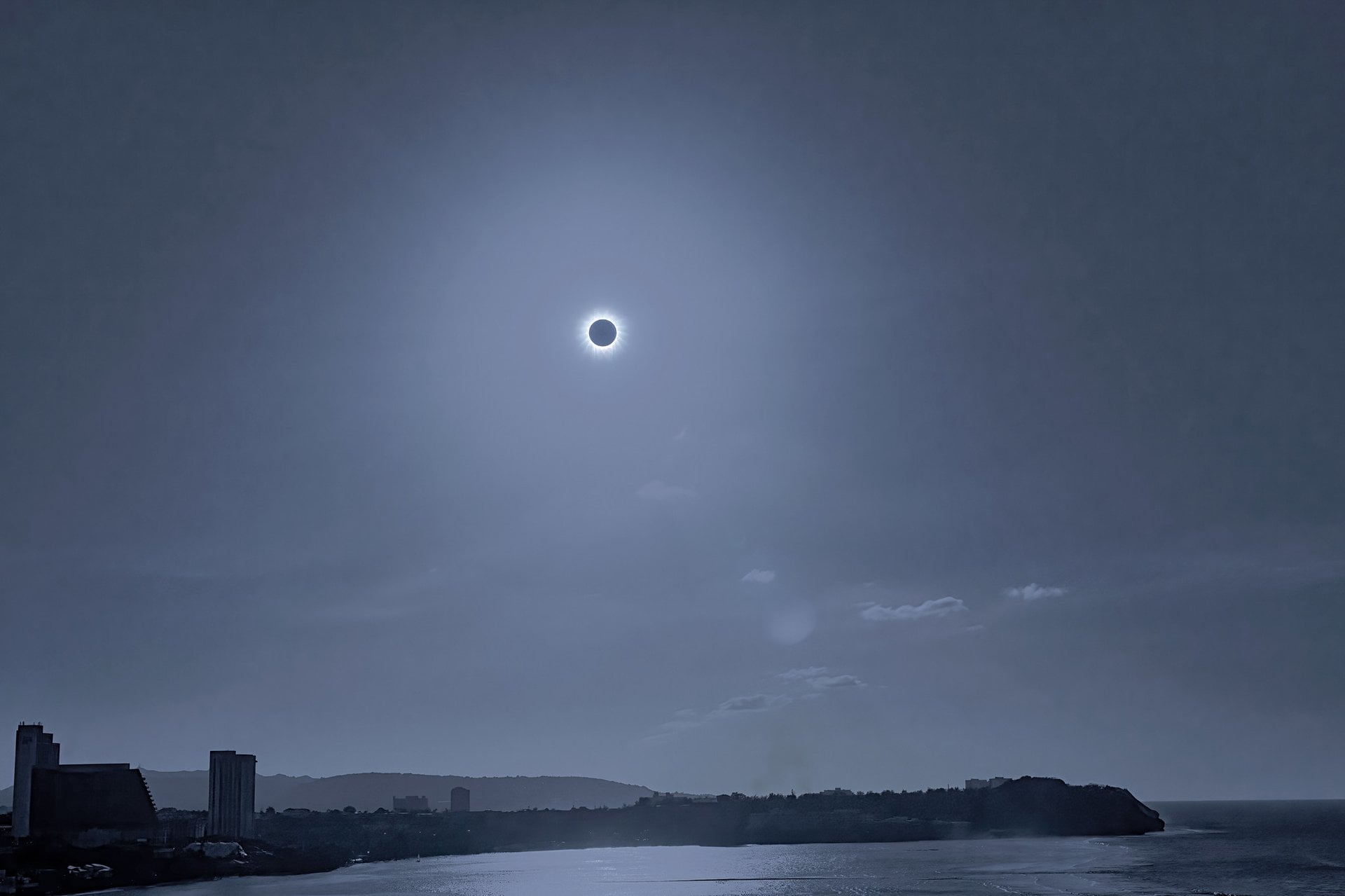
On a summer day in 709 BCE, scribes at the Lu Duchy Court in ancient China looked up to witness something extraordinary. The Sun vanished completely from the sky, and in its place hung a ghostly halo. They recorded the event carefully, noting that during totality the eclipsed Sun appeared "completely yellow above and below." Nearly three millennia later, that ancient observation has helped modern scientists measure how fast Earth was spinning and understand what our Sun was doing at a time when Homer was composing poetry.

An international team has made a significant breakthrough in understanding the tectonic evolution of terrestrial planets. Using advanced numerical models, the team systematically classified for the first time six distinct planetary tectonic regimes and identified a novel regime: the "episodic-squishy lid."

In a recent paper, a team of SETI and astrobiology specialists examines four controversial claims about the existence of extraterrestrial life. From these, they present recommendations for scientists and science communicators when addressing future claims of discovery.

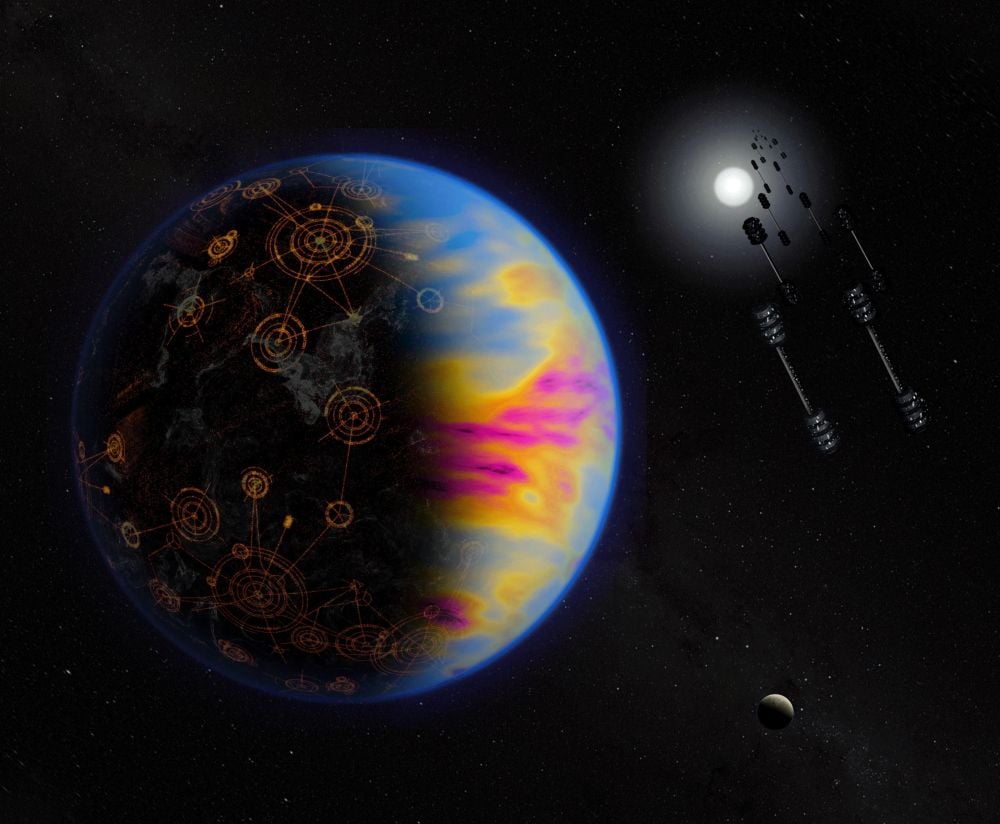
Searching for technosignatures - signs of technology on a planet that we can see from afr - remains a difficult task. There are so many different factors to consider, and we only have the technological capabilities to detect a relatively small collection of them. A new paper, available in pre-print on arXiv but also accepted for publication into The Astrophysical Journal Letters, from Jacob Haqq-Misra of the Blue Marble Space Institute of Science and his co-authors explores some of those capabilities by using a framework they developed known as Project Janus that estimates what technology will look like on Earth 1,000 years from now in the hopes that we can test whether or not we can detect it on another planet.

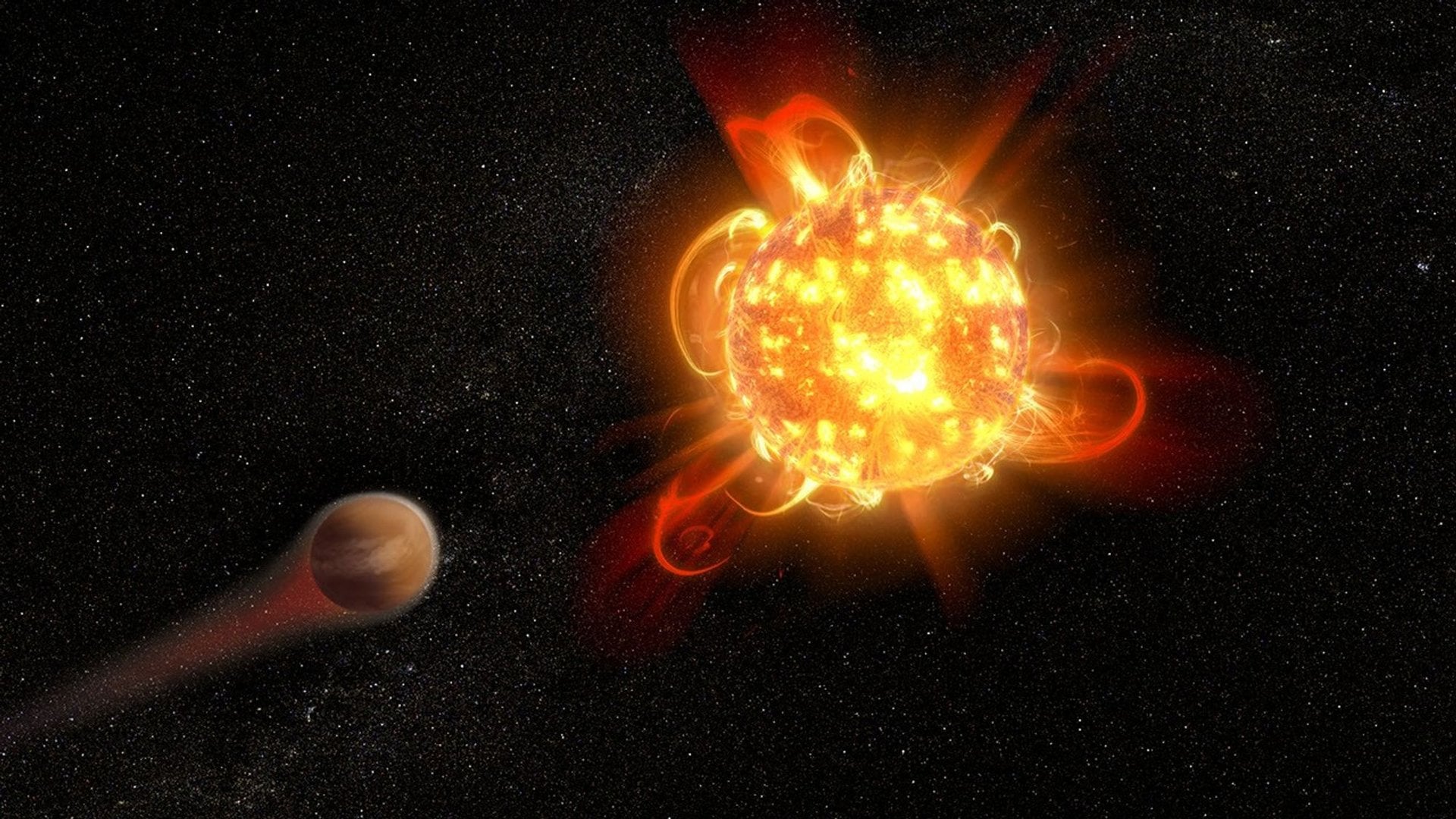
What can an exoplanet leaking helium teach astronomers about the formation and evolution of exoplanet atmospheres? This is what a recent study published in Nature Astronomy hopes to address as an international team of scientists investigated atmospheric escape on a puffy exoplanet. This study has the potential to help scientists better understand the formation and evolution of gas giant planets, specifically with many gas giant planets observed orbiting extremely close to their stars.

arXiv:2512.00492v1 Announce Type: new Abstract: We describe how the ESA Comet Interceptor mission, which is due to launch in 2028/29 to a yet-to-be-discovered target, can provide a conceptual basis for a future mission to visit an Interstellar Object. Comet Interceptor will wait in space until a suitable long period comet is discovered, allowing rapid response to perform a fast flyby of an object that will be in the inner Solar System for only a few years; an enhanced version of this concept ...

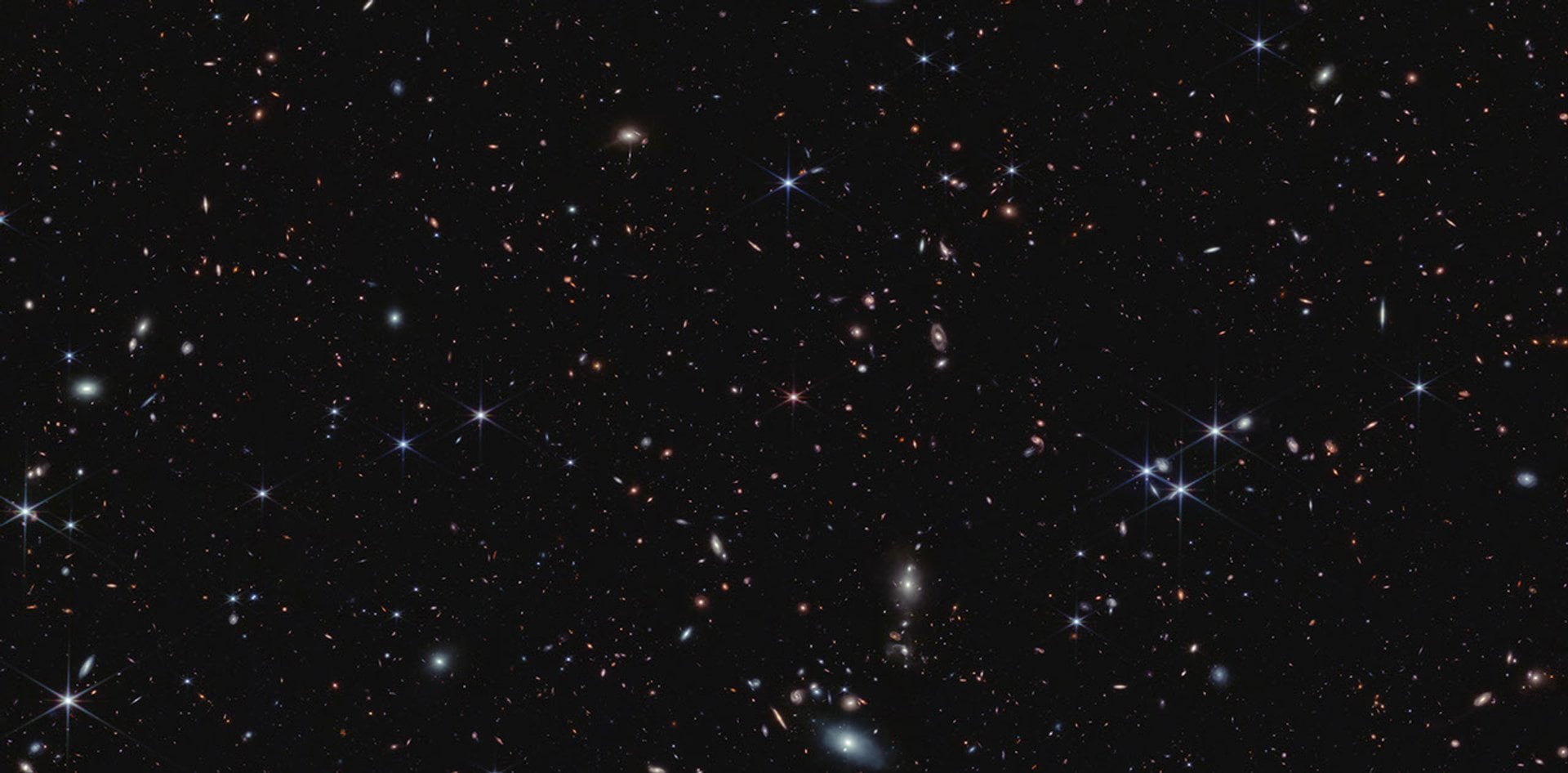
The JWST has made a name for itself by discovering mature galaxies in the Universe's early times. This time, a pair of Indian astronomers working with the JWST found a fully-formed spiral galaxy much like the Milky Way only 1.5 billion years after the Big Bang. The discovery, and others like it, are forcing scientists to reconsider their understanding of the cosmic timeline.

We've long known that we move through the Universe relative to the cosmic microwave background, but a new study of radio galaxies finds an even faster result, which could contradict the standard model of cosmology.

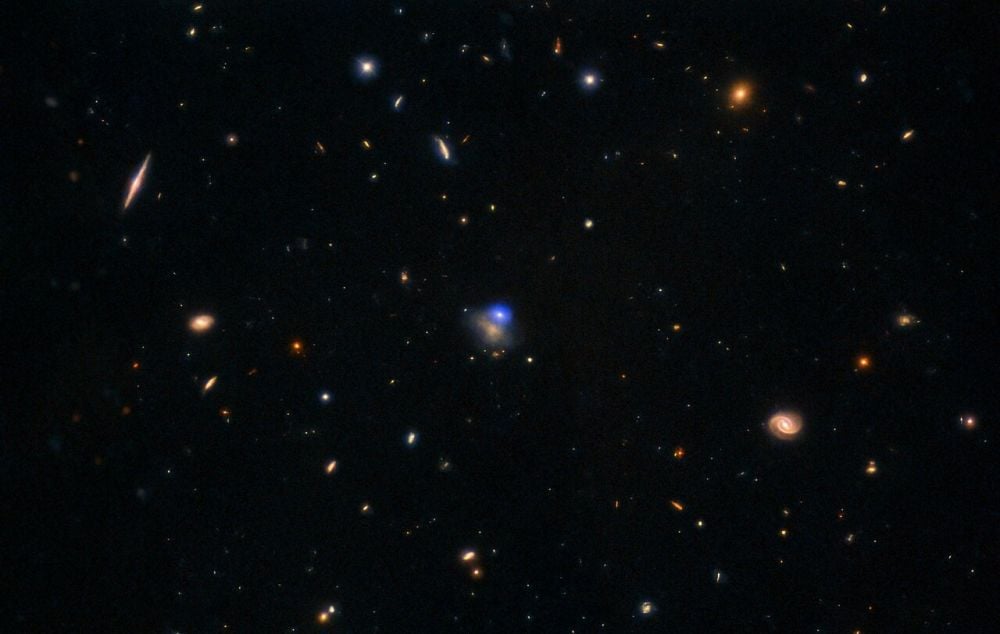
The European Space Agency has release its ESA/Webb Picture of the Month and it features a pair of dwarf galaxies engaged in a tentative dance, like nervous partners at a social. The pair are a staggering 24 million light-years away. But even at that great distance, the pair of galaxies is the closest-known interacting pair of dwarfs, other than the Milky Way's Magellanic Clouds, where both the stellar populations and the gas bridge linking the galaxies have been observed.

There’s been a lot of speculation recently about interstellar visitor 3I/ATLAS - much of which is probably caused by low quality data given that we have to observe it from either Earth, or in some case Mars. In either case it’s much further away that what would be the ideal. But that might not be the case for a future interstellar object. The European Space Agency (ESA) is planning a mission that could potentially visit a new interstellar visitor, or a comet that is making its first pass into the inner solar system. But, given the constraints of the mission, any such potential target object would have to meet a string of conditions. A new paper by lead Professor Colin Snodgrass of the University of Edinburgh of his colleagues, discusses what those conditions are, and assesses the likelihood that we’ll find a good candidate within a reasonable time of the mission's launch.

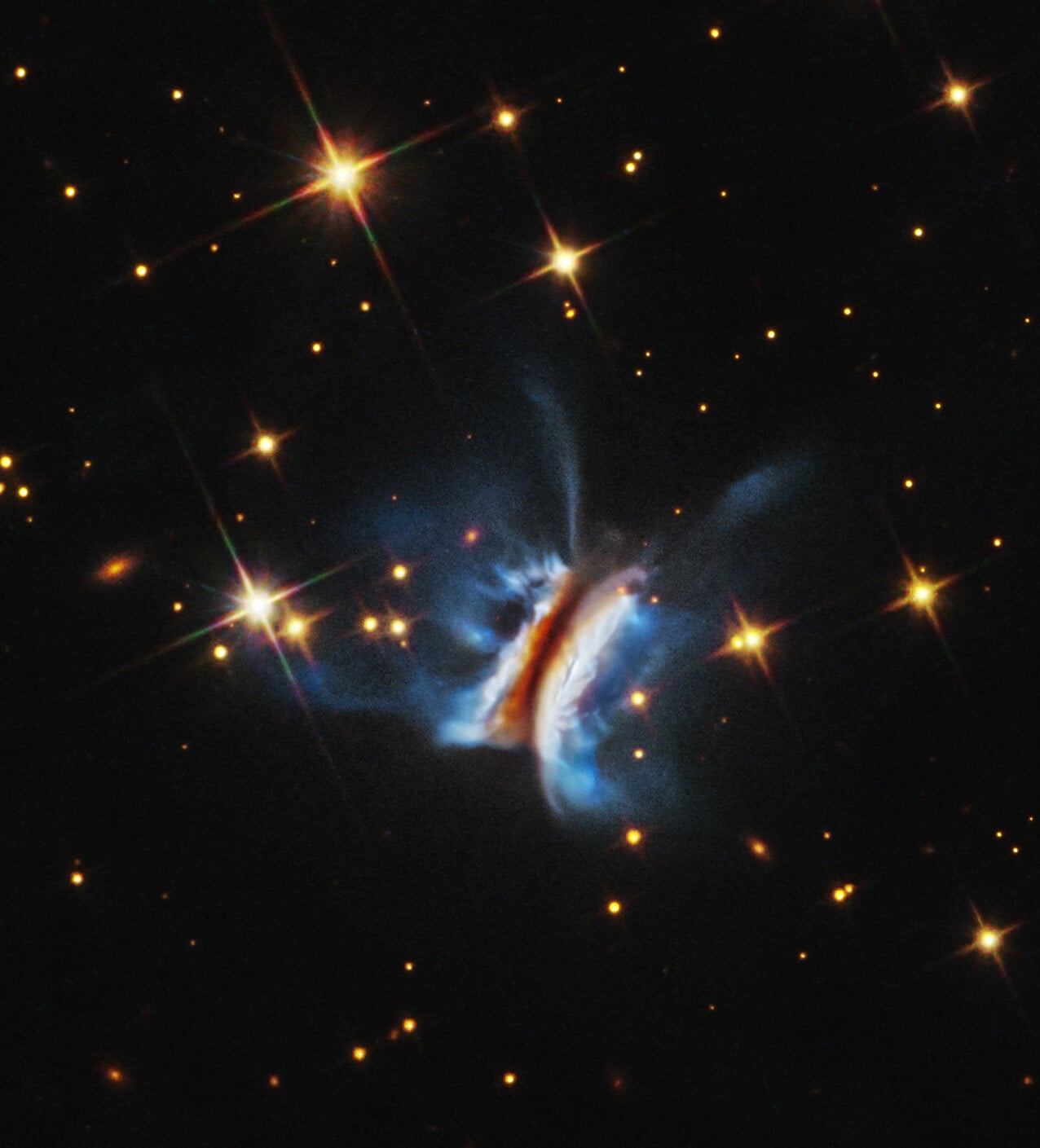
To celebrate 25 years since the completion of the International Gemini Observatory, students in Chile voted for the Gemini South telescope to image NGC 6302 — a billowing planetary nebula that resembles a cosmic butterfly. The International Gemini Observatory is partly funded by the U.S. National Science Foundation (NSF) and operated by NSF NOIRLab.

Why is the Universe filled with matter? Why isn't it an equal amount of matter and antimatter? We still don't know the answer, but a new approach looks at the symmetries of extended models of particle physics and finds a possible path forward. It's a knotty problem that may just have a knotty solution.

Remember back in 2018 when there was a discovery of a briny “lake” underground near the Martian south pole? Pepperidge Farm probably does, and anyone that works there that’s interested in space exploration will be disappointed to hear that, whatever might be causing the radar signal that finding was based on, it’s most likely not a lake. At least according to new data collected by the Mars Reconnaissance Orbiter (MRO) and published recently in Geophysical Research Letters by lead author Gareth Morgan of the Planetary Science Institute and his colleagues.
The complex molecules required for life on Earth might never have formed if it wasn’t for cosmic dust.

There is a period in the Universe known as the cosmic dark ages. It lies between the recombination of the first atoms and the ignition of the first stars, when the Universe was thought to be cold and dark. Now astronomers have looked at the faint glow of atomic hydrogen to find that while the Universe was dark, it wasn't quite as cold as we thought.

A team of scientists have detected electric discharges on Mars for the first time, confirming a phenomenon that was theorised for decades but never directly observed until now. The Perseverance rover's microphone accidentally captured the electromagnetic and acoustic signatures of sparks generated inside Martian dust devils, similar to the static shocks you might experience touching a metal door handle. This discovery changes our understanding of Mars's atmospheric chemistry and could explain longstanding mysteries about the rapid disappearance of methane in the Martian atmosphere, while also raising important safety considerations for future human missions to the red planet.
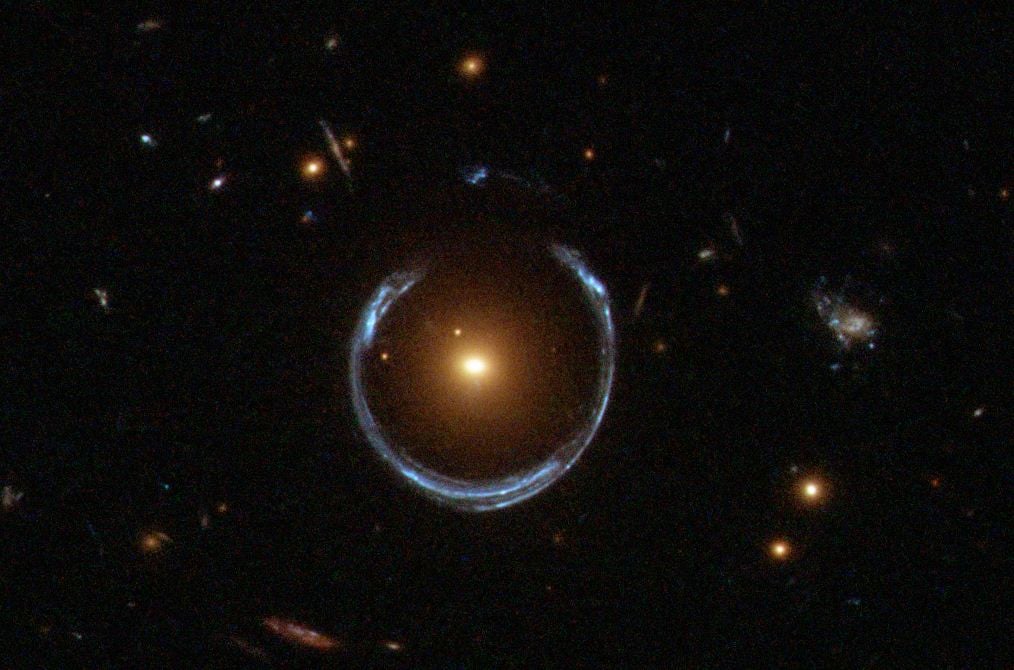
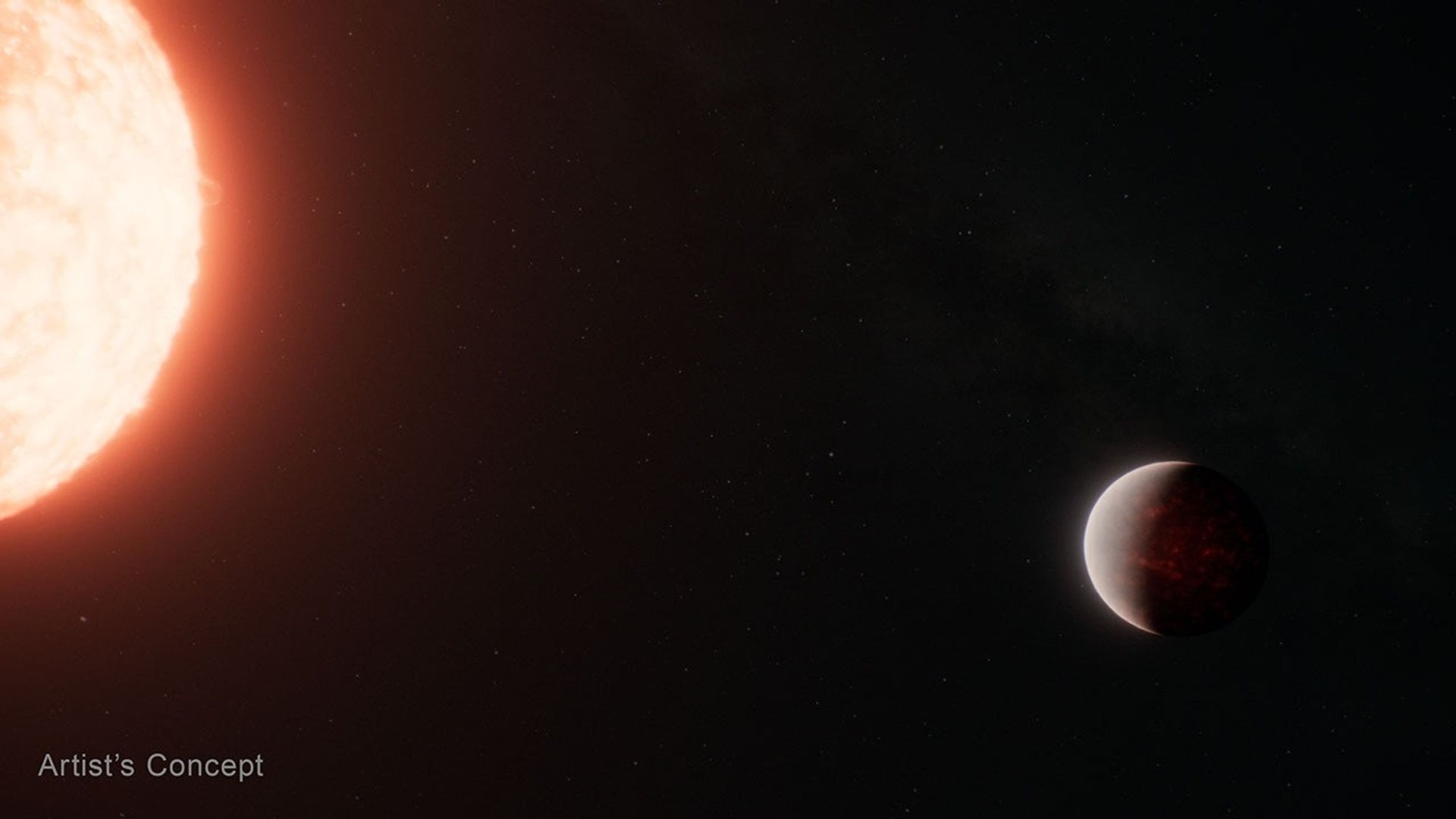
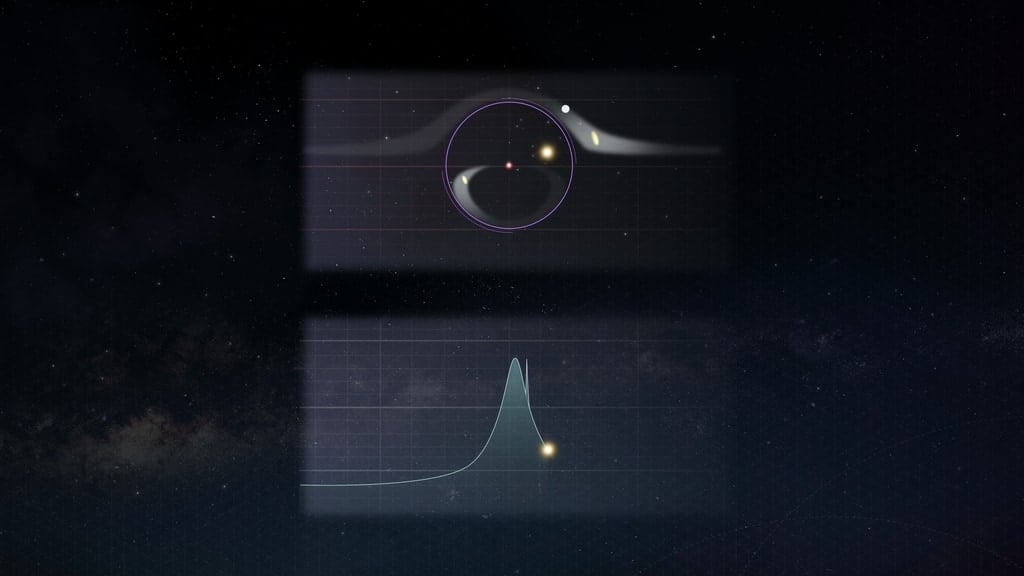
Have scientists finally confirmed the existence of the first exomoon? This is what a recent study accepted for publication in Astronomy & Astrophysics hopes to address as a large international team of researchers investigated new methods for identifying an exomoon orbiting a gas giant exoplanet. This study has the potential to help scientists develop new methods for finding exomoons, the latter of which has yet to be confirmed.

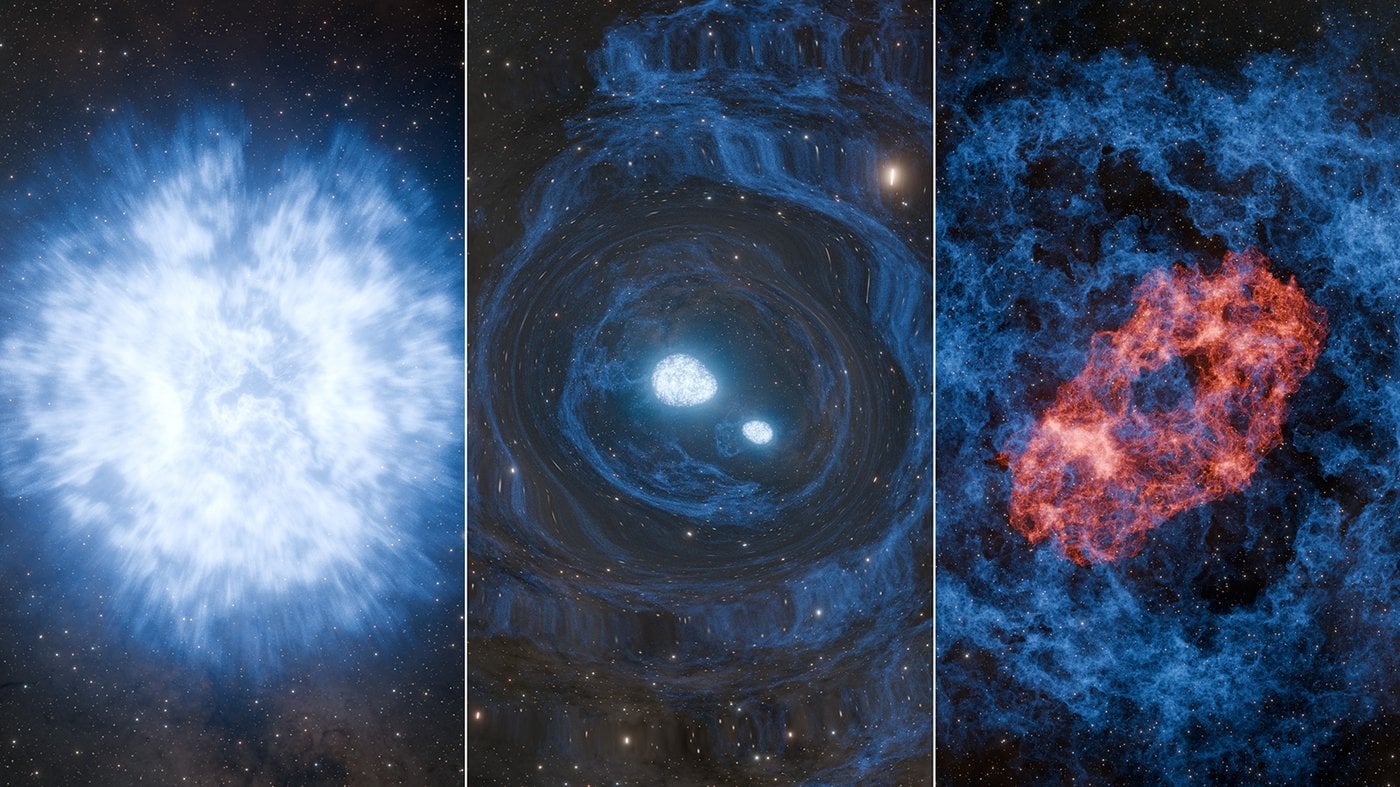
What can an ancient supernova teach scientists about Earth and celestial objects? This is what a recently submitted study to Astronomy & Astrophysics hopes to address as a team of scientists investigated the interaction of the remnants of supernova that occurred 10-million years ago with Earth. This study has the potential to help scientists better understand how Earth is influenced by celestial objects and what this could mean for the future of life on Earth, along with potentially habitable worlds beyond Earth.

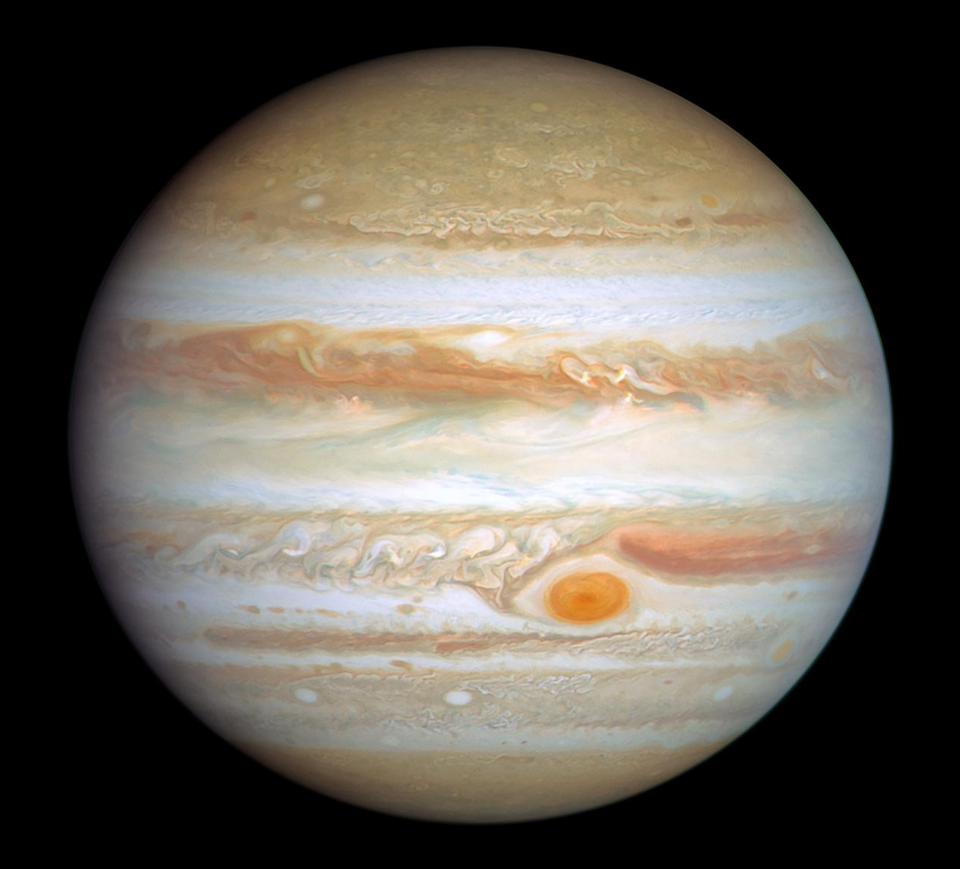
What can equatorial jet streams on gas giant planets teach scientists about gas giant planetary formation and evolution? This is what a recent study published in Science Advances hopes to address as a team of scientists investigated the mechanisms of jet streams on gas giants (Jupiter and Saturn) and ice giants (Uranus and Neptune). This study has the potential to help scientists better understand not only the formation and evolution of giant planets in our solar system, but exoplanets, too.

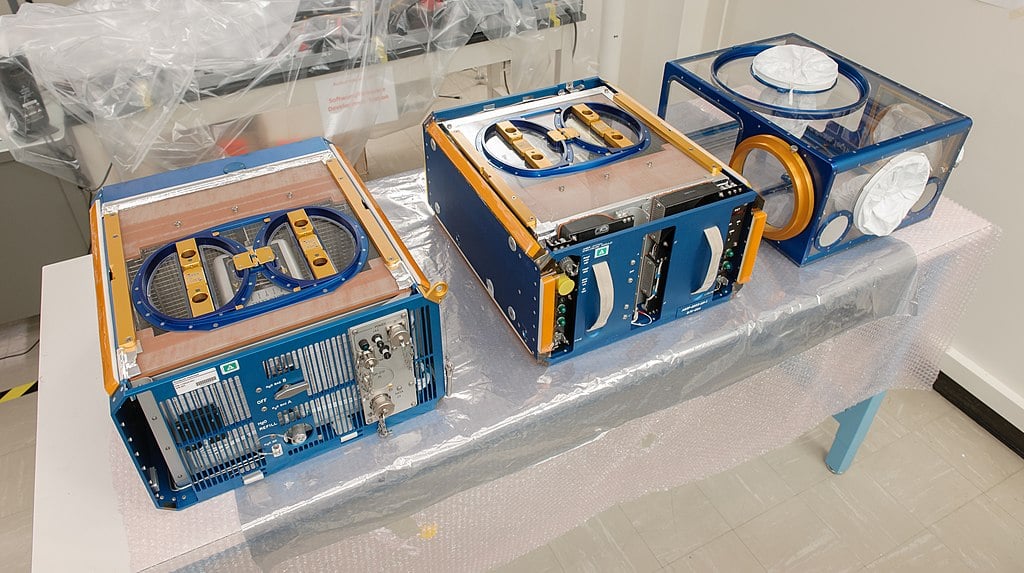
A crew of tiny worms will be heading on a mission to the International Space Station in 2026 that will help scientists understand how humans can travel through space safely, using a Leicester-built space pod.

How can star populations help astronomers re-evaluate the search for intelligent extraterrestrial life, also called technosignatures? This is what a recently submitted study hopes to address as a team of scientists investigated the parameters of identifying locations of technosignatures, also called extraterrestrial transmitters. This study has the potential to help astronomers constrain the criteria for finding intelligent life in both our galaxy and throughout the universe.

What can star variability—changes in a star’s brightness over time—teach astronomers about exoplanet habitability? This is what a recent study accepted to The Astronomical Journal hopes to address as a team of scientists investigated the interaction between a star’s activity and exoplanetary atmospheres. This study has the potential to help astronomers better understand how star variability plays a role in finding habitable exoplanets, specifically around stars that are different from our Sun.

Young stars buried deep in molecular clouds are bathed in ultraviolet radiation, but they shouldn't be. Protostars are too cold and dim to produce UV light themselves, yet James Webb Space Telescope observations of five stellar nurseries in Ophiuchus reveal its unmistakable signature affecting the surrounding gas. Astronomers tested the obvious explanation that nearby massive stars illuminate these birthplaces but subsequently ruled it out. The UV radiation must be coming from inside the star forming regions themselves, forcing a fundamental rethink of how stars are born.

What is the importance of studying explosive volcanism on Venus? This is what a recent study published in the Journal of Geophysical Research: Planets hopes to address as a team of scientists investigated the potential altitudes of explosive volcanism on Venus. This study has the potential to help scientists better understand the present volcanic activity on Venus, along with gaining insight about its formation and evolution and other planetary bodies throughout the solar system and beyond.

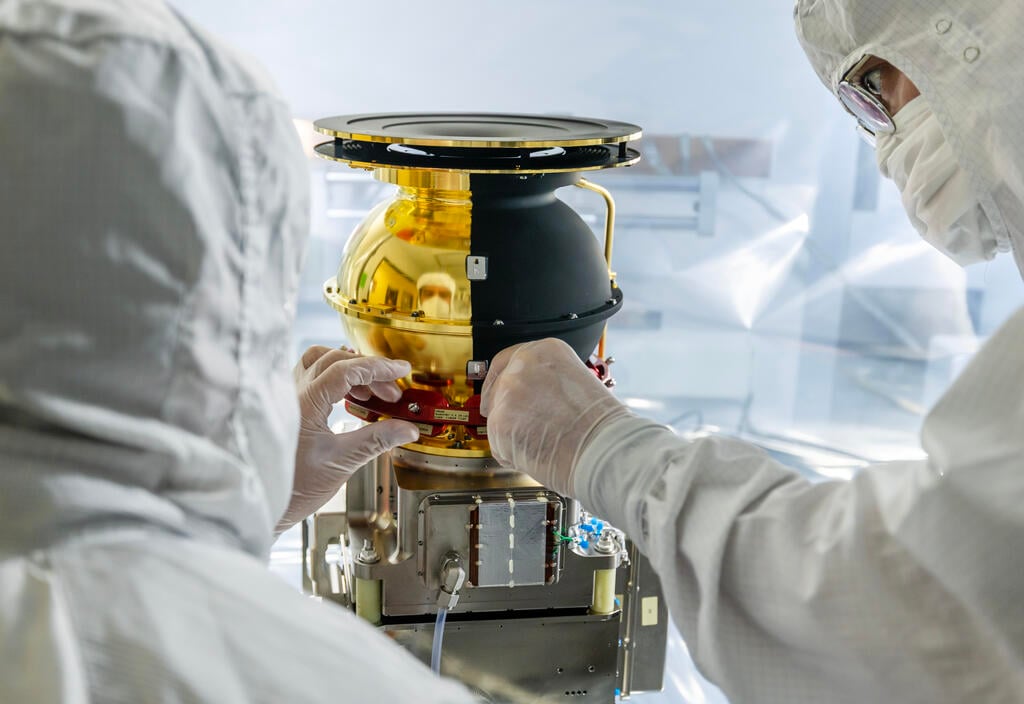
The Nancy Grace Roman Space Telescope continues its inexorable march toward launch. It recently completed another series of tests that brings it a few steps closer to a launch pad in Florida. This time, the telescope was split into two separate parts - an inner portion and an outer portion, each of which went through separate tests throughout the fall.

Research led by the RIKEN Center for Interdisciplinary Theoretical and Mathematical Sciences (iTHEMS) in Japan has successfully performed the world’s first Milky Way simulation that accurately represents more than 100 billion individual stars over the course of 10,000 years.

New research shows how a galaxy's surroundings influence its development. Its size, shape, and growth rate are all affected. It's all based on "the finer details of the cosmic landscape."

In 2028, Hong Kong will launch its first dedicated lunar orbiter not to study craters or map minerals, but to monitor something far more urgent, the constant barrage of meteoroids slamming into the Moon's surface at thousands of kilometres per hour. As China prepares to build a permanent lunar research station, understanding this relentless bombardment has become a matter of safety for future astronauts living and working on the Moon.

Beneath the frozen shells of Saturn's tiny moons, hidden oceans might occasionally boil, not from heat, but from dropping pressure as ice melts from below. This strange phenomenon could explain the bizarre geology of worlds like Miranda and Mimas, and reshape our understanding of where to search for life in the outer Solar System. A new study reveals how these distant water worlds operate under physics unlike anything on Earth.

Seven billion year old meteorites carrying DNA building blocks. Frozen water on Mars. Amino acids floating in interstellar dust clouds. After seventy years of searching, we've found the ingredients for life scattered throughout the universe but have we found life itself? A new review examines every major claim of extraterrestrial life, from ancient space rocks to UFO sightings, revealing what the evidence actually supports and where wishful thinking has filled the gaps.

The JWST has done it again. It's revealed new details hidden from lesser telescopes. The space telescope has detected four spiral dust shells around Apep, a triple star system about 15,000 light-years away.

What are the physics of life? That is more than just a philosophical question - it has practical implications for our search for life elsewhere in the galaxy. We know what Earth life looks like, on a number of levels, but finding it on another planet could require us to redefine what we even mean by life itself. A new paper from Stuart Bartlett of Cal Tech and his co-authors provides a new framework for how life could be defined that could reach beyond just what we understand from our one Pale Blue Dot.

Understanding how exactly lunar dust sticks to surfaces is going to be important once we start having a long-term sustainable presence on the Moon. Dust on the Moon is notoriously sticky and damaging to equipment, as well as being hazardous to astronaut’s health. While there has been plenty of studies into lunar dust and its implications, we still lack a model that can effectively describe the precise physical mechanisms the dust uses to adhere to surfaces. A paper released last year from Yue Feng of the Beijing Institute of Technology and their colleagues showcases a model that could be used to understand how lunar dust sticks to spacecraft - and what we can do about it.

Astronomers have just catalogued the 40,000th near Earth asteroid, a milestone that marks humanity's transformation from passive targets to active defenders of our planet. These space rocks, ranging from house sized boulders to some the size of mountains, follow orbits that bring them uncomfortably close to Earth. Each discovery adds another piece to our planetary defence puzzle, though current surveys have found only about 30 percent of the mid sized asteroids that could still cause regional devastation if they struck our world.

Using in-situ propellant has been a central pillar of the plan to explore much of the solar system. The logic is simple - the less mass (especially in the form of propellant) we have to take out of Earth’s gravity well, the less expensive, and therefore more plausible, the missions requiring that propellant will be. However, a new paper from Donald Rapp, the a former Division Chief Technologist at NASA’s JPL and a Co-Investigator of the successful MOXIE project on Mars, argues that, despite the allure of creating our own fuel on the Moon, it might not be worth it to develop the systems to do so. Mars, on the other hand, is a different story.

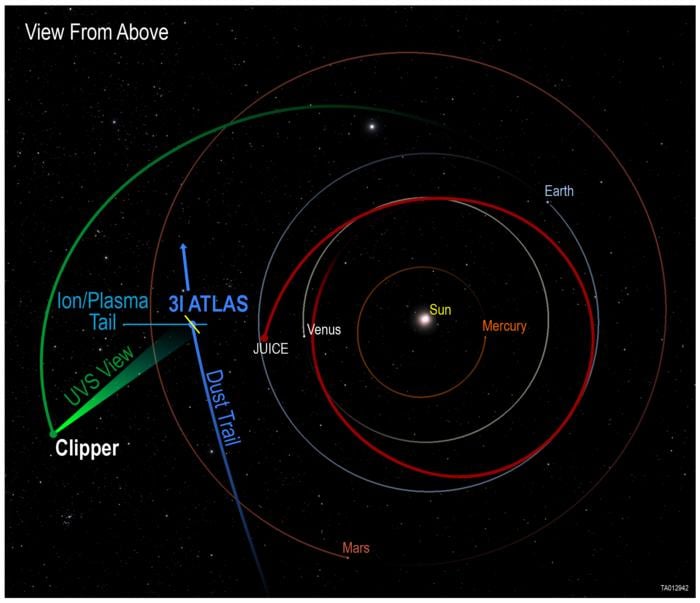
Two orbiters and a rover captured images of the interstellar object — from the closest location any of the agency’s spacecraft may get — that could reveal new details.

Blue Origin announced a series of upgrades to New Glenn designed to increase payload performance and launch cadence, while enhancing reliability. The enhancements span propulsion, structures, avionics, reusability, and recovery operations, and will be phased into upcoming New Glenn missions beginning with NG-3.

The surface of the Earth is finite. We can measure it. If it was expanding, then its size would grow with time. And once again, good ol’ Earth helps us understand what the universe might be doing beyond our observable horizon.

Scientists have achieved a breakthrough that seemed impossible just months ago, they have simulated our entire Milky Way galaxy down to each of its 100 billion individual stars. By combining artificial intelligence with supercomputer power, researchers created a model that captures everything from galactic arms to the explosive deaths of individual stars, completing in days what would have taken conventional simulations 36 years. This fusion of AI and physics represents a significant shift in how we model complex systems, with implications reaching far beyond astronomy.

I honestly don’t have a decent analogy for you to explain how the universe is expanding without a center and without an edge. It just does, whether we can wrap our minds around it or not. But I CAN give you a way to think about it.

The Moon gains new craters all the time, but catching one forming is surprisingly rare. Between 2009 and 2012, something struck our celestial companion just north of Römer crater, creating a bright 22 metre scar with distinctive rays of ejected material spreading outward. While the Moon's most dramatic bombardment ended billions of years ago, this fresh impact reminds us that our nearest neighbour continues to be peppered by space rocks, offering scientists a rare opportunity to study crater formation in real time and refine our understanding of impact rates across the Solar System.

When an interstellar comet tears through our Solar System at 250,000 kilometres per hour, pinning down its exact trajectory becomes a race against time. ESA astronomers achieved something unprecedented in October 2025, using observations from the ExoMars Trace Gas Orbiter to improve predictions of comet 3I/ATLAS's path by a factor of ten. By triangulating data from Mars with Earth based observations, scientists demonstrated a powerful technique for tracking fast moving objects that could prove invaluable for planetary defence, even though this particular visitor poses no threat to our planet.

Exoplanets need not acquire their water from external sources like asteroids and comets. New experiments show that at least one common type of exoplanet can generate its own water. Interactions between hydrogen and silicates on sub-Neptunes can create water that could make some of the habitable.
![]()
All of the proposals floating around out there for invoking dynamical dark energy are a little on the weak side. In many cases, they raise more questions than answers.

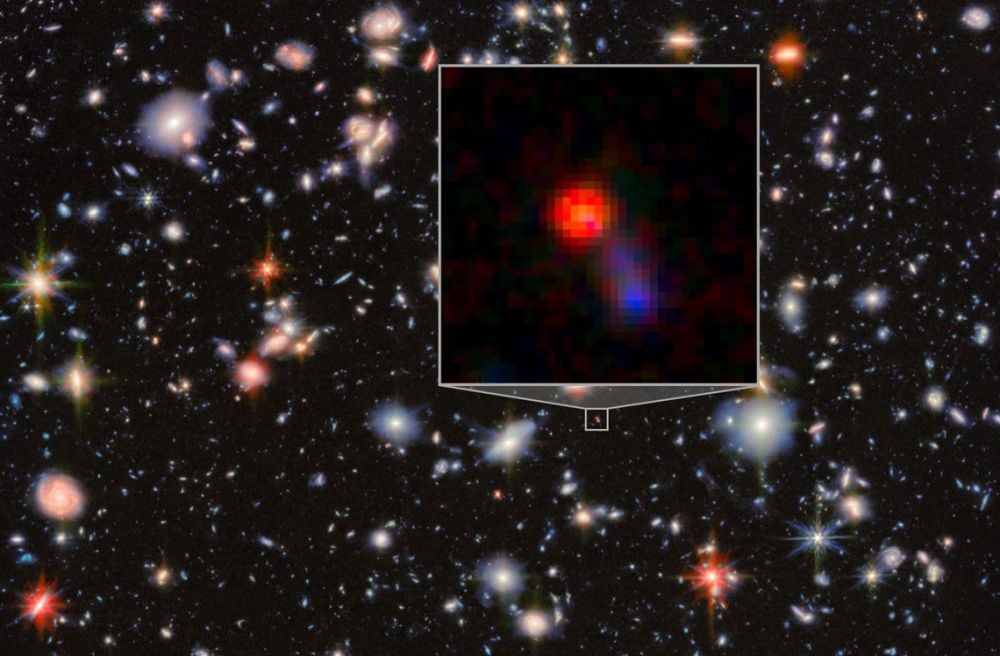
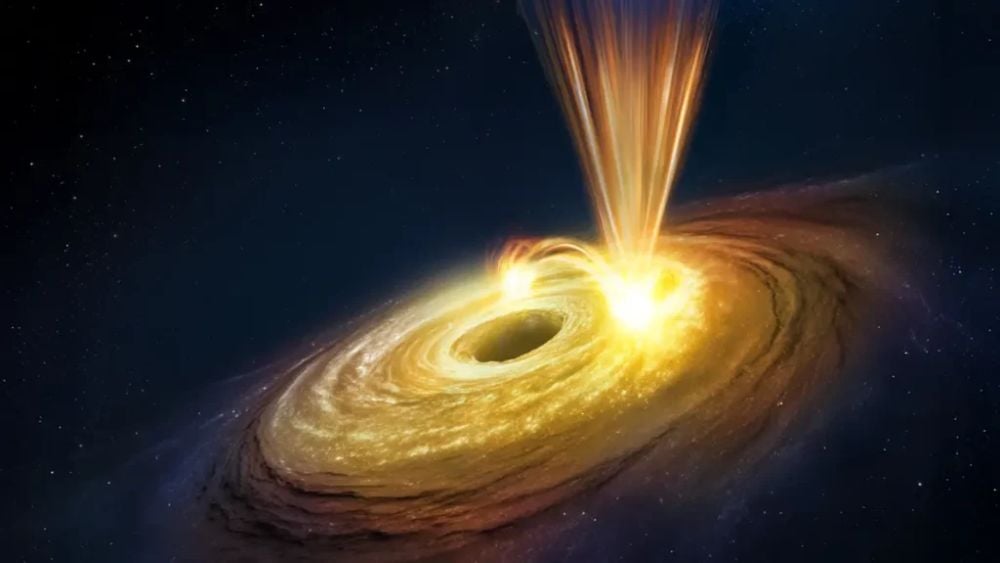
Researchers using the NASA/ESA/CSA James Webb Space Telescope have confirmed an actively growing supermassive black hole within a galaxy just 570 million years after the Big Bang. Part of a class of small, very distant galaxies that have mystified astronomers, CANUCS-LRD-z8.6 represents a vital piece of this puzzle that challenges existing theories about the formation of galaxies and black holes in the early Universe. The discovery connects early black holes with the luminous quasars we observe today.