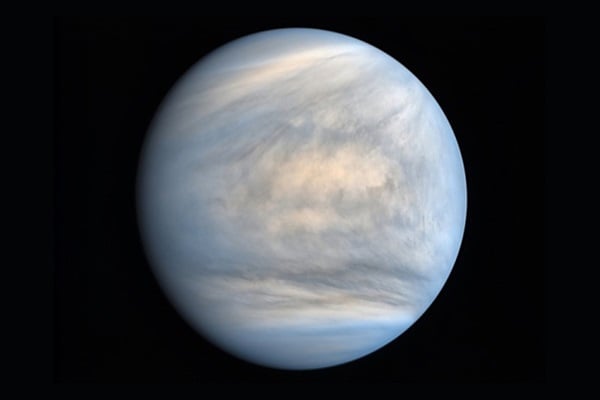
A new study presented at the 2026 LPSC suggests that if life does exist in Venus' clouds, there's a chance it came from Earth.
A new study presented at the 2026 LPSC suggests that if life does exist in Venus' clouds, there's a chance it came from Earth.
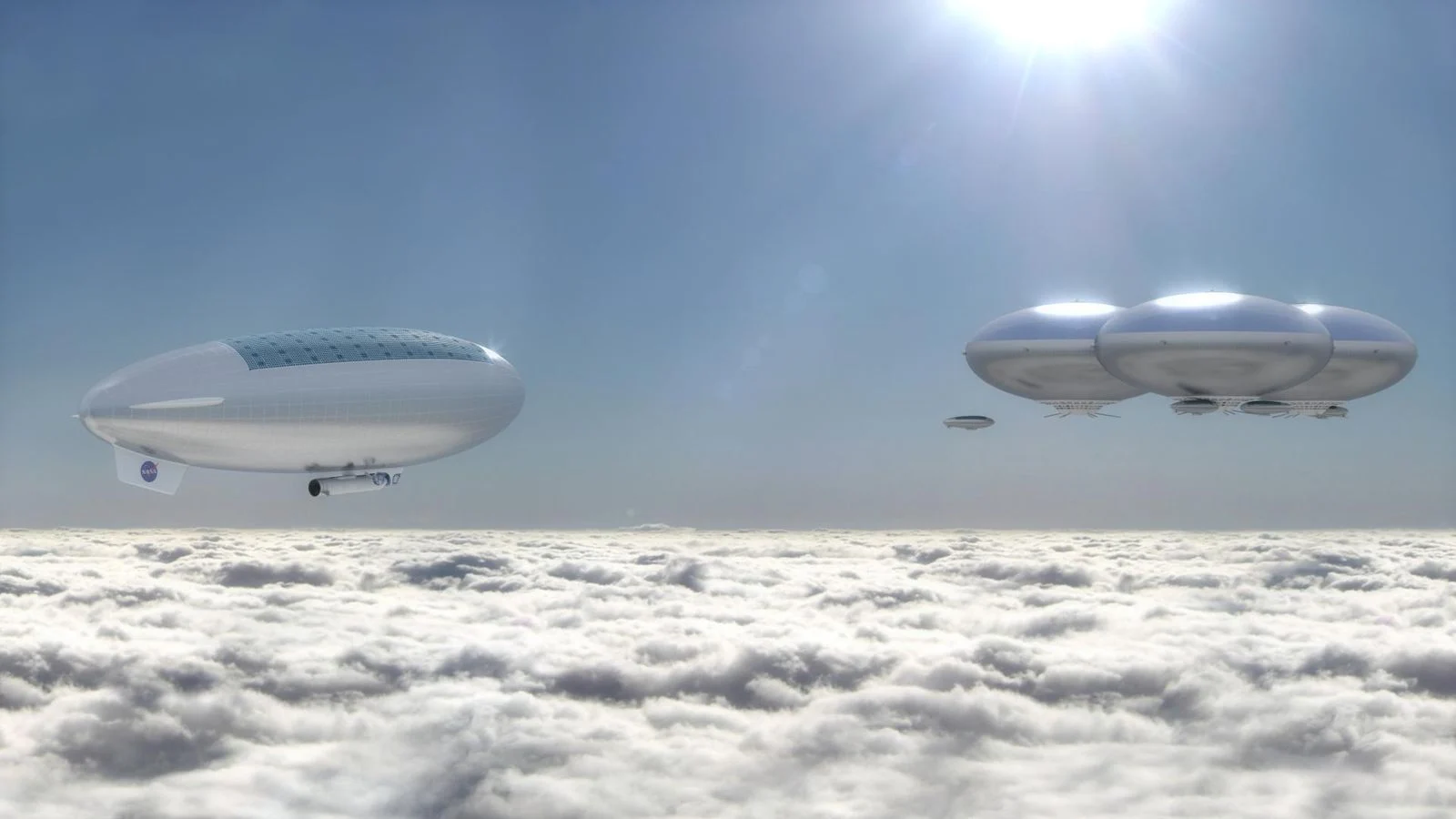
In a new proposal, a team of scientists explores how aerial robotic platforms (areobots) with in-situ resource utilization (ISRU) capability could operate for years in Venus' atmosphere.
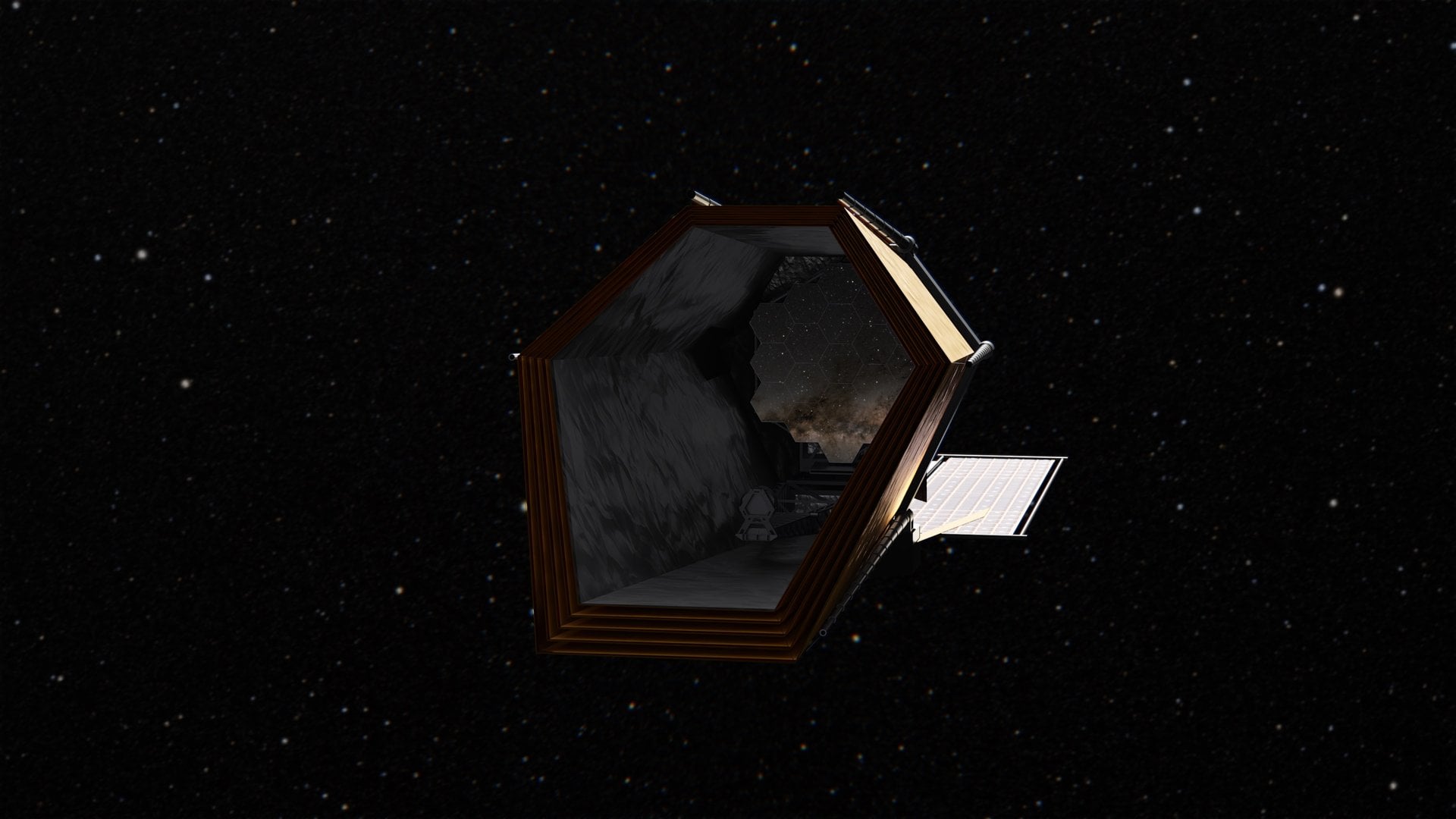
We’re getting closer and closer to finding a real Earth-like exoplanet. But finding one is only half the battle. To truly know if we’re looking at an Earth analog somewhere else in the galaxy, we have to directly image it too. That’s a job for the Habitable Worlds Observatory (HWO), a planned space-based telescope whose primary job is to do precisely that. But even capturing a picture and a planet and getting spectral readings of its atmospheric chemistry still isn’t enough, according to a new paper available in pre-print on arXiv by Kaz Gary of Ohio State and their co-authors. HWO will need to figure out how much a planet weighs first.
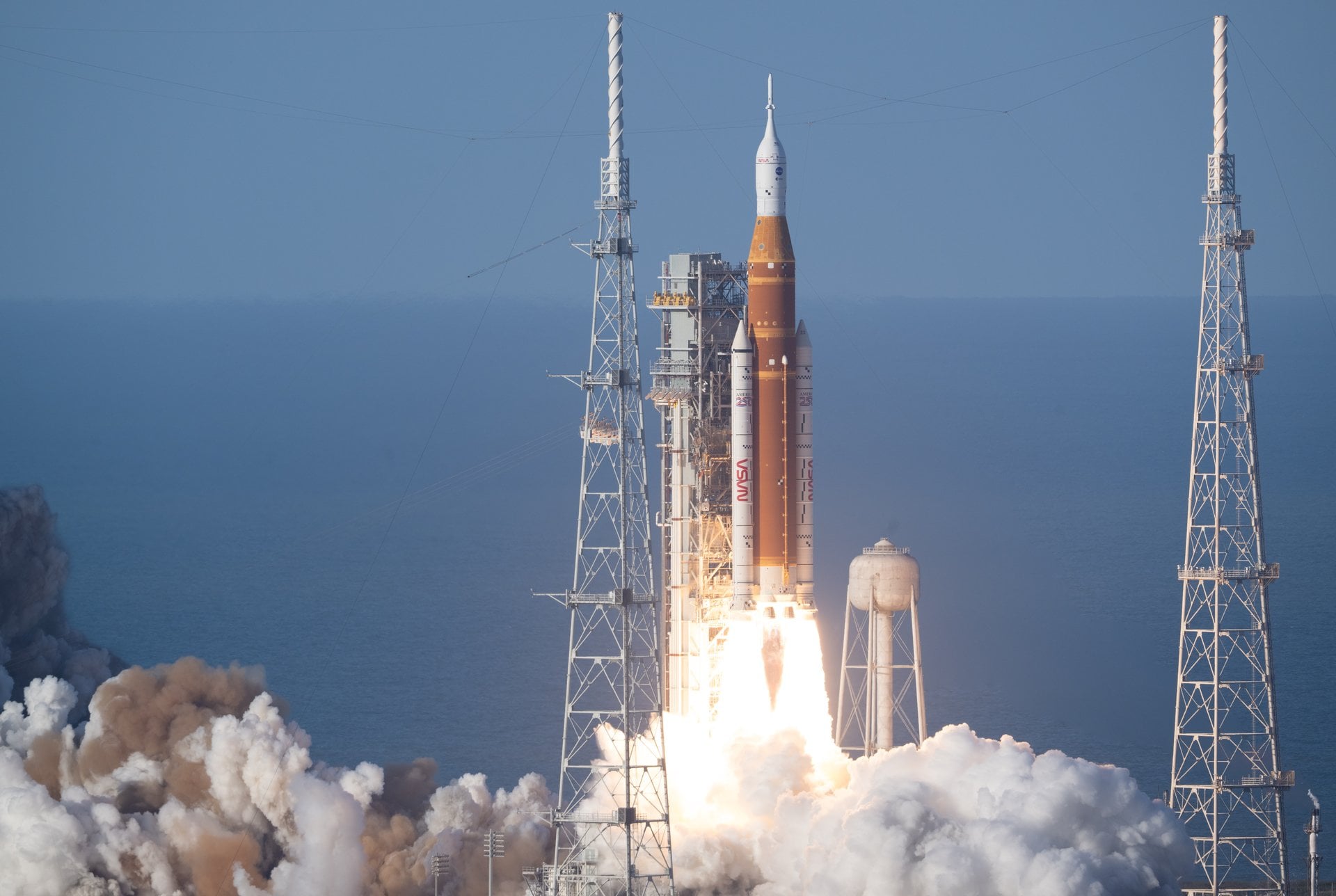
At 06:25 p.m. EDT (03:25 p.m. PDT) on April 1st, the Artemis II mission lifted off from the historic Launch Pad-39B at NASA's Kennedy Space Center in Florida. This mission will send astronauts on a ten-day journey around the Moon and will be the first crewed mission to venture beyond Low Earth Orbit (LEO) since the Apollo Era.
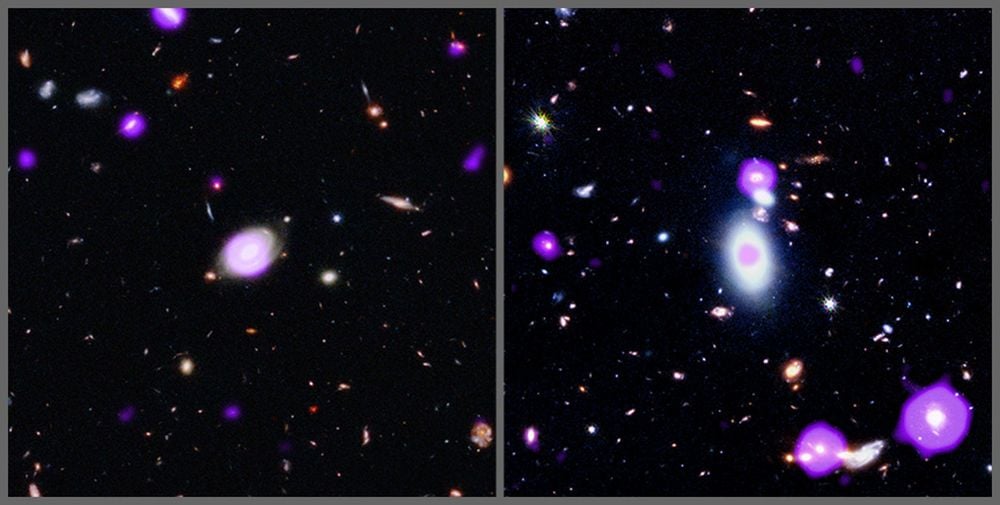
About 10 billion years ago, the growth rate of supermassive black holes began to slow dramatically. To this day, the SMBH growth rate still appears to be low. There are three potential explanations for this, and researchers think they've figured out which explanation fits best.
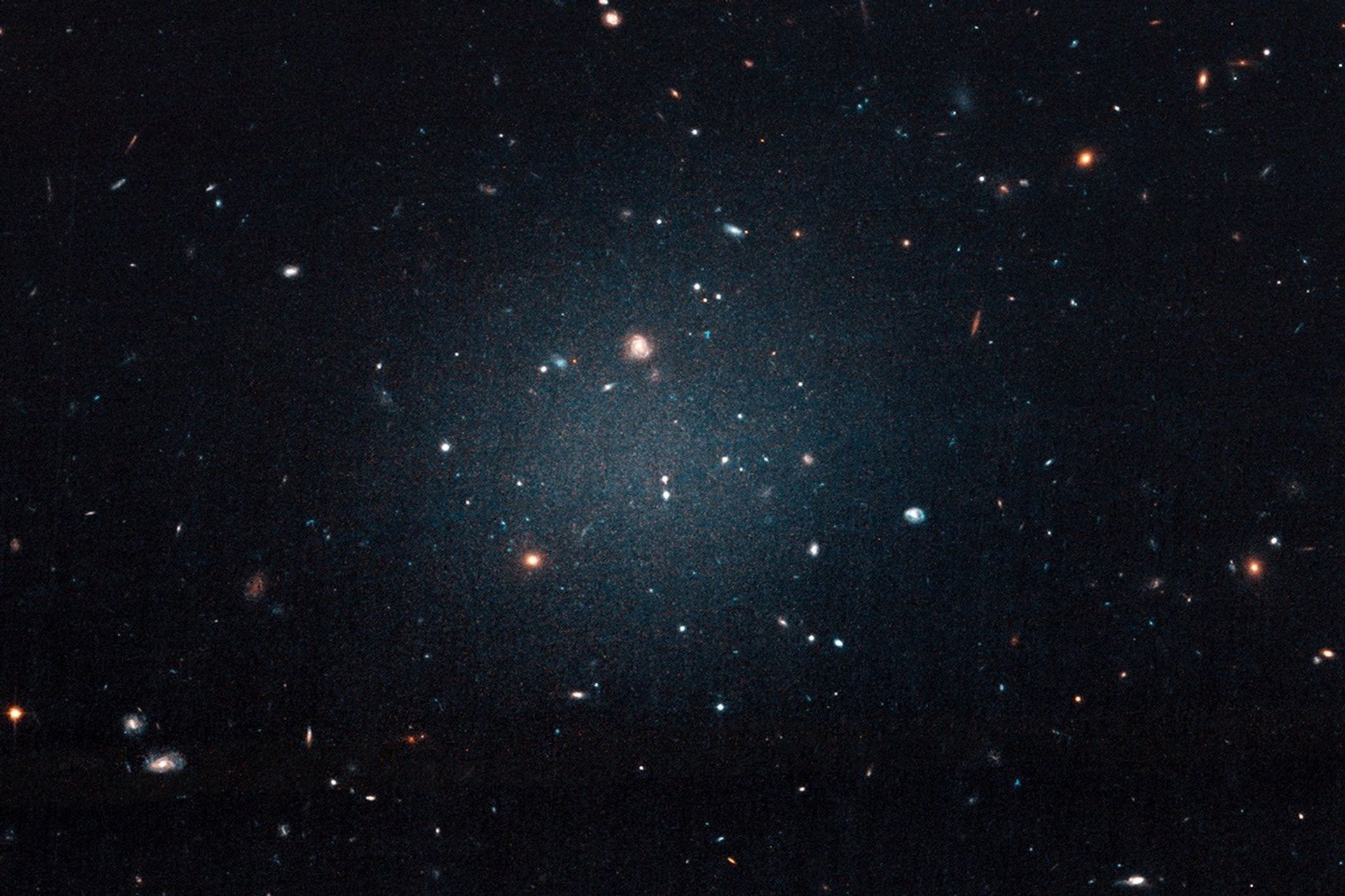
Astronomers have long argued that dark matter is the invisible scaffolding that holds galaxies together. Without its immense gravitational pull, the rotational spins of galaxies would force them to simply fly apart. But now, scientists have found a string of galaxies that seem to be missing their dark matter entirely. The latest in this string, known as NGC 1052-DF9, is described in a new paper, available in pre-print on arXiv, by Michael Keim, Pieter van Dokkum and their team from Yale. It lends credence to a radical theory of galaxy formation known as the “Bullet Dwarf” collision scenario, which has been a controversial idea for the last decade.
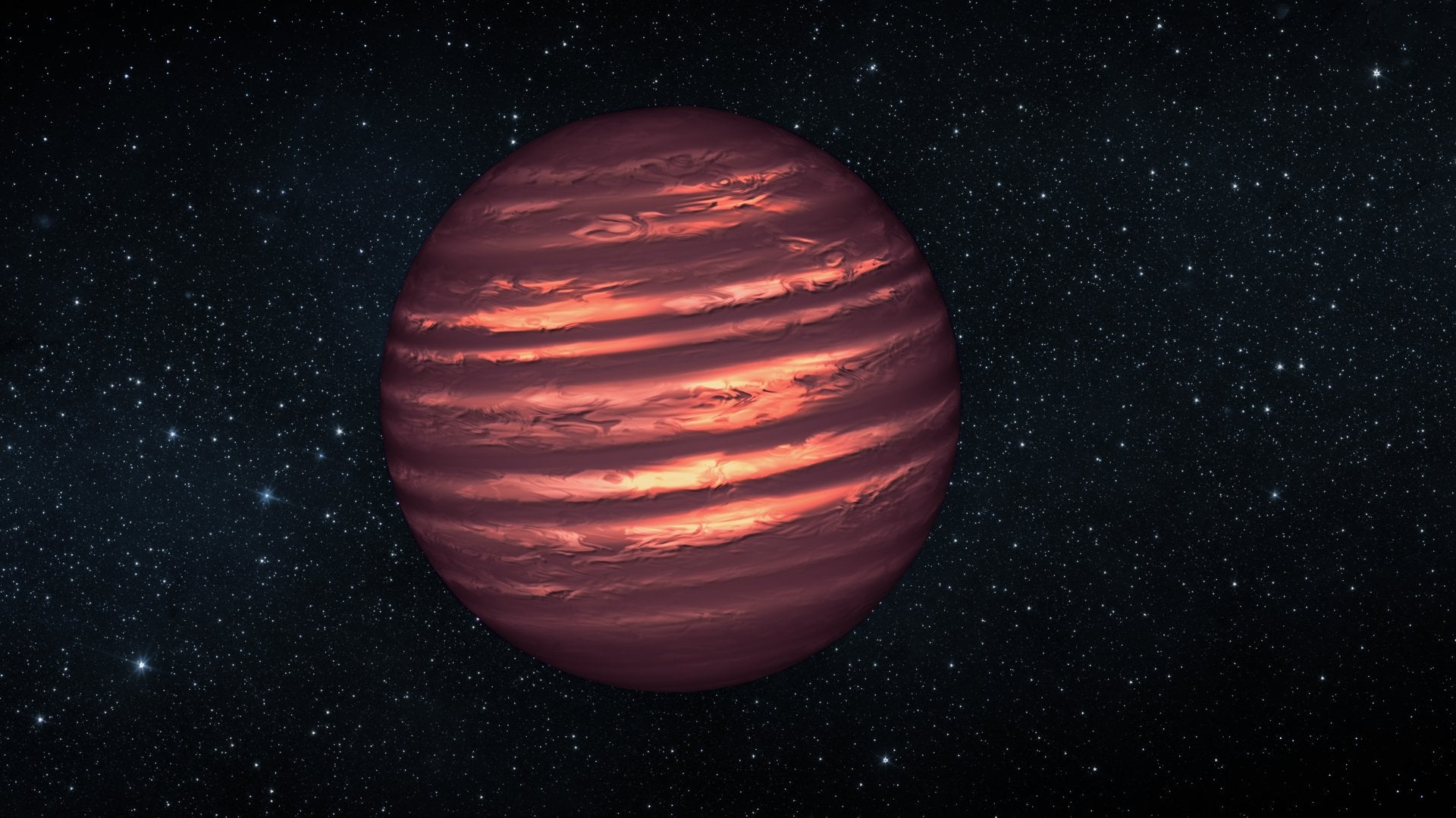
For some time, astronomers have theorized that there is a connection between planetary mass and rotation. Using the W.M. Keck Observatory on Maunakea, Hawai'i, a team of astronomers confirmed this relationship by studying dozens of gas giants and brown dwarfs in distant star systems.
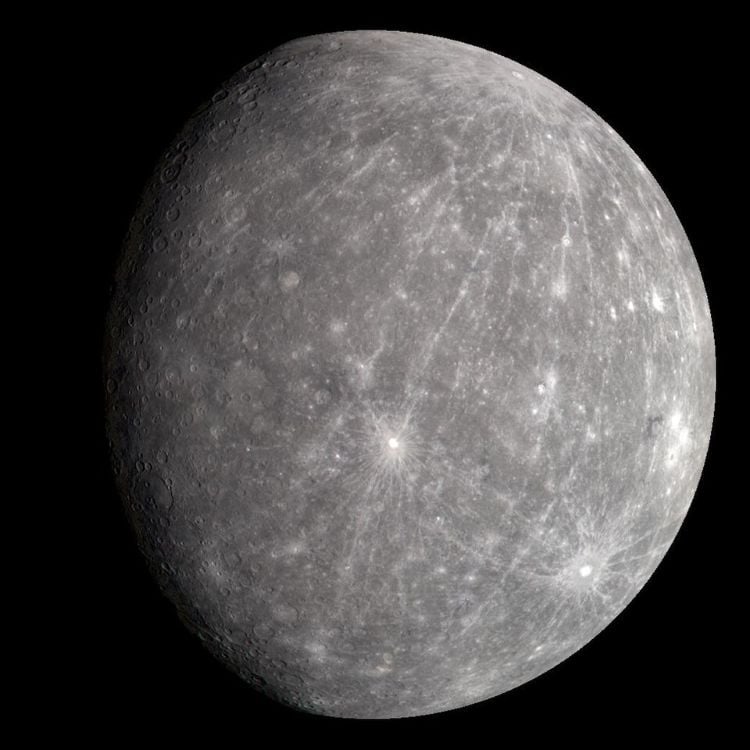
The planet Mercury is the closest planet to the Sun, and also the most difficult for spacecraft to visit and explore. This is because as spacecraft get closer to Mercury, the Sun’s enormous gravity pulls in the spacecraft, greatly increasing its speed and making it hard to slow down without large amounts of fuel. But what if a spacecraft could both travel to and explore Mercury without fuel? This could drastically reduce mission costs while delivering impactful science.
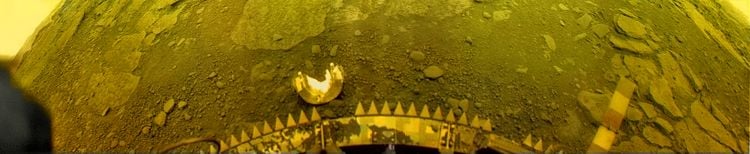
The planet Venus is often called “Earth’s twin” due to the similar sizes, but the reality couldn’t be farther from the truth. Unlike Earth, which is hospitable to an estimated billions of lifeforms, Venus is not hospitable to life as we know it, at least on its surface. This is because the surface of Venus not only experiences an average temperature of 464 degrees Celsius (867 degrees Fahrenheit), but it also has crushing pressures approximately 92 times of Earth, or equivalent to approximately 1 kilometer (3,000 feet) below the ocean. These extreme surface conditions are why the longest spacecraft to survive on the Venusian surface is just over two hours.
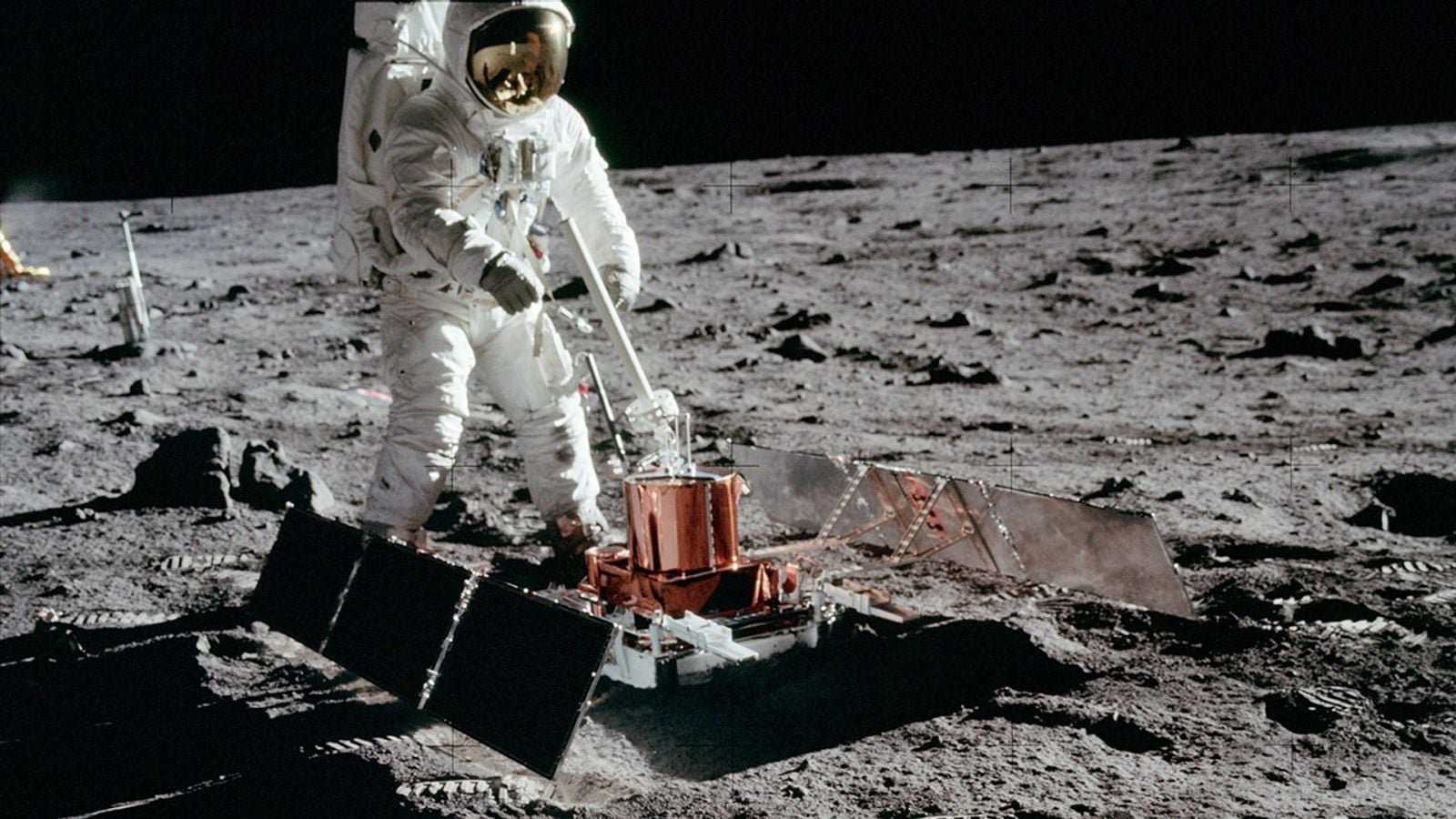
Ordinary telecoms grade optical fiber could help planetary scientists better characterize the moon’s deep interior as well as its lava tubes, say two new journal papers.
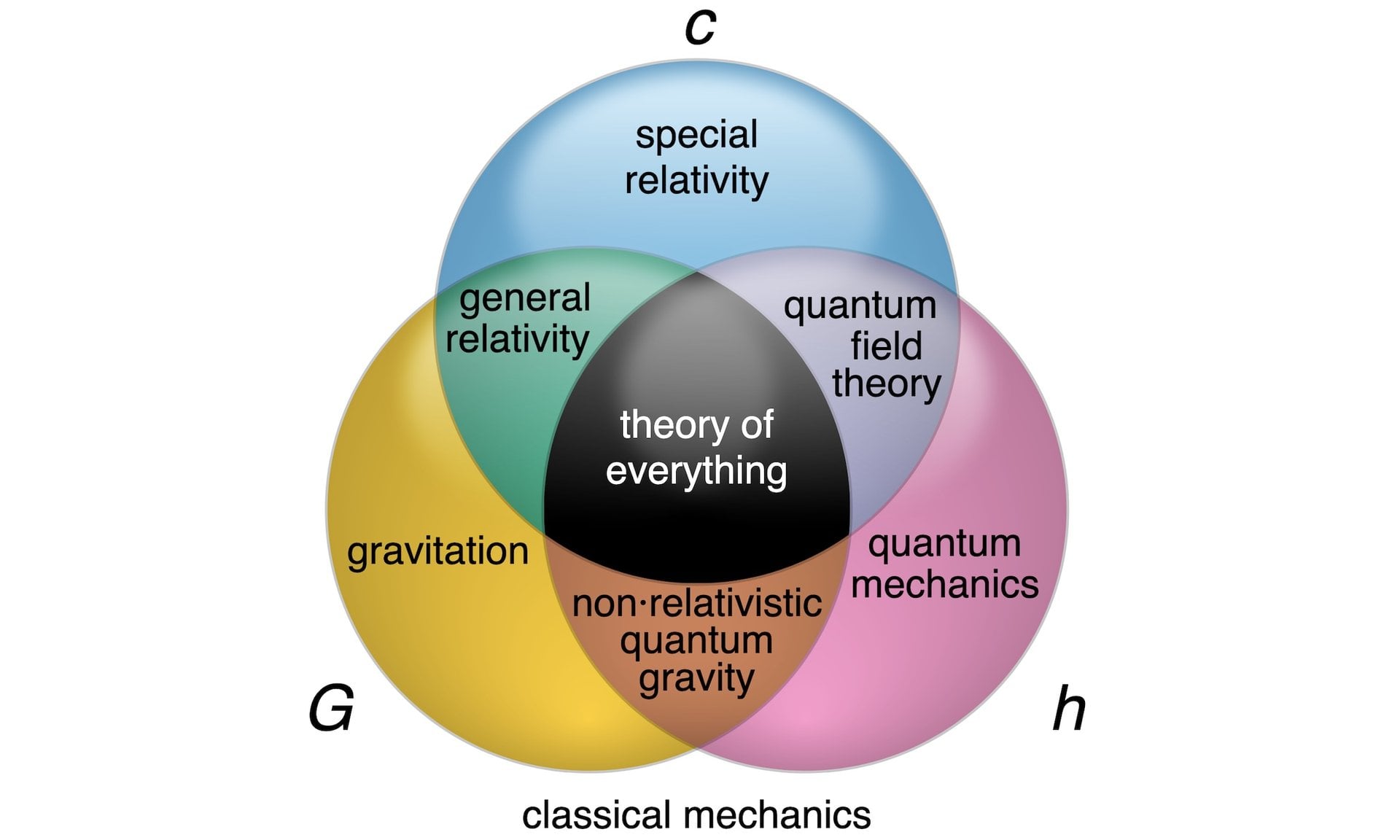
The Universe expanded rapidly soon after the Big Bang, and we aren't sure why. But a theory of quadratic quantum gravity might be the answer.
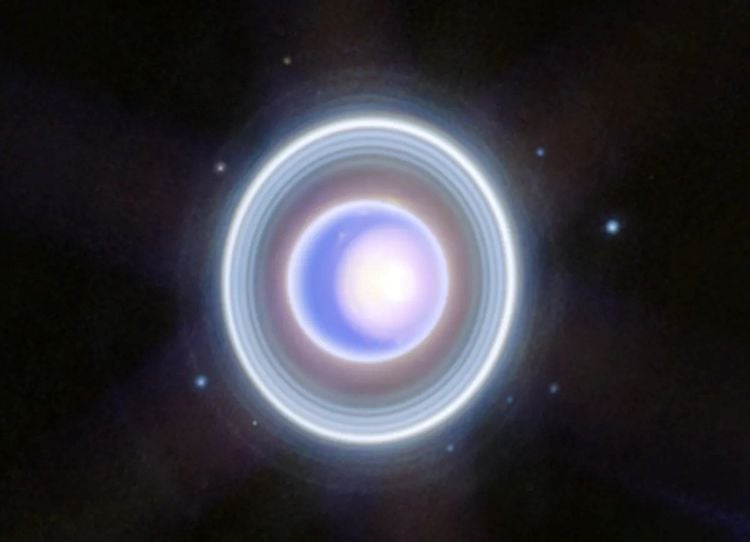
The ice giant Uranus is one of the most fascinating objects in the solar system, with its sideways rotation, intricate ring system, and unique family of moons. However, it is also one of the least explored objects in the solar system, owing to its extreme distance from the Sun. With NASA’s Voyager 2 spacecraft remaining as the only spacecraft to visit Uranus, scientists continue to design and envision mission concepts for returning to explore Uranus and its icy secrets.
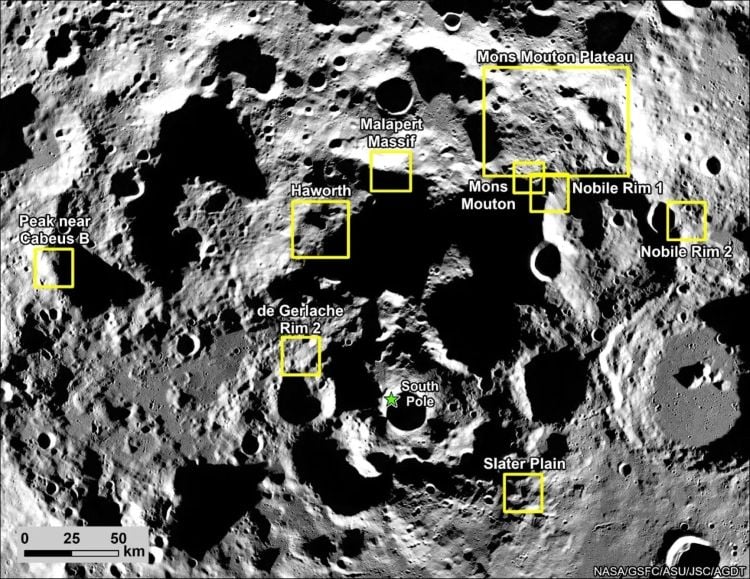
Less than two days from now, NASA’s Artemis II mission is scheduled to lift off for its historic 10-day journey around the Moon, marking the first time humans have ventured beyond Low Earth Orbit for the first time since Apollo 17 in 1972, and possibly even set new distance records for traveling beyond Earth. However, Artemis II is only scheduled as a flyby mission and will not be landing humans on the lunar surface, with this endeavor being scheduled for later missions.
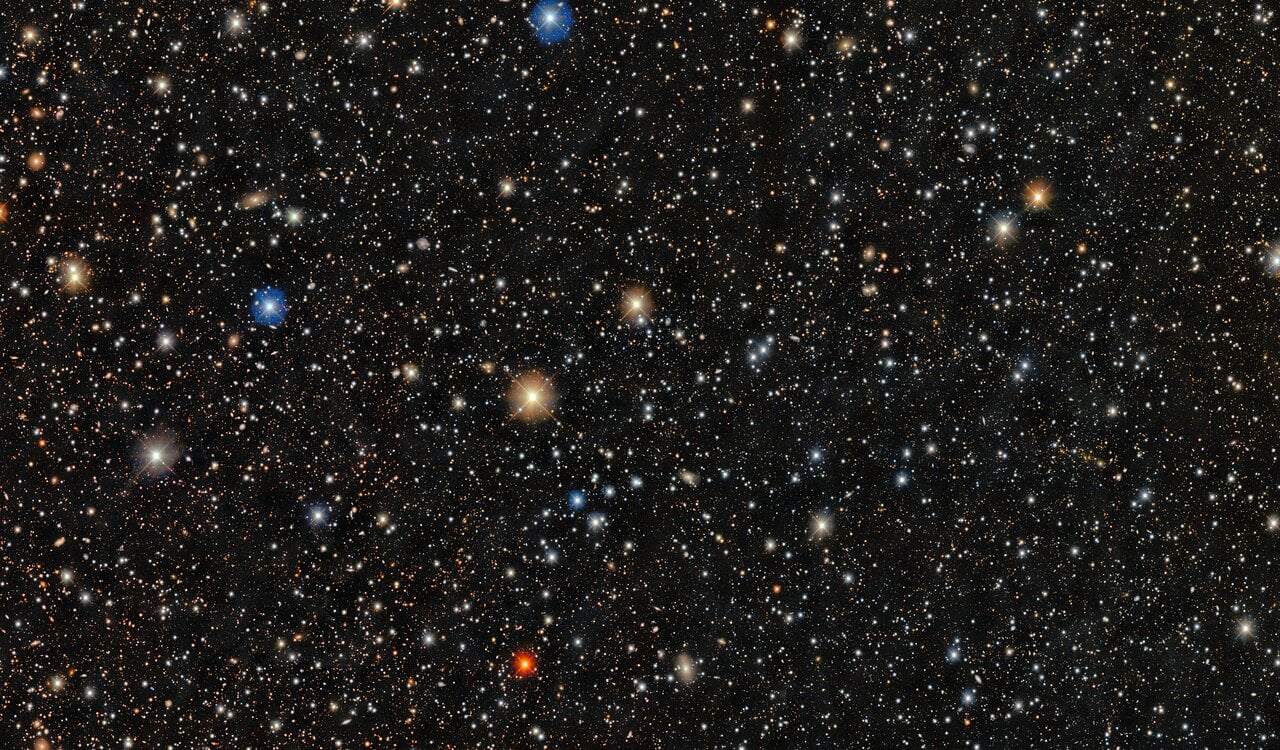
Astronomers studying the ultra-faint dwarf galaxy Pictor II have found an extremely chemically peculiar star that contains traces of elements created by the first stars in the Universe. It's called PicII-503, a "second-generation star" that is one of the most chemically primitive stars ever found.
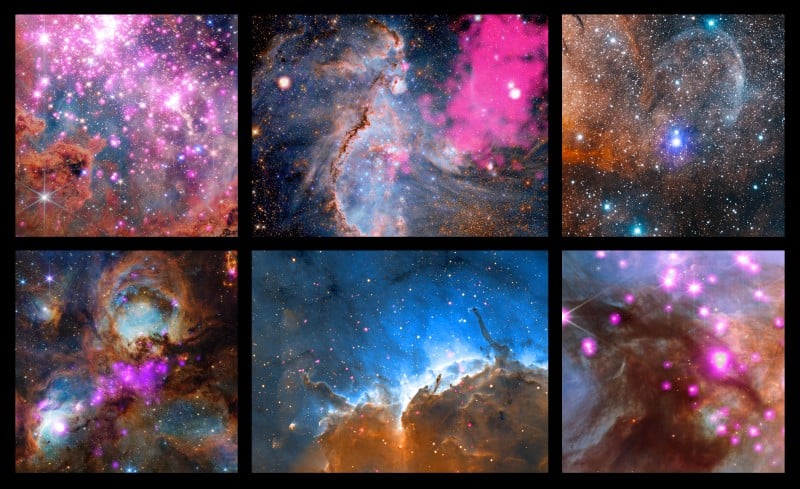
This collection of images from NASA’s Chandra X-ray Observatory and other telescopes contains regions where stars are forming. Often nicknamed “stellar nurseries,” they are cosmic gardens from which stars – not plants – emerge from the interstellar soil of gas and dust.
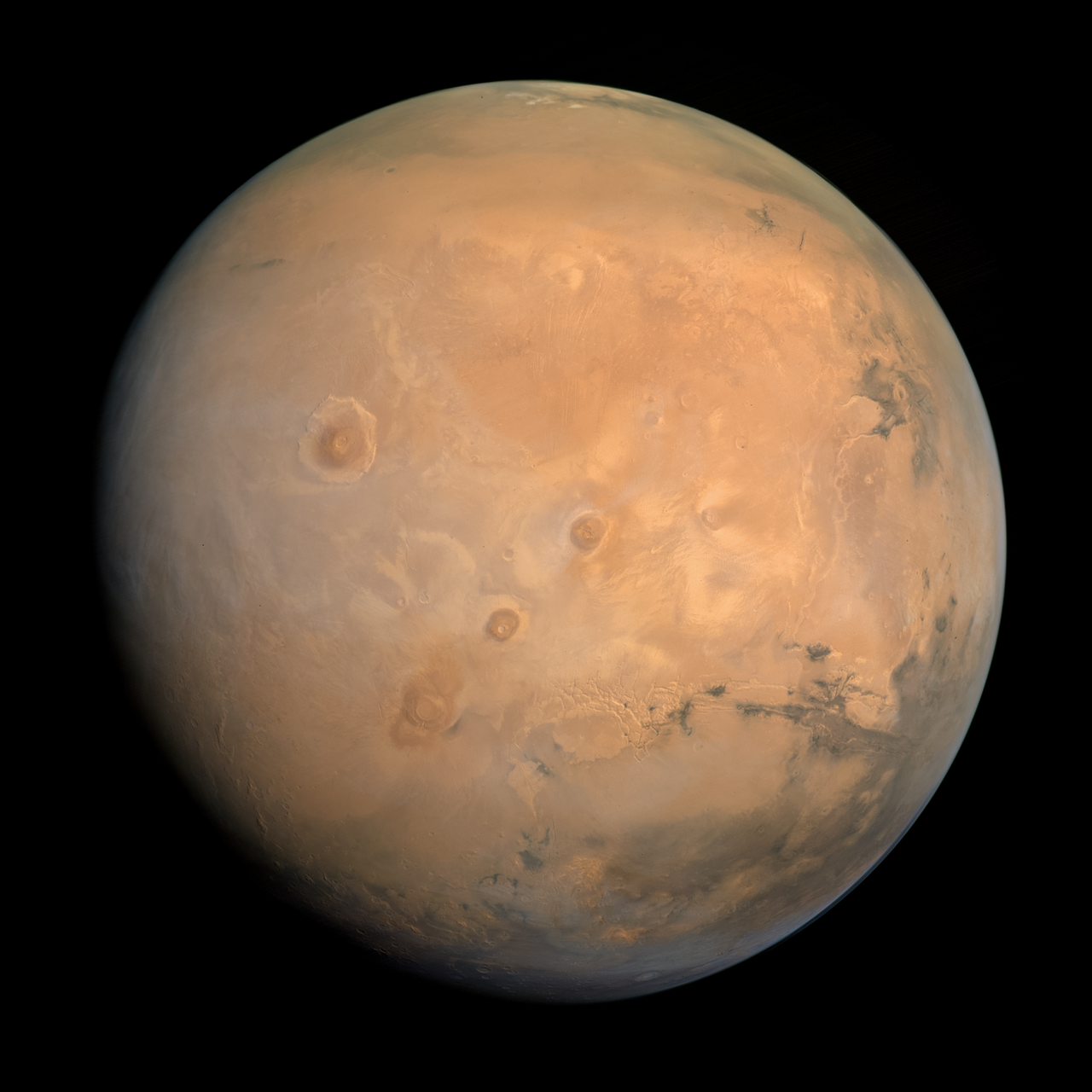
Mars today is a frozen, barren world where liquid water can briefly appear on its surface but evaporates almost instantly in the thin atmosphere, unable to persist in any meaningful quantity. But a handful of pale, bleached rocks spotted by NASA's Perseverance rover are telling a very different story about the planet's past, one of tropical downpours, sodden landscapes, and conditions that might once have been hospitable to life.
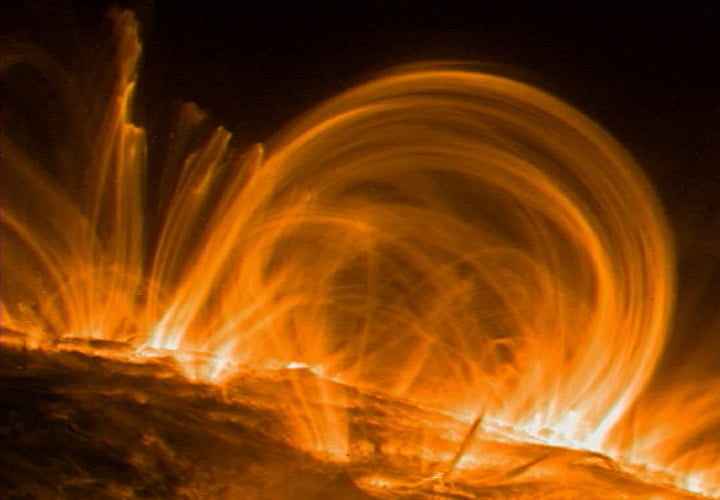
In his blockbuster 1982 novel "Space", the writer James A. Michener wove a gripping tale of astronauts trapped on the Moon during a major solar storm. Warnings from Earth didn't come soon enough to save them from death by radiation sickness. To avoid such a tragedy happening with the Artemis crews (as with the Apollo crews of the past), NASA and the National Oceanic and Atmospheric Administration (NOAA) will monitor the Sun. If it acts up, the teams will be able to send warnings and instructions to the Artemis crews to pro tect them.
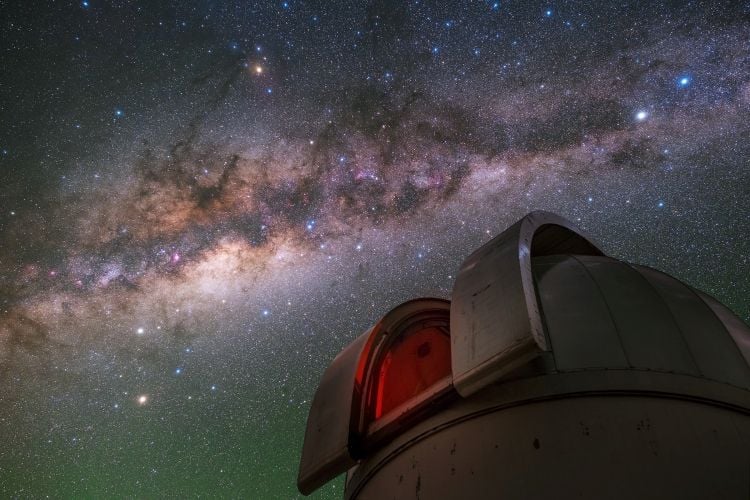
Finding life beyond our solar system goes beyond measuring an exoplanet’s size, as rocky, Earth-sized worlds might not have the conditions for life as we know it. While exoplanets can be directly imaged by blocking their star’s glare, these images are fuzzy and lack resolution to provide enough details about the habitability. Therefore, astronomers are limited to studying an exoplanet’s atmosphere, and this has proven to be quite beneficial in teaching scientists about an exoplanet’s formation and evolution, and whether it contains the necessary ingredients for life as we know it.
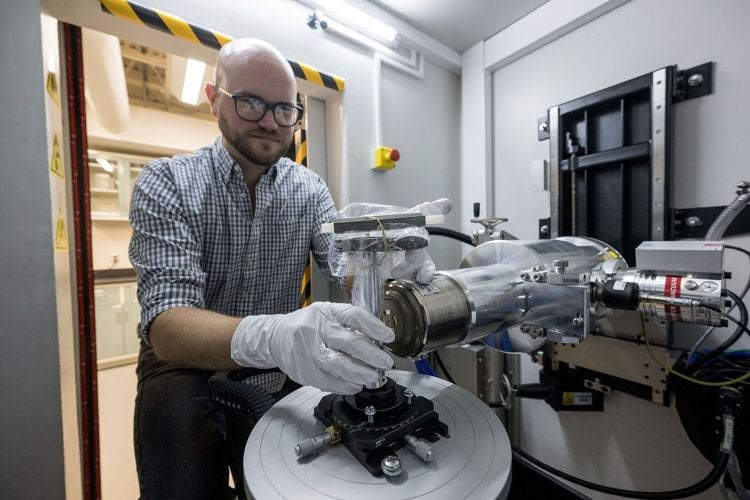
Asteroids don’t get the love they deserve. They don’t get “cool points” because they’re not a planet or a potential life-harboring moon. They’re “just a bunch of rocks”. But asteroids are so much more, as they are time capsules of the early solar system that have survived billions of years untouched by weathering or plate tectonics. One of the most intriguing asteroids that has been explored is asteroid Bennu, and specifically how its physical characteristics greater differed from Earth-based observations in 2007 after NASA OSIRIS-REx spacecraft visited Bennu in 2018.
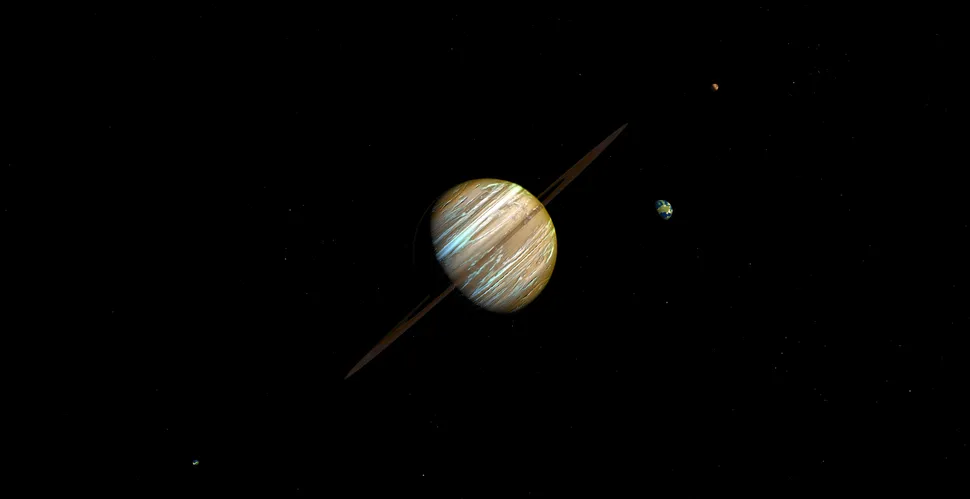
Liquid water is considered essential for life. Surprisingly, however, stable conditions that are conducive to life could exist far from any sun. A research team from the Excellence Cluster ORIGINS at LMU and the Max Planck Institute for Extraterrestrial Physics (MPE) has shown that moons around free-floating planets can keep their water oceans liquid for up to 4.3 billion years by virtue of dense hydrogen atmospheres and tidal heating—that is to say, for almost as long as Earth has existed and sufficient time for complex life to develop.
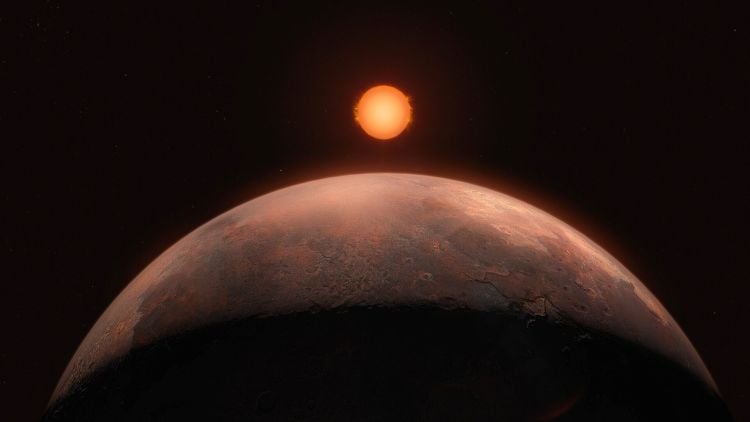
The criteria for finding an Earth-like planet unofficially comes down to two things: water and the habitable zone. But a phenomenon known as atmospheric escape often “escapes” the minds of many astronomy fans, and it turns out that atmospheric escape is one of the key characteristics for finding an Earth-like world. Although extensive research has been conducted on how the planet Mars might have lost its atmosphere, and potentially the ability to sustain life, how would the atmosphere enveloping a Mars-like exoplanet respond to stars different from our own?
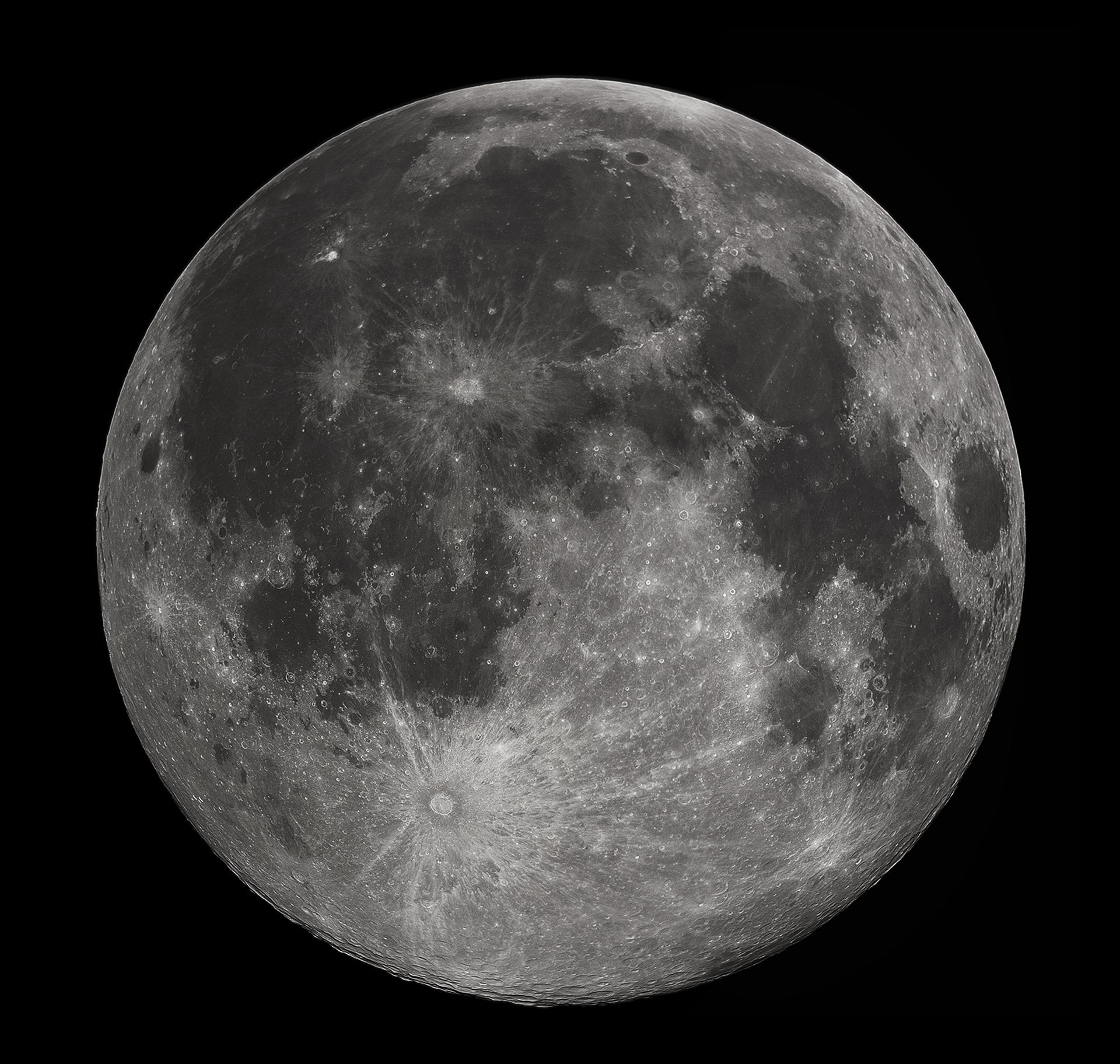
Water is the difference between a temporary visit and a permanent home. If humanity is serious about building a lasting presence on the Moon, finding usable ice near the lunar south pole isn't just a scientific curiosity, it's a practical necessity. Now NASA is sending a clever instrument that hunts for water without digging a single hole, using the behaviour of subatomic particles to sniff out hidden ice deposits up to three feet underground.
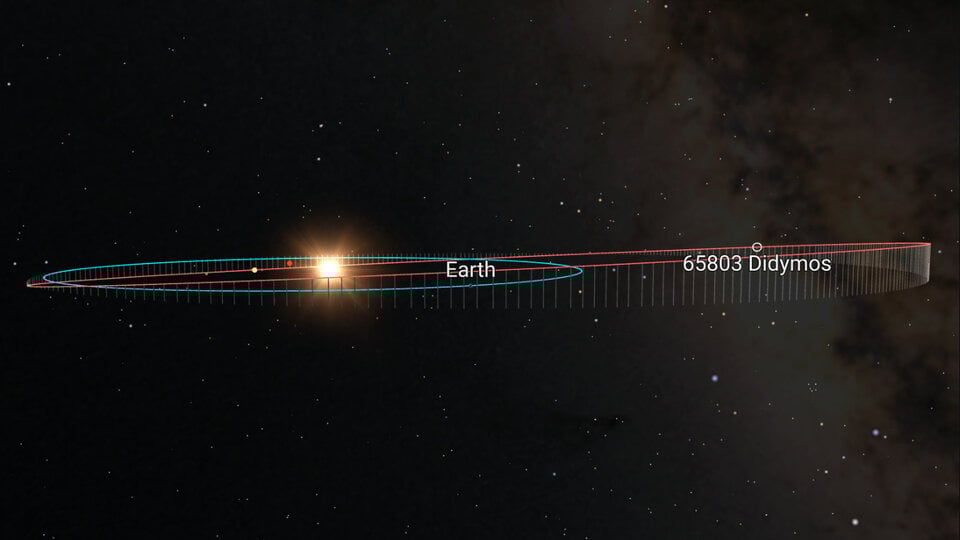
In September 2022, humanity crashed a spacecraft into an asteroid - on purpose. The objective of NASA’s Double Asteroid Redirection Test (DART) was to see if we could intentionally modify the orbit of Dimorphos, the small moonlet orbiting the larger asteroid Didymos. According to all accounts, the mission worked spectacularly, but it was a one-way trip, so our ability to see what happened to the binary asteroid system has so far been limited to ground-based telescopes. That wasn’t good enough for the planetary defense community, so they planned a follow up mission called Hera, which, according to a recent press release from its operator, the European Space Agency (ESA), just successfully completed its most dramatic deep-space orbital maneuver.
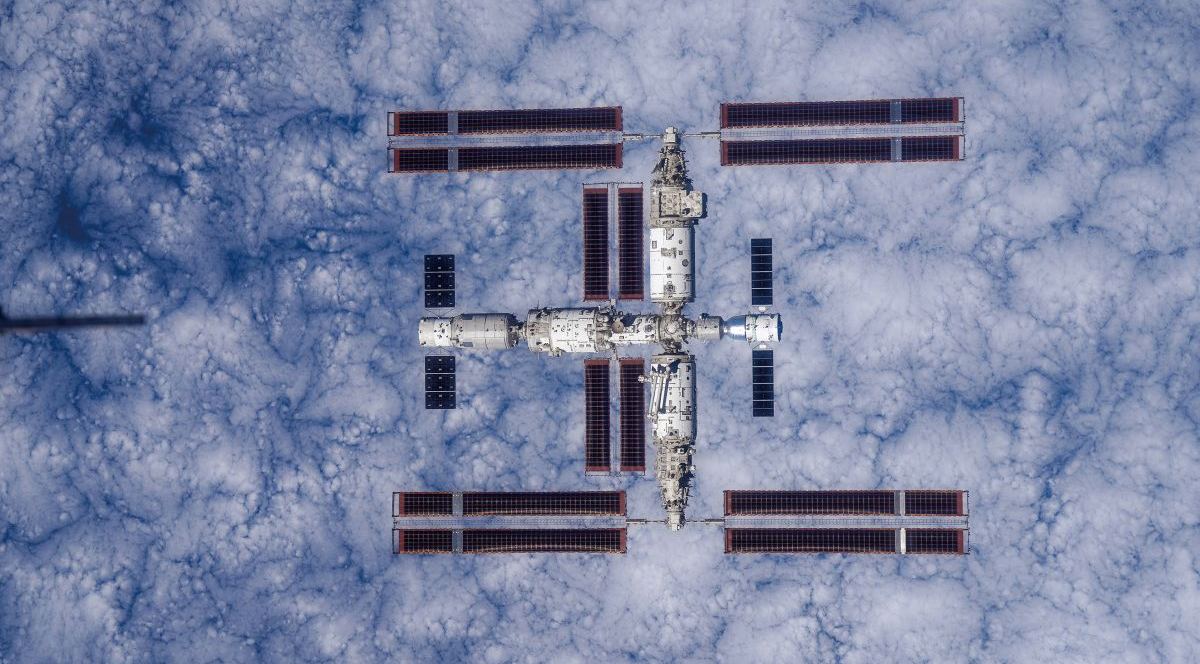
A team led by Professor Mian Long from the Institute of Mechanics, Chinese Academy of Sciences, China, investigated the effects of space microgravity on cultured liver cells aboard the China Space Station.
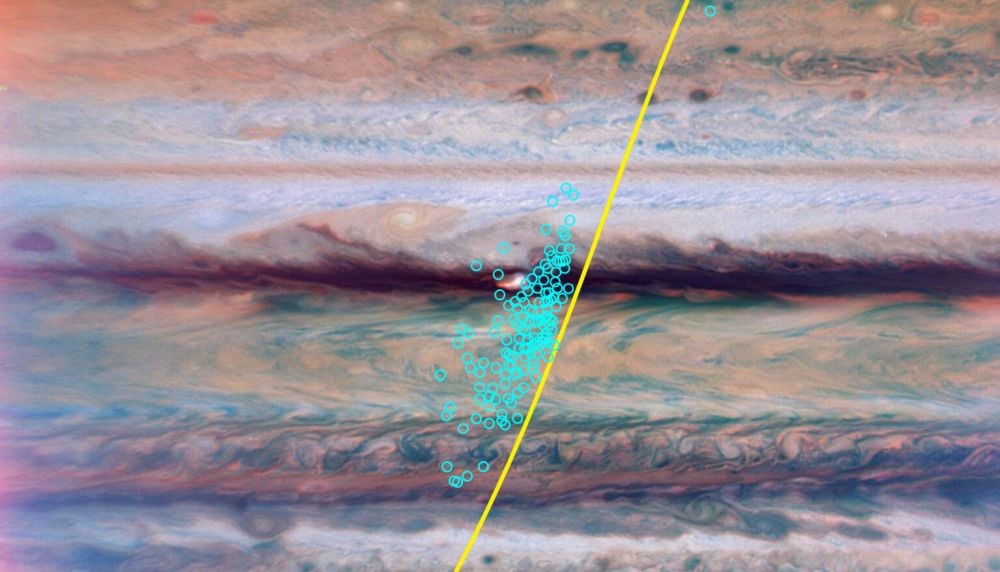
Juno observations show that Jupiter's lightning, already known to be powerful, is far more energetic than thought. Lightning triggered by a stealth superstorm in 2021-22 could be up to one million times more powerful than terrestrial lightning.
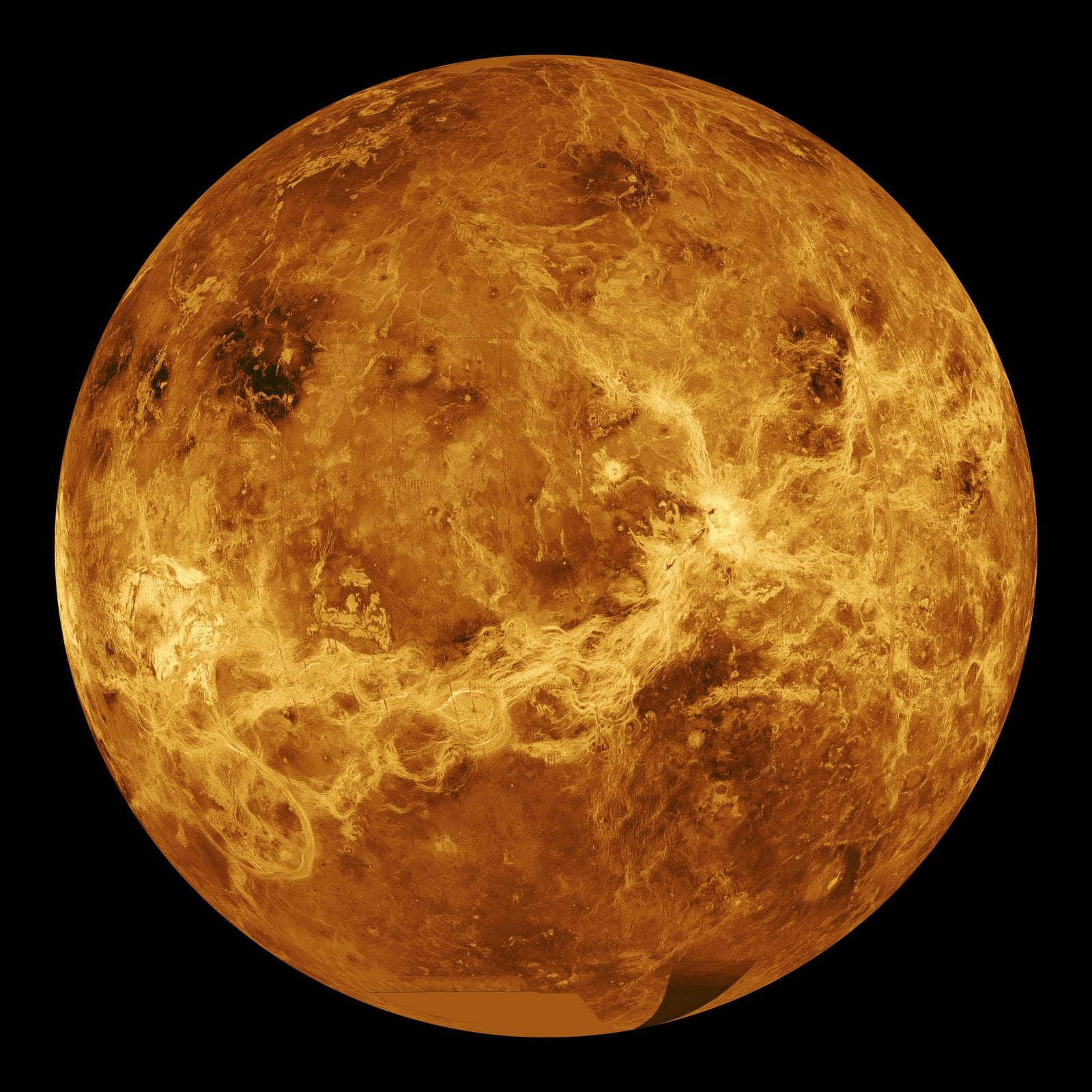
Venus is increasingly becoming a touch point for our studies of the exoplanets, as missions like the James Webb Space Telescope (JWST)and the upcoming Habitable Worlds Observatory (HWO) begin to characterize rocky exoplanets around other stars. Understanding the difference between the evolutions of Venus and Earth, which ended up with such different results, is a key to understanding whether we might be looking at an Earth-analogue or a hellish landscape like Venus. A new paper by Rodolfo Garcia of the University of Washington and his colleagues, which is available in pre-print form on arXiv, simulates Venus’ 4.5 billion year evolution as part of the solar system to try to understand some of those differences.
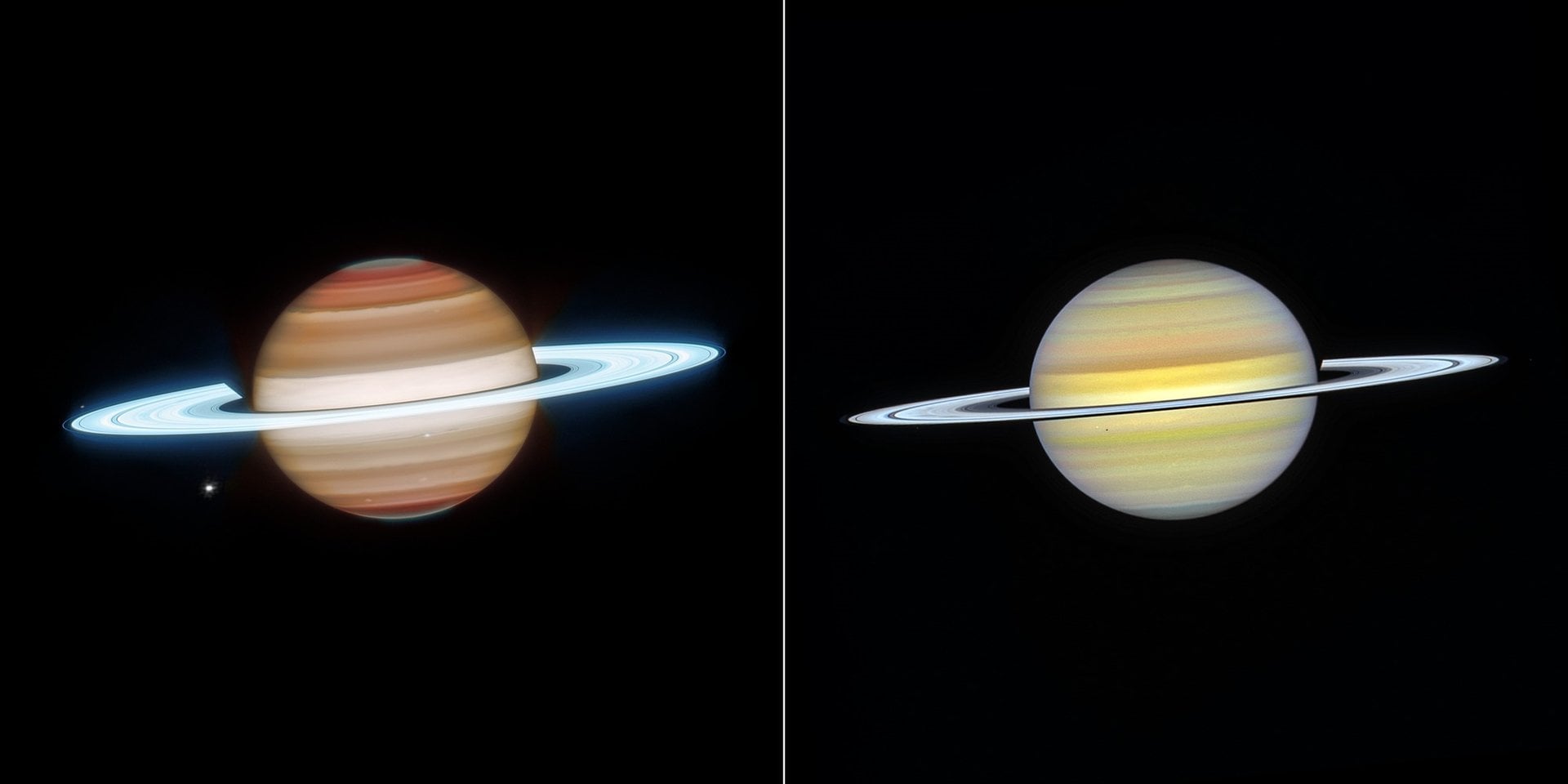
NASA is serving up a double scoop of delicious Saturn imagery in two flavors — near-infrared from the James Webb Space Telescope, and visible light from the Hubble Space Telescope.
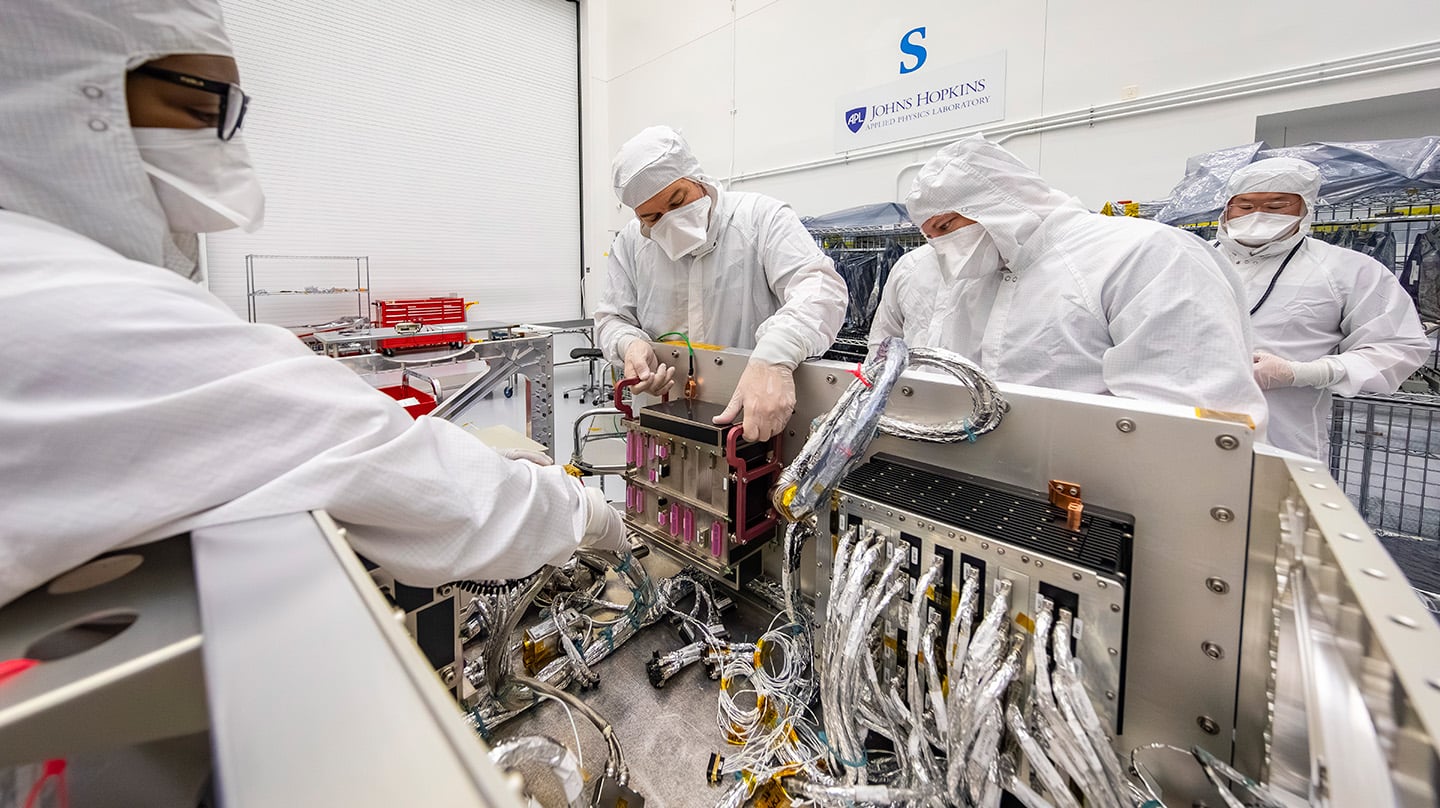
We’re getting close to launch day for Dragonfly! Engineers at the Johns Hopkins Applied Physics Laboratory (APL) in Laurel, Maryland, have officially kicked off the integration and testing stage for the car-sized, nuclear-powered helicopter bound for Saturn’s largest moon, Titan. According to a press release for APL, after years of designing, tweaking, and testing individual components in laboratories and on computer simulations, various organizations have started testing actual hardware ahead of the mission’s planned 2028 launch.
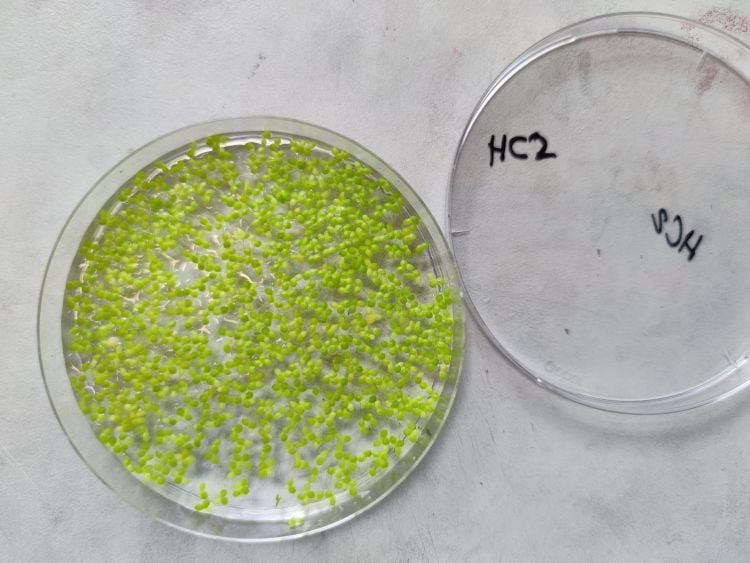
You’re the Lead Botanist on the third human mission to Mars whose primary job involves growing food for the crew throughout the long mission. While you’re very familiar with the infamous “poop potatoes” from the 2025 film The Martian, the greatest minds in science had since devised a more efficient, and less messy, method for growing food on Mars: cyanobacteria.
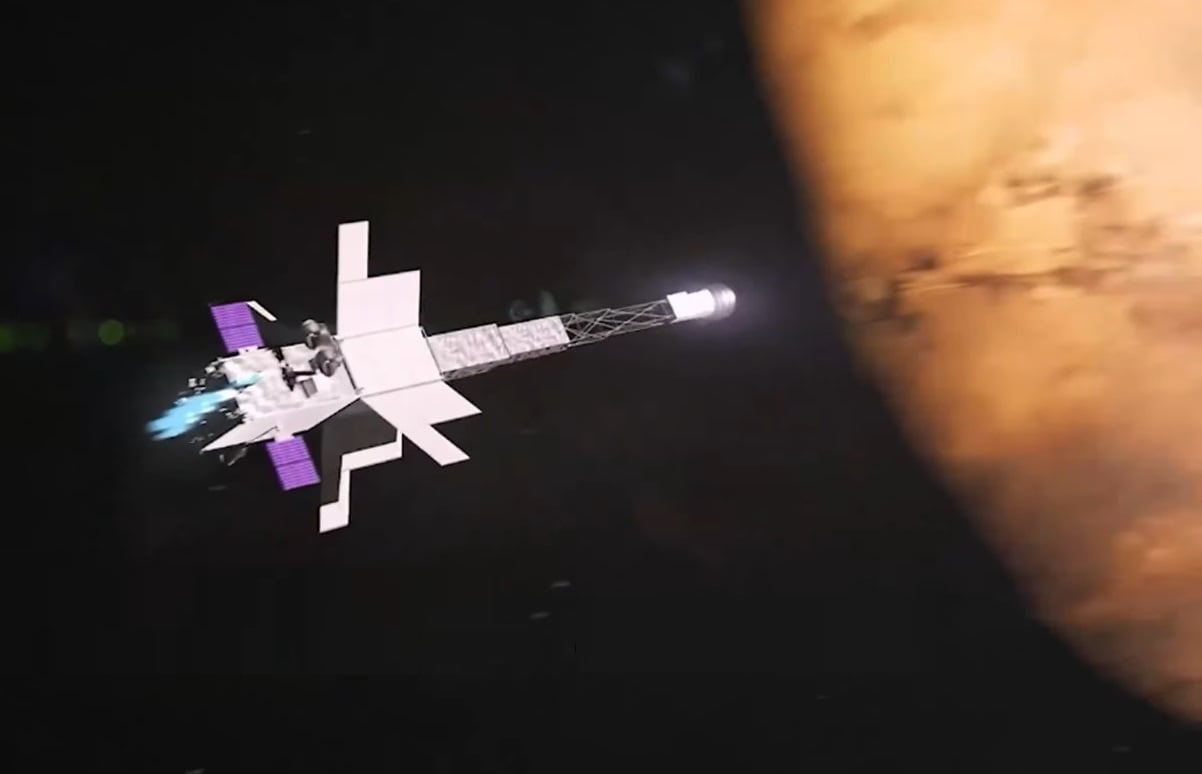
NASA has outlined an ambitious strategy to start working on a moon base and send a nuclear-powered spacecraft to Mars by the end of 2028 — leading some observers to wonder whether the timeline was realistic or wise.
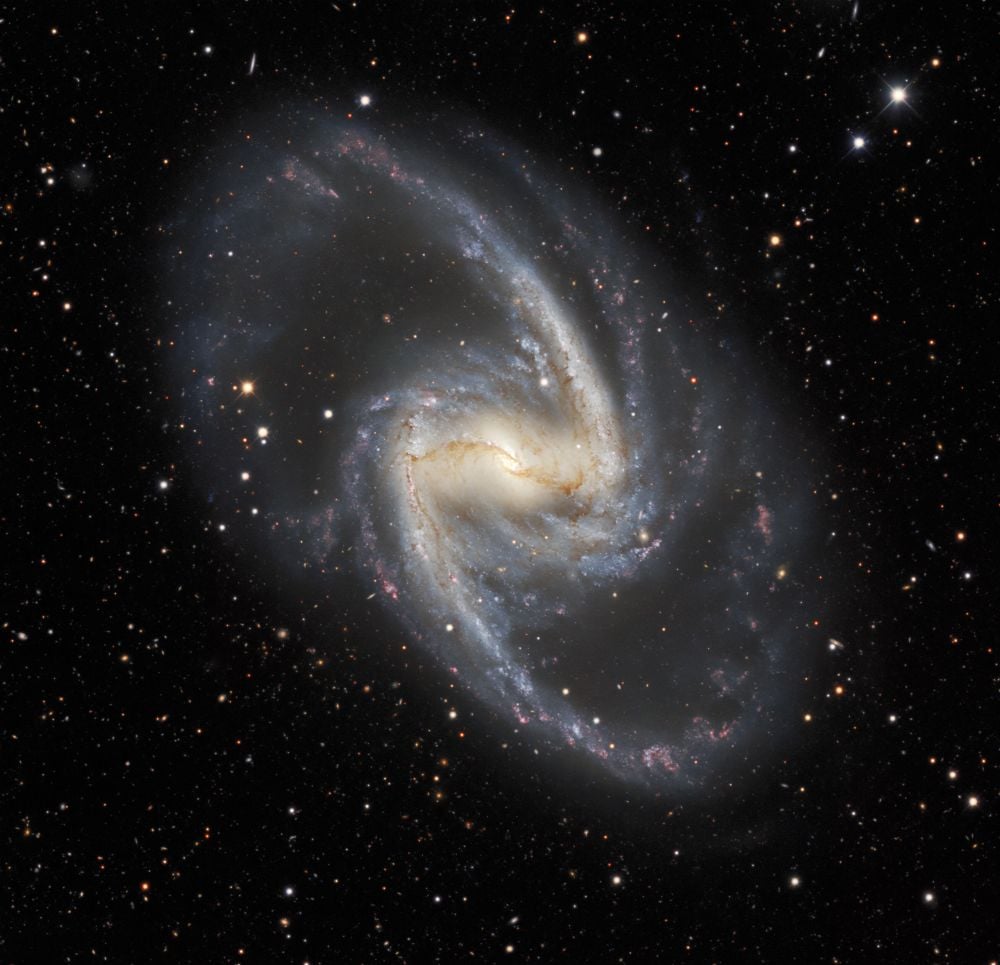
Galactic archaeology uses chemical fingerprints in the Milky Way to trace its formation and evolution. Now a team of researchers led by the Center for Astrophysics | Harvard and Smithsonian have employed it for the first time in a distant galaxy. This is the first example of extragalactic archaeology, and it relies on help from the powerful Illustris TNG simulations.
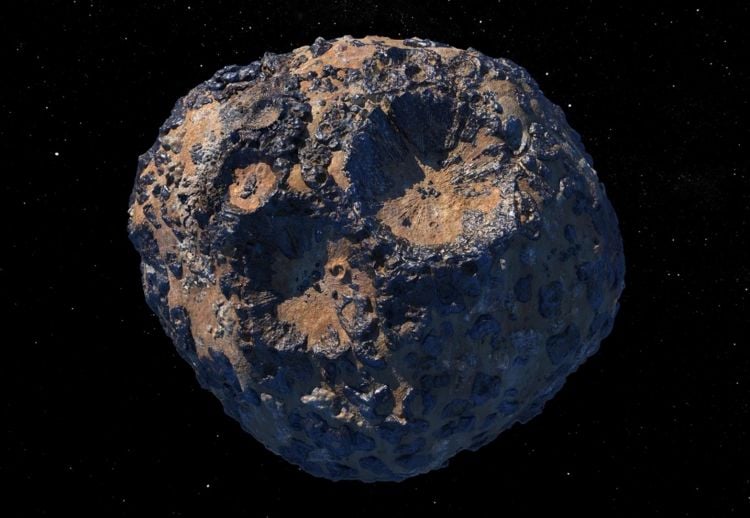
When we think of asteroids, we almost immediately think of giant rocks bouncing around like the iconic chase scene in Empire Strikes Back, and we often hear how they are remnants from the birth of the solar system. While the asteroids that comprise the Main Asteroid Belt of our solar system are not only spread far apart from each other, they are also not all made of rock. One asteroid approximately the size of the State of Massachusetts called 16 Psyche is made of metal, which planetary scientists hypothesize could be the remnants of a protoplanet’s core that didn’t build into a full-fledged planet. But how did such a unique asteroid form?
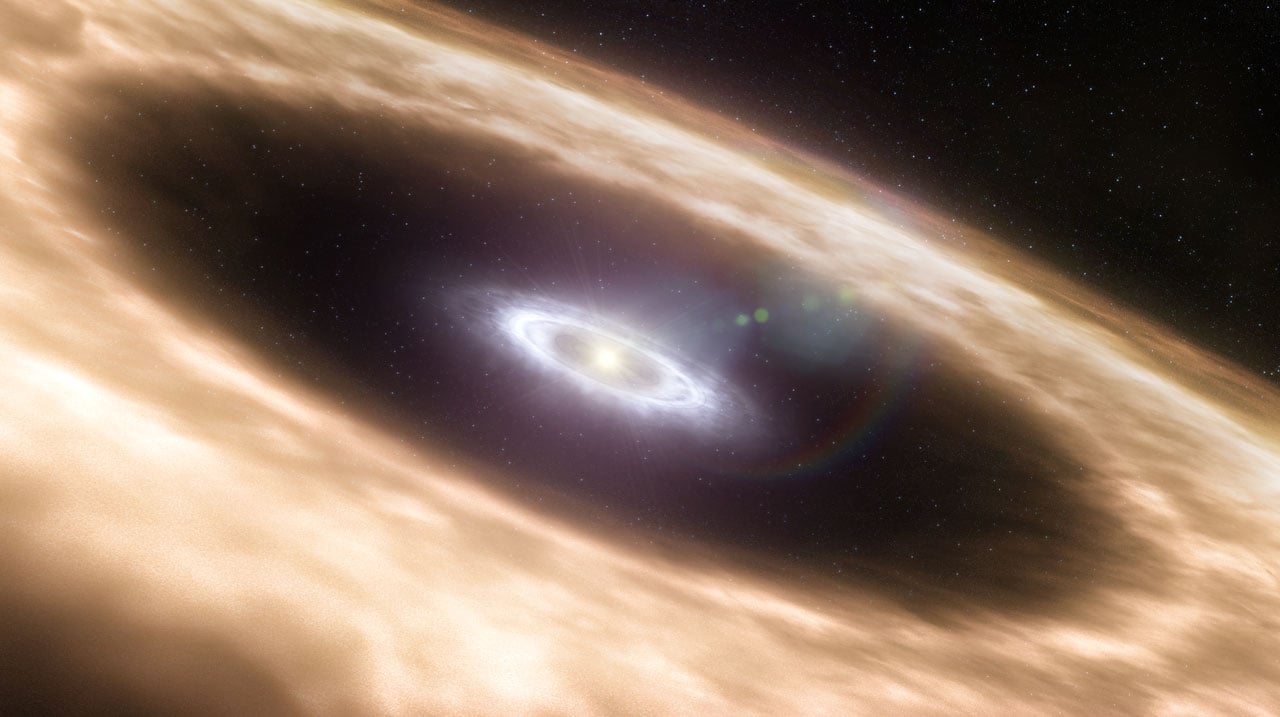
What happens in a protoplanetary disk to create planetesimals around a star? We know the general story -- the material begins to clump together and eventually grows from dust grains to rocky bodies capable of sticking together to make planets. But, how does that dust begin the aggregation journey? That's what a research team from the Switzerland wanted to know. So, they did experiments aboard parabolic micro-gravity flights to find an answer.
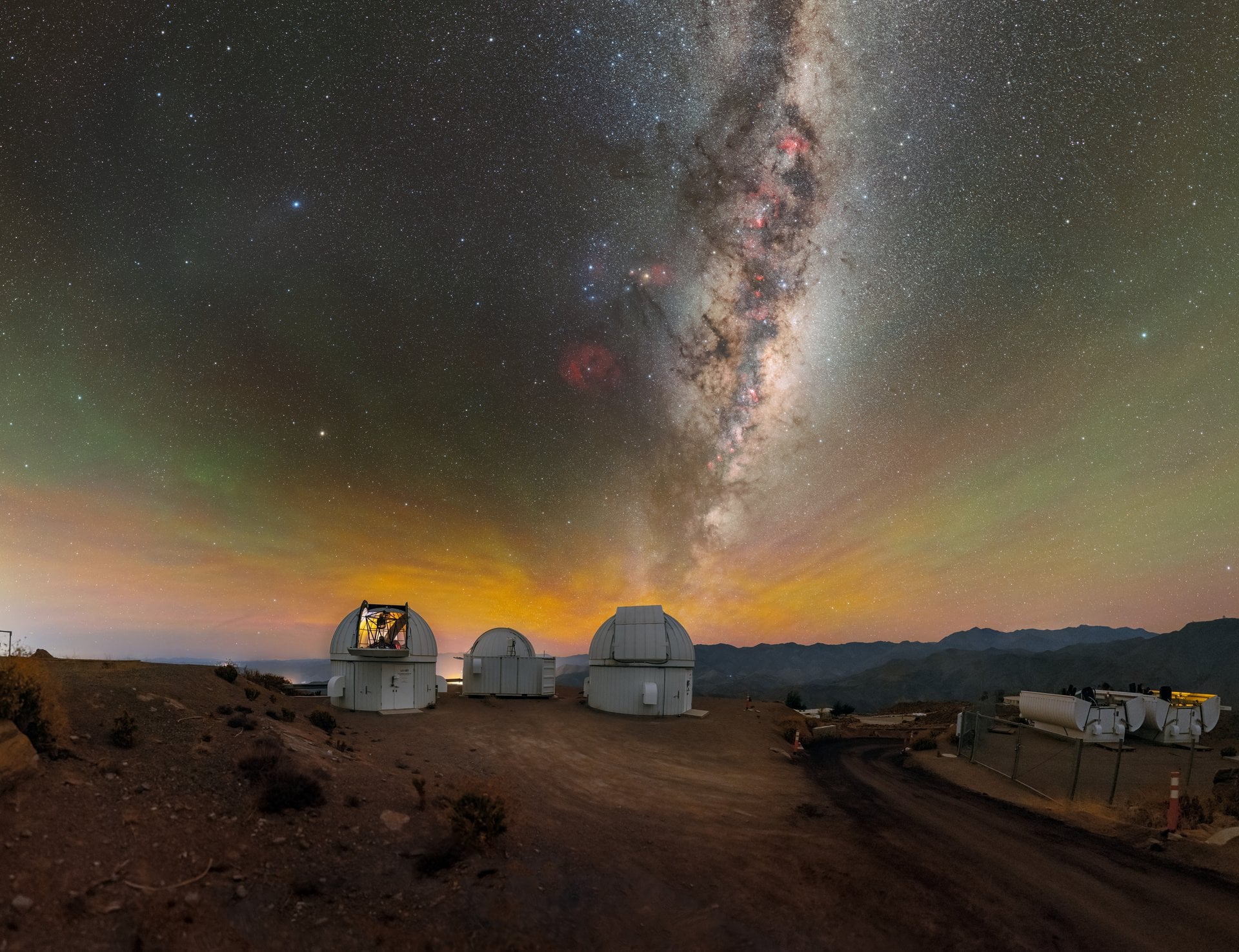
NSF NOIRLab has completed end-to-end runs of its ecosystem for following up on alerts from NSF–DOE Vera C. Rubin Observatory. The runs demonstrated how multiple NOIRLab-developed software tools, plus a network of telescopes around the globe, will enable quick follow-up observations of the countless transient objects that Rubin will uncover during its ten-year survey.
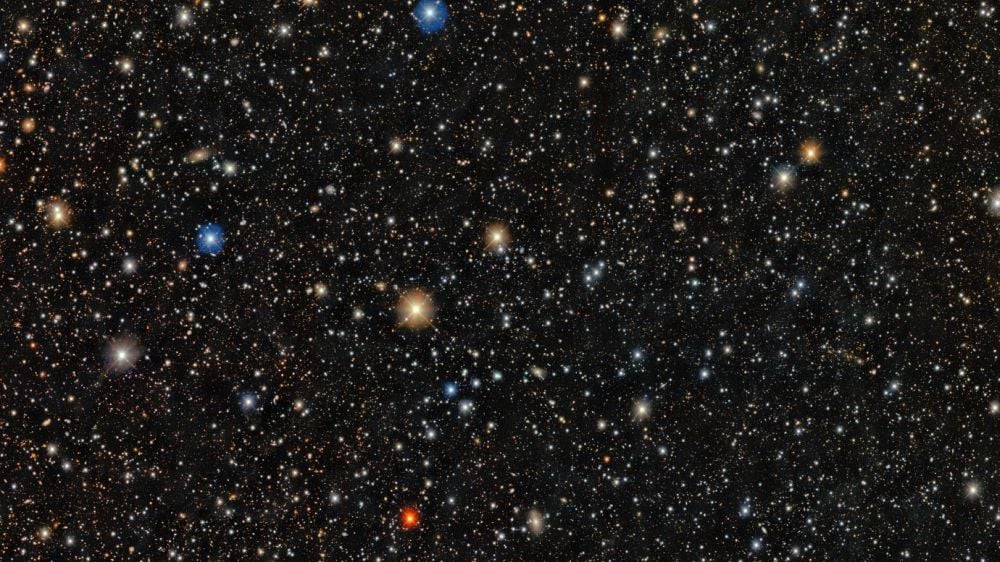
To understand the Universe we see around us today, we have to understand its past. Some hard-to-find ancient stars, called Population II stars, preserve evidence from the ancient Universe. Astronomers finally found one.
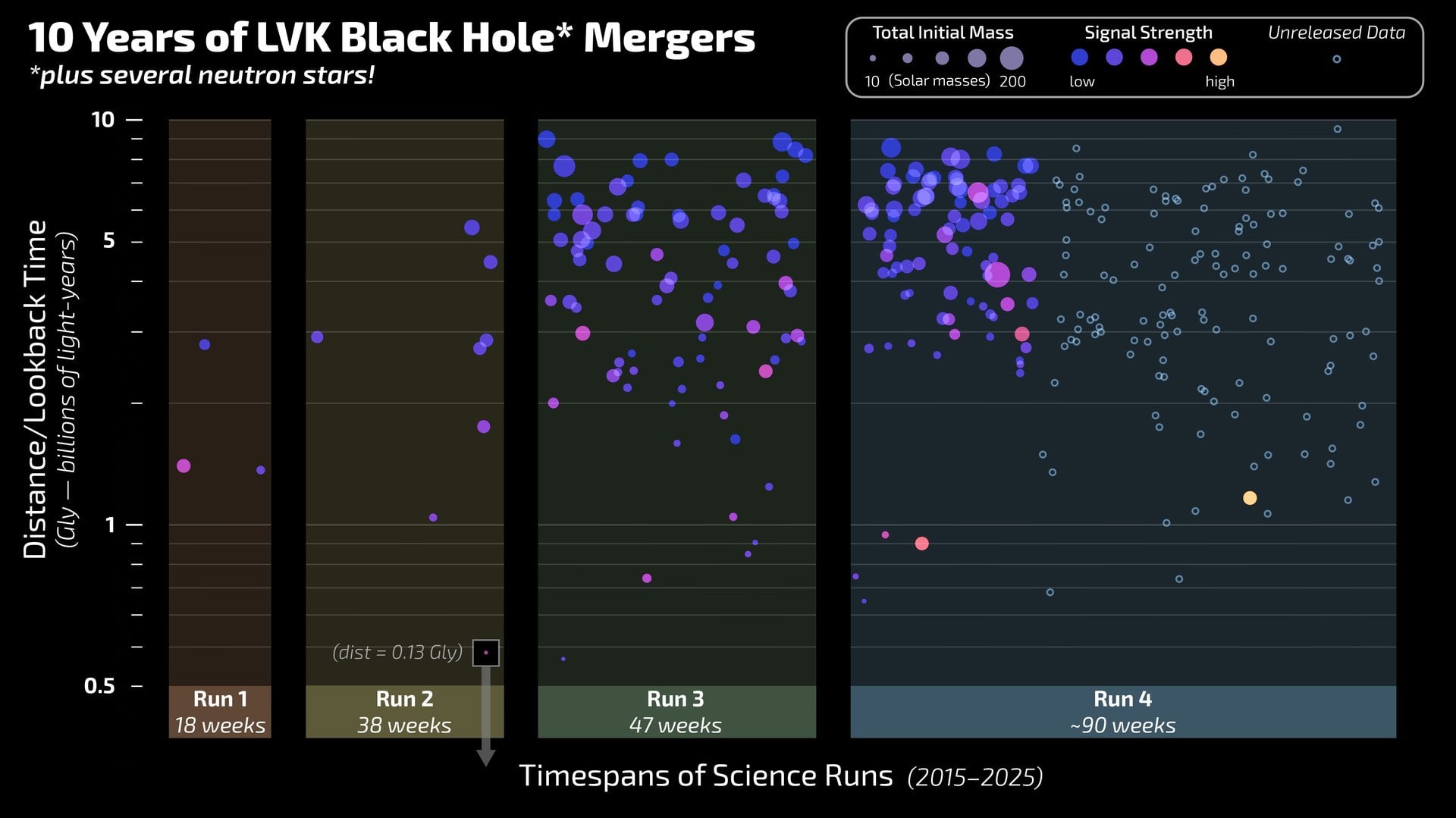
We can now use the gravitational waves of black holes to test general relativity and look for evidence of alternative theories of gravity.
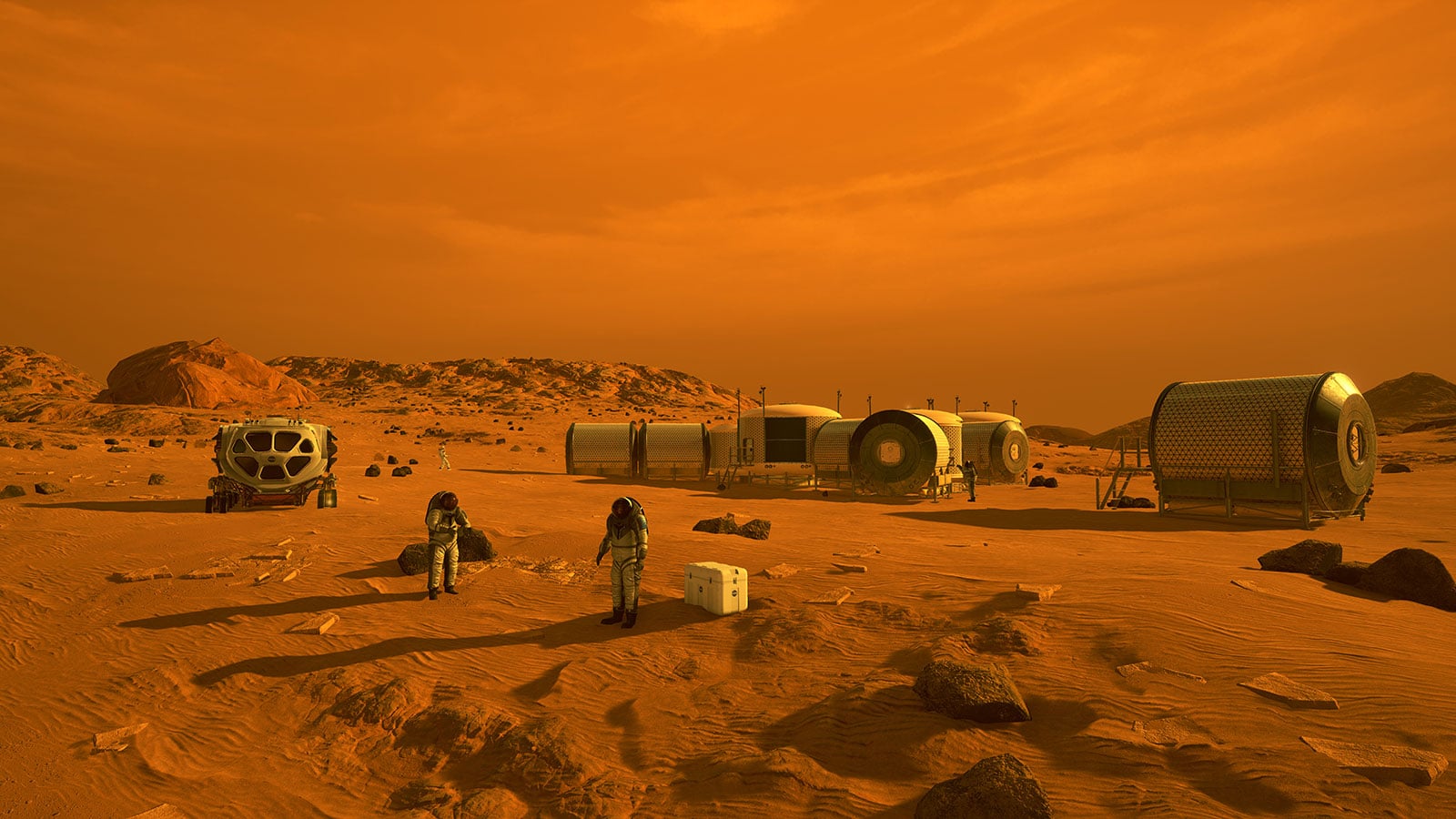
Marie Mortreux, an assistant professor in the University of Rhode Island’s College of Health Sciences, is part of an international team of researchers studying how the Mars’s gravity would affect astronauts’ skeletal muscle.
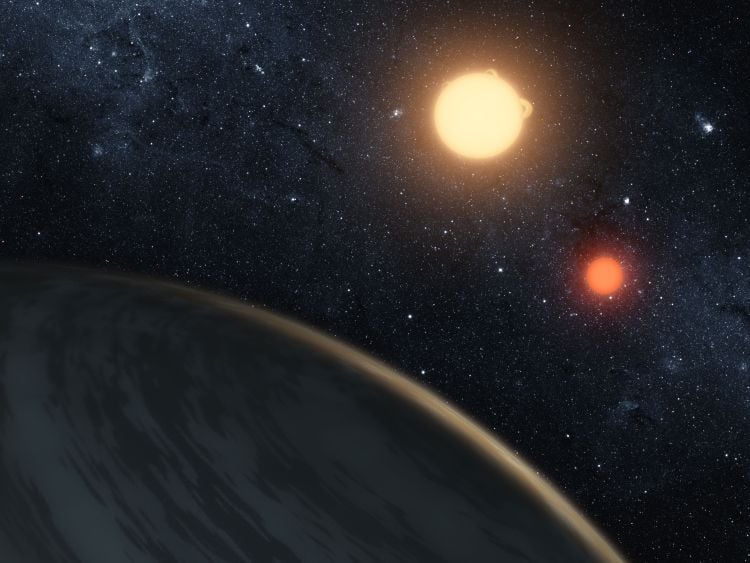
You just established a settlement on an Earth-like planetary body far from our solar system. You did your evening chores after eating dinner, and you want to go out for the evening view, which consists of two setting stars, reminiscent of the infamous scene in Star Wars. However, there’s one major difference: a large planetary body is in the sky. As you were aware before arriving, you’re on an exomoon orbiting a Saturn-sized exoplanet, both of which orbits two stars.
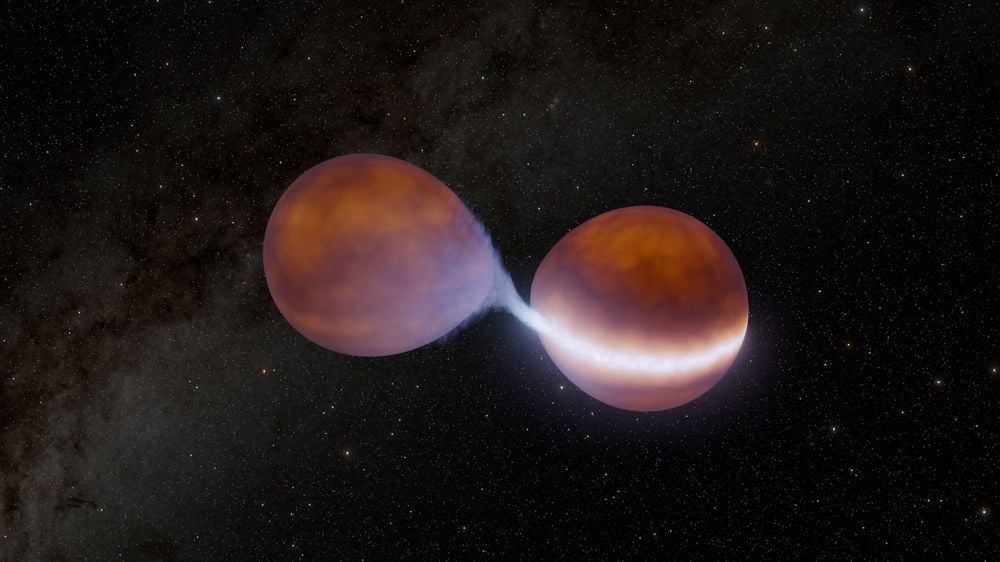
Astronomers have found the first case of a brown dwarf binary pair experiencing mass transfer. The pair are very close to one another, with an orbital period of only 57 minutes. The pair will eventually merge into one, brighter star, or the accretor will become massive enough to trigger fusion. At only 1,000 light-years away, the system is a strong candidate for more detailed, follow-up observations.
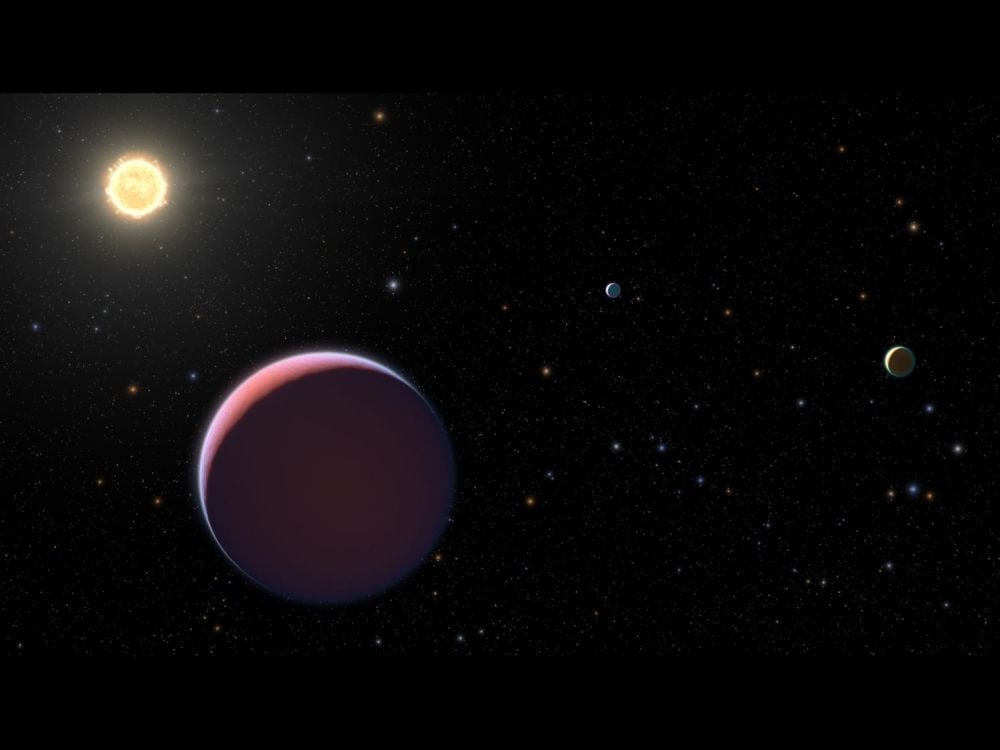
Super-puff planets have extremely low densities, and exoplanet scientists aren't sure why. They seem to defy our understanding of how planets form. Researchers used the JWST to observe the atmosphere of Kepler-51d, one of the puffiest of the super-puffs. Unfortunately, even the powerful space telescope found a featureless spectrum. What does it mean?
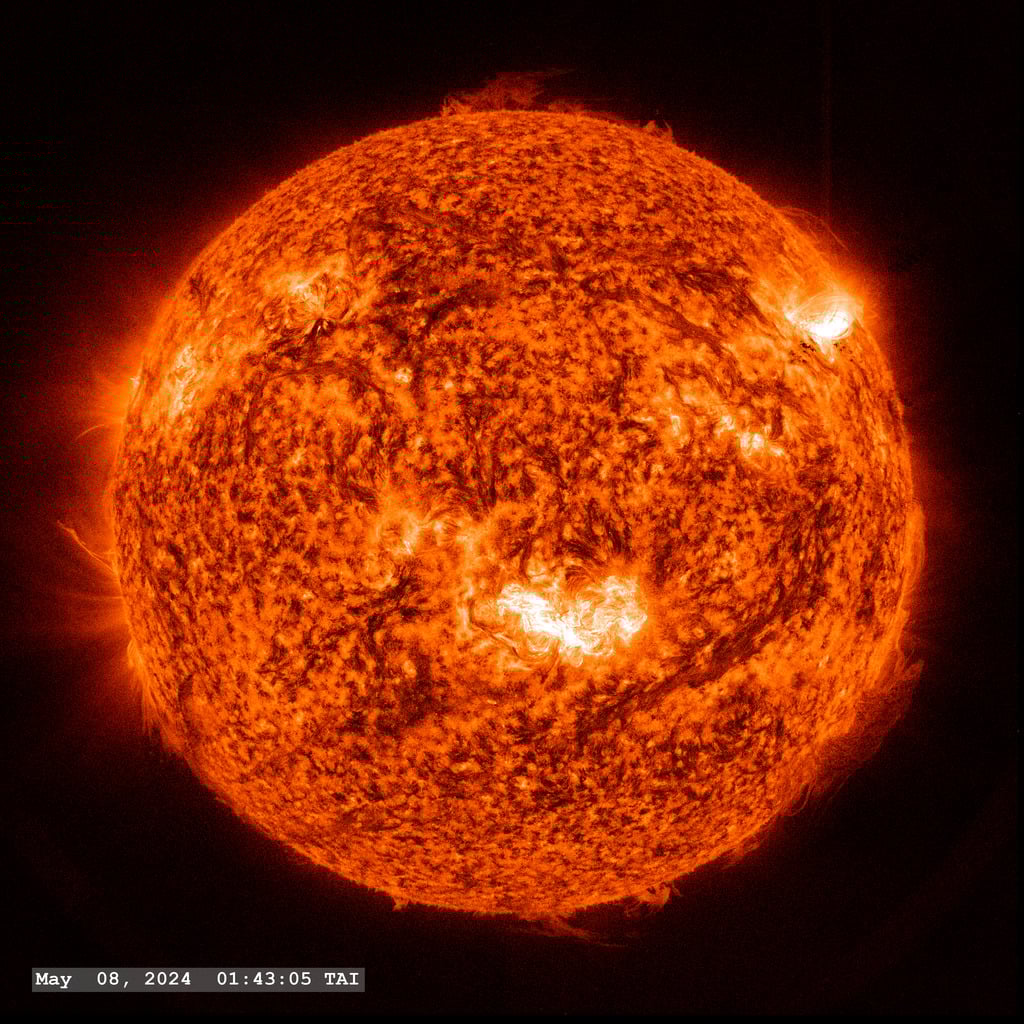
Space weather is a fascinating subject, but one we still have a lot to learn about. One of the main components of it is the active regions (ARs) of the Sun. These huge concentrations of magnetic fields show up throughout the Sun’s photosphere and are the primary source of solar flares and coronal mass ejections (CMEs). They can be simple pairings of magnetic flux or huge, magnetically complex tangles that spend weeks creating massive solar storms before dissipating. But tracking the longest lived of these ARs has been a headache for solar physicists, and a recent paper by Emily Mason and Kara Kniezewski, published in The Astrophysical Journal, both dives into this tracking problem and uncovers some interesting features of the Sun’s most persistent ARs.
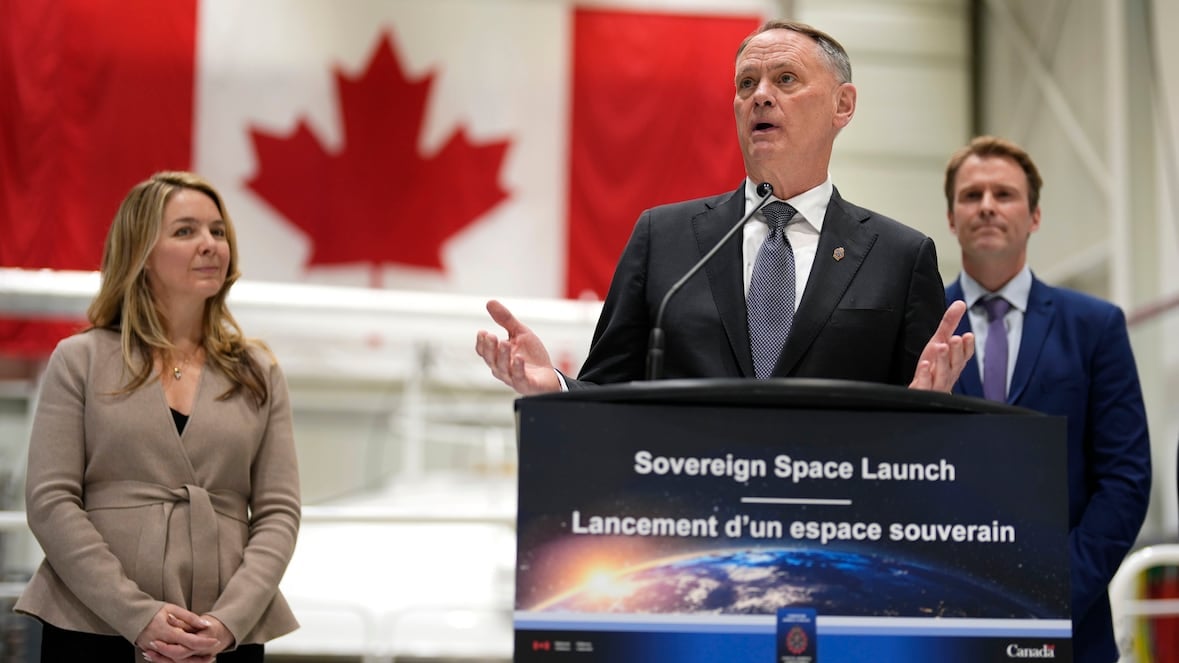
Minister of National Defence David McGuinty announced on Monday, March 16th, that the Canadian government is committing $200 million to develop Canada's first commercial spaceport in Nova Scotia, which will be run by Maritime Launch Services.
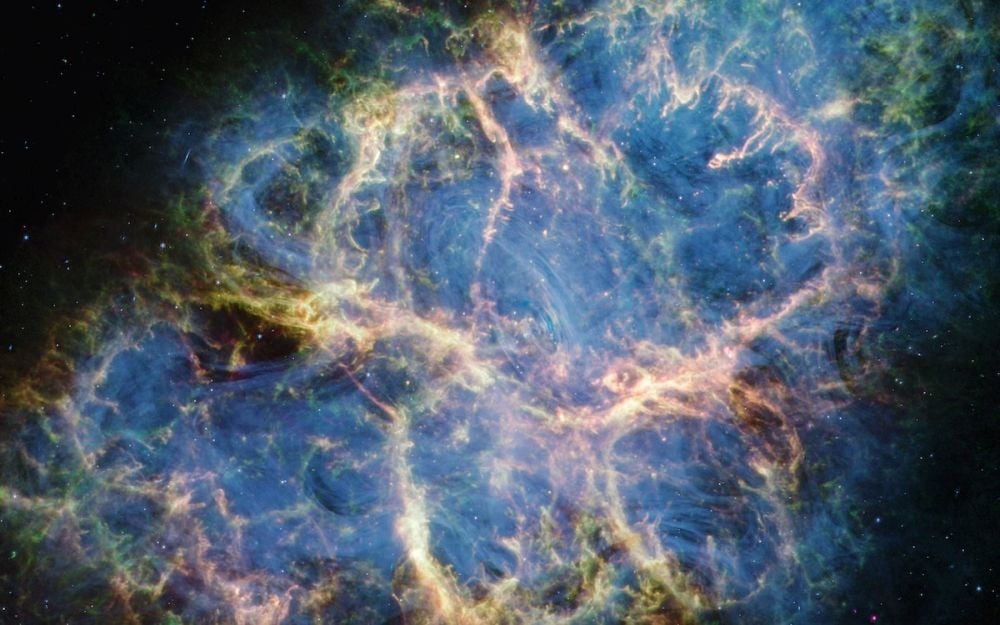
Pulsars are rapidly rotating neutron stars. The Crab Pulsar, an often studied supernova remnant, is known for its unusual radio emission patterns. New researchs says it's because of a "tug-of-war" between magnetism and gravity. Gravity acts as a focusing lens and plasma in the magnetosphere acts as a defocusing lens.
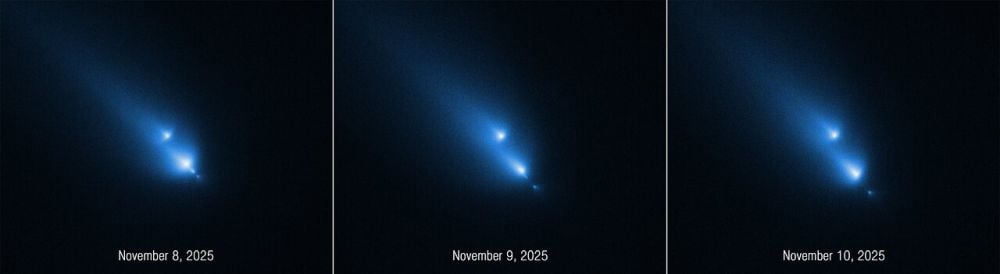
A team of astronomers were fortunate when their original comet target couldn't be observed with the Hubble. They quickly pivoted to a different target, and caught Comet K1 in the process of breaking apart. This gave them an excellent opportunity to learn more about the doomed object.
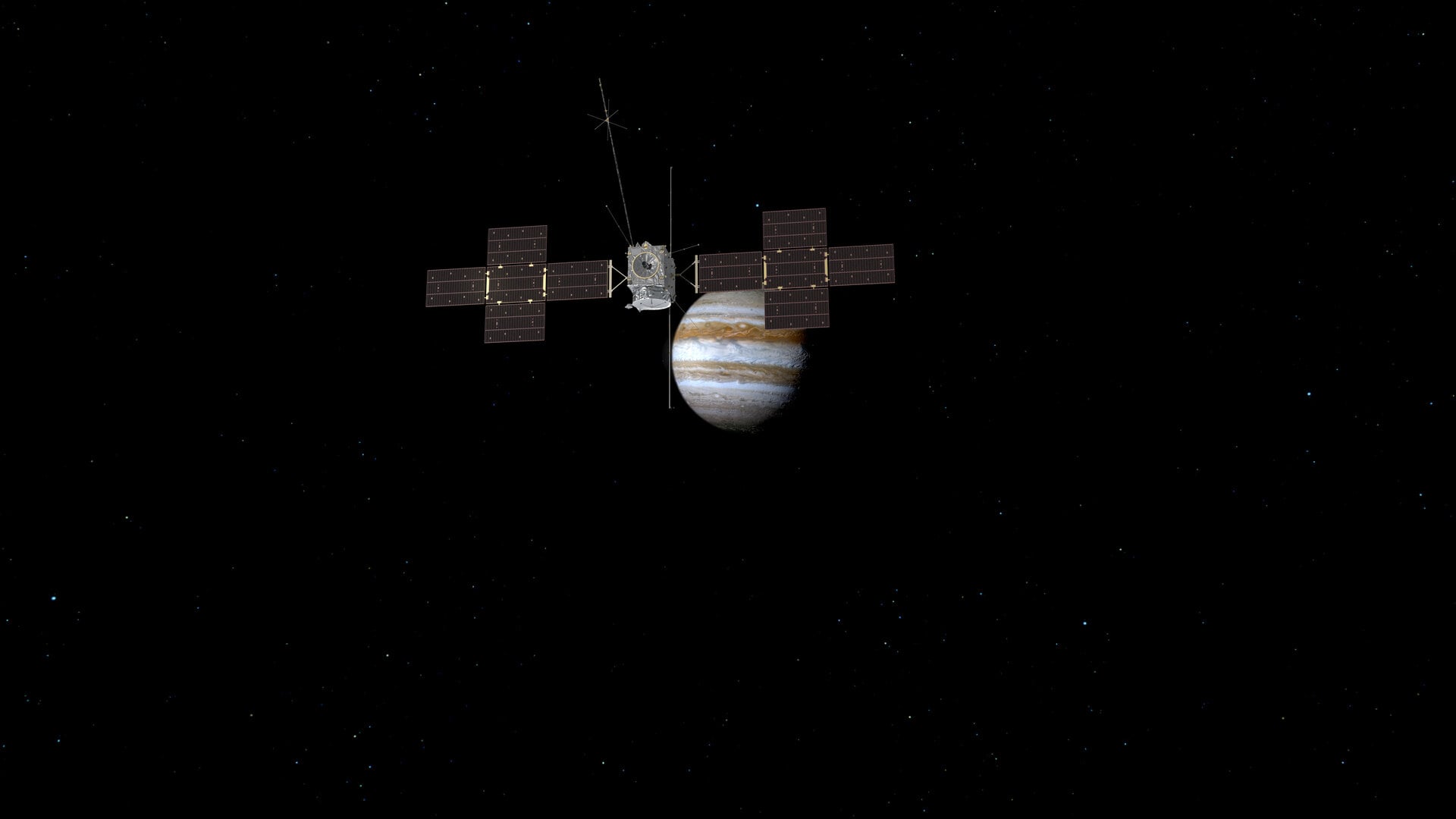
The European Space Agency’s (ESA’s) Jupiter Icy Moons Explorer (JUICE) probe is on its (very long) way to Jupiter, and will finally arrive at the King of Planets in 2031. Its primary mission is to focus on the “big three” icy moons - Ganymede, Europa, and Callisto. But while JUICE is busy mapping Ganymede’s magnetic field, it will also be keeping a sharp eye on the other 94 moons in the Jupiter system. A recent paper published in Space Science Reviews by Tilmann Denk of DLR, Germany’s space research association, and his co-authors showcases just how much “bonus science” JUICE is expected to squeeze out of these other targets.
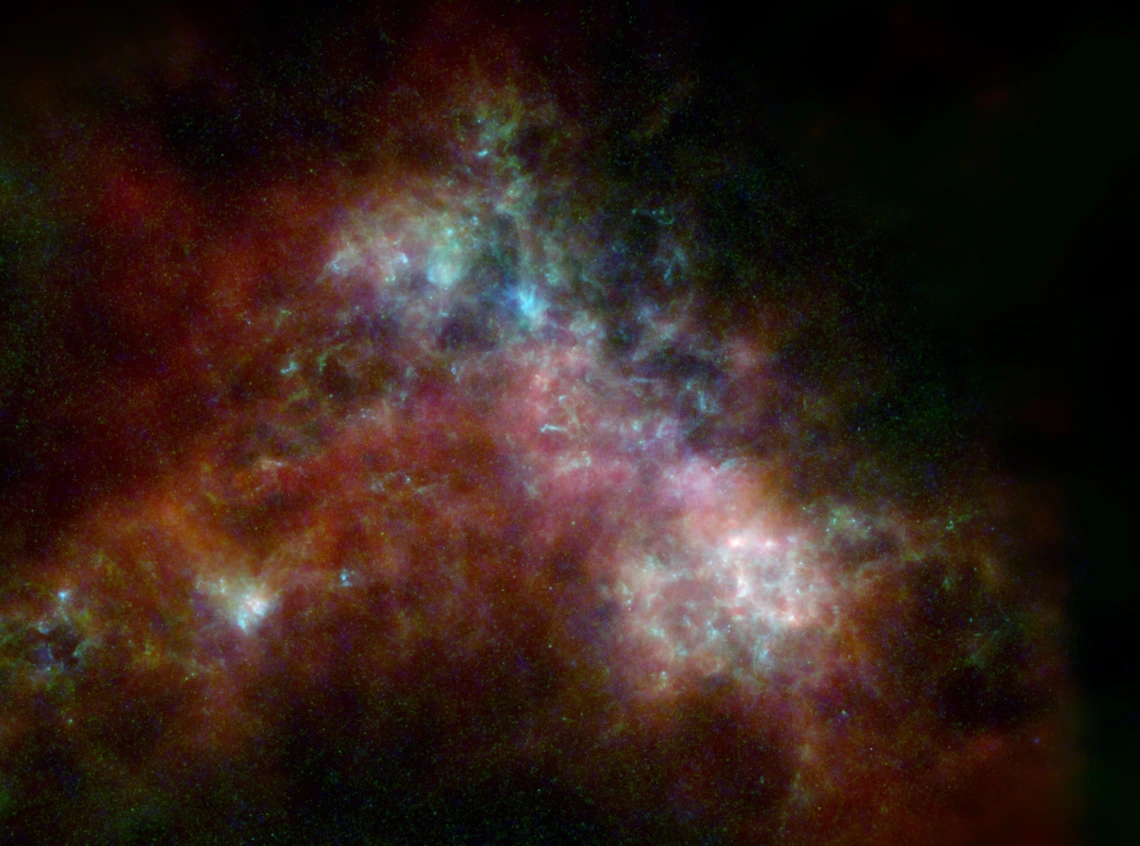
A strange lack of stellar orbits around the core of the Small Magellanic Cloud (SMC) mystified astronomers for decades. Not only that, but the SMC has a strange, irregular shape, and sports a tidal. Now, a team of observers led by graduate student Himansch Rathore at the University of Arizona, has tracked down the reason why the stars don't orbit. It's because the SMC crashed directly through its neighbor, the Large Magellanic Cloud (LMC), in the distant past. That huge collision disrupted stellar motions and [sent them on wildly different trajectories](https://ift.tt/7Obtc31). It also disturbed the clouds of gas within the SMC and created a tail of gas stretching out across space.
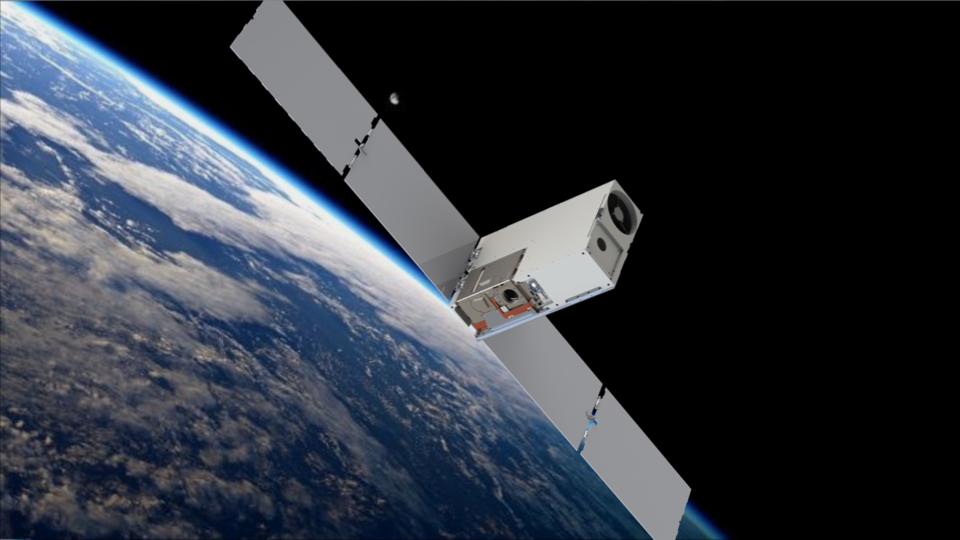
With the first images from the spacecraft now in hand, the team behind NASA’s Star-Planet Activity Research CubeSat (SPARCS) is ready to begin charting the energetic lives of the galaxy’s most common stars to help answer one of humanity’s most profound questions: Which distant worlds beyond our solar system might be habitable?
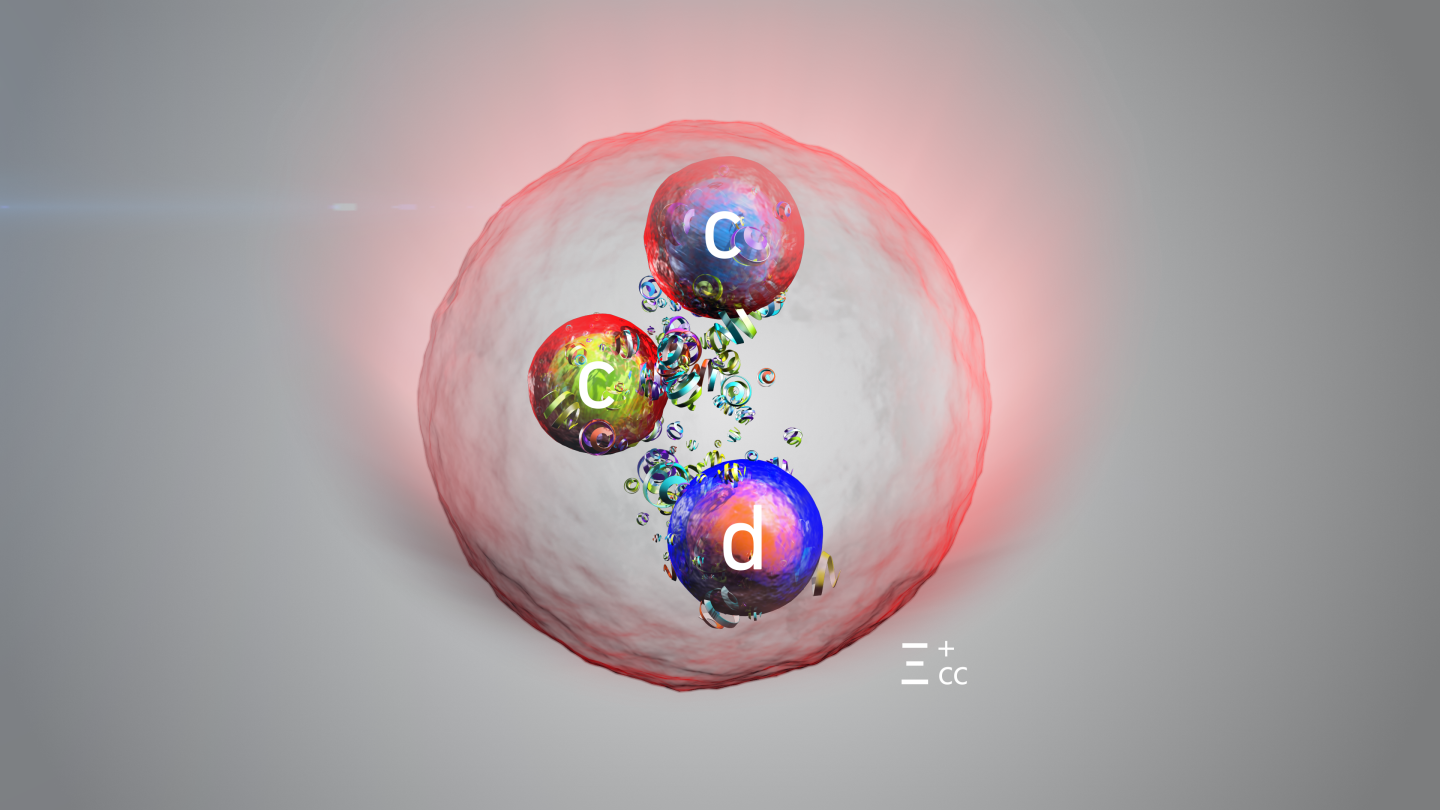
Scientists at Europe's CERN research center say the Large Hadron Collider's LHCb experiment has discovered a "doubly charmed" particle that's like a proton, but four times as weighty.

Astronomers say unusual readings from a star system 11,000 light-years away suggest that two of the planets circling the star crashed into each other, creating a huge, light-obscuring cloud of rocks and dust.
The WHAT? Yeah, the vortons. It’s not an anime monster-hunting show. It’s not some AI startup company. It’s a…it’s a thing. I think.